The Story
Plant Bio
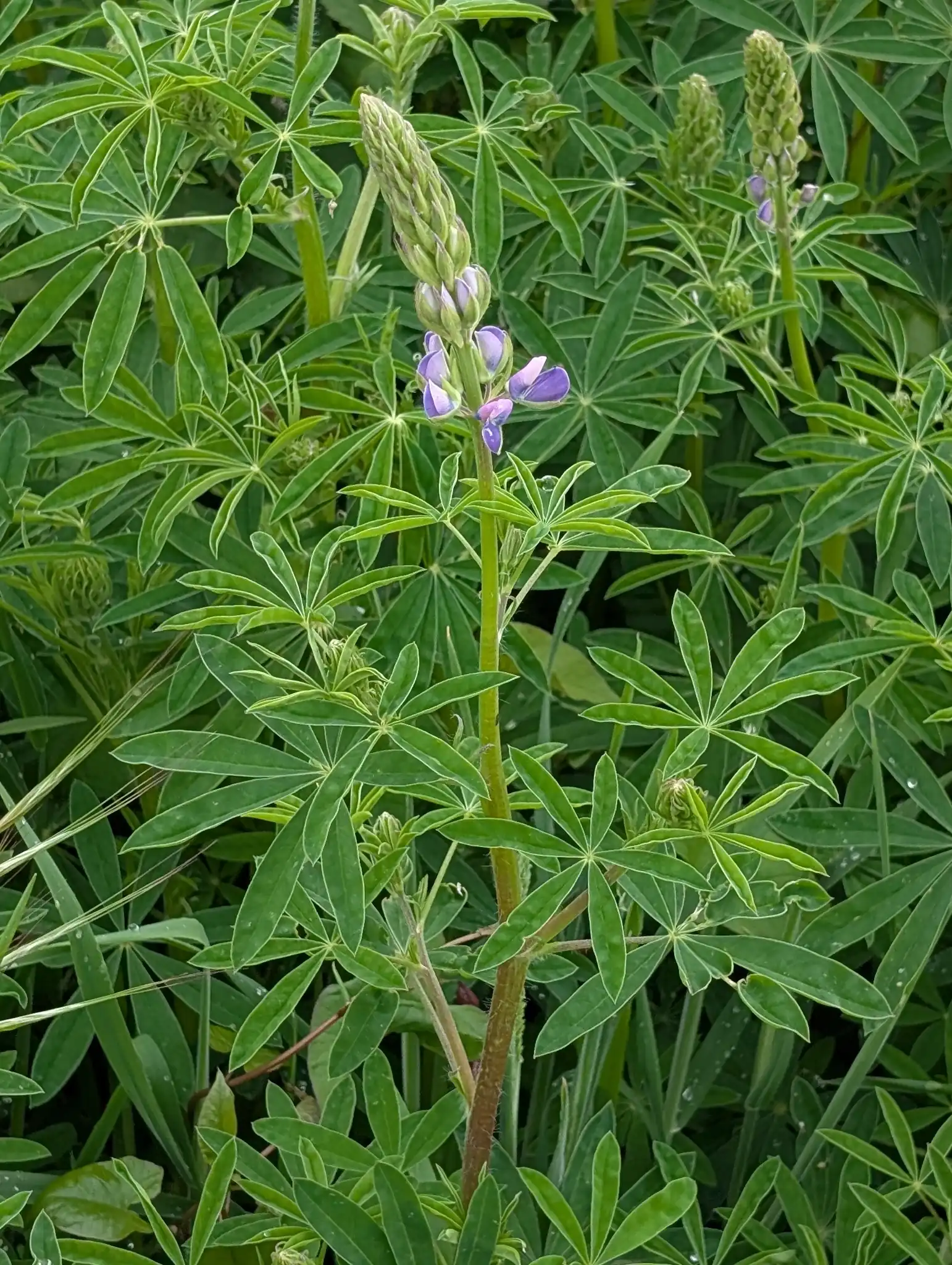
Lupinus rivularis is an erect, multi-stemmed perennial native to gravelly riverbanks and coastal margins of western North America. Thick, hollow, reddish stems carry palmate foliage with five to nine leaflets, topped by tall terminal spikes of blue to light purple pea-like flowers.
The flower racemes display a distinctive white spot on the keel petal that turns darker post-pollination. Symbiotic nitrogen-fixing root nodules allow the plant to thrive in lean, unfertilized alluvial substrates.
Uses & Benefits:
Essentials
At a Glance
Plant Type
Perennial
Height
60"
Width
35"
Light
Full Sun, Partial Sun
Zones
6, 7, 8, 9
Water
Low to moderate
Humidity
Adapted to coastal maritime humidity
Lifespan
Perennial (3-5 years)
Native To
Western North America
Toxicity
Toxic if ingested
Bloom period
Spring – Mid-summer
In flower about 5 months of the year
Planting
How to Grow
- Select a site in full sun to light shade with coarse, free-draining sandy or gravelly soil.
- Sow seeds direct in early fall after scarifying the seed coats with sandpaper or hot water.
- Water young plants regularly during their first season until the deep taproot establishes.
- Refrain from adding nitrogen fertilizer, as roots fix their own nutrients through soil microbes.
Pro Tip
Plant in lean, sharply draining gravelly soil and avoid overwatering or nitrogen fertilizers, which induce fatal root rot and shorten plant longevity.
Keep It Thriving
Care Guide
Do
- Provide coarse, gravelly substrate to ensure rapid winter water drainage.
- Prune off spent flower stalks above leafless wood to encourage secondary blooms.
- Scarify seeds mechanically before sowing to improve germination rates.
Don't
- Do not apply nitrogen-rich fertilizers, which cause weak stems and root decay.
- Do not disturb or severe the deep taproot after planting.
- Do not plant in heavy clay soils subject to standing water.
Seasonal Care Calendar
| Task | Jan | Feb | Mar | Apr | May | Jun | Jul | Aug | Sep | Oct | Nov | Dec |
|---|---|---|---|---|---|---|---|---|---|---|---|---|
| Pest Check | ||||||||||||
| Propagate | ||||||||||||
| Prune | ||||||||||||
| Spring Cleanup |
Watch Out For
Pests & Diseases
Common Pests
Common Diseases
In the Garden
Landscape Uses & Companions
Landscape Uses
Multiply
Propagation Methods
Good to Know
Common Questions
Riverbank Lupine questions
What zones can Riverbank Lupine grow in?
Riverbank Lupine is hardy in USDA Zones 6–9: in that range it survives winter in the ground. Colder than Zone 6, grow it in a container you can move to shelter for the winter, or as an annual. Warmer than Zone 9, winter isn't the problem: it prefers colder winters, and summer heat can shorten its life.
Is Riverbank Lupine deer resistant?
Not reliably. Deer may browse Riverbank Lupine, especially tender spring growth — plan on repellents or fencing where pressure is high.
When does Riverbank Lupine bloom?
Riverbank Lupine typically blooms from early spring to mid-summer. Exact timing shifts a week or two with your zone — Sow's bloom calendar maps it to your garden.
Does Riverbank Lupine need full sun?
Riverbank Lupine does best in full sun to part shade. In hot climates, afternoon shade keeps blooms fresher longer.
Is Riverbank Lupine drought tolerant?
Yes — once established (usually after the first full season), Riverbank Lupine handles dry spells with minimal watering. Water deeply its first year to build the root system that makes that possible.
More Lupinus to compare
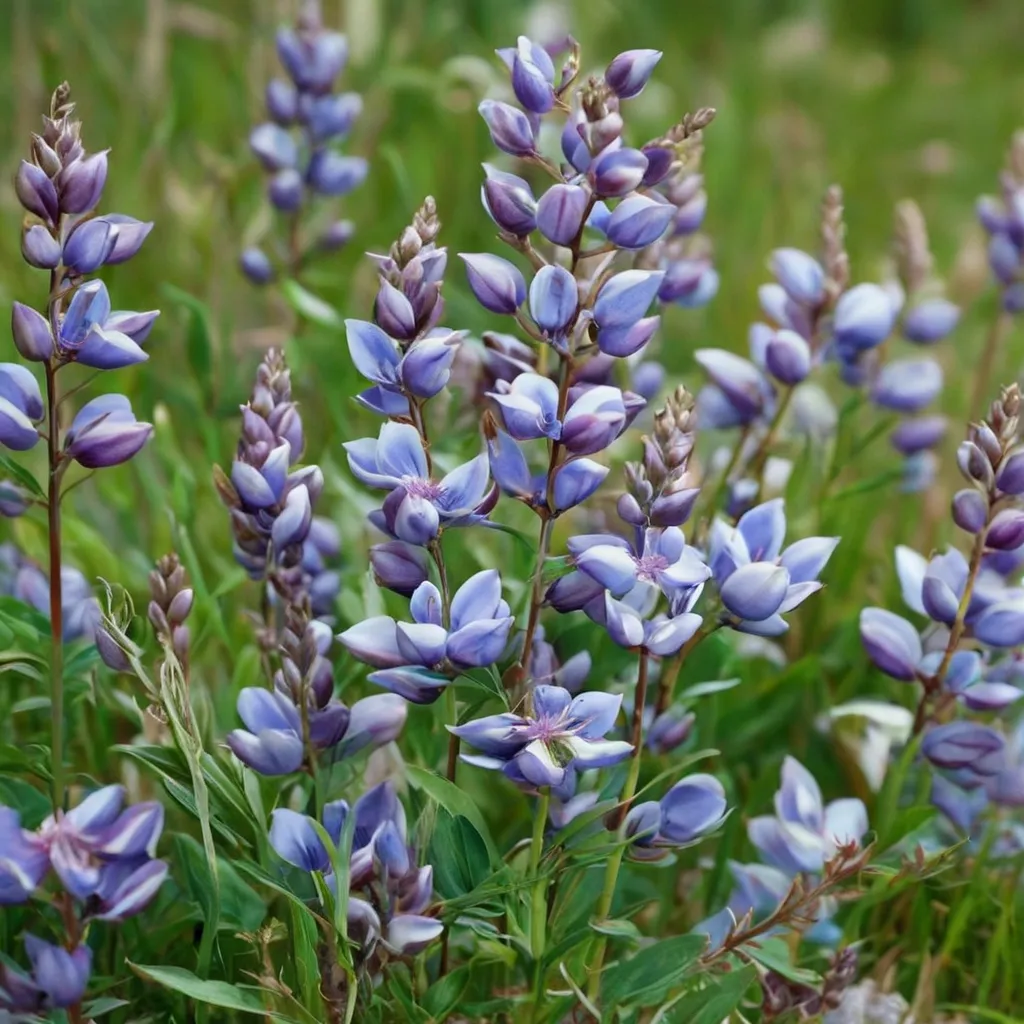
Wild Lupine
Lupinus perennis
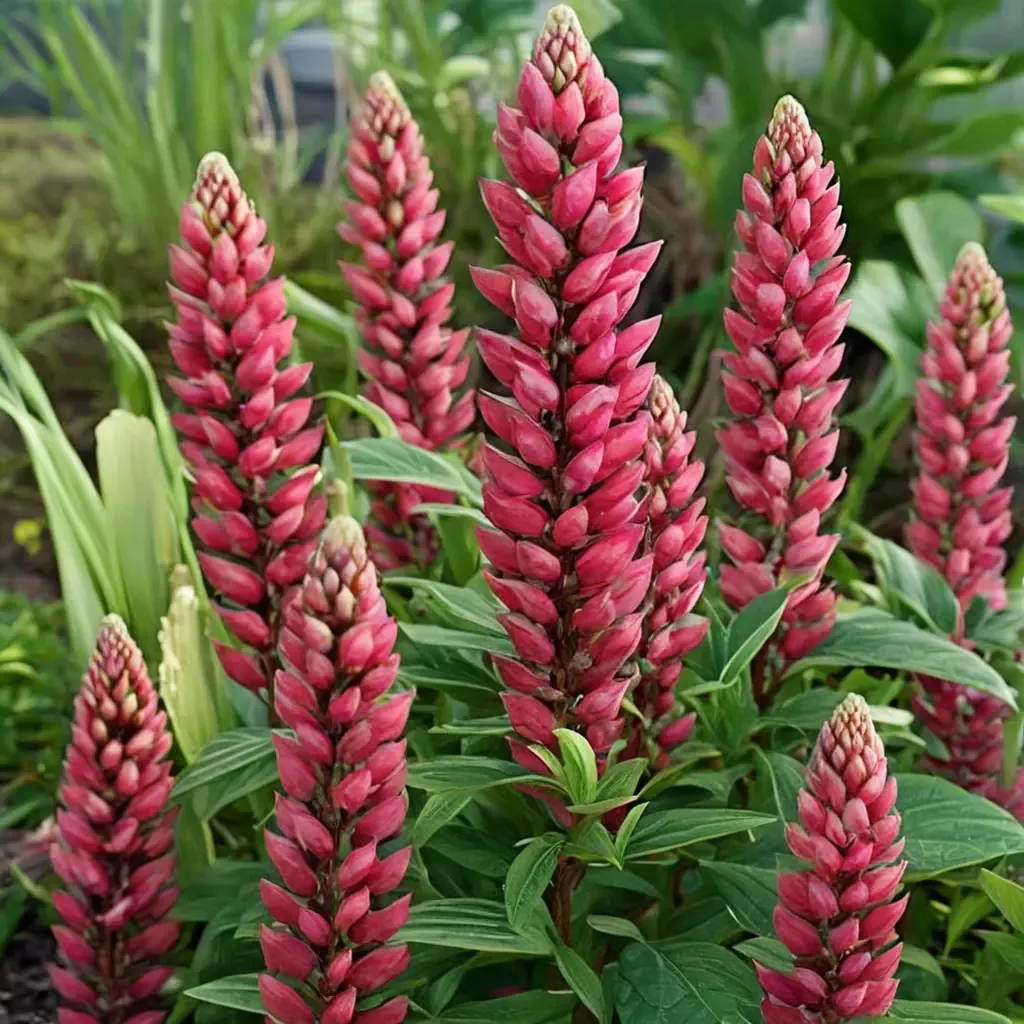
Red Popsicle Lupine
Lupinus polyphyllus 'Red Popsicle'
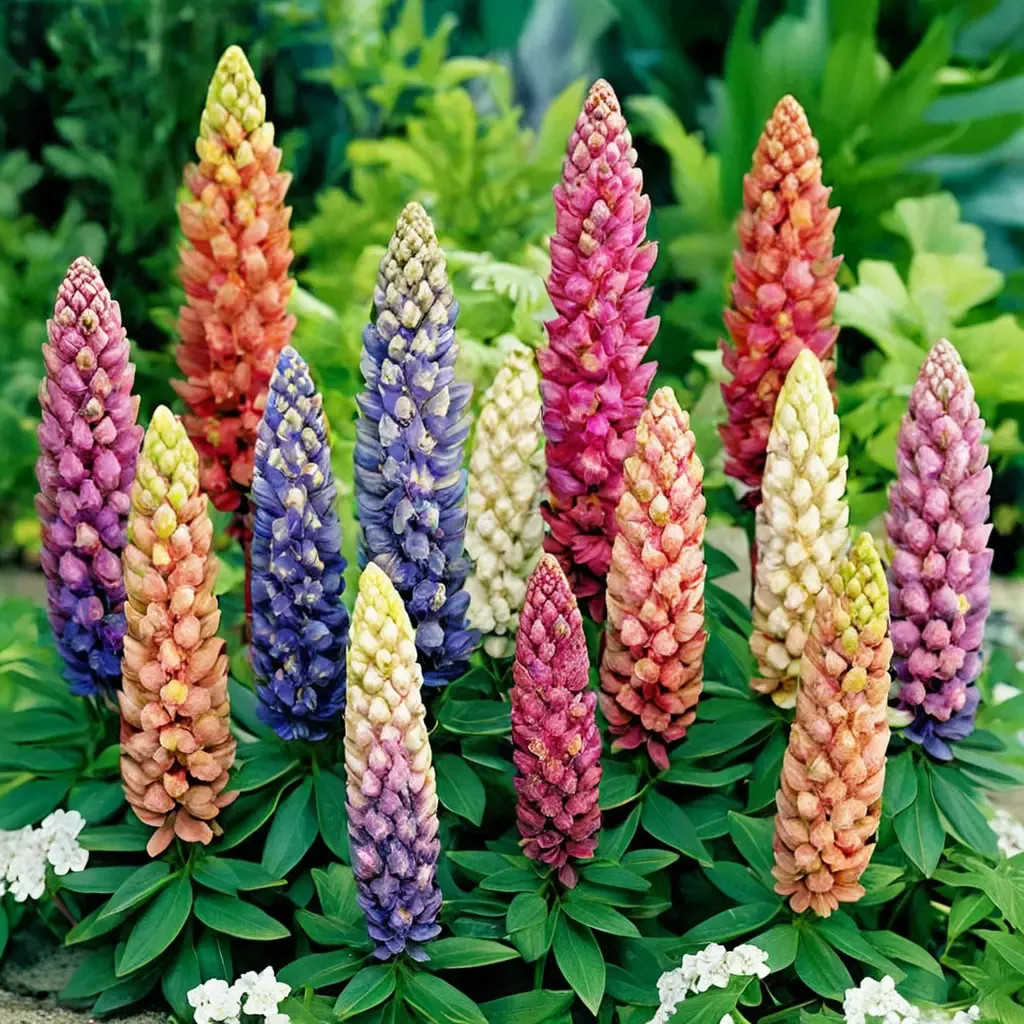
Dwarf Mix Lupine
Lupinus polyphyllus 'Dwarf Mix'
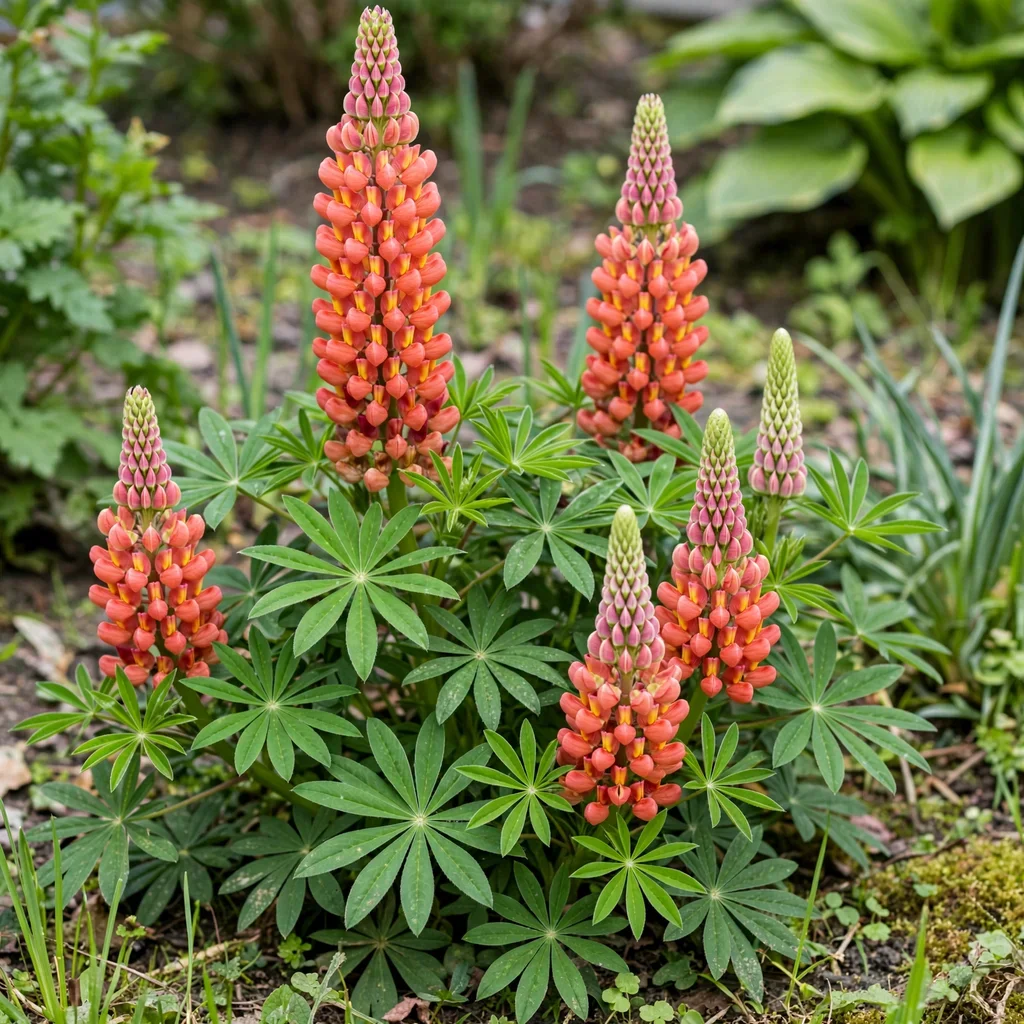
Garden Lupine
Lupinus polyphyllus 'Towering Inferno'
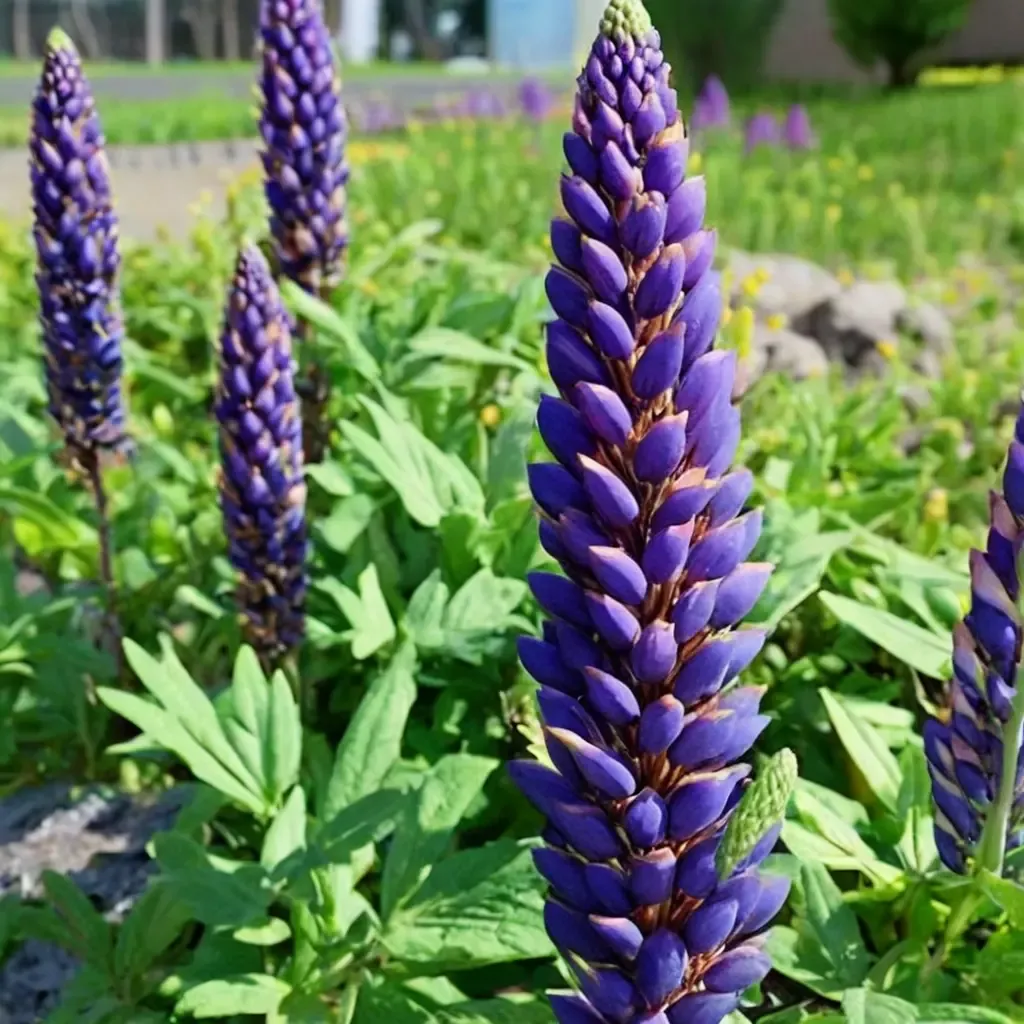
Magic Lantern lupine
Lupinus polyphyllus 'Magic Lantern'
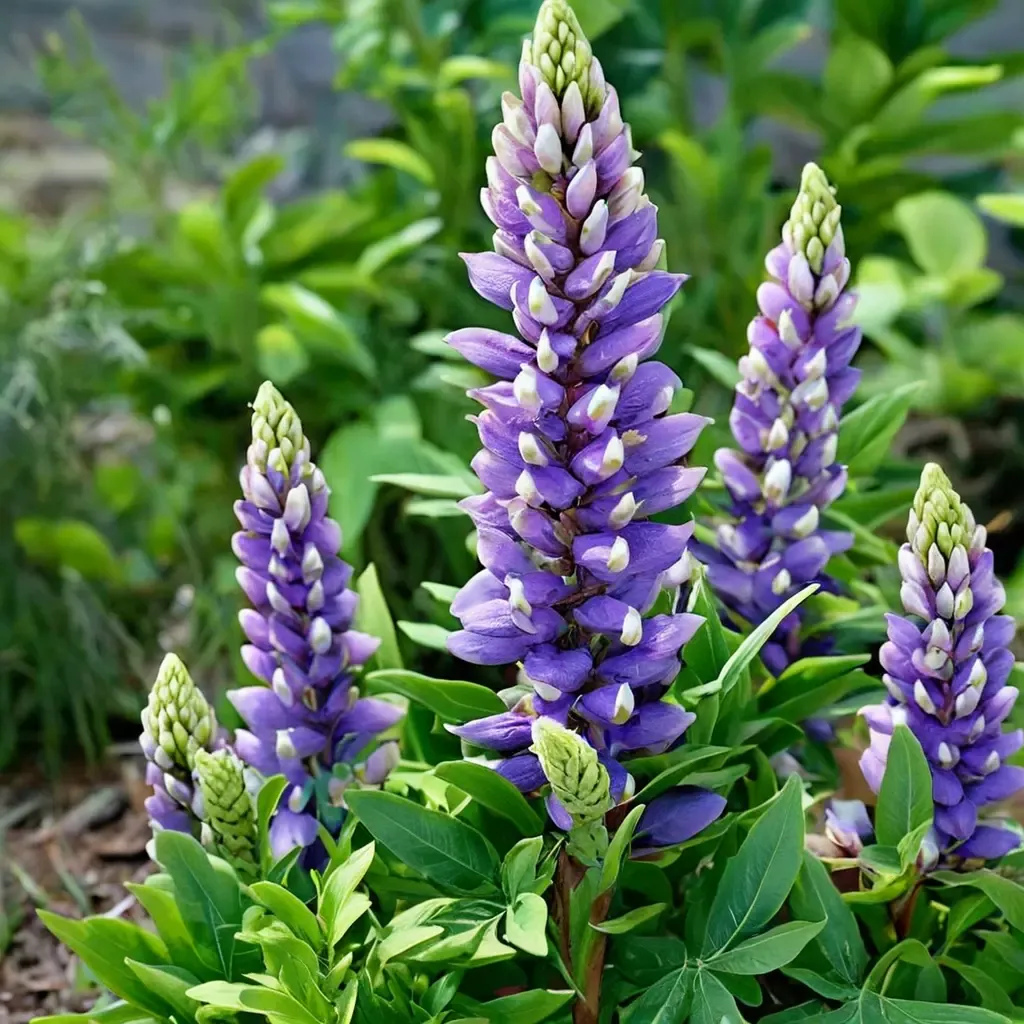
Gallery Blue Lupine
Lupinus polyphyllus 'Gallery Blue'
Keep exploring
Explore the genus
Hardy in your zone?
Grow Riverbank Lupine with confidence
See it in a design of your actual yard, get zone-matched care reminders, and track it season by season in your garden journal.