The Story
Plant Bio
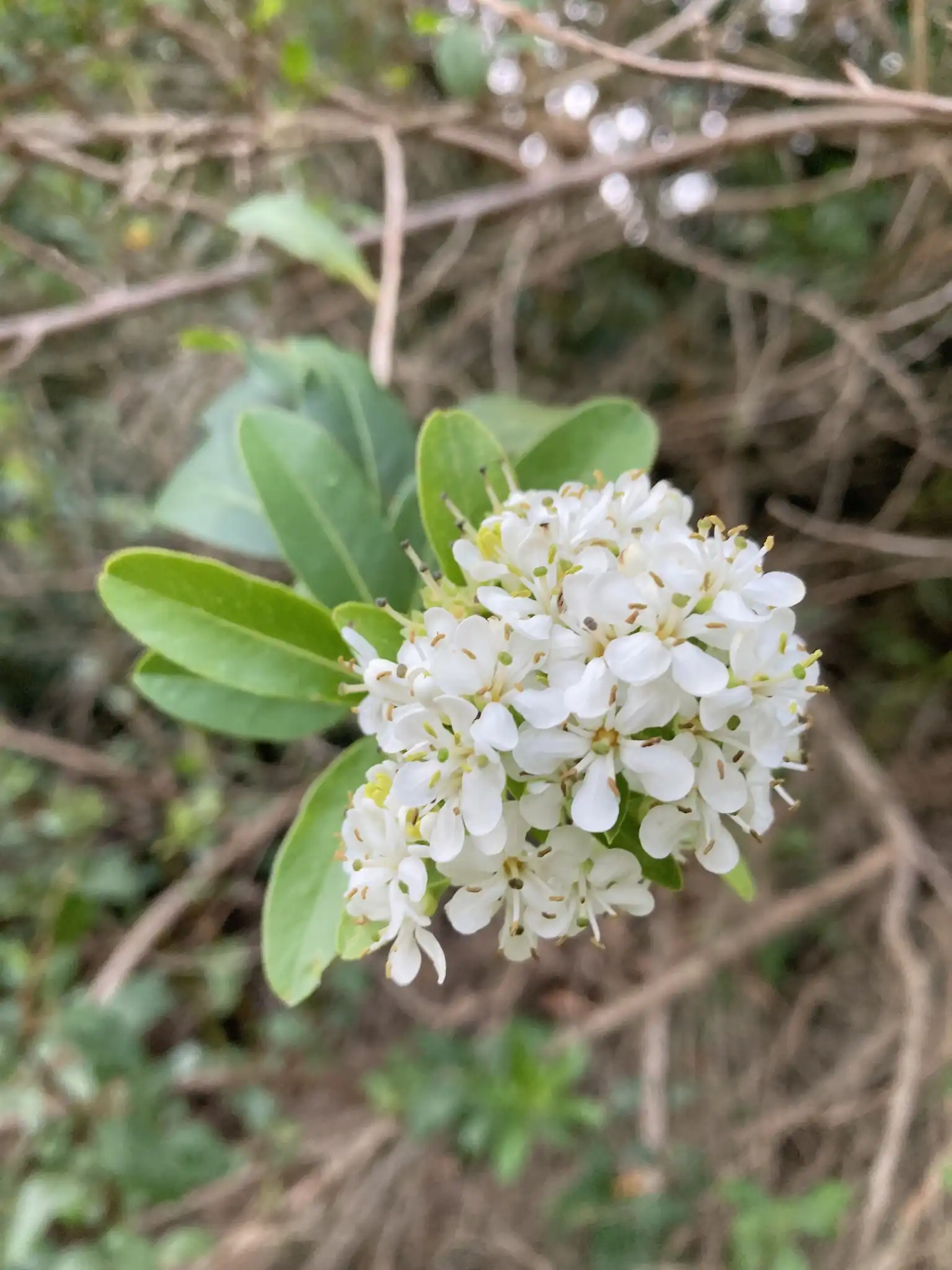
Escallonia bifida is an evergreen shrub or multi-stemmed small tree from South America, reaching 8 to 12 feet in gardens with dense, hairless branches. The leaves are glossy dark green, leathery and narrow-elliptic, 2 to 7 cm long with minutely toothed margins and resin dots beneath.
Unlike the pink- and red-flowered escallonias, it bears rounded terminal panicles 5 to 15 cm long of pure white flowers 1.2 to 1.9 cm across from summer into fall. It makes a dense 10-foot screen and is one parent, with E. exoniensis, of E. x exoniensis 'Iveyi', which it closely resembles in flower.
Uses & Benefits:
Essentials
At a Glance
Plant Type
Shrub
Height
120"
Width
144"
Light
Full Sun, Partial Sun
Zones
7, 8, 9, 10
Water
Moderate
Humidity
Tolerant of salt spray
Lifespan
Long-lived woody shrub
Native To
NE Argentina, S/SE Brazil, Paraguay, Uruguay
Toxicity
No toxicity reported
Bloom period
Summer – Fall
In flower about 6 months of the year
Planting
How to Grow
- Plant in full sun to part shade in any well-drained soil, including clay, with shelter from cold wind.
- Water regularly the first season, then water moderately; established plants tolerate summer drought but fail in waterlogged soil.
- Apply a balanced fertilizer in spring if growth is pale; avoid strongly alkaline soils that cause leaf chlorosis.
- Prune after summer flowering to shape or shear as a tall hedge, keeping plants 8 to 10 feet tall.
- Mulch the root zone and monitor for scale and mites through summer.
Pro Tip
Prune right after the summer flush to shape the hedge and site in well-drained soil with shelter from cold wind to prevent frost dieback and root rot.
Keep It Thriving
Care Guide
Do
- Plant in well-drained soil with space for air flow
- Water deeply during establishment then reduce once rooted
- Prune after flowering to keep the hedge dense
Don't
- Do not plant in waterlogged or strongly alkaline soil
- Do not use overhead water that keeps foliage wet
- Do not ignore honeydew and black sooty mold on stems
Seasonal Care Calendar
| Task | Jan | Feb | Mar | Apr | May | Jun | Jul | Aug | Sep | Oct | Nov | Dec |
|---|---|---|---|---|---|---|---|---|---|---|---|---|
| Mulch | ||||||||||||
| Pest Check | ||||||||||||
| Plant | ||||||||||||
| Prune | ||||||||||||
| Winter Prep |
Watch Out For
Pests & Diseases
Common Pests
Common Diseases
In the Garden
Landscape Uses & Companions
Landscape Uses
Multiply
Propagation Methods
Good to Know
Common Questions
White Escallonia questions
What zones can White Escallonia grow in?
White Escallonia is hardy in USDA Zones 7–10: in that range it survives winter in the ground. Colder than Zone 7, grow it in a container you can move to shelter for the winter.
When does White Escallonia bloom?
White Escallonia typically blooms from summer to fall. Exact timing shifts a week or two with your zone — Sow's bloom calendar maps it to your garden.
Does White Escallonia need full sun?
White Escallonia does best in full sun to part shade. In hot climates, afternoon shade keeps blooms fresher longer.
Is White Escallonia drought tolerant?
Yes — once established (usually after the first full season), White Escallonia handles dry spells with minimal watering. Water deeply its first year to build the root system that makes that possible.
More Escallonia to compare
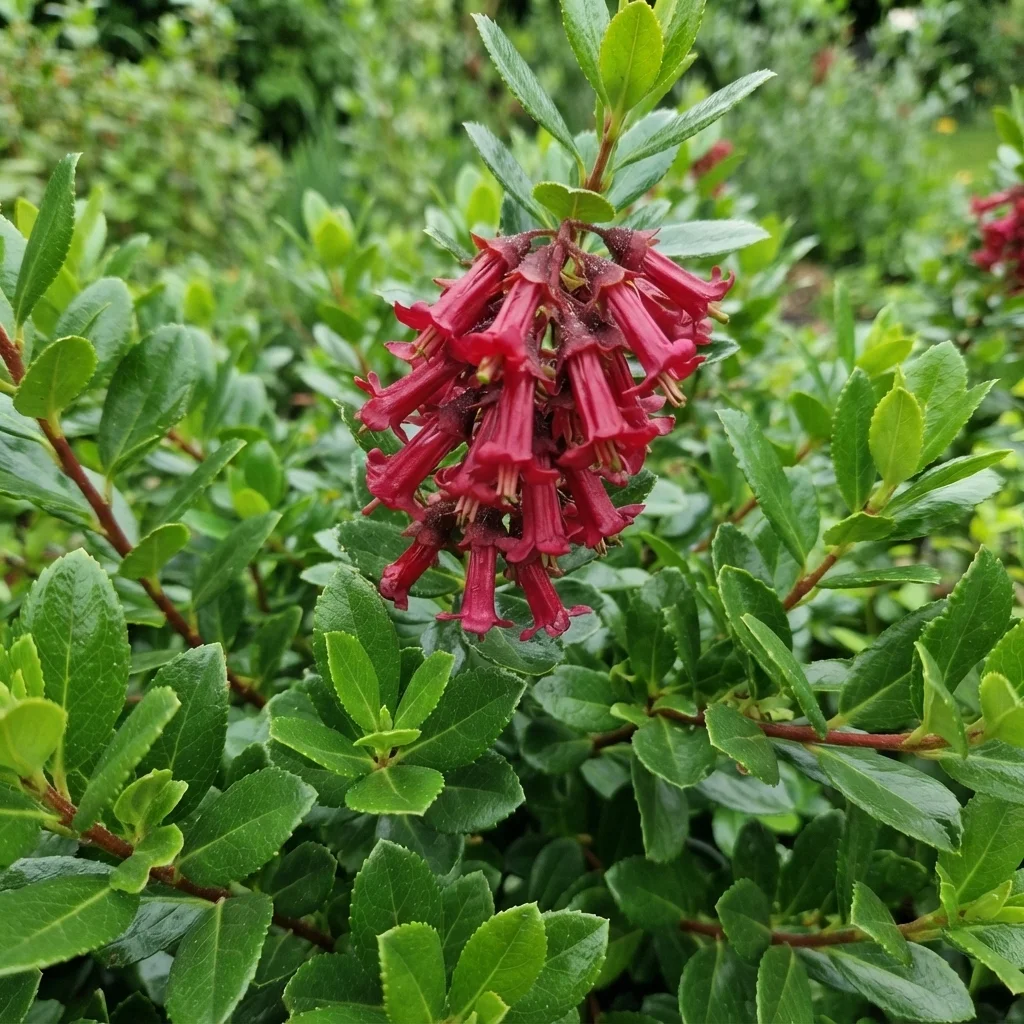
Redclaws
Escallonia rubra
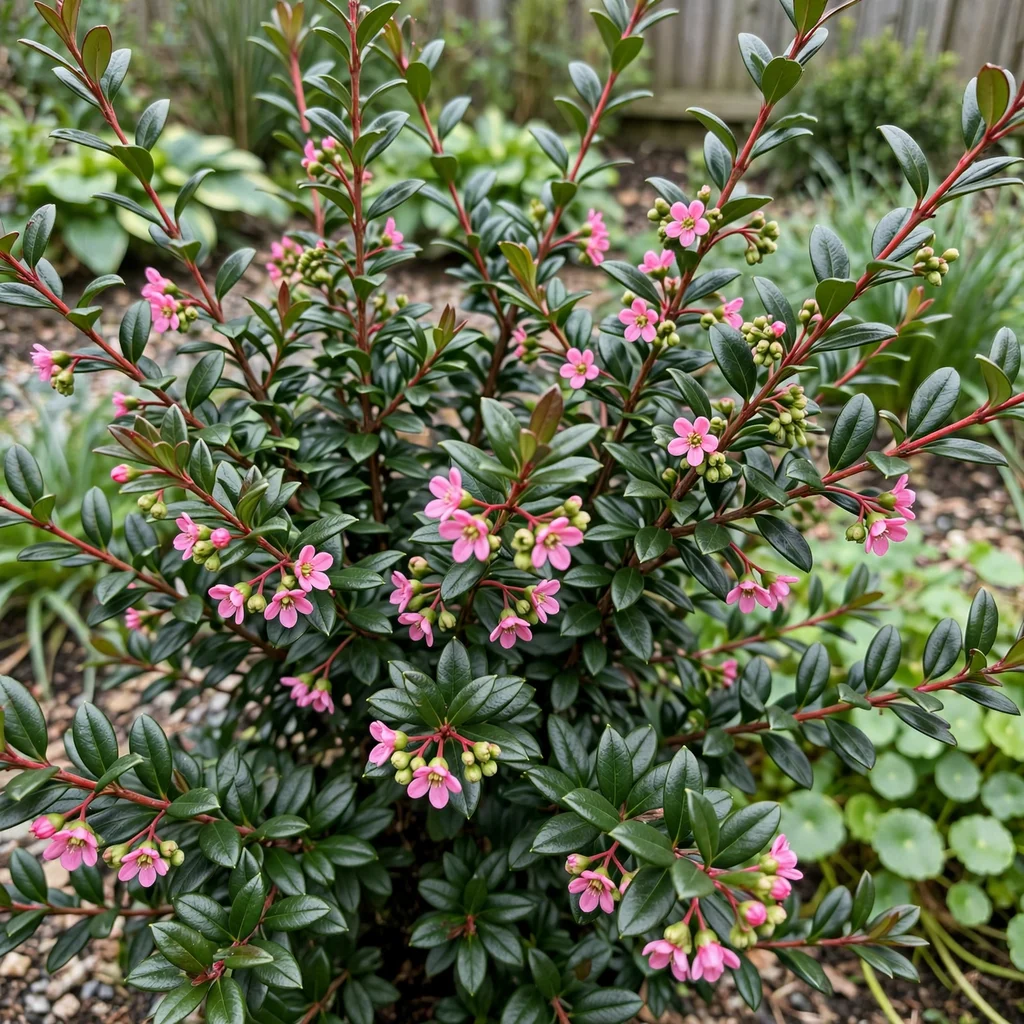
Pink Pixie Escallonia
Escallonia macrantha 'Pink Pixie'
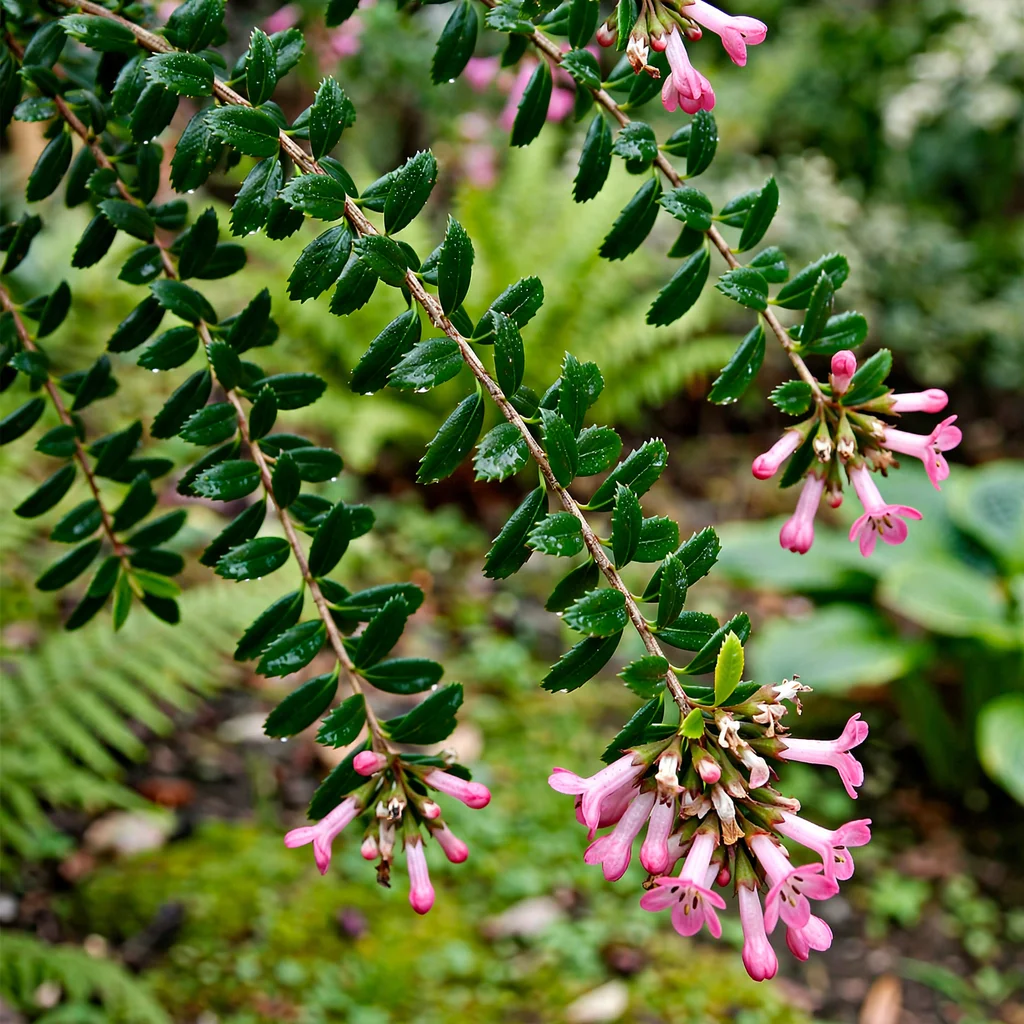
Pink Escallonia
Escallonia exoniensis
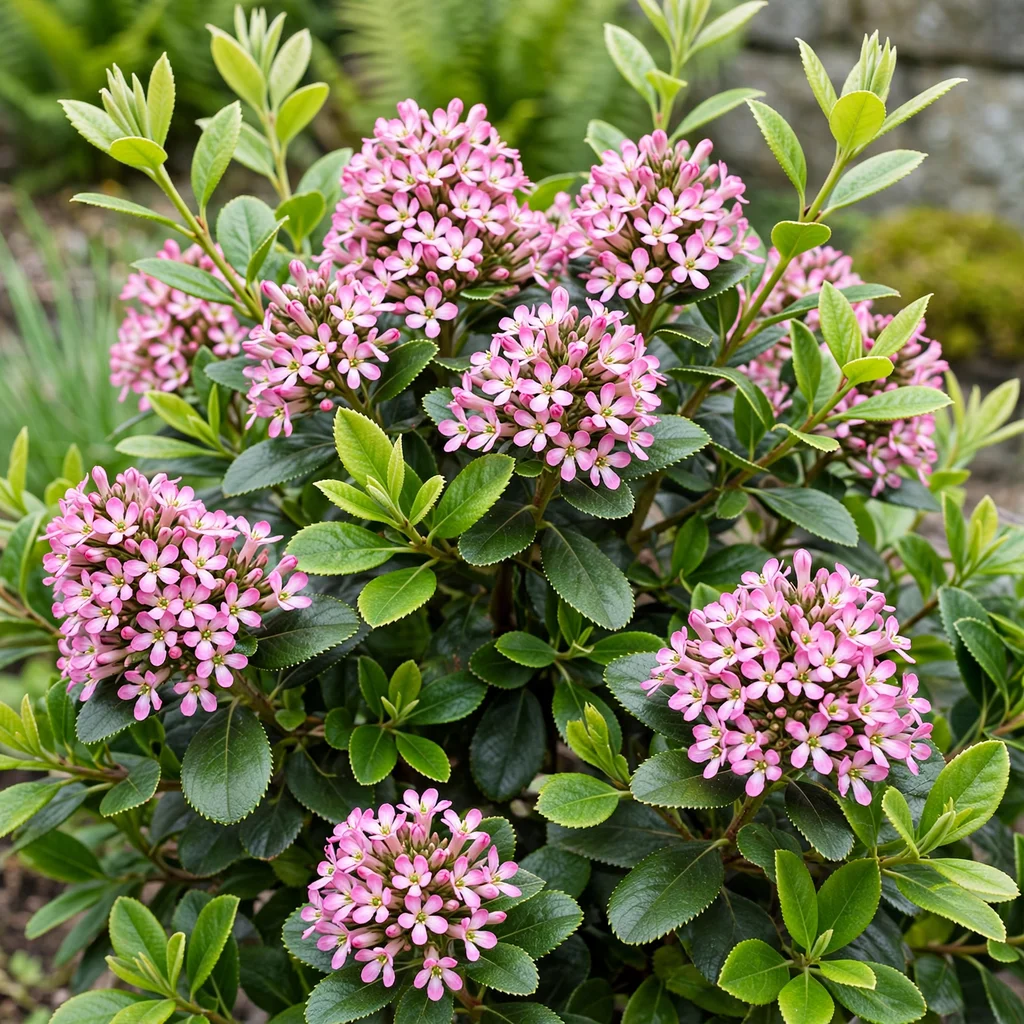
Pink Elle Escallonia
Escallonia laevis 'Pink Elle'
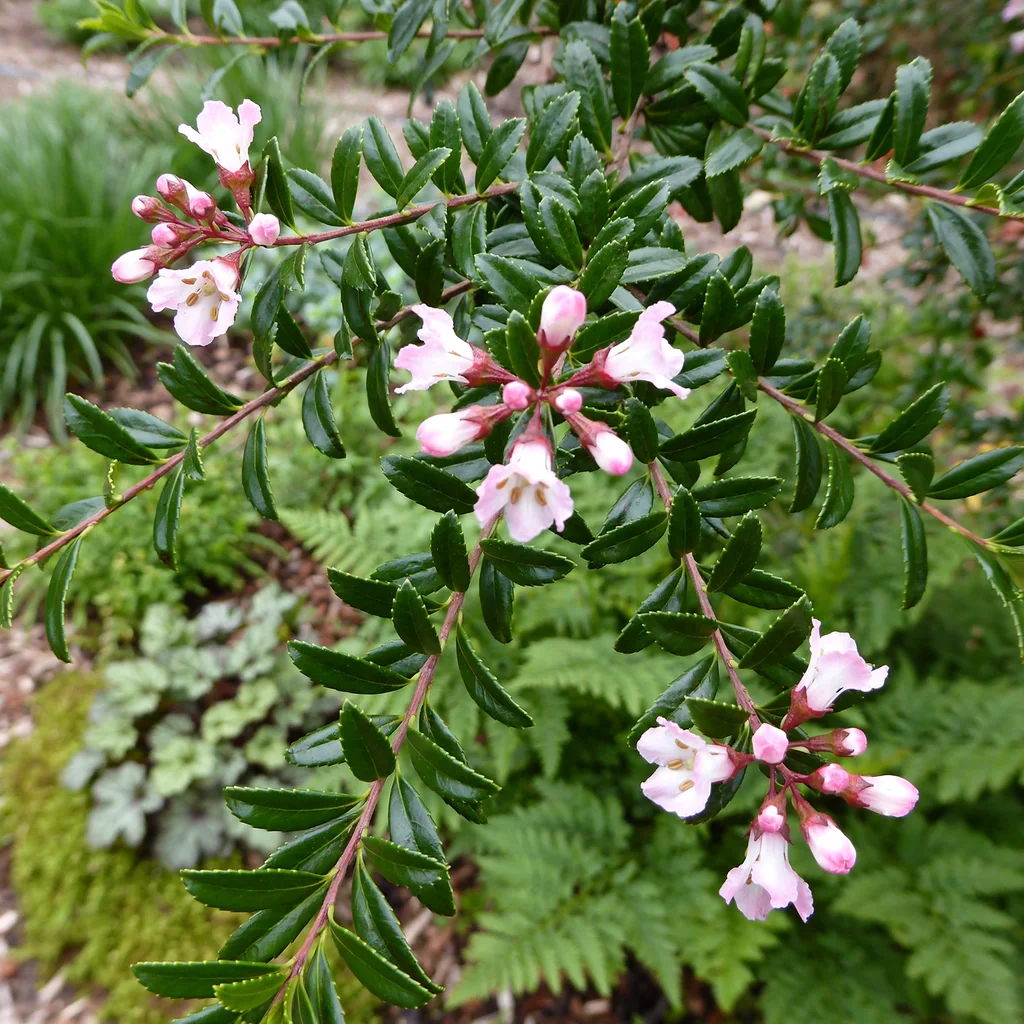
Apple Blossom Escallonia
Escallonia × langleyensis 'Apple Blossom'
Keep exploring
Explore the genus
Hardy in your zone?
Grow White Escallonia with confidence
See it in a design of your actual yard, get zone-matched care reminders, and track it season by season in your garden journal.