The Story
Plant Bio
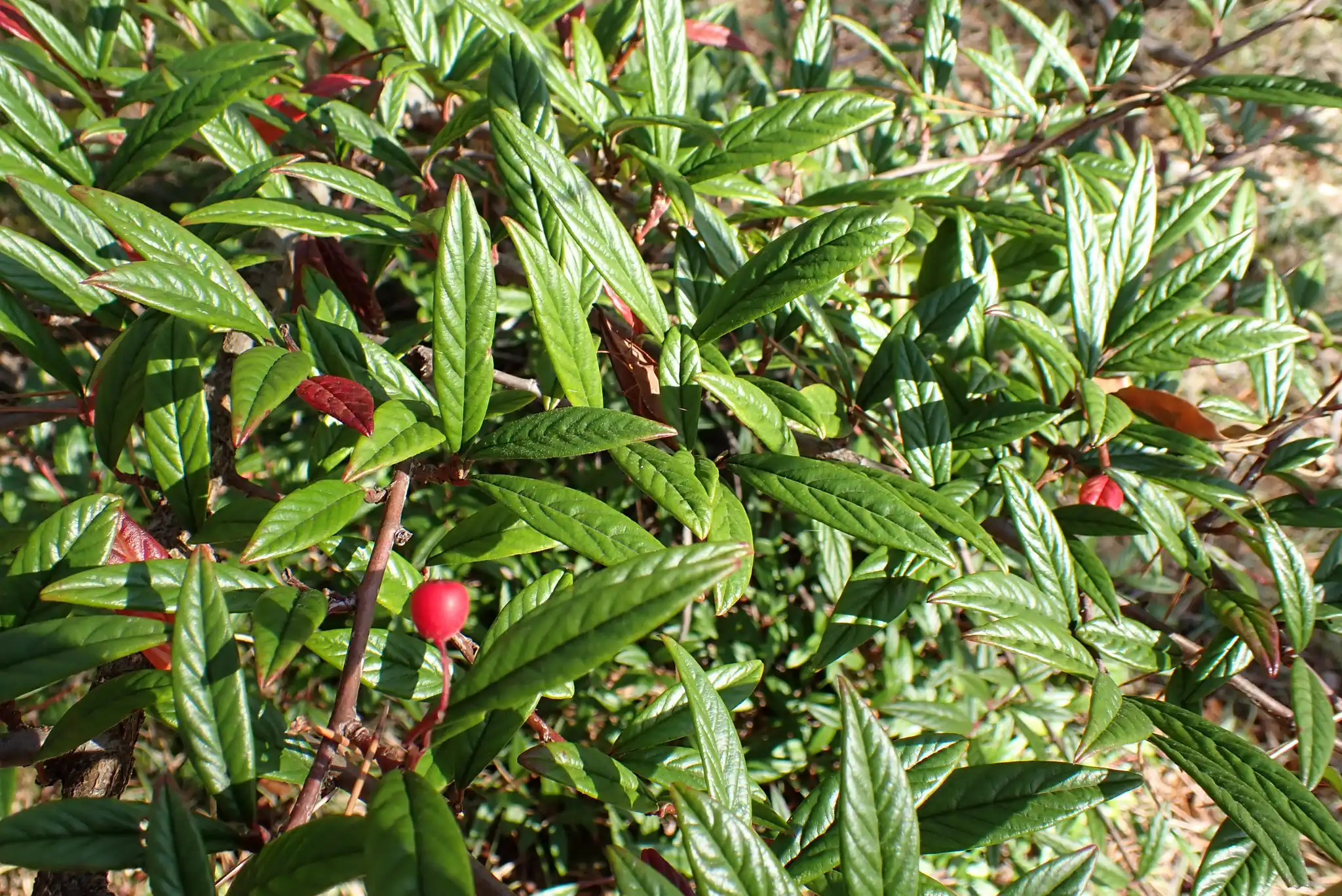
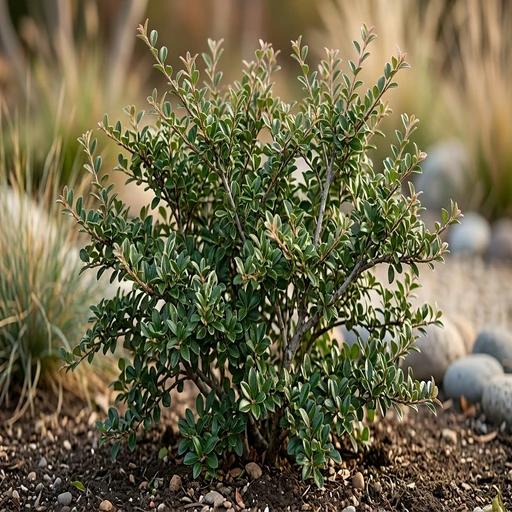
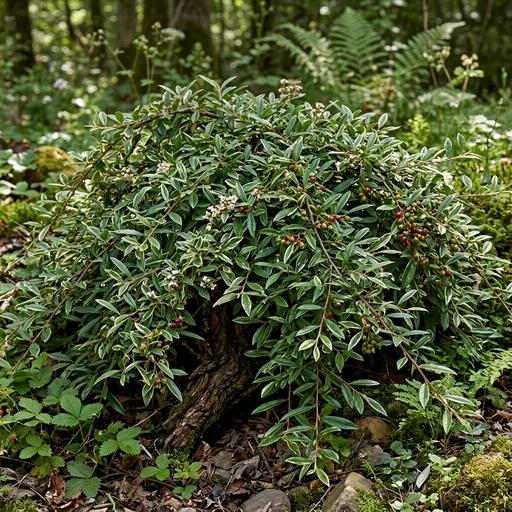
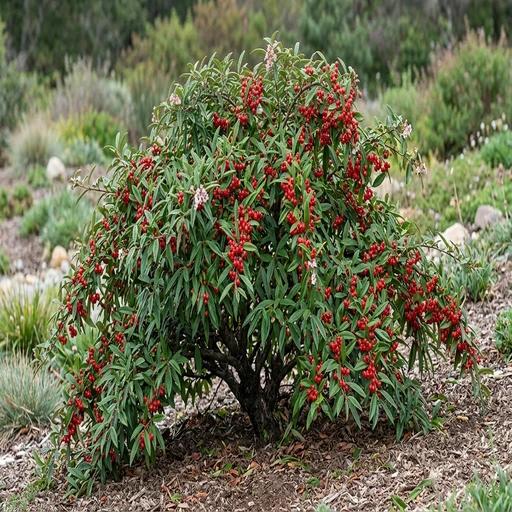
Cotoneaster salicifolius, willowleaf cotoneaster, is a spreading broadleaf evergreen shrub from south central China, two to three feet high and five to six across. Narrow willow-like dark green leaves with grey-haired undersides cover thin reddish-green stems, white saucer-shaped flowers open in spring, and small bright red fruit follows and persists through winter.
The narrow willow-like foliage is finer than most cotoneasters and gives it a lighter, more elegant look as a bank cover. Like others in the genus it is vulnerable to fireblight, which blackens whole shoots as though scorched — cut well below the damage, in dry weather, and disinfect tools between cuts. Do not water it overhead.
Uses & Benefits:
Essentials
At a Glance
Plant Type
Groundcover
Height
30"
Width
66"
Light
Full Sun, Partial Sun
Zones
6, 7, 8
Water
Low to moderate
Humidity
Moderate
Lifespan
Perennial
Native To
South central China
Toxicity
Berries are mildly toxic if eaten in quantity
Marketplace
Where to Buy
Shipping costs Year-round shipping Free shipping
Planting
How to Grow
- Plant in full sun or partial shade in drained soil.
- Allow five to six feet of spread per plant.
- Water at soil level rather than over the leaves.
- Inspect for blackened shoots through wet springs.
- Cut fireblight out well below the damage.
- Prune only in dry weather.
Pro Tip
Prune cotoneasters only in dry weather — fireblight bacteria enter through fresh cuts, and wet conditions carry them straight in.
Keep It Thriving
Care Guide
Do
- Give it room to spread six feet 📏
- Water at soil level only 💧
- Prune in dry weather ✂️
- Disinfect tools between cuts 🧴
Don't
- Water overhead ❌
- Prune in wet spring weather ❌
- Compost blighted prunings ❌
Seasonal Care Calendar
| Task | Jan | Feb | Mar | Apr | May | Jun | Jul | Aug | Sep | Oct | Nov | Dec |
|---|---|---|---|---|---|---|---|---|---|---|---|---|
| Inspect | ||||||||||||
| Prune |
Watch Out For
Pests & Diseases
Common Pests
Common Diseases
In the Garden
Landscape Uses & Companions
Landscape Uses
Companion Plants
Multiply
Propagation Methods
Good to Know
Common Questions
Willowleaf Cotoneaster questions
What zones can Willowleaf Cotoneaster grow in?
Willowleaf Cotoneaster is hardy in USDA Zones 6–8. Inside that range it survives winter in the ground; outside it, grow it as an annual or a container plant you protect.
Is Willowleaf Cotoneaster deer resistant?
Yes — Willowleaf Cotoneaster is rated deer-resistant. Deer typically pass it over, though extreme hunger can override any plant's defenses.
When does Willowleaf Cotoneaster bloom?
Willowleaf Cotoneaster typically blooms in spring through early summer. Exact timing shifts a week or two with your zone — Sow's bloom calendar maps it to your garden.
Does Willowleaf Cotoneaster need full sun?
Willowleaf Cotoneaster does best in full sun to part shade. In hot climates, afternoon shade keeps blooms fresher longer.
Is Willowleaf Cotoneaster drought tolerant?
Yes — once established (usually after the first full season), Willowleaf Cotoneaster handles dry spells with minimal watering. Water deeply its first year to build the root system that makes that possible.
More Cotoneaster to compare
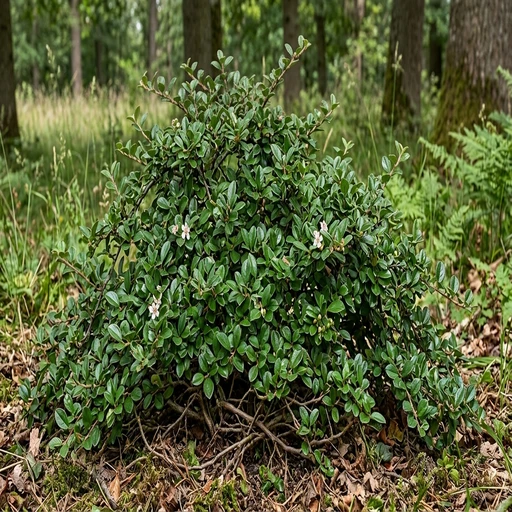
Streibs Findling Cotoneaster
Cotoneaster dammeri 'Streibs Findling'
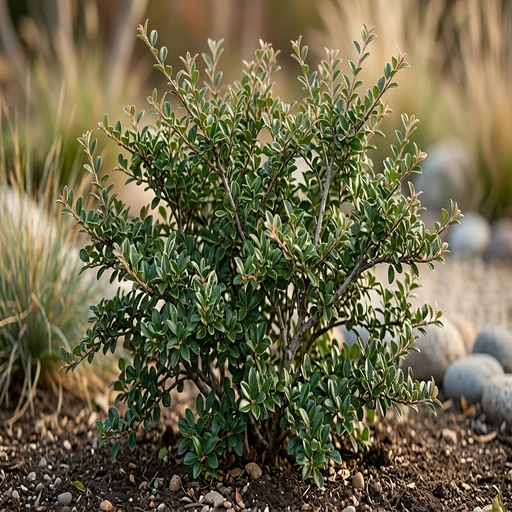
Autumn Inferno Cotoneaster
Cotoneaster salicifolius 'Autumn Inferno'
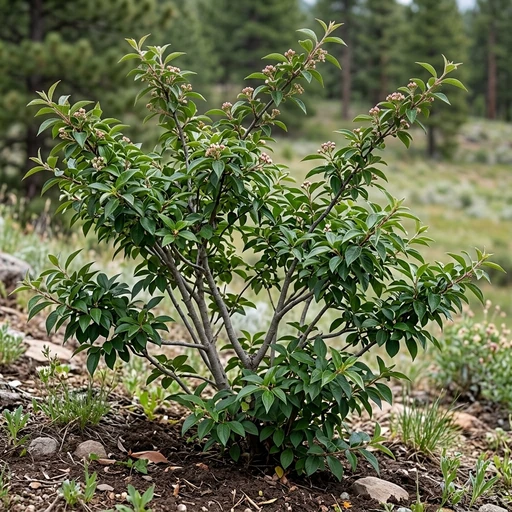
Peking Cotoneaster
Cotoneaster acutifolius
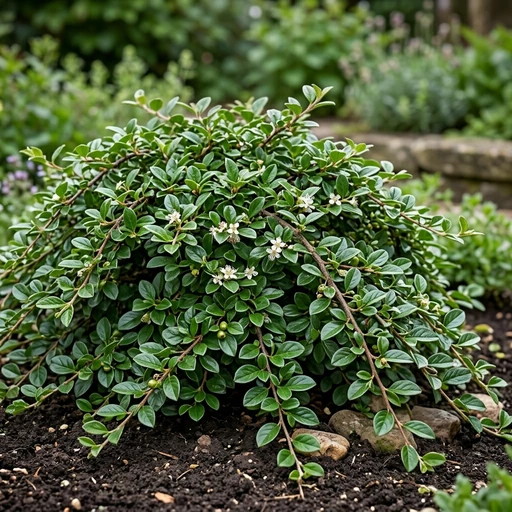
Lowfast Bearberry Cotoneaster
Cotoneaster dammeri 'Lowfast'
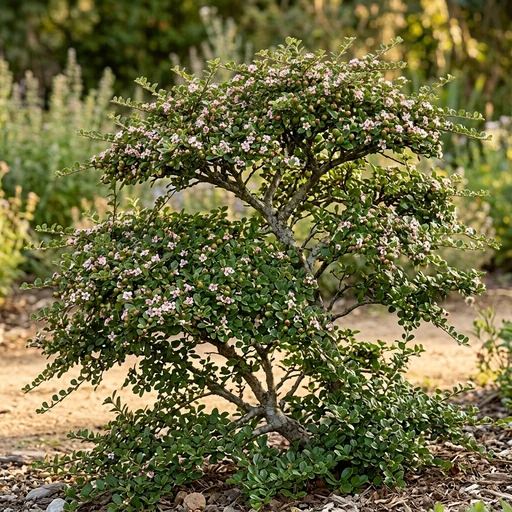
Rockspray Cotoneaster
Cotoneaster horizontalis
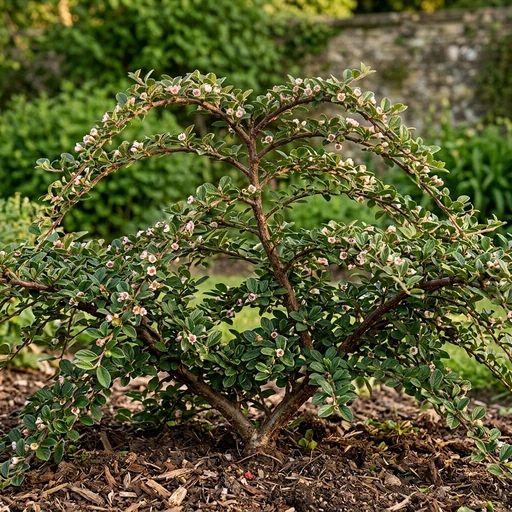
Hessei Rockspray Cotoneaster
Cotoneaster horizontalis 'Hessei'
Keep exploring
Explore the genus
Hardy in your zone?
Grow Willowleaf Cotoneaster with confidence
See it in a design of your actual yard, get zone-matched care reminders, and track it season by season in your garden journal.