The Story
Plant Bio
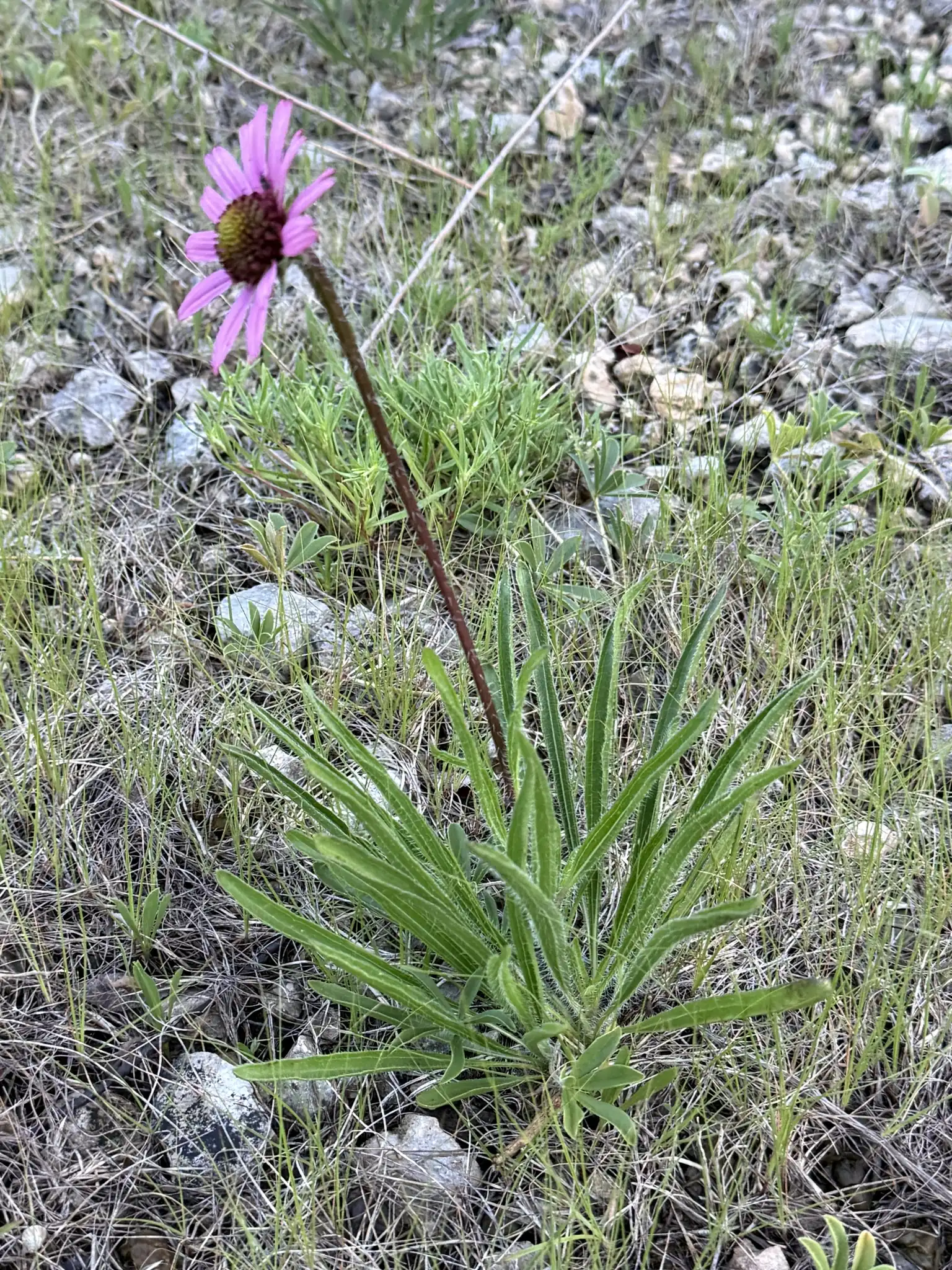
Echinacea tennesseensis, the Tennessee coneflower, is an upright, clump-forming herbaceous perennial native to the limestone cedar glades of central Tennessee. This slow-growing species features narrow, lanceolate, semi-evergreen leaves and a deep taproot that provides high drought tolerance once established.
Unlike other coneflowers with drooping petals, this species features rose-purple ray flowers that curve upward around a spiny, coppery-brown central cone. The solitary flower heads face east and track the sun throughout the day.
Uses & Benefits:
Essentials
At a Glance
Plant Type
Perennial
Height
30"
Width
18"
Light
Full Sun, Partial Sun
Zones
4, 5, 6, 7, 8, 9
Water
Low
Humidity
Medium
Lifespan
Perennial
Native To
Tennessee, USA
Toxicity
Non-toxic
Bloom period
Summer – Autumn
In flower about 6 months of the year
Planting
How to Grow
- Select a site with full sun to partial shade and exceptionally well-drained, rocky or sandy soil.
- Dig a hole twice the width of the root ball and plant at the same depth as the nursery container, ensuring the crown is level with the soil surface.
- Water deeply to settle the soil around the roots, then limit watering to periods of prolonged dry weather once the taproot is established.
- Avoid applying fertilizer or planting in rich organic soils, which causes weak, floppy stems and shortens the lifespan of the plant.
Pro Tip
Plant this coneflower on the eastern side of pathways or viewing areas because the flower heads naturally face east; positioning them elsewhere forces visitors to look at the backs of the blooms.
Keep It Thriving
Care Guide
Do
- Plant in poor, rocky, or sandy soils with high drainage to prevent root rot.
- Leave spent flower heads intact through autumn and winter to feed local goldfinches and songbirds.
- Divide the clump every three to four years to maintain plant vigor.
Don't
- Do not fertilize, as excess nutrients lead to weak, floppy stems.
- Do not plant in heavy, wet, or waterlogged clay soils.
- Do not prune heavily into old, leafless wood during the active growing season.
- Do not plant near other Echinacea species if you intend to collect pure seed, as they hybridize readily.
Seasonal Care Calendar
| Task | Jan | Feb | Mar | Apr | May | Jun | Jul | Aug | Sep | Oct | Nov | Dec |
|---|---|---|---|---|---|---|---|---|---|---|---|---|
| Deadhead | ||||||||||||
| Divide | ||||||||||||
| Pest Check | ||||||||||||
| Spring Cleanup |
Watch Out For
Pests & Diseases
Common Pests
Common Diseases
In the Garden
Landscape Uses & Companions
Landscape Uses
Multiply
Propagation Methods
Good to Know
Common Questions
Tennessee Coneflower questions
What zones can Tennessee Coneflower grow in?
Tennessee Coneflower is hardy in USDA Zones 4–9: in that range it survives winter in the ground. Warmer than Zone 9, winter isn't the problem: it prefers colder winters, and summer heat can shorten its life.
Is Tennessee Coneflower deer resistant?
Yes — Tennessee Coneflower is rated deer-resistant. Deer typically pass it over, though extreme hunger can override any plant's defenses.
When does Tennessee Coneflower bloom?
Tennessee Coneflower typically blooms from summer to fall. Exact timing shifts a week or two with your zone — Sow's bloom calendar maps it to your garden.
Does Tennessee Coneflower need full sun?
Tennessee Coneflower does best in full sun to part shade. In hot climates, afternoon shade keeps blooms fresher longer.
Is Tennessee Coneflower drought tolerant?
Yes — once established (usually after the first full season), Tennessee Coneflower handles dry spells with minimal watering. Water deeply its first year to build the root system that makes that possible.
More Echinacea to compare
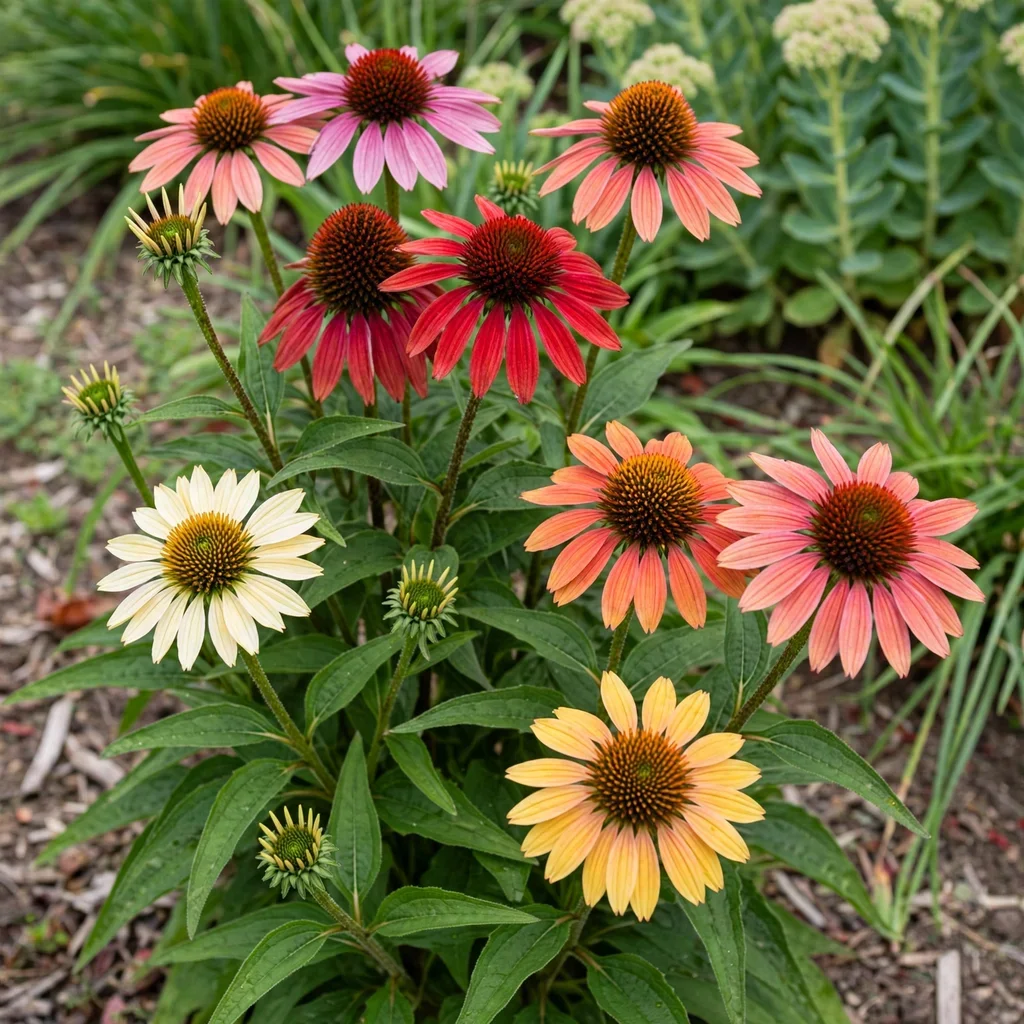
Cheyenne Spirit Coneflower
Echinacea purpurea 'Cheyenne Spirit'
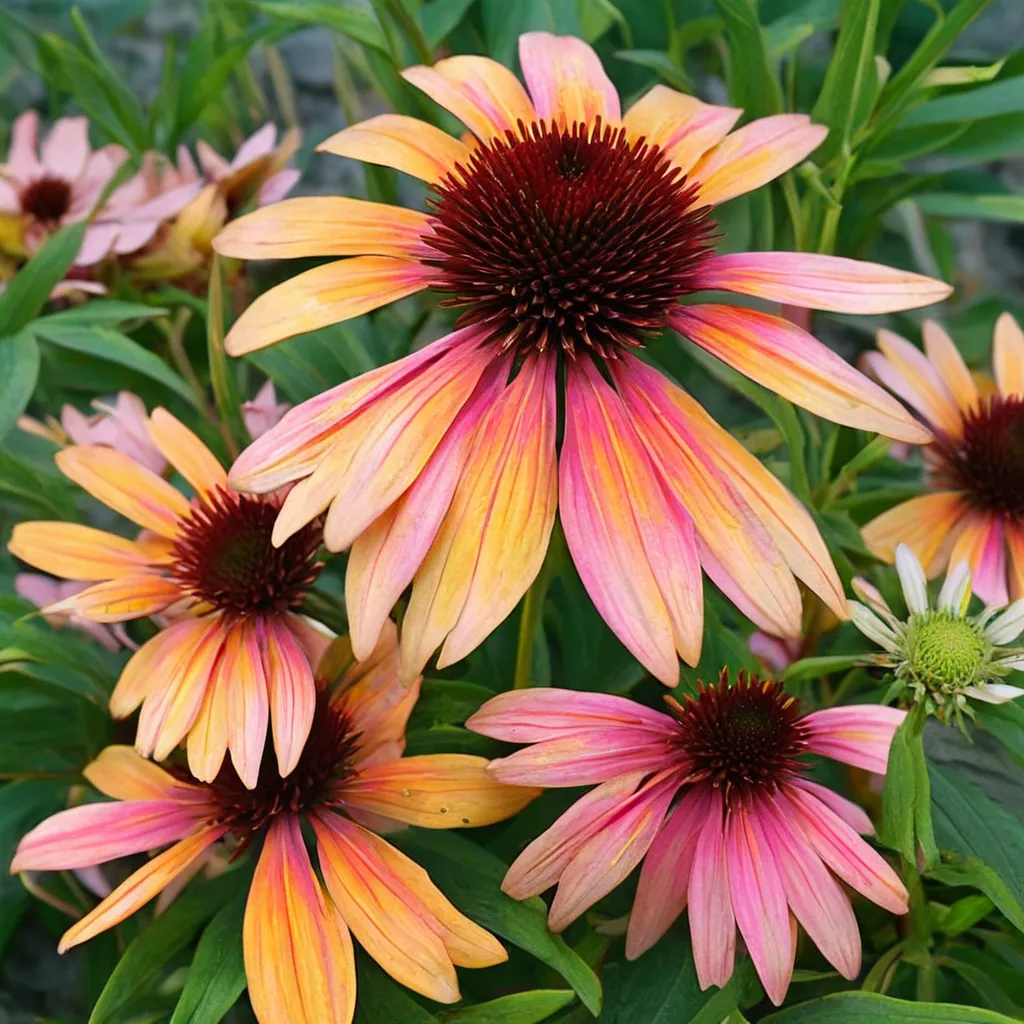
Purple Coneflower Rainbow
Echinacea purpurea 'Rainbow'
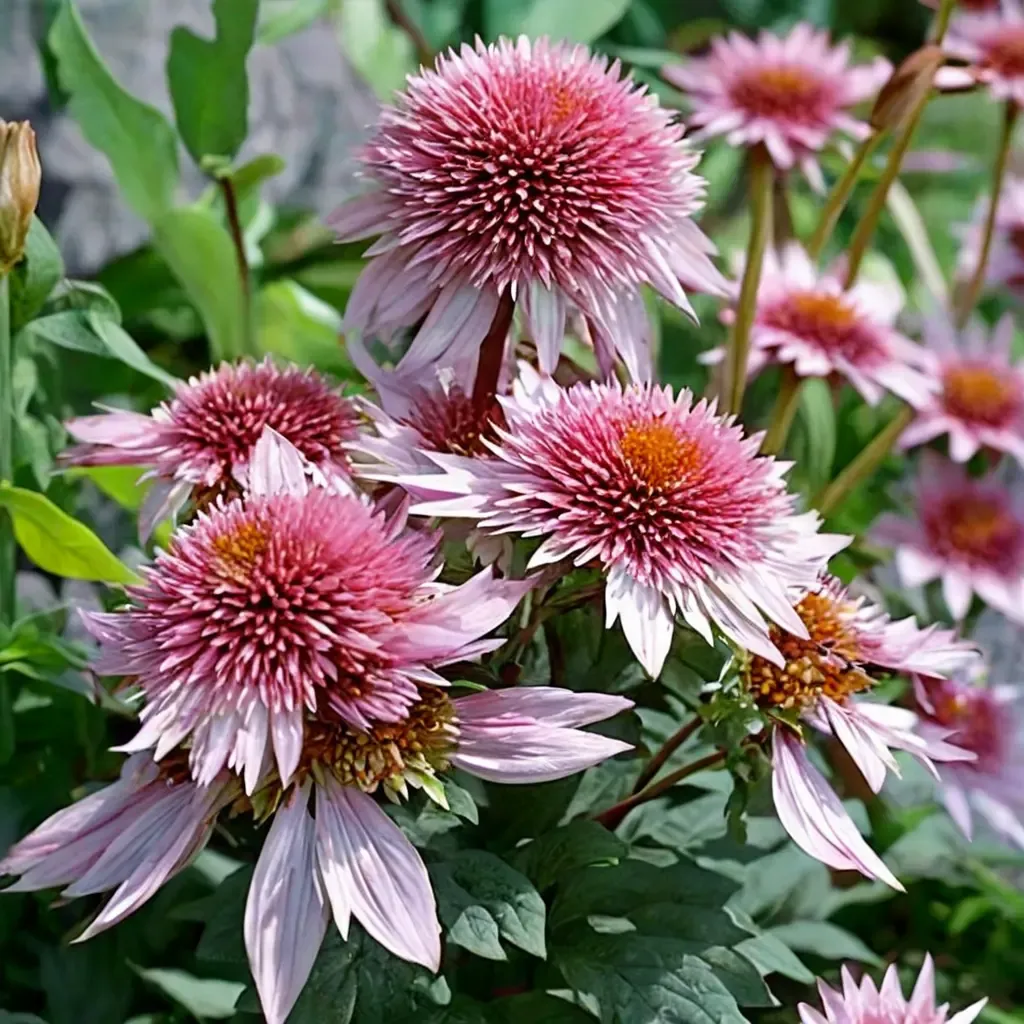
Butterfly Kisses Coneflower
Echinacea purpurea 'Butterfly Kisses'
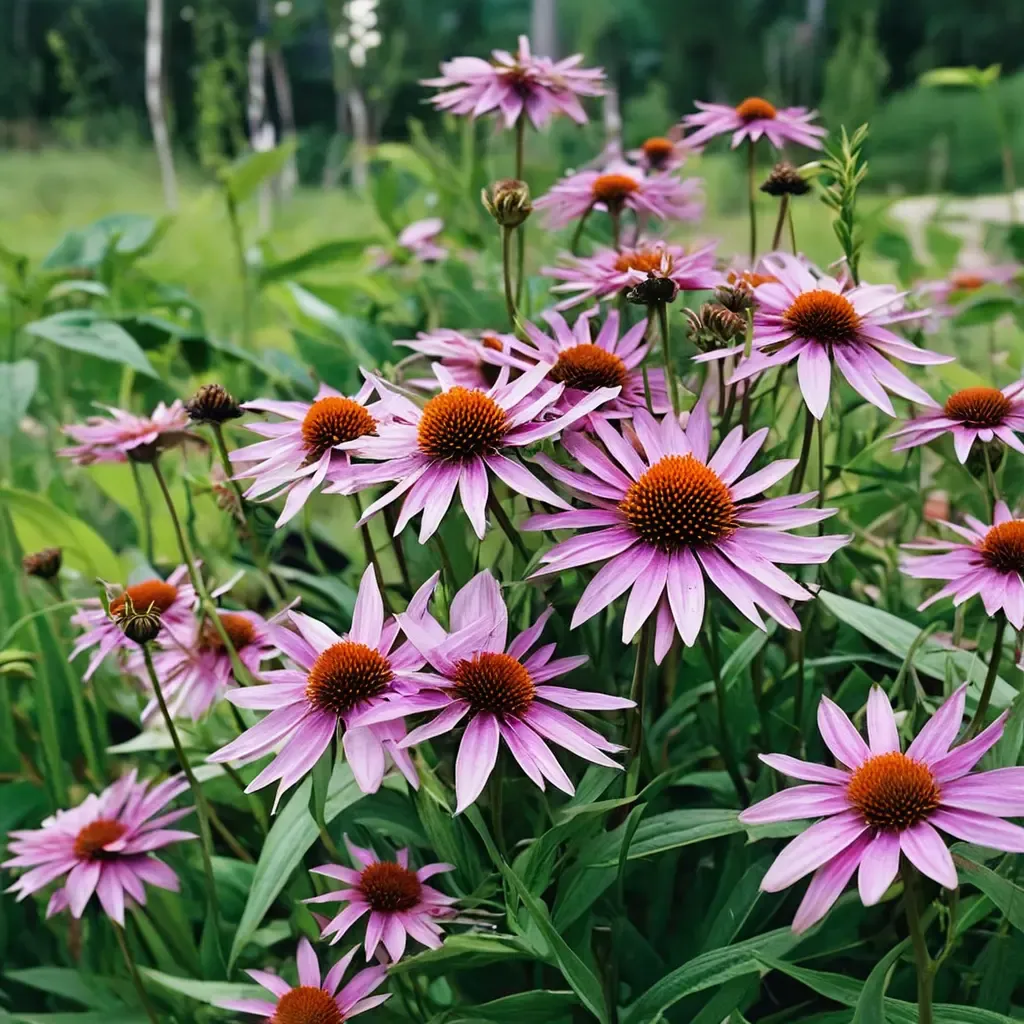
Purple Coneflower
Echinacea purpurea
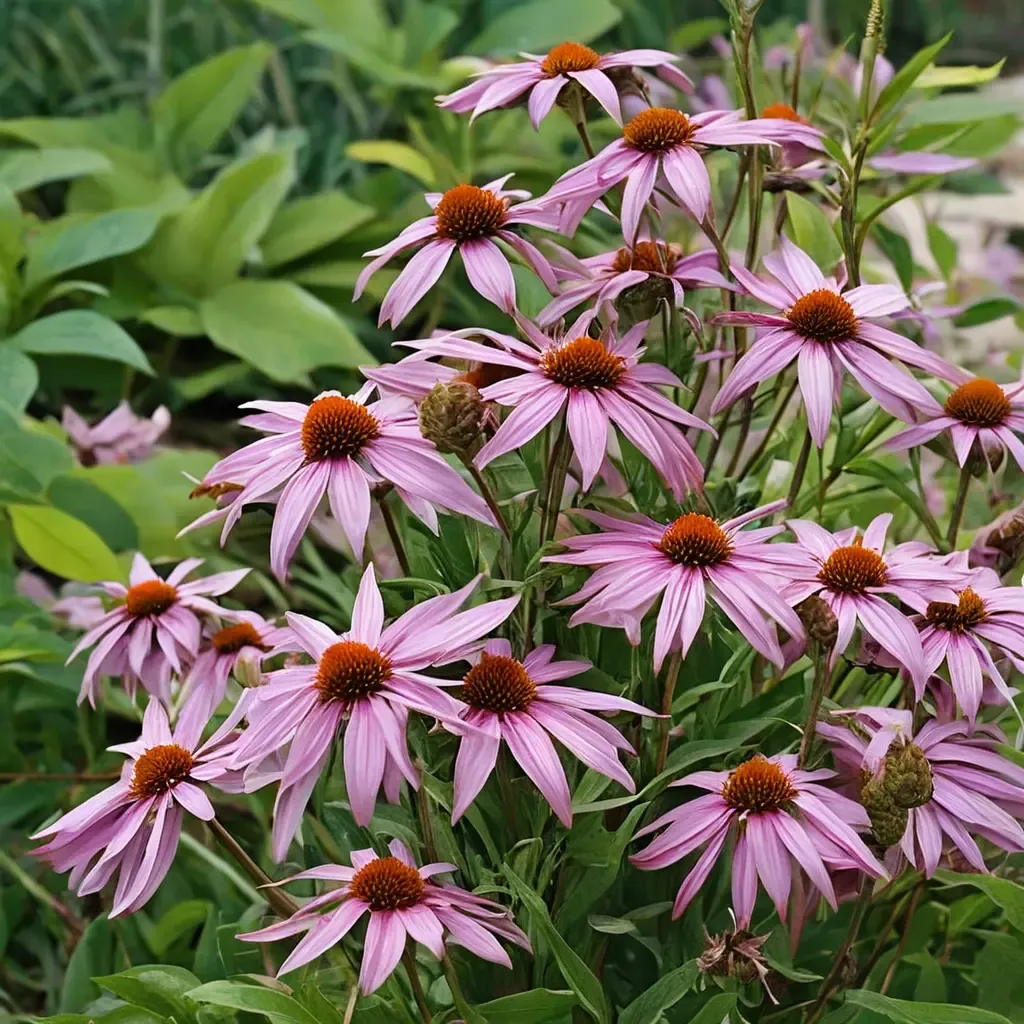
Magnus Coneflower
Echinacea purpurea 'Magnus'
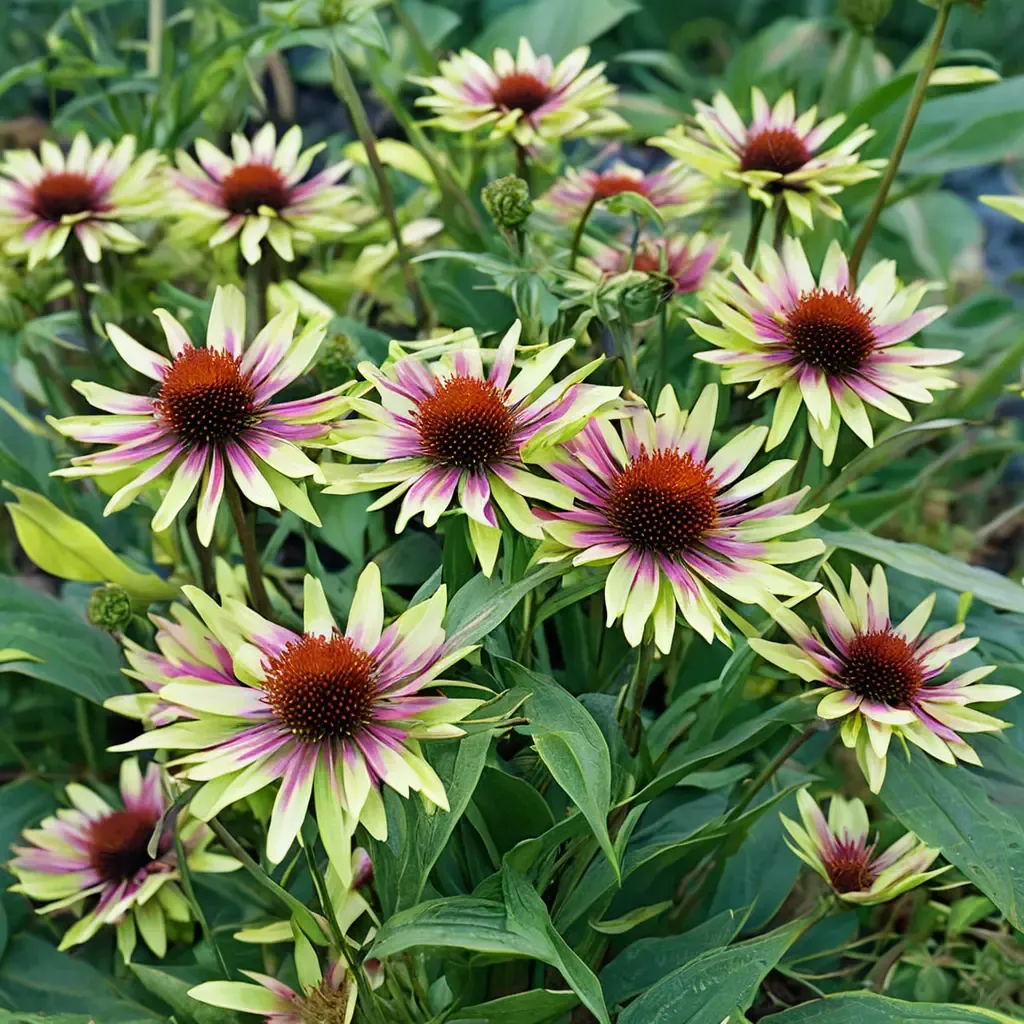
Green Twister Coneflower
Echinacea purpurea 'Green Twister'
Keep exploring
Grow Tennessee Coneflower with confidence
See it in a design of your actual yard, get zone-matched care reminders, and track it season by season in your garden journal.