Species
 Capsicum annuumPepper
17 other cultivars
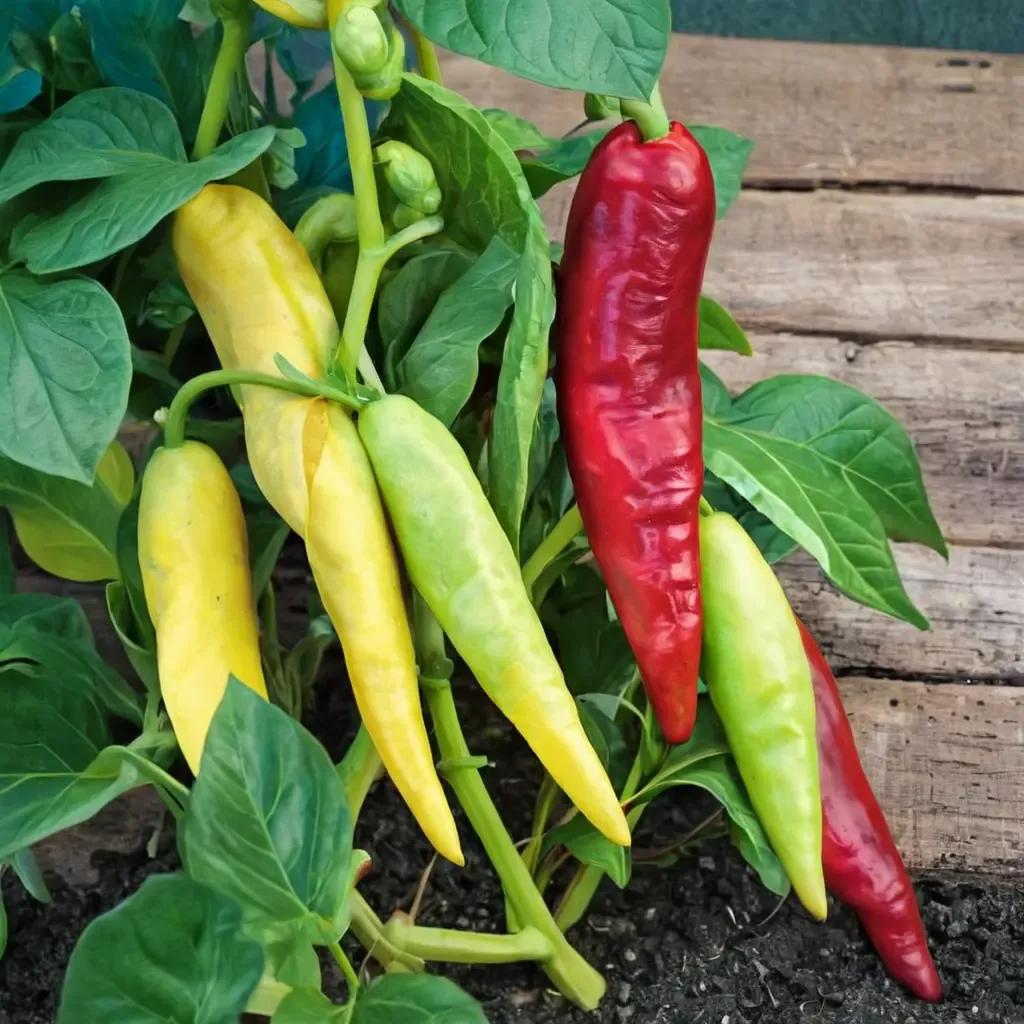 ‘Sweet Banana’Sweet Banana Pepper
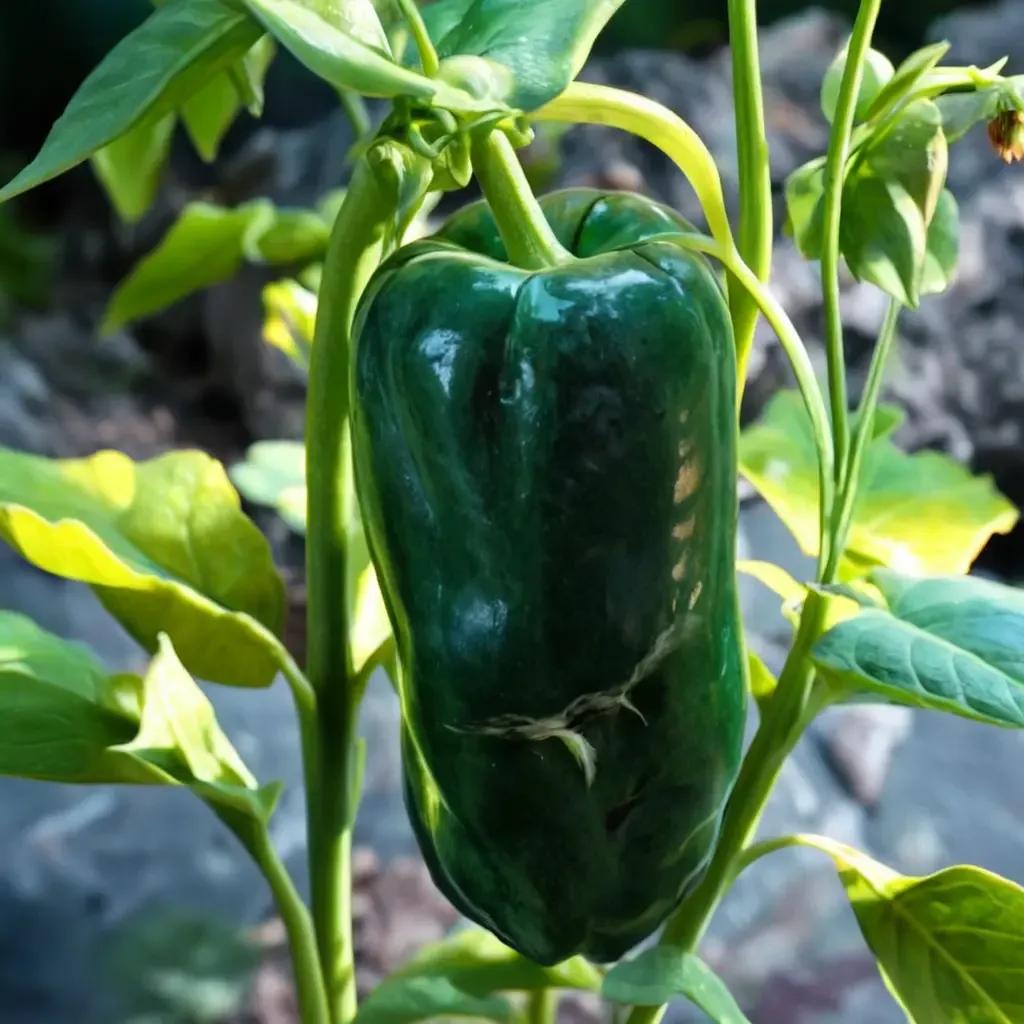 ‘Poblano’Poblano Pepper
 ‘Early Jalapeno’Early Jalapeño
 ‘Yum Yums Hybrid Mixed Mini Bells’Yum Yum Peppers
 ‘Golden California Wonder’Golden California Wonder Pepper
 ‘Cajun Fire’Cajun Fire Pepper
 ‘Serrano’Serrano Pepper
 ‘Hot-chi Mama’Hot Chile Pepper
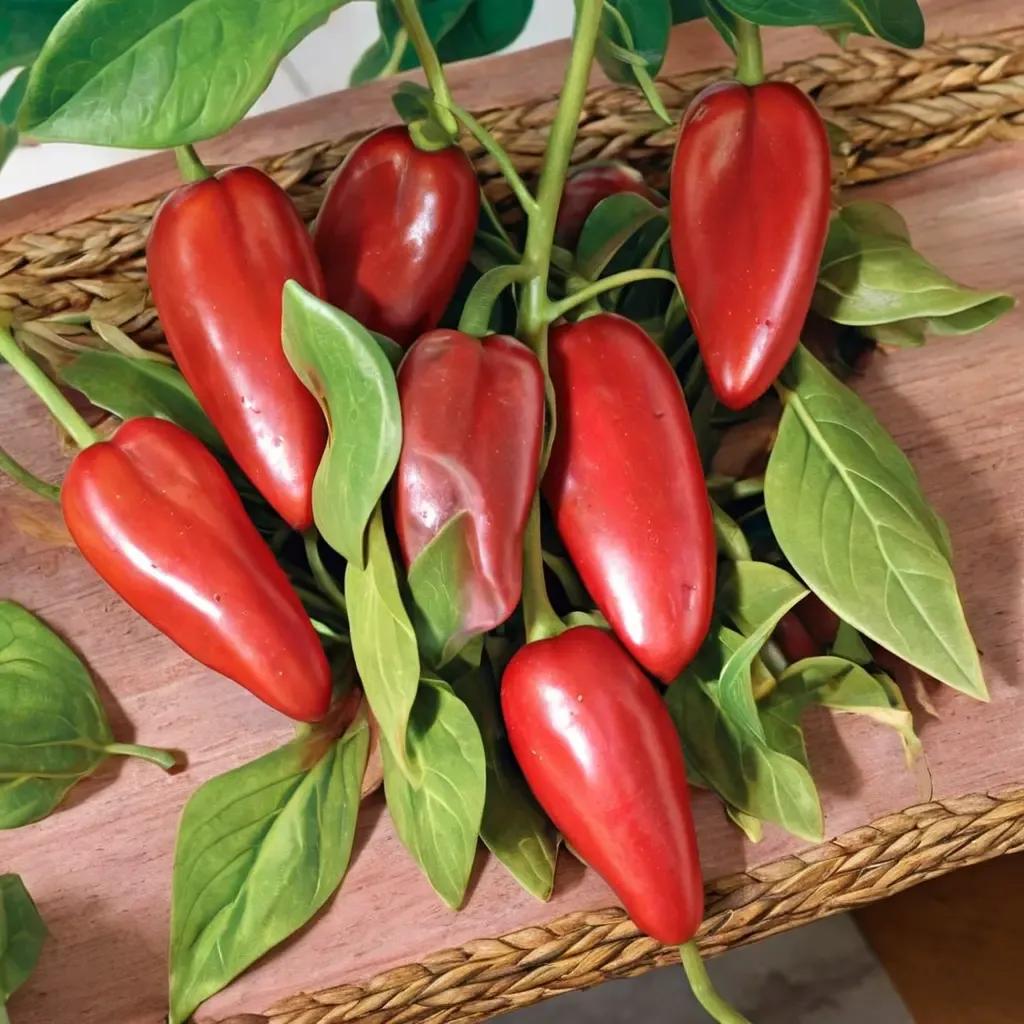 ‘Lunchbox Red’Lunchbox Red Pepper
 ‘Fresno’Fresno Pepper
 ‘Squirrel Defeater Spring’Squirrel Defeater Pepper
 ‘Mama Mia Giallo’Mama Mia Giallo Pepper
 ‘Purple Beauty’Purple Beauty Bell Pepper
 ‘Shishito’Shishito Pepper
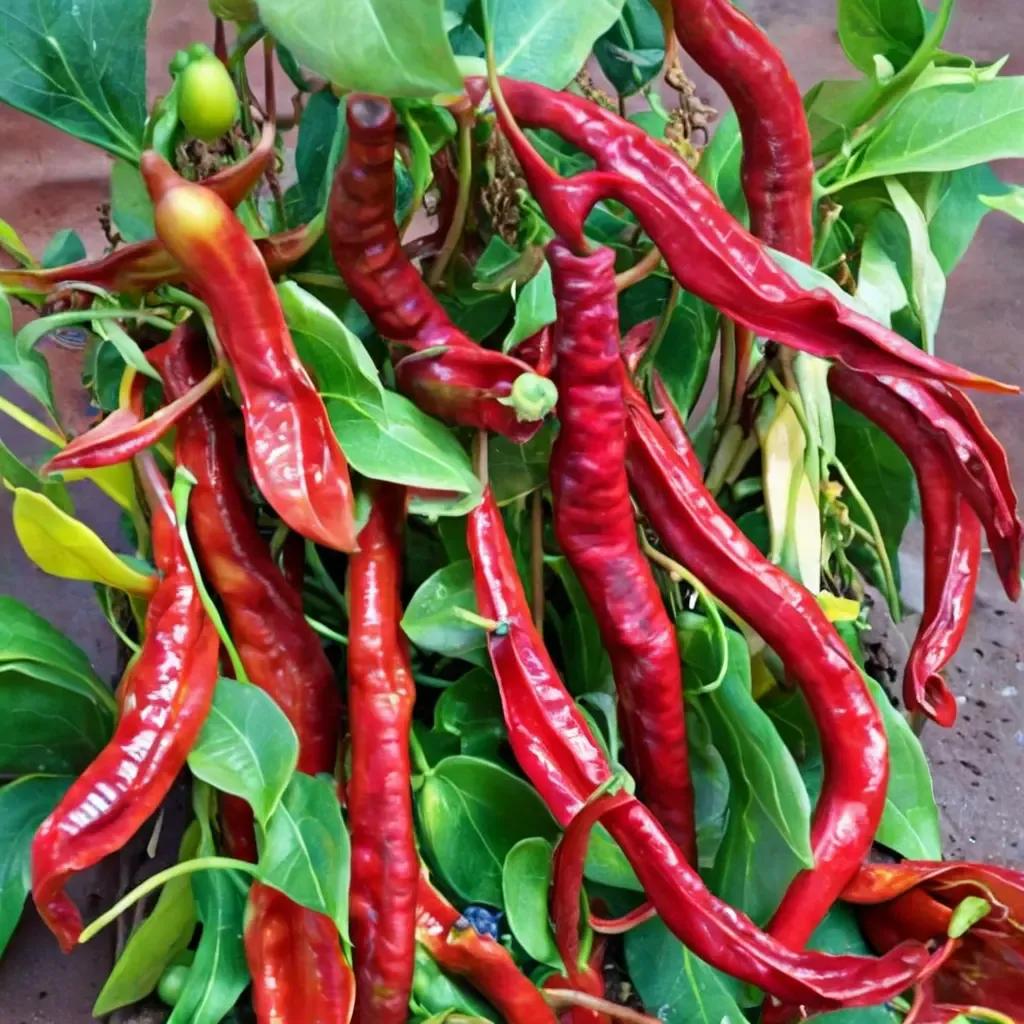 ‘Jimmy Nardello's Italian Frying’Jimmy Nardello's Italian Frying Pepper
 ‘Michigan Wonder’Michigan Wonder Sweet Pepper
 ‘Alma’Alma Paprika Pepper
The Story
Plant Bio
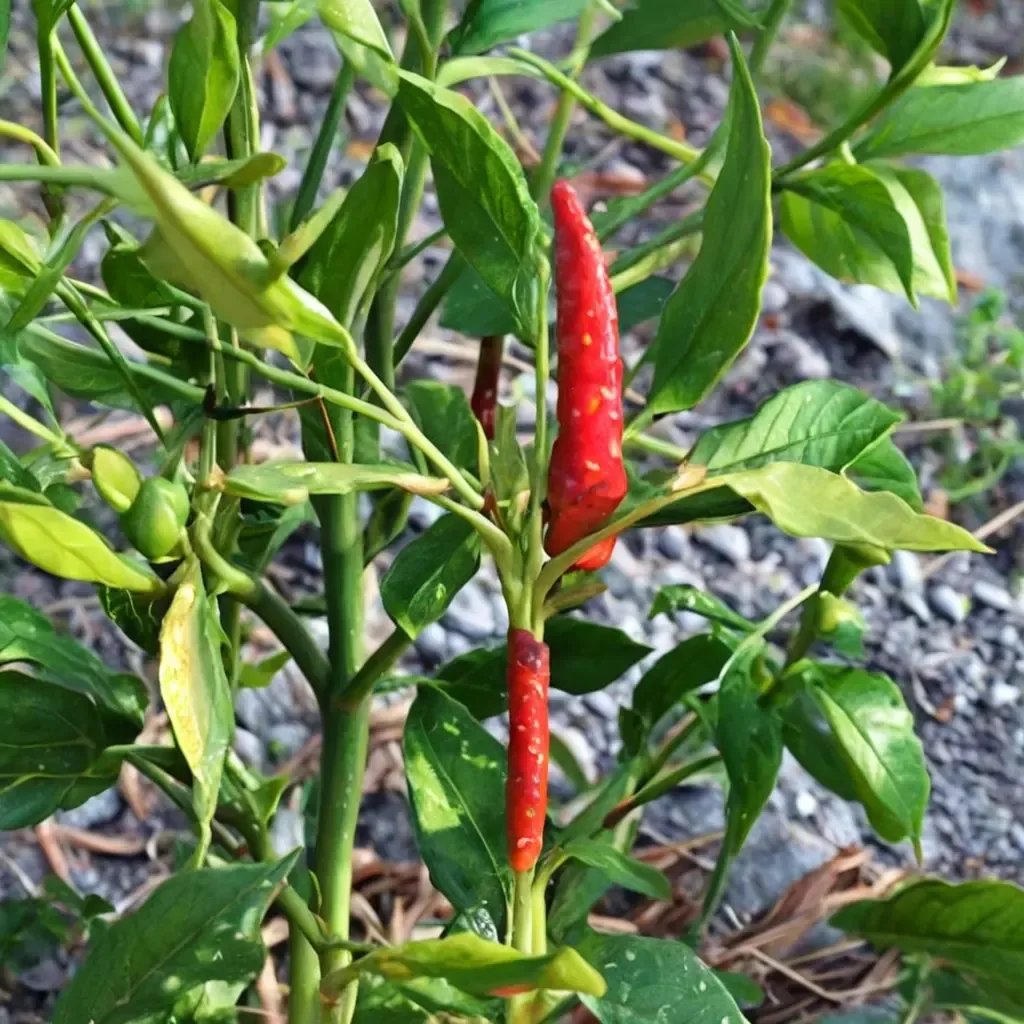
A species of the nightshade family, native to the Americas, widely cultivated for its edible, pungent fruits known as chili peppers. Grown as a tender perennial or annual, it features simple leaves and small, star-shaped white flowers.
A specific cultivar of chili pepper from Mexico, meaning 'tree pepper' in Spanish. It produces slender, bright red fruits 2-3 inches long, known for their potent, smoky heat (15,000-30,000 Scoville units). The peppers retain their red color when dried.
Uses & Benefits:
Essentials
At a Glance
Plant Type
Fruit Vegetable
Height
36"
Width
20"
Light
Full Sun
Zones
9, 10
Water
Moderate
Humidity
Average to high
Lifespan
Perennial in warm climates
Native To
Mexico
Toxicity
Fruit is edible; leaves and stems are toxic if ingested.
Bloom period
Mid-summer – Late summer
In flower about 2 months of the year
Planting
How to Grow
- Tuck seeds 1/4 inch deep into well-draining soil in a warm location.
- Maintain soil temperature at 70-85°F for germination, about 7-14 days.
- Water regularly to keep soil evenly moist but not waterlogged.
- Provide full sun for at least 6 hours daily to encourage healthy growth.
- Thin seedlings to the strongest plant, spacing 12 inches apart.
- Fertilize monthly with a balanced fertilizer to support flowering and fruiting.
Pro Tip
Start seeds indoors 8 weeks before the last frost date for best results.
Keep It Thriving
Care Guide
Do
- Water consistently to keep soil moist 🌱
- Provide full sun for optimal growth
- Use organic compost to enrich soil
Don't
- Avoid overwatering to prevent root rot ❌
- Don't transplant seedlings into cold soil
- Refrain from using high-nitrogen fertilizers during flowering
Seasonal Care Calendar
| Task | Jan | Feb | Mar | Apr | May | Jun | Jul | Aug | Sep | Oct | Nov | Dec |
|---|---|---|---|---|---|---|---|---|---|---|---|---|
| Fertilize | ||||||||||||
| Harvest | ||||||||||||
| Pest Check | ||||||||||||
| Pinch | ||||||||||||
| Plant | ||||||||||||
| Stake |
Watch Out For
Pests & Diseases
Common Pests
Common Diseases
In the Garden
Landscape Uses & Companions
Landscape Uses
Companion Plants
Multiply
Propagation Methods
Good to Know
Common Questions
Chile de Arbol questions
What zones can Chile de Arbol grow in?
Chile de Arbol is hardy in USDA Zones 9–10. Inside that range it survives winter in the ground; outside it, grow it as an annual or a container plant you protect.
Is Chile de Arbol deer resistant?
Yes — Chile de Arbol is rated deer-resistant. Deer typically pass it over, though extreme hunger can override any plant's defenses.
When does Chile de Arbol bloom?
Chile de Arbol typically blooms in mid-summer through late summer. Exact timing shifts a week or two with your zone — Sow's bloom calendar maps it to your garden.
Does Chile de Arbol need full sun?
Chile de Arbol does best in full sun (6+ hours).
More Capsicum to compare
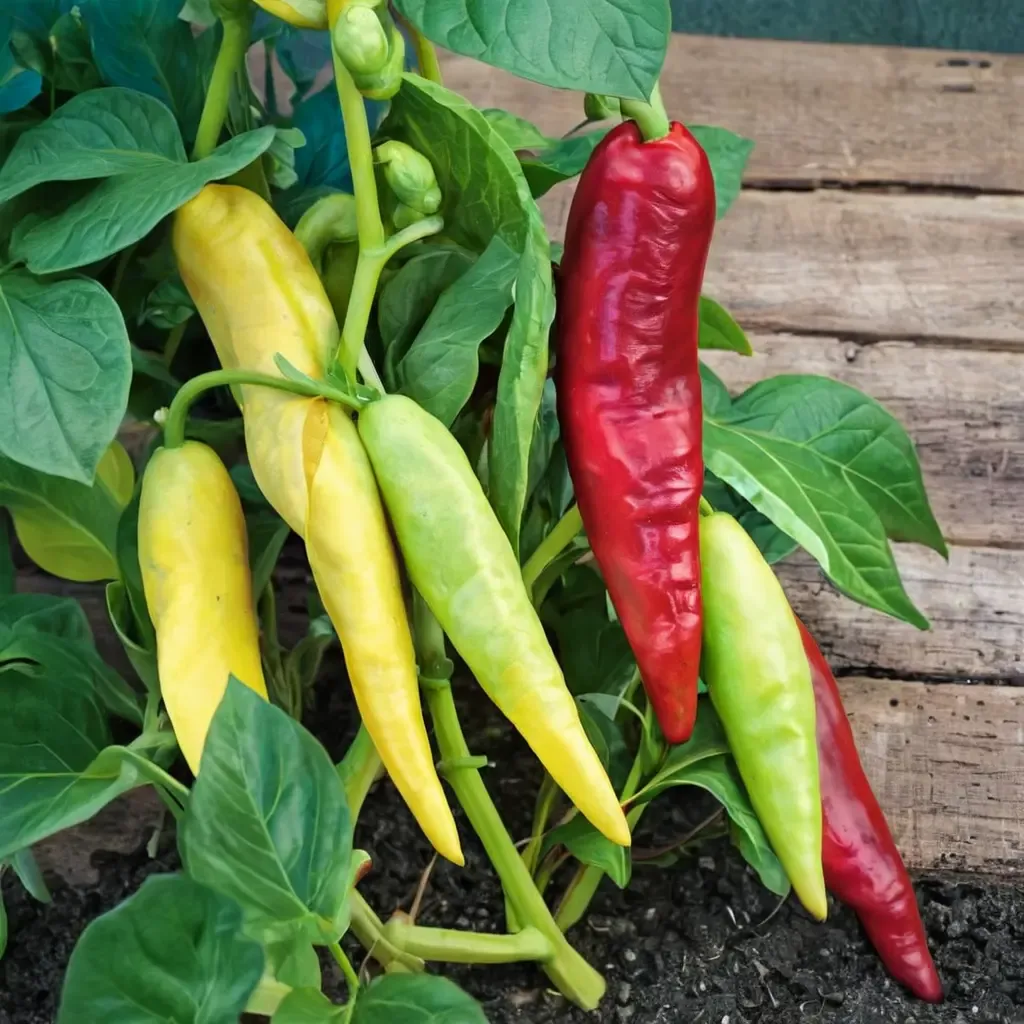
Sweet Banana Pepper
Capsicum annuum 'Sweet Banana'
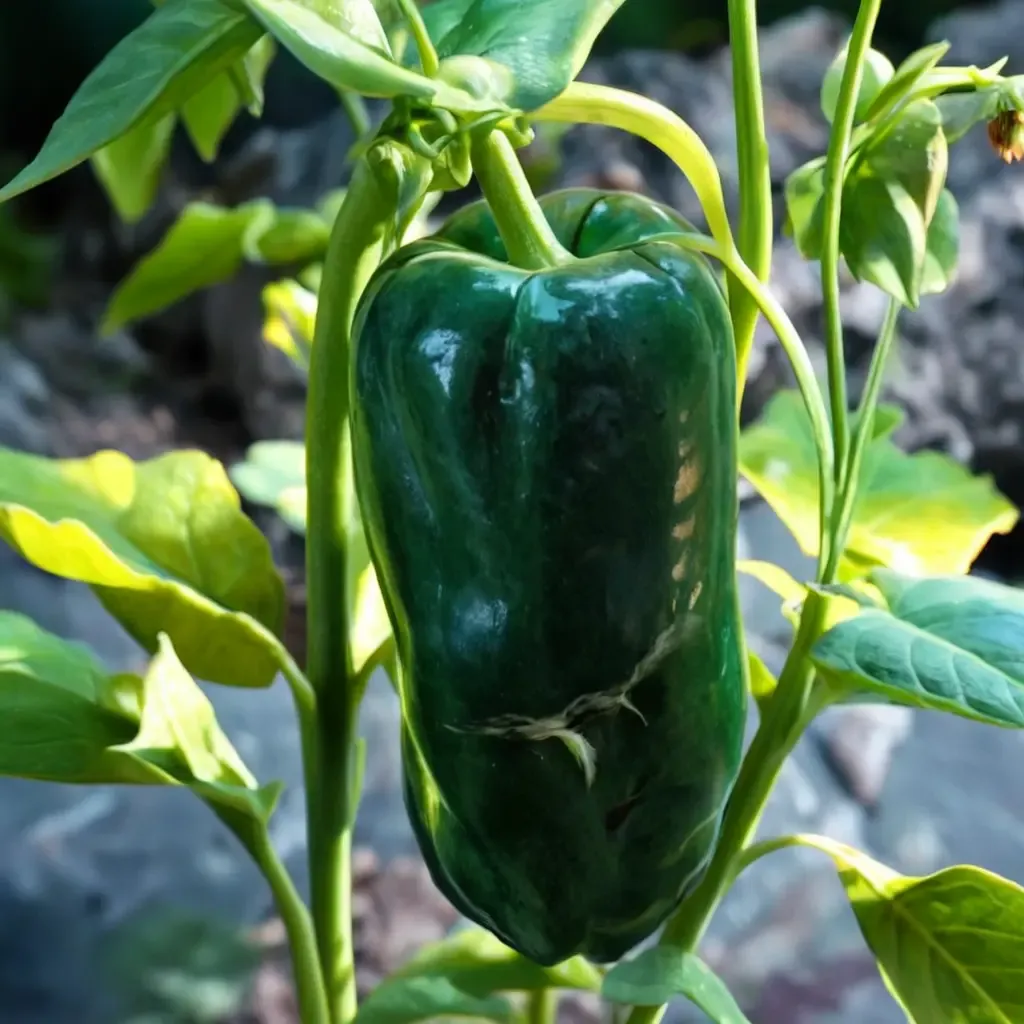
Poblano Pepper
Capsicum annuum 'Poblano'
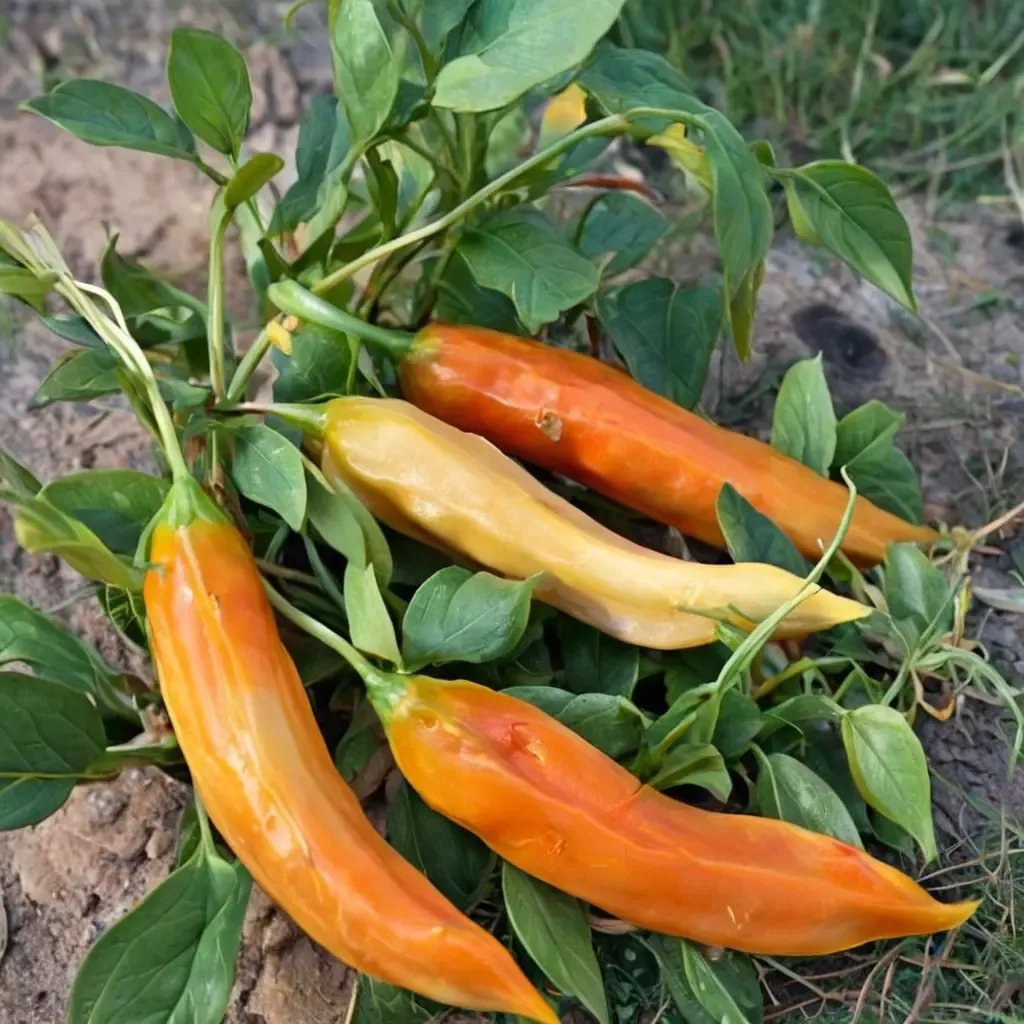
Aji Amarillo
Capsicum baccatum 'Aji Amarillo'
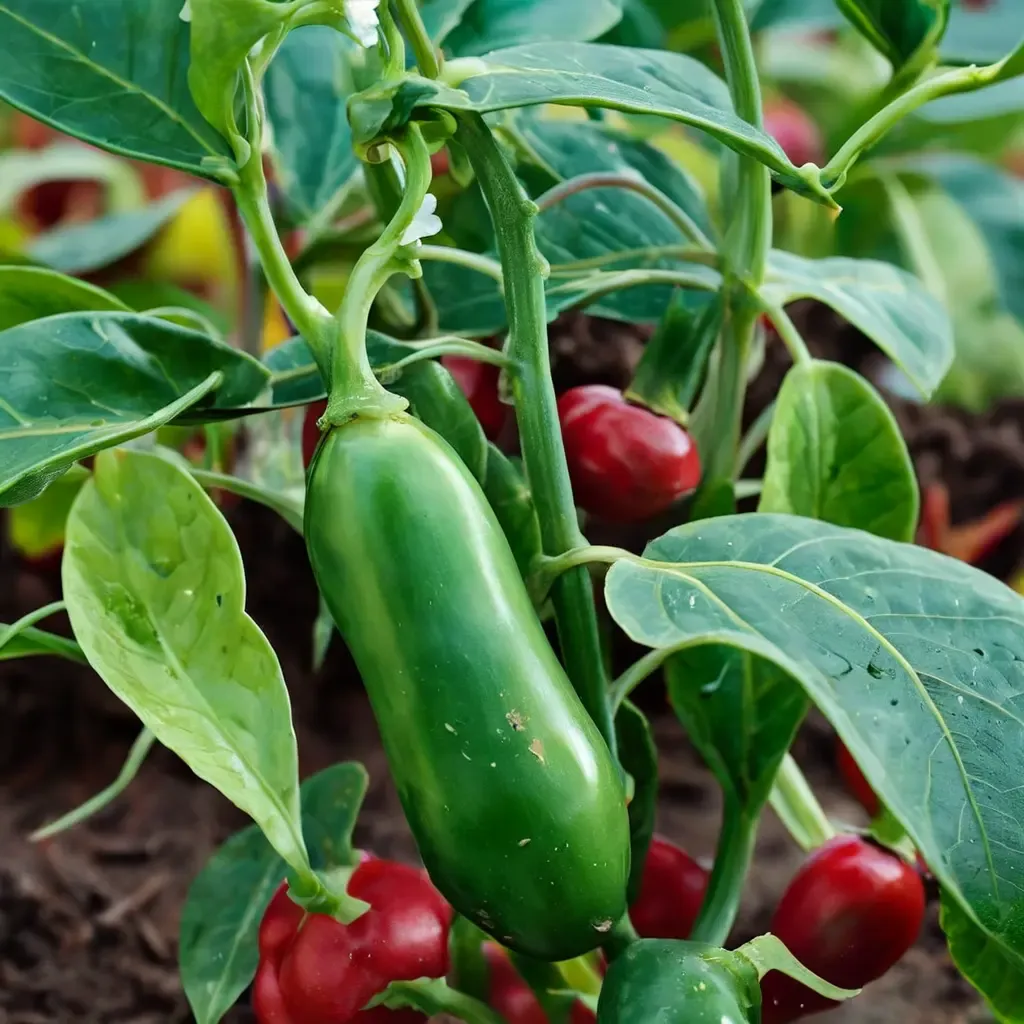
Early Jalapeño
Capsicum annuum 'Early Jalapeno'
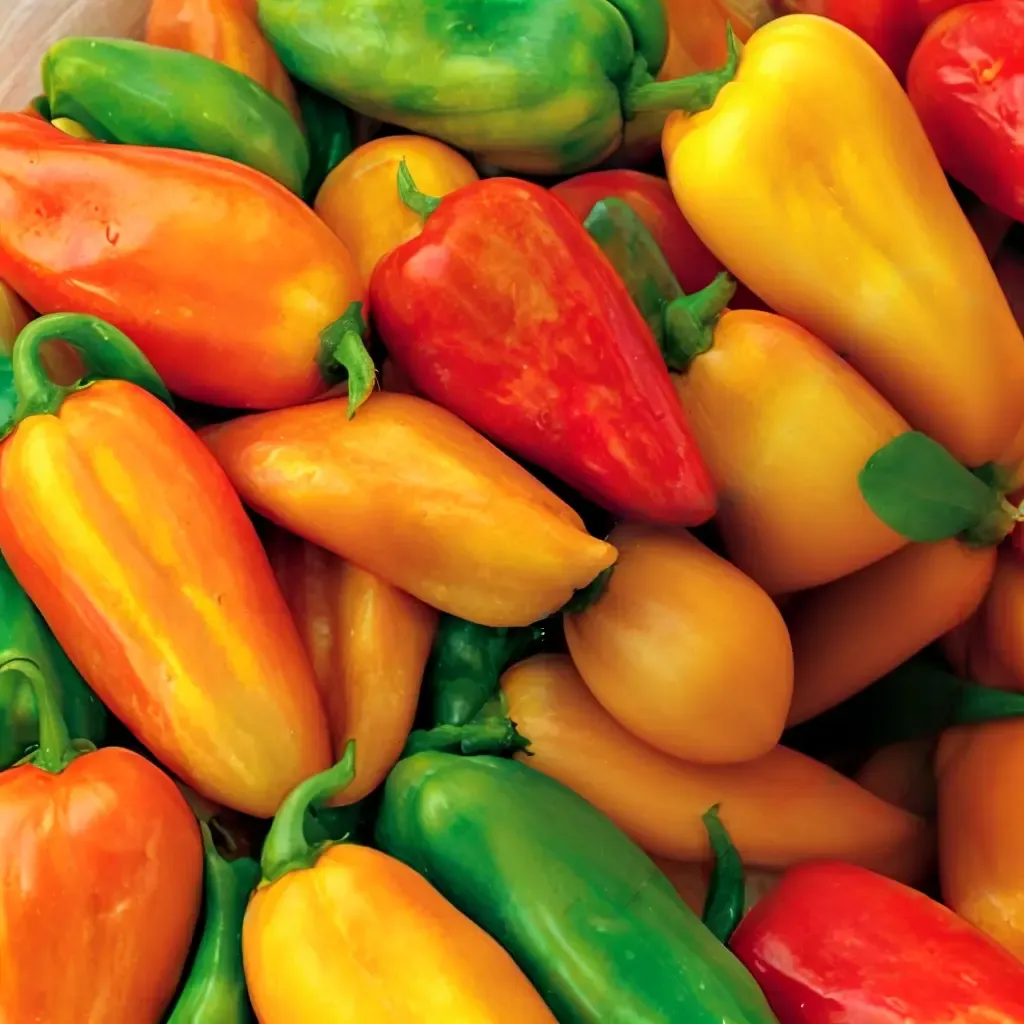
Yum Yum Peppers
Capsicum annuum 'Yum Yums Hybrid Mixed Mini Bells'
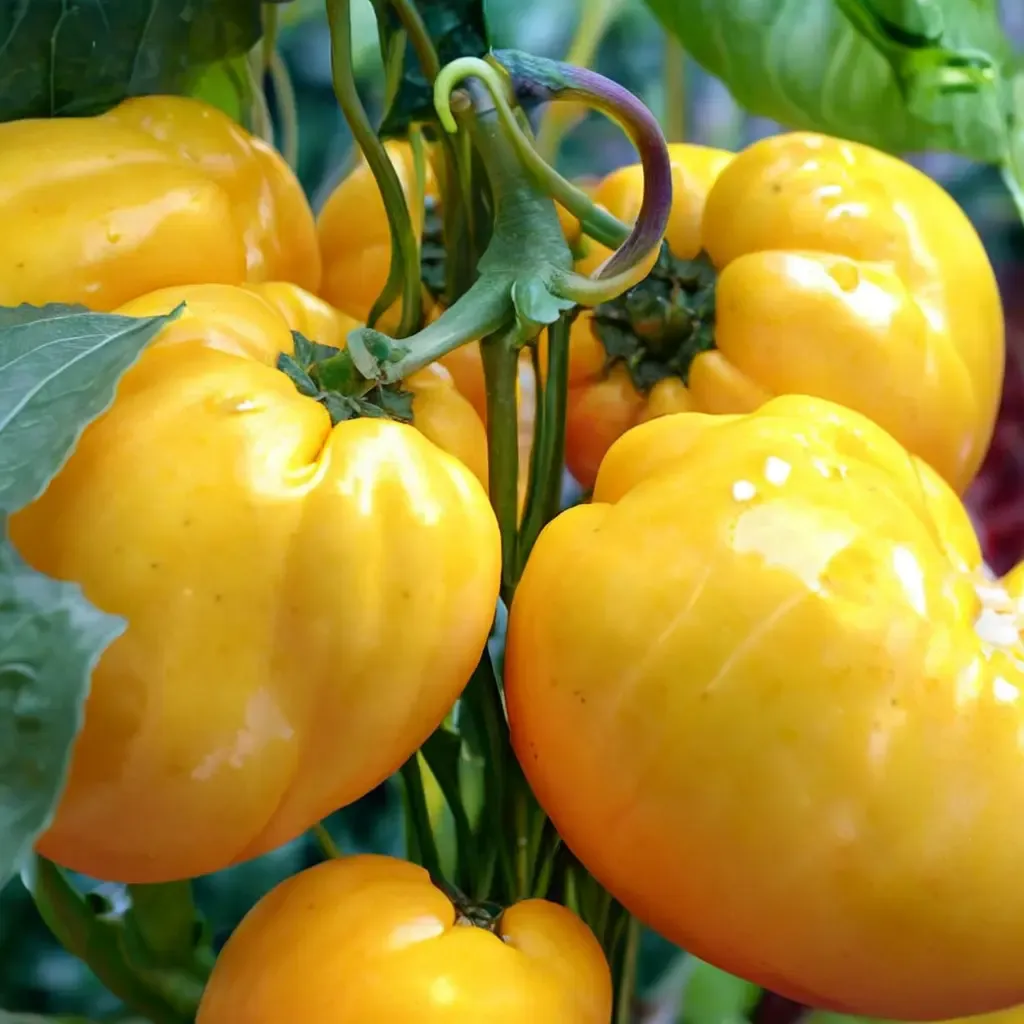
Golden California Wonder Pepper
Capsicum annuum 'Golden California Wonder'
Keep exploring
Explore the genus
Hardy in your zone?
Grow Chile de Arbol with confidence
See it in a design of your actual yard, get zone-matched care reminders, and track it season by season in your garden journal.