Species

18 other cultivars
- ‘Sweet Banana’Sweet Banana Pepper
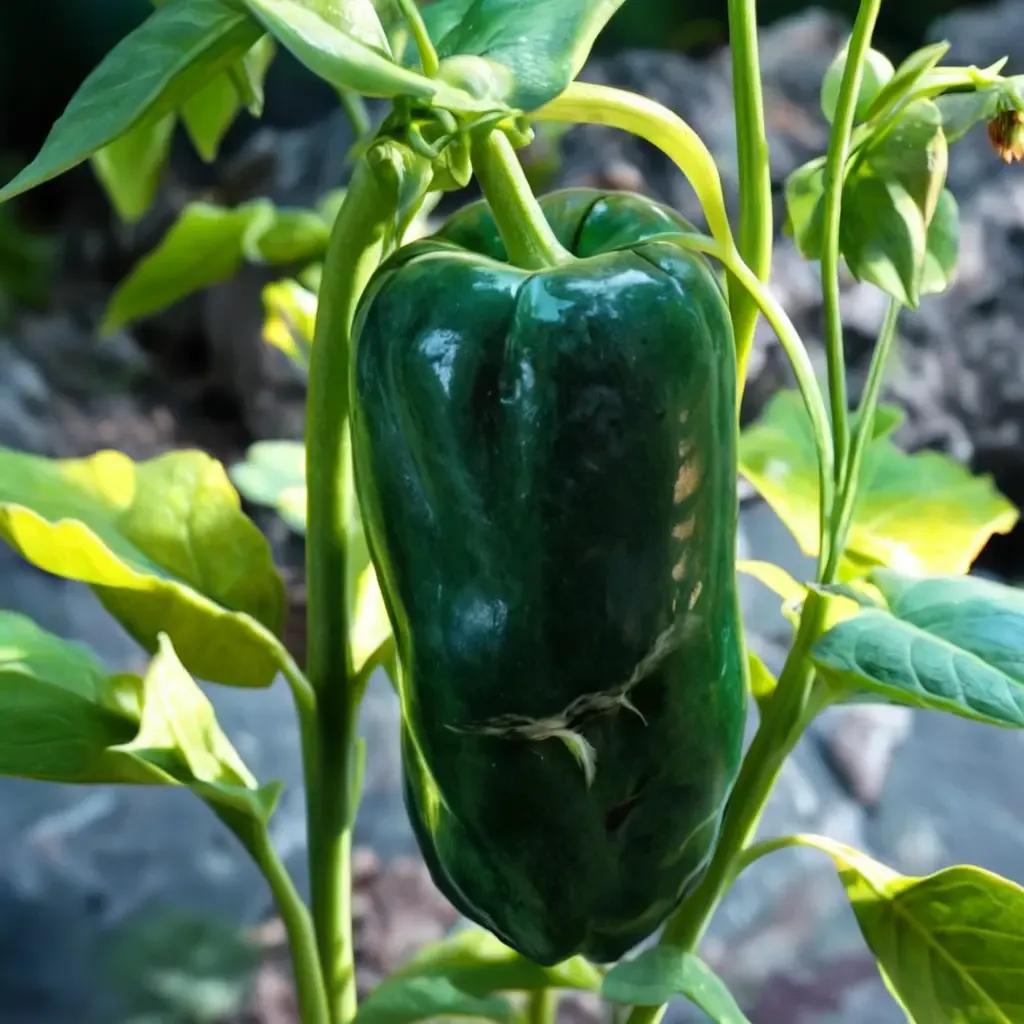
- ‘Poblano’Poblano Pepper
- ‘Early Jalapeno’Early Jalapeño
- ‘Serrano’Serrano Pepper
- ‘Yum Yums Hybrid Mixed Mini Bells’Yum Yum Peppers
- ‘Golden California Wonder’Golden California Wonder Pepper
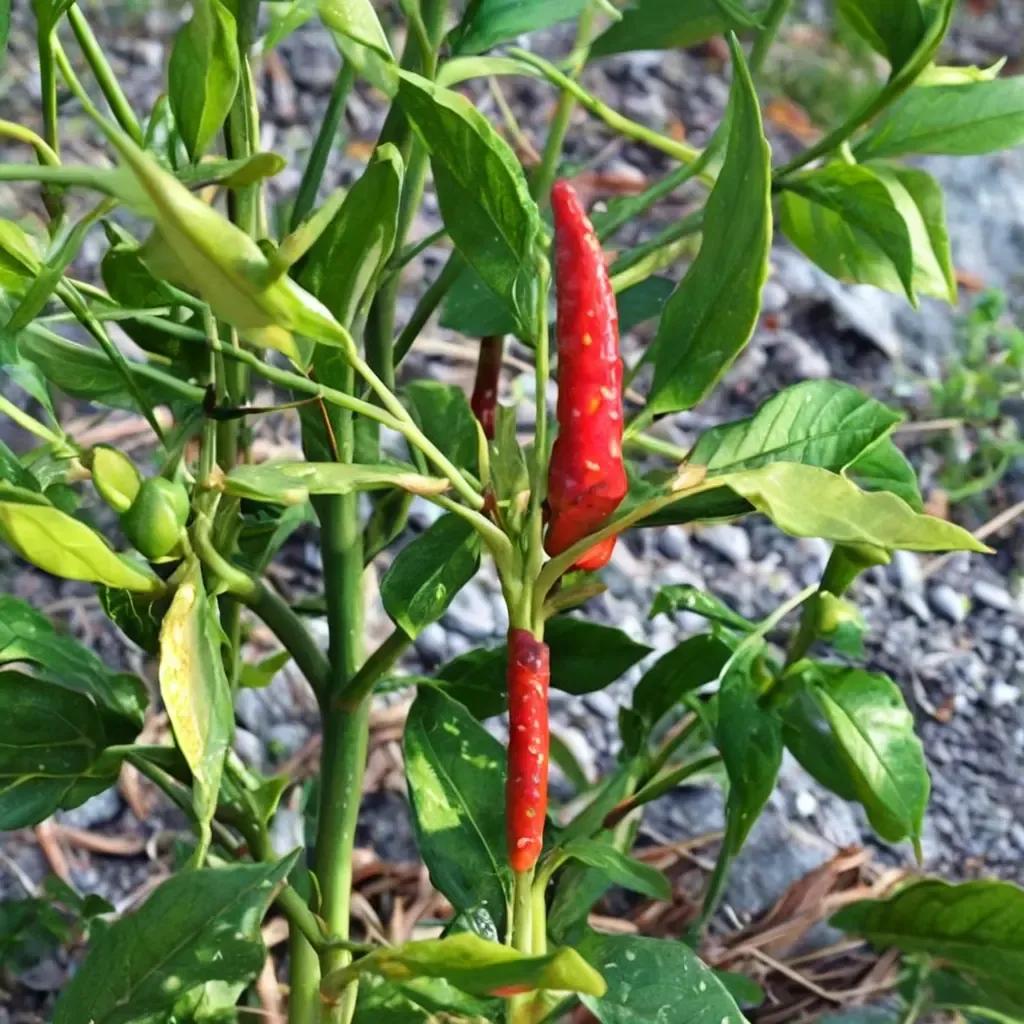
- ‘Cajun Fire’Cajun Fire Pepper
- ‘Fresno’Fresno Pepper
- ‘Chile de Arbol’Chile de Arbol
- ‘Purple Beauty’Purple Beauty Bell Pepper
- ‘Hot-chi Mama’Hot Chile Pepper
- ‘Lunchbox Red’Lunchbox Red Pepper
- ‘Squirrel Defeater Spring’Squirrel Defeater Pepper
- ‘Mama Mia Giallo’Mama Mia Giallo Pepper
- ‘Jimmy Nardello's Italian Frying’Jimmy Nardello's Italian Frying Pepper
- ‘Shishito’Shishito Pepper
- ‘Alma’Alma Paprika Pepper
- ‘Michigan Wonder’Michigan Wonder Sweet Pepper






The Story
Plant Bio
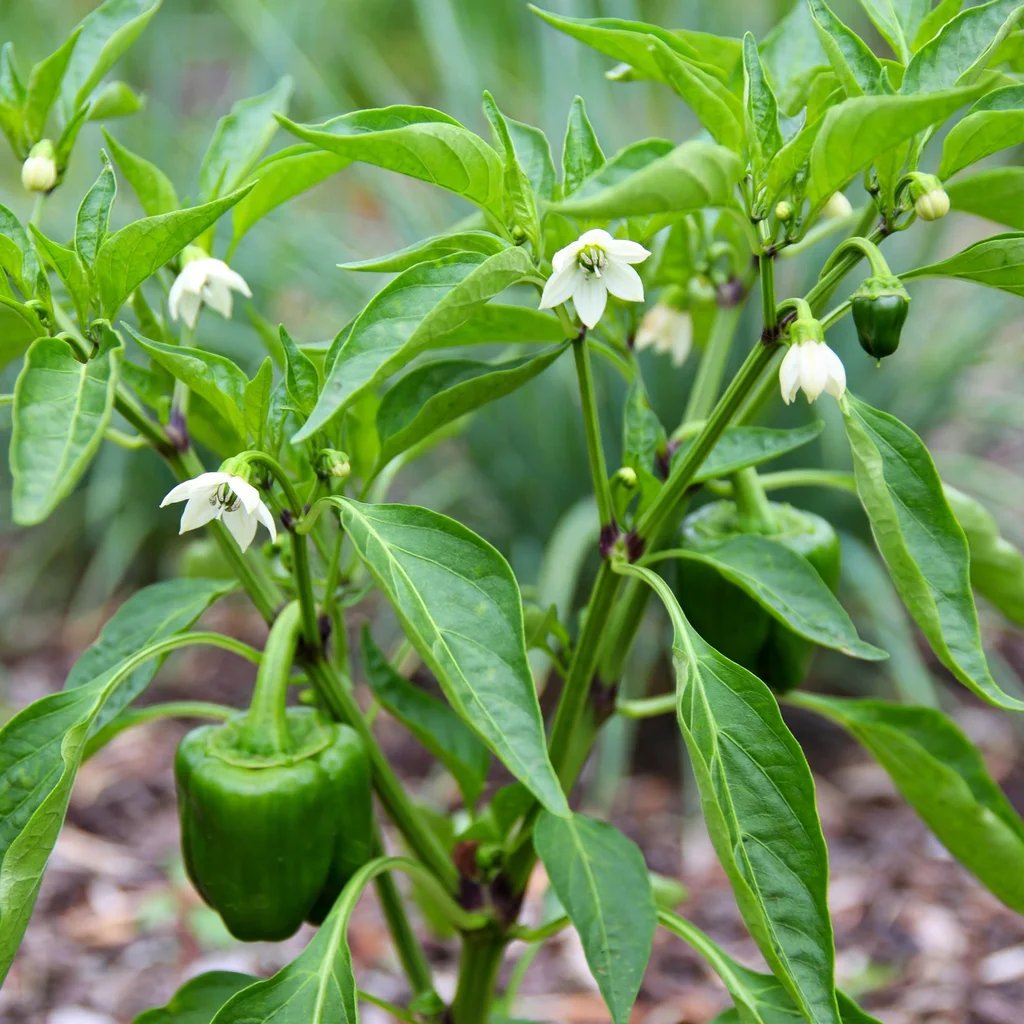
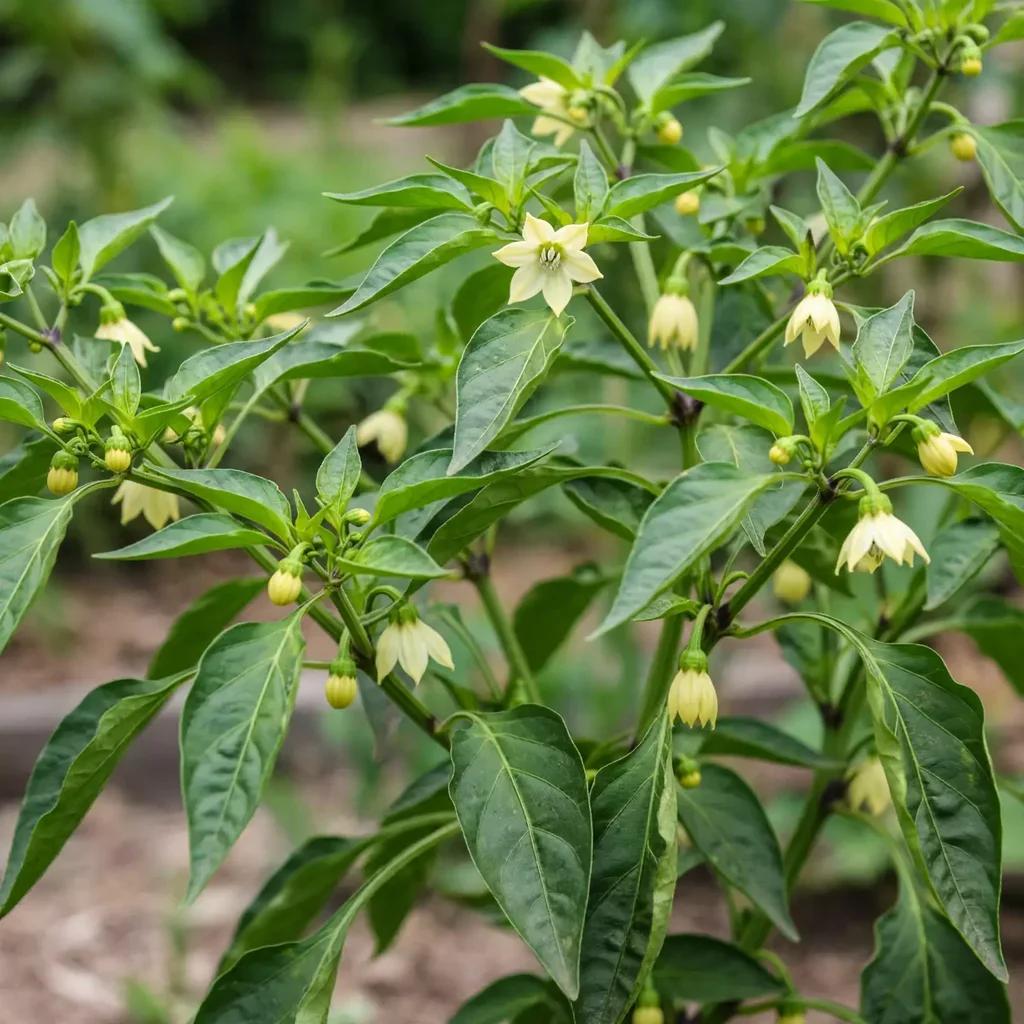
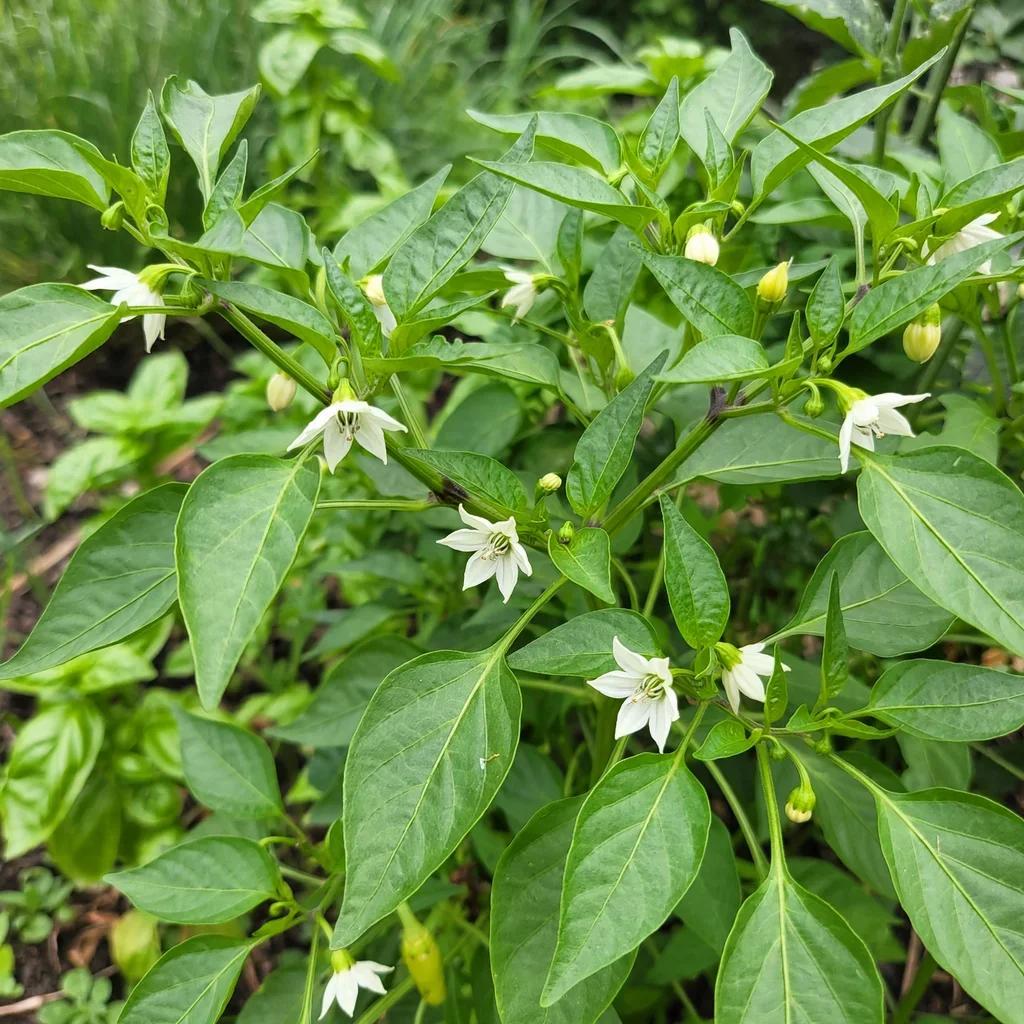
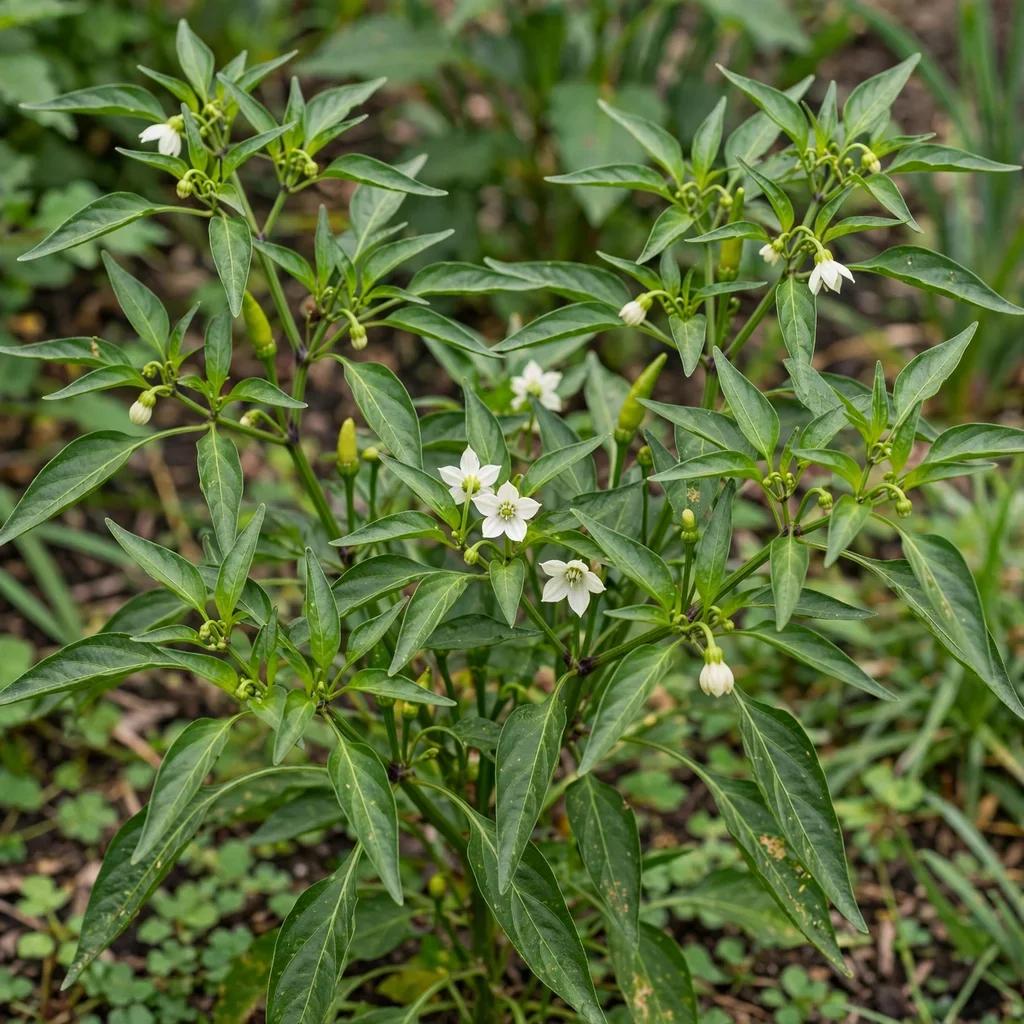
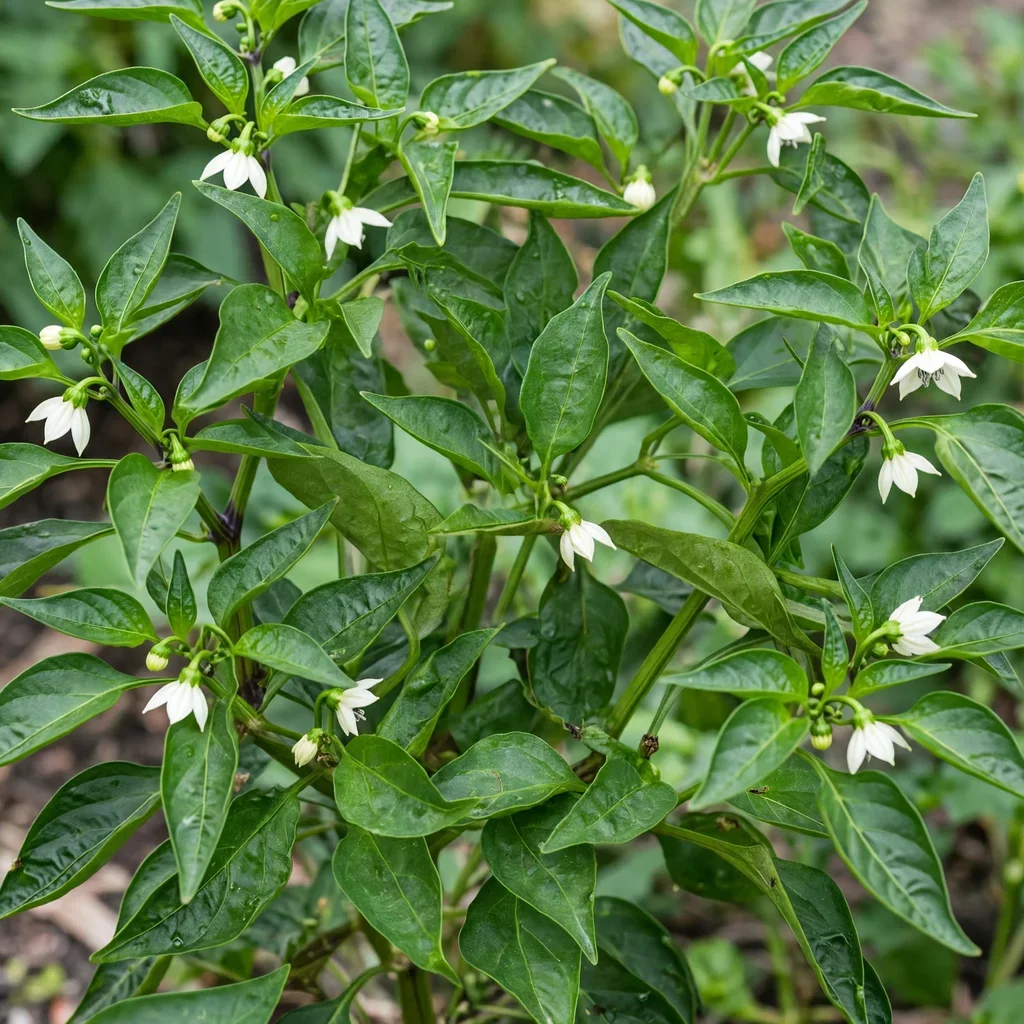
Capsicum annuum is an upright, bushy tender perennial from the warm Americas, grown as a frost-free warm-season annual with smooth green foliage. It bears small white solitary flowers that set hollow, fleshy-walled pods.
'California Wonder' is an open-pollinated heirloom from 1928 selected for blocky, thick-walled sweet bells about 4 inches long and 3 inches wide. Fruit sets green for crisp picking and ripens through yellow-green to rich red with zero heat, on sturdy upright plants reaching about 2 feet tall.
Uses & Benefits:
Essentials
At a Glance
Plant Type
Fruit Vegetable
Height
24"
Width
12"
Light
Full Sun
Zones
4, 5, 6, 7, 8, 9, 10
Water
Medium
Humidity
Average
Lifespan
Annual
Native To
Southern North America to northern South America
Toxicity
Foliage toxic if ingested; ripe fruit edible
Bloom period
Summer – Fall
In flower about 6 months of the year
Planting
How to Grow
- Plant in full sun with 6 to 8 hours of direct sun in well-drained loamy or sandy-loam soil at pH 6.0 to 6.8.
- Start seed indoors in warmth above 64 degrees and set transplants out only after frost risk has passed and nights stay warm.
- Feed with balanced fertilizer at planting with ample phosphorus and calcium and avoid high-nitrogen formulas.
- Mulch and water consistently to keep soil evenly moist to prevent blossom-end rot.
- Stake if fruit load leans plants and pick green for crisp texture or leave to full red for sweetest flavor.
Pro Tip
Keep water even from flowering on; alternating wet and dry triggers blossom-end rot and thin walls, while excess nitrogen pushes leaves at the expense of fruit.
Keep It Thriving
Care Guide
Do
- Water deeply and consistently to keep soil evenly moist through flowering and fruit sizing.
- Mulch to hold moisture and buffer soil temperature.
- Feed with balanced fertilizer at planting, supplying phosphorus and calcium for wall development.
Don't
- Do not let plants wilt between waterings or fruit walls stay thin and ends rot.
- Do not push heavy nitrogen, which grows leaves instead of peppers.
- Do not eat leaves, stems, or flowers, which contain solanine-type alkaloids; eat only ripe flesh.
Seasonal Care Calendar
| Task | Jan | Feb | Mar | Apr | May | Jun | Jul | Aug | Sep | Oct | Nov | Dec |
|---|---|---|---|---|---|---|---|---|---|---|---|---|
| Fertilize | ||||||||||||
| Harvest | ||||||||||||
| Mulch | ||||||||||||
| Pest Check | ||||||||||||
| Plant |
Watch Out For
Pests & Diseases
Common Pests
Common Diseases
In the Garden
Landscape Uses & Companions
Landscape Uses
Companion Plants
Multiply
Propagation Methods
Good to Know
Common Questions
California Wonder Bell Pepper questions
What zones can California Wonder Bell Pepper grow in?
California Wonder Bell Pepper is an annual: it grows, flowers and sets seed in one season, so winter cold doesn't limit where it grows. Gardeners in any zone can grow it by planting at the right time, usually after the last spring frost.
When does California Wonder Bell Pepper bloom?
California Wonder Bell Pepper typically blooms from summer to fall. Exact timing shifts a week or two with your zone — Sow's bloom calendar maps it to your garden.
Does California Wonder Bell Pepper need full sun?
California Wonder Bell Pepper does best in full sun (6+ hours).
More Capsicum to compare
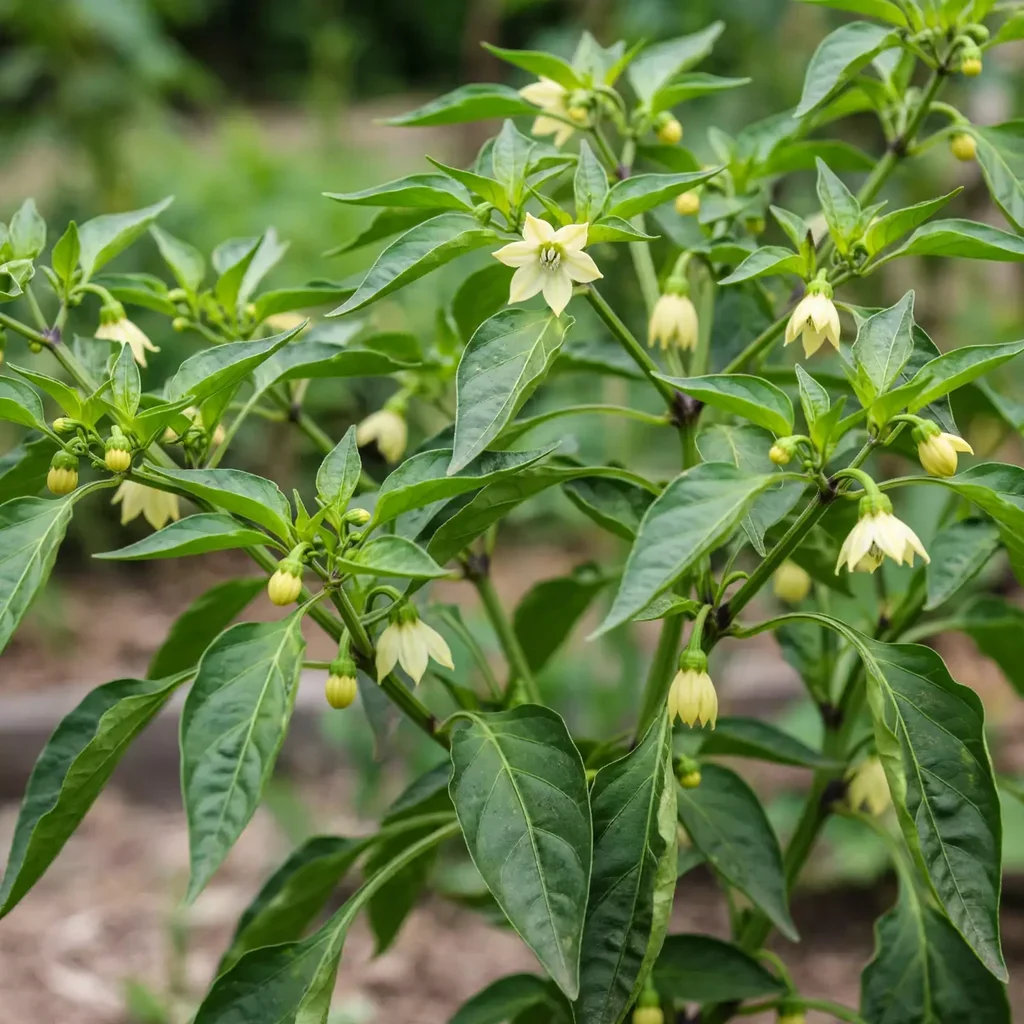
Sweet Banana Pepper
Capsicum annuum 'Sweet Banana'
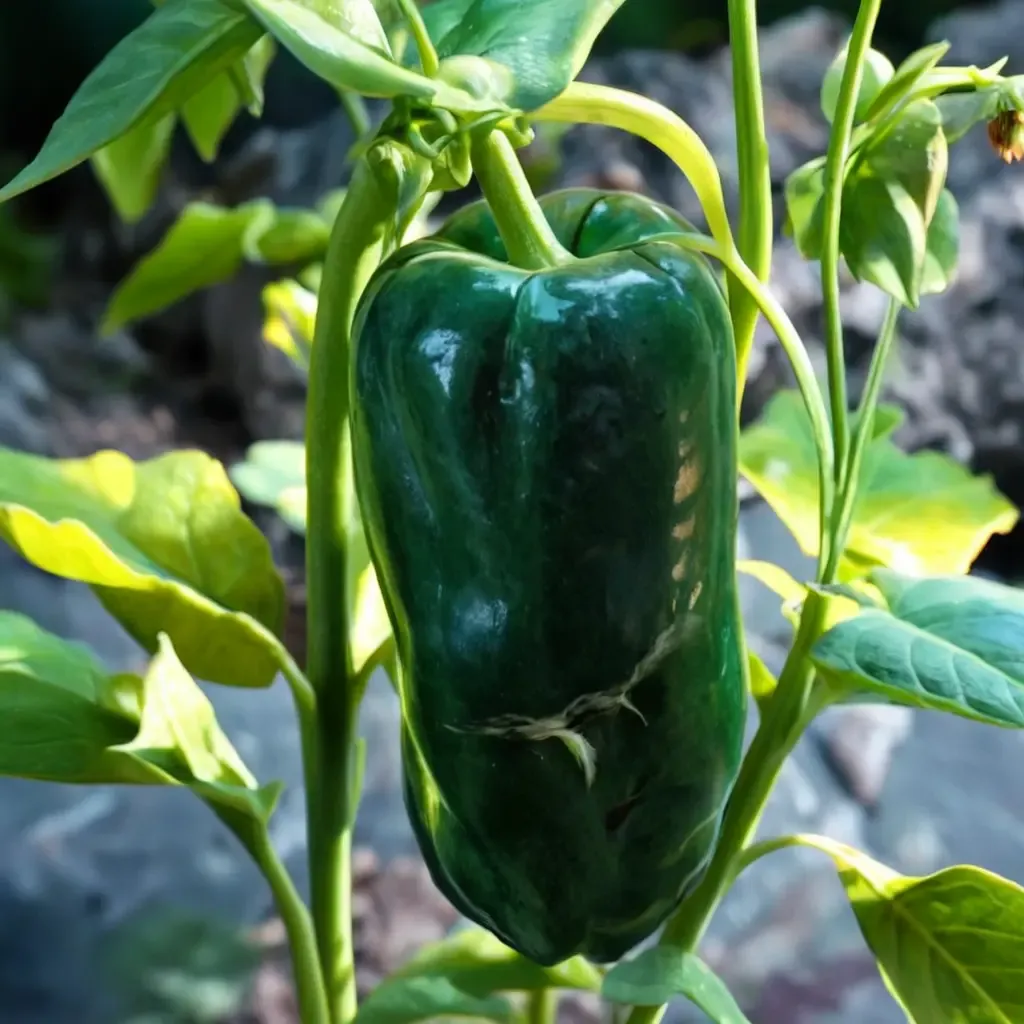
Poblano Pepper
Capsicum annuum 'Poblano'
Aji Amarillo
Capsicum baccatum 'Aji Amarillo'
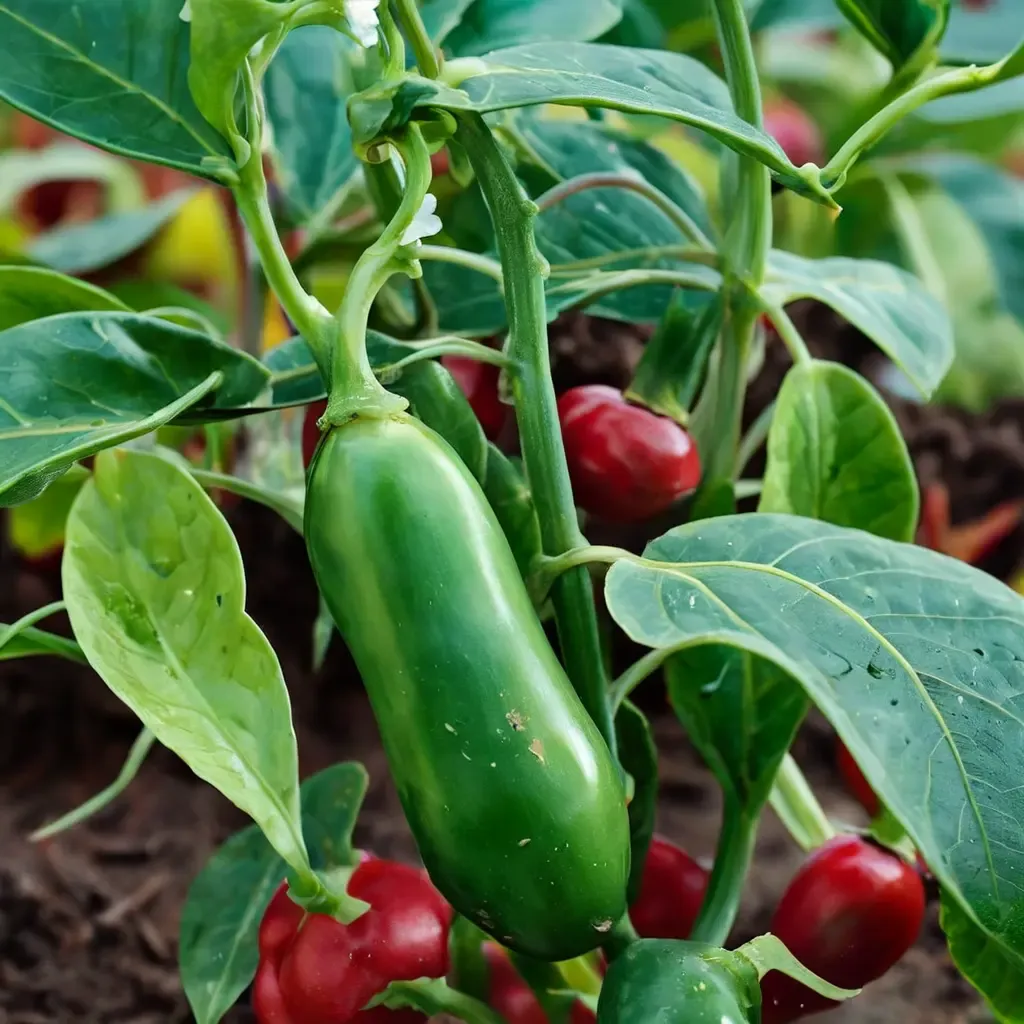
Early Jalapeño
Capsicum annuum 'Early Jalapeno'
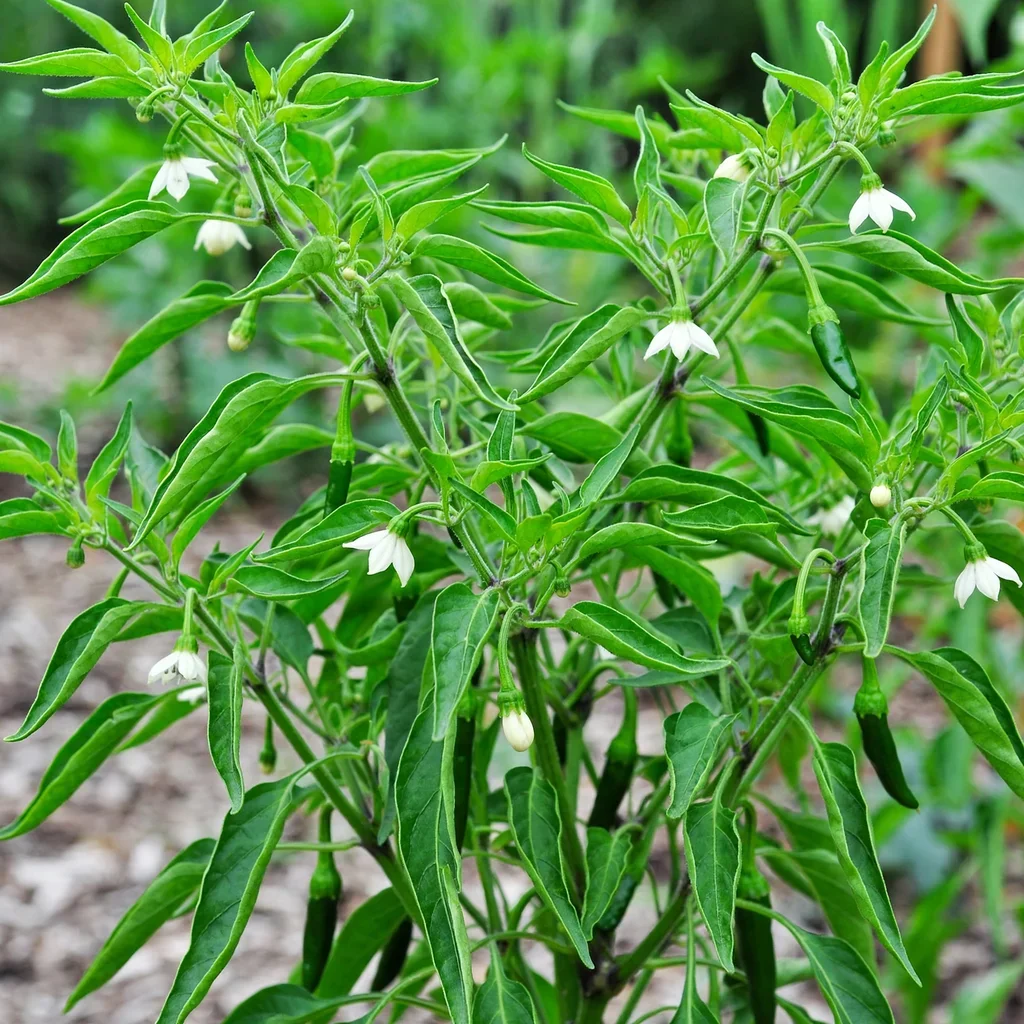
Serrano Pepper
Capsicum annuum 'Serrano'
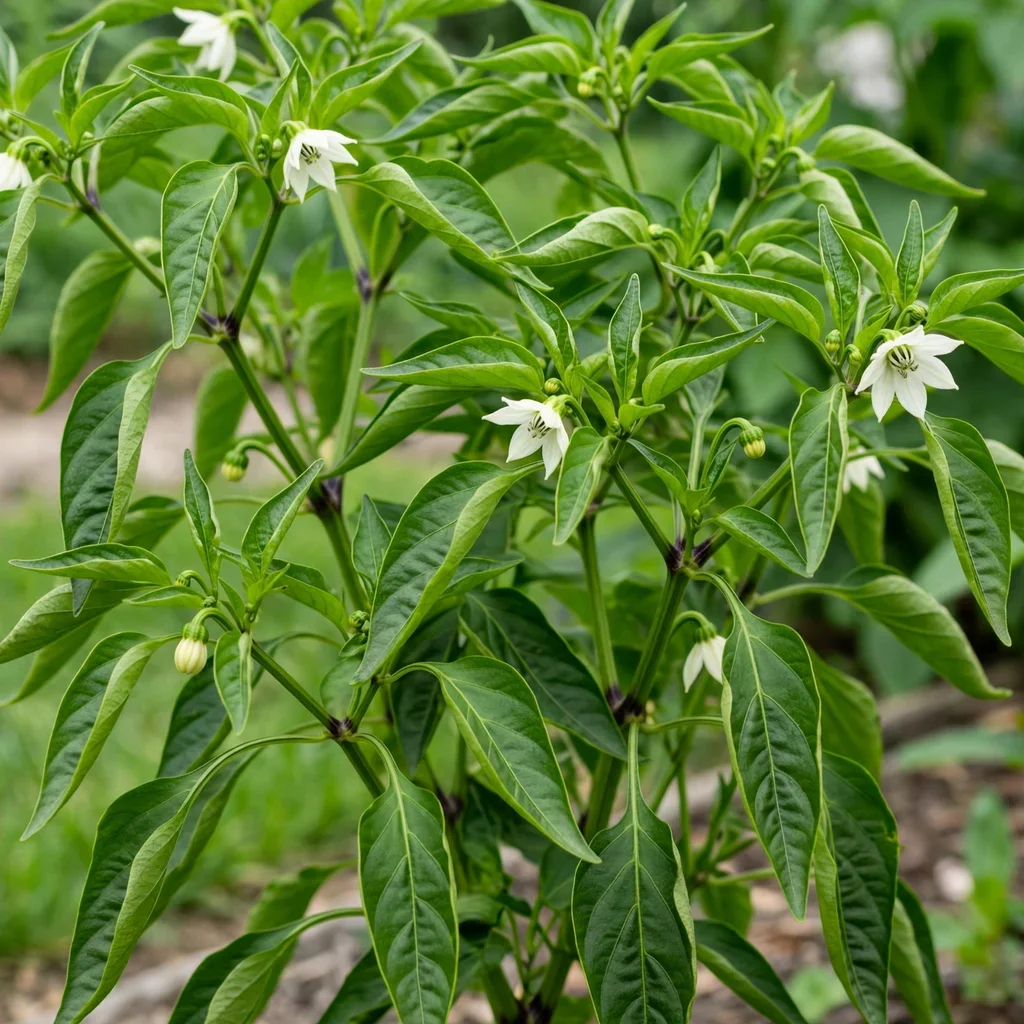
Yum Yum Peppers
Capsicum annuum 'Yum Yums Hybrid Mixed Mini Bells'
Keep exploring
Explore the genus
Grow California Wonder Bell Pepper with confidence
See it in a design of your actual yard, get zone-matched care reminders, and track it season by season in your garden journal.