The Story
Plant Bio
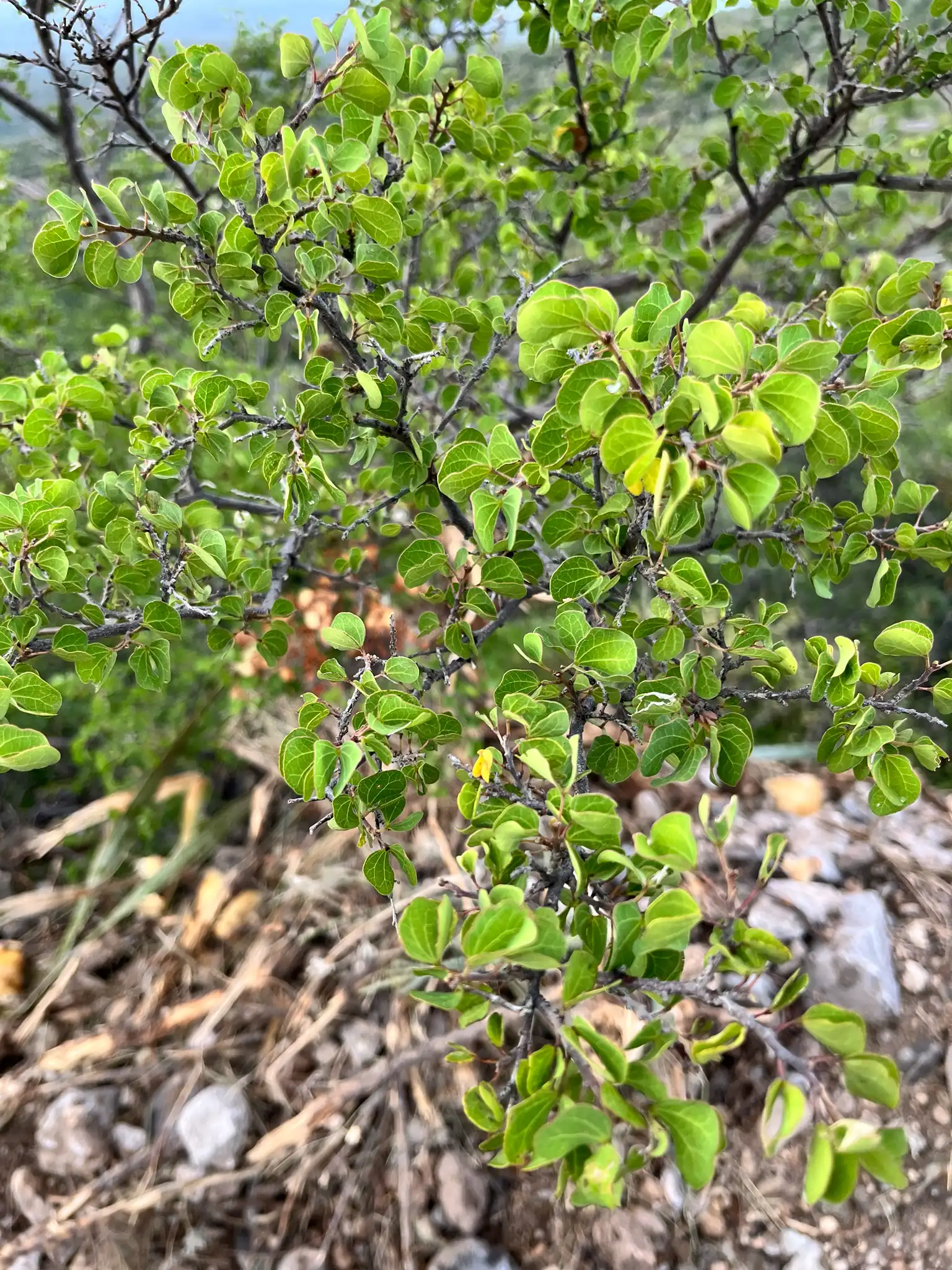
Bauhinia lunarioides is a small deciduous to semi-evergreen multi-trunked tree or large shrub with open, loosely branched stems and silvery-gray bark. The leaves are small, light green and deeply cleft into two rounded lobes, folding like butterfly wings along the midrib.
It is the only Bauhinia native to the United States, occurring wild in limestone canyons and arroyos of southern Texas and northeastern Mexico. Flowers are fragrant, orchid-like and five-petalled, white to pale pink with a deep pink to magenta streak, borne in clusters through spring and summer.
Uses & Benefits:
Essentials
At a Glance
Plant Type
Tree
Height
120"
Width
96"
Light
Full Sun, Partial Sun
Zones
7, 8, 9, 10
Water
Low
Humidity
Low
Lifespan
Long-lived woody tree
Native To
Southern Texas and northeastern Mexico
Toxicity
Unknown
Bloom period
Spring – Summer
In flower about 6 months of the year
Planting
How to Grow
- Dig a hole no deeper than the root ball and twice as wide in rocky, alkaline soil.
- Set the plant high with the root crown slightly above grade to shed water away from the trunk.
- Backfill with native soil, water deeply once to settle, then mulch thinly with gravel keeping the trunk base clear.
- Water deeply but rarely the first summer to encourage deep roots, then taper to low supplemental water once established.
Pro Tip
Plant high in rocky alkaline soil with sharp drainage and water deeply but rarely; wet heavy soil and frequent irrigation kill more plants than cold.
Keep It Thriving
Care Guide
Do
- Provide full sun to light filtered shade.
- Ensure sharp drainage in rocky, alkaline soil.
- Water deeply and infrequently once established.
- Prune lightly after spring flowering only if needed to shape.
Don't
- Do not plant in heavy clay or low wet spots.
- Do not overwater or keep soil constantly moist.
- Do not shear or cut hard into old bare wood.
- Do not expect heavy nitrogen fertilizer; it fixes its own nitrogen.
Seasonal Care Calendar
| Task | Jan | Feb | Mar | Apr | May | Jun | Jul | Aug | Sep | Oct | Nov | Dec |
|---|---|---|---|---|---|---|---|---|---|---|---|---|
| Mulch | ||||||||||||
| Pest Check | ||||||||||||
| Plant | ||||||||||||
| Prune |
Watch Out For
Pests & Diseases
Common Pests
Common Diseases
In the Garden
Landscape Uses & Companions
Landscape Uses
Multiply
Propagation Methods
Good to Know
Common Questions
Anacacho Orchid Tree questions
What zones can Anacacho Orchid Tree grow in?
Anacacho Orchid Tree is hardy in USDA Zones 7–10: in that range it survives winter in the ground. Colder than Zone 7, winters are too cold for it to survive outdoors.
Is Anacacho Orchid Tree deer resistant?
Yes — Anacacho Orchid Tree is rated deer-resistant. Deer typically pass it over, though extreme hunger can override any plant's defenses.
When does Anacacho Orchid Tree bloom?
Anacacho Orchid Tree typically blooms from spring to summer. Exact timing shifts a week or two with your zone — Sow's bloom calendar maps it to your garden.
Does Anacacho Orchid Tree need full sun?
Anacacho Orchid Tree does best in full sun to part shade. In hot climates, afternoon shade keeps blooms fresher longer.
Is Anacacho Orchid Tree drought tolerant?
Yes — once established (usually after the first full season), Anacacho Orchid Tree handles dry spells with minimal watering. Water deeply its first year to build the root system that makes that possible.
More Bauhinia to compare
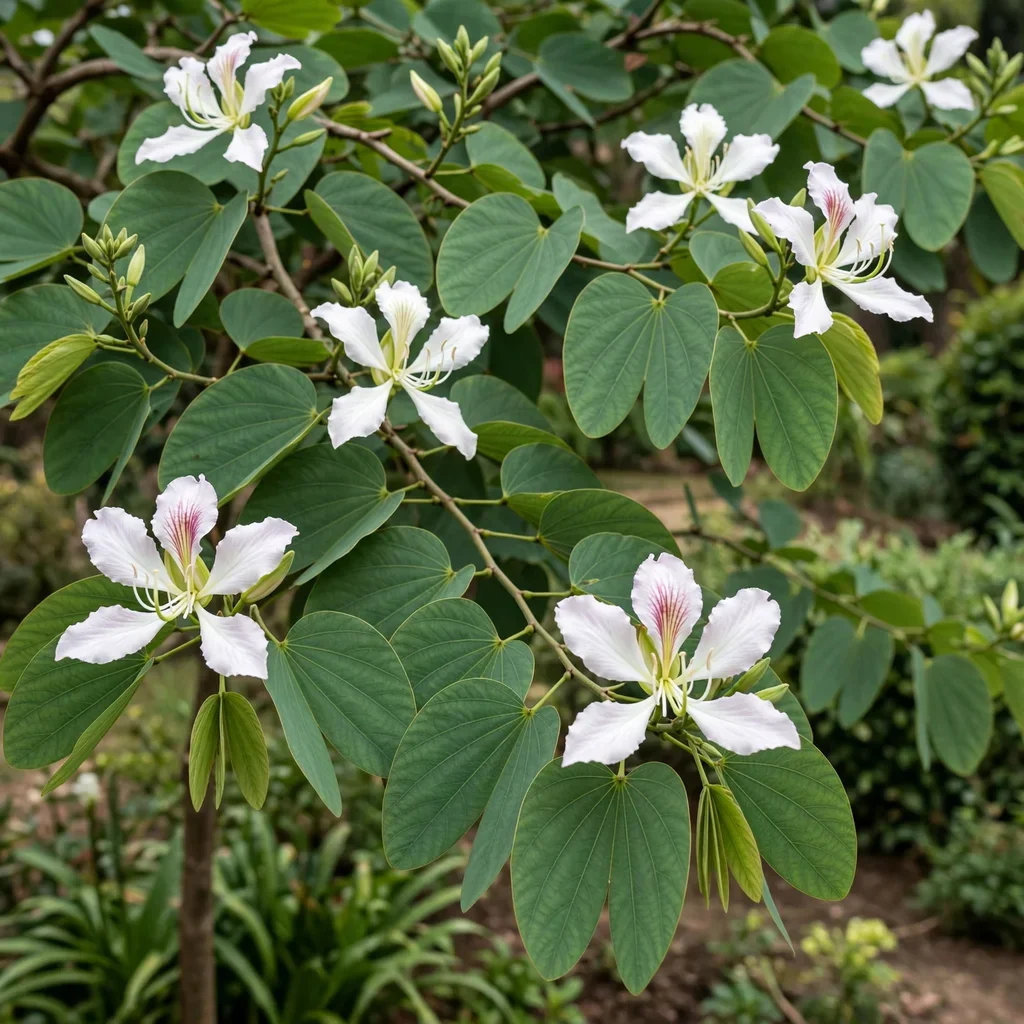
Brazilian Orchid Tree Bauhinia forficata
Bauhinia forficata
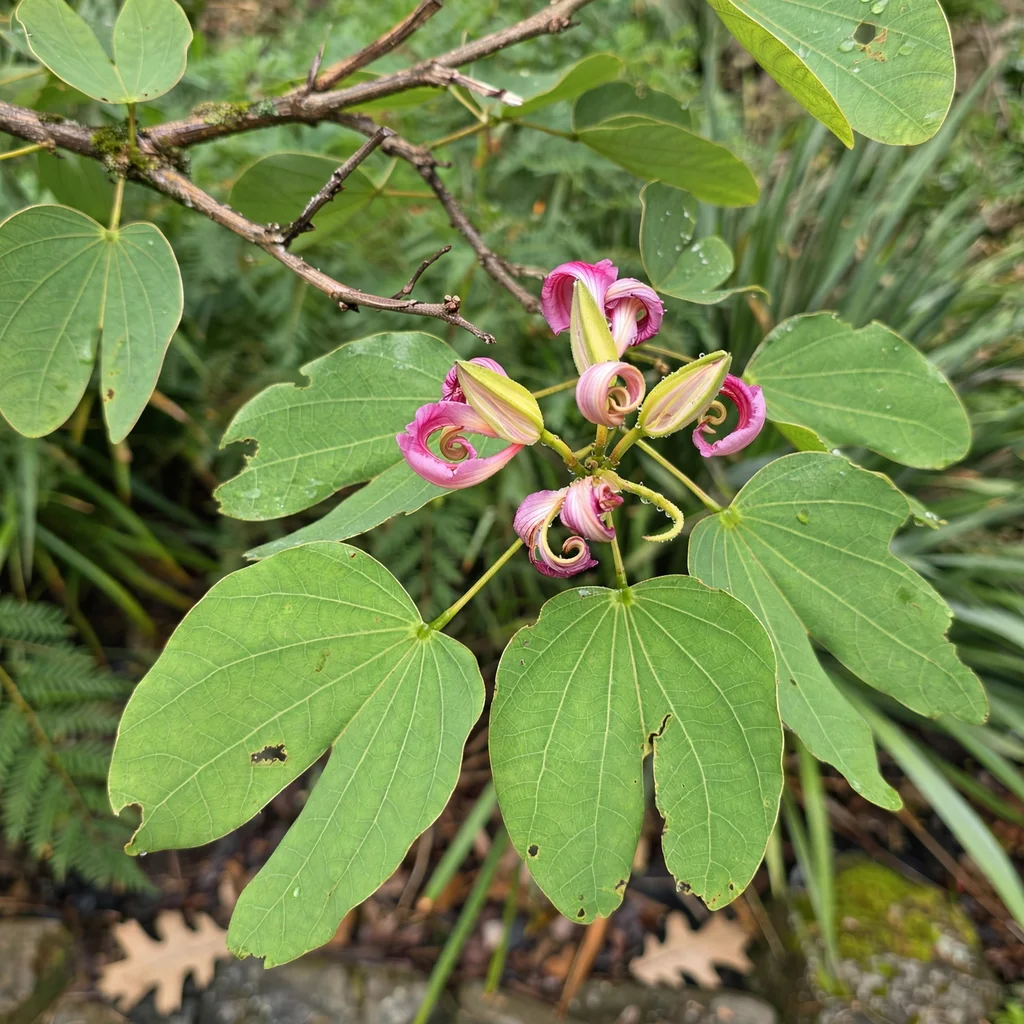
Chihuahuan Orchid Tree
Bauhinia macranthera
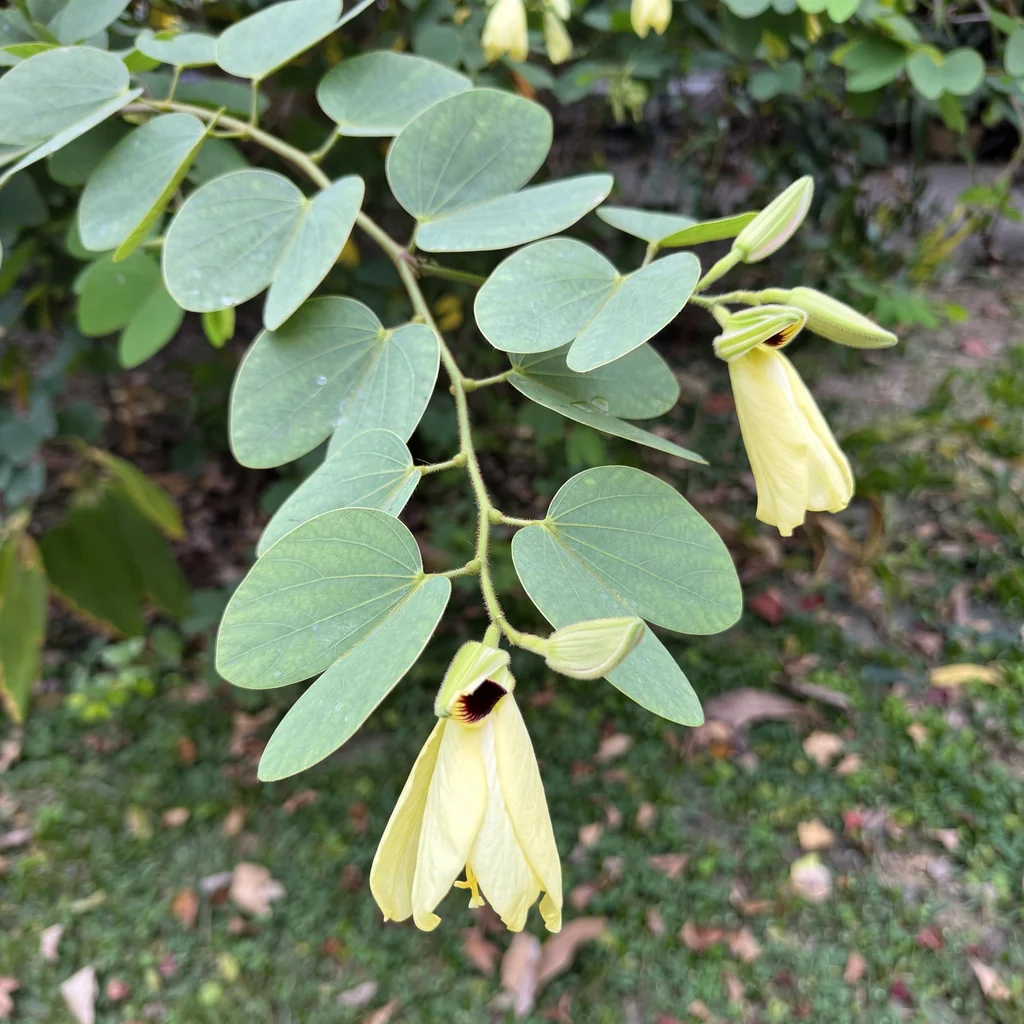
Yellow Bauhinia
Bauhinia tomentosa
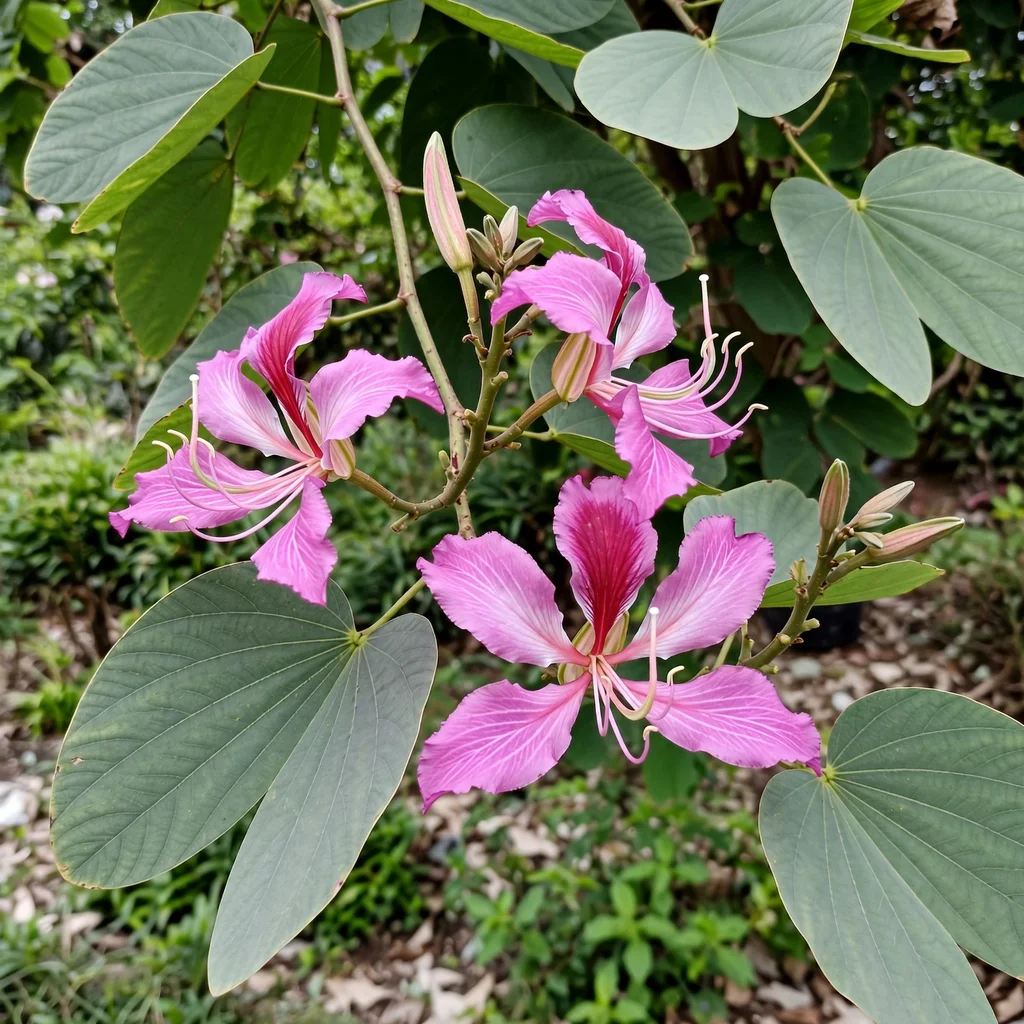
Hong Kong Orchid Tree
Bauhinia x blakeana
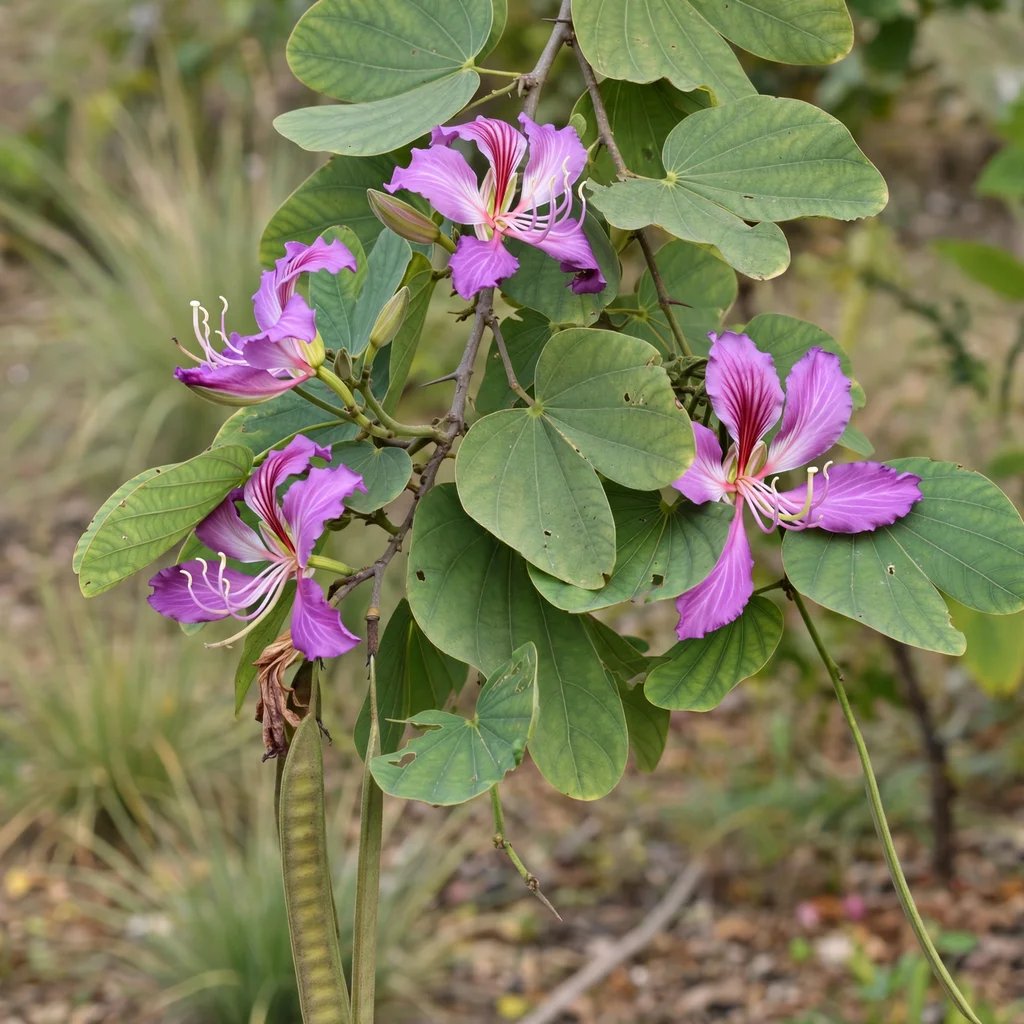
Purple Orchid-Tree
Bauhinia purpurea
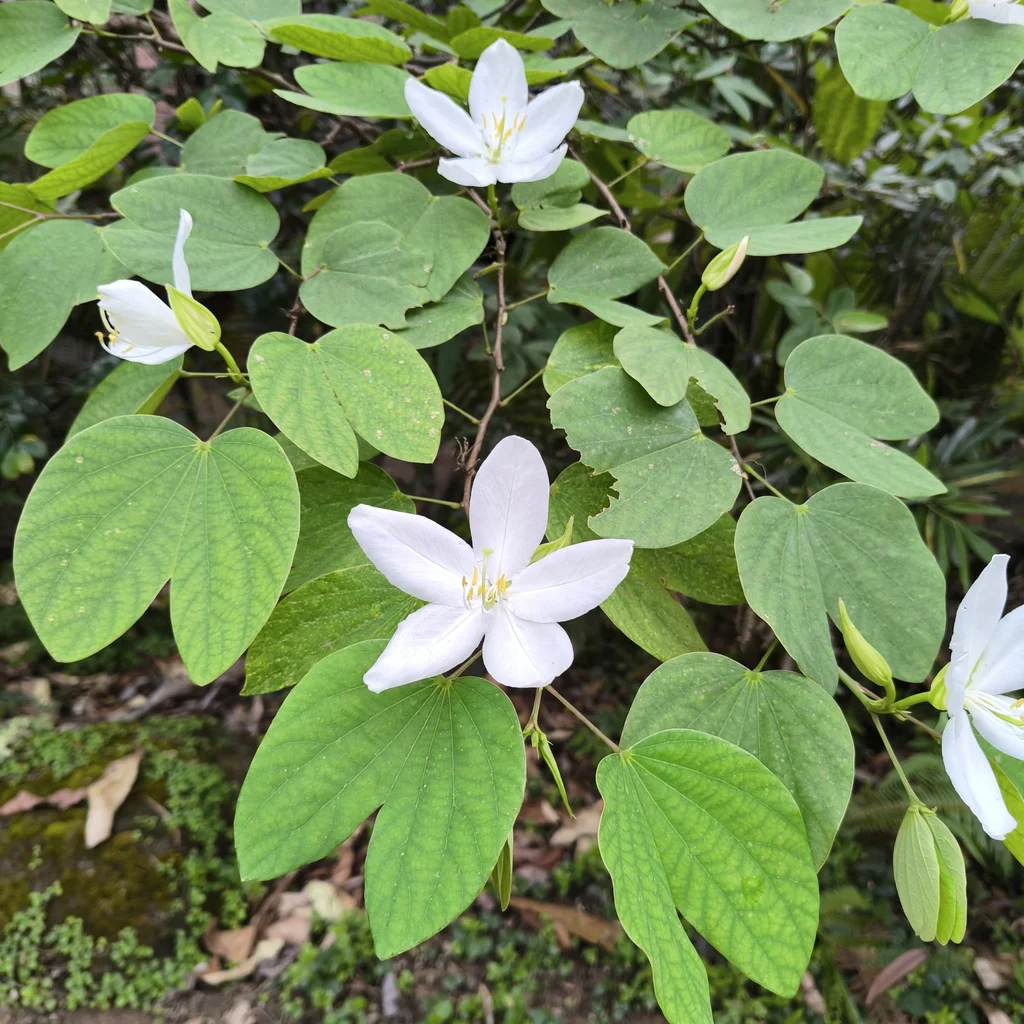
Dwarf White Orchid Tree
Bauhinia acuminata
Keep exploring
Explore the genus
Hardy in your zone?
Grow Anacacho Orchid Tree with confidence
See it in a design of your actual yard, get zone-matched care reminders, and track it season by season in your garden journal.