The Story
Plant Bio
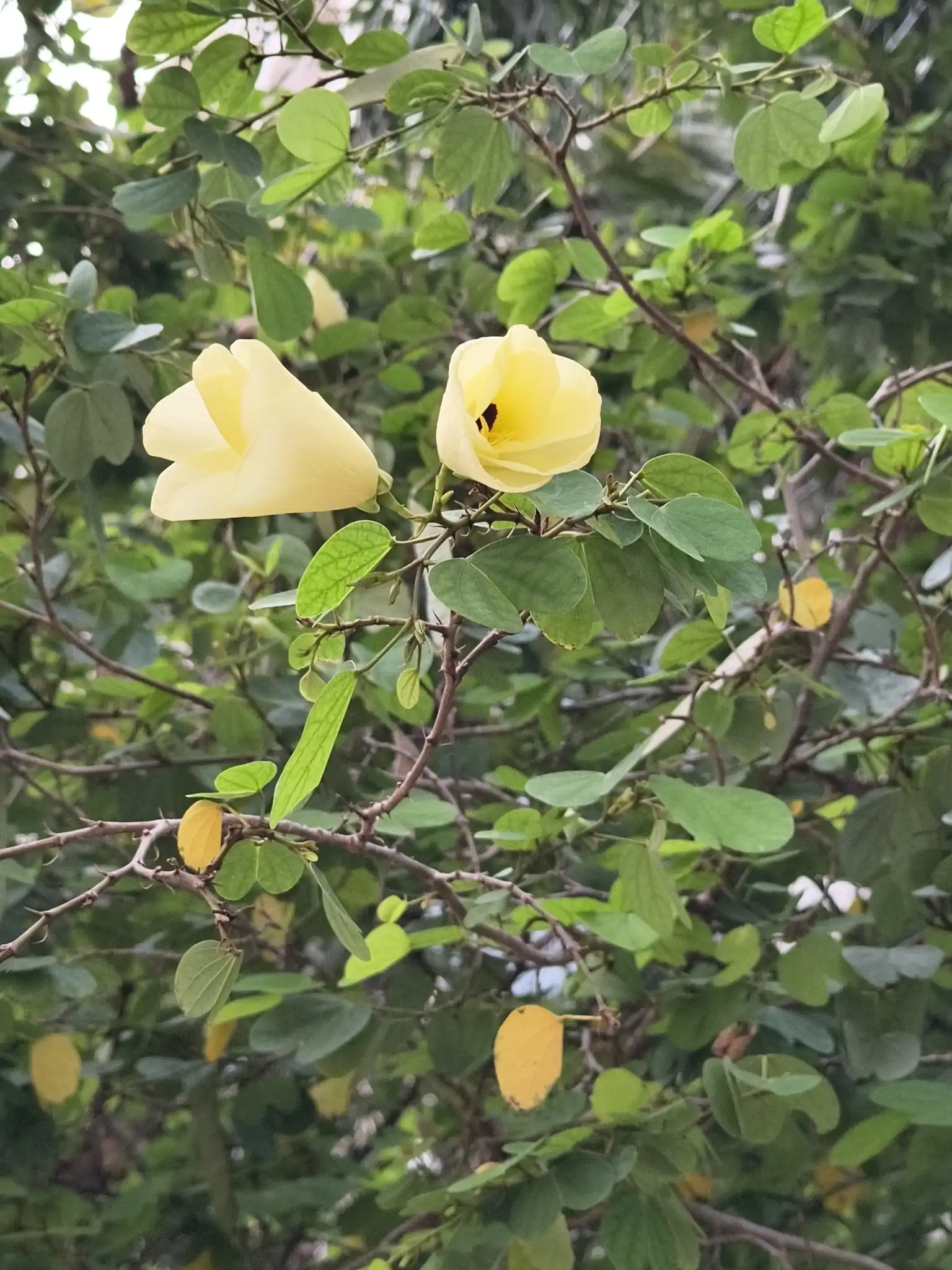
Bauhinia tomentosa is a multi-stemmed large shrub or small tree to 13 feet tall with slender arching branches that spread and scramble with age. The light green leathery leaves are deeply divided into two rounded lobes with a heart-shaped base, and young stems and leaves carry a soft fine pubescence.
Flowers are solitary or paired pendulous bells carried in the leaf axils along the branches, bright lemon-yellow with a deep maroon to black blotch at the base of one petal. Blooms open through summer into fall and fade to reddish-brown or pinkish, followed by flat legume pods.
Uses & Benefits:
Essentials
At a Glance
Plant Type
Shrub
Height
157"
Width
118"
Light
Full Sun, Partial Sun
Zones
9, 10
Water
Low to moderate
Humidity
Tolerant of moderate to high humidity
Lifespan
Long-lived shrub
Native To
Africa, southwestern Arabian Peninsula, India and Sri Lanka
Toxicity
Non-toxic
Bloom period
Summer – Fall
In flower about 6 months of the year
Planting
How to Grow
- Plant in full sun to partial shade in spring after last frost, in loose loam, sand, or improved clay that drains fast.
- Set the root ball level with the soil surface and water deeply to settle, then mulch 2 inches back from the stems.
- Water regularly the first season, then reduce to deep infrequent soakings once established.
- Move patio containers indoors or to a frost-free greenhouse before first frost outside Zones 9-11.
Pro Tip
Prune lightly right after flowering to shape the arching branches and force dense side shoots; cutting back into old leafless wood fails to resprout.
Keep It Thriving
Care Guide
Do
- Plant in fast-draining soil with the crown at grade.
- Prune once a year after flowering to control scrambling growth.
- Feed sparingly in spring with balanced slow-release fertilizer.
Don't
- Do not plant in soggy or poorly drained clay where roots rot.
- Do not shear into formal shapes or cut hard into old bare wood.
- Do not overfeed with nitrogen, which forces leaves at the expense of flowers.
Seasonal Care Calendar
| Task | Jan | Feb | Mar | Apr | May | Jun | Jul | Aug | Sep | Oct | Nov | Dec |
|---|---|---|---|---|---|---|---|---|---|---|---|---|
| Fertilize | ||||||||||||
| Pest Check | ||||||||||||
| Plant | ||||||||||||
| Prune | ||||||||||||
| Winter Prep |
Watch Out For
Pests & Diseases
Common Pests
Common Diseases
In the Garden
Landscape Uses & Companions
Landscape Uses
Multiply
Propagation Methods
Good to Know
Common Questions
Yellow Bauhinia questions
What zones can Yellow Bauhinia grow in?
Yellow Bauhinia is hardy in USDA Zones 9–10: in that range it survives winter in the ground. Colder than Zone 9, grow it in a container you can move to shelter for the winter.
Is Yellow Bauhinia deer resistant?
Not reliably. Deer may browse Yellow Bauhinia, especially tender spring growth — plan on repellents or fencing where pressure is high.
When does Yellow Bauhinia bloom?
Yellow Bauhinia typically blooms from summer to fall. Exact timing shifts a week or two with your zone — Sow's bloom calendar maps it to your garden.
Does Yellow Bauhinia need full sun?
Yellow Bauhinia does best in full sun to part shade. In hot climates, afternoon shade keeps blooms fresher longer.
Is Yellow Bauhinia drought tolerant?
Yes — once established (usually after the first full season), Yellow Bauhinia handles dry spells with minimal watering. Water deeply its first year to build the root system that makes that possible.
More Bauhinia to compare
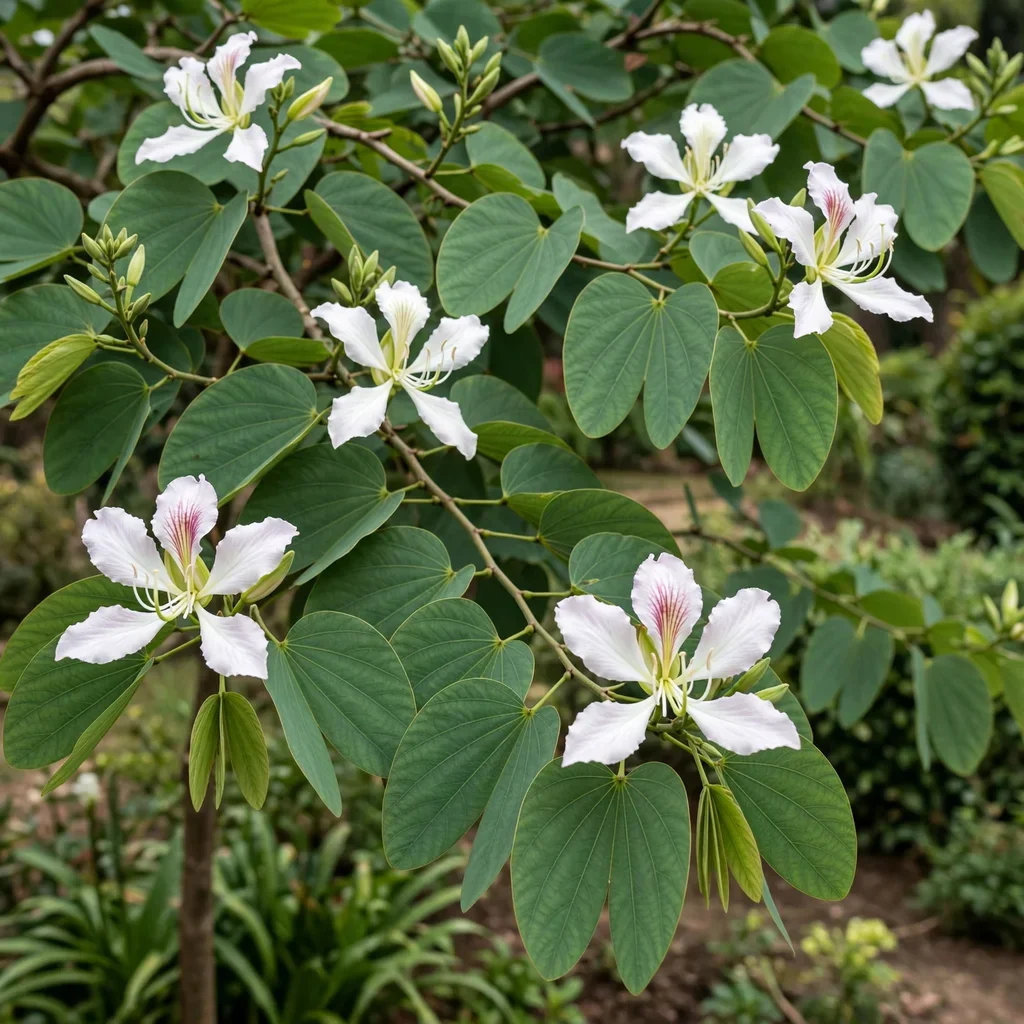
Brazilian Orchid Tree Bauhinia forficata
Bauhinia forficata
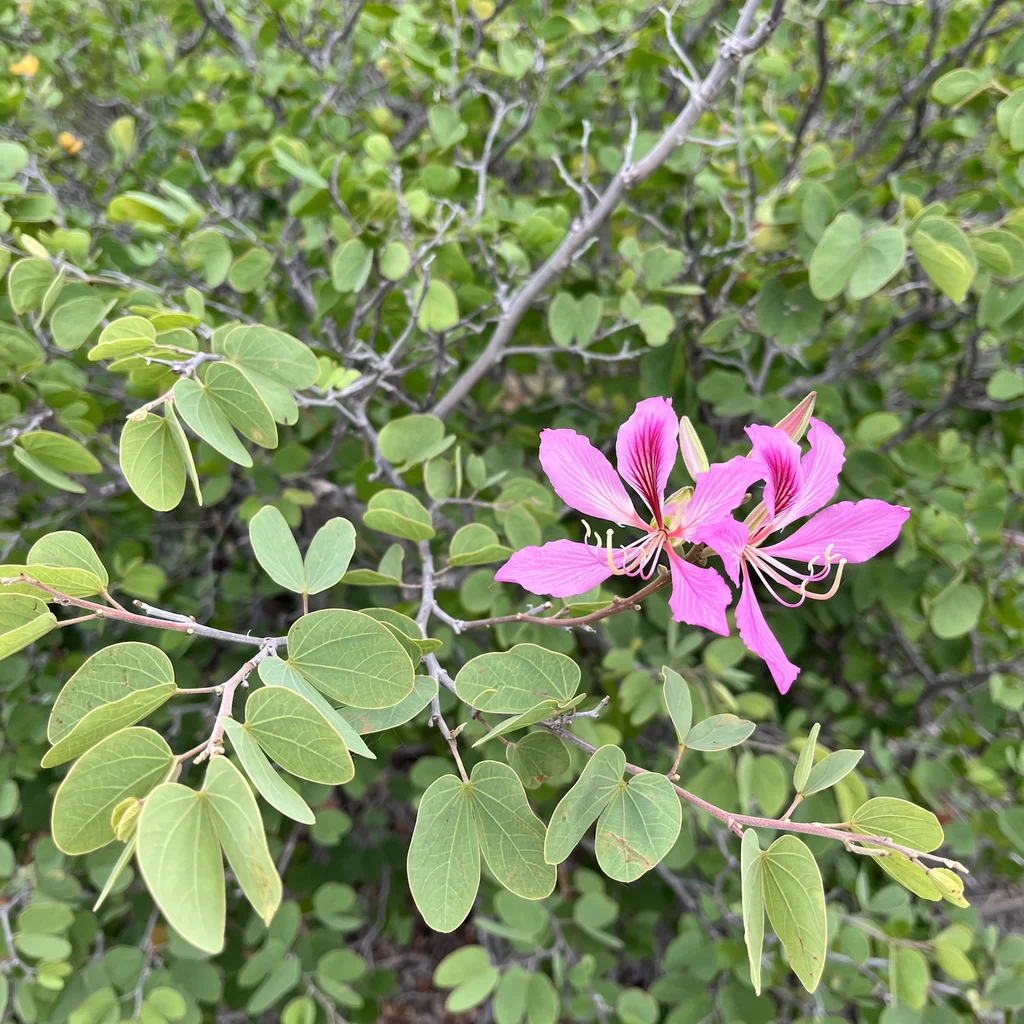
Anacacho Orchid Tree
Bauhinia lunarioides
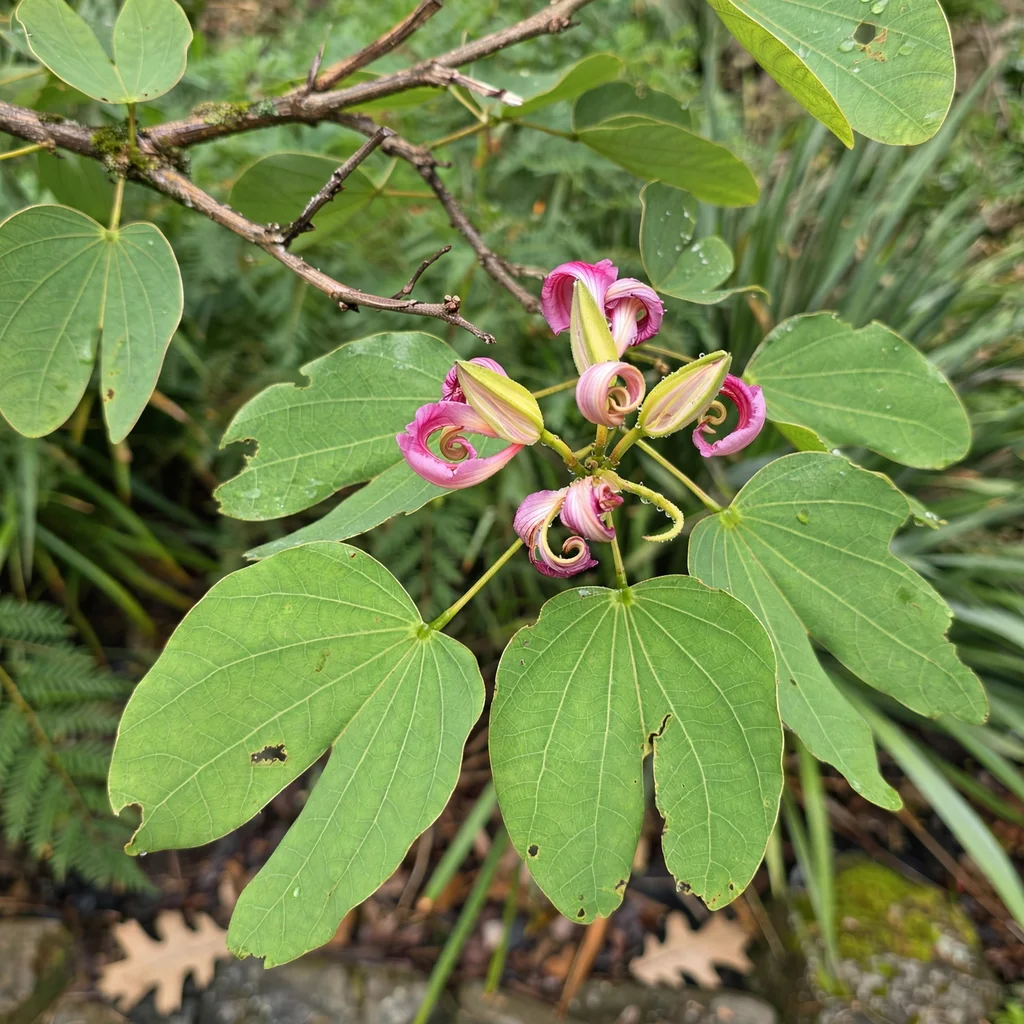
Chihuahuan Orchid Tree
Bauhinia macranthera
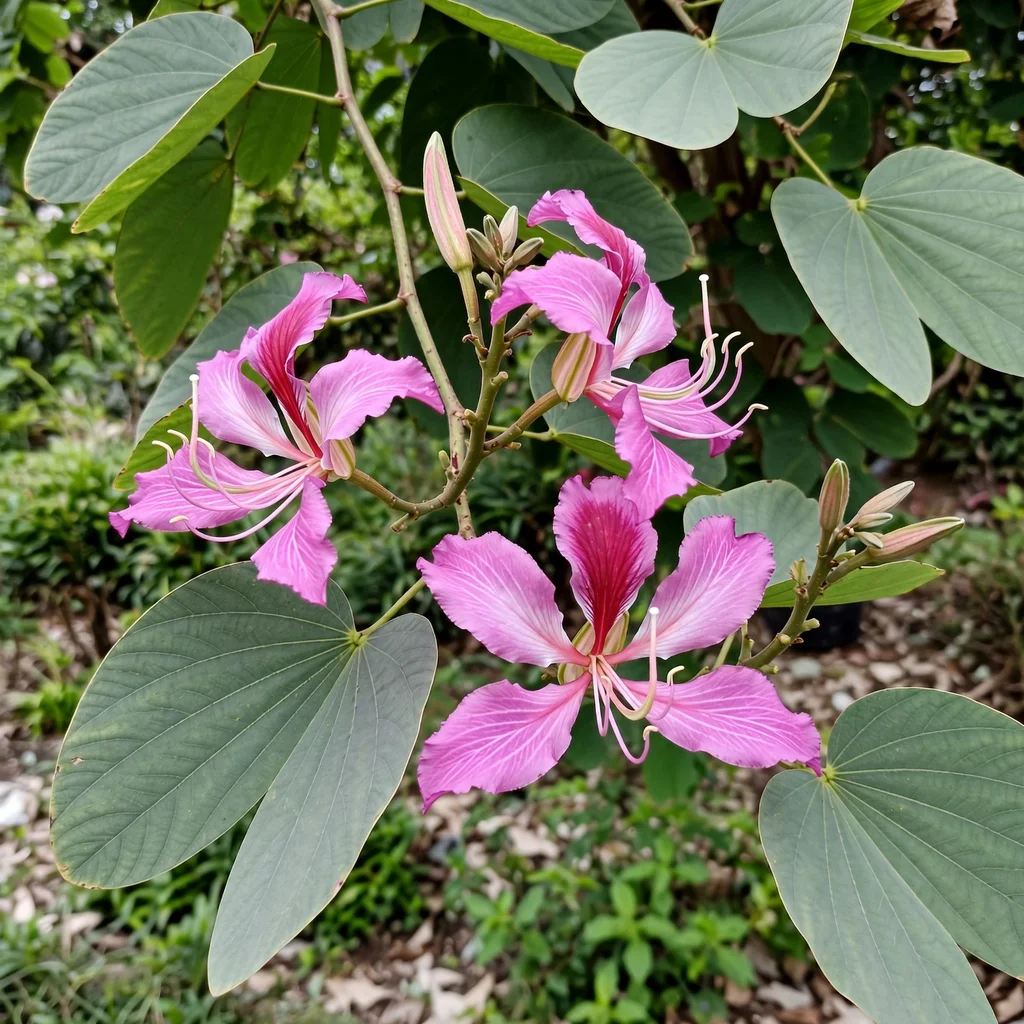
Hong Kong Orchid Tree
Bauhinia x blakeana
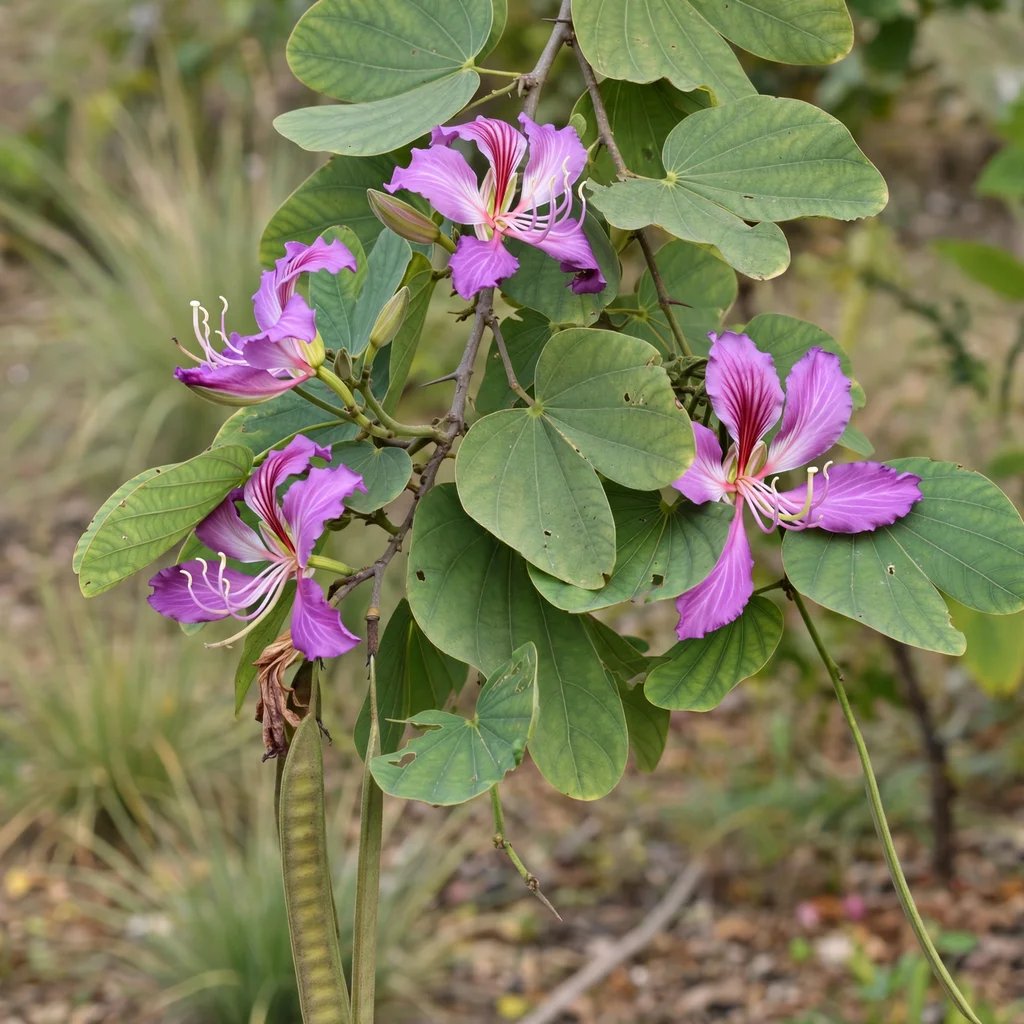
Purple Orchid-Tree
Bauhinia purpurea
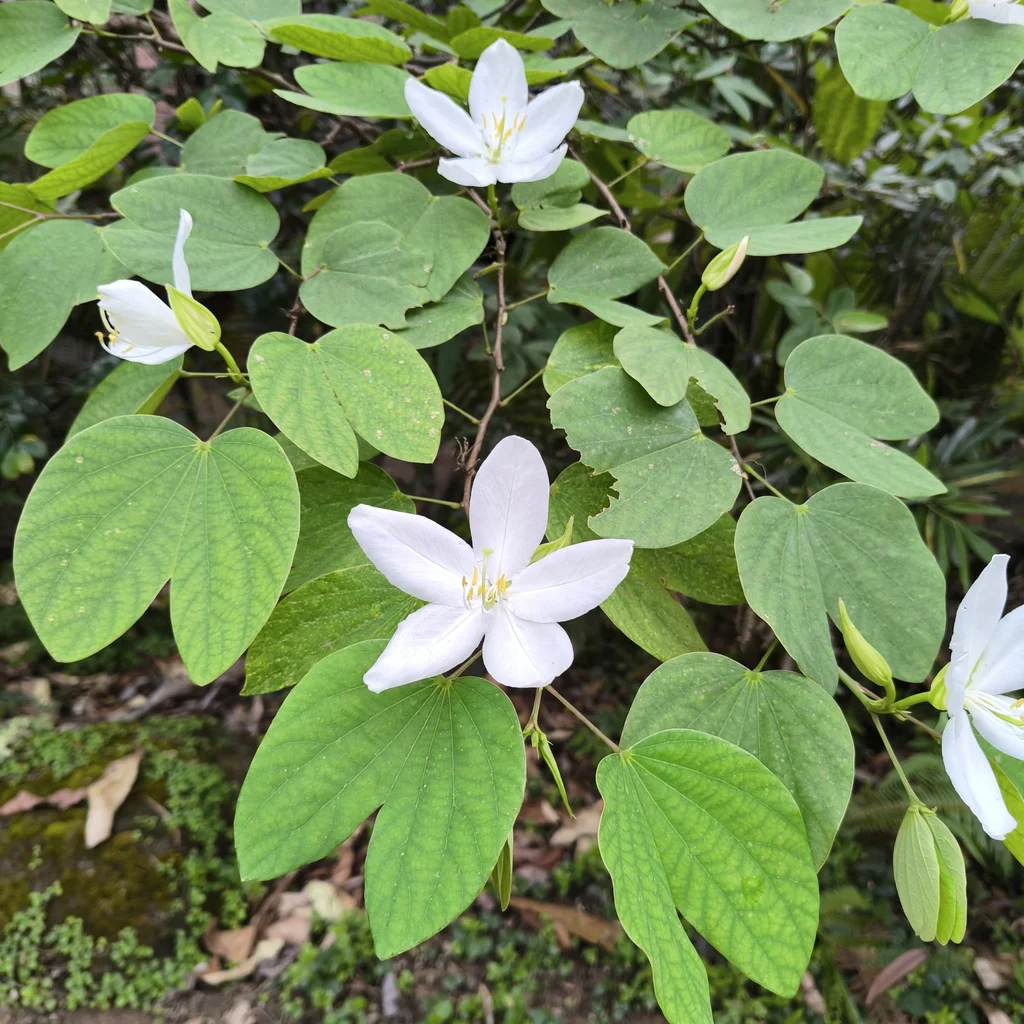
Dwarf White Orchid Tree
Bauhinia acuminata
Keep exploring
Explore the genus
Hardy in your zone?
Grow Yellow Bauhinia with confidence
See it in a design of your actual yard, get zone-matched care reminders, and track it season by season in your garden journal.