The Story
Plant Bio
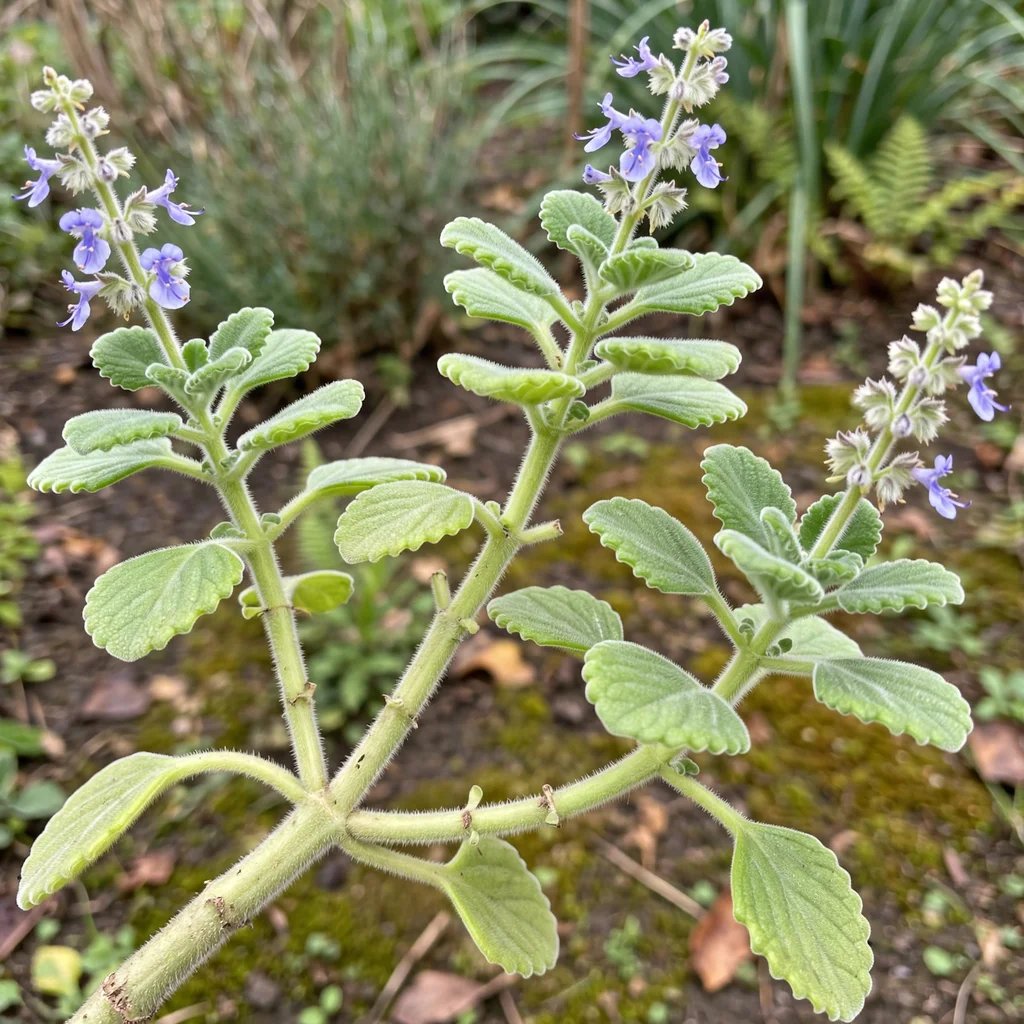
Plectranthus hadiensis is a semi-succulent perennial subshrub from eastern and southern Africa, growing erect then sprawling to about five feet tall with thick purple-tinged stems. The leaves are thick, ovate to almost round with blunt teeth and dense soft hairs, light green to green-purple, and release a strong camphor-mint scent when crushed.
It is grown for scented foliage rather than bloom; the small mauve to purple two-lipped tubular flowers form in whorls along a terminal spike to twenty inches in fall and winter. Thick hairy leaves and fleshy water-storing stems let established plants ride through dry spells, while low light stretches internodes and wet soil drops leaves.
Uses & Benefits:
Essentials
At a Glance
Plant Type
Perennial
Height
60"
Width
39"
Light
Partial Sun, Shade
Zones
9, 10
Water
Low
Humidity
Moderate
Lifespan
Perennial
Native To
Eastern and southern Africa, southern Arabian Peninsula
Toxicity
Non-toxic to humans and pets; sap may irritate skin
Bloom period
Fall – Winter
In flower about 6 months of the year
Planting
How to Grow
- Pot in a free-draining cactus or indoor potting mix amended with sand or perlite, using a container with drainage holes.
- Set in bright indirect light with part-day sun; give outdoor plants in zones 9a-11b morning sun and afternoon shade.
- Water thoroughly then let the top inch dry before watering again; reduce water in winter when growth slows.
- Pinch shoot tips through the growing season to keep plants bushy and contain sprawling stems.
- Bring pots indoors before first frost to a bright spot above 50F and keep almost dry until spring.
Pro Tip
Pinch shoot tips to keep growth compact and remove flower spikes if growing for leaf scent; low light makes stems leggy and constantly wet mix causes leaf drop and root rot.
Keep It Thriving
Care Guide
Do
- Grow in a pot with drainage holes and a loose, fast-draining mix.
- Provide bright light and good air flow around the hairy leaves.
- Allow the top of the mix to dry between waterings.
- Prune lightly to shape and propagate extras from cuttings.
Don't
- Don't keep soil constantly wet or use a heavy moisture-holding mix.
- Don't grow in deep shade where stems turn leggy and scent weakens.
- Don't leave outdoors through frost; it is damaged below about 20F.
- Don't water overhead late in the day where leaves stay wet overnight.
Seasonal Care Calendar
| Task | Jan | Feb | Mar | Apr | May | Jun | Jul | Aug | Sep | Oct | Nov | Dec |
|---|---|---|---|---|---|---|---|---|---|---|---|---|
| Fertilize | ||||||||||||
| Pest Check | ||||||||||||
| Propagate | ||||||||||||
| Prune | ||||||||||||
| Winter Prep |
Watch Out For
Pests & Diseases
Common Pests
Common Diseases
In the Garden
Landscape Uses & Companions
Landscape Uses
Multiply
Propagation Methods
Good to Know
Common Questions
Vicks Plant questions
What zones can Vicks Plant grow in?
Vicks Plant is hardy in USDA Zones 9–10: in that range it survives winter in the ground. Colder than Zone 9, grow it in a container you can move to shelter for the winter, or as an annual.
When does Vicks Plant bloom?
Vicks Plant typically blooms from fall to winter. Exact timing shifts a week or two with your zone — Sow's bloom calendar maps it to your garden.
Does Vicks Plant need full sun?
Vicks Plant does best in part shade.
Is Vicks Plant drought tolerant?
Yes — once established (usually after the first full season), Vicks Plant handles dry spells with minimal watering. Water deeply its first year to build the root system that makes that possible.
More Plectranthus to compare
Swedish Ivy
Plectranthus ecklonii
Coleus 'Festive Dance'
Plectranthus scutellarioides 'Festive Dance'
Danish Oil Plant
Plectranthus barbatus 'grandis'
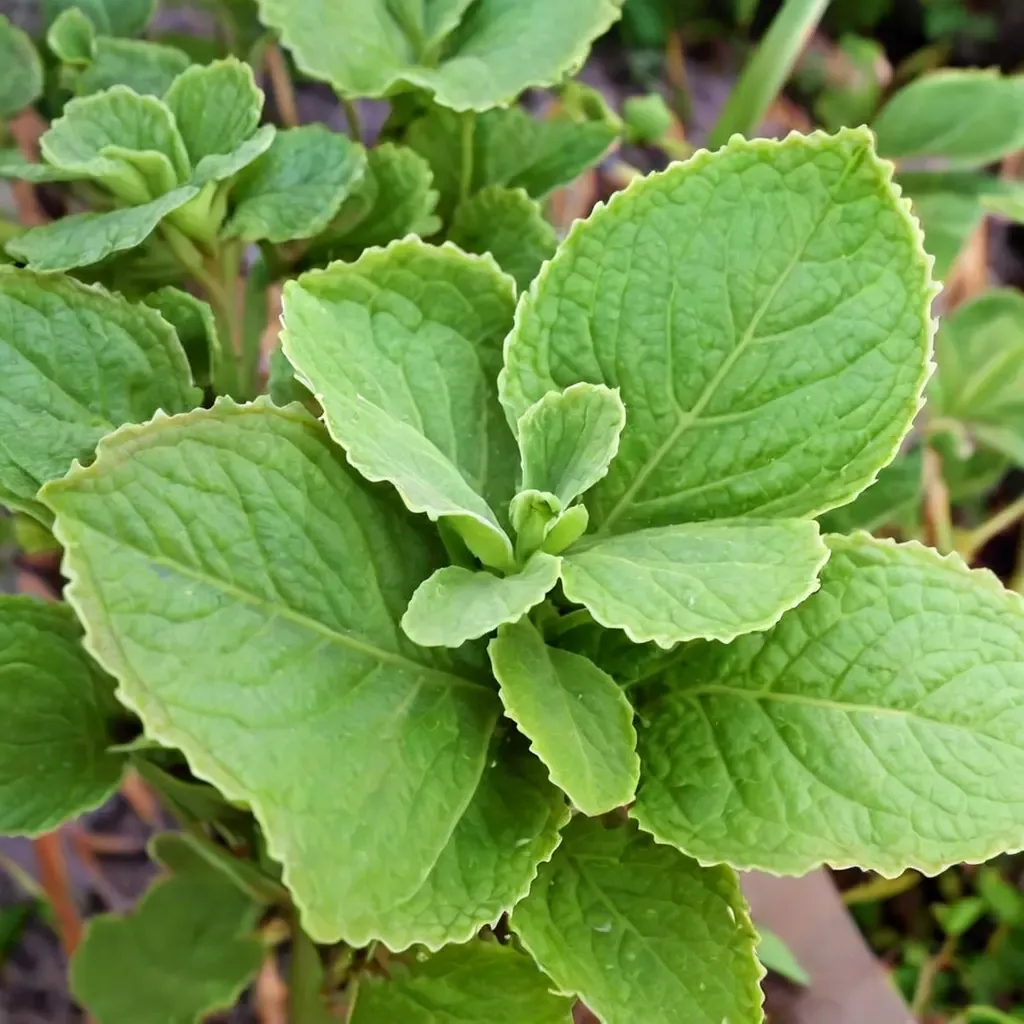
Cuban Oregano Mexican Mint
Plectranthus amboinicus
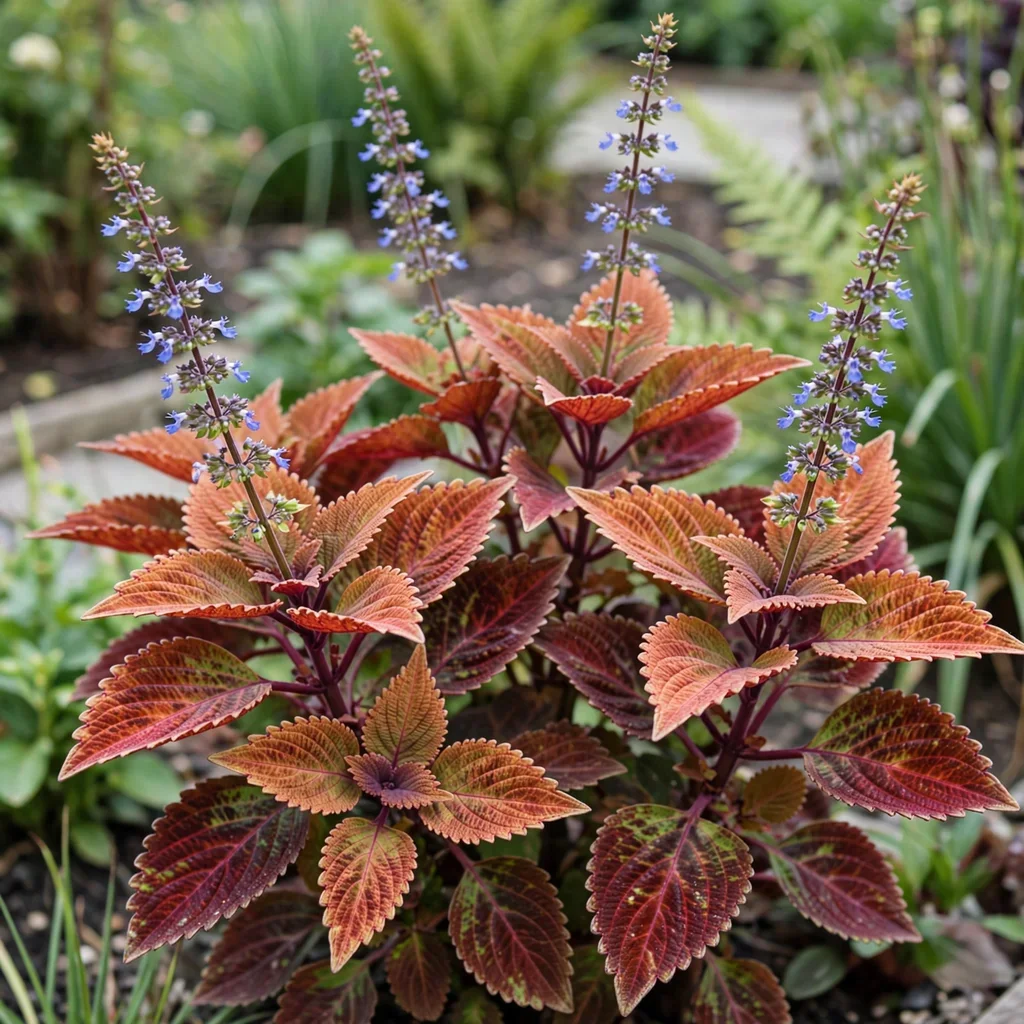
Coleus Indian Summer
Plectranthus scutellarioides 'Indian Summer'
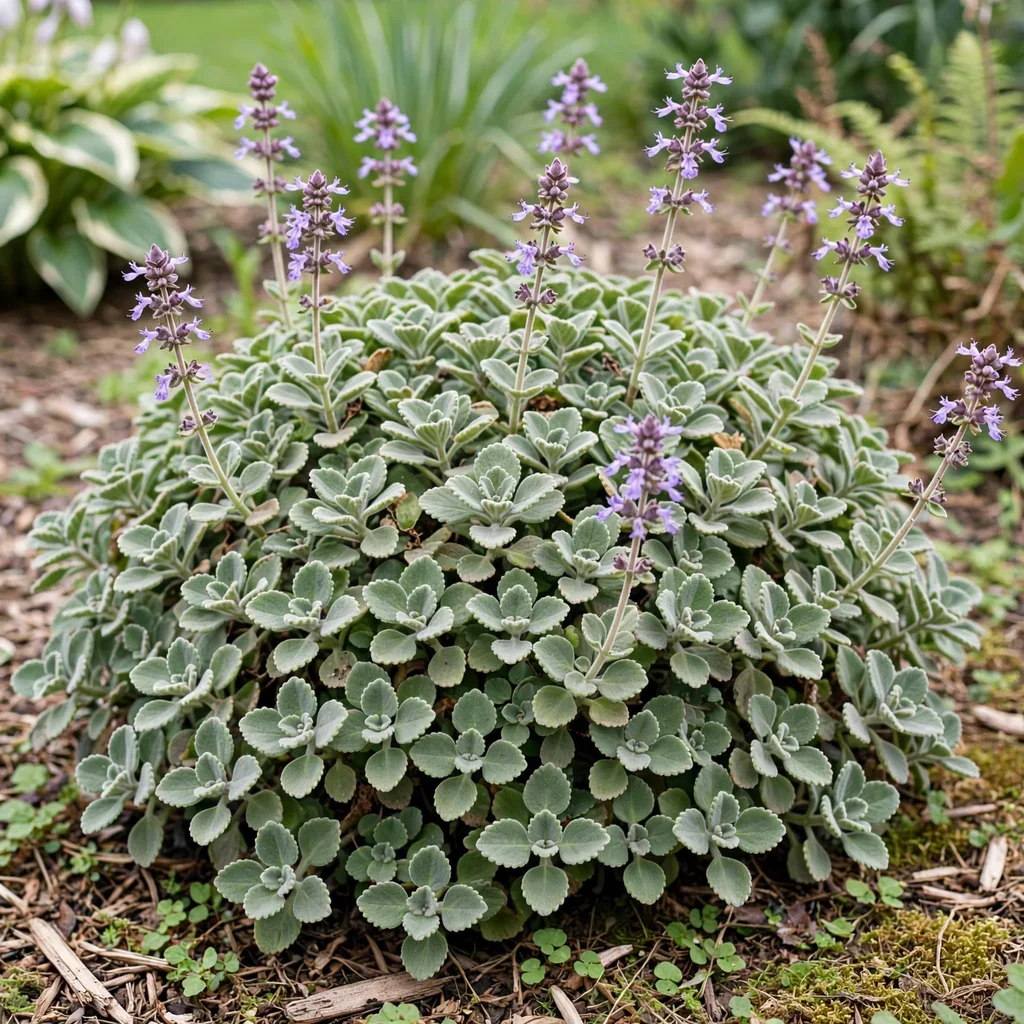
Lobster Flower
Plectranthus neochilus
Keep exploring
Explore the genus
Hardy in your zone?
Grow Vicks Plant with confidence
See it in a design of your actual yard, get zone-matched care reminders, and track it season by season in your garden journal.