The Story
Plant Bio
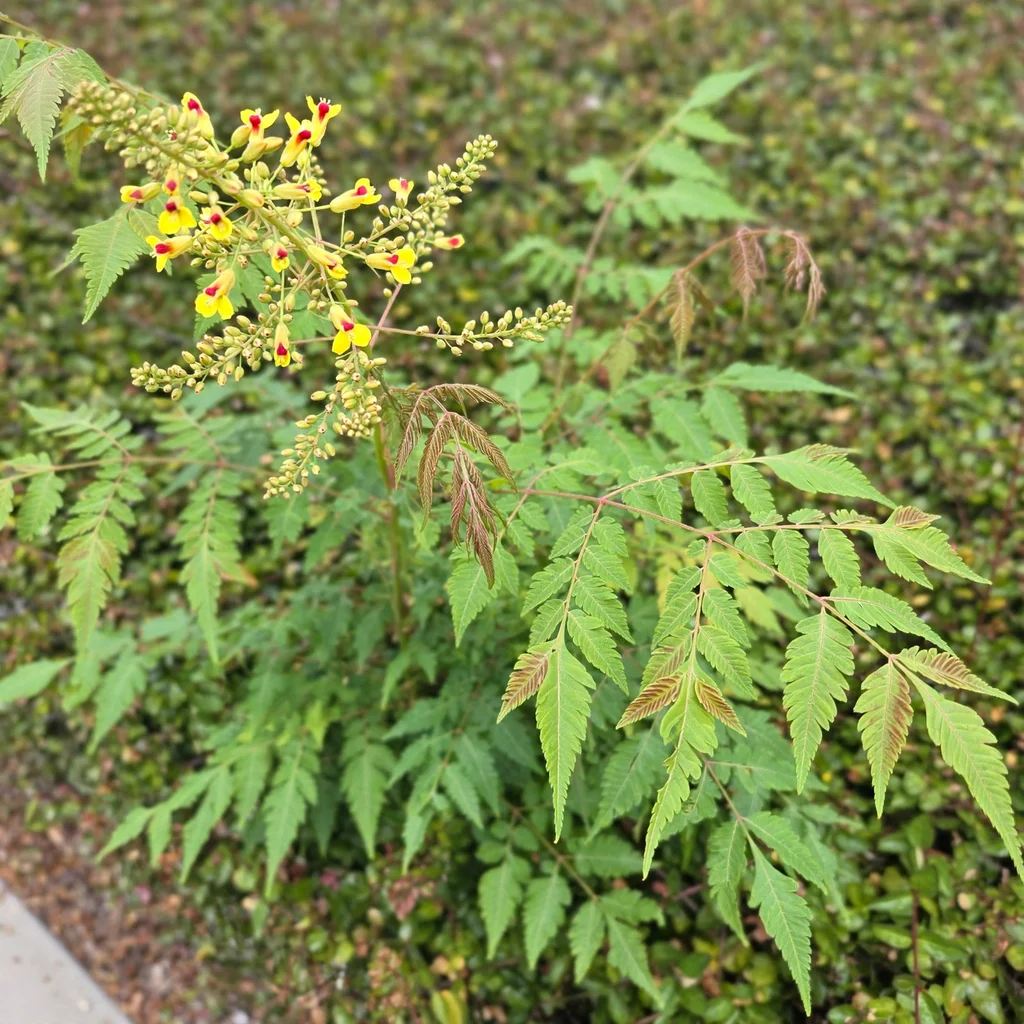
Koelreuteria paniculata is a small open-branched deciduous tree from northern China and Korea, reaching thirty to forty feet tall and wide with a rounded crown and brittle wood. The foliage is pinnate to twice-pinnate six to eighteen inches long, with seven to seventeen irregularly lobed leaflets that emerge pinkish-bronze, mature bright green, and turn yellow in fall.
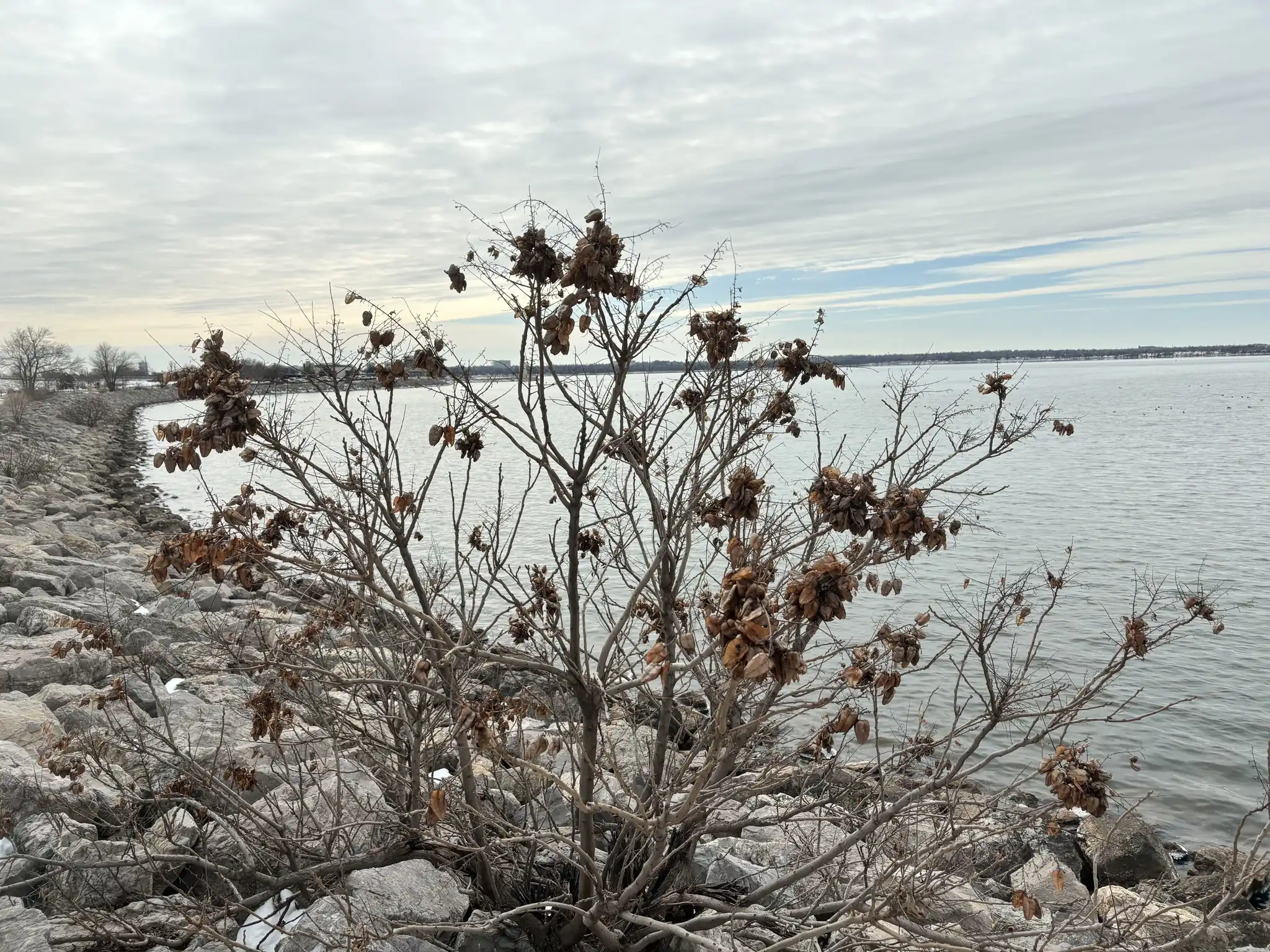
In early to mid summer it carries twelve to fifteen inch terminal panicles of small star-shaped yellow flowers about half an inch across. These develop into showy tan papery three-valved bladder capsules that persist into fall and reseed freely where panicles are left on the tree.
Uses & Benefits:
Essentials
At a Glance
Plant Type
Tree
Height
420"
Width
420"
Light
Full Sun
Zones
5, 6, 7, 8, 9
Water
Low to medium
Humidity
Average
Lifespan
Decades
Native To
Northern China, Korea
Toxicity
Toxic if ingested
Bloom period
Early summer – Mid summer
In flower about 2 months of the year
Marketplace
Where to Buy
Shipping costs Year-round shipping Free shipping
Planting
How to Grow
- Plant in full sun in well-drained soil, with room for a forty-foot crown clear of pavement and structures.
- Dig the hole as deep as the root ball and twice as wide; set the trunk flare at grade and water in.
- Water regularly the first season, then reduce; established trees take dry to medium soil and need no pampering.
- Prune in late winter to keep a single leader and remove dead or storm-damaged wood.
- Clip spent panicles after bloom to limit self-seeding and litter.
Pro Tip
Remove spent panicles before capsules ripen; seed left on the tree drops and naturalizes readily in the eastern United States.
Keep It Thriving
Care Guide
Do
- Plant in full sun with space for flower, leaf and capsule litter
- Water deeply but infrequently once established
- Remove spent panicles to limit seedlings
Don't
- Do not overwater or fertilize heavily - wet soil invites root rot and Verticillium wilt
- Do not plant over patios or cars where flowers and capsules drop
- Do not leave broken limbs; brittle wood needs prompt removal of dead wood
Seasonal Care Calendar
| Task | Jan | Feb | Mar | Apr | May | Jun | Jul | Aug | Sep | Oct | Nov | Dec |
|---|---|---|---|---|---|---|---|---|---|---|---|---|
| Deadhead | ||||||||||||
| Mulch | ||||||||||||
| Pest Check | ||||||||||||
| Plant | ||||||||||||
| Prune |
Watch Out For
Pests & Diseases
Common Pests
Common Diseases
In the Garden
Landscape Uses & Companions
Landscape Uses
Multiply
Propagation Methods
Good to Know
Common Questions
Golden Rain Tree questions
What zones can Golden Rain Tree grow in?
Golden Rain Tree is hardy in USDA Zones 5–9: in that range it survives winter in the ground. Colder than Zone 5, winters are too cold for it to survive outdoors. Warmer than Zone 9, winter isn't the problem: it prefers colder winters, and summer heat can shorten its life.
Is Golden Rain Tree deer resistant?
Yes — Golden Rain Tree is rated deer-resistant. Deer typically pass it over, though extreme hunger can override any plant's defenses.
When does Golden Rain Tree bloom?
Golden Rain Tree typically blooms in early to mid-summer. Exact timing shifts a week or two with your zone — Sow's bloom calendar maps it to your garden.
Does Golden Rain Tree need full sun?
Golden Rain Tree does best in full sun (6+ hours).
Is Golden Rain Tree drought tolerant?
Yes — once established (usually after the first full season), Golden Rain Tree handles dry spells with minimal watering. Water deeply its first year to build the root system that makes that possible.
More Koelreuteria to compare
Keep exploring
Explore the genus
Hardy in your zone?
Grow Golden Rain Tree with confidence
See it in a design of your actual yard, get zone-matched care reminders, and track it season by season in your garden journal.