
The Story
Plant Bio
Salvia x mendizabalii is a bushy, dense low-mounding evergreen shrub from dry scrub in southern Spain, a natural cross of Salvia rosmarinus and Salvia granatensis. It grows in dry light sandy soil in full sun, forming fragrant silvery-green linear leaves and small lipped bright-blue flowers.
Unlike common rosemary, it produces silvery-white velvety new growth with a texture like deer antlers, inherited from its granatensis parent. In cultivation it reaches about 3 feet tall and 6 feet wide, flowering in spring with a second flush in fall.
Uses & Benefits:
Essentials
At a Glance
Plant Type
Shrub
Height
36"
Width
72"
Light
Full Sun, Partial Sun
Zones
8, 9, 10
Water
Low
Humidity
Low - dislikes wet humid conditions
Lifespan
Long-lived shrub
Native To
Southern Spain
Toxicity
Unknown - no toxicity record found
Bloom period
Early spring – Fall
In flower about 9 months of the year
Planting
How to Grow
- Plant in full sun to partial shade after last frost, in dry light sandy soil with sharp drainage.
- Space to allow 6 feet of spread and keep the crown above grade for air flow.
- Water deeply at planting, then allow soil to dry between waterings once established.
- Shelter in zone 8 from winter wet and cold wind; do not plant in low wet ground.
- Avoid rich soil and heavy fertilizer; lean conditions keep growth dense.
Pro Tip
Let the soil dry between waterings and keep the crown in fast-draining sand; wet soil rots the roots faster than cold damages the top.
Keep It Thriving
Care Guide
Do
- Grow in full sun with sandy well-drained soil.
- Allow soil to dry between waterings.
- Provide sheltered placement where winters are cold and wet.
Don't
- Do not overwater or leave in soggy clay.
- Do not use as culinary rosemary without verifying identity.
- Do not cut back into old bare wood.
Seasonal Care Calendar
| Task | Jan | Feb | Mar | Apr | May | Jun | Jul | Aug | Sep | Oct | Nov | Dec |
|---|---|---|---|---|---|---|---|---|---|---|---|---|
| Mulch | ||||||||||||
| Pest Check | ||||||||||||
| Plant | ||||||||||||
| Prune | ||||||||||||
| Winter Prep |
Watch Out For
Pests & Diseases
Common Pests
Common Diseases
In the Garden
Landscape Uses & Companions
Landscape Uses
Multiply
Propagation Methods
Good to Know
Common Questions
Mendizabali's Rosemary questions
What zones can Mendizabali's Rosemary grow in?
Mendizabali's Rosemary is hardy in USDA Zones 8–10: in that range it survives winter in the ground. Colder than Zone 8, grow it in a container you can move to shelter for the winter.
When does Mendizabali's Rosemary bloom?
Mendizabali's Rosemary typically blooms from spring to fall. Exact timing shifts a week or two with your zone — Sow's bloom calendar maps it to your garden.
Does Mendizabali's Rosemary need full sun?
Mendizabali's Rosemary does best in full sun to part shade. In hot climates, afternoon shade keeps blooms fresher longer.
Is Mendizabali's Rosemary drought tolerant?
Yes — once established (usually after the first full season), Mendizabali's Rosemary handles dry spells with minimal watering. Water deeply its first year to build the root system that makes that possible.
More Rosmarinus to compare
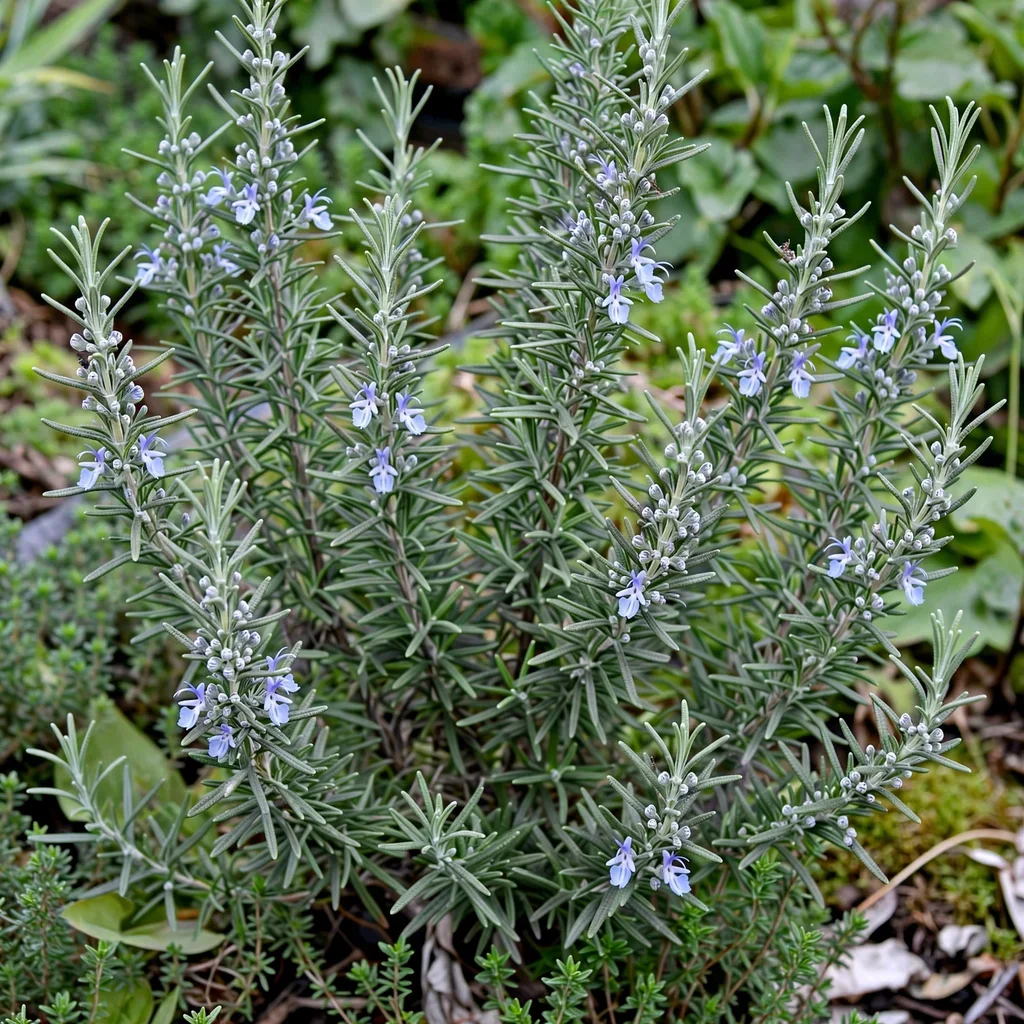
Arp Rosemary
Rosmarinus officinalis 'Arp'
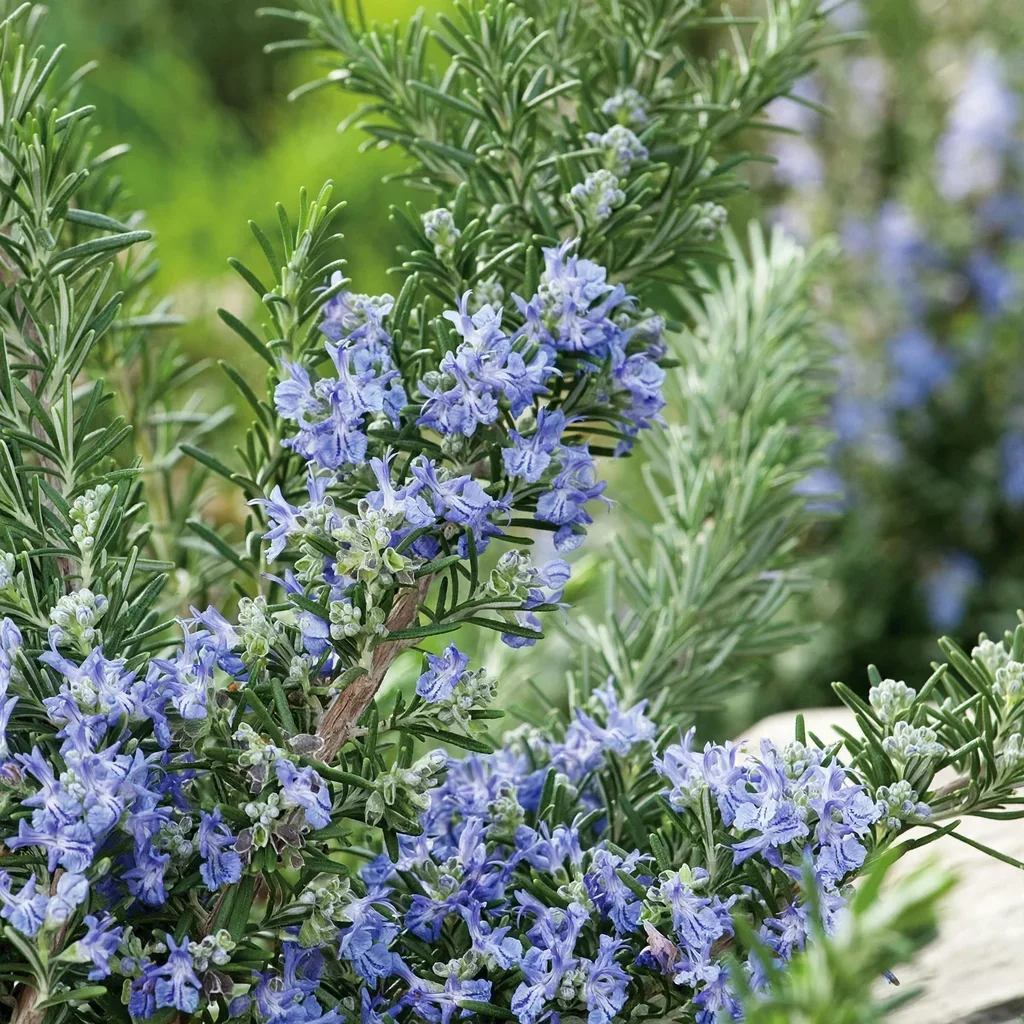
Rosemary Tuscan Blue
Rosmarinus officinalis 'Tuscan Blue'
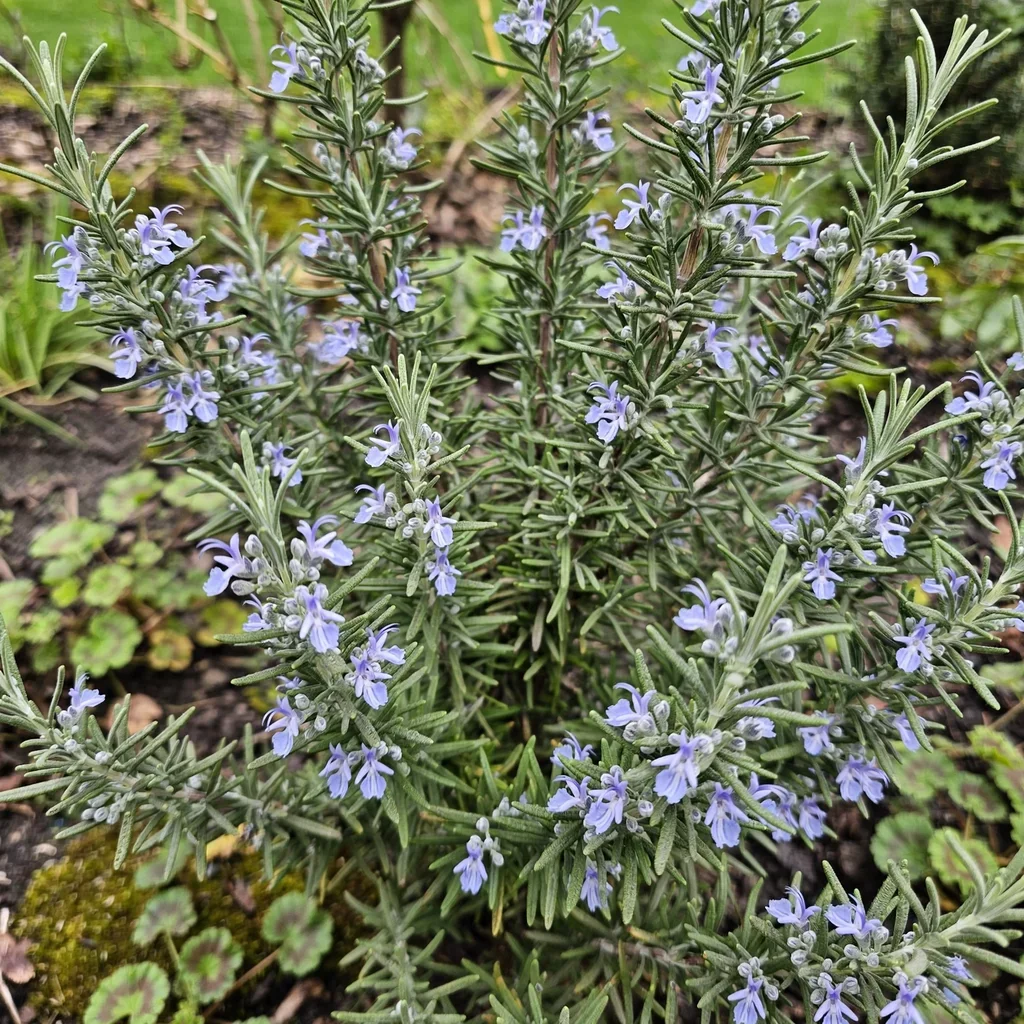
Common Rosemary
Rosmarinus officinalis 'Salem'
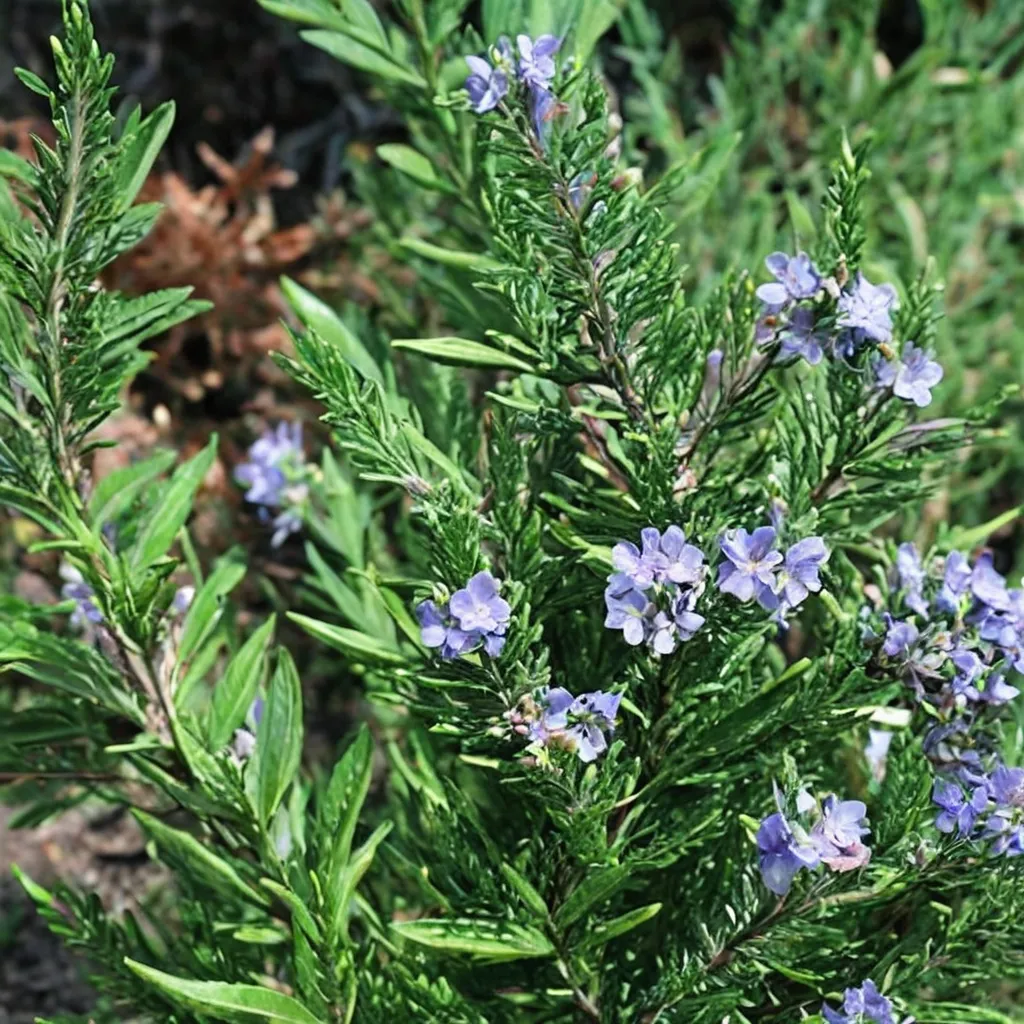
Rosemary Furneaux Hardy
Rosmarinus officinalis 'Furneaux Hardy'
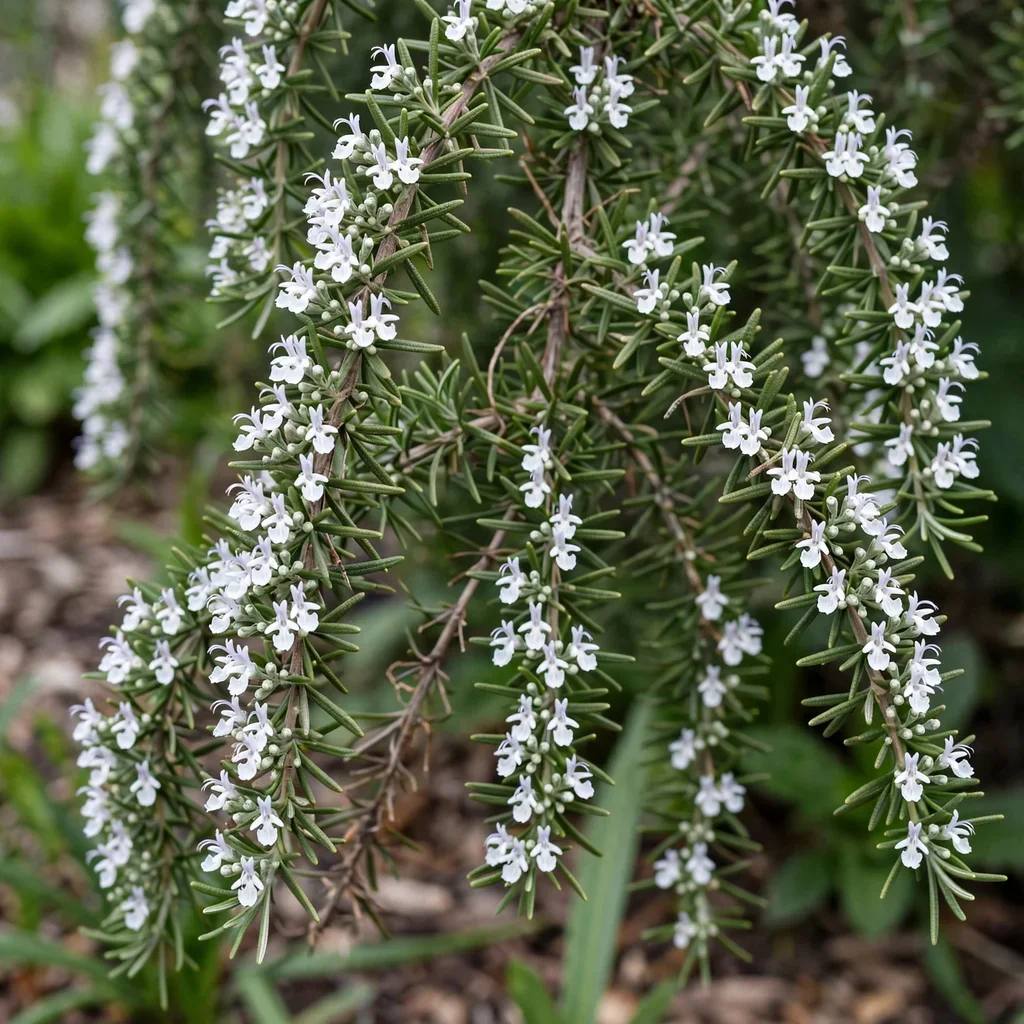
Rosemary Blanquita
Rosmarinus officinalis 'Blanquita'
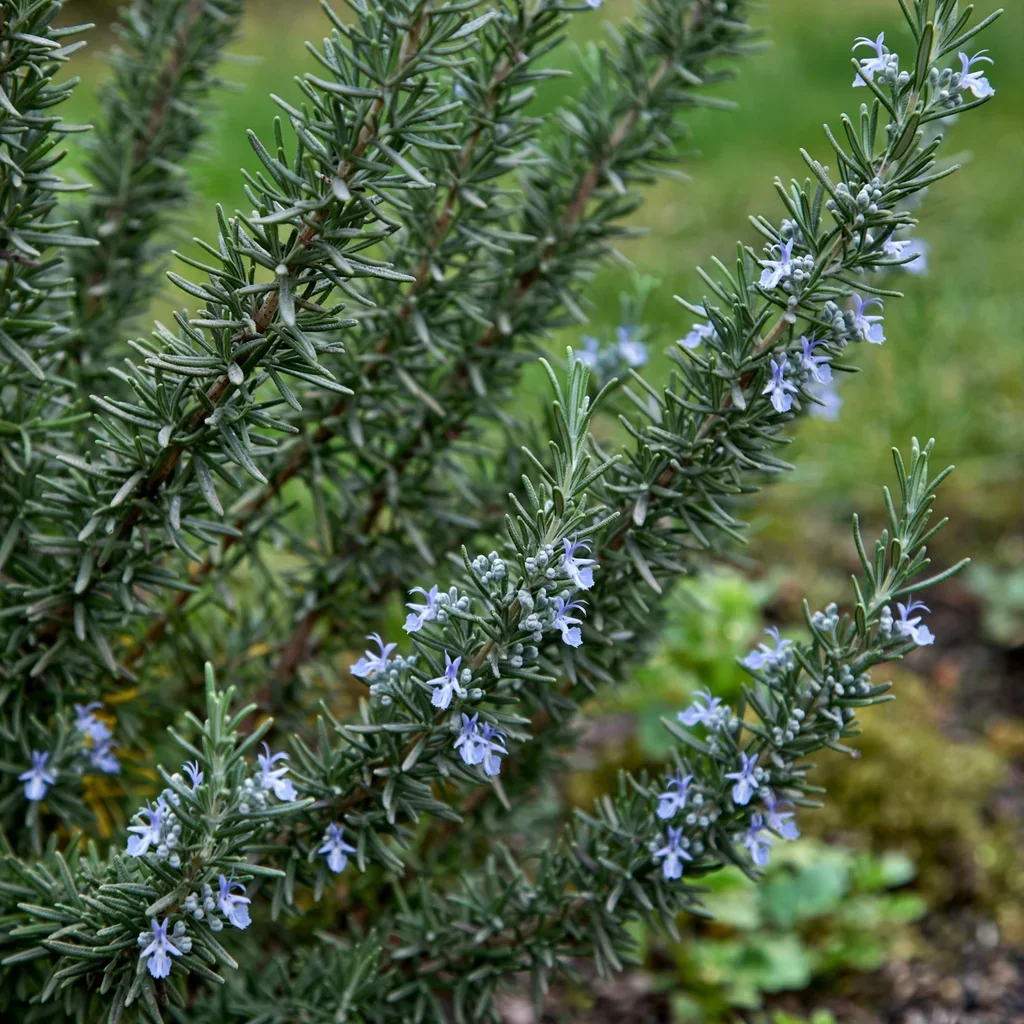
Rosemary Hill Hardy
Rosmarinus officinalis 'Hill Hardy'
Keep exploring
Explore the genus
Hardy in your zone?
Grow Mendizabali's Rosemary with confidence
See it in a design of your actual yard, get zone-matched care reminders, and track it season by season in your garden journal.