The Story
Plant Bio
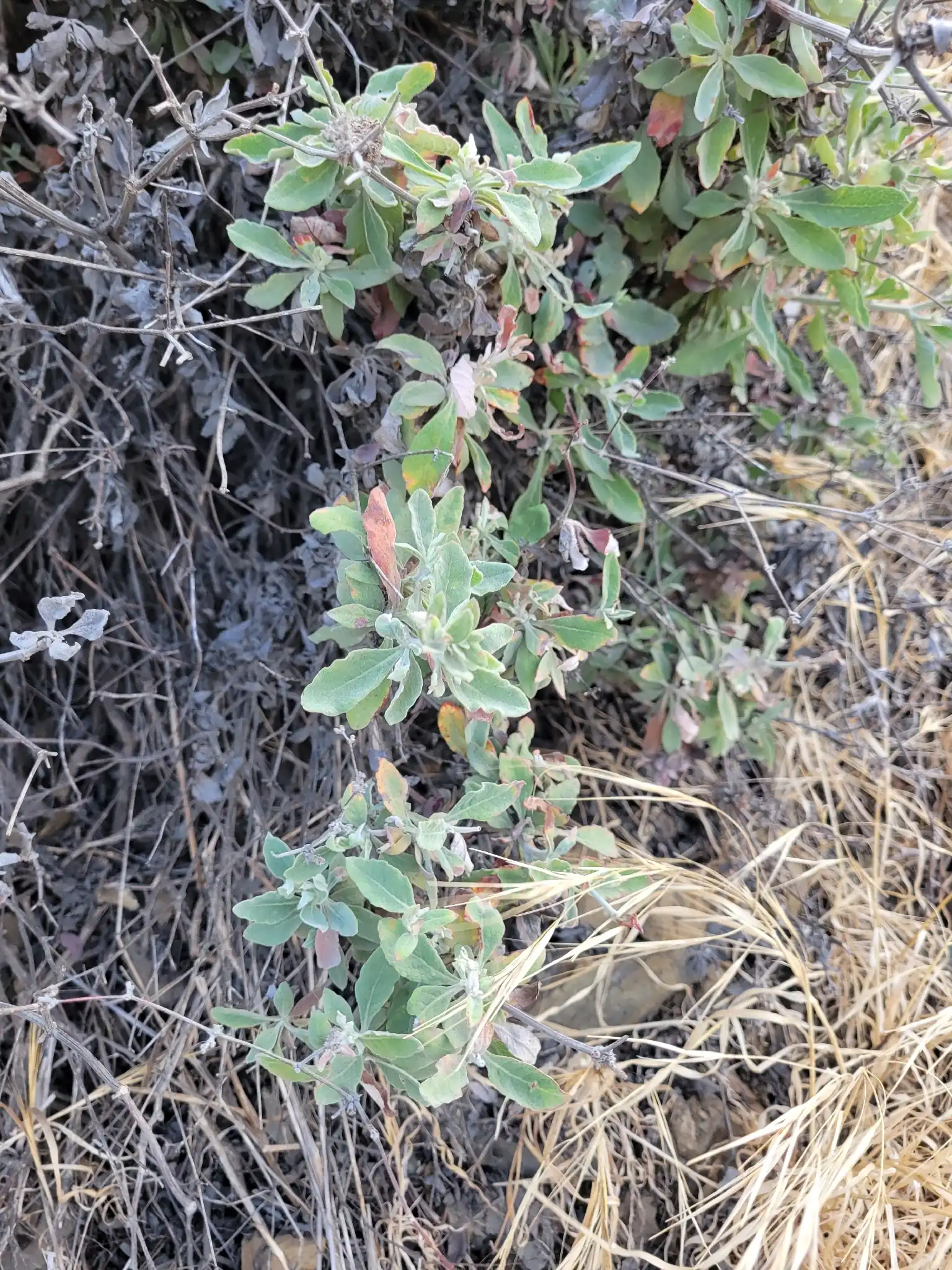
Eriogonum cinereum is an evergreen perennial shrub endemic to coastal Southern California, growing two to four feet tall and up to five feet wide. Its spreading branches carry small, wavy-edged leaves covered in silvery-gray woolly hairs that reflect light and conserve moisture.
Dense, head-like flower clusters rise above the foliage on slender stalks, displaying tiny white to pale pink frilly blossoms across a long season. The silver foliage and bloom structure provide critical nectar and host habitat for the Bernardino dotted-blue butterfly.
Uses & Benefits:
Essentials
At a Glance
Plant Type
Shrub
Height
48"
Width
60"
Light
Full Sun
Zones
9, 10
Water
Low
Humidity
Moderate to High (Coastal)
Lifespan
Perennial
Native To
Coastal Southern California
Toxicity
Non-toxic
Bloom period
Spring – Fall
In flower about 9 months of the year
Planting
How to Grow
- Plant in a full-sun location with gritty, fast-draining sandy or rocky soil.
- Space plants three to five feet apart to accommodate their spreading habit.
- Water thoroughly at planting and provide light moisture until established, then discontinue regular irrigation.
- Omit fertilizers and soil amendments to prevent excessive, weak growth and root decay.
Pro Tip
Prune lightly after the main flowering flush to shape the canopy, taking care never to cut back into hard, leafless wood.
Keep It Thriving
Care Guide
Do
- Plant in full sun with sharp soil drainage.
- Prune lightly into young, leafy wood after blooming.
- Allow soil to dry out completely between waterings.
Don't
- Do not cut back hard into old, bare wood.
- Do not fertilize or amend soil with organic matter.
- Do not allow water to puddle around the root crown.
Seasonal Care Calendar
| Task | Jan | Feb | Mar | Apr | May | Jun | Jul | Aug | Sep | Oct | Nov | Dec |
|---|---|---|---|---|---|---|---|---|---|---|---|---|
| Pest Check | ||||||||||||
| Plant | ||||||||||||
| Propagate | ||||||||||||
| Prune |
Watch Out For
Pests & Diseases
Common Pests
Common Diseases
In the Garden
Landscape Uses & Companions
Landscape Uses
Multiply
Propagation Methods
Good to Know
Common Questions
Coastal Buckwheat questions
What zones can Coastal Buckwheat grow in?
Coastal Buckwheat is hardy in USDA Zones 9–10: in that range it survives winter in the ground. Colder than Zone 9, grow it in a container you can move to shelter for the winter.
Is Coastal Buckwheat deer resistant?
Not reliably. Deer may browse Coastal Buckwheat, especially tender spring growth — plan on repellents or fencing where pressure is high.
When does Coastal Buckwheat bloom?
Coastal Buckwheat typically blooms from spring to fall. Exact timing shifts a week or two with your zone — Sow's bloom calendar maps it to your garden.
Does Coastal Buckwheat need full sun?
Coastal Buckwheat does best in full sun (6+ hours).
Is Coastal Buckwheat drought tolerant?
Yes — once established (usually after the first full season), Coastal Buckwheat handles dry spells with minimal watering. Water deeply its first year to build the root system that makes that possible.
More Eriogonum to compare
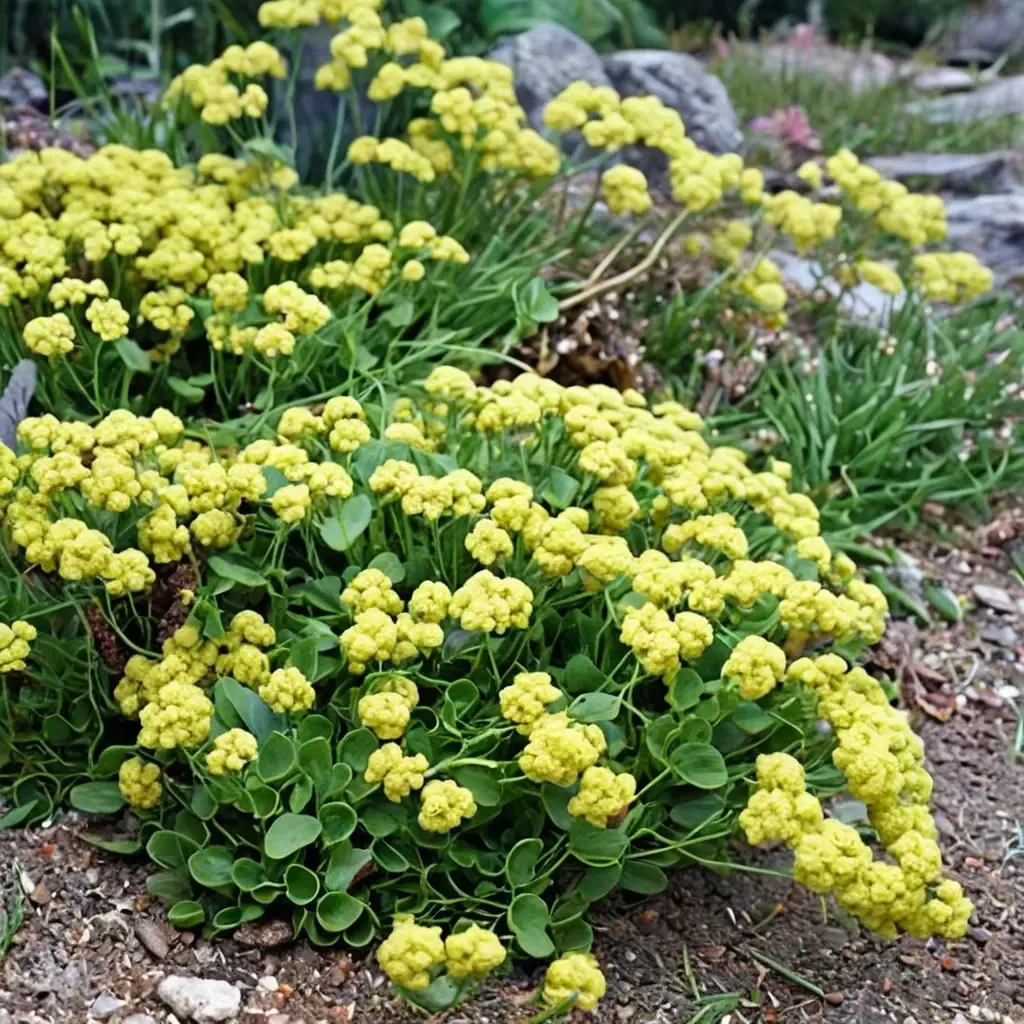
Golden Buckwheat
Eriogonum umbellatum 'aureum'
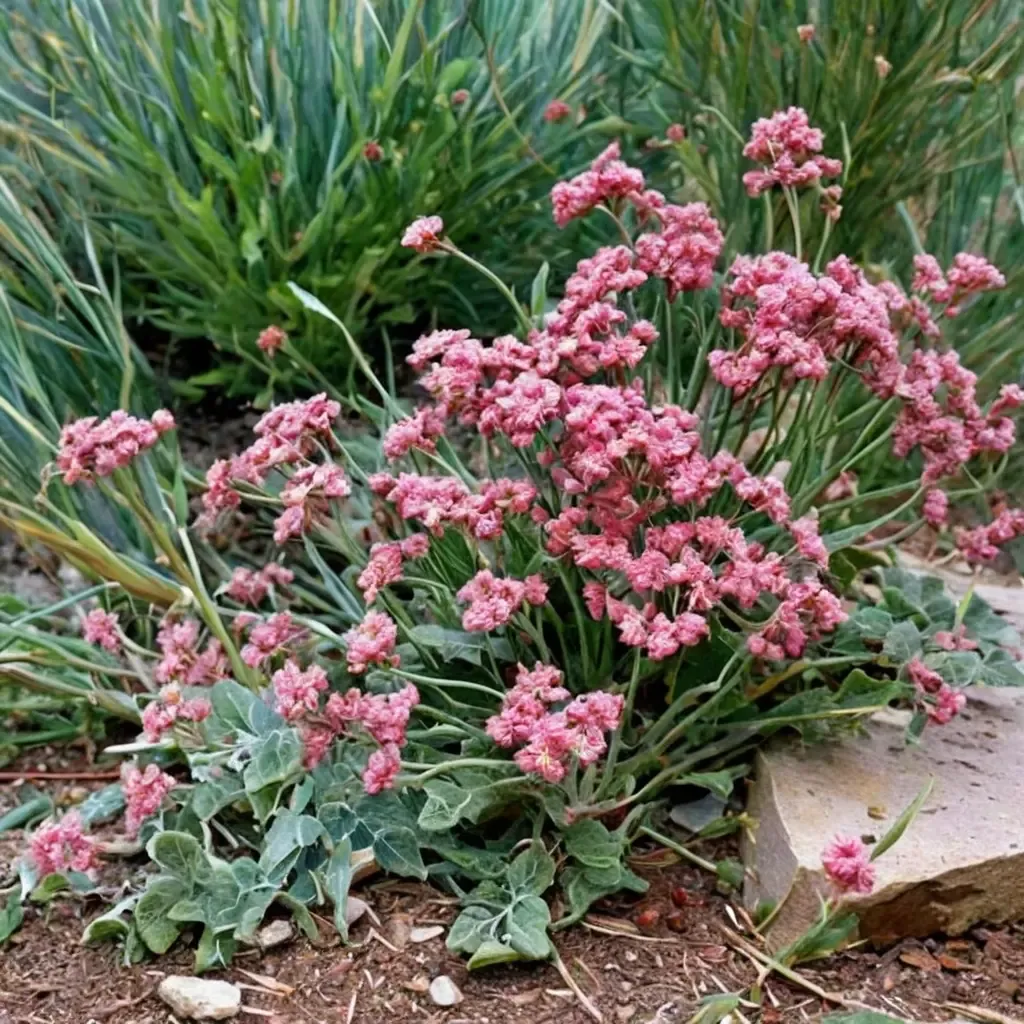
Red Buckwheat
Eriogonum grande 'rubescens'
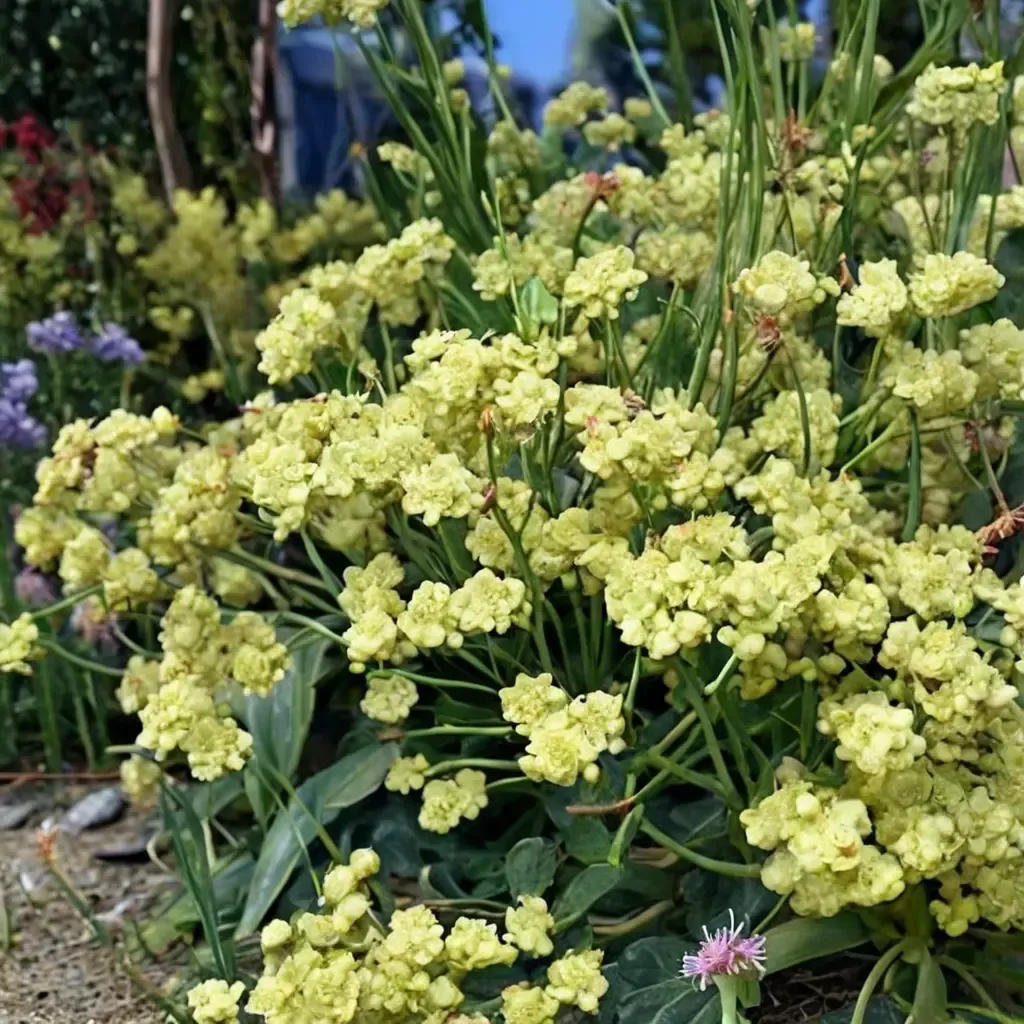
Ella Nelson's Yellow Buckwheat
Eriogonum nudum 'Ella Nelson's Yellow'
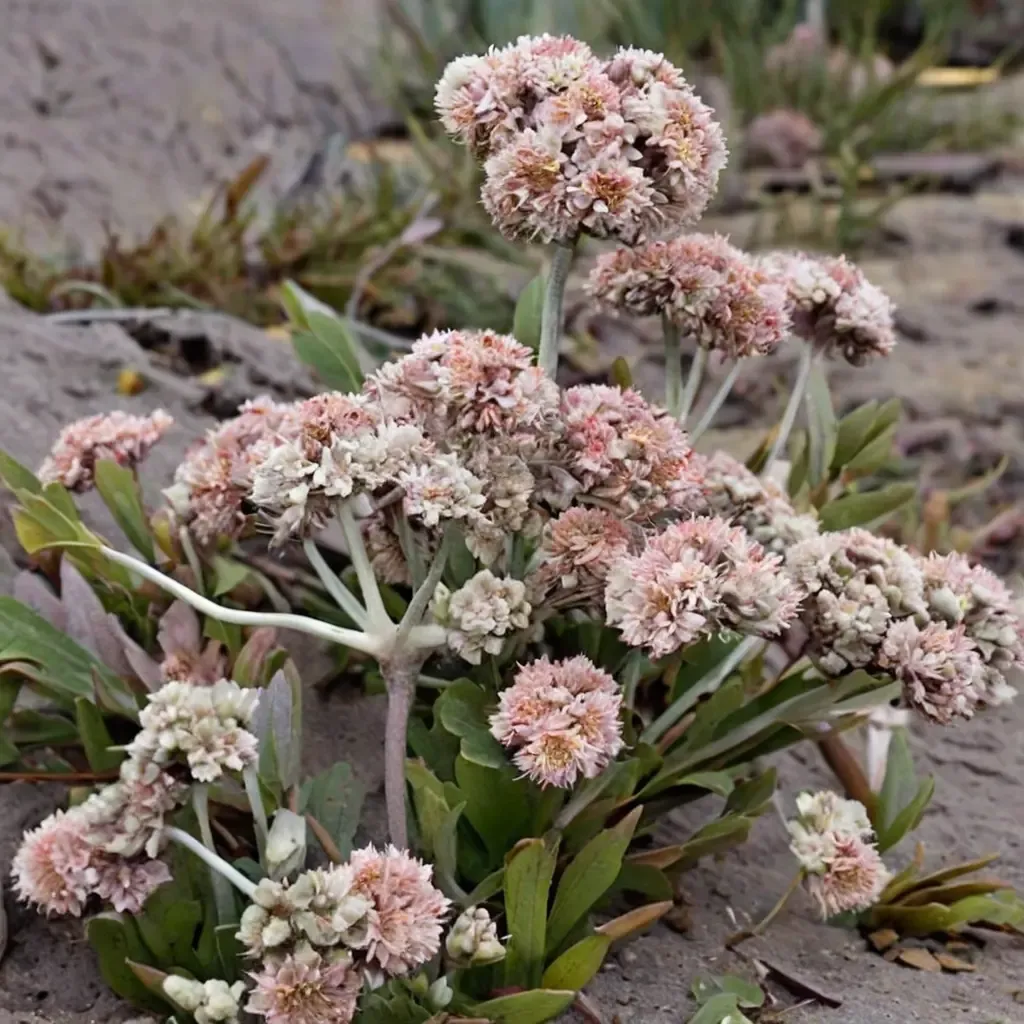
Broadleaf Buckwheat
Eriogonum latifolium
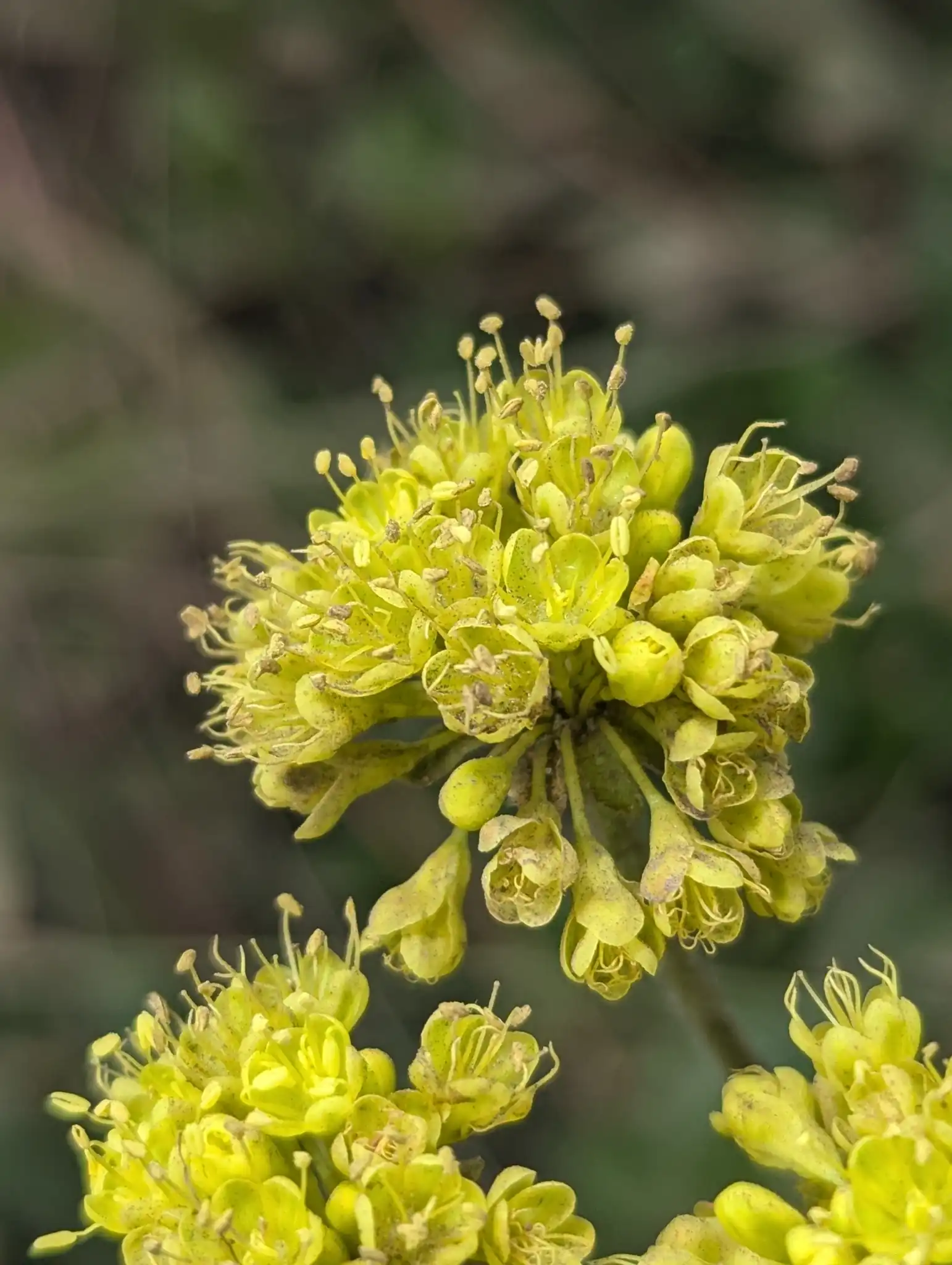
Sulphur Buckwheat
Eriogonum umbellatum
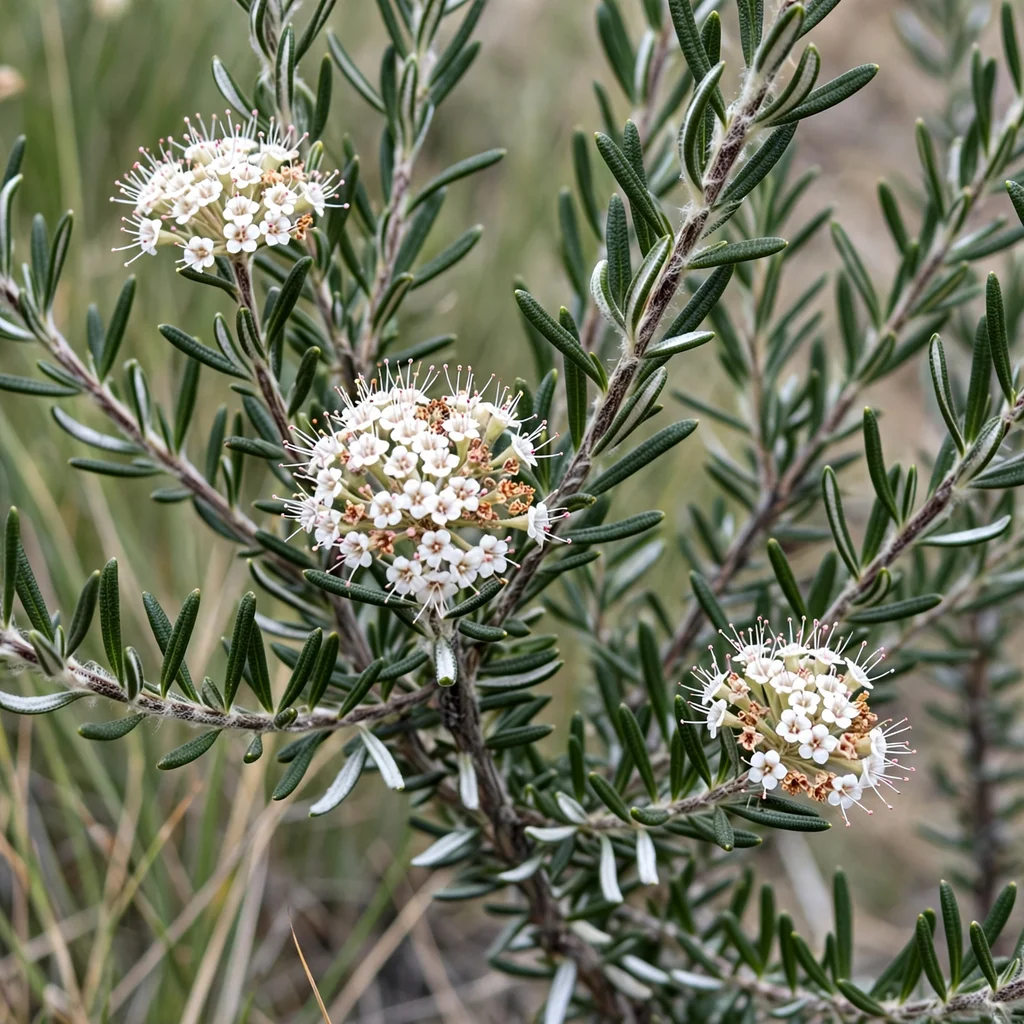
California Buckwheat
Eriogonum fasciculatum
Keep exploring
Explore the genus
Hardy in your zone?
Grow Coastal Buckwheat with confidence
See it in a design of your actual yard, get zone-matched care reminders, and track it season by season in your garden journal.