
The Story
Plant Bio
Salvia muelleri is a low semi-woody subshrub from the pine-oak chaparral of northeast Mexico, forming an open spreading mound 2 to 3 feet tall by 3 feet wide in bloom. The small oblong aromatic green leaves line the stems, and short whorled racemes of deep violet-purple flowers open nearly continuously from spring to fall.
It stays lower and more open than Salvia greggii, spreading slowly by rhizomes rather than forming a dense woody dome. Flowering is heaviest in summer and fall, and plants grown in shade or rich wet soil make leafy leggy growth with few flowers.
Uses & Benefits:
Essentials
At a Glance
Plant Type
Perennial
Height
30"
Width
36"
Light
Full Sun, Partial Sun
Zones
7, 8, 9, 10
Water
Low
Humidity
Average
Lifespan
Perennial
Native To
Northeast Mexico
Toxicity
Unknown - no toxicity reported
Bloom period
Spring – Fall
In flower about 9 months of the year
Planting
How to Grow
- Plant in spring after last frost in full sun with 3 feet spacing for air flow.
- Dig into average to poor soil that drains freely; raise or mound if drainage is slow.
- Water in once, then water deeply only during extended heat while roots establish.
- Cut back to about 6 inches after the last spring frost, then tip by one-third after the main flush.
- Restrict water and fertilizer in part shade to prevent leggy growth with few flowers.
Pro Tip
Cut back by up to one-third after the main flush and site in full hot sun with sharp drainage; shade plus extra water gives leggy leaves and almost no flowers.
Keep It Thriving
Care Guide
Do
- Give full hot sun and free-draining soil.
- Provide deep occasional water in heat once established.
- Tip-prune by one-third after main flowering to keep habit bushy.
Don't
- Do not plant in wet shade or heavy soil that stays soggy.
- Do not shear annually back into old leafless wood.
- Do not feed heavily or overwater, which produces leaves at the expense of flowers.
Seasonal Care Calendar
| Task | Jan | Feb | Mar | Apr | May | Jun | Jul | Aug | Sep | Oct | Nov | Dec |
|---|---|---|---|---|---|---|---|---|---|---|---|---|
| Deadhead | ||||||||||||
| Pest Check | ||||||||||||
| Plant | ||||||||||||
| Propagate | ||||||||||||
| Prune |
Watch Out For
Pests & Diseases
Common Pests
Common Diseases
In the Garden
Landscape Uses & Companions
Landscape Uses
Companion Plants
Multiply
Propagation Methods
Good to Know
Common Questions
Mueller's Sage questions
What zones can Mueller's Sage grow in?
Mueller's Sage is hardy in USDA Zones 7–10: in that range it survives winter in the ground. Colder than Zone 7, grow it in a container you can move to shelter for the winter, or as an annual.
When does Mueller's Sage bloom?
Mueller's Sage typically blooms from spring to fall. Exact timing shifts a week or two with your zone — Sow's bloom calendar maps it to your garden.
Does Mueller's Sage need full sun?
Mueller's Sage does best in full sun to part shade. In hot climates, afternoon shade keeps blooms fresher longer.
Is Mueller's Sage drought tolerant?
Yes — once established (usually after the first full season), Mueller's Sage handles dry spells with minimal watering. Water deeply its first year to build the root system that makes that possible.
More Salvia to compare
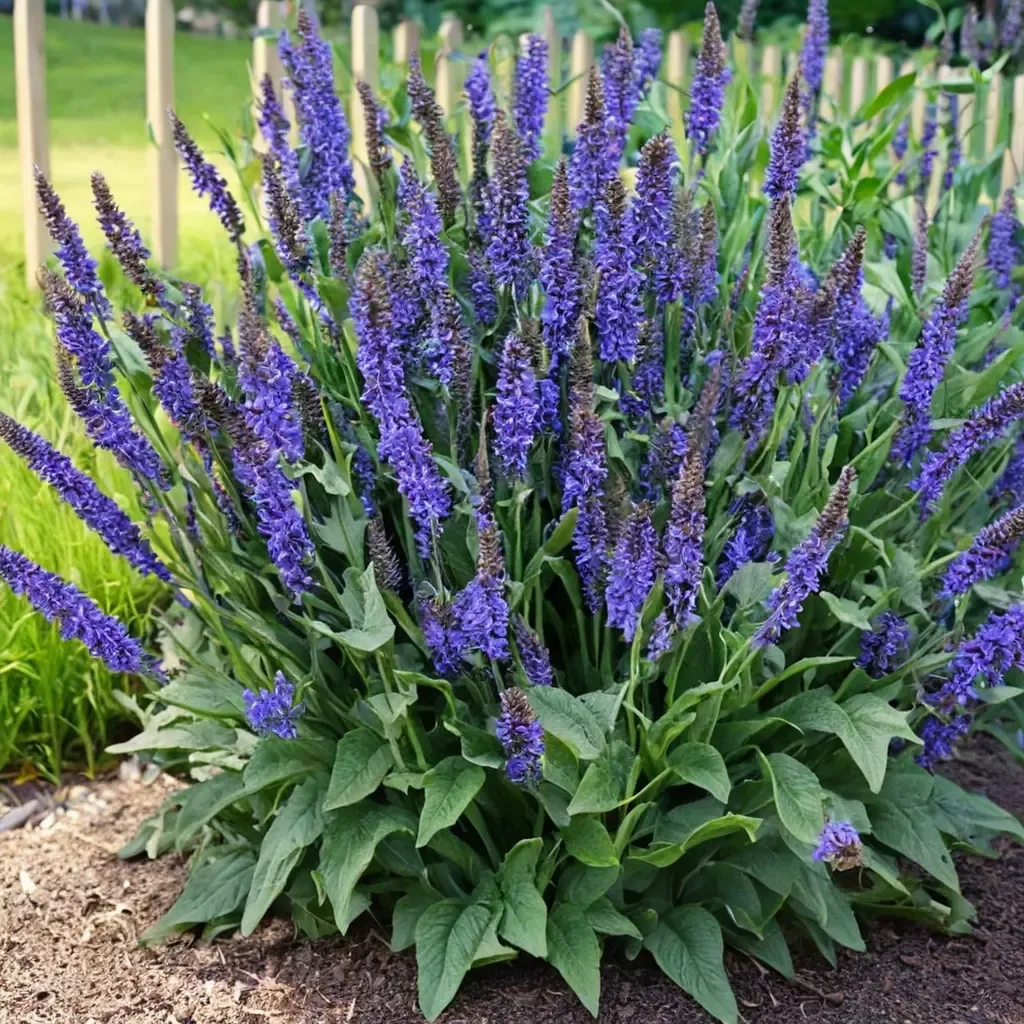
May Night Sage
Salvia nemorosa 'May Night'
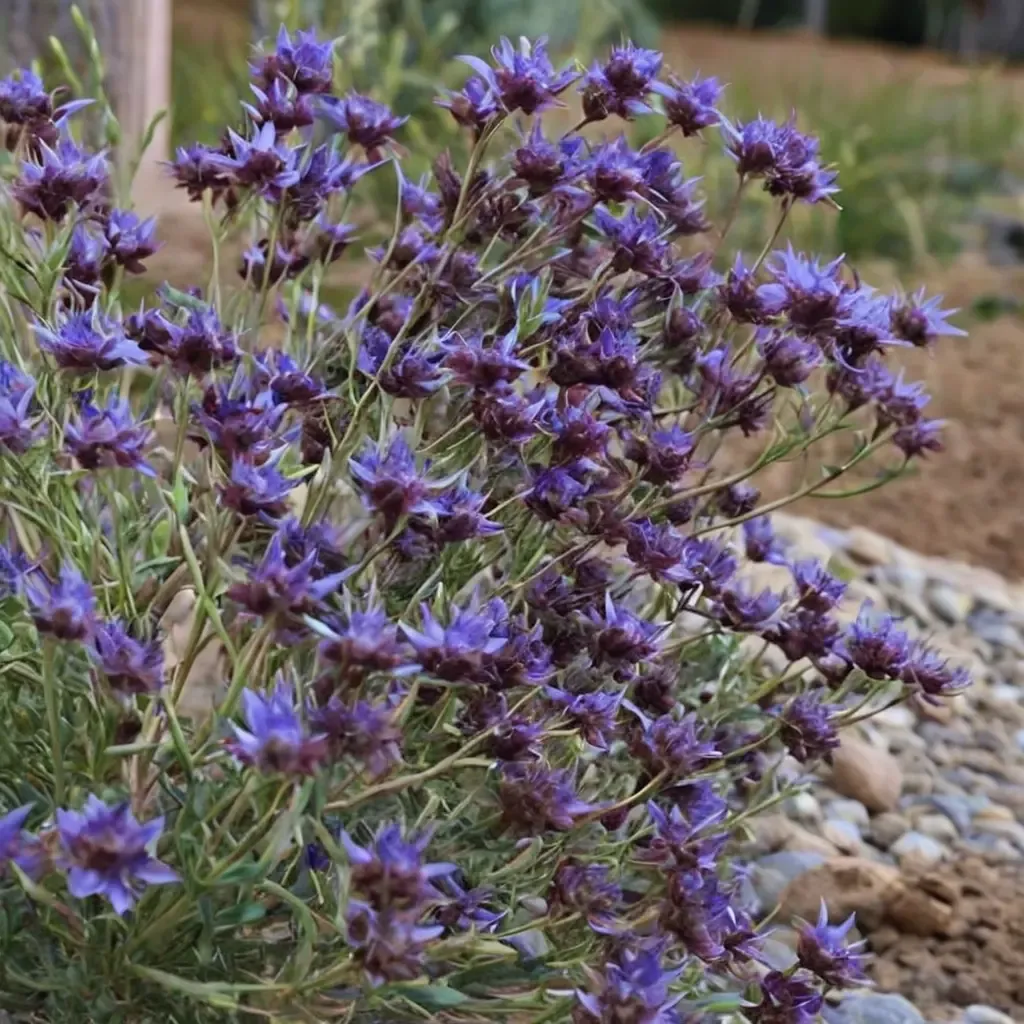
Celestial Blue Sage Wood Sage
Salvia nemorosa 'Celestial Blue'
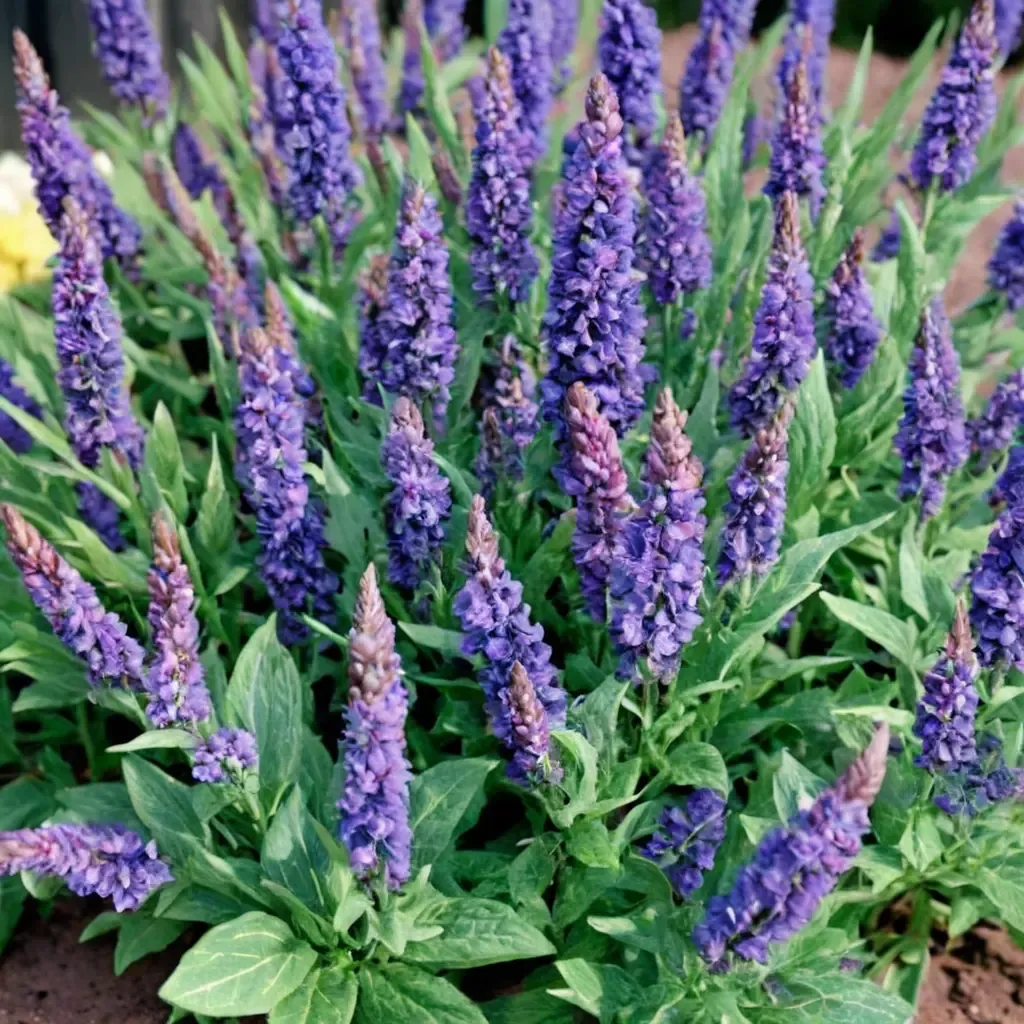
Marcus Woodland Sage
Salvia nemorosa 'Marcus'
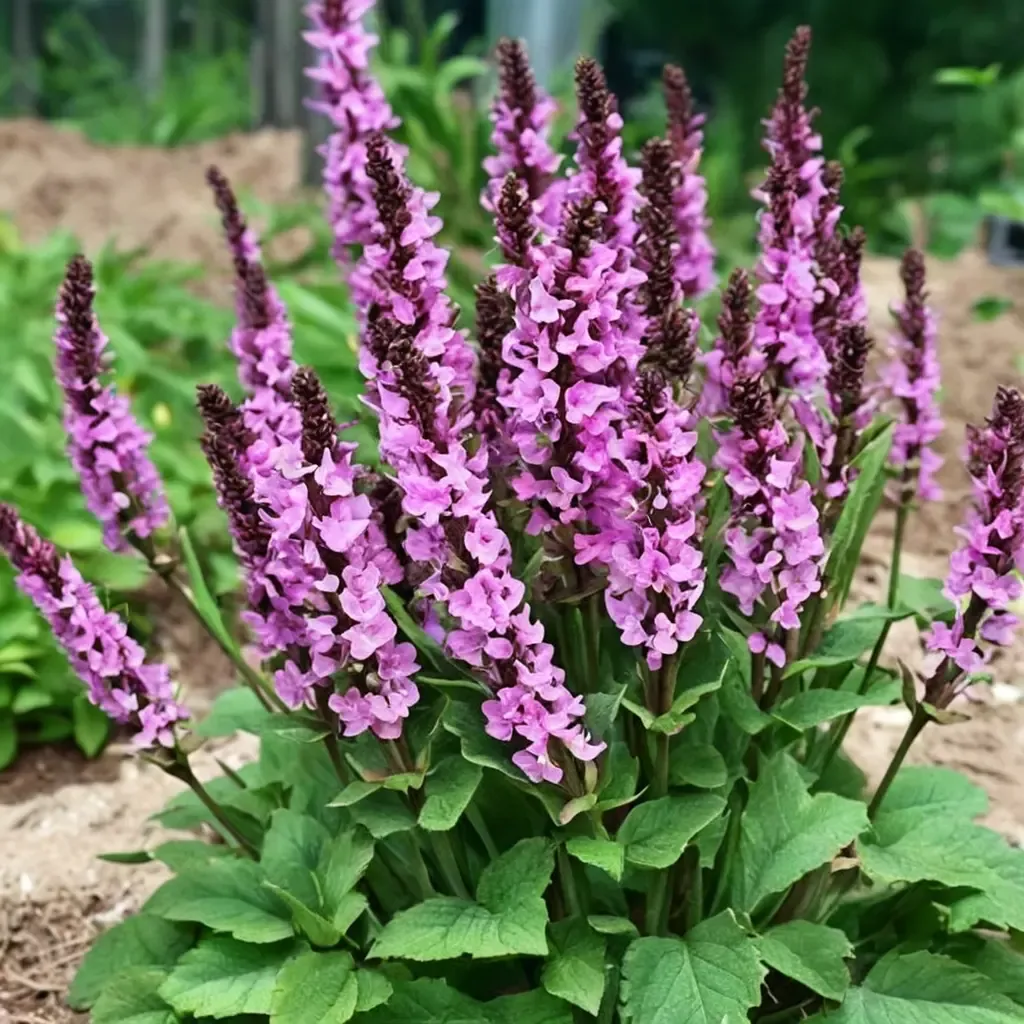
Rose Marvel Sage
Salvia nemorosa 'Rose Marvel'
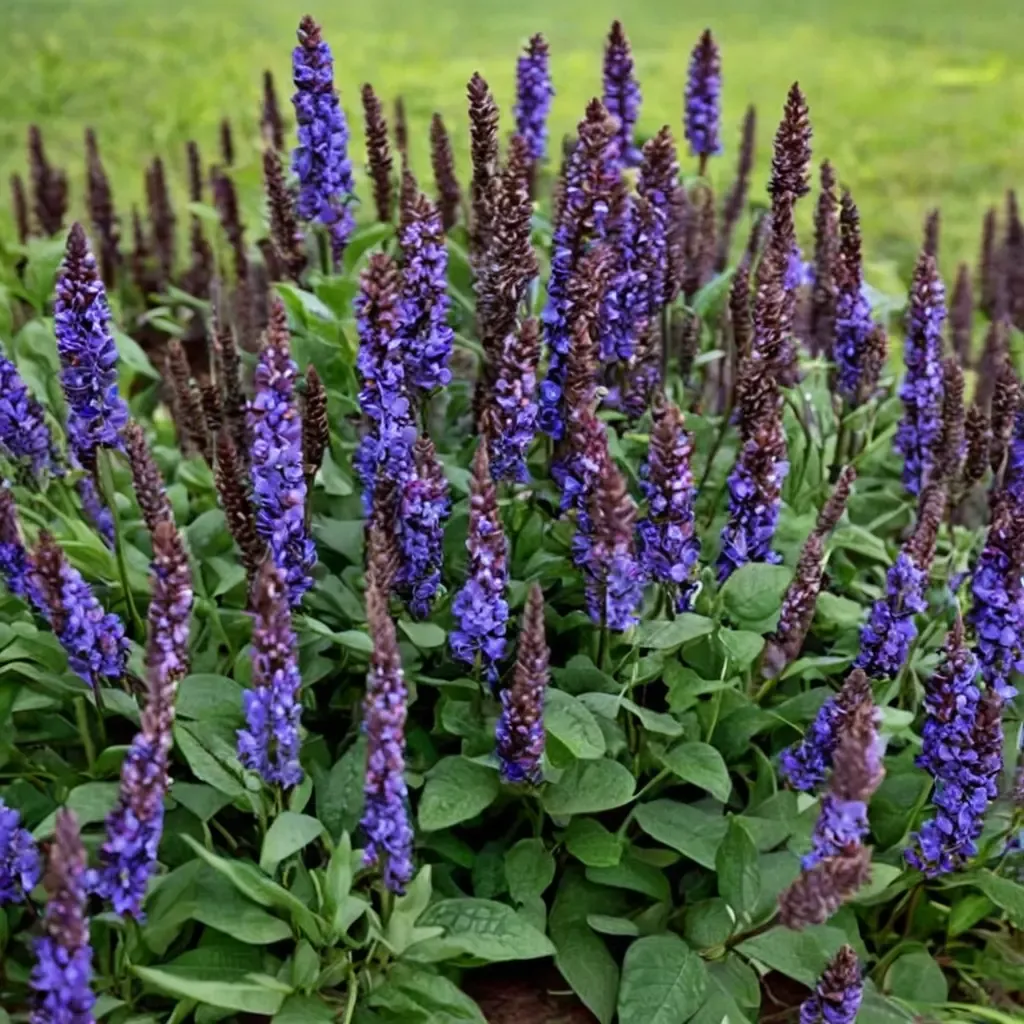
Bumbleblue Sage
Salvia nemorosa 'Bumbleblue'
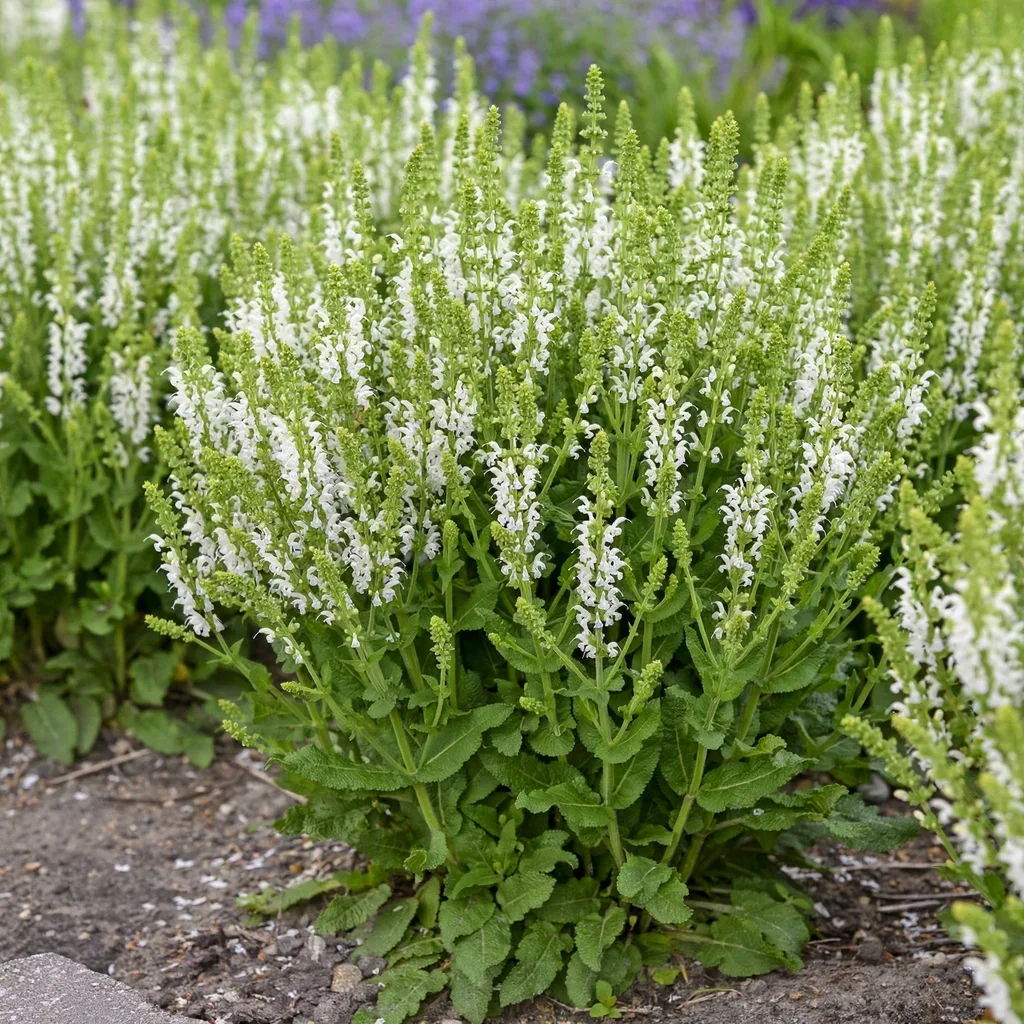
White Profusion Salvia
Salvia x hybrida 'White Profusion'
Keep exploring
Explore the genus
Hardy in your zone?
Grow Mueller's Sage with confidence
See it in a design of your actual yard, get zone-matched care reminders, and track it season by season in your garden journal.