The Story
Plant Bio
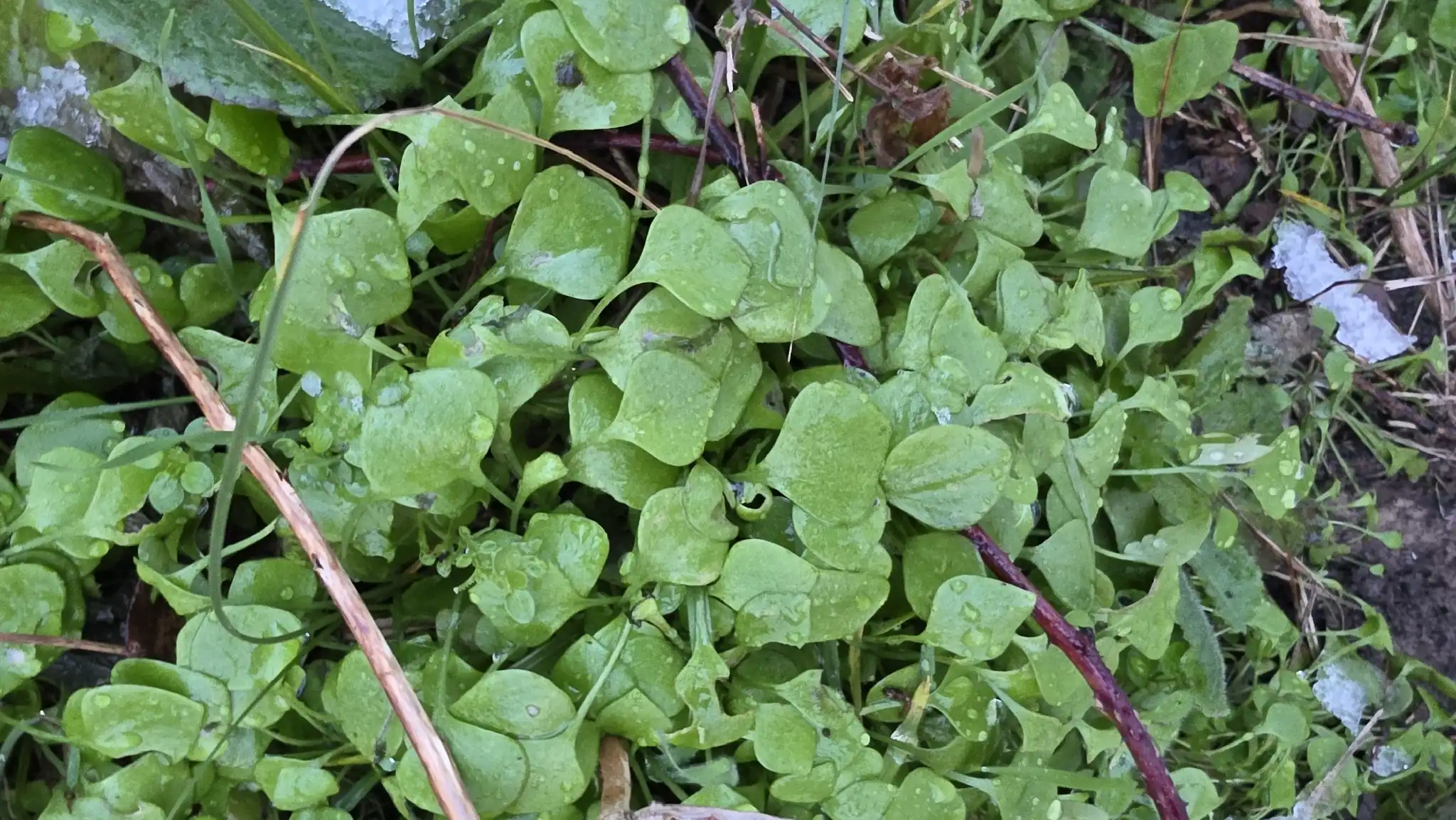
Claytonia perfoliata is a succulent, cool-season annual native to western North America, forming low rosettes of bright green basal foliage. In spring, the upper stem leaves fuse completely into a circular disk, from the center of which small racemes of white to pale pink flowers rise.
The broad perfoliate leaf disk encircles the stem below the flower cluster, serving as a distinct diagnostic feature. The foliage remains succulent and mild-tasting throughout cool weather, turning reddish under high heat or moisture stress as the plant completes its life cycle.
Uses & Benefits:
Essentials
At a Glance
Plant Type
Annual
Height
12"
Width
12"
Light
Partial Sun, Shade
Zones
4, 5, 6, 7, 8, 9
Water
Medium
Humidity
High
Lifespan
Annual
Native To
Western North America
Toxicity
Non-toxic
Bloom period
Spring – Summer
In flower about 6 months of the year
Planting
How to Grow
- Select a site with partial to full shade containing loose, damp, organic-rich soil.
- Sow seeds directly onto the soil surface in autumn or early spring, pressing them lightly into the dirt without deep burial.
- Keep the seedbed consistently moist until germination occurs, which usually takes seven to fourteen days.
- Thin seedlings to four inches apart to allow full rosette expansion and adequate airflow.
- Harvest individual leaves or entire rosettes before midsummer heat causes flowering and senescence.
Pro Tip
Sow seeds directly onto damp, shaded soil in early spring or early fall; soil temperatures above 70°F induce seed dormancy and trigger natural dieback.
Keep It Thriving
Care Guide
Do
- Keep soil moist during the active winter and spring growth periods.
- Provide partial or full shade to extend the harvesting window into early summer.
- Allow a few plants to drop seed naturally if continuous spring naturalizing is desired.
Don't
- Do not apply synthetic fertilizers, which cause weak, overly rank growth.
- Do not let the soil dry out completely while plants are forming basal rosettes.
- Do not plant in hot, unshaded locations unless in cool coastal climates.
Seasonal Care Calendar
| Task | Jan | Feb | Mar | Apr | May | Jun | Jul | Aug | Sep | Oct | Nov | Dec |
|---|---|---|---|---|---|---|---|---|---|---|---|---|
| Harvest | ||||||||||||
| Pest Check | ||||||||||||
| Plant | ||||||||||||
| Spring Cleanup |
Watch Out For
Pests & Diseases
Common Pests
Common Diseases
In the Garden
Landscape Uses & Companions
Landscape Uses
Multiply
Propagation Methods
Good to Know
Common Questions
Miner's Lettuce questions
What zones can Miner's Lettuce grow in?
Miner's Lettuce is an annual: it grows, flowers and sets seed in one season, so winter cold doesn't limit where it grows. Gardeners in any zone can grow it by planting at the right time, usually after the last spring frost.
Is Miner's Lettuce deer resistant?
Not reliably. Deer may browse Miner's Lettuce, especially tender spring growth — plan on repellents or fencing where pressure is high.
When does Miner's Lettuce bloom?
Miner's Lettuce typically blooms from spring to summer. Exact timing shifts a week or two with your zone — Sow's bloom calendar maps it to your garden.
Does Miner's Lettuce need full sun?
Miner's Lettuce does best in part shade.
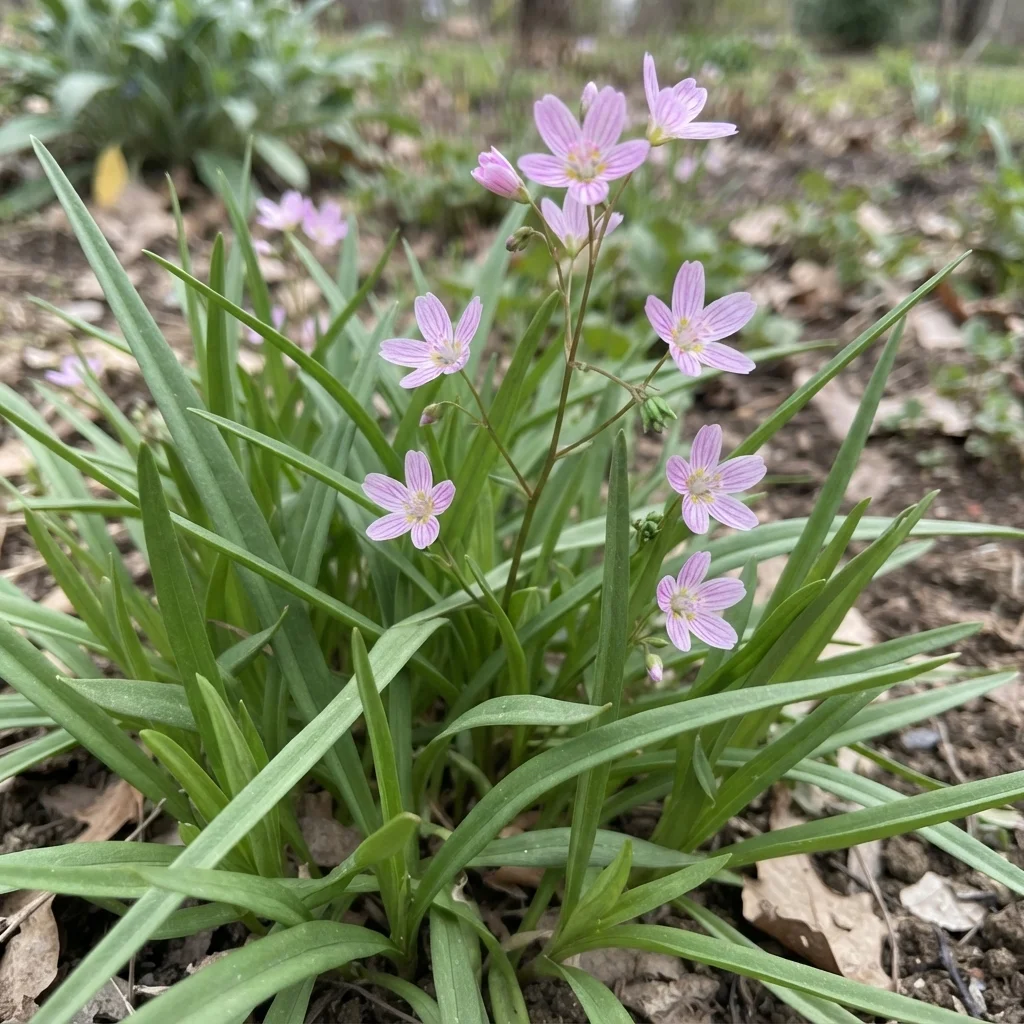
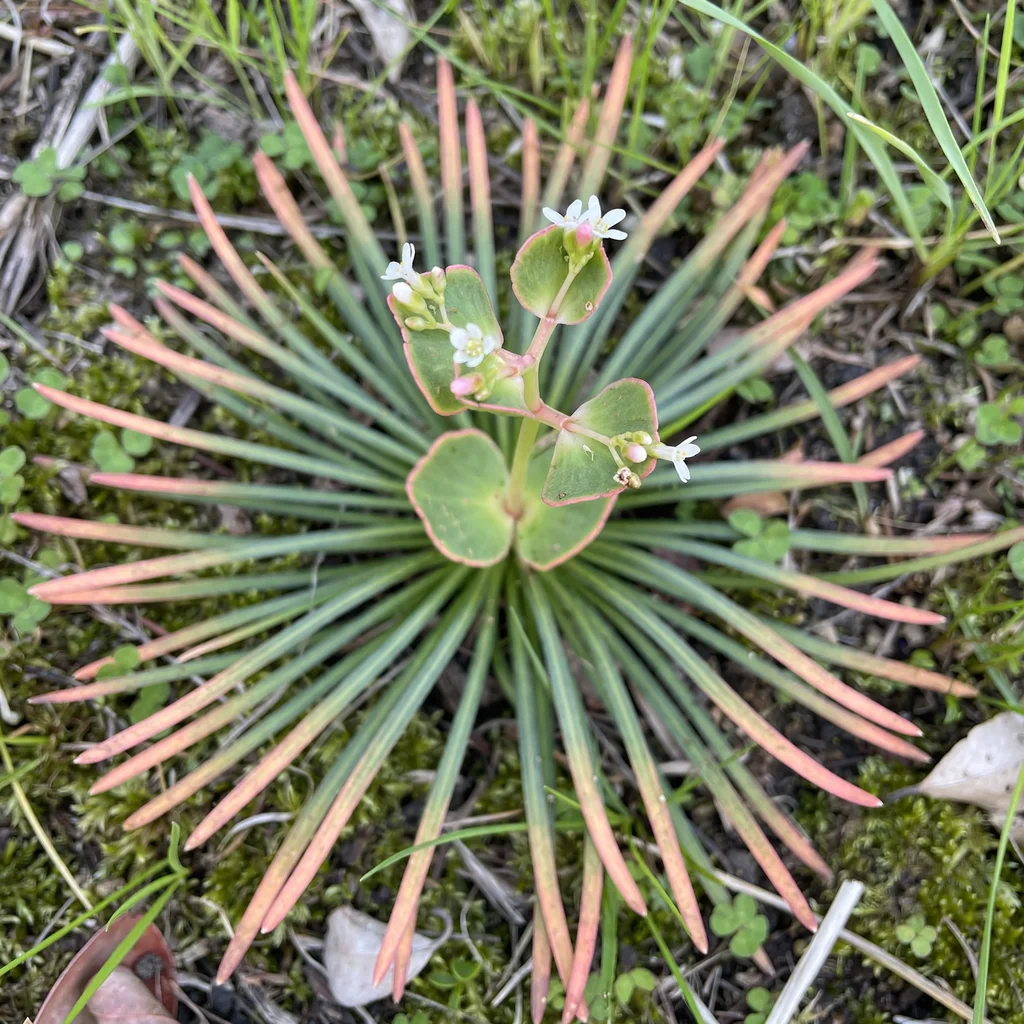
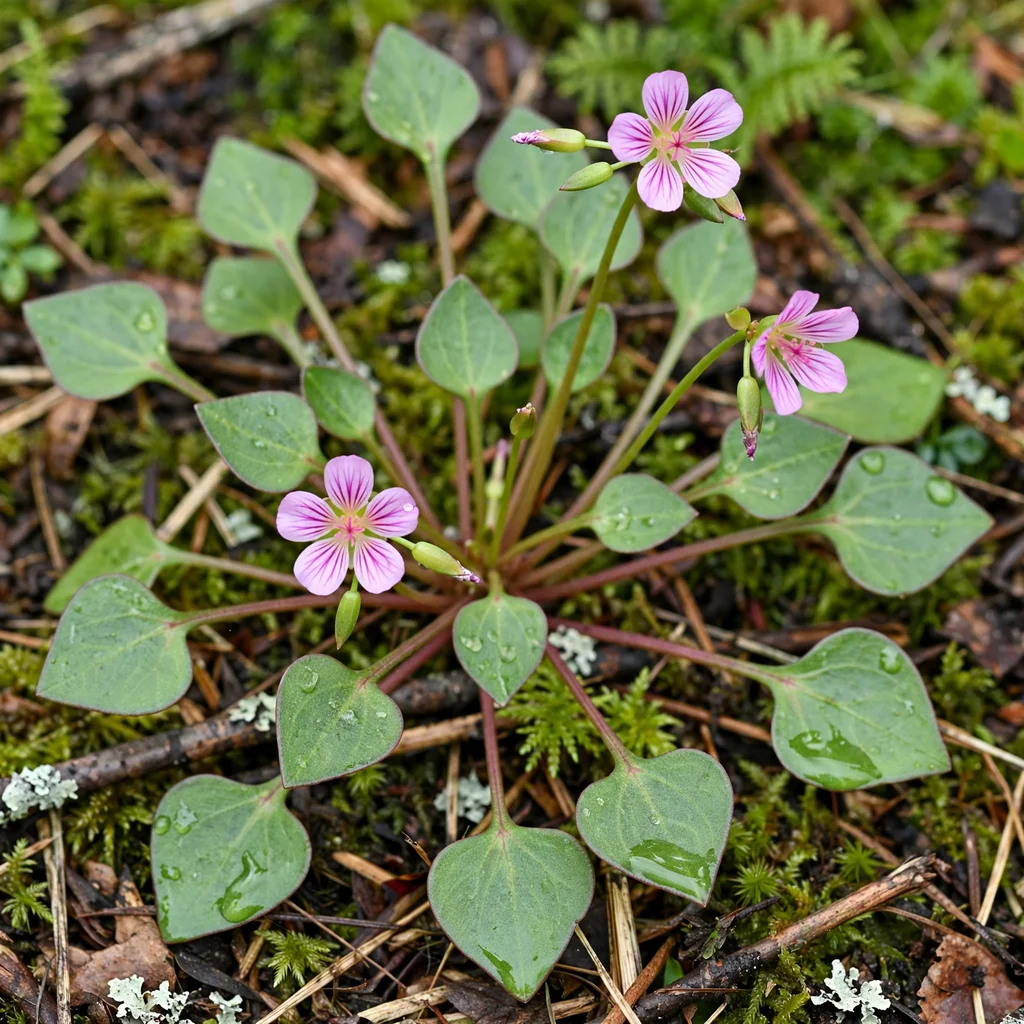
More Claytonia to compare
Keep exploring
Explore the genus
Grow Miner's Lettuce with confidence
See it in a design of your actual yard, get zone-matched care reminders, and track it season by season in your garden journal.