The Story
Plant Bio
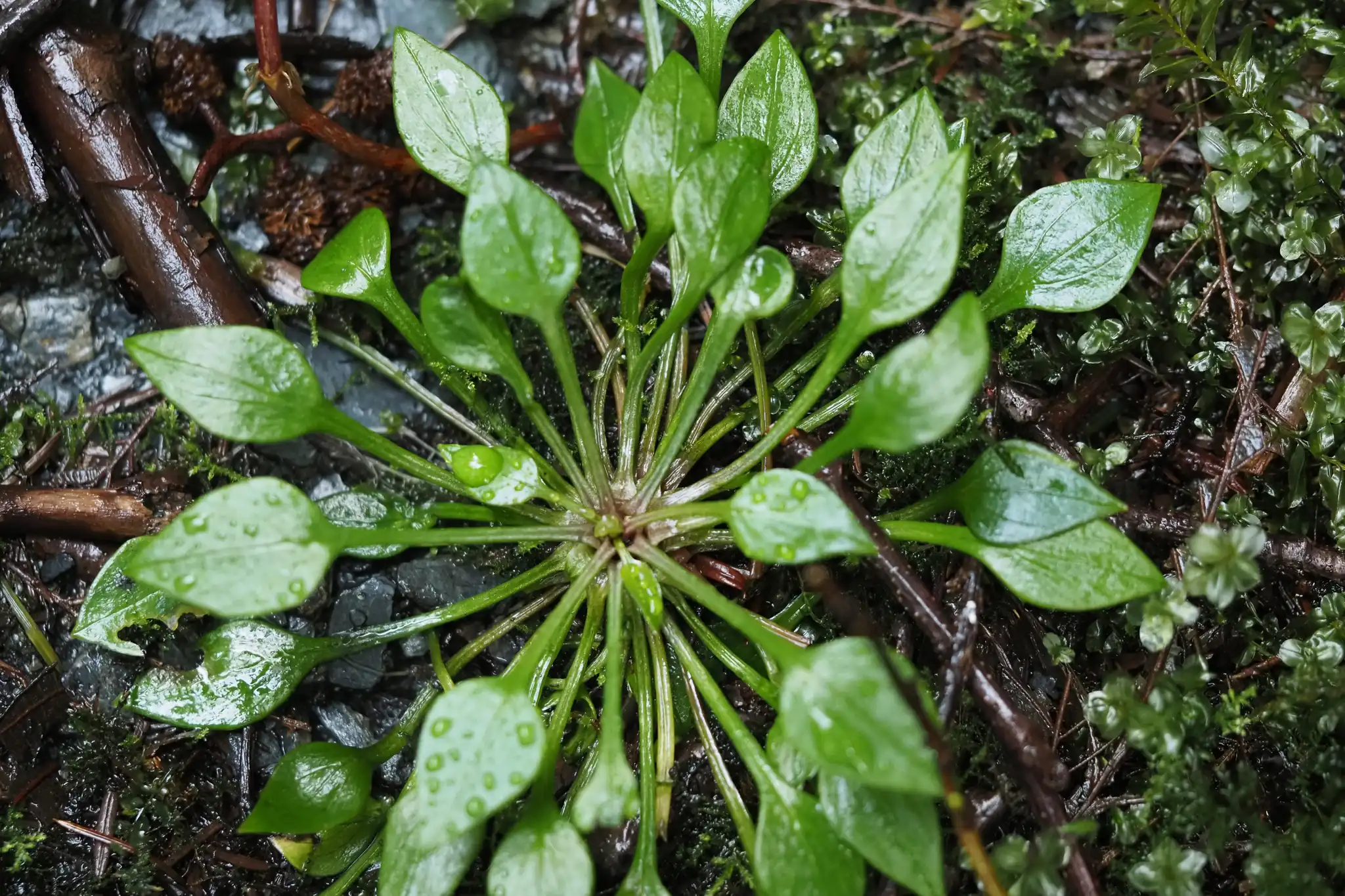
Claytonia sibirica is a low-growing, mat-forming perennial herb native to damp, shaded forests of western North America. It bears fleshy green basal leaves and loose clusters of small, five-petaled white to deep pink flowers distinctively striped with dark magenta veins.
The succulent foliage stays semi-evergreen in cool, moist conditions but wilts rapidly if the soil dries out in summer heat. Self-seeding readily in rich, moist soil, it forms soft matrix carpets under native trees and shrubs.
Uses & Benefits:
Essentials
At a Glance
Plant Type
Perennial
Height
16"
Width
47"
Light
Partial Sun, Shade
Zones
4, 5, 6, 7, 8, 9
Water
High
Humidity
Moderate to High
Lifespan
Short-lived perennial
Native To
Western North America
Toxicity
Non-toxic
Bloom period
Mid spring – Mid summer
In flower about 4 months of the year
Planting
How to Grow
- Select a planting location in partial to full shade with rich, moisture-retentive soil.
- Work leaf mold or organic compost into the top layer of soil before planting.
- Space container plants 12 to 18 inches apart to allow room for natural spreading.
- Water thoroughly after planting and maintain consistent soil moisture throughout the season.
- Allow flower heads to drop seed naturally if an expanding groundcover carpet is desired.
Pro Tip
Plant in rich humus under partial or full shade where moisture remains consistent; dry soils trigger premature summer dormancy.
Keep It Thriving
Care Guide
Do
- Keep the soil consistently damp throughout the spring and summer growing season.
- Top-dress planting beds with leaf mold or compost each spring to maintain soil organic matter.
- Allow plants to self-seed naturally to fill gaps in woodland garden beds.
Don't
- Do not plant in full sun or hot, dry exposure where foliage will scorch.
- Do not allow soil to dry out completely while the plant is actively flowering.
- Do not apply heavy synthetic chemical fertilizers.
Seasonal Care Calendar
| Task | Jan | Feb | Mar | Apr | May | Jun | Jul | Aug | Sep | Oct | Nov | Dec |
|---|---|---|---|---|---|---|---|---|---|---|---|---|
| Deadhead | ||||||||||||
| Mulch | ||||||||||||
| Pest Check | ||||||||||||
| Propagate |
Watch Out For
Pests & Diseases
Common Pests
Common Diseases
In the Garden
Landscape Uses & Companions
Landscape Uses
Multiply
Propagation Methods
Good to Know
Common Questions
Pink Purslane questions
What zones can Pink Purslane grow in?
Pink Purslane is hardy in USDA Zones 4–9: in that range it survives winter in the ground. Warmer than Zone 9, winter isn't the problem: it prefers colder winters, and summer heat can shorten its life.
Is Pink Purslane deer resistant?
Not reliably. Deer may browse Pink Purslane, especially tender spring growth — plan on repellents or fencing where pressure is high.
When does Pink Purslane bloom?
Pink Purslane typically blooms from mid-spring to mid-summer. Exact timing shifts a week or two with your zone — Sow's bloom calendar maps it to your garden.
Does Pink Purslane need full sun?
Pink Purslane does best in part shade.
More Claytonia to compare
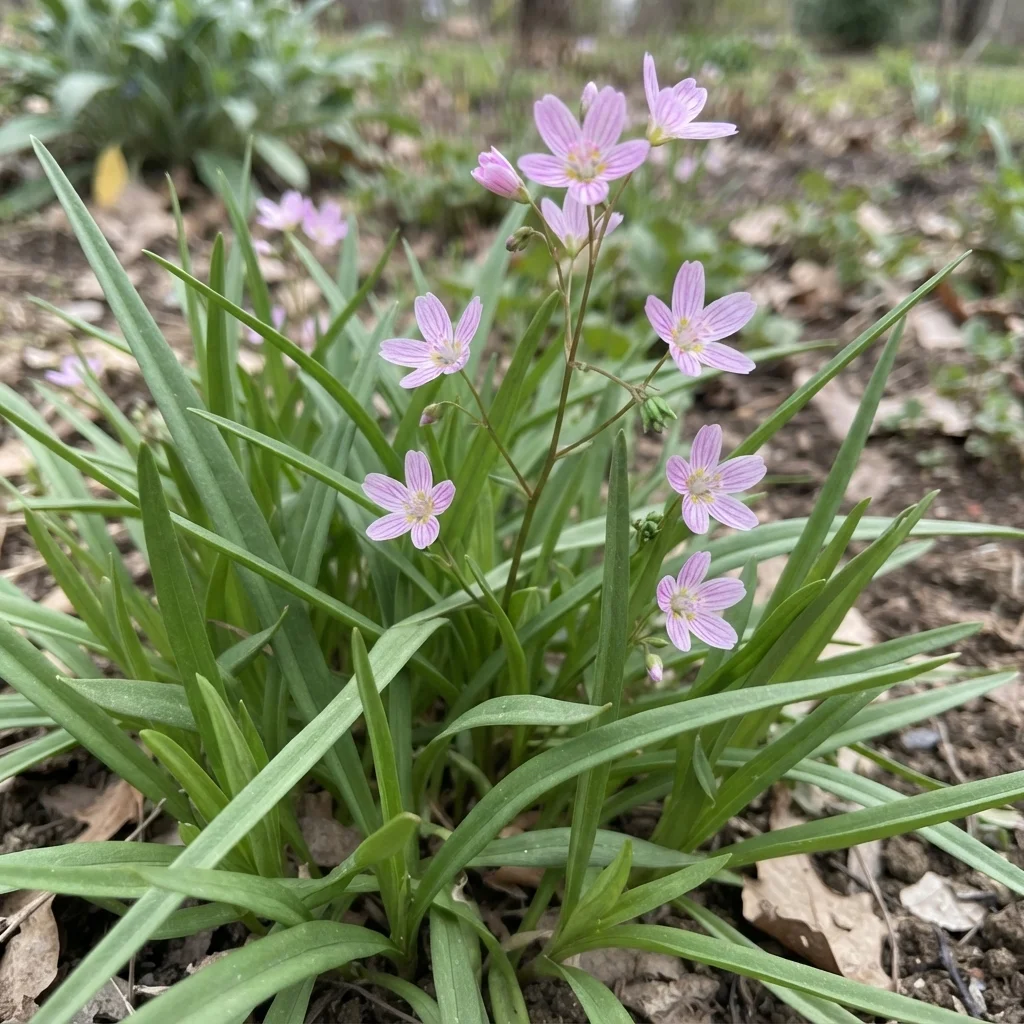
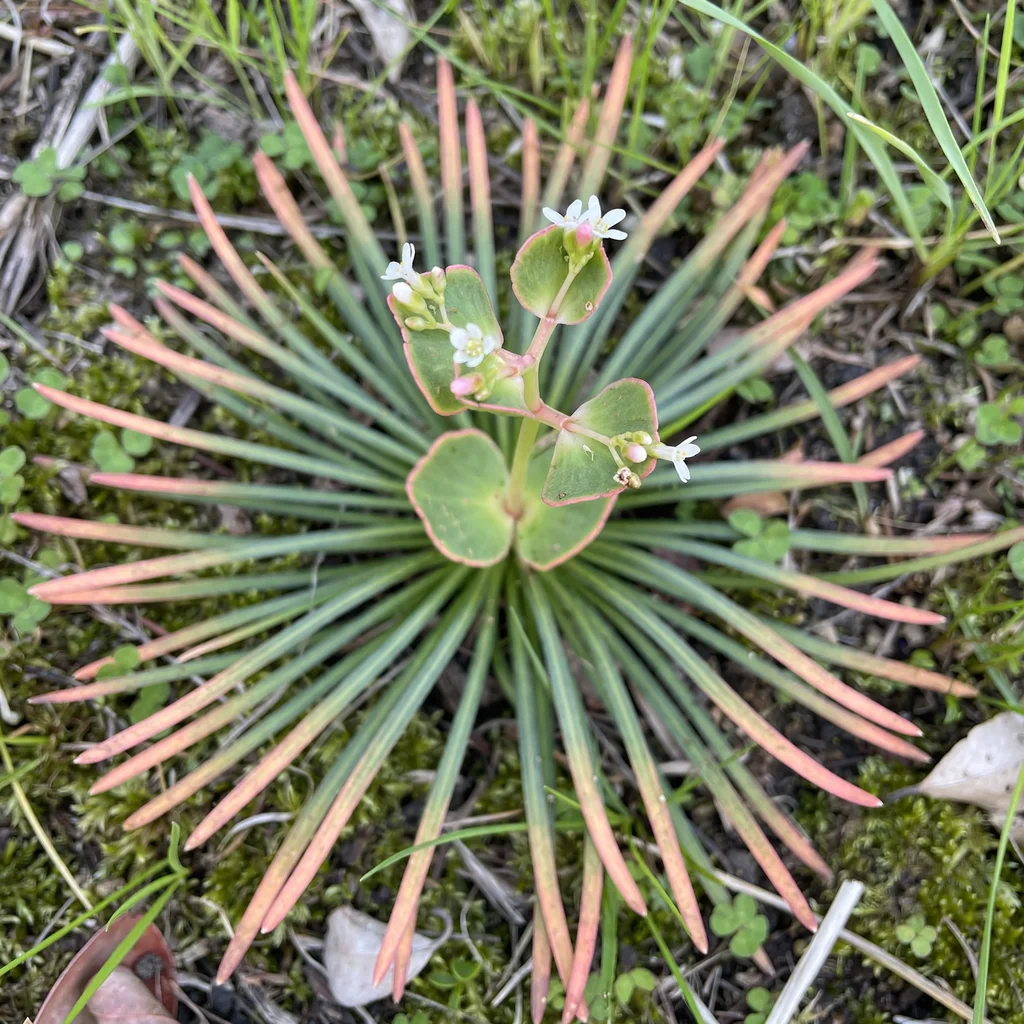
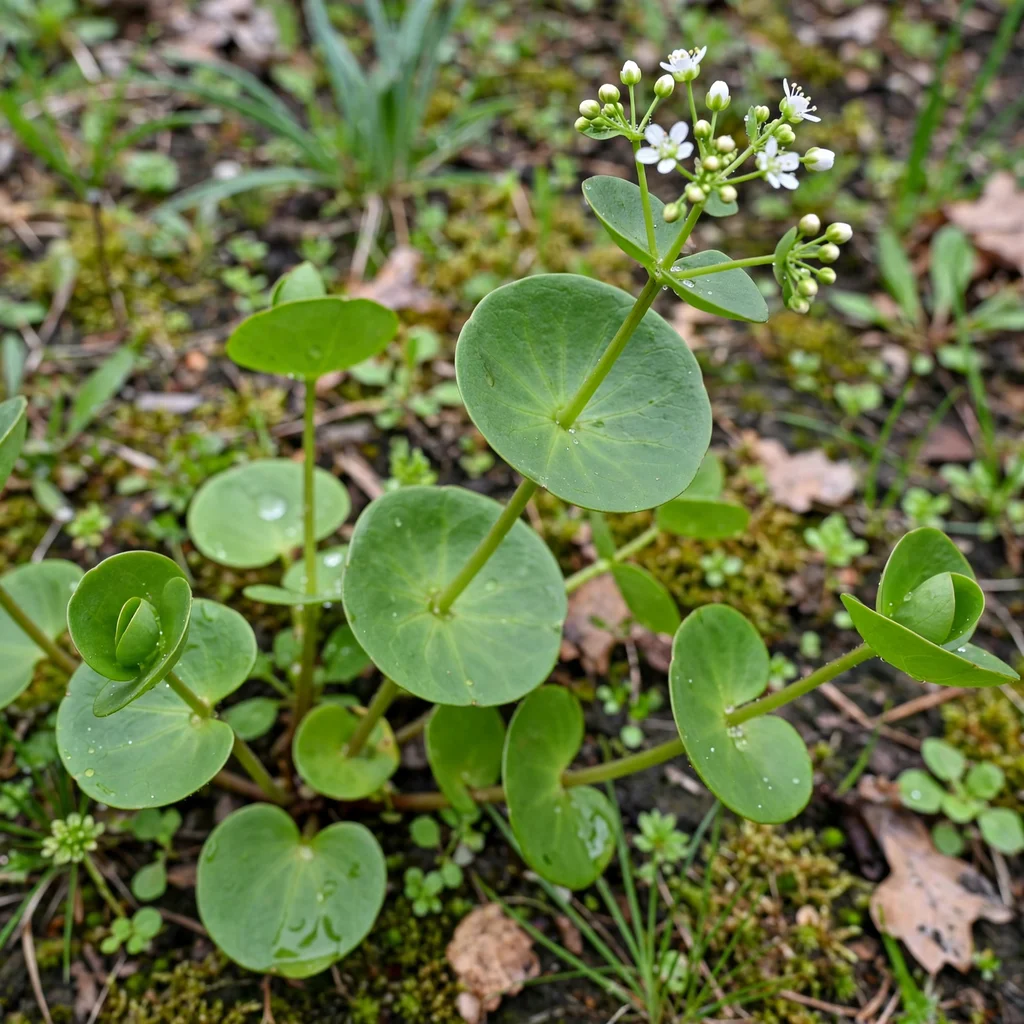
Keep exploring
Explore the genus
Grow Pink Purslane with confidence
See it in a design of your actual yard, get zone-matched care reminders, and track it season by season in your garden journal.