The Story
Plant Bio
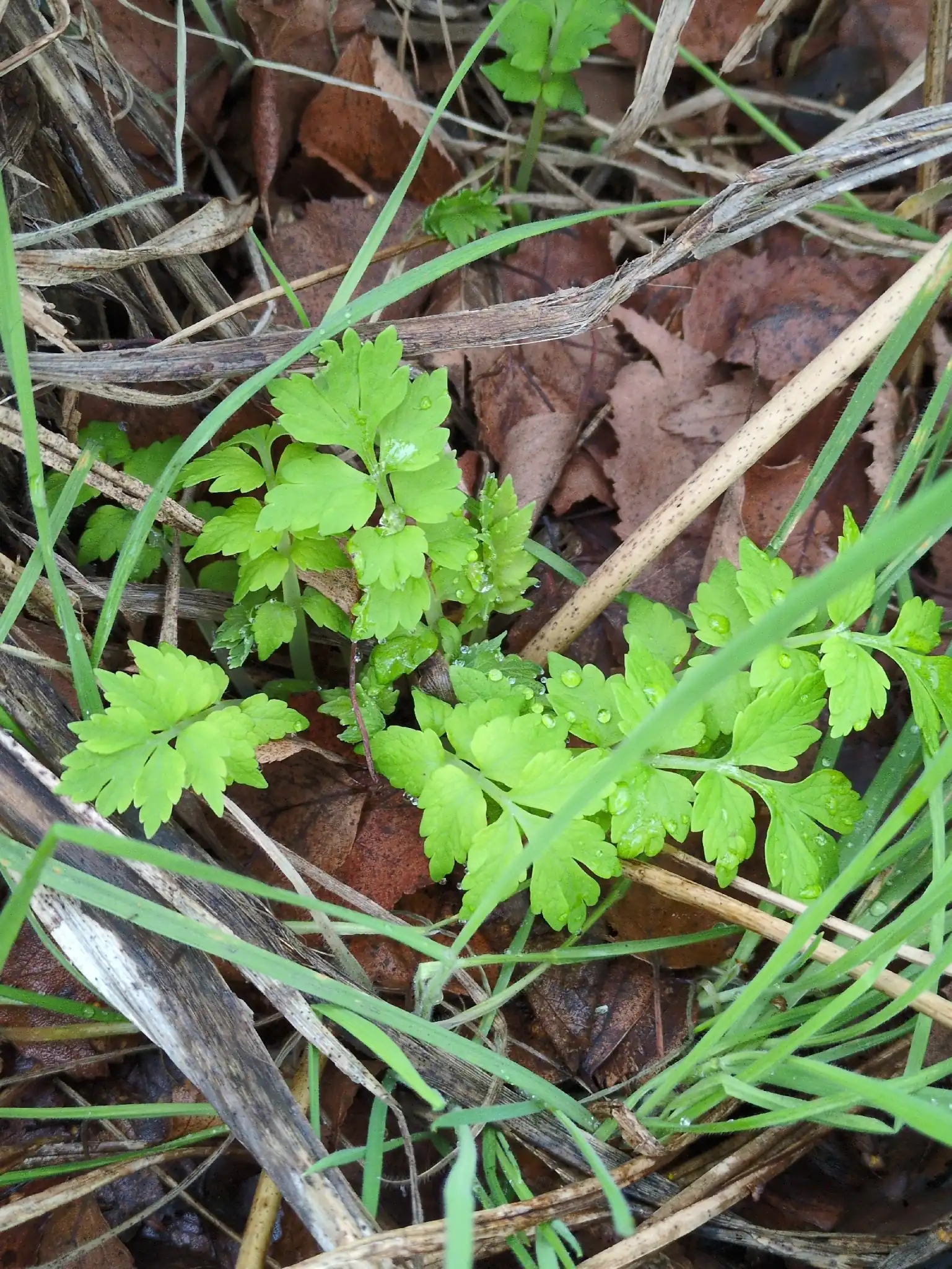
Papaver cambricum, the Welsh poppy, is a clump-forming herbaceous perennial producing deeply divided, fern-like bright green foliage from a deep taproot. Solitary, bowl-shaped yellow to orange flowers with delicate crepe-paper petals open on slender stems from late spring into early fall.
Unlike short-lived annual poppies, this species is a true perennial adapted to cool, moist shade where it self-seeds freely. The leaves and stems produce a yellow latex sap containing isoquinoline alkaloids that deters deer and rabbits.
Uses & Benefits:
Essentials
At a Glance
Plant Type
Perennial
Height
24"
Width
18"
Light
Partial Sun, Shade
Zones
5, 6, 7, 8
Water
Moderate
Humidity
High
Lifespan
Perennial
Native To
Western Europe
Toxicity
Toxic if ingested, skin irritant
Bloom period
Late spring – Early fall
In flower about 5 months of the year
Planting
How to Grow
- Choose a site in partial to deep shade with humus-rich, well-draining soil.
- Work organic compost or leaf mold into the upper six inches of soil to improve moisture retention and drainage.
- Plant dormant bare roots or potted stock so the crown rests right at the soil surface.
- Water thoroughly to settle the soil around the taproot.
- Apply a light layer of organic mulch around the plant base, keeping it clear of the central crown.
Pro Tip
Plant in cool shade with sharp drainage; excess winter water causes taproot decay, while hot afternoon sun triggers premature heat dormancy.
Keep It Thriving
Care Guide
Do
- Keep soil evenly moist during hot summer periods.
- Shear back ragged foliage in late summer to stimulate fresh leaf growth.
- Allow self-sown seedlings to establish where extra coverage is desired.
Don't
- Do not plant in heavy clay that retains winter moisture.
- Avoid applying heavy synthetic fertilizers, which cause soft foliage prone to flop.
- Do not cut into old, leafless woody tissue when trimming spent stems.
Seasonal Care Calendar
| Task | Jan | Feb | Mar | Apr | May | Jun | Jul | Aug | Sep | Oct | Nov | Dec |
|---|---|---|---|---|---|---|---|---|---|---|---|---|
| Deadhead | ||||||||||||
| Mulch | ||||||||||||
| Pest Check | ||||||||||||
| Prune |
Watch Out For
Pests & Diseases
Common Pests
Common Diseases
In the Garden
Landscape Uses & Companions
Landscape Uses
Multiply
Propagation Methods
Good to Know
Common Questions
Welsh Poppy questions
What zones can Welsh Poppy grow in?
Welsh Poppy is hardy in USDA Zones 5–8: in that range it survives winter in the ground. Colder than Zone 5, grow it in a container you can move to shelter for the winter, or as an annual. Warmer than Zone 8, winter isn't the problem: it prefers colder winters, and summer heat can shorten its life.
Is Welsh Poppy deer resistant?
Yes — Welsh Poppy is rated deer-resistant. Deer typically pass it over, though extreme hunger can override any plant's defenses.
When does Welsh Poppy bloom?
Welsh Poppy typically blooms from late spring to early fall. Exact timing shifts a week or two with your zone — Sow's bloom calendar maps it to your garden.
Does Welsh Poppy need full sun?
Welsh Poppy does best in part shade.
More Papaver to compare
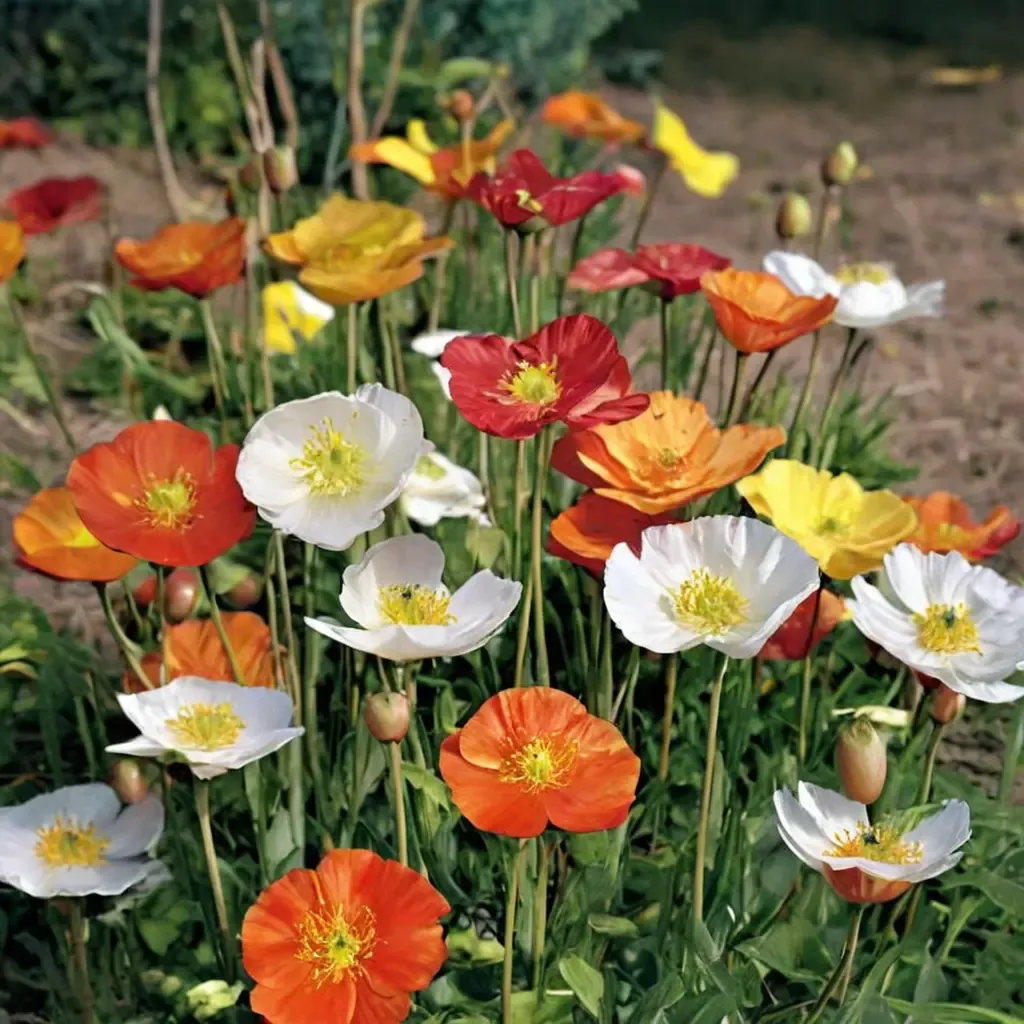
Iceland Poppy
Papaver nudicaule 'Mix'
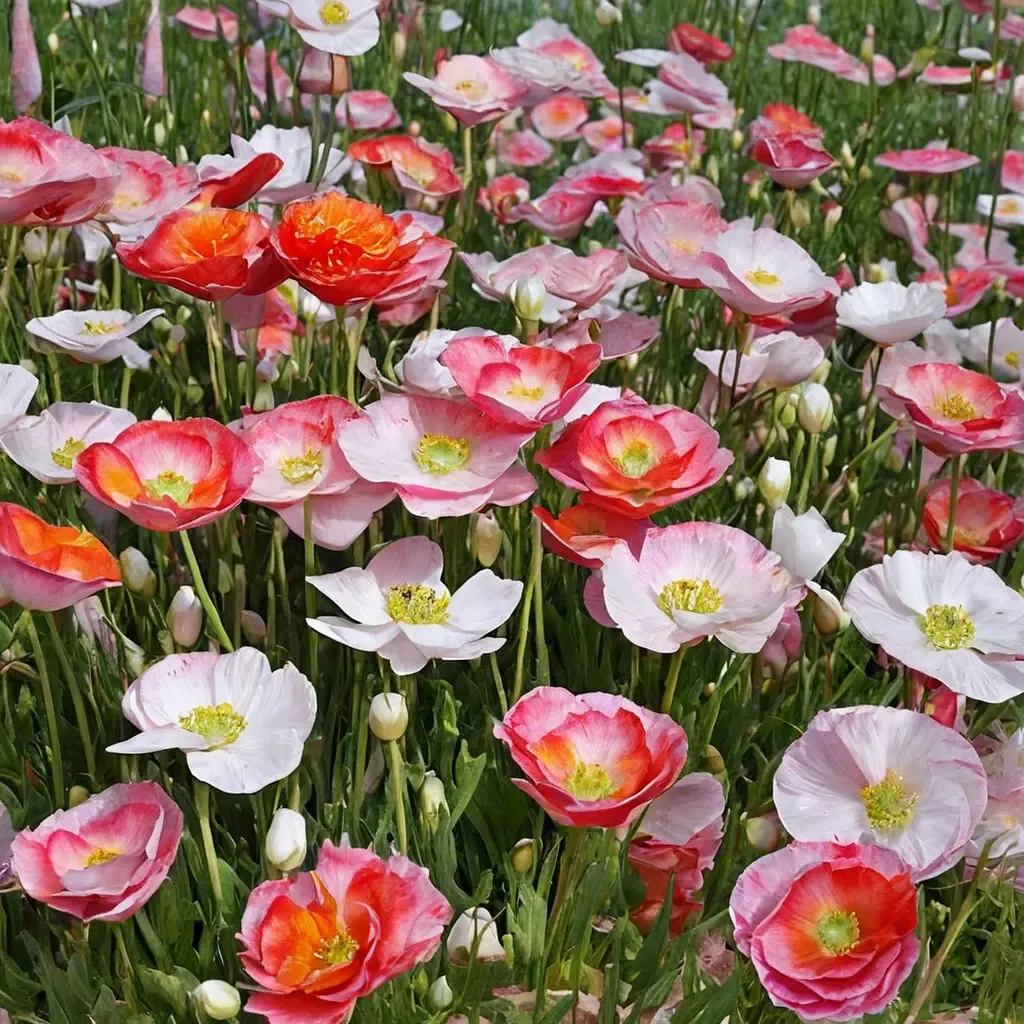
Falling in Love Corn Poppy
Papaver rhoeas 'Falling in Love'
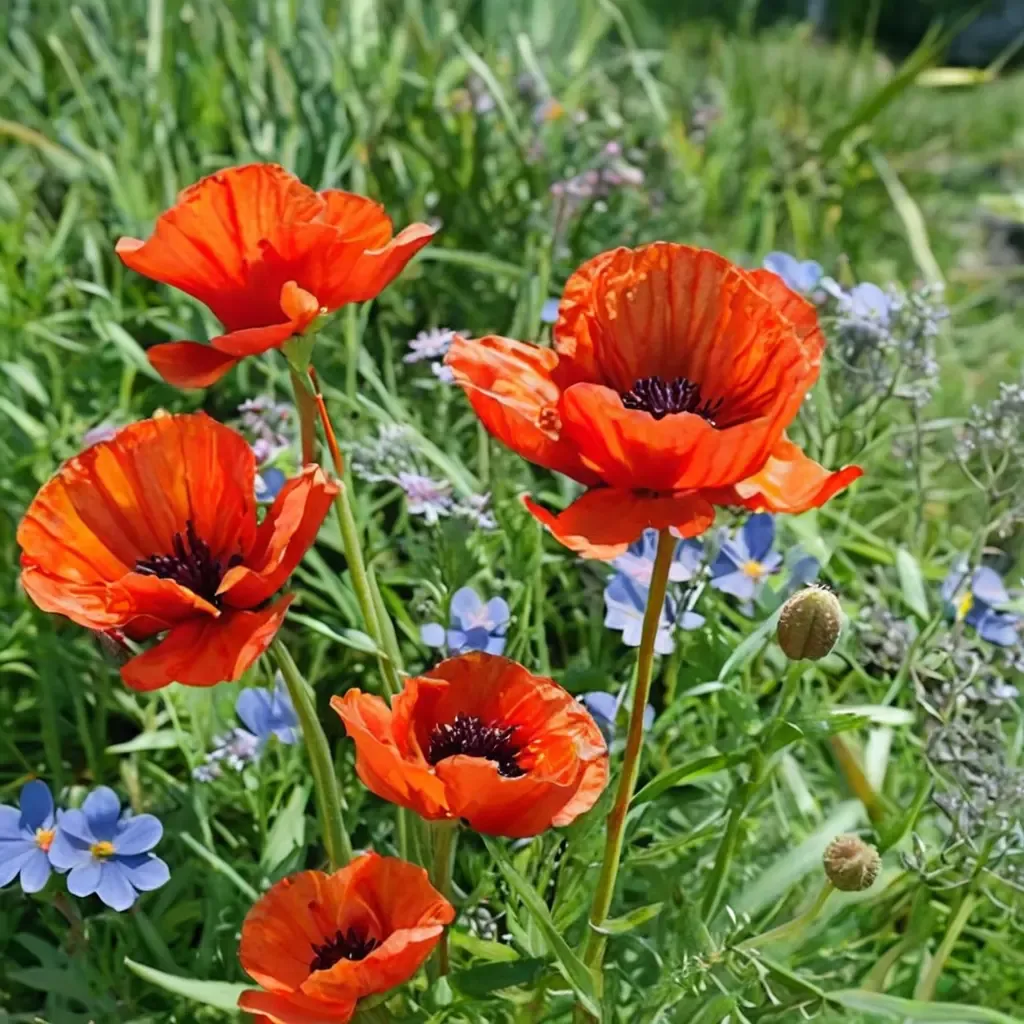
Brilliant Oriental Poppy
Papaver orientale 'Brilliant'
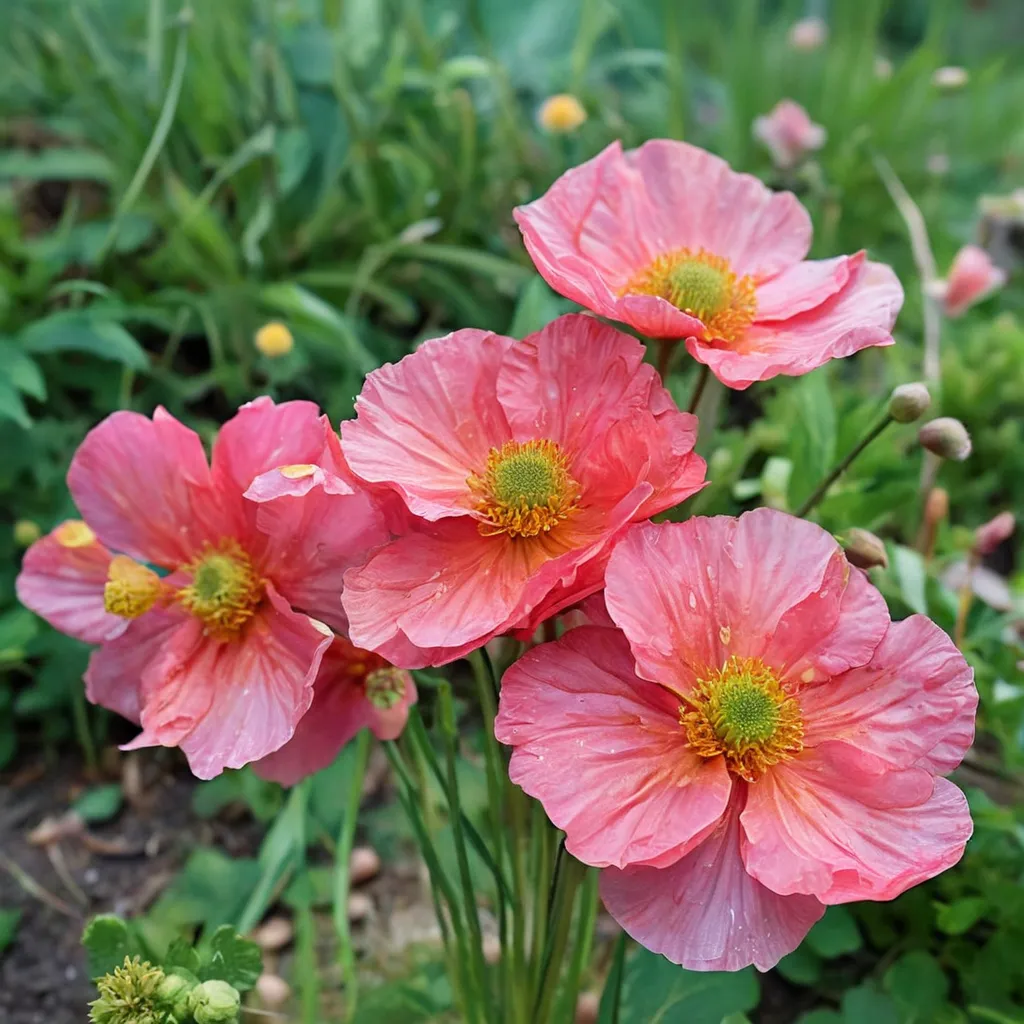
Pink Iceland Poppy
Papaver nudicaule 'Champagne Bubbles Pink'
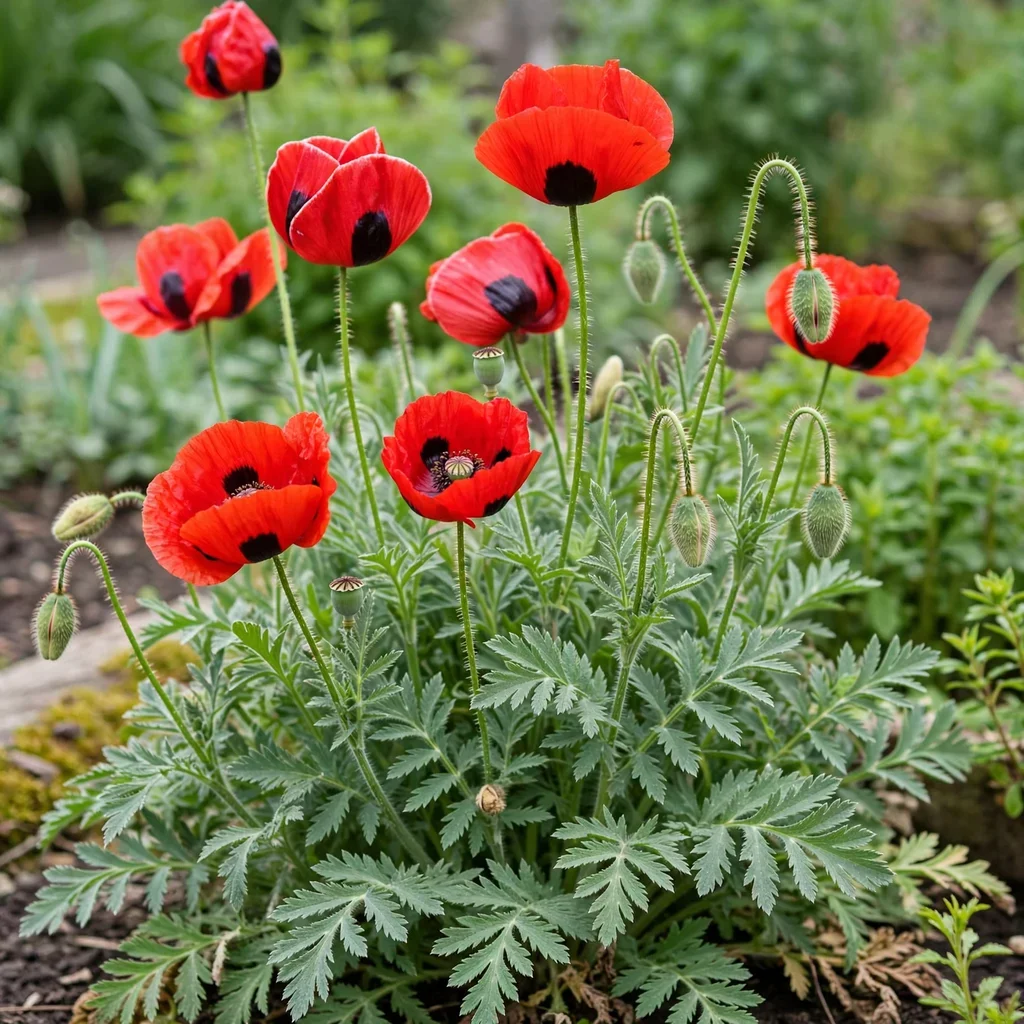
Ladybird Poppy
Papaver commutatum 'Ladybird'
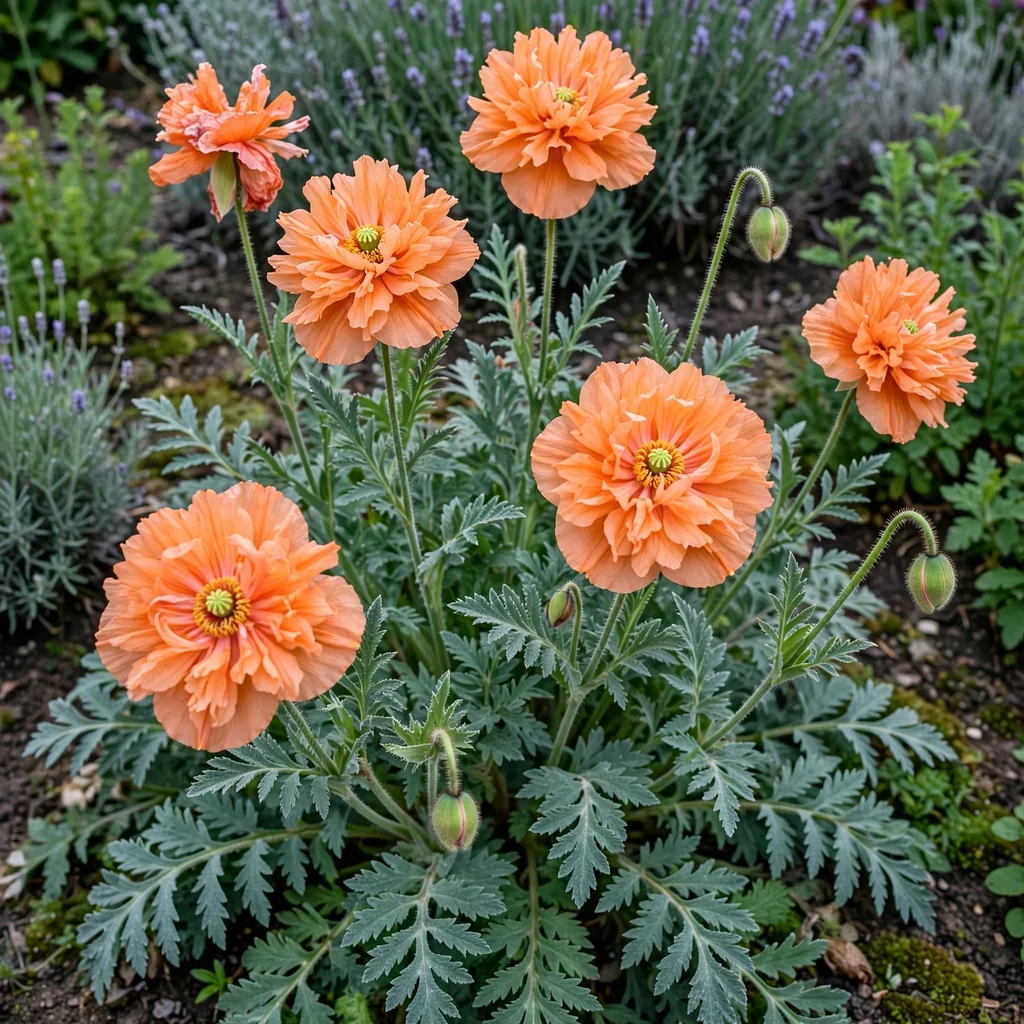
Double Atlantic Poppy
Papaver atlanticum 'Flore Pleno'
Keep exploring
Explore the genus
Hardy in your zone?
Grow Welsh Poppy with confidence
See it in a design of your actual yard, get zone-matched care reminders, and track it season by season in your garden journal.