The Story
Plant Bio
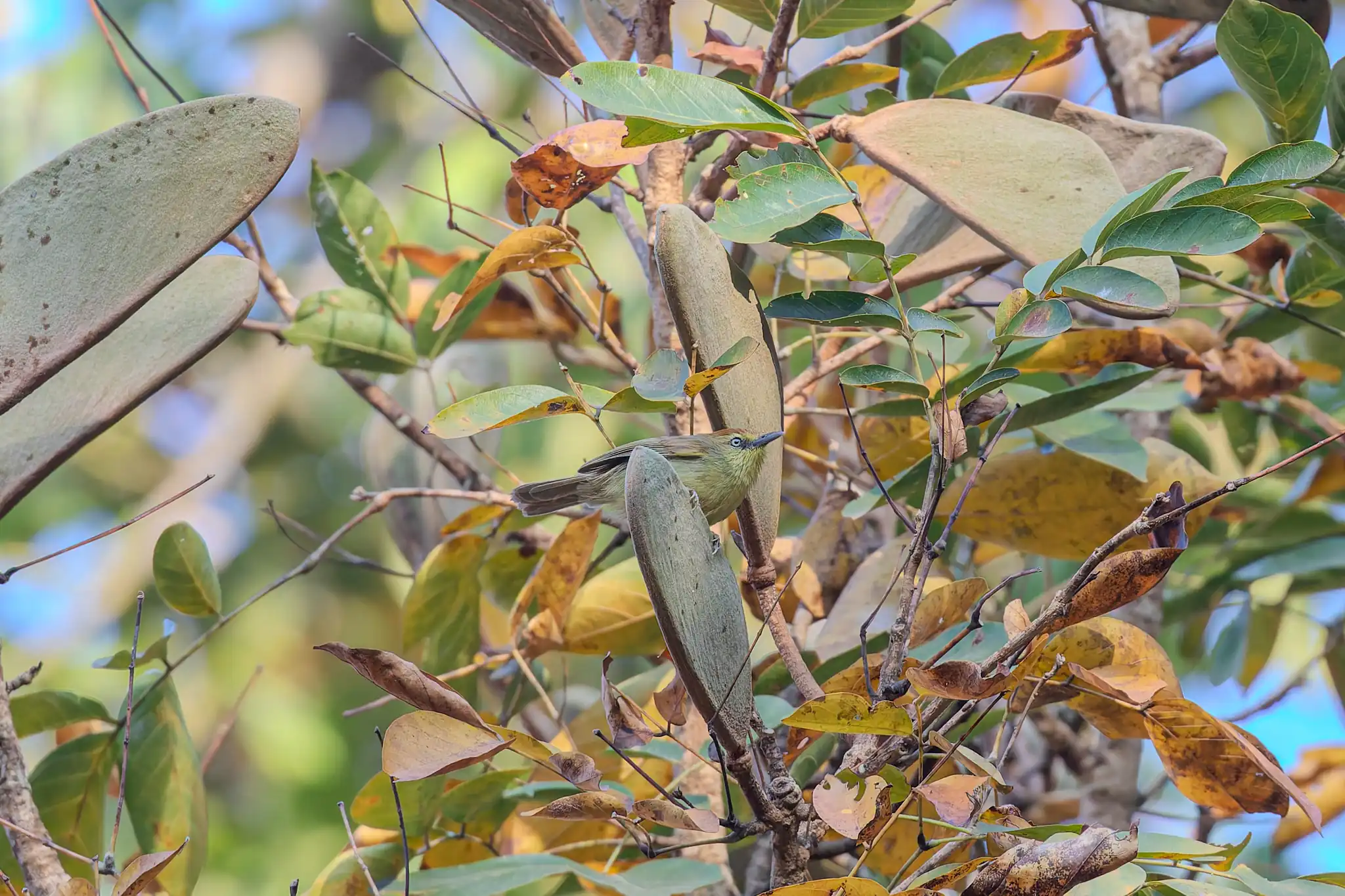
Xylia xylocarpa is a large deciduous tree from monsoon South to Southeast Asia that reaches 65 to 130 feet in native forest with a straight cylindrical trunk and dense crown. The foliage is twice-compound with two pinnae carrying three to five pairs of shiny green oblong leaflets, and the heavy ironwood timber resists decay.
It is set apart by tiny scented white to yellowish-green flowers packed in globe-shaped heads about 3/4 inch across on slender 3-inch stalks in spring, followed by flat woody pods that dry and split to release seed. Nursery plants sold in the United States at 10 to 20 feet are young container-grown juveniles, not the mature 65- to 130-foot forest tree with fluted bole and rough reddish-grey bark.
Uses & Benefits:
Essentials
At a Glance
Plant Type
Tree
Height
236"
Width
120"
Light
Full Sun, Partial Sun
Zones
9, 10
Water
Moderate
Humidity
High
Lifespan
Long-lived tree
Native To
South to Southeast Asia
Toxicity
None known
Bloom period
Spring – Early summer
In flower about 4 months of the year
Planting
How to Grow
- Plant in spring after last frost in full sun with 6 to 8 hours of direct light.
- Use deep, well-drained acidic sandy loam with pH around 5 to 6.
- Water to keep soil evenly moist through the warm season, never waterlogged.
- Move pots indoors or into a heated greenhouse when nights fall toward 50 degrees.
Pro Tip
Give it full sun, heat above 50 degrees, and deep acidic sandy loam that drains freely; bring container plants under cover well before frost.
Keep It Thriving
Care Guide
Do
- Do give maximum sun and monsoon-like summer heat.
- Do use a fast-draining sandy-loam mix in a large heavy pot.
- Do acclimate indoor plants gradually to outdoor sun in spring.
Don't
- Do not plant outdoors year-round below Zone 9.
- Do not leave roots in soggy clay or saucers of standing water.
- Do not expect a 10-foot pot plant to stay that size without containment.
Seasonal Care Calendar
| Task | Jan | Feb | Mar | Apr | May | Jun | Jul | Aug | Sep | Oct | Nov | Dec |
|---|---|---|---|---|---|---|---|---|---|---|---|---|
| Mulch | ||||||||||||
| Pest Check | ||||||||||||
| Plant | ||||||||||||
| Propagate | ||||||||||||
| Winter Prep |
Watch Out For
Pests & Diseases
Common Pests
Common Diseases
In the Garden
Landscape Uses & Companions
Landscape Uses
Companion Plants
Multiply
Propagation Methods
Good to Know
Common Questions
Burma Ironwood questions
What zones can Burma Ironwood grow in?
Burma Ironwood is hardy in USDA Zones 9–10: in that range it survives winter in the ground. Colder than Zone 9, winters are too cold for it to survive outdoors.
When does Burma Ironwood bloom?
Burma Ironwood typically blooms from early spring to early summer. Exact timing shifts a week or two with your zone — Sow's bloom calendar maps it to your garden.
Does Burma Ironwood need full sun?
Burma Ironwood does best in full sun to part shade. In hot climates, afternoon shade keeps blooms fresher longer.
Keep exploring
Explore the genus
Hardy in your zone?
Grow Burma Ironwood with confidence
See it in a design of your actual yard, get zone-matched care reminders, and track it season by season in your garden journal.