The Story
Plant Bio
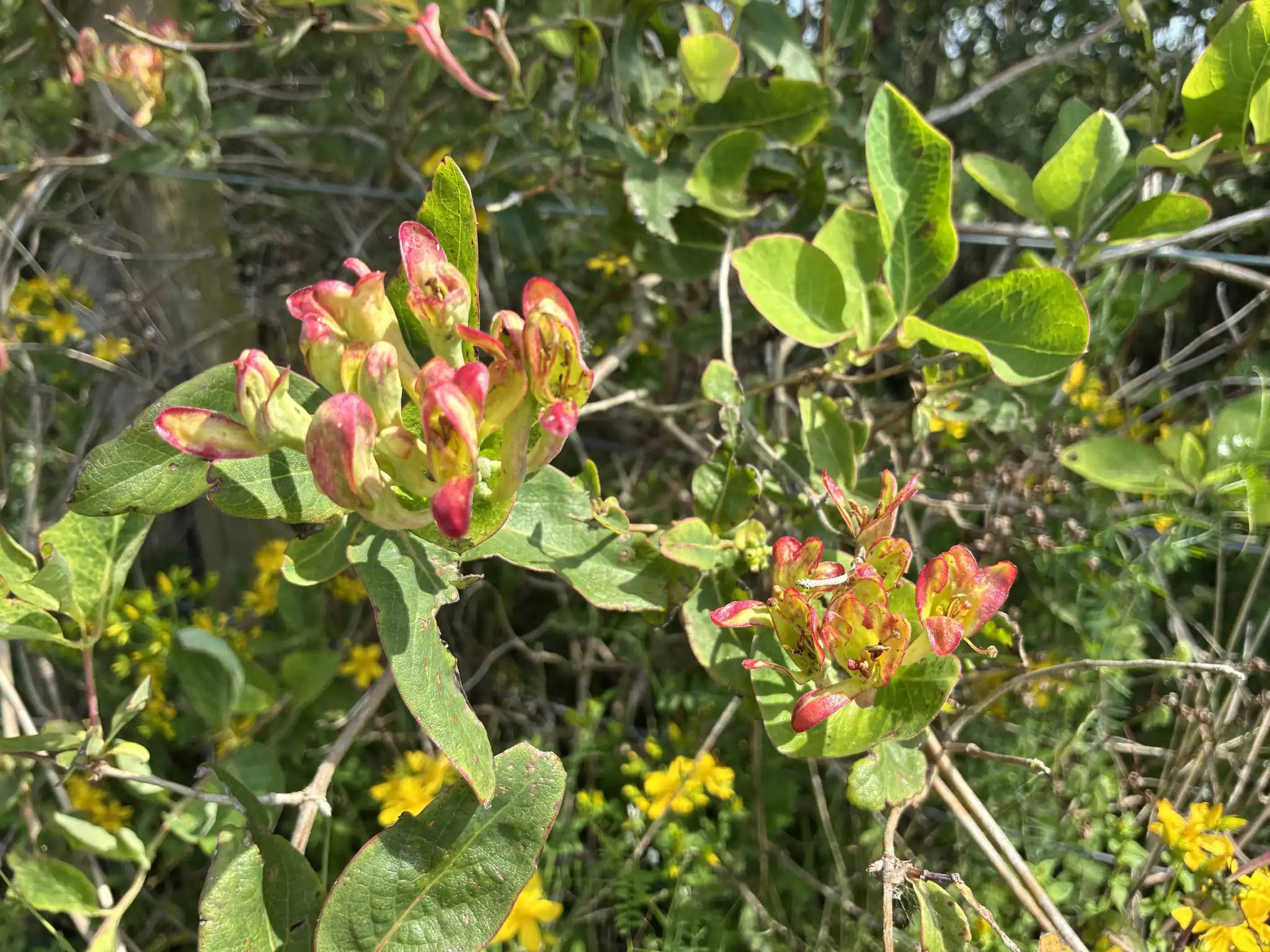
Lonicera x americana is a vigorous twining deciduous to semi-evergreen vine reaching about 20 feet on a support, with opposite ovate dark green to blue-green leaves. The display comes from whorls of 2-inch tubular flowers that open white then age creamy-yellow, carried in a heavy late-spring flush with repeat through fall.
Despite the common name, it is a garden hybrid of two European species, Lonicera caprifolium x Lonicera etrusca, and is not native to North America. It is distinguished by very fragrant flowers flushed deep red-pink to purple in bud followed by red berries, and by well-mannered growth that has not shown the invasiveness of Japanese and Amur honeysuckles.
Uses & Benefits:
Essentials
At a Glance
Plant Type
Vine
Height
240"
Width
48"
Light
Full Sun, Partial Sun
Zones
5, 6, 7, 8, 9
Water
Average, moist well-drained
Humidity
Unknown
Lifespan
Perennial vine
Native To
Garden hybrid of European species
Toxicity
Berries toxic, may irritate skin
Bloom period
Late spring – Fall
In flower about 7 months of the year
Planting
How to Grow
- Plant in full sun to part shade in average moist well-drained soil, with a trellis, fence or arch for the stems to twine on.
- Set the rootball level with the soil surface, backfill, water deeply, and mulch to keep the root zone cool.
- Water regularly through the first season, then water during dry spells; established plants handle some drought and heat with part afternoon shade.
- Prune in late winter to early spring while dormant, removing dead wood and shortening overlong stems to keep the framework dense.
- Check in summer for aphids and powdery mildew and thin crowded shoots for airflow rather than spraying on a schedule.
Pro Tip
Give it full sun on the vine with cool shaded roots and a sturdy trellis; prune in late winter while dormant and cut spent laterals back to strong buds to keep it dense.
Keep It Thriving
Care Guide
Do
- Give sun on the vine with shade and mulch over the roots for best bloom.
- Provide a sturdy support and tie young stems until they twine.
- Water at the base and clean up fallen leaves to reduce leaf spot.
Don't
- Do not plant without support and let stems sprawl on the ground.
- Do not shear in full leaf in summer and remove the repeat bloom.
- Do not eat the red berries; they are not for human food and can irritate skin.
Seasonal Care Calendar
| Task | Jan | Feb | Mar | Apr | May | Jun | Jul | Aug | Sep | Oct | Nov | Dec |
|---|---|---|---|---|---|---|---|---|---|---|---|---|
| Mulch | ||||||||||||
| Pest Check | ||||||||||||
| Plant | ||||||||||||
| Prune | ||||||||||||
| Winter Prep |
Watch Out For
Pests & Diseases
Common Pests
Common Diseases
In the Garden
Landscape Uses & Companions
Landscape Uses
Multiply
Propagation Methods
Good to Know
Common Questions
American Honeysuckle questions
What zones can American Honeysuckle grow in?
American Honeysuckle is hardy in USDA Zones 5–9: in that range it survives winter in the ground. Colder than Zone 5, grow it in a container you can move to shelter for the winter, or as an annual. Warmer than Zone 9, winter isn't the problem: it prefers colder winters, and summer heat can shorten its life.
When does American Honeysuckle bloom?
American Honeysuckle typically blooms from late spring to late fall. Exact timing shifts a week or two with your zone — Sow's bloom calendar maps it to your garden.
Does American Honeysuckle need full sun?
American Honeysuckle does best in full sun to part shade. In hot climates, afternoon shade keeps blooms fresher longer.
Is American Honeysuckle drought tolerant?
Yes — once established (usually after the first full season), American Honeysuckle handles dry spells with minimal watering. Water deeply its first year to build the root system that makes that possible.
More Lonicera to compare
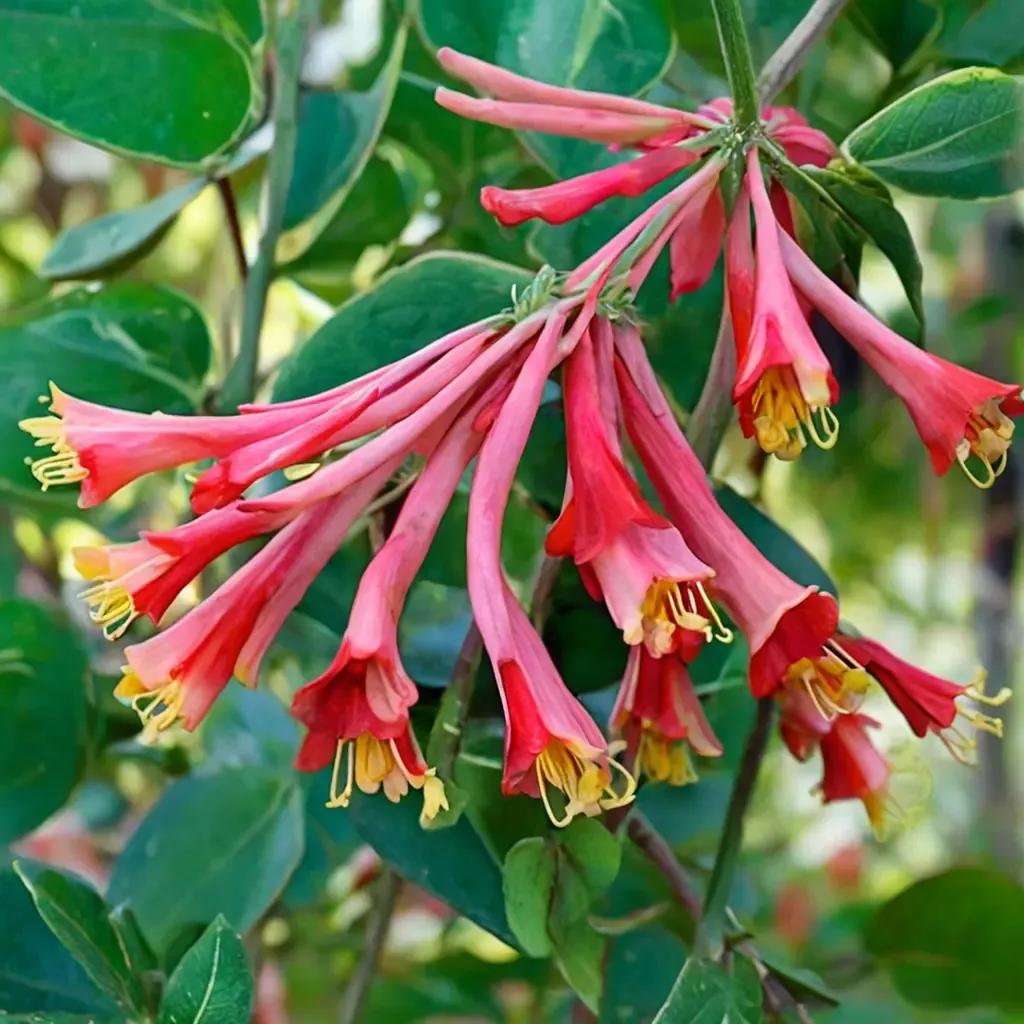
Coral Honeysuckle
Lonicera sempervirens 'Coral Honeysuckle'
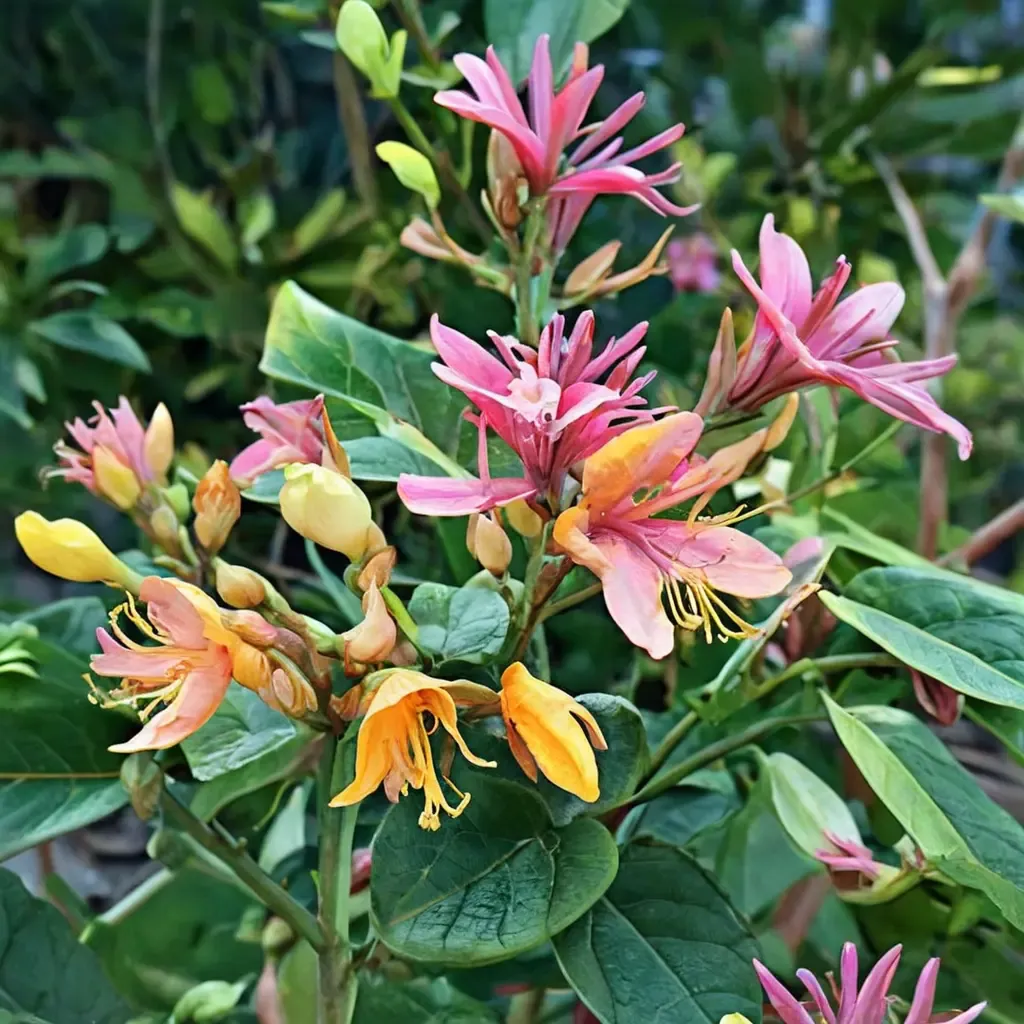
Goldflame Honeysuckle
Lonicera x heckrottii 'Goldflame'
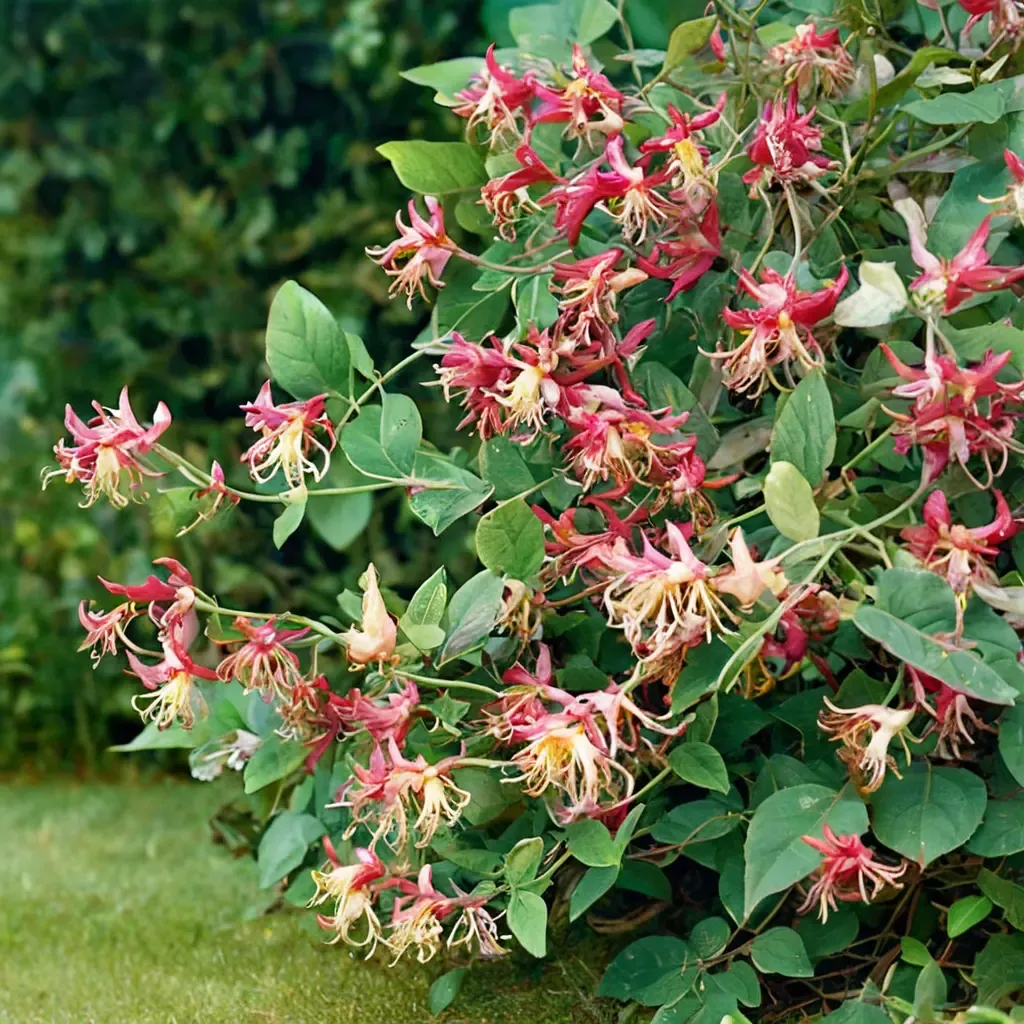
Late Dutch Honeysuckle
Lonicera serotina
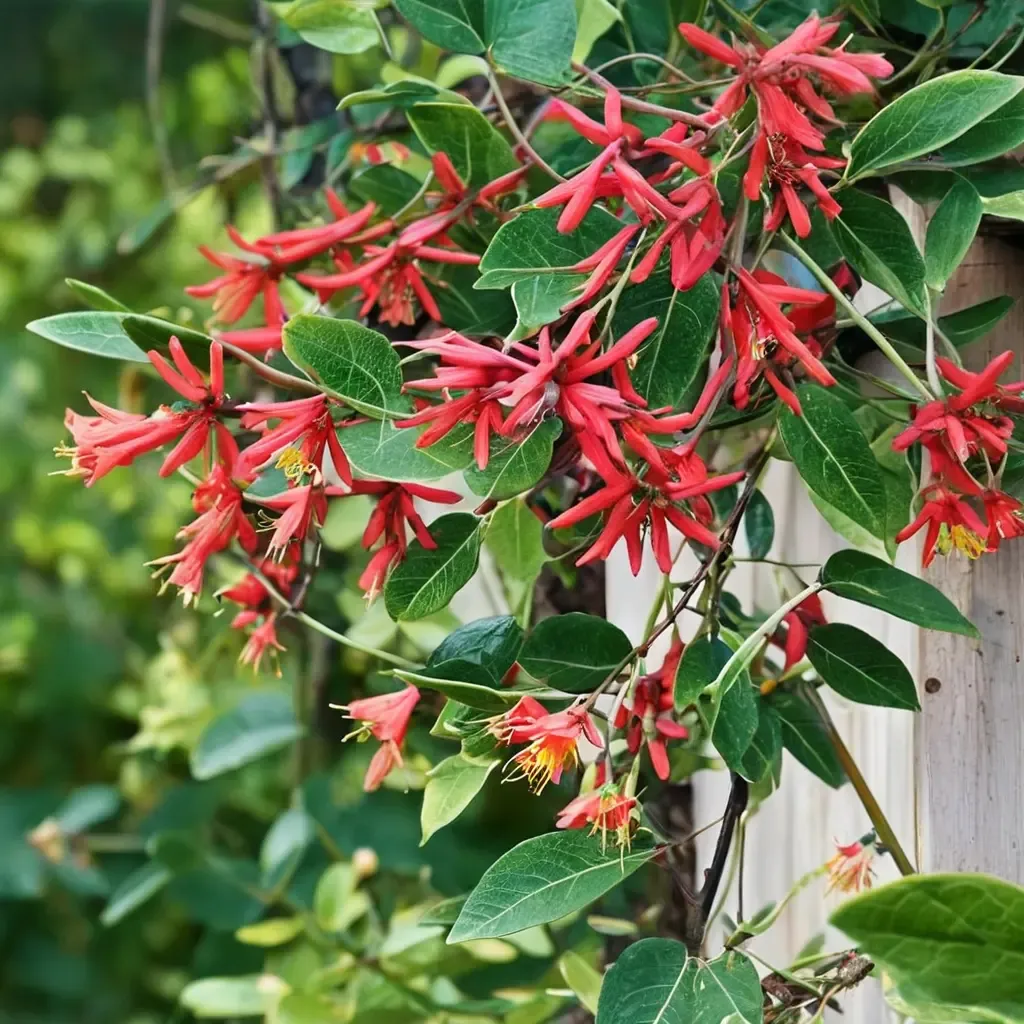
Major Wheeler honeysuckle
Lonicera sempervirens 'Major Wheeler'
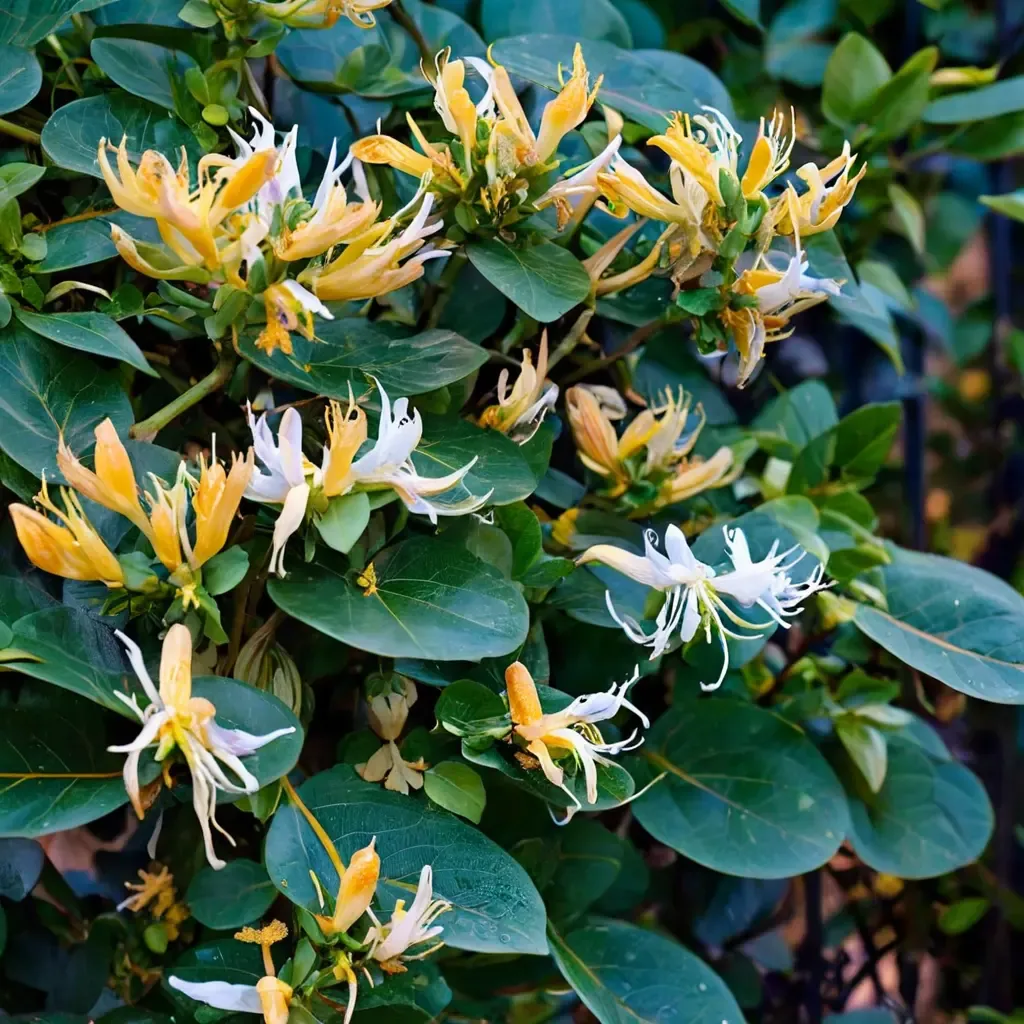
Japanese Honeysuckle
Lonicera japonica
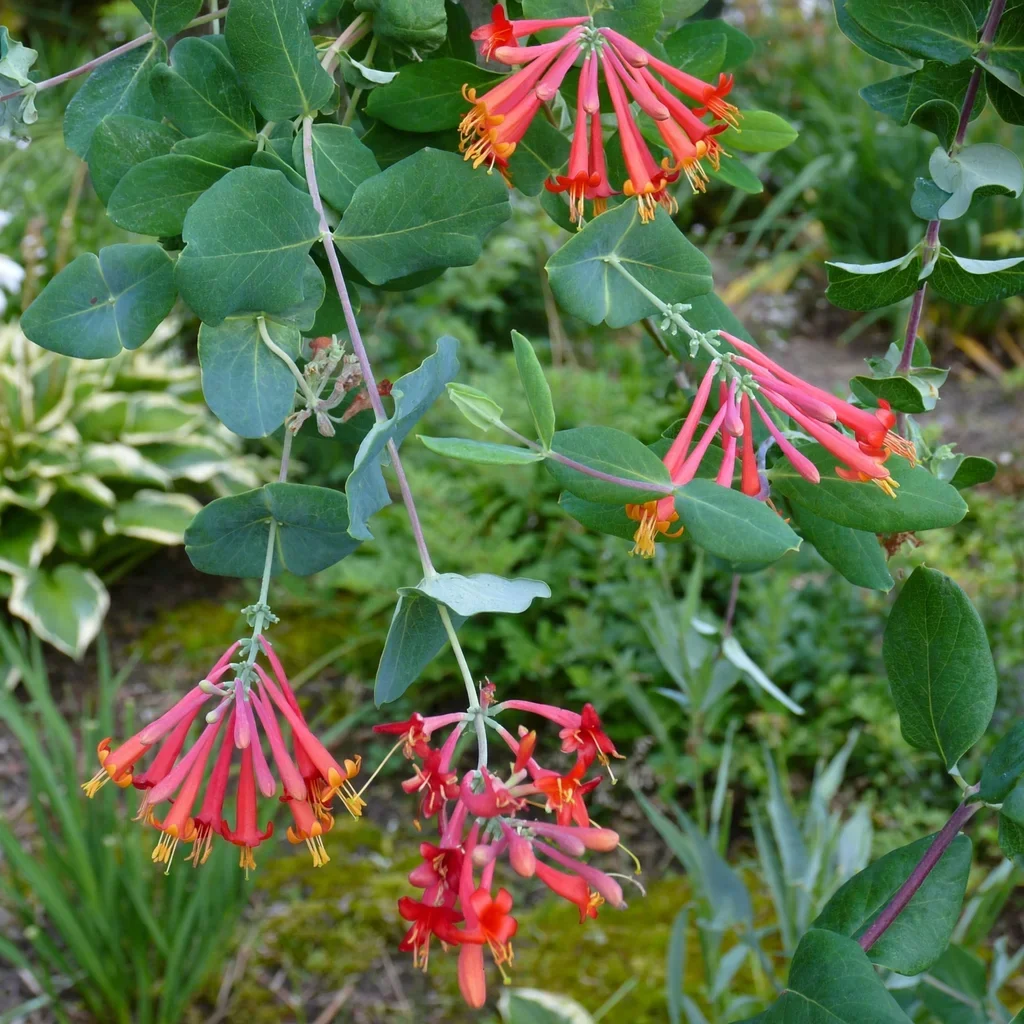
Trumpet Honeysuckle
Lonicera sempervirens
Keep exploring
Explore the genus
Hardy in your zone?
Grow American Honeysuckle with confidence
See it in a design of your actual yard, get zone-matched care reminders, and track it season by season in your garden journal.