The Story
Plant Bio
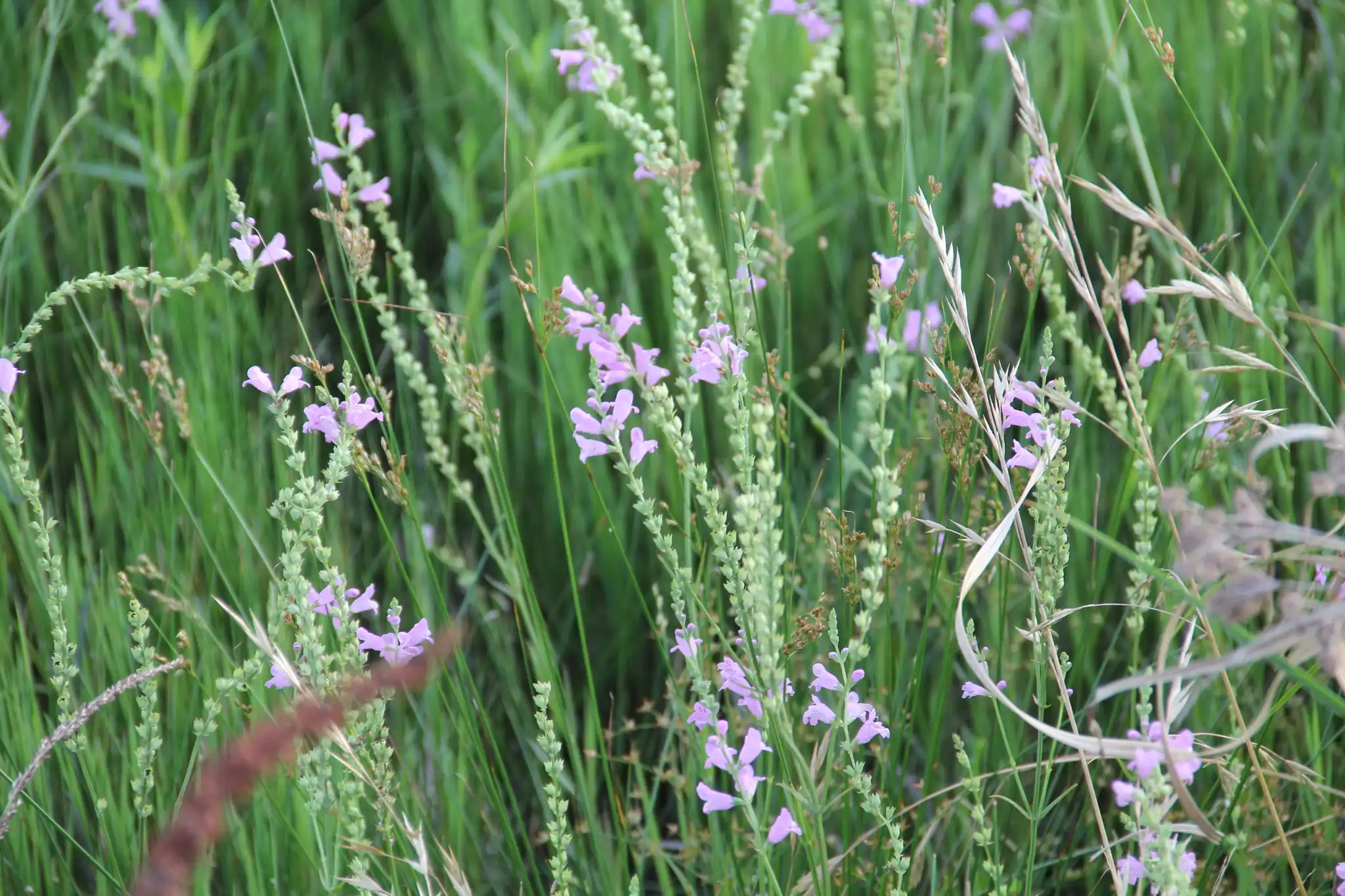
Physostegia intermedia, the spring obedient plant, is a rhizomatous perennial of the mint family reaching three to five feet on square, usually unbranched stems. Leaves are large and numerous toward the base and smaller upward, and the display comes from terminal spikes of funnel-shaped lavender flowers streaked with purple that hold their position when pushed aside.
It flowers in spring to early summer, well before Physostegia virginiana, on slender spikes that open May to July. In rich moist soil the stems turn floppy and the rhizomes run to form colonies, and nursery stock is often confused with P. virginiana or P. angustifolia, so check the label and site it where spread can be contained.
Uses & Benefits:
Essentials
At a Glance
Plant Type
Perennial
Height
48"
Width
42"
Light
Full Sun, Partial Sun
Zones
4, 5, 6, 7, 8, 9
Water
High
Humidity
Tolerant
Lifespan
Perennial
Native To
South-central USA
Toxicity
Unknown - no data
Bloom period
Spring – Summer
In flower about 6 months of the year
Planting
How to Grow
- Set divisions in spring in full sun to part shade in sandy, loam, or clay soil that stays moist.
- Plant at the same depth as grown, firm in, and water deeply to settle soil around the rhizomes.
- Mulch 2 inches to hold moisture, keeping mulch back from the crown.
- Water to keep soil consistently moist; do not let the root zone dry out in summer.
- Contain with edging or a sunken pot to check rhizome spread.
Pro Tip
Plant it in a contained bog edge or sunken pot in moist soil and lift and thin the rhizomes each spring; open dry borders make it floppy and aggressive.
Keep It Thriving
Care Guide
Do
- Grow in soil that stays moist to wet, including rain garden swales and pond margins.
- Thin or divide clumps as needed to control rhizome spread.
- Cut dormant stems to the ground in late fall after top growth dies.
Don't
- Do not plant in dry borders or let soil dry out during establishment.
- Do not cut back into bare crowns during the growing season to control size.
- Do not overhead water crowded clumps; space for airflow to limit mildew and rust.
Seasonal Care Calendar
| Task | Jan | Feb | Mar | Apr | May | Jun | Jul | Aug | Sep | Oct | Nov | Dec |
|---|---|---|---|---|---|---|---|---|---|---|---|---|
| Deadhead | ||||||||||||
| Divide | ||||||||||||
| Pest Check | ||||||||||||
| Plant | ||||||||||||
| Prune |
Watch Out For
Pests & Diseases
Common Pests
Common Diseases
In the Garden
Landscape Uses & Companions
Landscape Uses
Multiply
Propagation Methods
Good to Know
Common Questions
Spring Obedient Plant questions
What zones can Spring Obedient Plant grow in?
Spring Obedient Plant is hardy in USDA Zones 4–9: in that range it survives winter in the ground. Warmer than Zone 9, winter isn't the problem: it prefers colder winters, and summer heat can shorten its life.
Is Spring Obedient Plant deer resistant?
Yes — Spring Obedient Plant is rated deer-resistant. Deer typically pass it over, though extreme hunger can override any plant's defenses.
When does Spring Obedient Plant bloom?
Spring Obedient Plant typically blooms from spring to summer. Exact timing shifts a week or two with your zone — Sow's bloom calendar maps it to your garden.
Does Spring Obedient Plant need full sun?
Spring Obedient Plant does best in full sun to part shade. In hot climates, afternoon shade keeps blooms fresher longer.
More Physostegia to compare
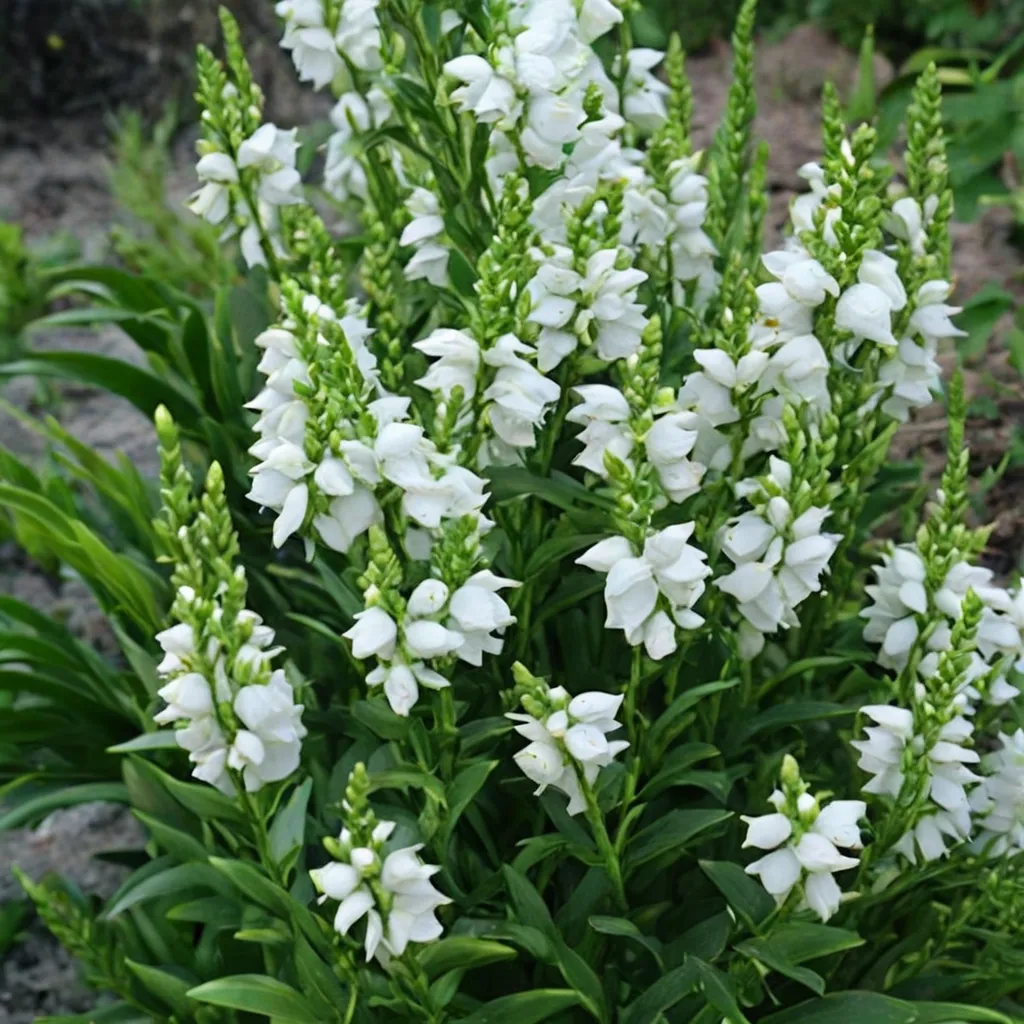
Obedient Plant Miss Manners
Physostegia virginiana 'Miss Manners'
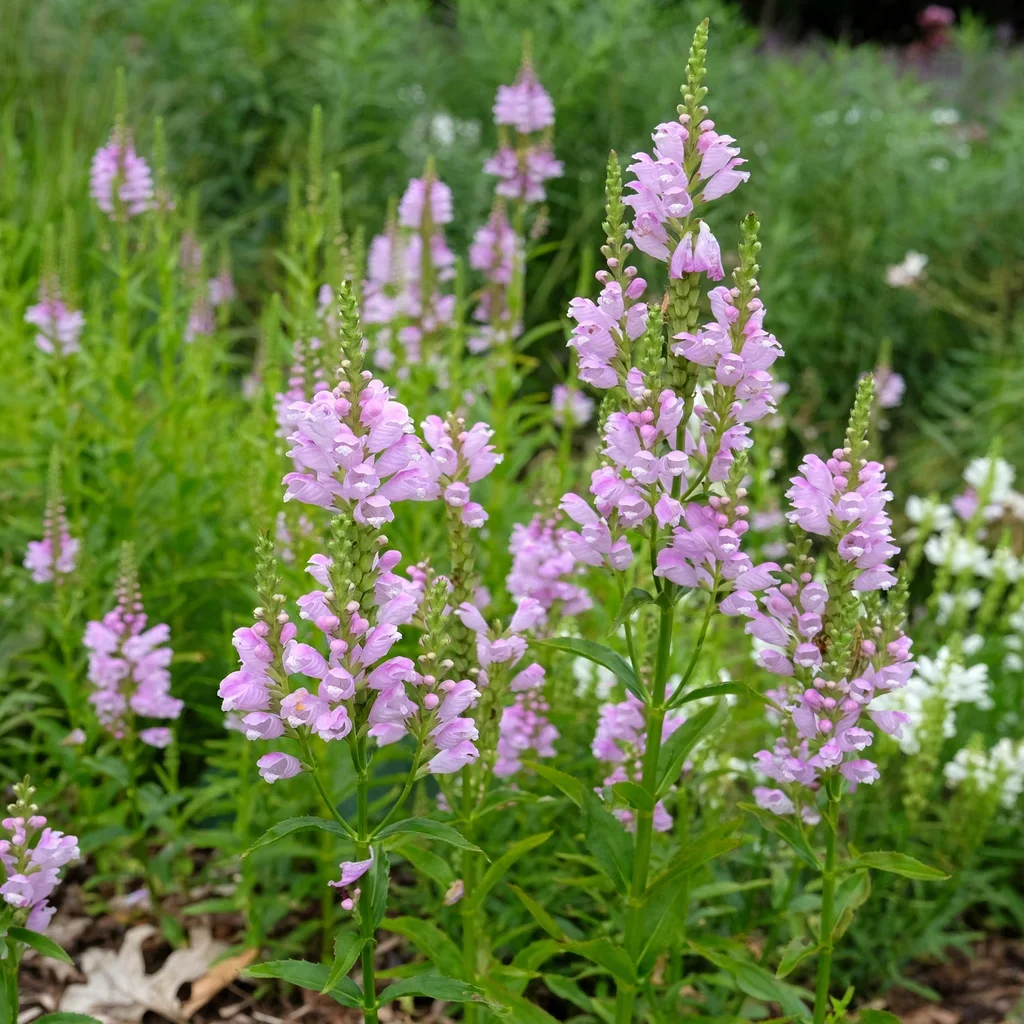
Obedient Plant Pink Manners
Physostegia virginiana 'Pink Manners'
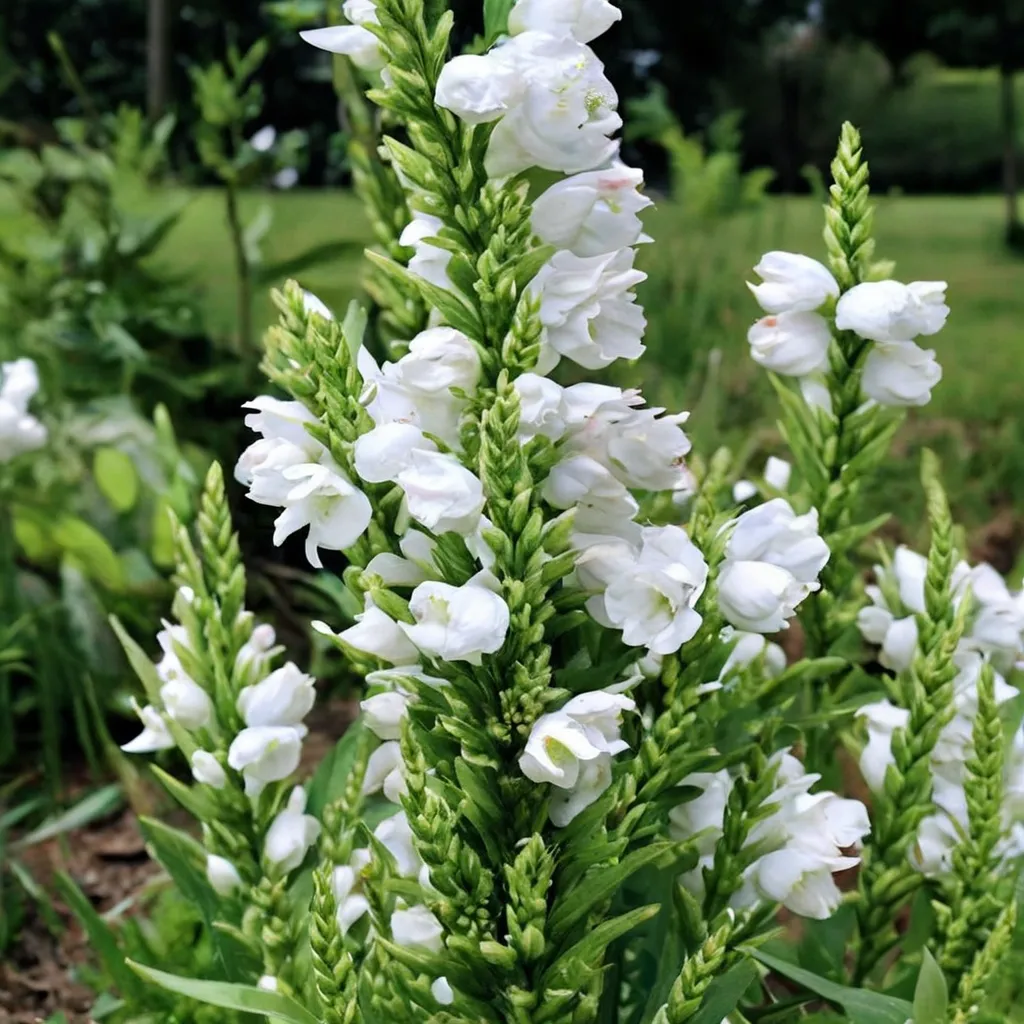
Summer Snow Obedient Plant
Physostegia virginiana 'Summer Snow'
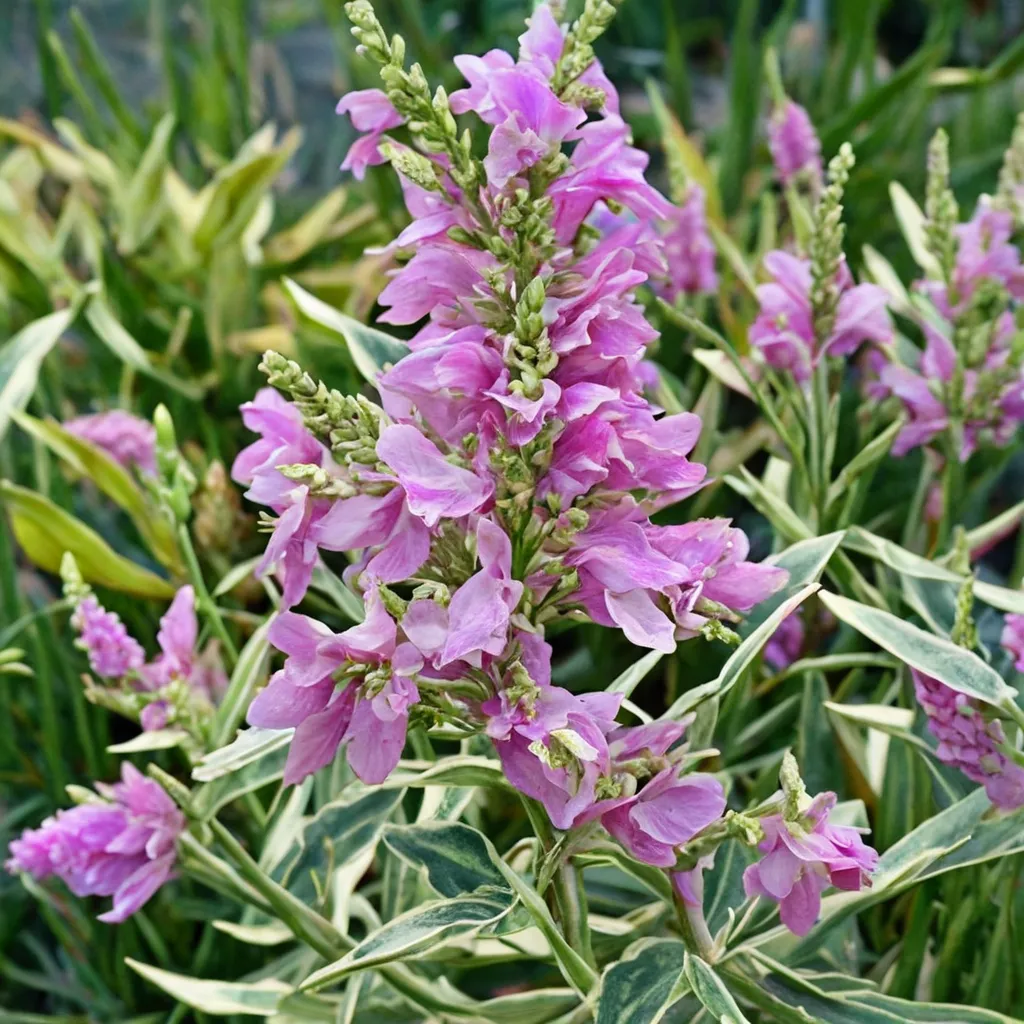
Variegated Obedient Plant
Physostegia virginiana 'Variegata'
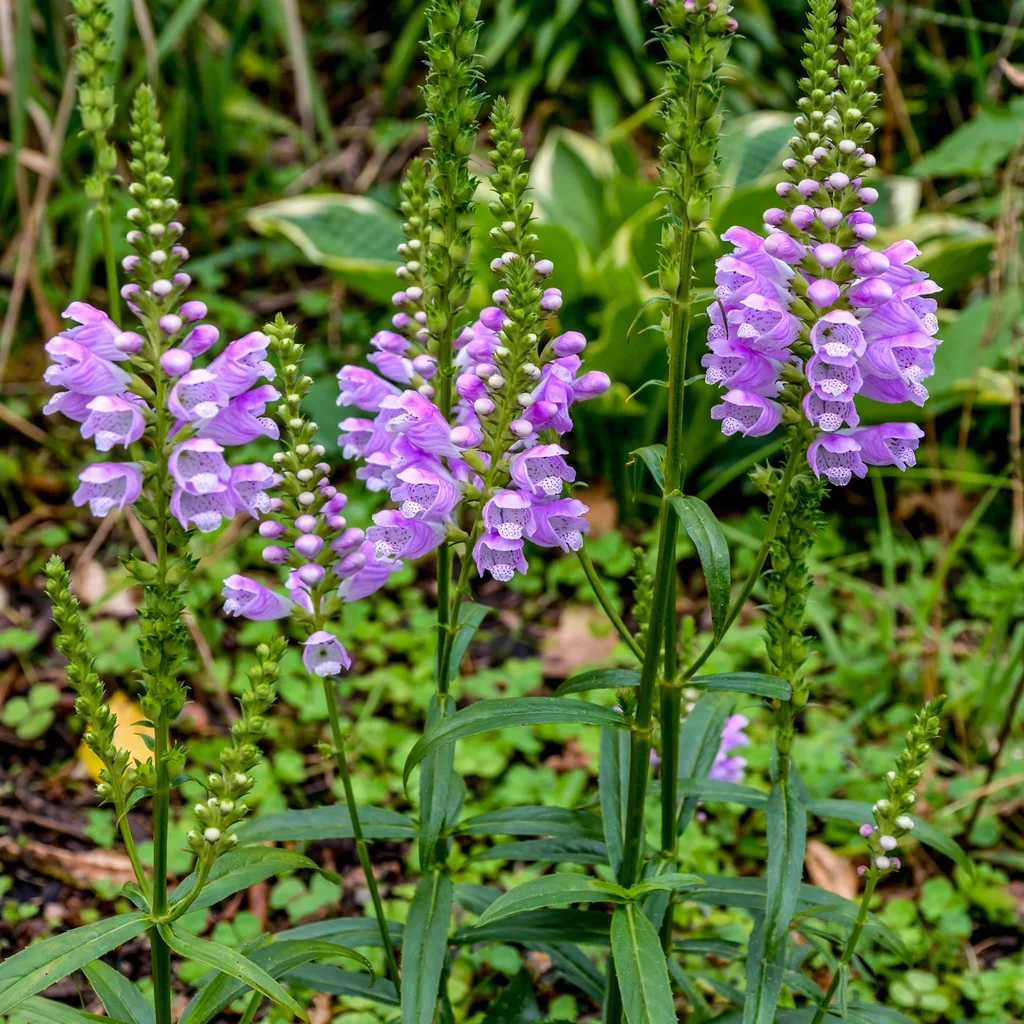
Correll's Obedient Plant
Physostegia correllii
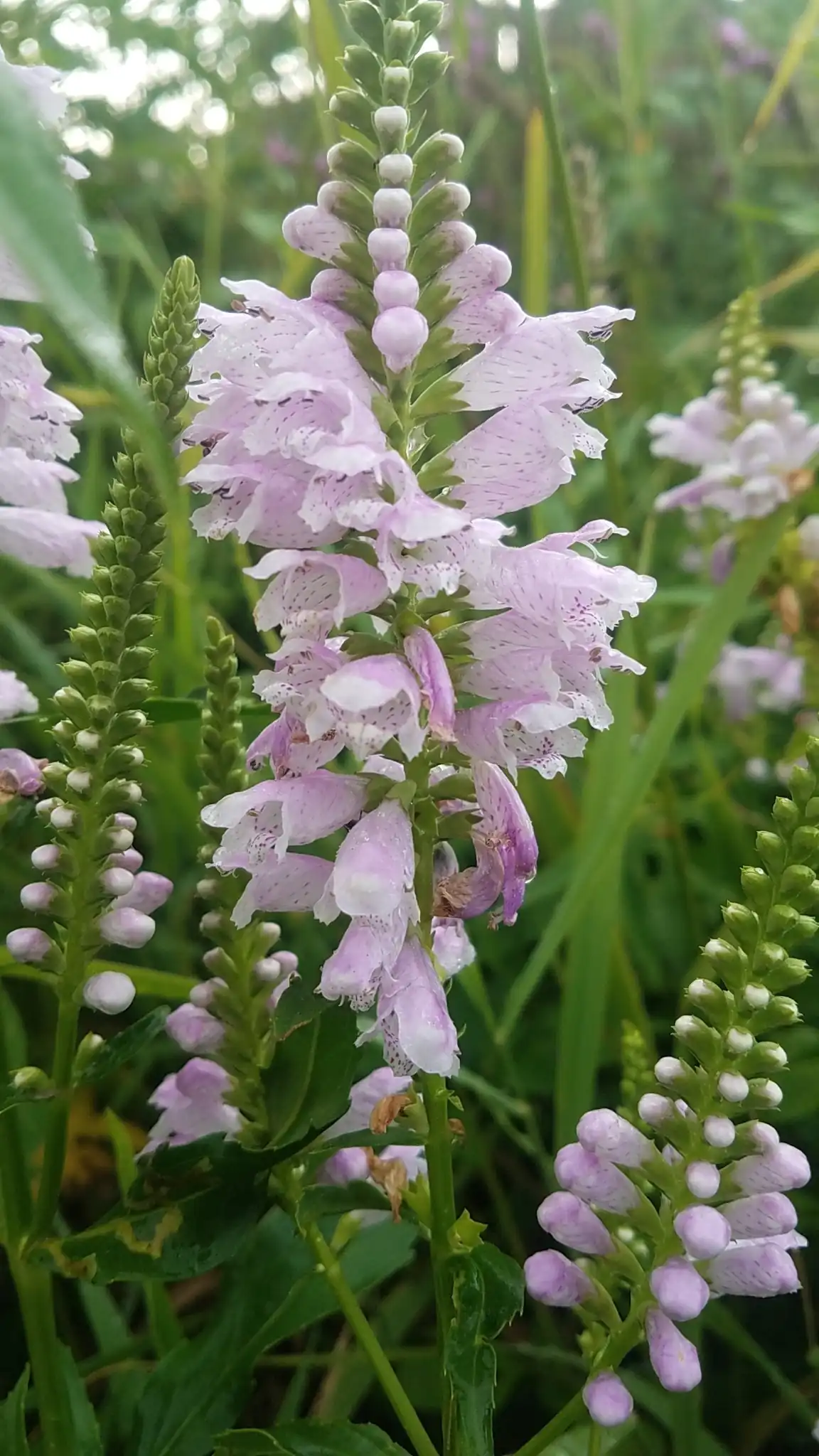
Obedient Plant
Physostegia virginiana
Keep exploring
Explore the genus
Grow Spring Obedient Plant with confidence
See it in a design of your actual yard, get zone-matched care reminders, and track it season by season in your garden journal.