The Story
Plant Bio
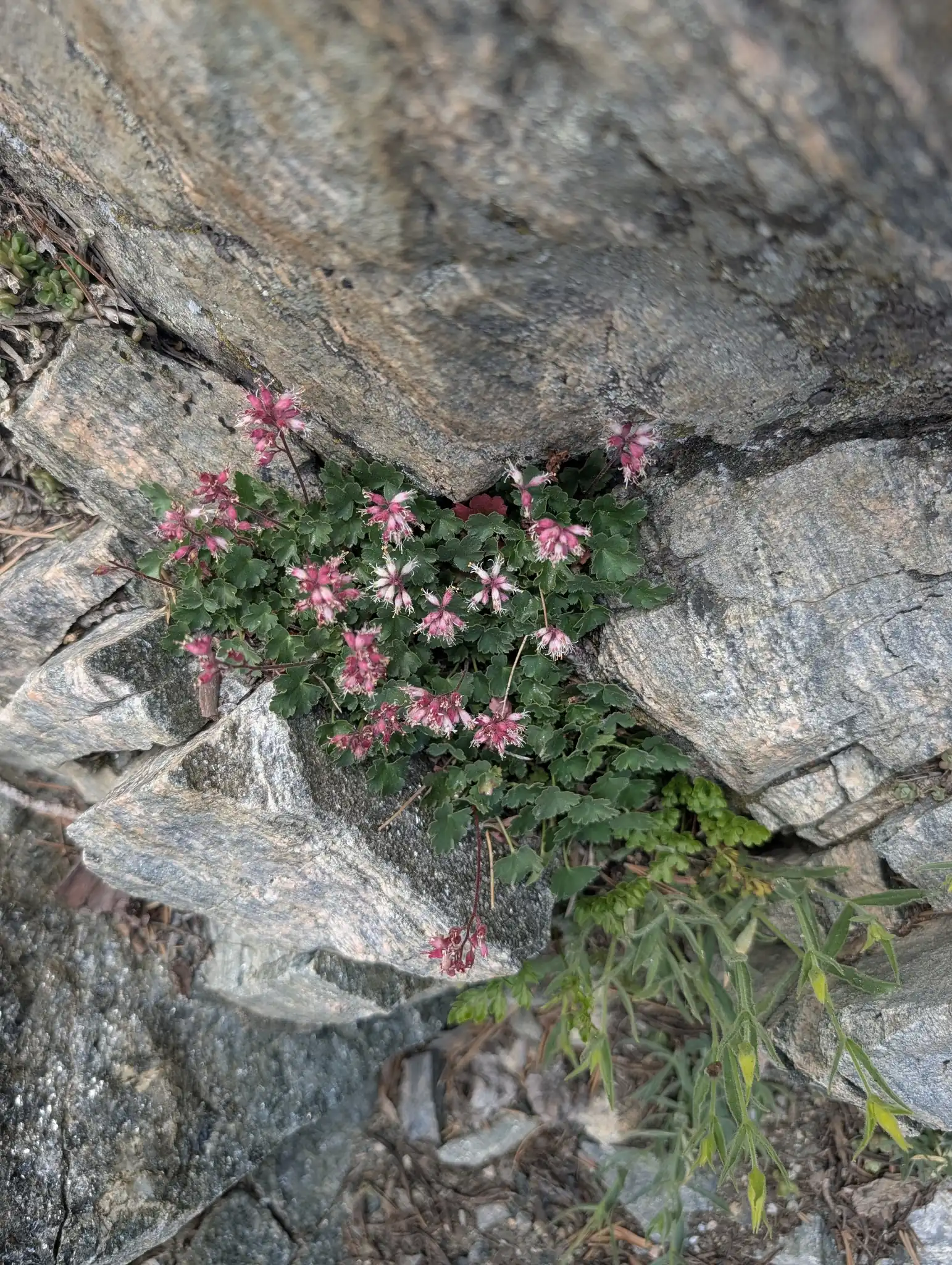
Heuchera parishii is a rhizomatous perennial alumroot forming a low patch of kidney-shaped, shallowly five-lobed leaves on slender petioles, with erect leafless stems rising above the foliage. The display comes from a narrow, dense, glandular-hairy panicle of small bell-shaped flowers with pink calyces and pink petals, opening in summer.
This is the Mill Creek alumroot, endemic to shaded rocky ground in yellow pine and red fir forest of the San Bernardino Mountains at 4900 to 12500 feet, where it makes a small foliage patch with flowering stems to about sixteen inches. Unlike the large hybrid coral bells in trade, it keeps salmon-pink to reddish bells with green-tipped calyces on a narrow bilateral panicle and needs lean rocky drainage with the crown held clear of wet soil.
Uses & Benefits:
Essentials
At a Glance
Plant Type
Perennial
Height
11"
Width
8"
Light
Full Sun, Partial Sun, Shade
Zones
5, 6, 7, 8
Water
Medium
Humidity
Unknown
Lifespan
Perennial
Native To
California, San Bernardino Mountains
Toxicity
Unknown
Bloom period
Early summer – Late summer
In flower about 3 months of the year
Planting
How to Grow
- Plant in part shade in humusy, organically rich yet sharply drained rocky soil with the crown set just above the surface.
- Water to keep medium moisture through growth; let the surface dry between waterings and never leave water standing at the crown.
- Top-dress lightly with leaf mold in spring; avoid heavy fertilizer and heavy clay.
- Remove spent flower stems after bloom and tidy dead leaves without burying the crown.
Pro Tip
Plant with the crown sitting just above the soil line in humusy, sharply drained rocky soil and water to medium moisture only; burial or constant wet at the crown rots it faster than drought will.
Keep It Thriving
Care Guide
Do
- Keep the crown above the soil line and the soil sharply drained.
- Give part shade, especially from hot afternoon sun.
- Remove rusted leaves promptly and keep air moving around the patch.
Don't
- Do not bury the crown or mulch against it.
- Do not overwater or plant in heavy clay that stays wet.
- Do not wild-collect; buy only nursery-propagated plants.
Seasonal Care Calendar
| Task | Jan | Feb | Mar | Apr | May | Jun | Jul | Aug | Sep | Oct | Nov | Dec |
|---|---|---|---|---|---|---|---|---|---|---|---|---|
| Deadhead | ||||||||||||
| Mulch | ||||||||||||
| Pest Check | ||||||||||||
| Plant | ||||||||||||
| Spring Cleanup |
Watch Out For
Pests & Diseases
Common Pests
Common Diseases
In the Garden
Landscape Uses & Companions
Landscape Uses
Multiply
Propagation Methods
Good to Know
Common Questions
Parish's Alumroot questions
What zones can Parish's Alumroot grow in?
Parish's Alumroot is hardy in USDA Zones 5–8: in that range it survives winter in the ground. Colder than Zone 5, grow it in a container you can move to shelter for the winter, or as an annual. Warmer than Zone 8, winter isn't the problem: it prefers colder winters, and summer heat can shorten its life.
When does Parish's Alumroot bloom?
Parish's Alumroot typically blooms in summer. Exact timing shifts a week or two with your zone — Sow's bloom calendar maps it to your garden.
Does Parish's Alumroot need full sun?
Parish's Alumroot does best in full sun to part shade. In hot climates, afternoon shade keeps blooms fresher longer.
More Heuchera to compare
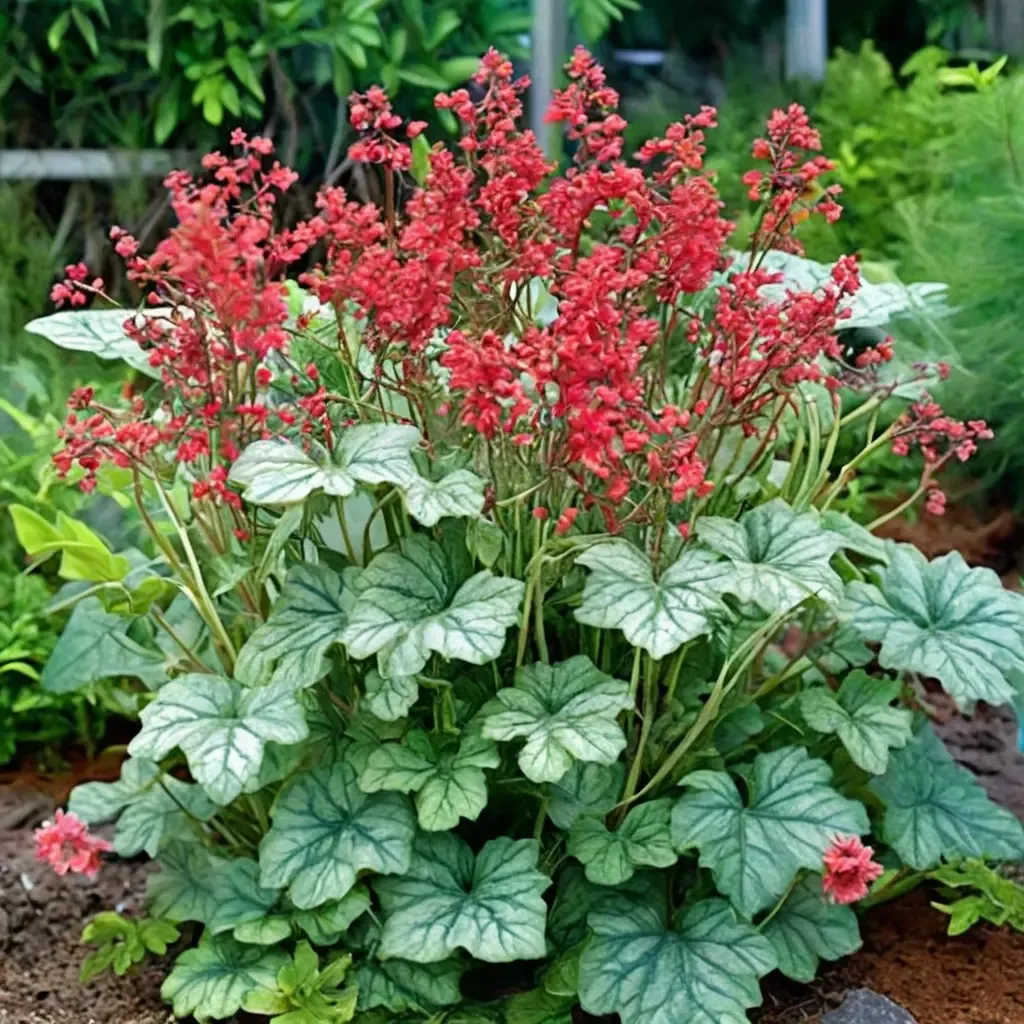
Mixed Coral Bells
Heuchera sanguinea 'Mixed Coral Bells'
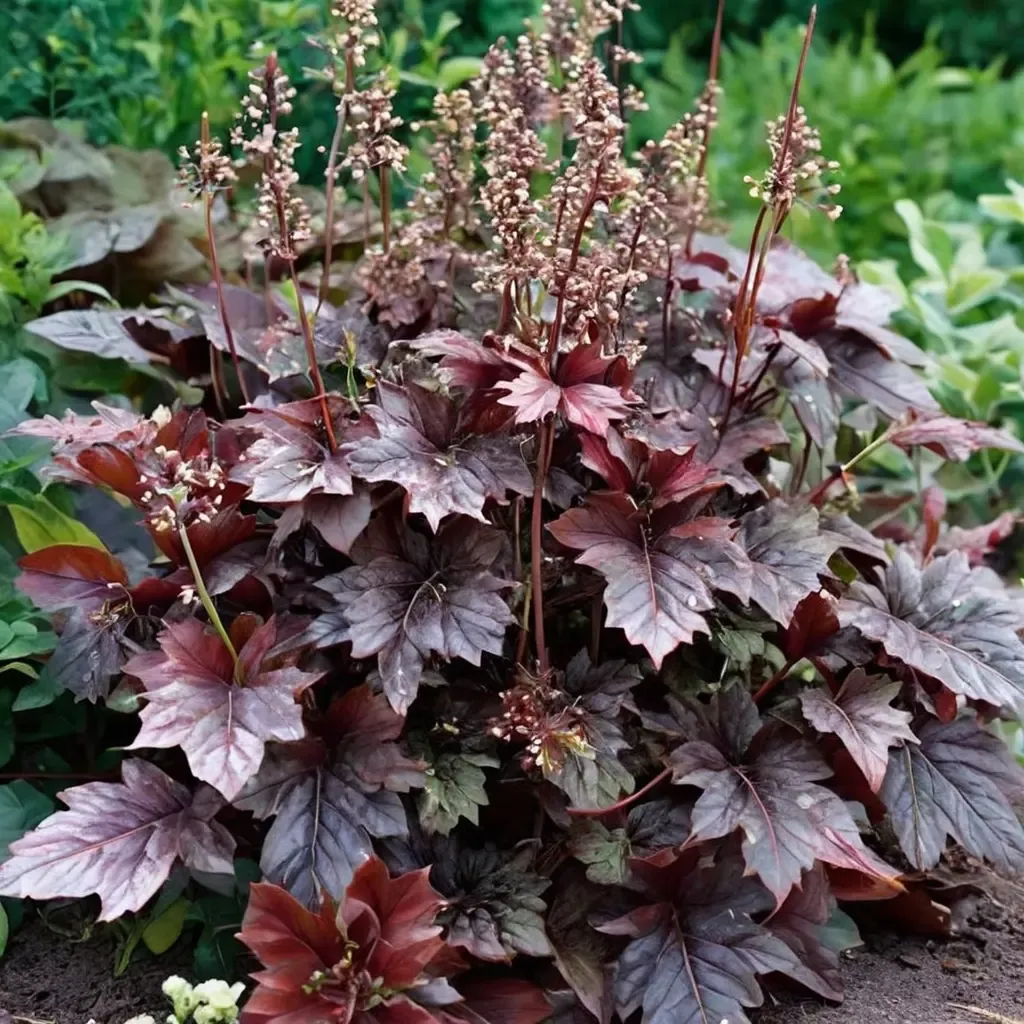
Palace Purple Coral Bells
Heuchera americana 'Palace Purple'
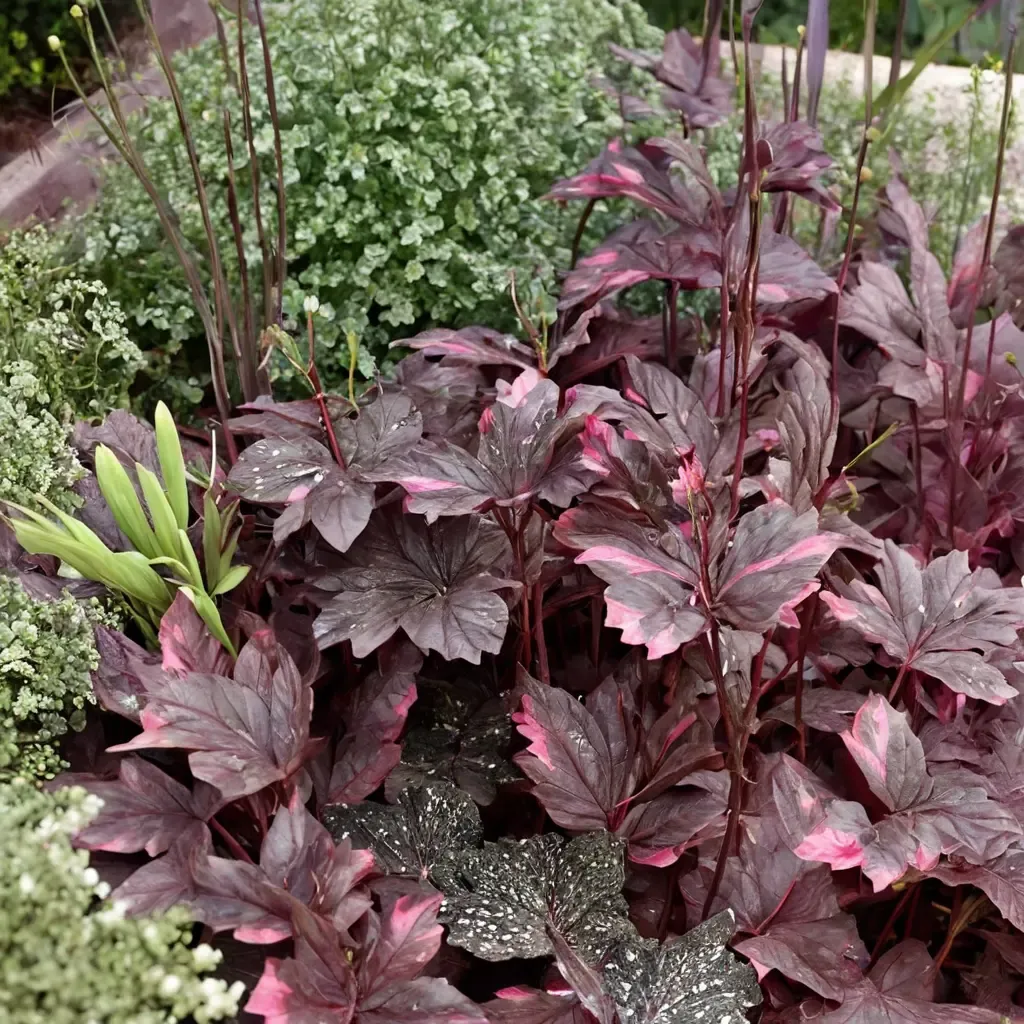
Midnight Rose Coral Bell
Heuchera x brizoides 'Midnight Rose'
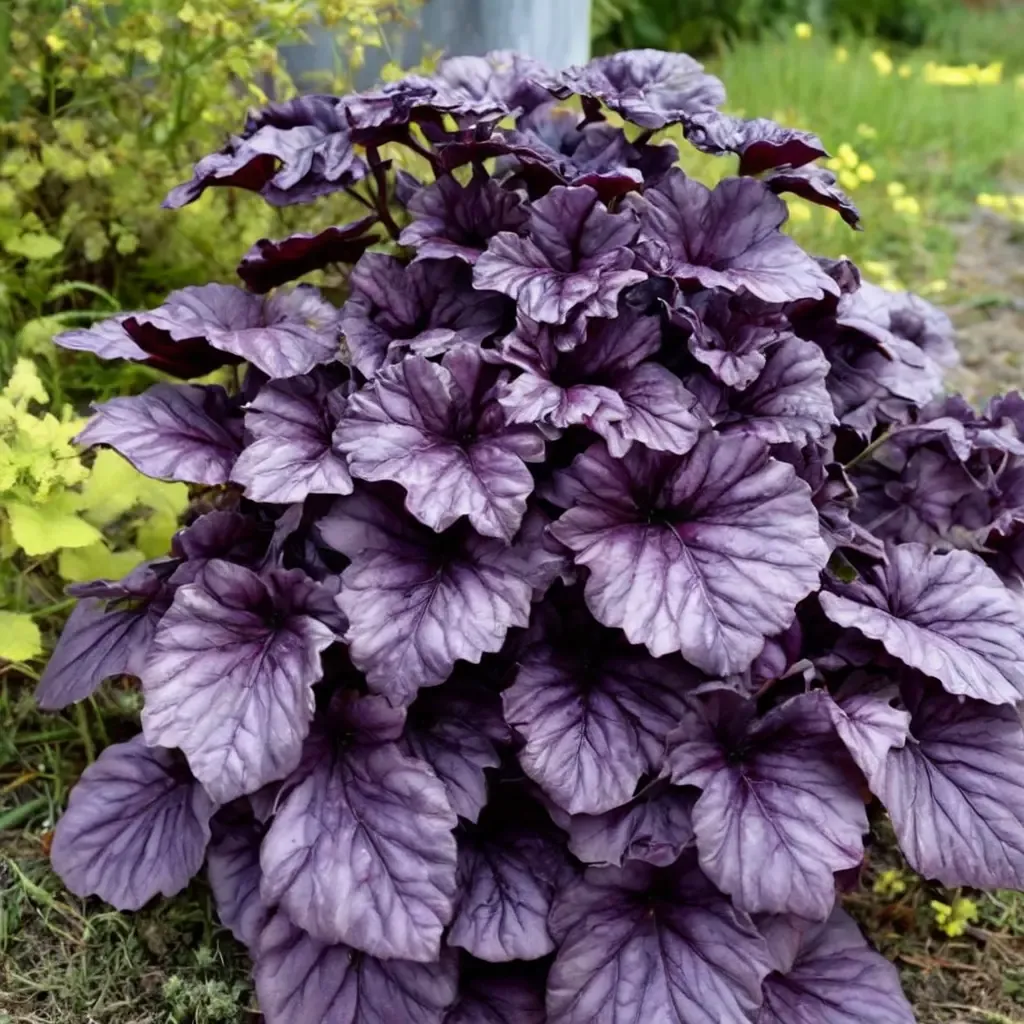
Wildberry Coral Bells
Heuchera x brizoides 'Wildberry'
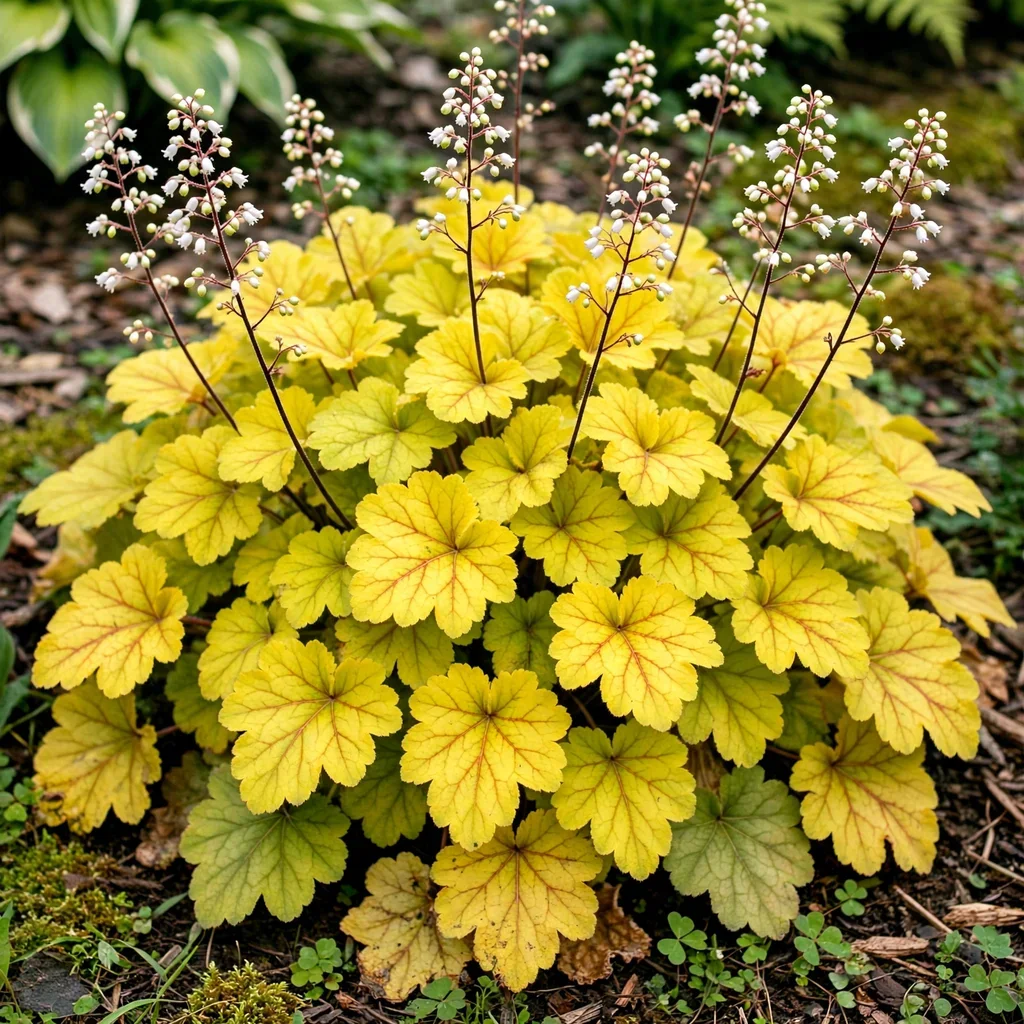
Electra Coral Bells
Heuchera sanguinea 'Electra'
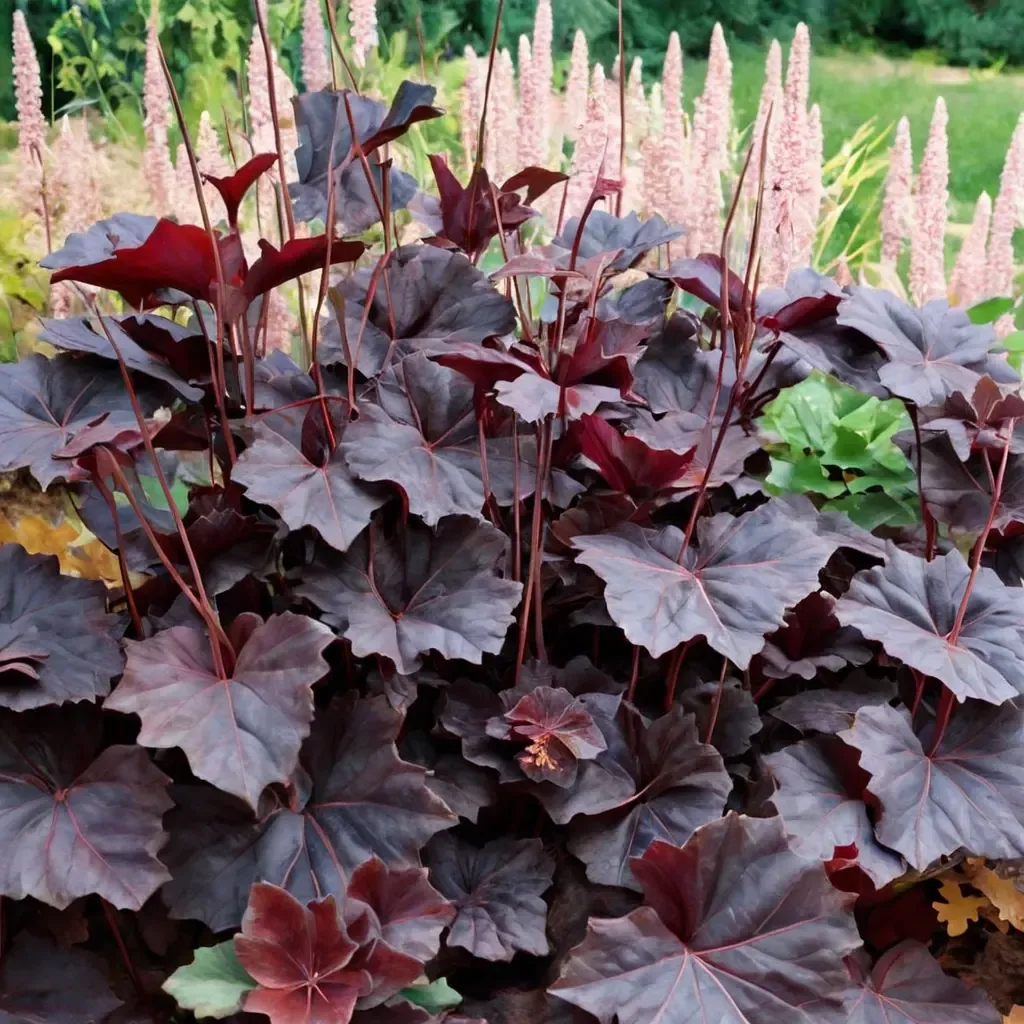
Obsidian Coral Bells
Heuchera villosa 'Obsidian'
Keep exploring
Explore the genus
Hardy in your zone?
Grow Parish's Alumroot with confidence
See it in a design of your actual yard, get zone-matched care reminders, and track it season by season in your garden journal.