The Story
Plant Bio
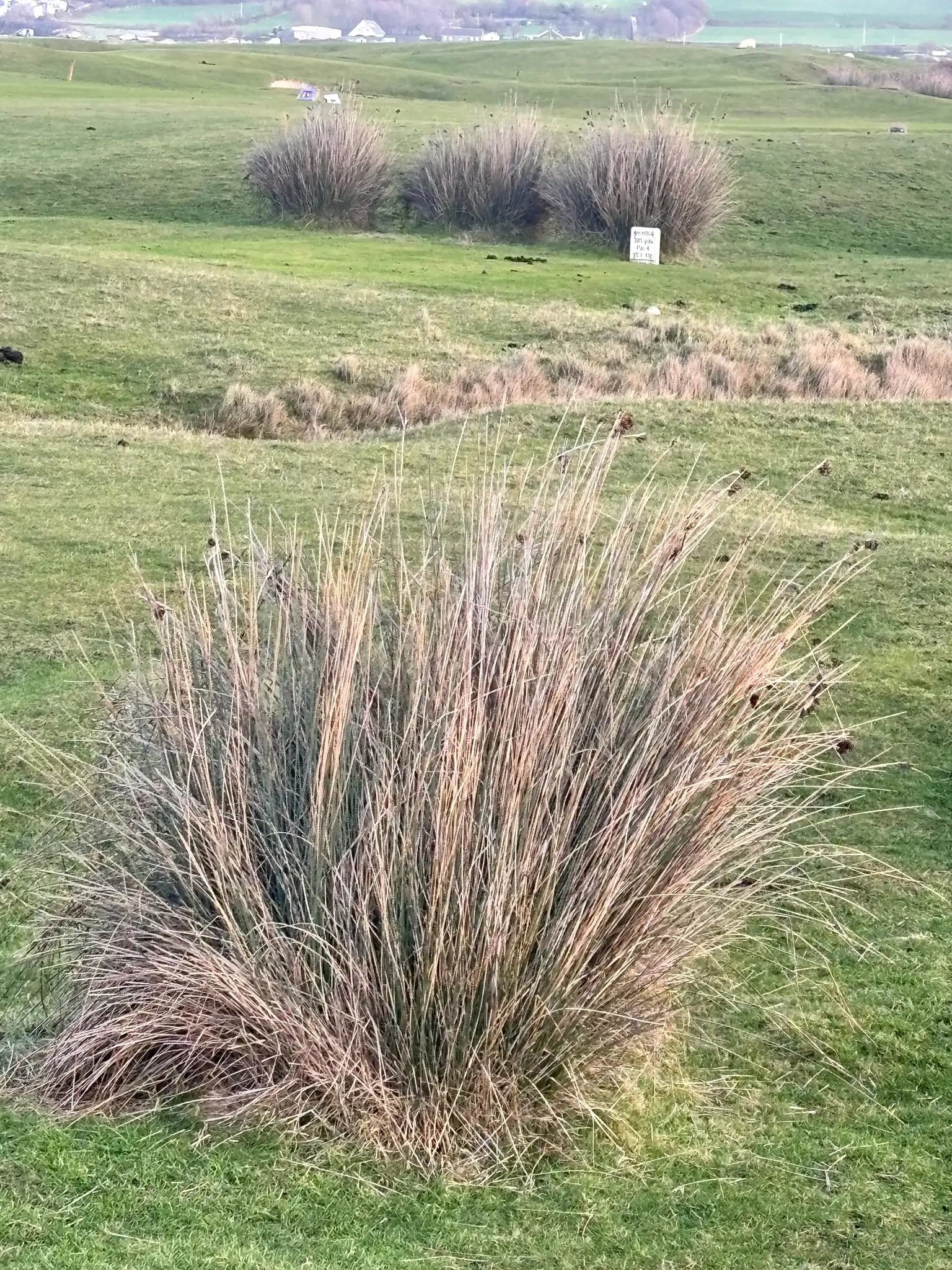
Juncus acutus, commonly known as spiny rush, is a rhizomatous perennial rush native to coastal and wetland areas across southwestern North America, Europe, and the Mediterranean. It forms dense, hemispherical tussocks of stiff, needle-like stems that bear diffuse clusters of dark chestnut-brown flowers in spring and summer.
The cylindrical stems terminate in stiff, needle-sharp points capable of puncturing skin, acting as a natural physical barrier against browsing animals. Its strong tolerance for heavy clay, extreme salinity, and seasonal waterlogging makes it valuable for stabilizing coastal shorelines and brackish wetlands.
Uses & Benefits:
Essentials
At a Glance
Plant Type
Grass
Height
63"
Width
79"
Light
Full Sun, Partial Sun
Zones
7, 8, 9, 10
Water
Medium to High
Humidity
Moderate to High
Lifespan
Perennial
Native To
North America, Europe, Africa, Asia
Toxicity
Non-toxic (Physical hazard)
Bloom period
Spring – Summer
In flower about 6 months of the year
Planting
How to Grow
- Select a site in full sun to partial shade with moist, poorly drained, or brackish soil.
- Space plants 3 to 5 feet apart, positioning them well away from walkways and play areas.
- Plant plugs or potted stock at the same soil depth as their container and water thoroughly to settle.
- Maintain high soil moisture during the first season until roots establish fully.
Pro Tip
Do not shear clumps to the ground annually like soft ornamental grasses; trim only dead or damaged outer stems at the base to avoid weakening the rootstock.
Keep It Thriving
Care Guide
Do
- Wear heavy leather gloves and protective eyewear when trimming near the sharp stem tips.
- Plant in rain gardens, swales, or coastal margins where soil remains consistently damp.
- Allow persistent seed heads to remain for wildlife cover through winter.
Don't
- Do not shear established clumps back to the soil line, as complete defoliation severely stresses the plant.
- Do not plant near paths, patios, or areas accessed by children and pets.
- Do not apply heavy nitrogen fertilizers, which encourage weak and floppy stem growth.
Seasonal Care Calendar
| Task | Jan | Feb | Mar | Apr | May | Jun | Jul | Aug | Sep | Oct | Nov | Dec |
|---|---|---|---|---|---|---|---|---|---|---|---|---|
| Pest Check | ||||||||||||
| Plant | ||||||||||||
| Prune | ||||||||||||
| Spring Cleanup |
Watch Out For
Pests & Diseases
Common Pests
Common Diseases
In the Garden
Landscape Uses & Companions
Landscape Uses
Multiply
Propagation Methods
Good to Know
Common Questions
Spiny Rush questions
What zones can Spiny Rush grow in?
Spiny Rush is hardy in USDA Zones 7–10: in that range it survives winter in the ground. Colder than Zone 7, grow it in a container you can move to shelter for the winter, or as an annual.
Is Spiny Rush deer resistant?
Yes — Spiny Rush is rated deer-resistant. Deer typically pass it over, though extreme hunger can override any plant's defenses.
When does Spiny Rush bloom?
Spiny Rush typically blooms from spring to summer. Exact timing shifts a week or two with your zone — Sow's bloom calendar maps it to your garden.
Does Spiny Rush need full sun?
Spiny Rush does best in full sun to part shade. In hot climates, afternoon shade keeps blooms fresher longer.
Is Spiny Rush drought tolerant?
Yes — once established (usually after the first full season), Spiny Rush handles dry spells with minimal watering. Water deeply its first year to build the root system that makes that possible.
More Juncus to compare
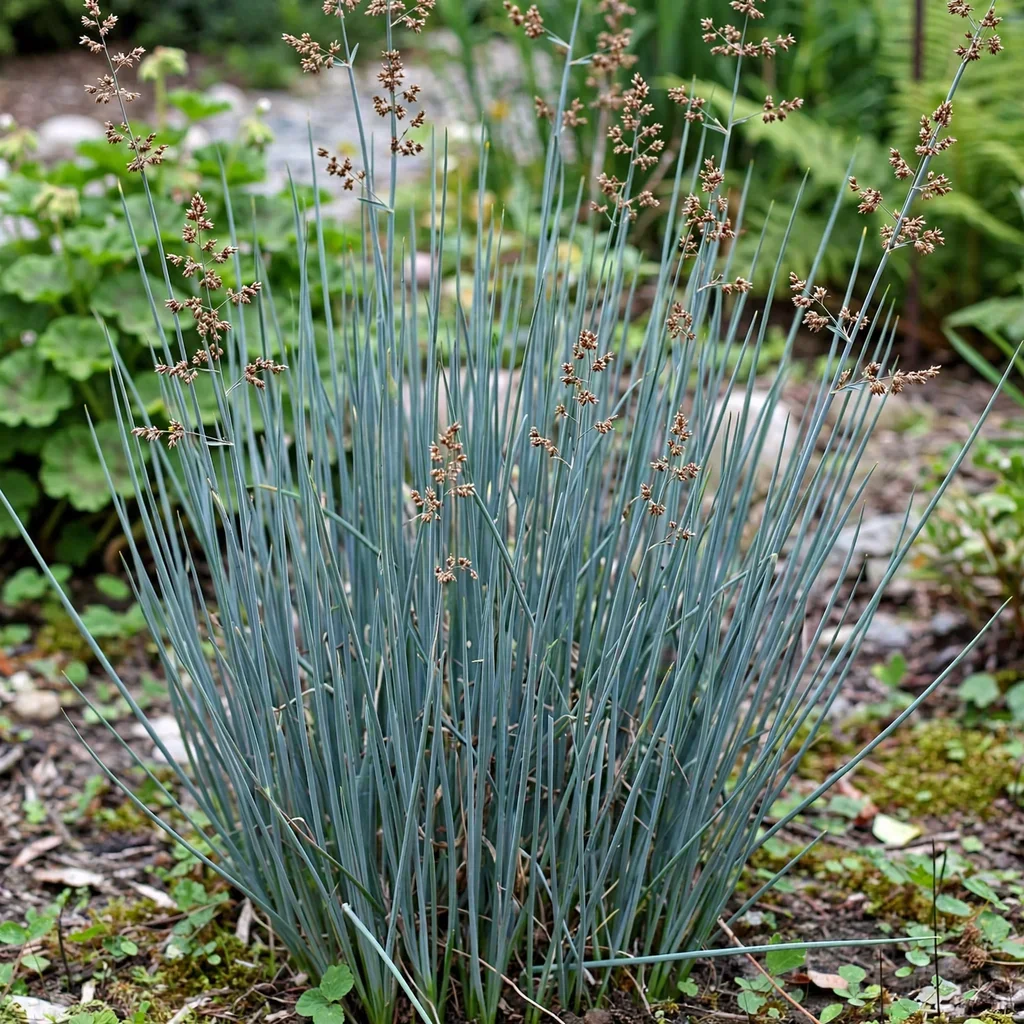
Blue Arrows Soft Rush
Juncus effusus 'Blue Arrows'
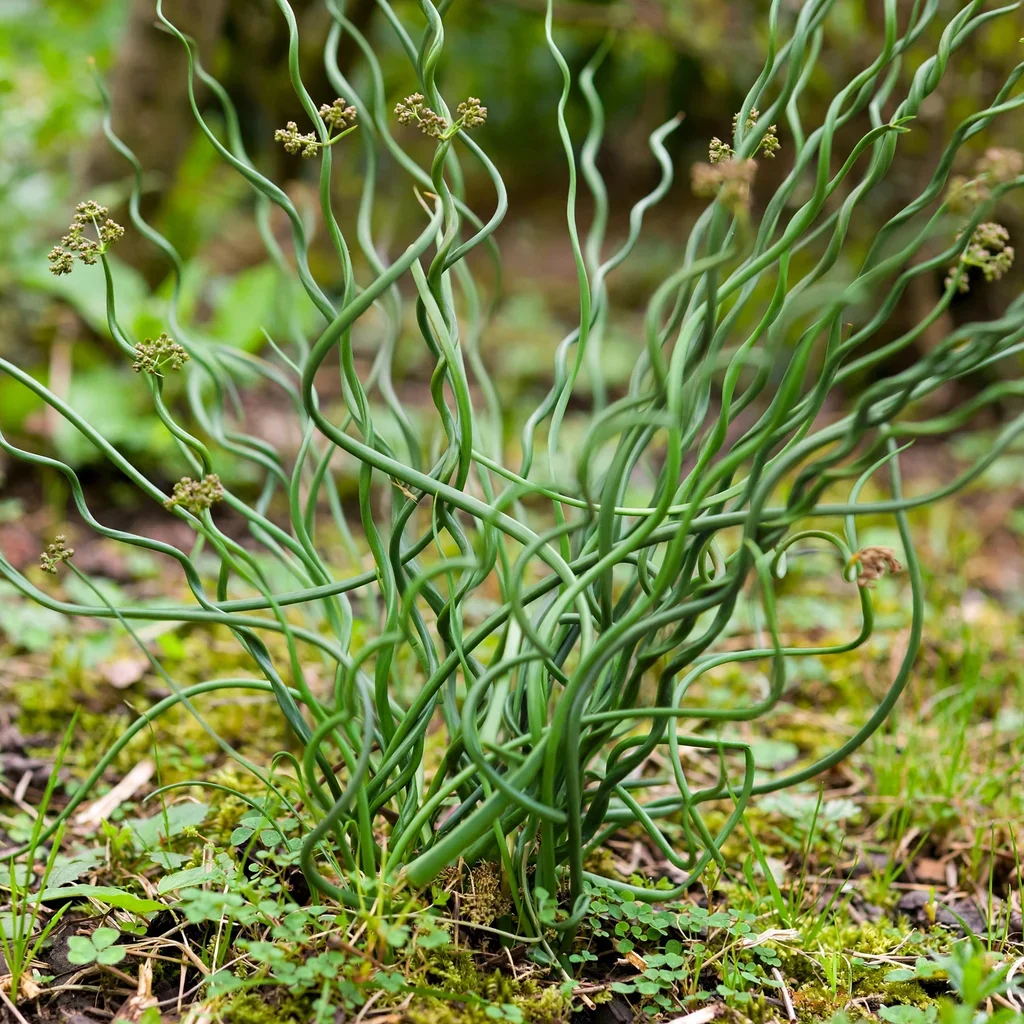
Spiralis Corkscrew Rush
Juncus compactus 'Spiralis'
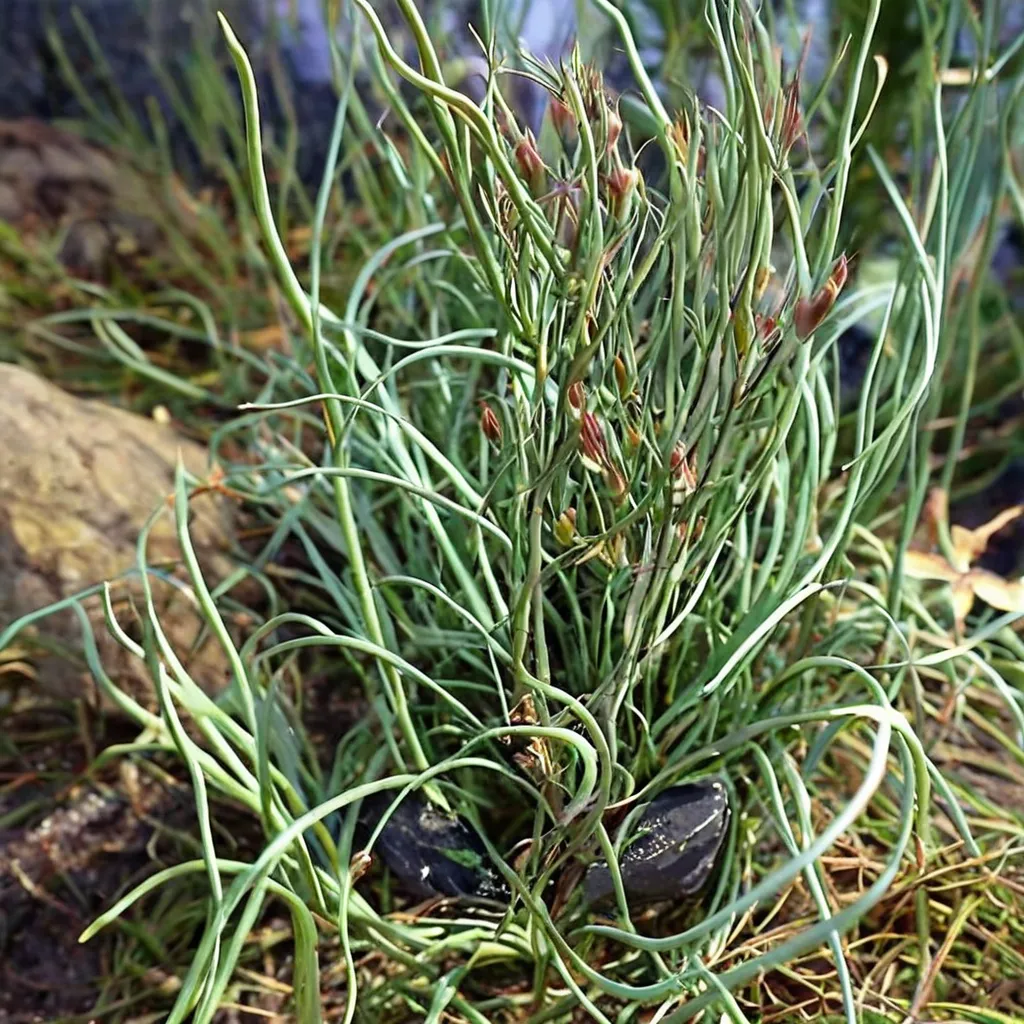
Blue Arrows Rush
Juncus inflexus 'Afro'
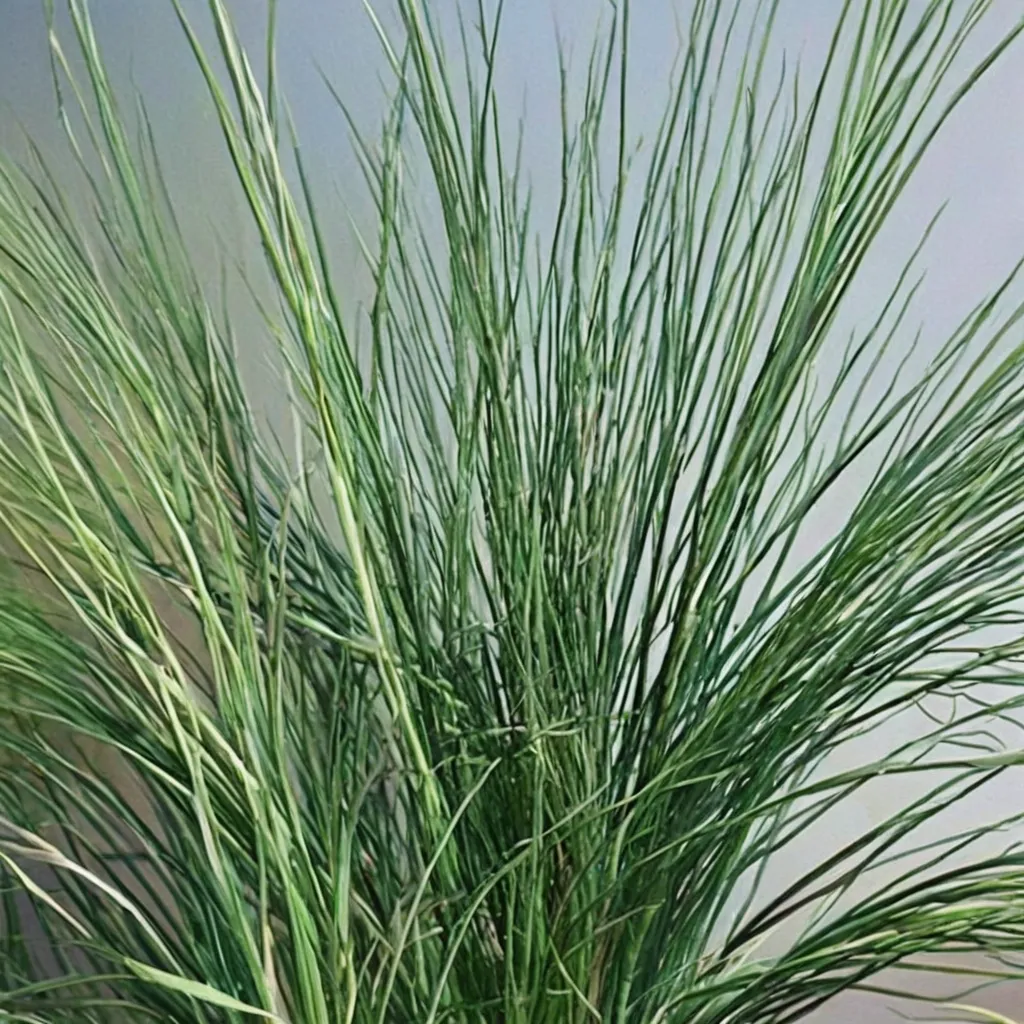
Blue Rush
Juncus inflexus 'Lovesick Blues'
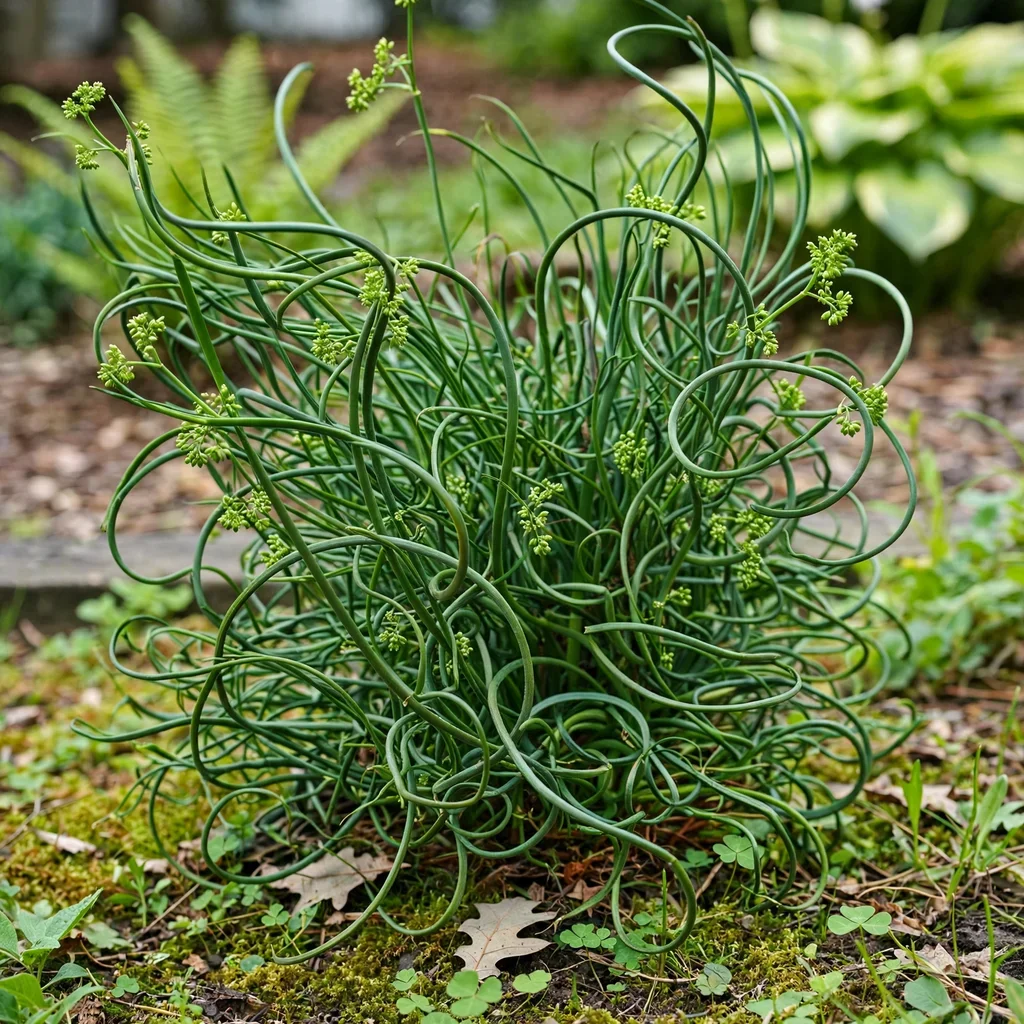
Big Twister Soft Rush
Juncus effusus 'Big Twister'
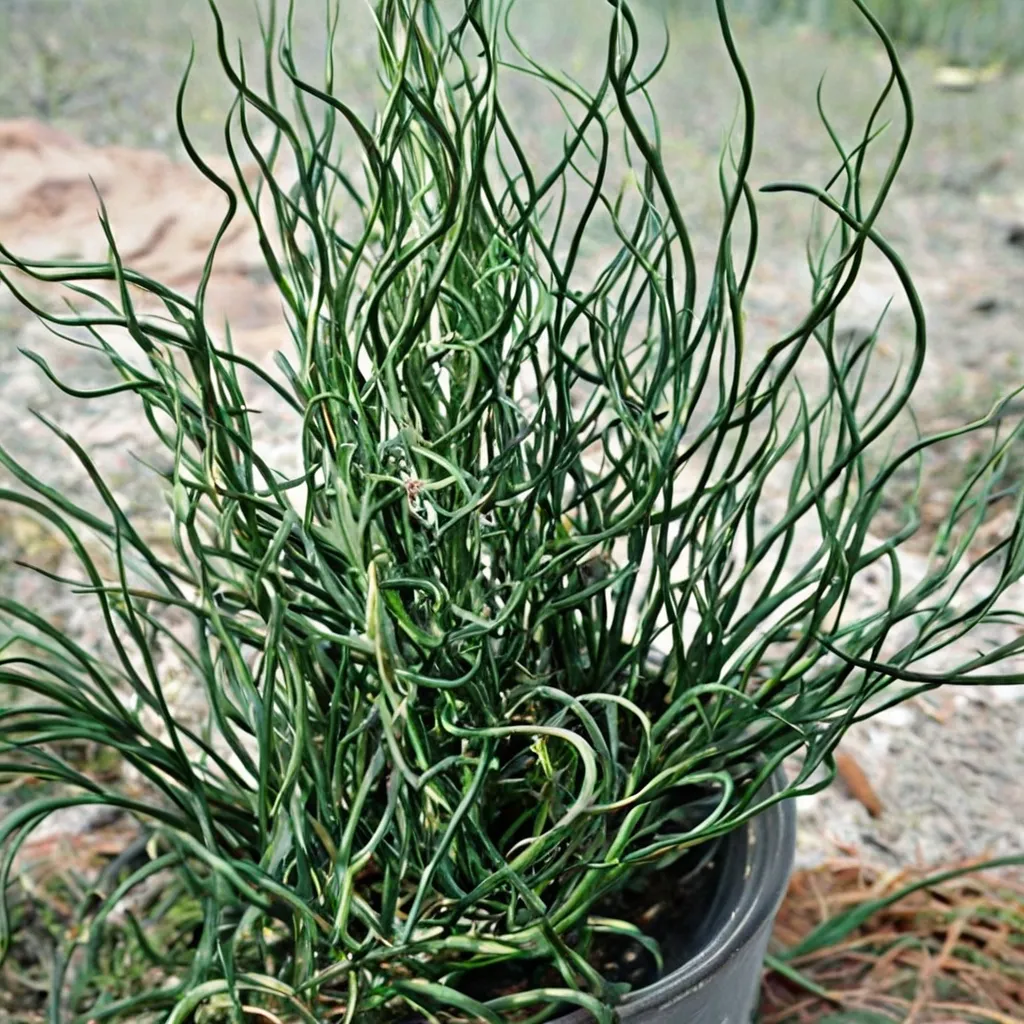
Curly Wurly Corkscrew Rush
Juncus effusus 'Curly Wurly'
Keep exploring
Explore the genus
Hardy in your zone?
Grow Spiny Rush with confidence
See it in a design of your actual yard, get zone-matched care reminders, and track it season by season in your garden journal.