The Story
Plant Bio
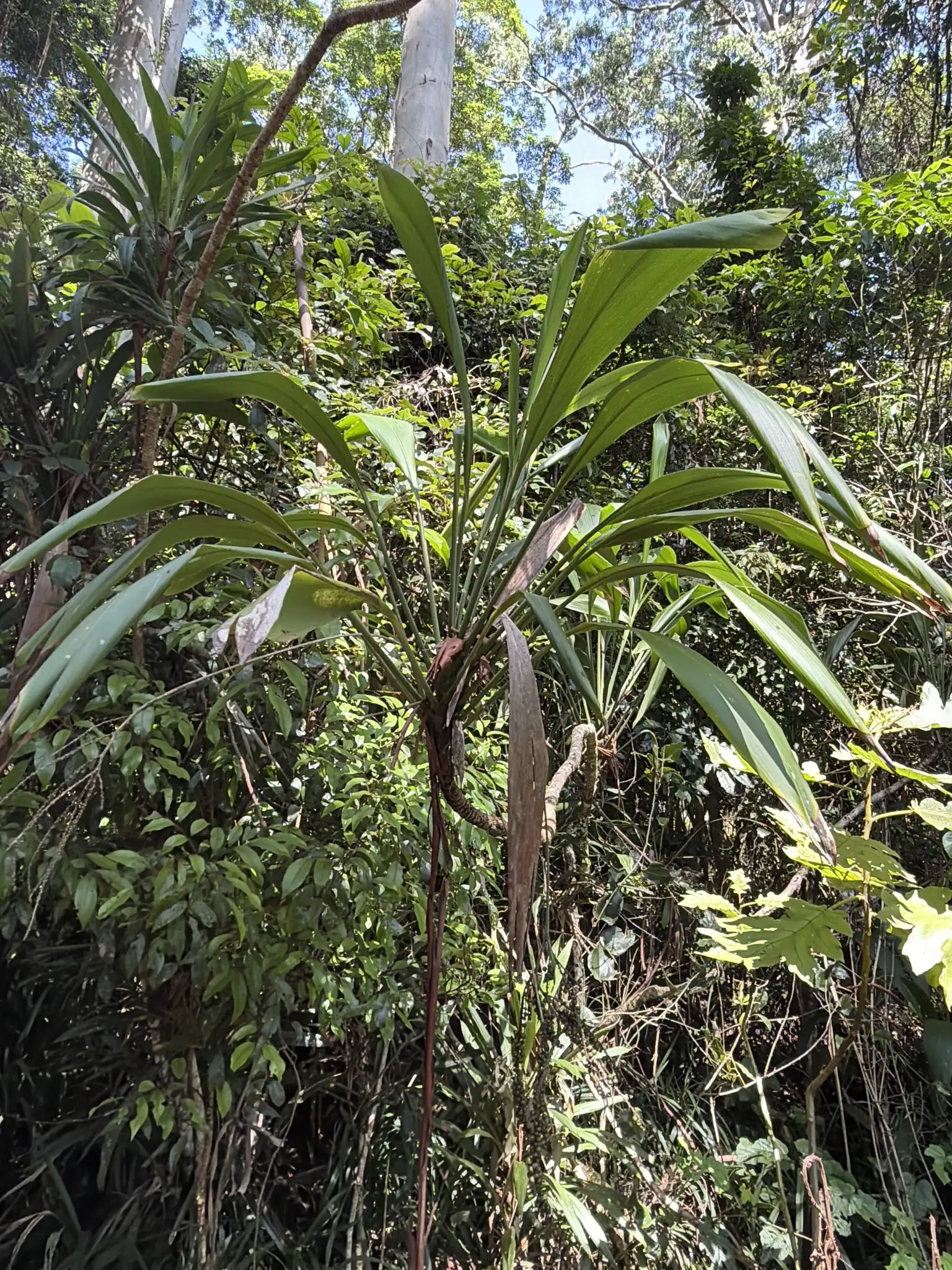
Cordyline petiolaris is an upright, palm-like evergreen shrub native to coastal rainforest understories of eastern Australia. It forms single or multi-stemmed woody canes ten to sixteen feet tall topped with loose, lush rosettes of glossy green foliage.
This species is distinguished by its broad leaf blades that narrow into long, distinctly inrolled tubular petioles and feature irregularly frayed or toothed tips. In late winter and spring, pendulous panicles of sweet-scented white to lilac flowers appear, followed by round red berries.
Uses & Benefits:
Essentials
At a Glance
Plant Type
Tropical
Height
157"
Width
78"
Light
Partial Sun, Shade
Zones
9, 10
Water
Moderate
Humidity
High
Lifespan
Perennial
Native To
Australia
Toxicity
Non-toxic
Bloom period
Late winter – Spring
In flower about 4 months of the year
Planting
How to Grow
- Select a container with bottom drainage holes and fill it with a well-draining, humus-rich potting mix.
- Place the pot in bright indirect light or filtered shade, avoiding harsh direct sun exposure.
- Water thoroughly whenever the top inch of soil dries out, letting excess moisture drain completely.
- Maintain warm temperatures above 50°F and feed lightly with a balanced liquid fertilizer during active spring growth.
Pro Tip
Never prune into bare, leafless woody stems; older trunks lack dormant buds and will fail to regenerate new foliage if cut back.
Keep It Thriving
Care Guide
Do
- Keep soil consistently moist but free of standing water.
- Provide high humidity using a room humidifier or tray.
- Trim lower yellowing leaves cleanly at the base of the trunk.
Don't
- Do not prune into old bare canes lacking foliage.
- Do not let container pots sit in soggy drainage saucers.
- Do not expose plants to heavy or prolonged freezing weather.
Seasonal Care Calendar
| Task | Jan | Feb | Mar | Apr | May | Jun | Jul | Aug | Sep | Oct | Nov | Dec |
|---|---|---|---|---|---|---|---|---|---|---|---|---|
| Fertilize | ||||||||||||
| Pest Check | ||||||||||||
| Prune | ||||||||||||
| Winter Prep |
Watch Out For
Pests & Diseases
Common Pests
Common Diseases
In the Garden
Landscape Uses & Companions
Landscape Uses
Companion Plants
Multiply
Propagation Methods
Good to Know
Common Questions
Broad-leaved Palm Lily questions
What zones can Broad-leaved Palm Lily grow in?
Broad-leaved Palm Lily is hardy in USDA Zones 9–10: in that range it survives winter in the ground. Colder than Zone 9, grow it in a container you can move to shelter for the winter, or as an annual.
When does Broad-leaved Palm Lily bloom?
Broad-leaved Palm Lily typically blooms from late winter to late spring. Exact timing shifts a week or two with your zone — Sow's bloom calendar maps it to your garden.
Does Broad-leaved Palm Lily need full sun?
Broad-leaved Palm Lily does best in part shade.
Is Broad-leaved Palm Lily drought tolerant?
Yes — once established (usually after the first full season), Broad-leaved Palm Lily handles dry spells with minimal watering. Water deeply its first year to build the root system that makes that possible.
More Cordyline to compare
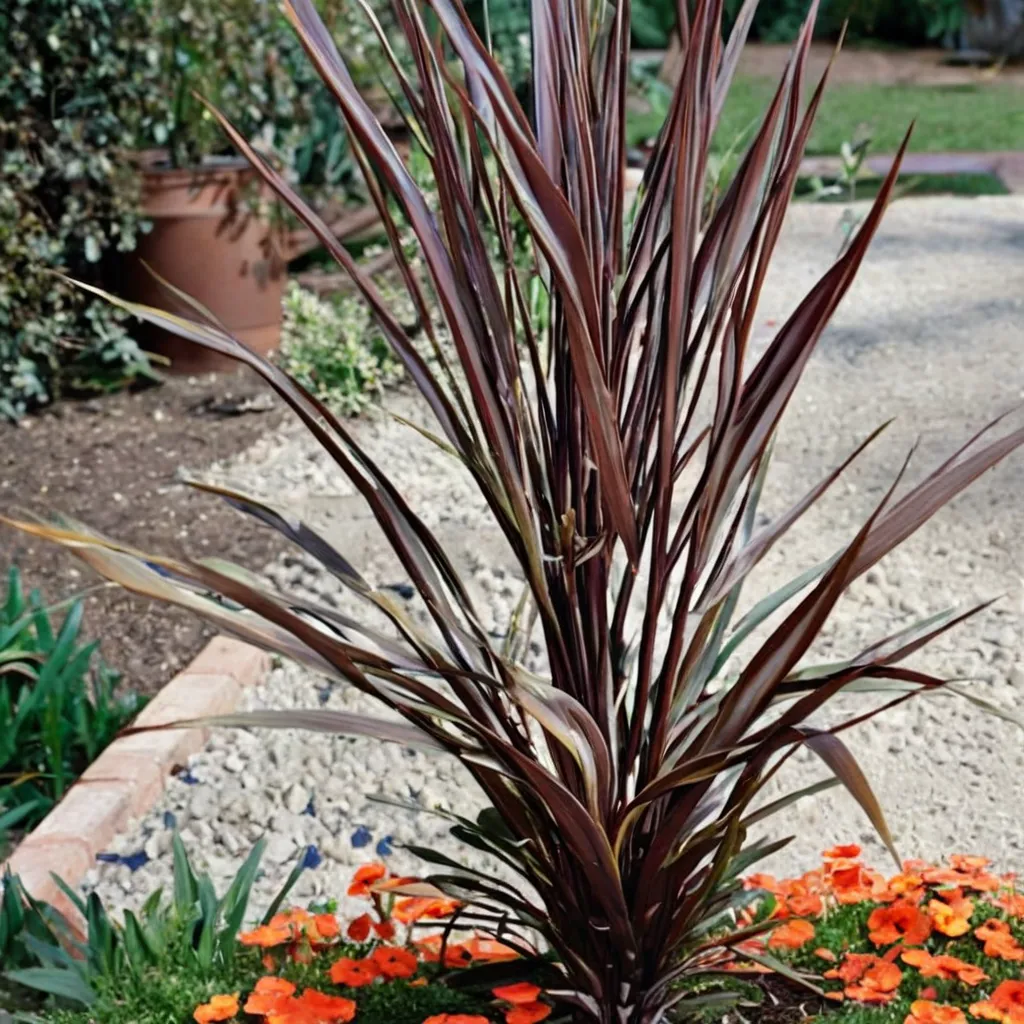
Red Sensation Cordyline
Cordyline australis 'Red Sensation'
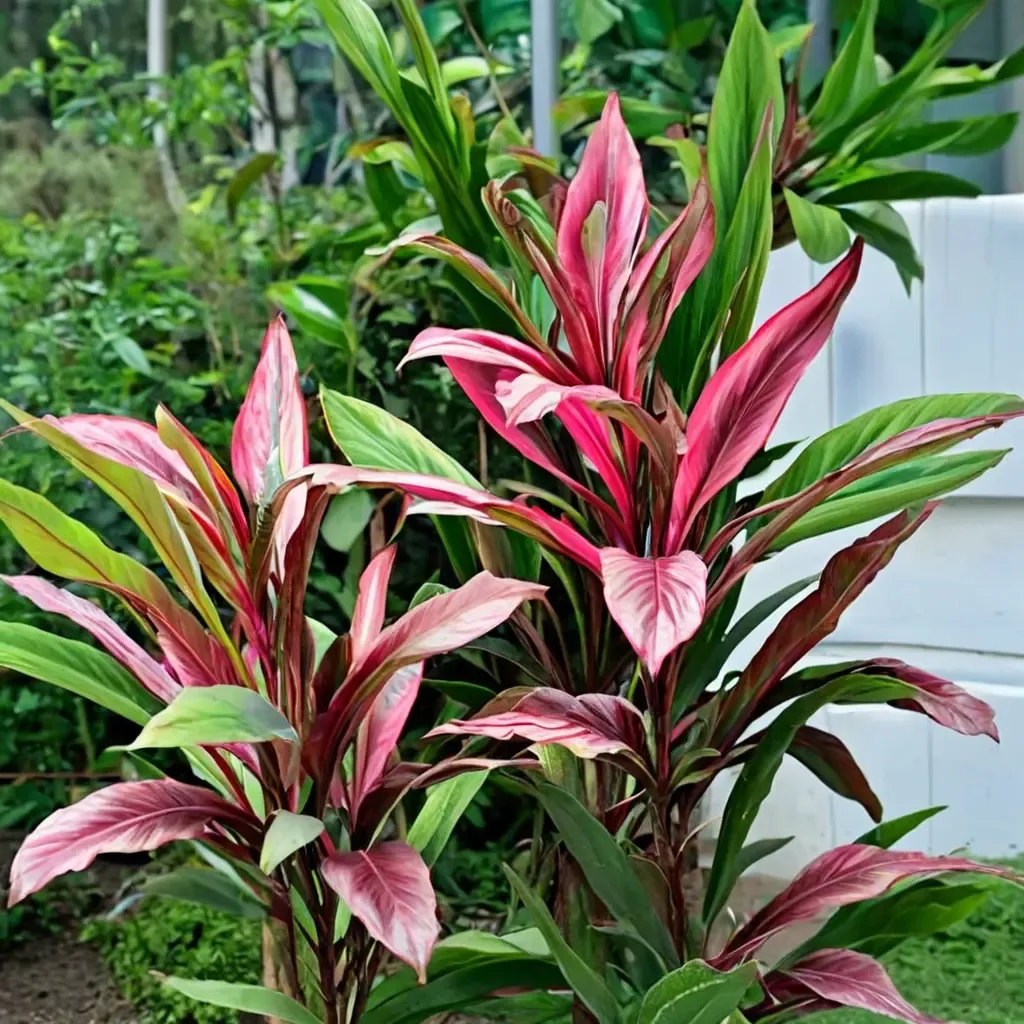
Can Can Cordyline
Cordyline fruticosa 'Can Can'
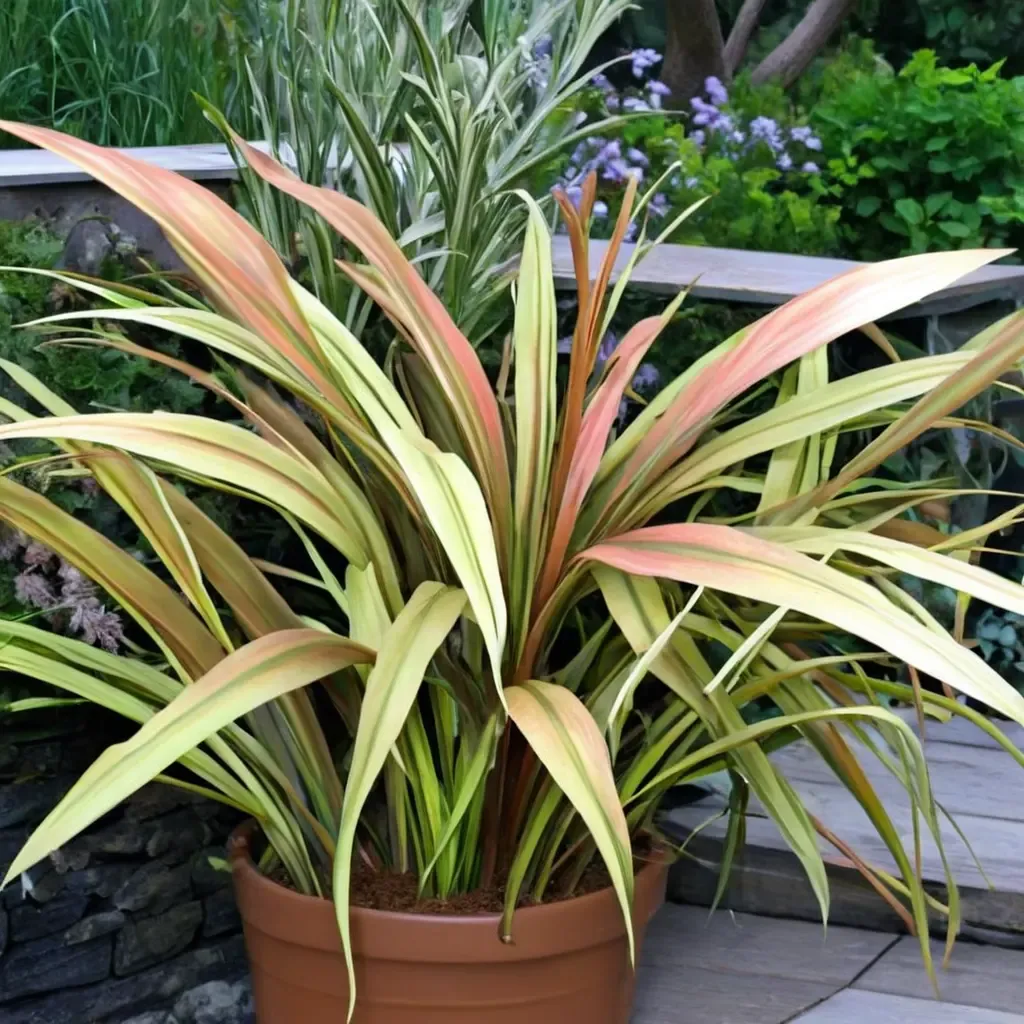
Cha Cha Ti Plant Cordyline Cha Cha
Cordyline fruticosa 'Cha Cha'
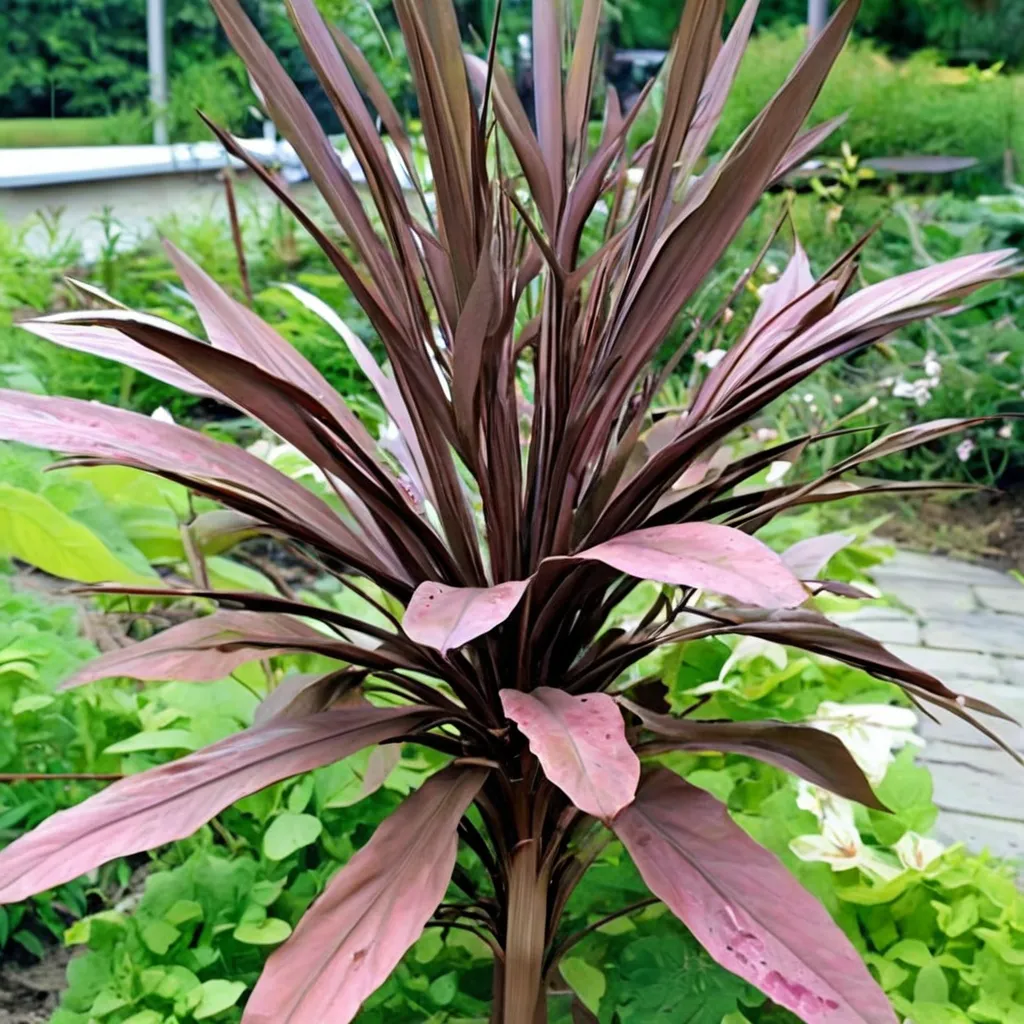
Purple Tower Cordyline
Cordyline australis 'Purple Tower'
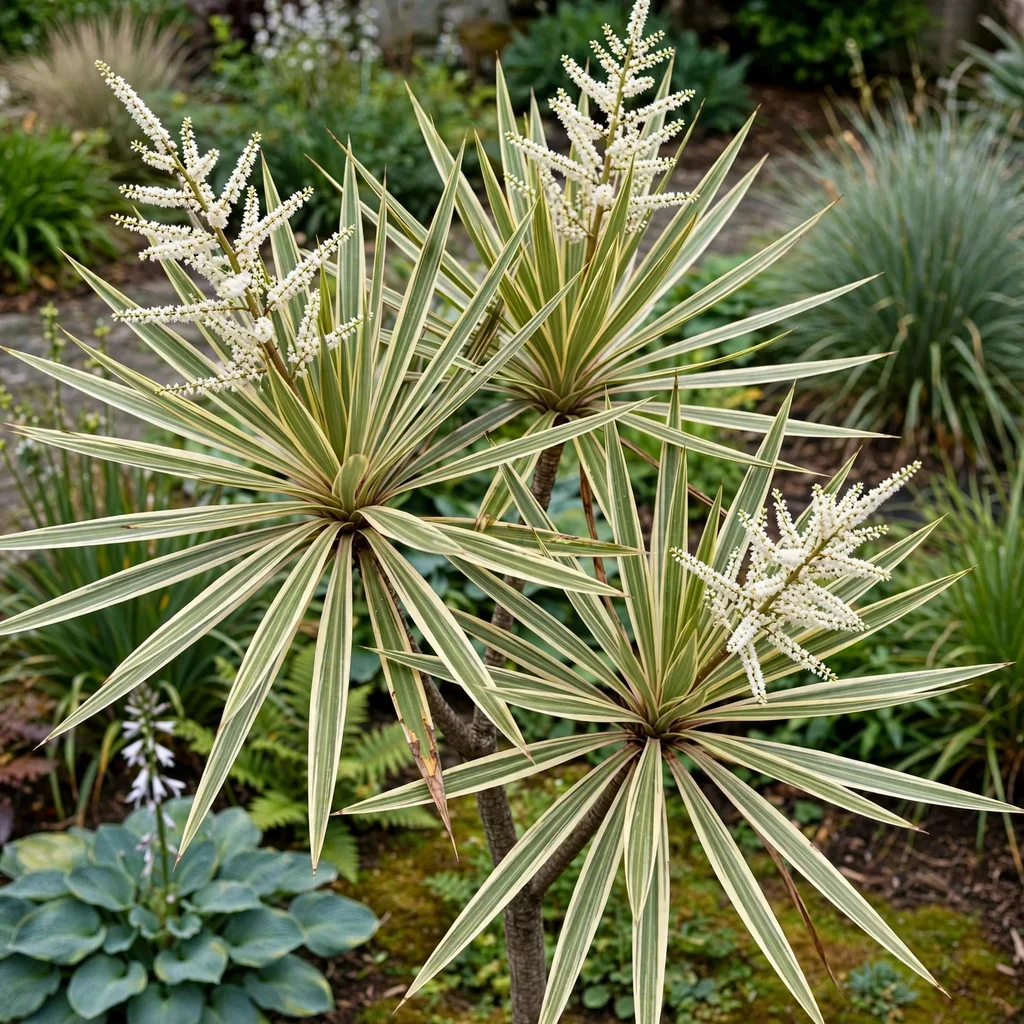
Alberti Cabbage Tree
Cordyline australis 'Alberti'
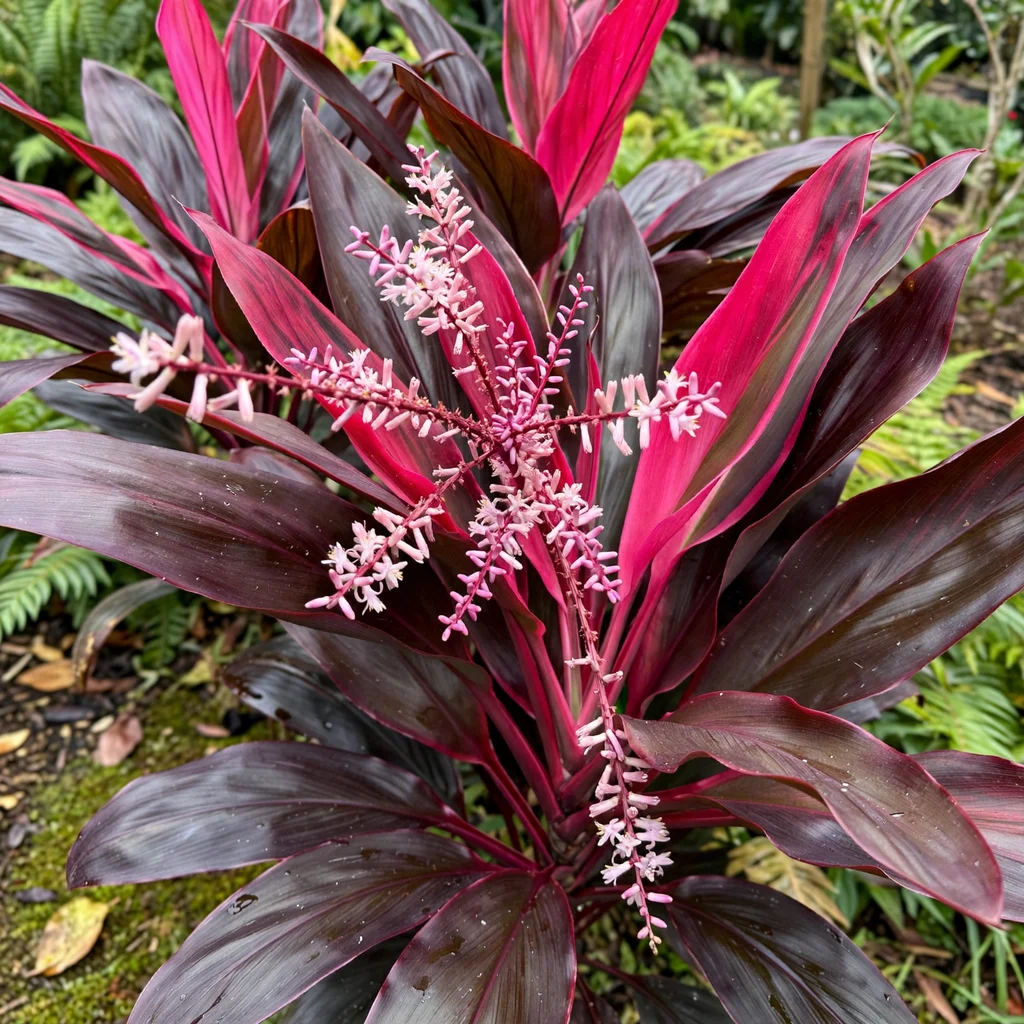
Ti Plant 'Rubra'
Cordyline fruticosa 'Rubra'
Keep exploring
Explore the genus
Hardy in your zone?
Grow Broad-leaved Palm Lily with confidence
See it in a design of your actual yard, get zone-matched care reminders, and track it season by season in your garden journal.