The Story
Plant Bio
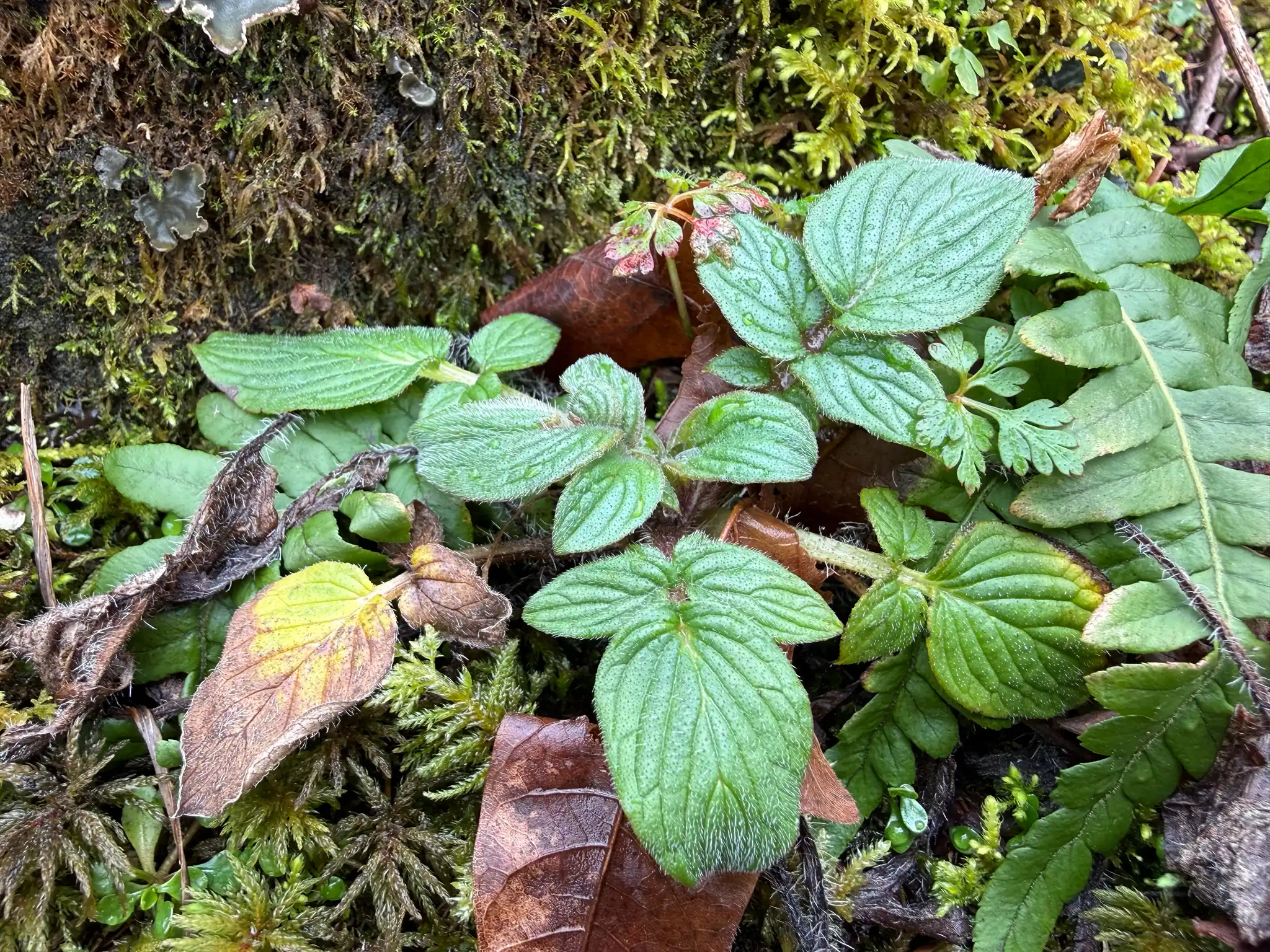
Phacelia nemoralis is an upright, densely hairy biennial or short-lived perennial herb native to woodland understories from Washington south to California. It forms basal clumps of coarsely textured compound leaves and erect stems bearing coiled, fiddleneck-shaped inflorescences of pale greenish-white flowers with long protruding stamens.
Unlike most sun-loving members of the genus that inhabit dry open terrain, this species is adapted specifically to partial and heavy shade. The foliage and stems are densely covered in stiff, glandular hairs that can cause mild skin irritation upon handling.
Uses & Benefits:
Essentials
At a Glance
Plant Type
Perennial
Height
35"
Width
24"
Light
Partial Sun, Shade
Zones
5, 6, 7, 8, 9
Water
Low to Moderate
Humidity
Moderate
Lifespan
Biennial or Short-lived Perennial
Native To
Western North America
Toxicity
Contact skin irritant
Bloom period
Spring – Summer
In flower about 6 months of the year
Planting
How to Grow
- Select a planting location in partial shade to deep shade with well-draining soil rich in organic matter.
- Sow seeds on the soil surface in fall or early spring, or plant nursery plugs spaced 12 to 18 inches apart.
- Water lightly to keep the soil moist during establishment, tapering off as deep root systems develop.
- Wear gloves when handling mature stems to protect skin from stiff, irritating foliage hairs.
Pro Tip
Plant in dappled or deep shade and avoid overwatering; wet winter soils induce crown rot.
Keep It Thriving
Care Guide
Do
- Provide partial to deep shade to protect foliage from sunscorch.
- Wear protective gloves when pruning or handling stems to prevent contact dermatitis.
- Ensure soil drains freely throughout winter to avoid crown rot.
Don't
- Do not plant in locations with baking all-day sun.
- Do not overwater established clumps growing in heavy clay.
- Do not apply heavy fertilizer, which leads to weak, flopping growth.
Seasonal Care Calendar
| Task | Jan | Feb | Mar | Apr | May | Jun | Jul | Aug | Sep | Oct | Nov | Dec |
|---|---|---|---|---|---|---|---|---|---|---|---|---|
| Mulch | ||||||||||||
| Plant | ||||||||||||
| Prune | ||||||||||||
| Spring Cleanup |
Watch Out For
Pests & Diseases
Common Pests
Common Diseases
In the Garden
Landscape Uses & Companions
Landscape Uses
Multiply
Propagation Methods
Good to Know
Common Questions
Shade Phacelia questions
What zones can Shade Phacelia grow in?
Shade Phacelia is hardy in USDA Zones 5–9: in that range it survives winter in the ground. Colder than Zone 5, grow it in a container you can move to shelter for the winter, or as an annual. Warmer than Zone 9, winter isn't the problem: it prefers colder winters, and summer heat can shorten its life.
Is Shade Phacelia deer resistant?
Not reliably. Deer may browse Shade Phacelia, especially tender spring growth — plan on repellents or fencing where pressure is high.
When does Shade Phacelia bloom?
Shade Phacelia typically blooms from spring to summer. Exact timing shifts a week or two with your zone — Sow's bloom calendar maps it to your garden.
Does Shade Phacelia need full sun?
Shade Phacelia does best in part shade.
Is Shade Phacelia drought tolerant?
Yes — once established (usually after the first full season), Shade Phacelia handles dry spells with minimal watering. Water deeply its first year to build the root system that makes that possible.
More Phacelia to compare
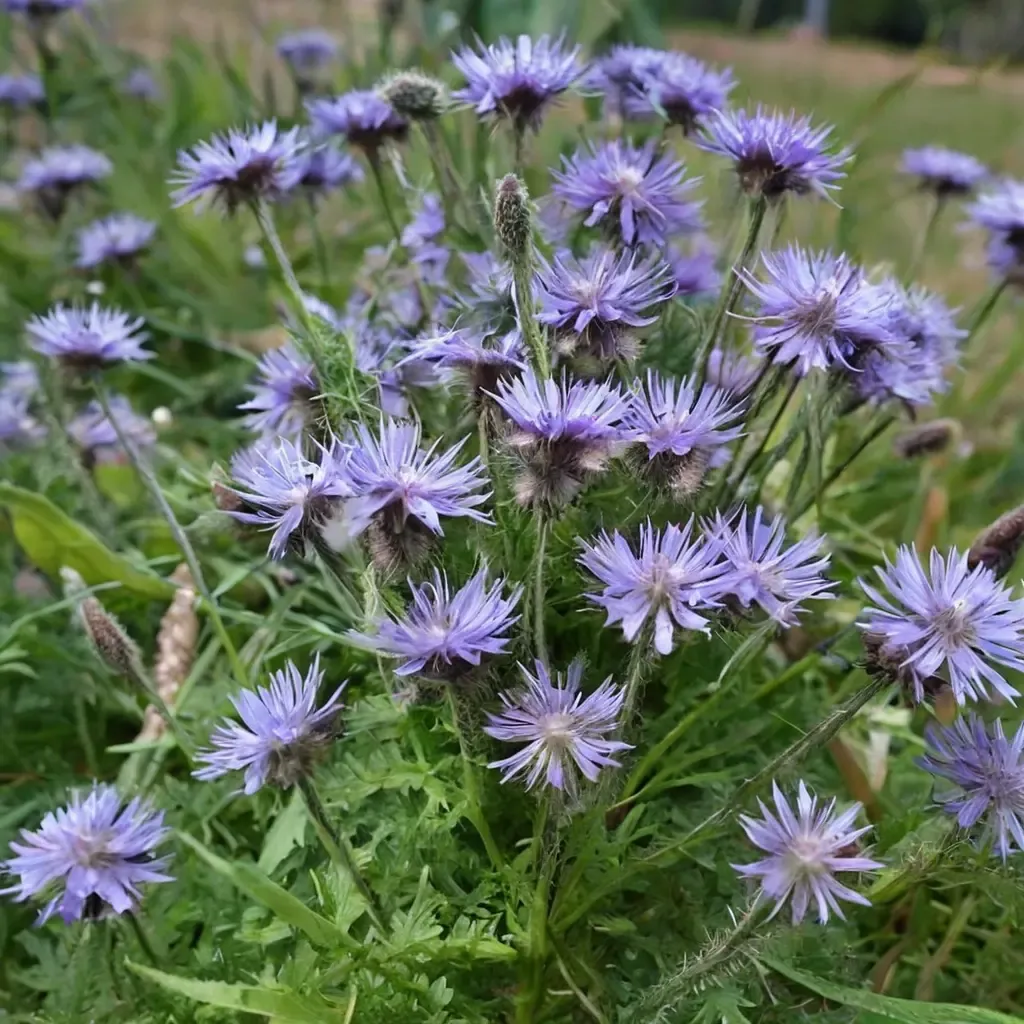
Lacy phacelia Bluebell phacelia
Phacelia tanacetifolia
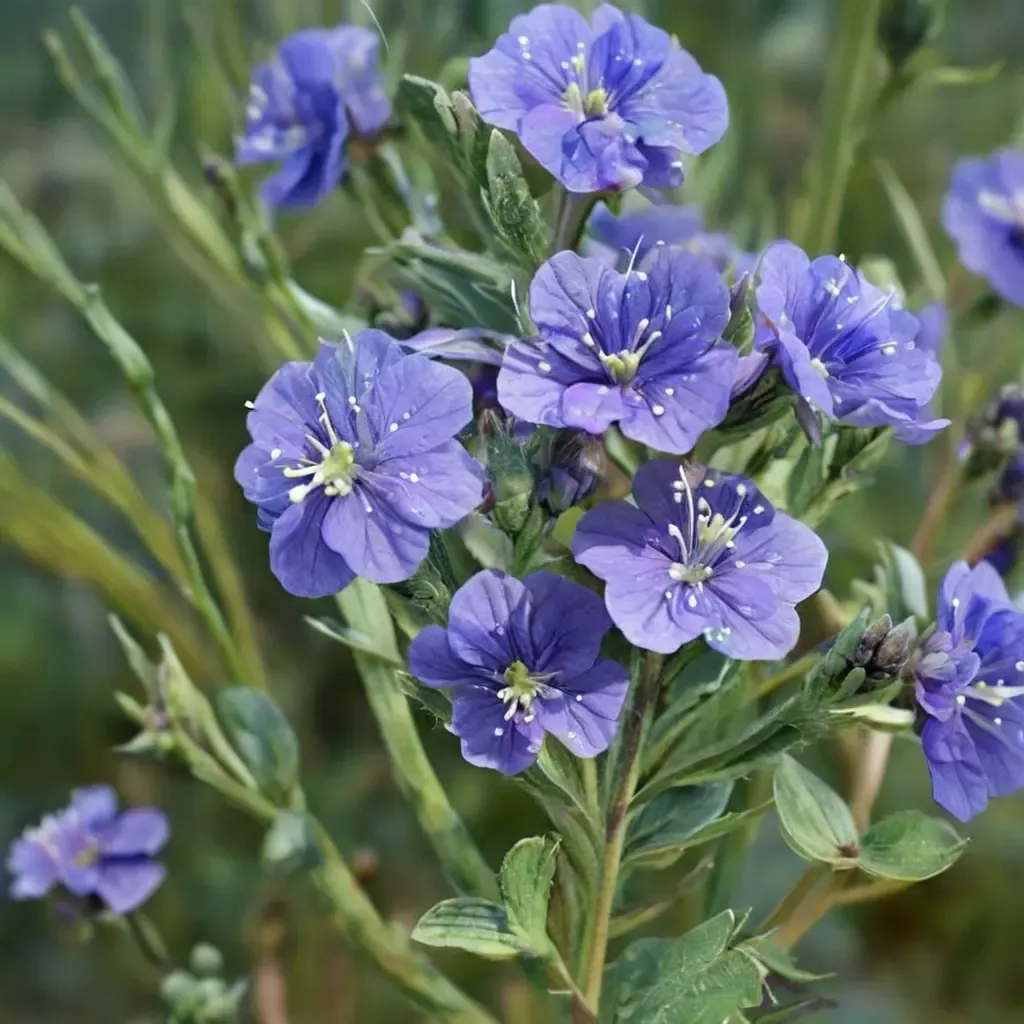
Great Valley Phacelia
Phacelia ciliata
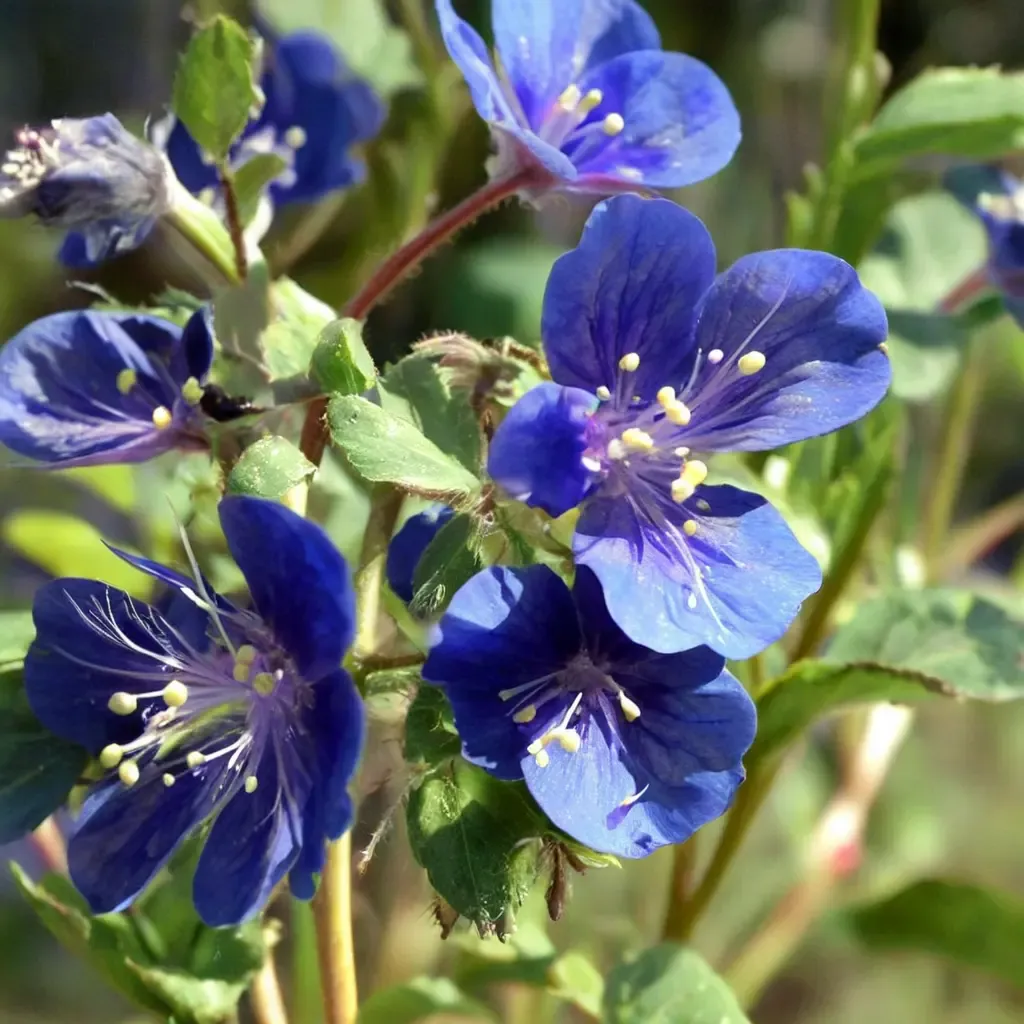
Parry's Phacelia
Phacelia parryi
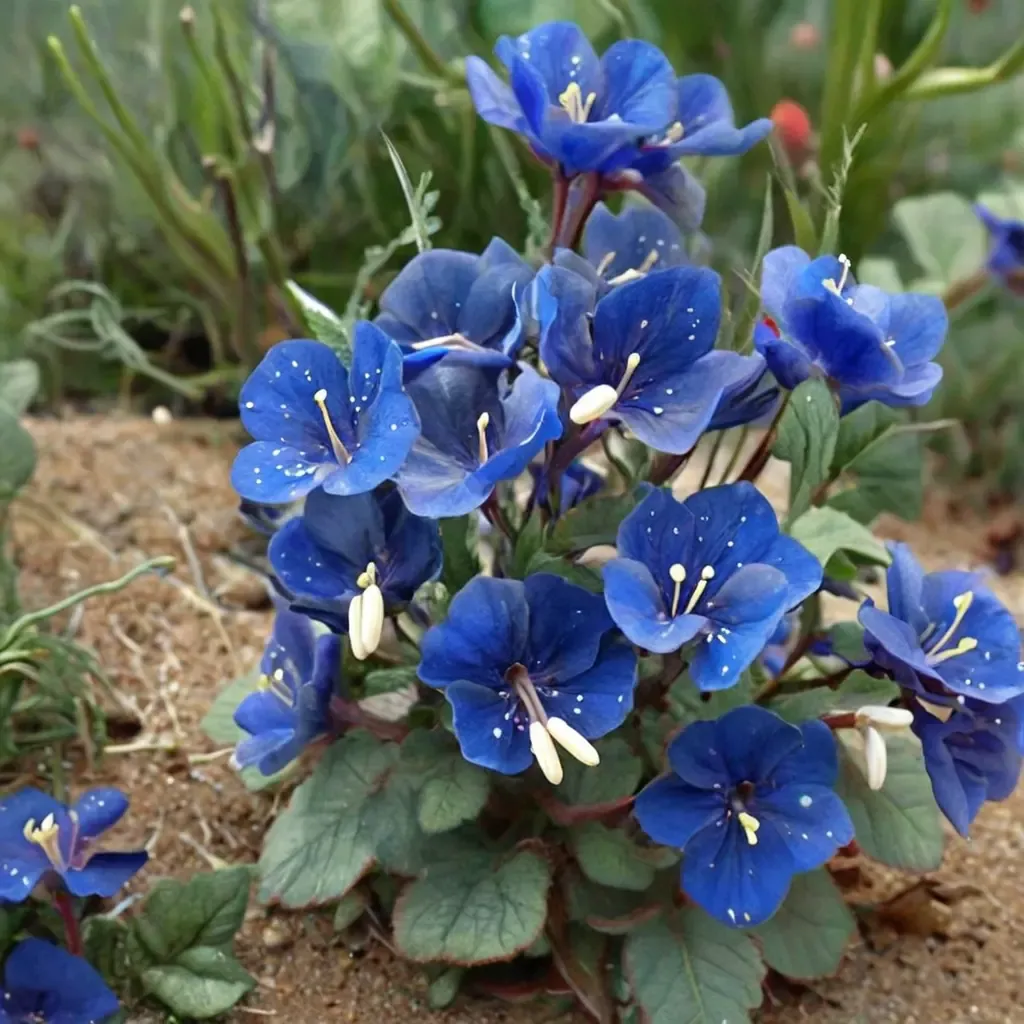
Desert Bluebell
Phacelia campanularia
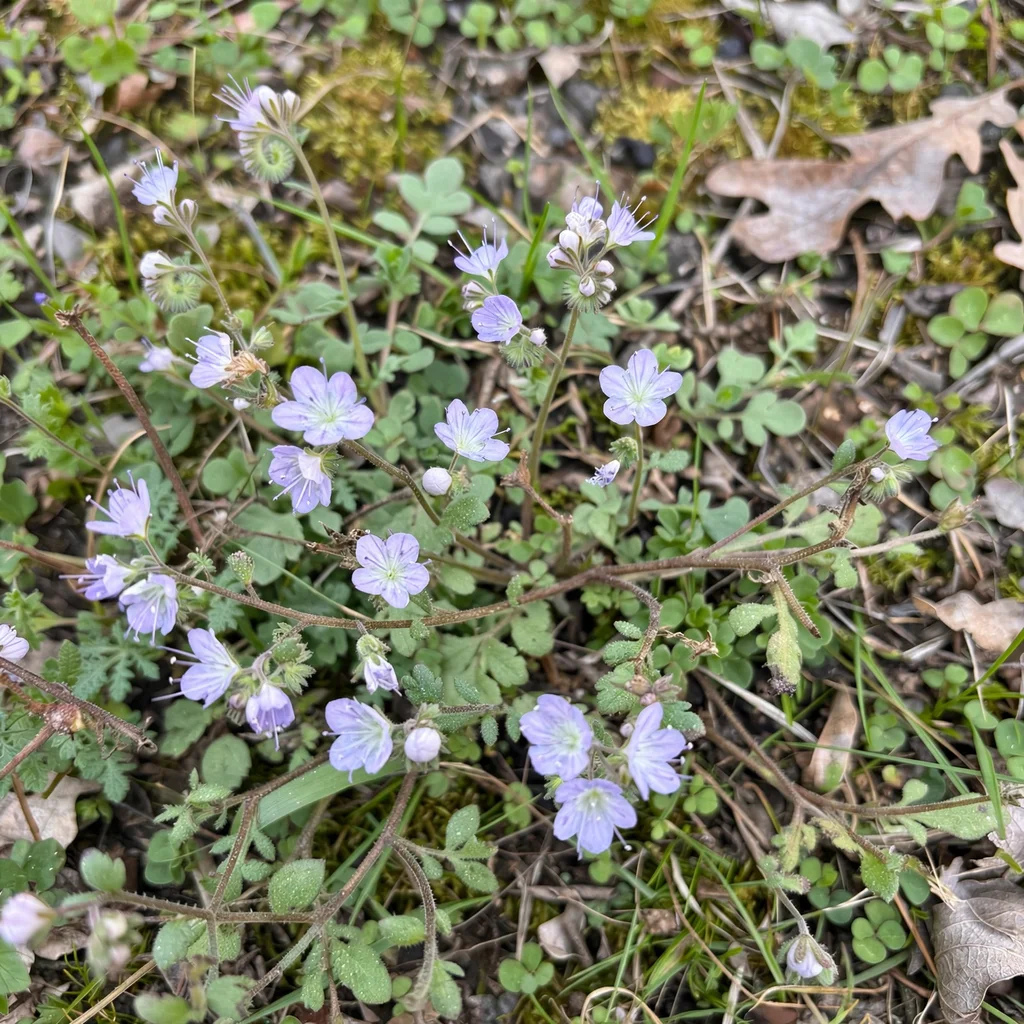
Smallflower Phacelia
Phacelia dubia
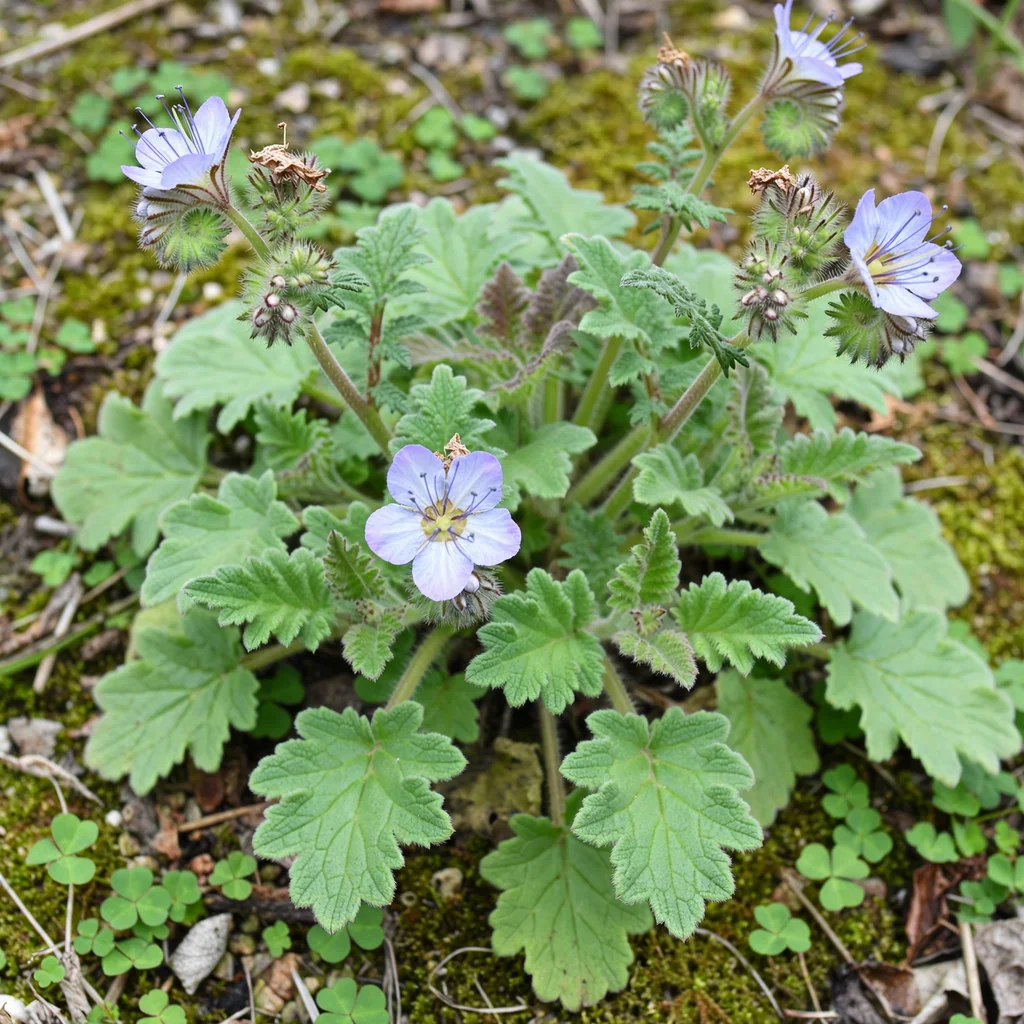
Bolander's Phacelia
Phacelia bolanderi
Keep exploring
Explore the genus
Hardy in your zone?
Grow Shade Phacelia with confidence
See it in a design of your actual yard, get zone-matched care reminders, and track it season by season in your garden journal.