The Story
Plant Bio
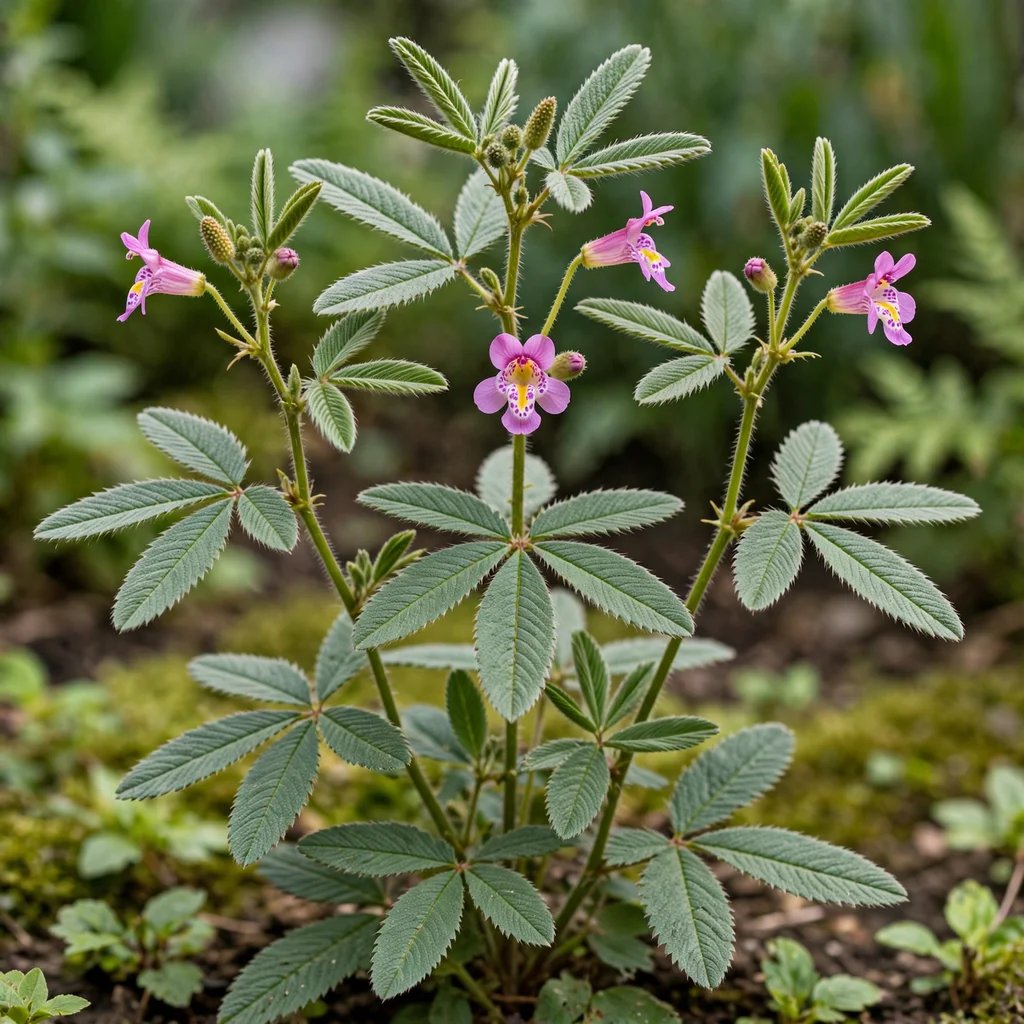
Erythranthe lewisii is an upright, rhizomatous perennial forming clumps of erect stems 18 to 28 inches tall with opposite, broadly lance-shaped gray-green leaves 3/4 to 2 3/4 inches long with toothed margins and fine hairs. The flowers are bilabiate trumpets to about an inch long, pink to magenta with a yellow throat marked with purple spots, borne 2 to 6 together on slender stalks from the upper leaf axils.
It is the pink, bee-pollinated counterpart to red-flowered Erythranthe cardinalis, spreading by rhizomes to form moist-ground colonies rather than remaining as single crowns. It requires soil that never dries out and fails fast in dry sun, succeeding at pond margins and streambanks where constant root moisture is assured.
Uses & Benefits:
Essentials
At a Glance
Plant Type
Perennial
Height
28"
Width
20"
Light
Full Sun, Partial Sun
Zones
5, 6, 7, 8
Water
High - constantly moist
Humidity
Average
Lifespan
Perennial
Native To
Western North America
Toxicity
Unknown
Bloom period
Late spring – Summer
In flower about 4 months of the year
Planting
How to Grow
- Plant in full sun to light shade in humus-rich soil that stays wet.
- Set crowns at soil level 12 to 18 inches apart and water in deeply.
- Keep soil constantly moist; do not let it dry out in summer.
- Mulch to conserve moisture and divide congested clumps in spring.
Pro Tip
Keep the root zone constantly moist from spring through bloom; drought in full sun collapses the foliage and stops flowering.
Keep It Thriving
Care Guide
Do
- Keep soil constantly moist through summer bloom
- Plant in full sun only where water is assured, else light shade
- Mulch to conserve root moisture
Don't
- Do not let the rootball dry out at any stage
- Do not plant in dry borders or fast-draining upland soil
- Do not leave new divisions to compete with aggressive weeds
Seasonal Care Calendar
| Task | Jan | Feb | Mar | Apr | May | Jun | Jul | Aug | Sep | Oct | Nov | Dec |
|---|---|---|---|---|---|---|---|---|---|---|---|---|
| Deadhead | ||||||||||||
| Divide | ||||||||||||
| Mulch | ||||||||||||
| Pest Check | ||||||||||||
| Plant |
Watch Out For
Pests & Diseases
Common Pests
Common Diseases
In the Garden
Landscape Uses & Companions
Landscape Uses
Companion Plants
Multiply
Propagation Methods
Good to Know
Common Questions
Lewis' Monkeyflower questions
What zones can Lewis' Monkeyflower grow in?
Lewis' Monkeyflower is hardy in USDA Zones 5–8: in that range it survives winter in the ground. Colder than Zone 5, grow it in a container you can move to shelter for the winter, or as an annual. Warmer than Zone 8, winter isn't the problem: it prefers colder winters, and summer heat can shorten its life.
Is Lewis' Monkeyflower deer resistant?
Yes — Lewis' Monkeyflower is rated deer-resistant. Deer typically pass it over, though extreme hunger can override any plant's defenses.
When does Lewis' Monkeyflower bloom?
Lewis' Monkeyflower typically blooms from late spring to late summer. Exact timing shifts a week or two with your zone — Sow's bloom calendar maps it to your garden.
Does Lewis' Monkeyflower need full sun?
Lewis' Monkeyflower does best in full sun to part shade. In hot climates, afternoon shade keeps blooms fresher longer.
More Mimulus to compare
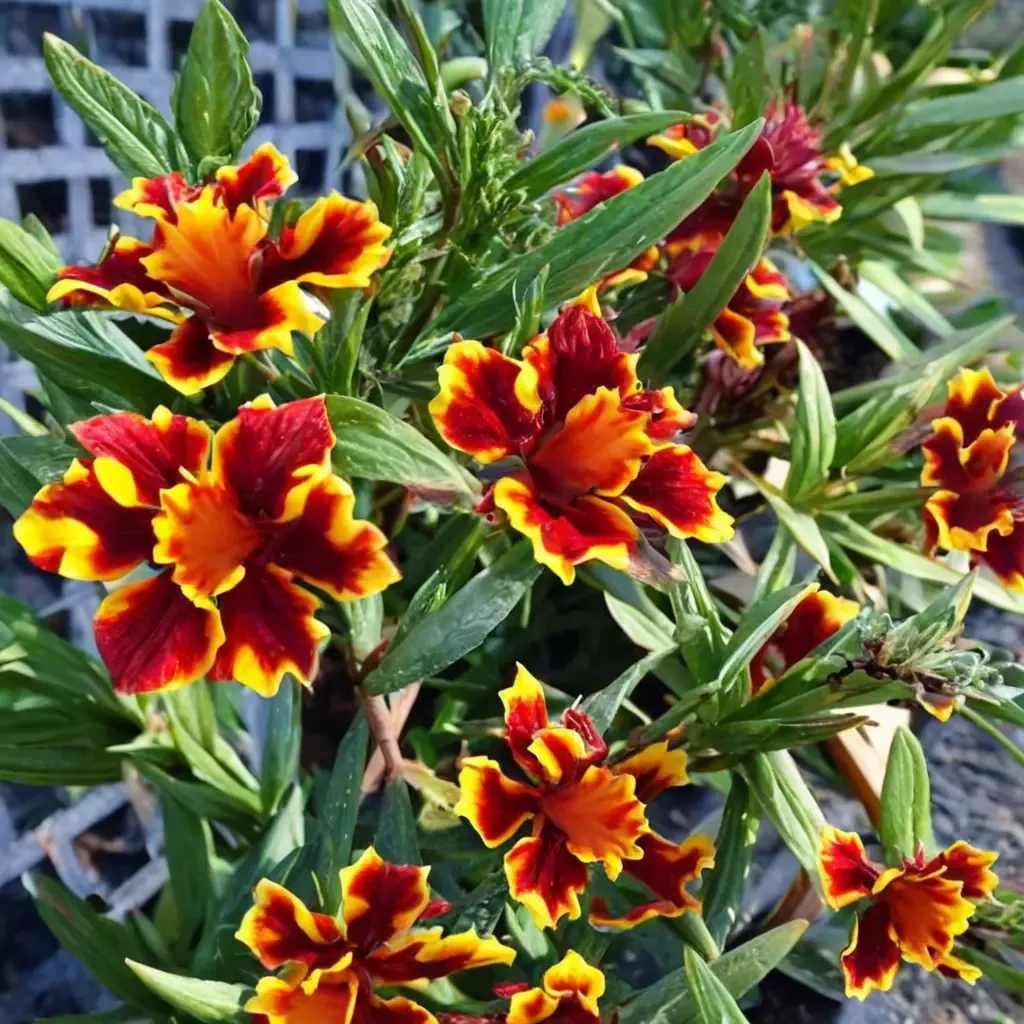
Roundleaf Monkeyflower
Mimulus aurantiacus 'Jelly Bean Fiesta Marigold'
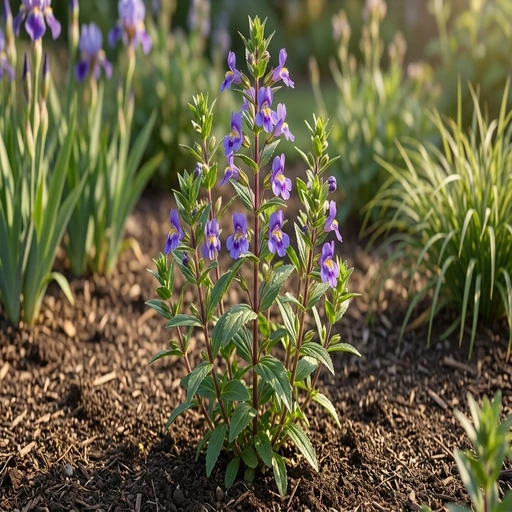
Allegheny Monkey Flower
Mimulus ringens
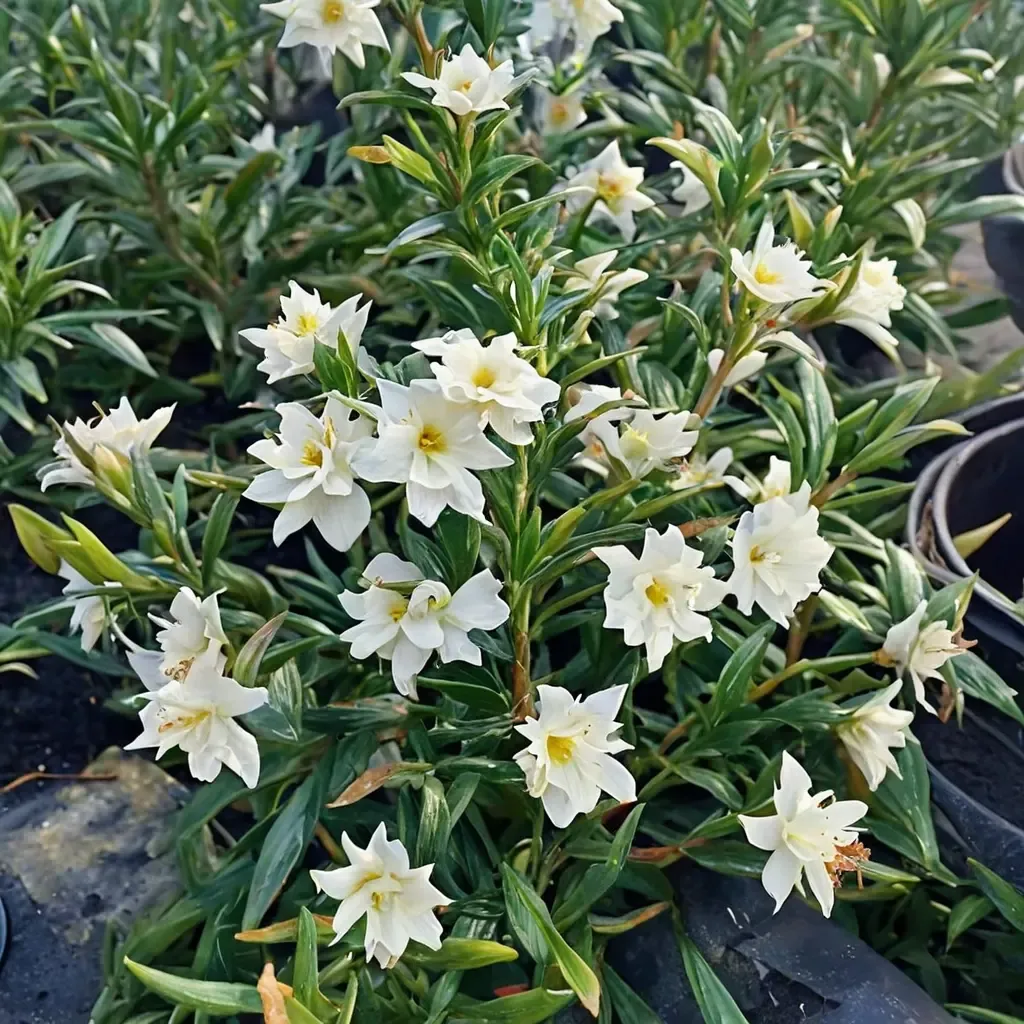
White Monkey Flower
Mimulus bifidus 'White'
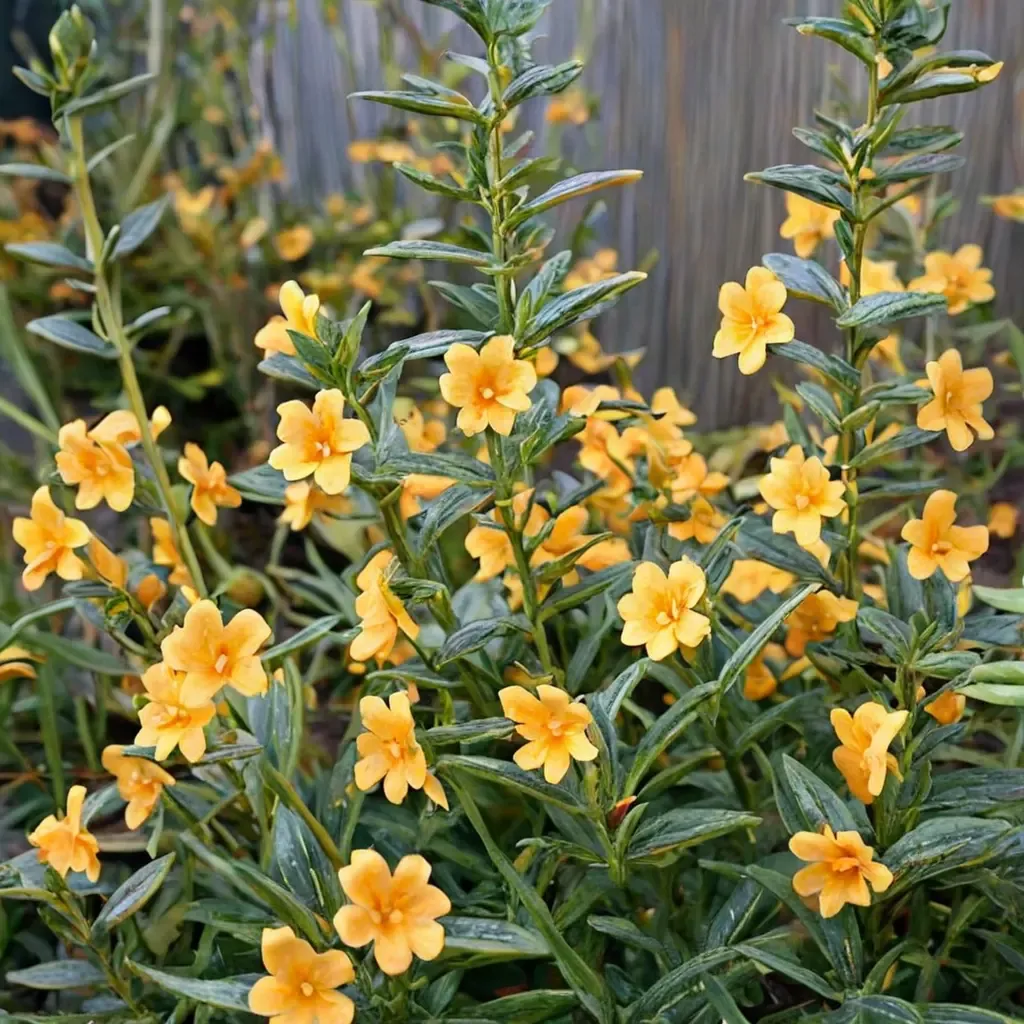
Point Molate Monkeyflower
Mimulus aurantiacus 'Point Molate'
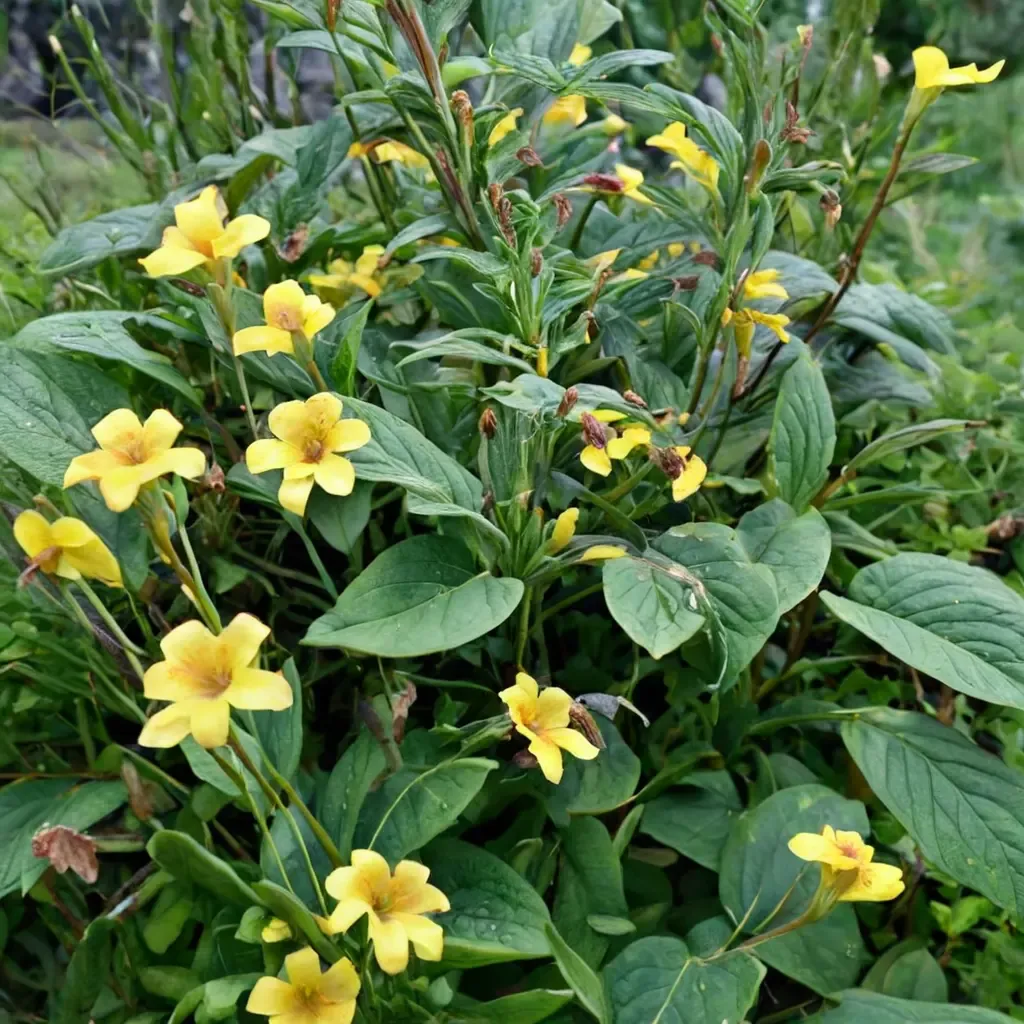
Bush Monkey Flower
Mimulus fruticosus
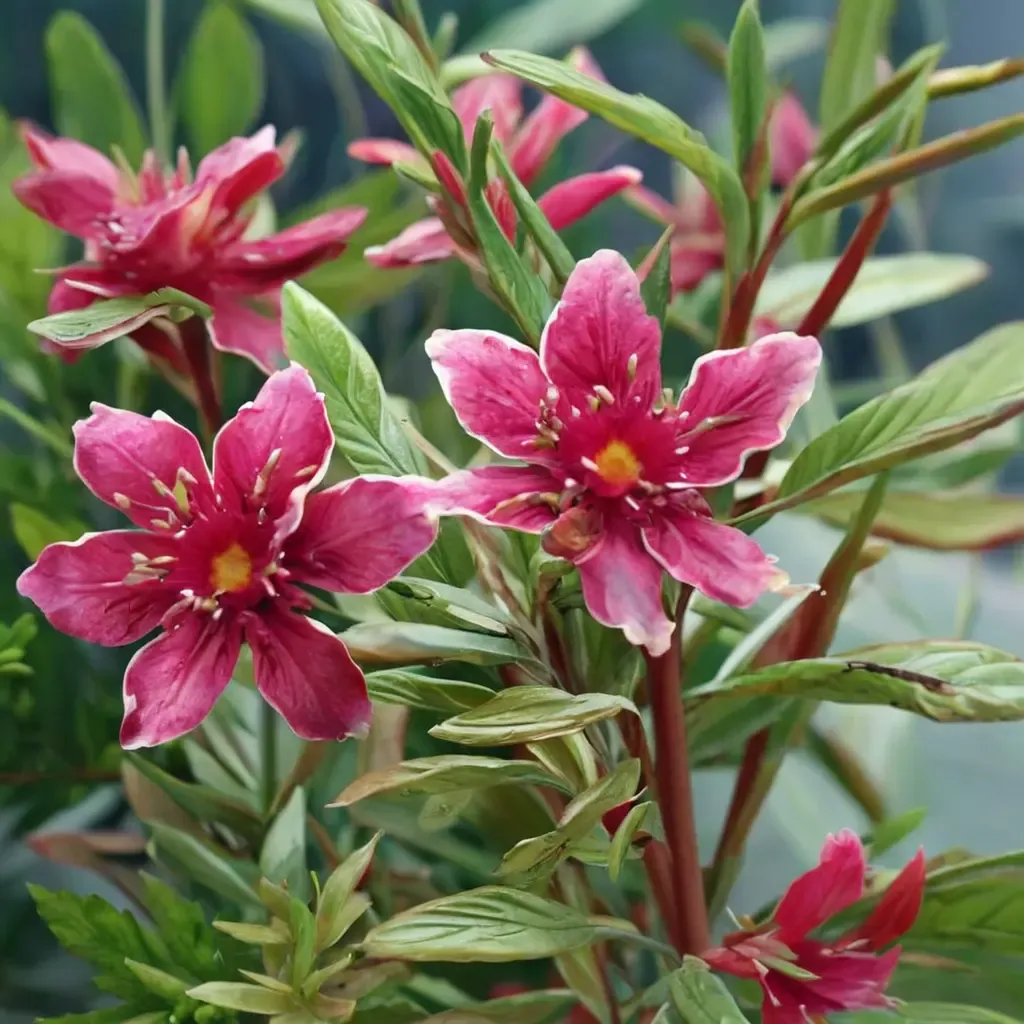
Cherry Monkey Flower
Mimulus aurantiacus 'Cherry'
Keep exploring
Explore the genus
Hardy in your zone?
Grow Lewis' Monkeyflower with confidence
See it in a design of your actual yard, get zone-matched care reminders, and track it season by season in your garden journal.