The Story
Plant Bio
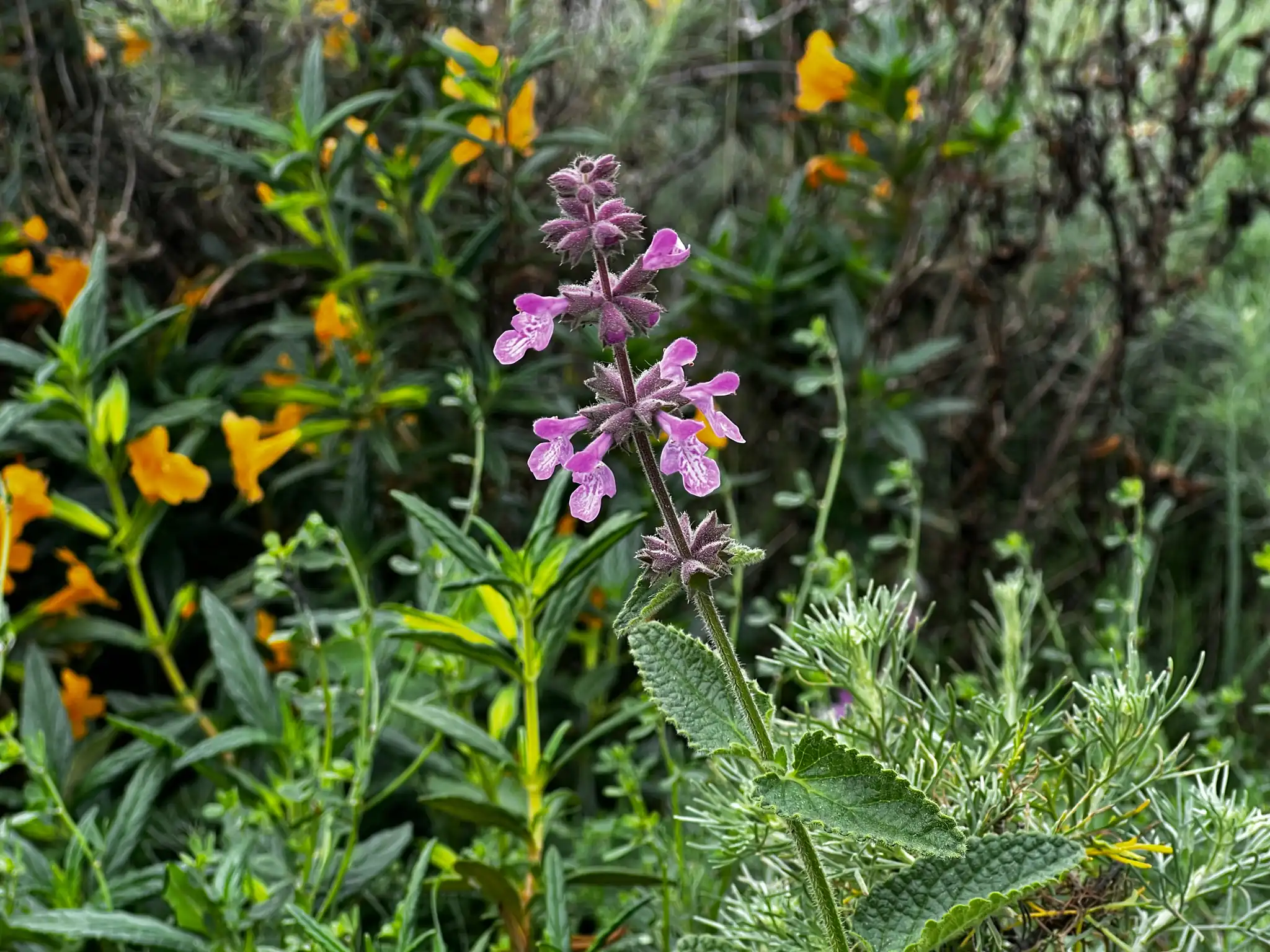
Stachys bullata, known as California hedgenettle, is an erect-to-spreading, rhizomatous perennial native to coastal and mountain habitats of California. It forms dense foliage mats with scalloped, wrinkled mid-green leaves and bears interrupted whorled spikes of two-lipped tubular pink or purple flowers from spring through summer.
Despite its common name, the soft hairy foliage lacks stinging trichomes and is completely skin-safe. Its expanding underground rhizomes stabilize slopes and rapidly cover ground in moist, light shade or full sun.
Uses & Benefits:
Essentials
At a Glance
Plant Type
Perennial
Height
35"
Width
47"
Light
Full Sun, Partial Sun
Zones
5, 6, 7, 8, 9
Water
Moderate
Humidity
Moderate
Lifespan
Perennial
Native To
California, USA
Toxicity
Non-toxic
Bloom period
Spring – Summer
In flower about 6 months of the year
Planting
How to Grow
- Plant in well-draining soil in a full sun to partial shade location.
- Space plants 2 to 3 feet apart to accommodate spreading rhizomes.
- Water regularly during the first growing season until roots establish.
- Apply summer supplemental irrigation when growing in dry interior locations.
- Prune dead stems to ground level in late winter.
Pro Tip
Cut stems hard to the ground in late winter before new basal growth emerges, avoiding cuts into old woody stems lacking visible buds.
Keep It Thriving
Care Guide
Do
- Provide partial shade in hot, dry interior climates.
- Install root barriers if planting in small, uncontained garden spaces.
- Cut spent flower stems to the ground in late winter.
Don't
- Do not over-fertilize, as high nitrogen causes floppy, weak growth.
- Do not allow soils to stay waterlogged in winter to prevent root rot.
- Do not cut into old, leafless woody stems where no buds are visible.
Seasonal Care Calendar
| Task | Jan | Feb | Mar | Apr | May | Jun | Jul | Aug | Sep | Oct | Nov | Dec |
|---|---|---|---|---|---|---|---|---|---|---|---|---|
| Divide | ||||||||||||
| Mulch | ||||||||||||
| Pest Check | ||||||||||||
| Prune |
Watch Out For
Pests & Diseases
Common Pests
Common Diseases
In the Garden
Landscape Uses & Companions
Landscape Uses
Multiply
Propagation Methods
Good to Know
Common Questions
California Hedgenettle questions
What zones can California Hedgenettle grow in?
California Hedgenettle is hardy in USDA Zones 5–9: in that range it survives winter in the ground. Colder than Zone 5, grow it in a container you can move to shelter for the winter, or as an annual. Warmer than Zone 9, winter isn't the problem: it prefers colder winters, and summer heat can shorten its life.
When does California Hedgenettle bloom?
California Hedgenettle typically blooms from spring to summer. Exact timing shifts a week or two with your zone — Sow's bloom calendar maps it to your garden.
Does California Hedgenettle need full sun?
California Hedgenettle does best in full sun to part shade. In hot climates, afternoon shade keeps blooms fresher longer.
Is California Hedgenettle drought tolerant?
Yes — once established (usually after the first full season), California Hedgenettle handles dry spells with minimal watering. Water deeply its first year to build the root system that makes that possible.
More Stachys to compare
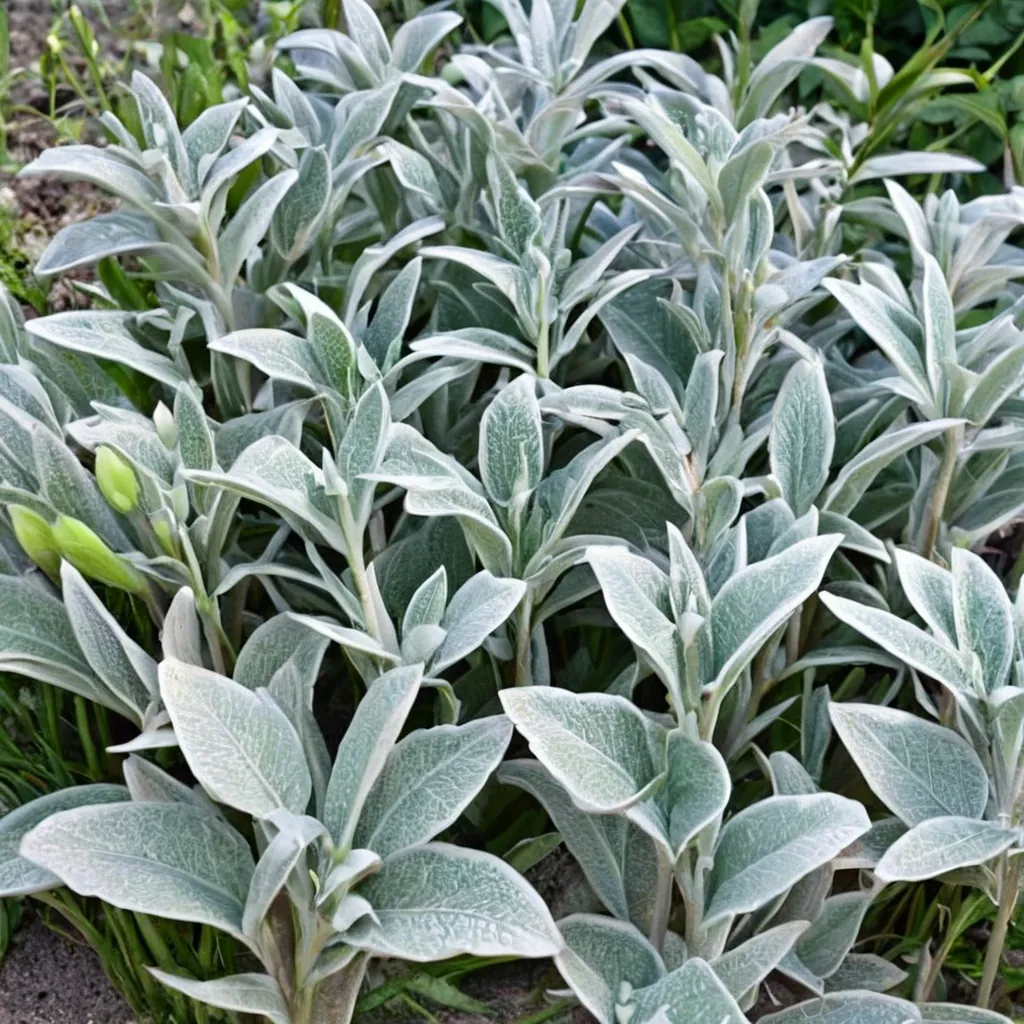
Lamb's Ear
Stachys lanata
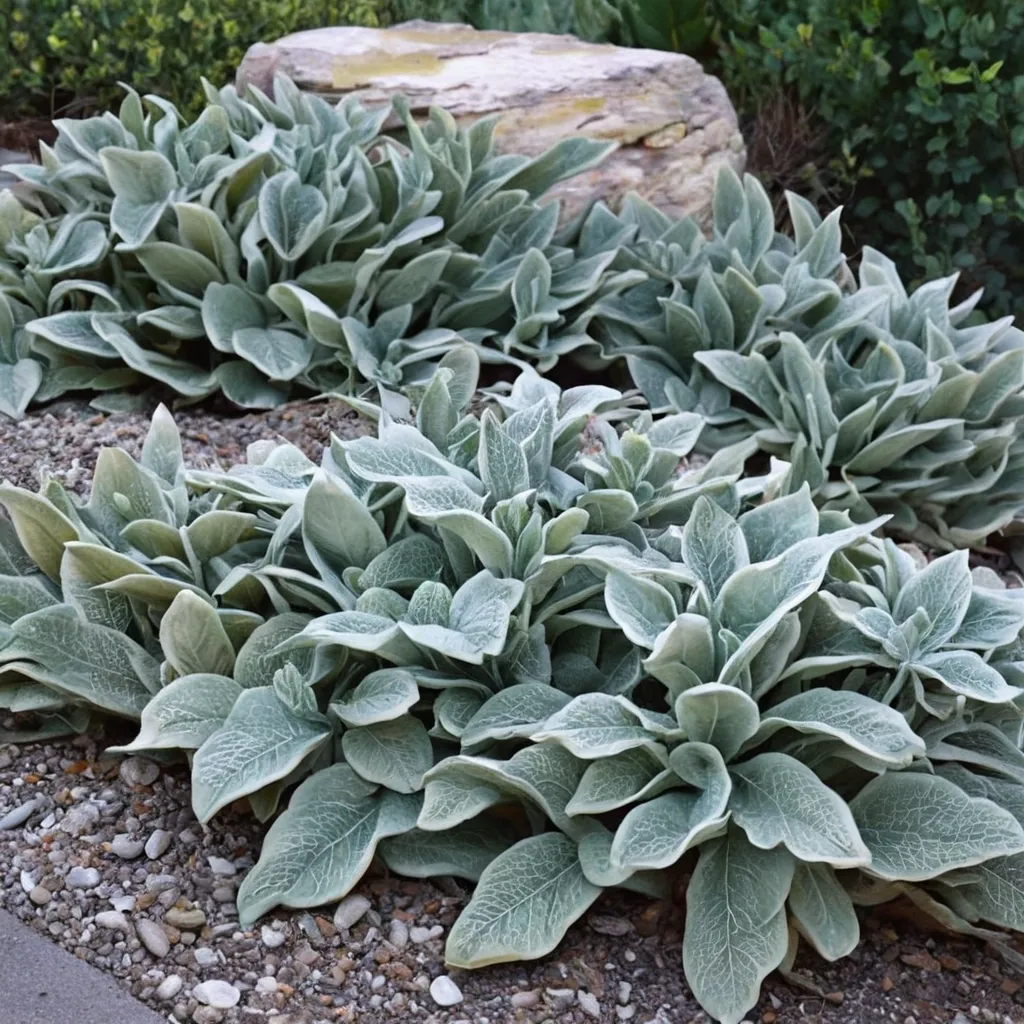
Silver Carpet Lamb's Ear
Stachys lanata 'Silver Carpet'
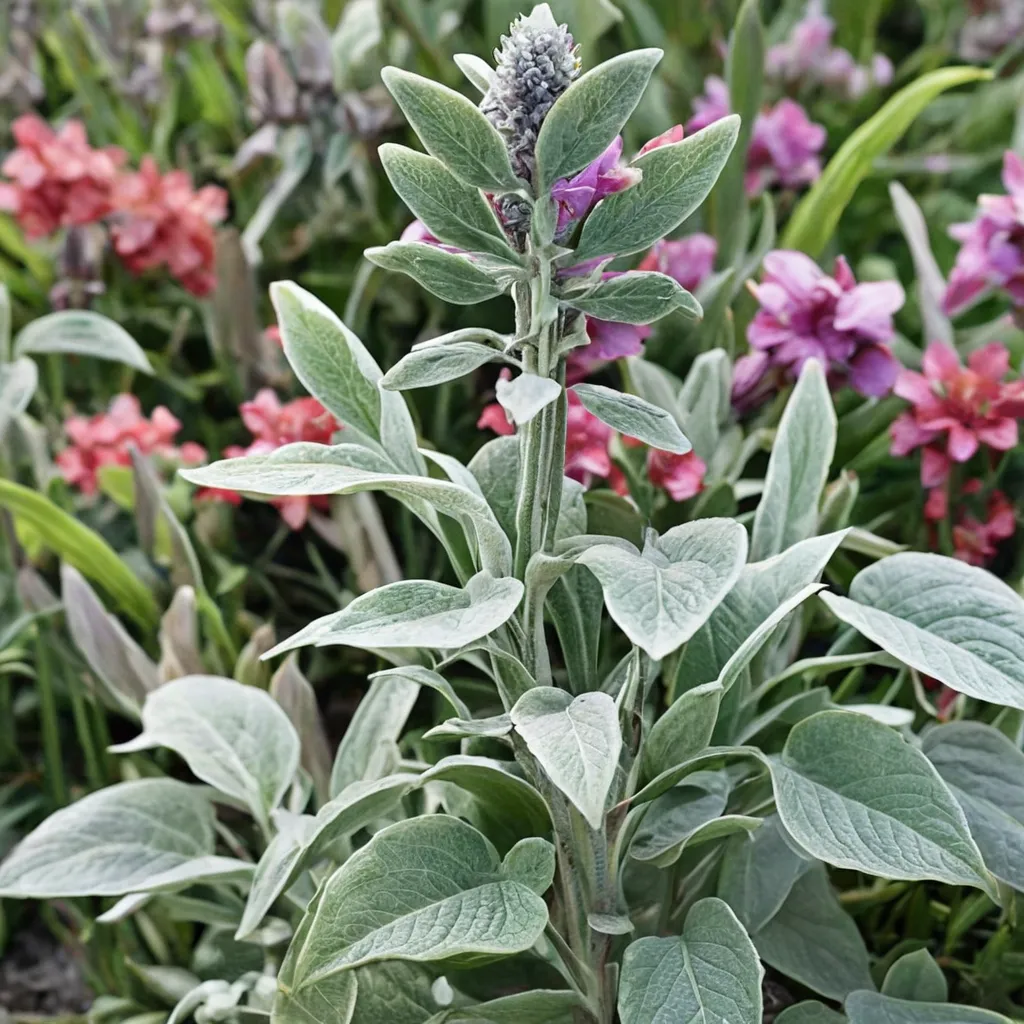
Fuzzy Wuzzy Lamb's Ear
Stachys byzantina 'Fuzzy Wuzzy'
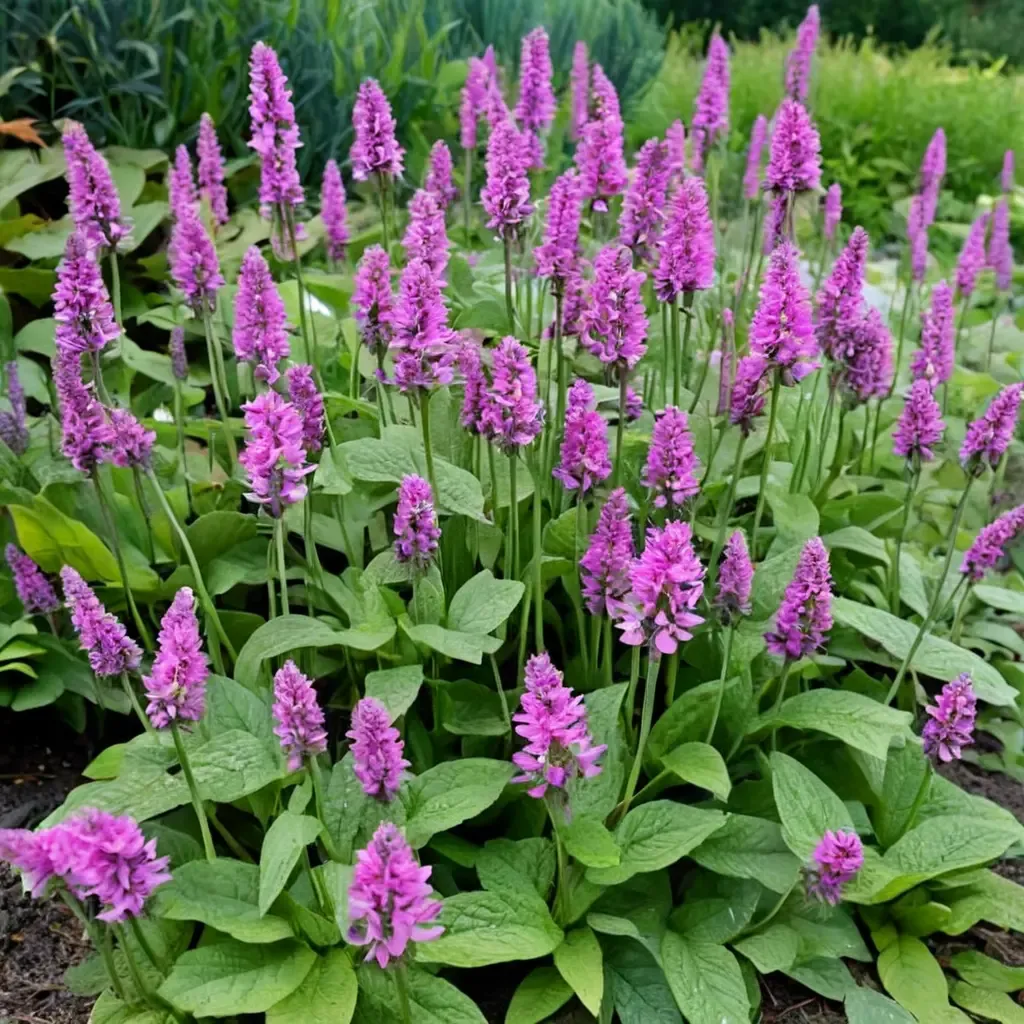
Hummelo Betony
Stachys officinalis 'Hummelo'
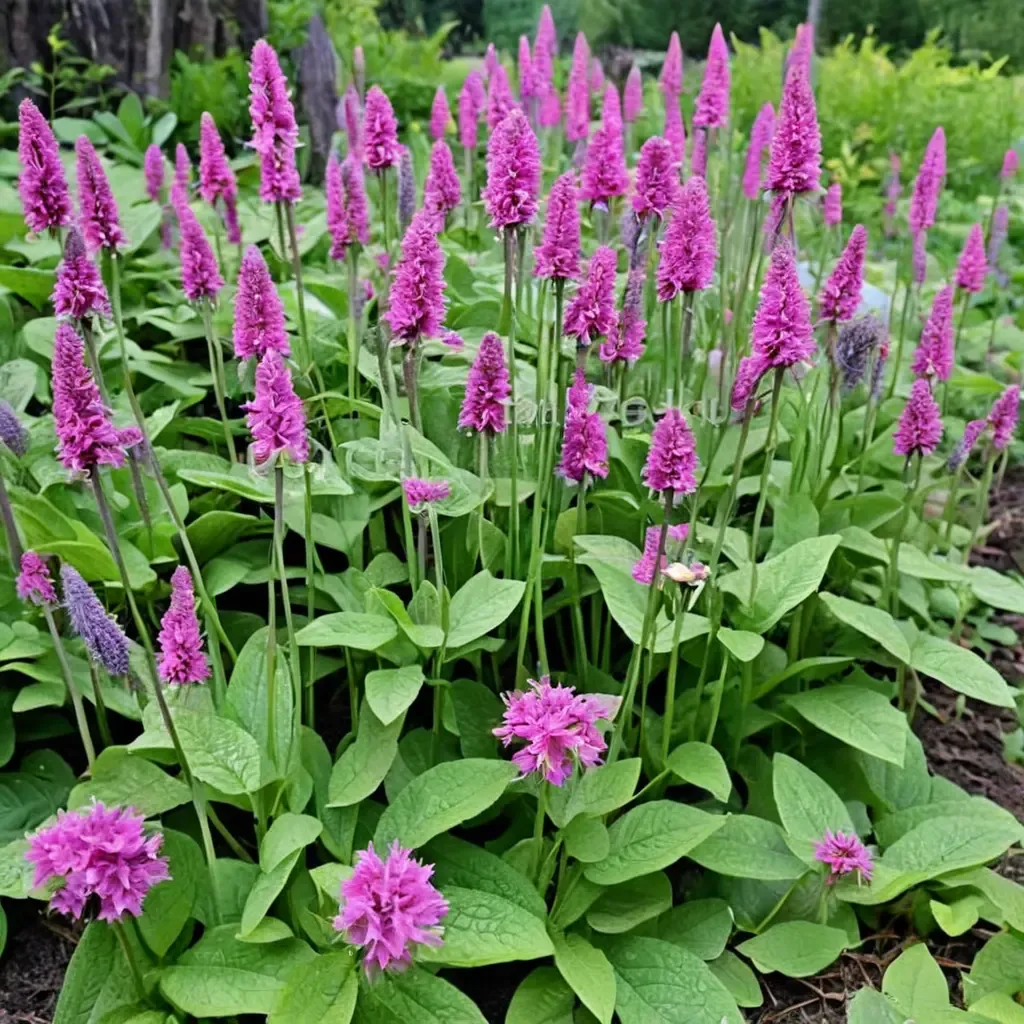
Wood Betony
Stachys officinalis
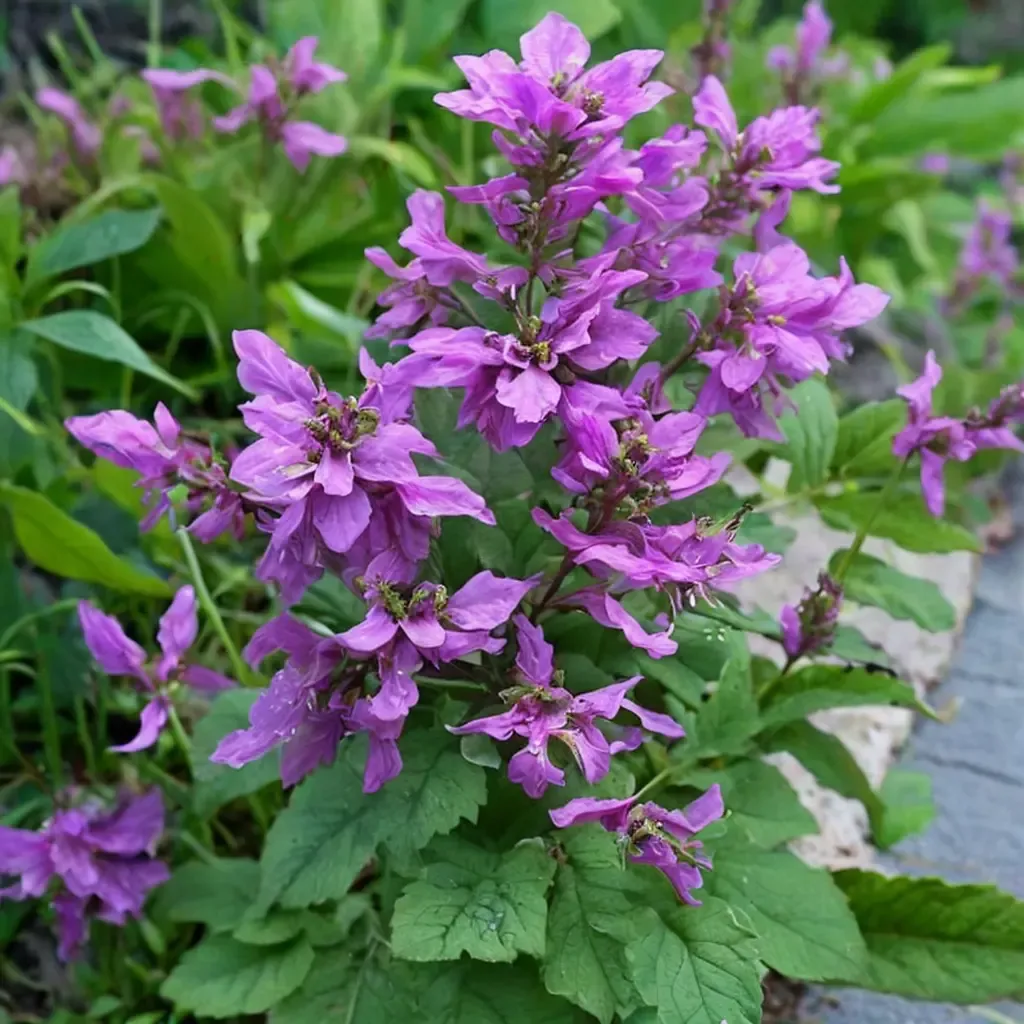
Big Betony 'Superba'
Stachys macrantha 'Superba'
Keep exploring
Explore the genus
Hardy in your zone?
Grow California Hedgenettle with confidence
See it in a design of your actual yard, get zone-matched care reminders, and track it season by season in your garden journal.