The Story
Plant Bio
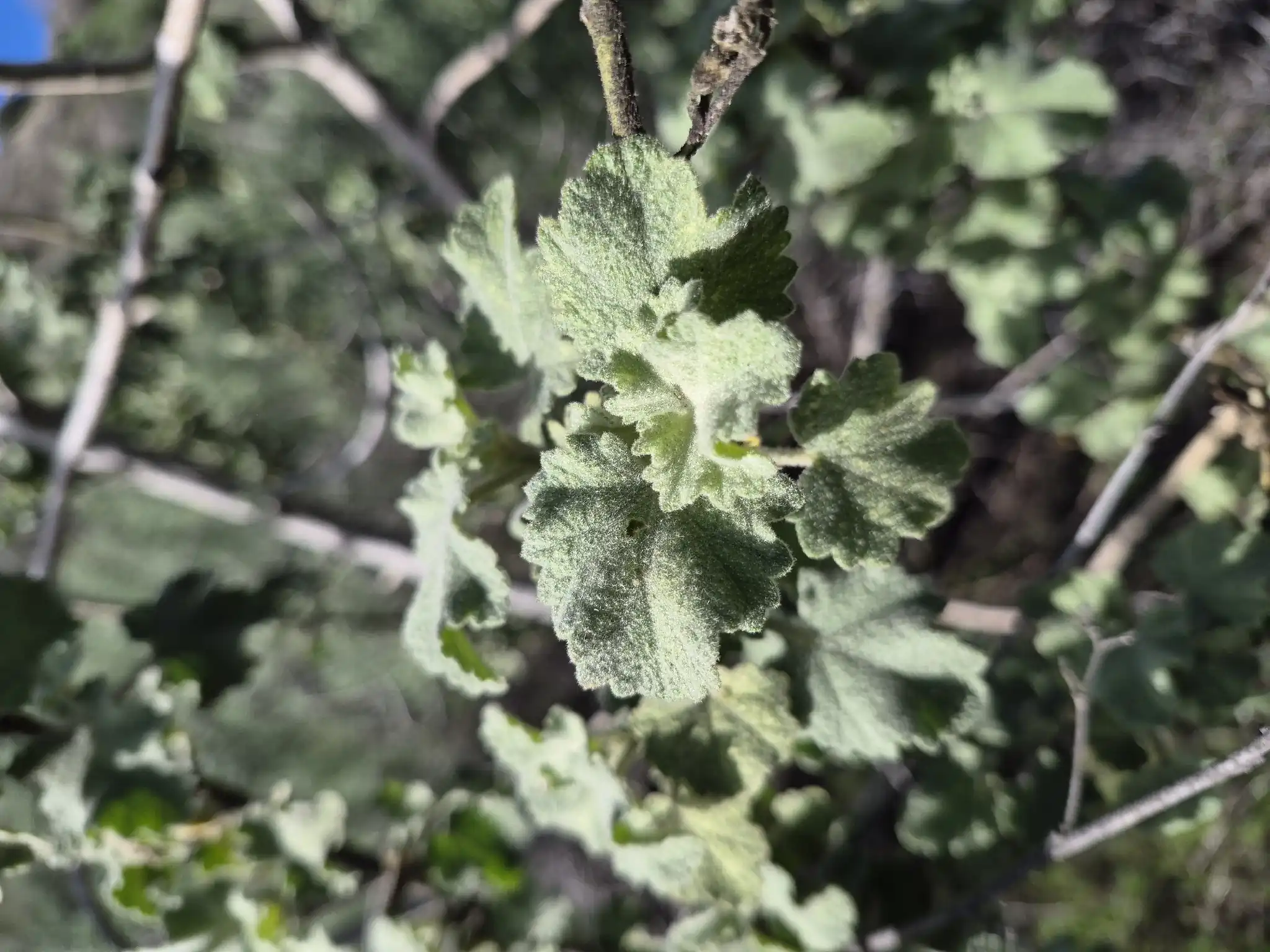
Malacothamnus davidsonii is a tall, erect shrub native to Southern California chaparral, reaching ten to sixteen feet high with woolly, grayish-green lobed foliage. Elongated clusters of pale pink to rose-magenta flowers open continuously from spring through fall, showcasing prominent central staminal columns.
Endemic to Los Angeles County washes and rocky slopes, this rare mallow features thick multibranched stems covered in a soft, feltlike indumentum. Its substantial leaves can stretch up to eight inches long while supporting a wide array of native bees, butterflies, and hummingbirds.
Uses & Benefits:
Essentials
At a Glance
Plant Type
Shrub
Height
197"
Width
118"
Light
Full Sun
Zones
7, 8, 9, 10
Water
Low
Humidity
Low
Lifespan
Perennial
Native To
North America (California)
Toxicity
Non-toxic
Bloom period
Spring – Fall
In flower about 9 months of the year
Planting
How to Grow
- Select a site in full sun with sandy, gravelly, or rocky soil that drains rapidly.
- Dig a hole slightly wider than the root ball without adding compost or organic soil amendments.
- Set the plant at its original nursery depth and backfill with native soil, pressing lightly to secure.
- Water thoroughly at planting, then restrict supplemental watering to initial root establishment before withholding summer irrigation entirely.
Pro Tip
Avoid summer irrigation once established and never prune hard into old, leafless wood, as stems fail to resprout from ancient timber.
Keep It Thriving
Care Guide
Do
- Plant in lean, highly permeable sandy or gravelly soils.
- Provide complete full sun to prevent fungal issues.
- Prune lightly after flowering to shape the canopy without cutting into thick old wood.
Don't
- Do not apply summer irrigation once the plant is established.
- Do not plant in heavy, poorly draining clay soils.
- Do not apply nitrogen fertilizers or heavy organic mulches.
Seasonal Care Calendar
| Task | Jan | Feb | Mar | Apr | May | Jun | Jul | Aug | Sep | Oct | Nov | Dec |
|---|---|---|---|---|---|---|---|---|---|---|---|---|
| Pest Check | ||||||||||||
| Plant | ||||||||||||
| Prune | ||||||||||||
| Spring Cleanup |
Watch Out For
Pests & Diseases
Common Pests
Common Diseases
In the Garden
Landscape Uses & Companions
Landscape Uses
Multiply
Propagation Methods
Good to Know
Common Questions
Davidson's Bushmallow questions
What zones can Davidson's Bushmallow grow in?
Davidson's Bushmallow is hardy in USDA Zones 7–10: in that range it survives winter in the ground. Colder than Zone 7, grow it in a container you can move to shelter for the winter.
Is Davidson's Bushmallow deer resistant?
Not reliably. Deer may browse Davidson's Bushmallow, especially tender spring growth — plan on repellents or fencing where pressure is high.
When does Davidson's Bushmallow bloom?
Davidson's Bushmallow typically blooms from spring to fall. Exact timing shifts a week or two with your zone — Sow's bloom calendar maps it to your garden.
Does Davidson's Bushmallow need full sun?
Davidson's Bushmallow does best in full sun (6+ hours).
Is Davidson's Bushmallow drought tolerant?
Yes — once established (usually after the first full season), Davidson's Bushmallow handles dry spells with minimal watering. Water deeply its first year to build the root system that makes that possible.
More Malacothamnus to compare
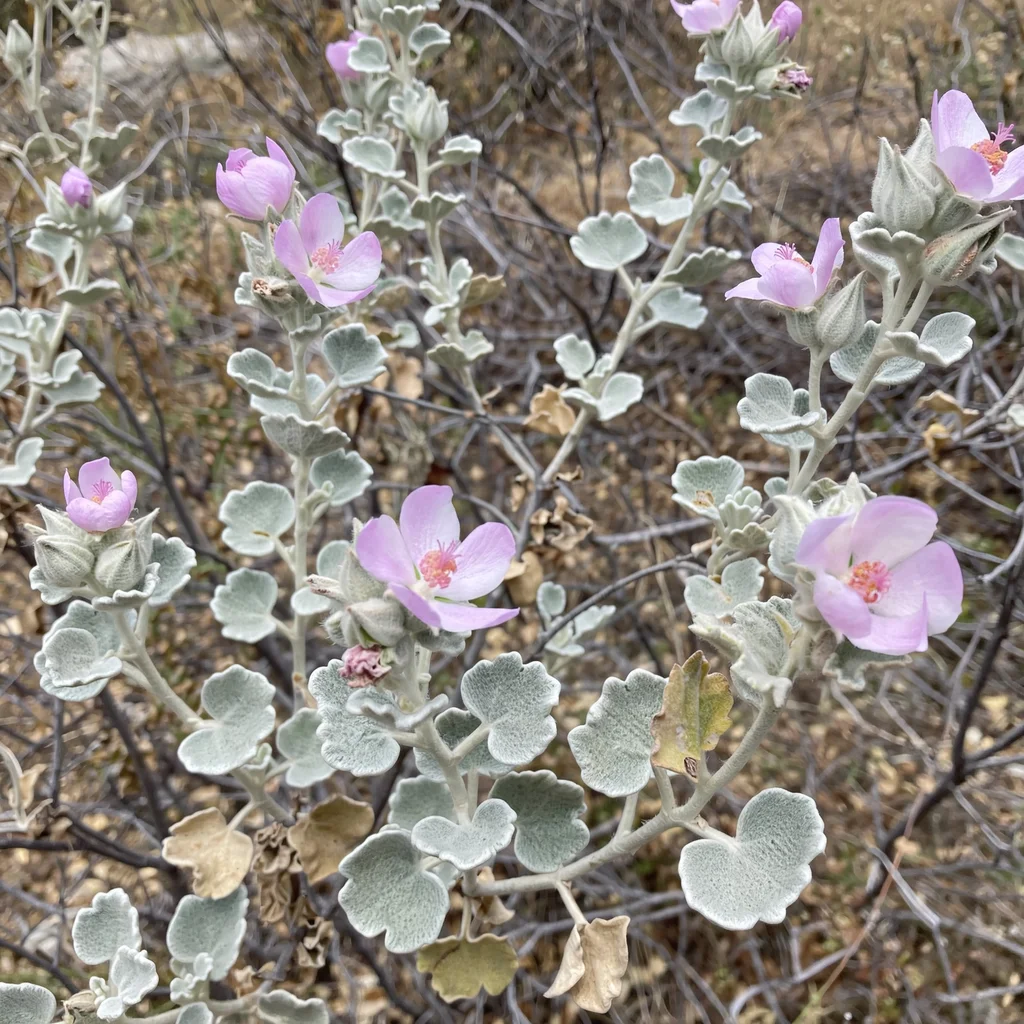
Santa Clarita Bushmallow
Malacothamnus marrubioides
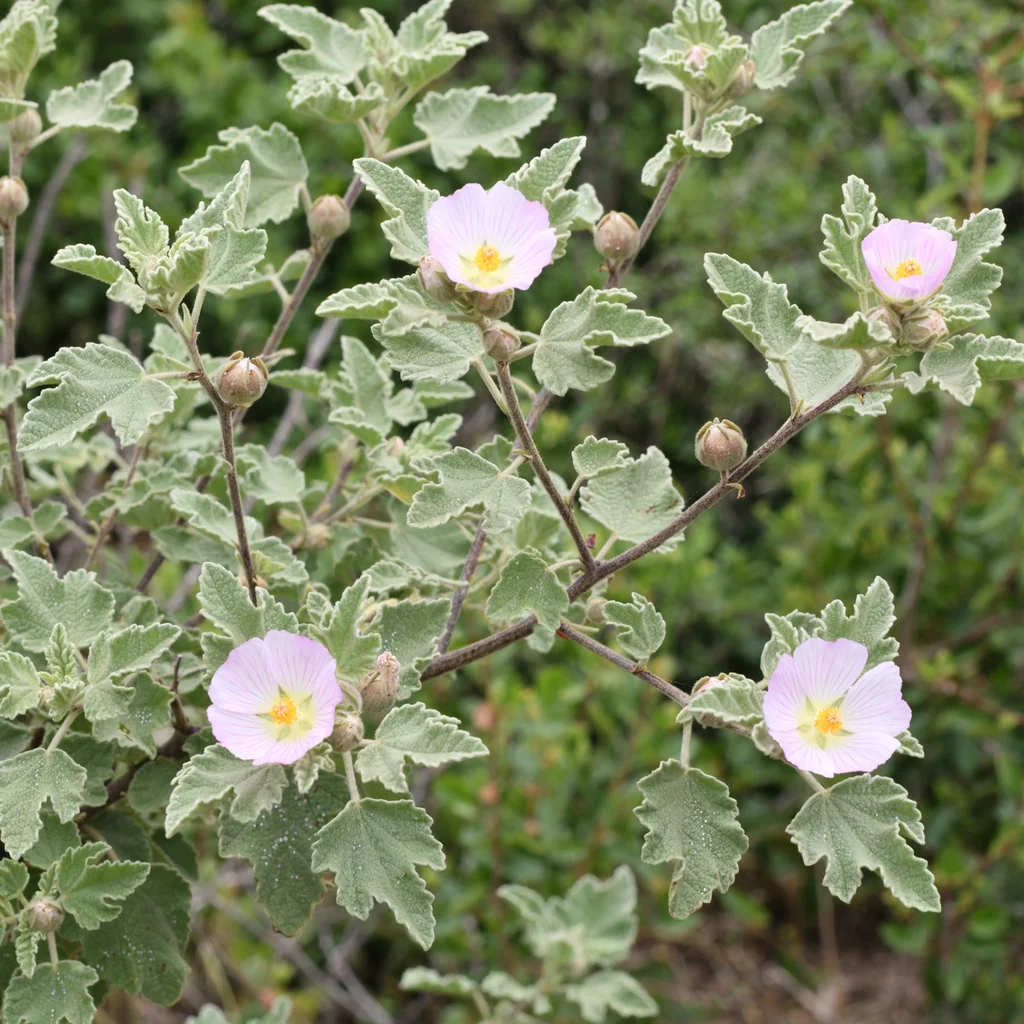
Palmer's Bushmallow
Malacothamnus palmeri
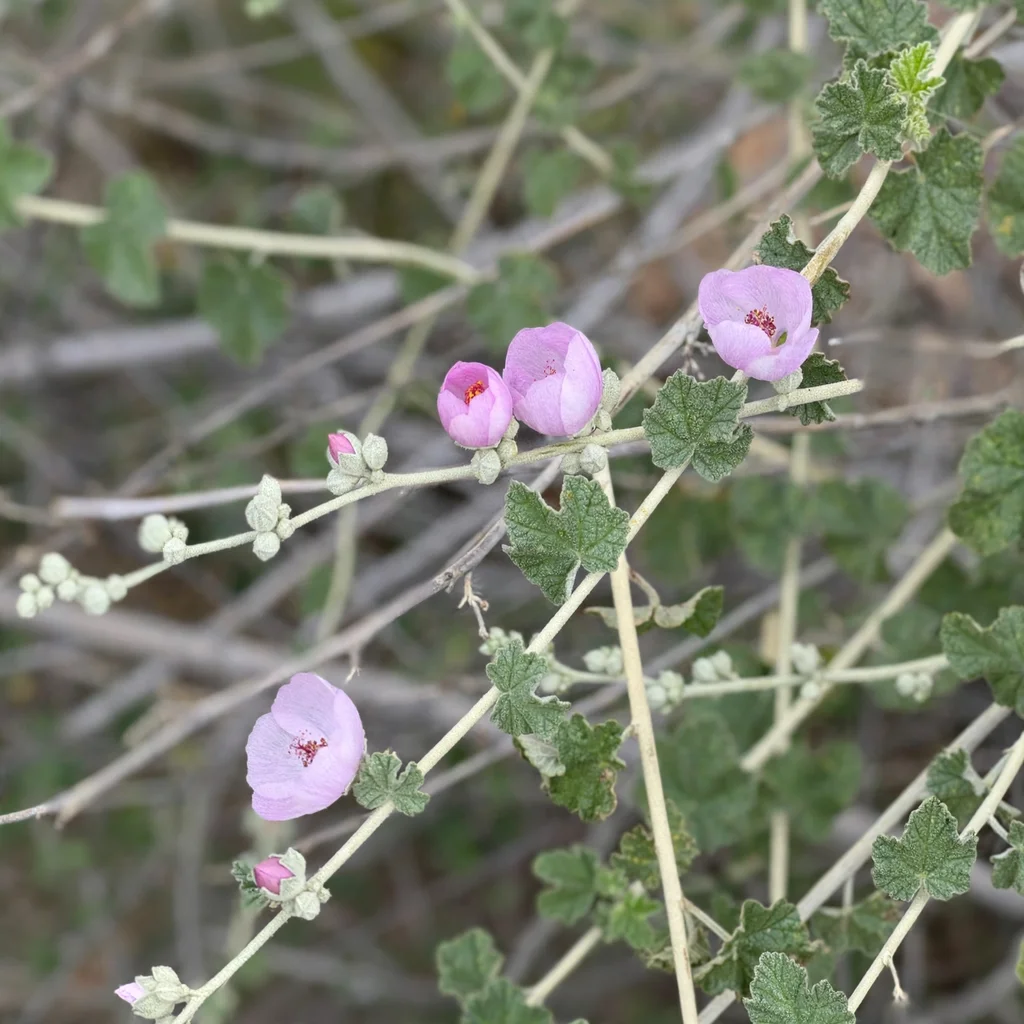
Chaparral Mallow
Malacothamnus fasciculatus
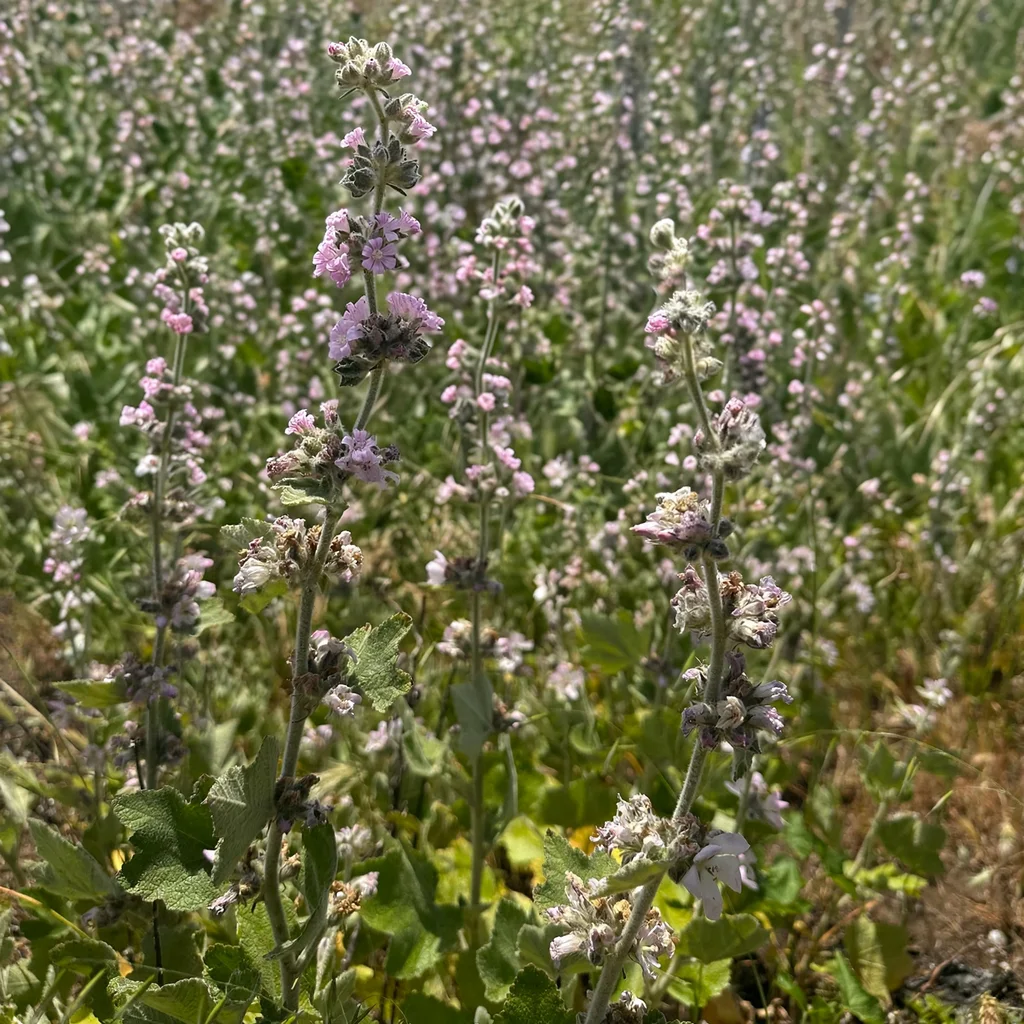
San Clemente Island Bushmallow
Malacothamnus clementinus
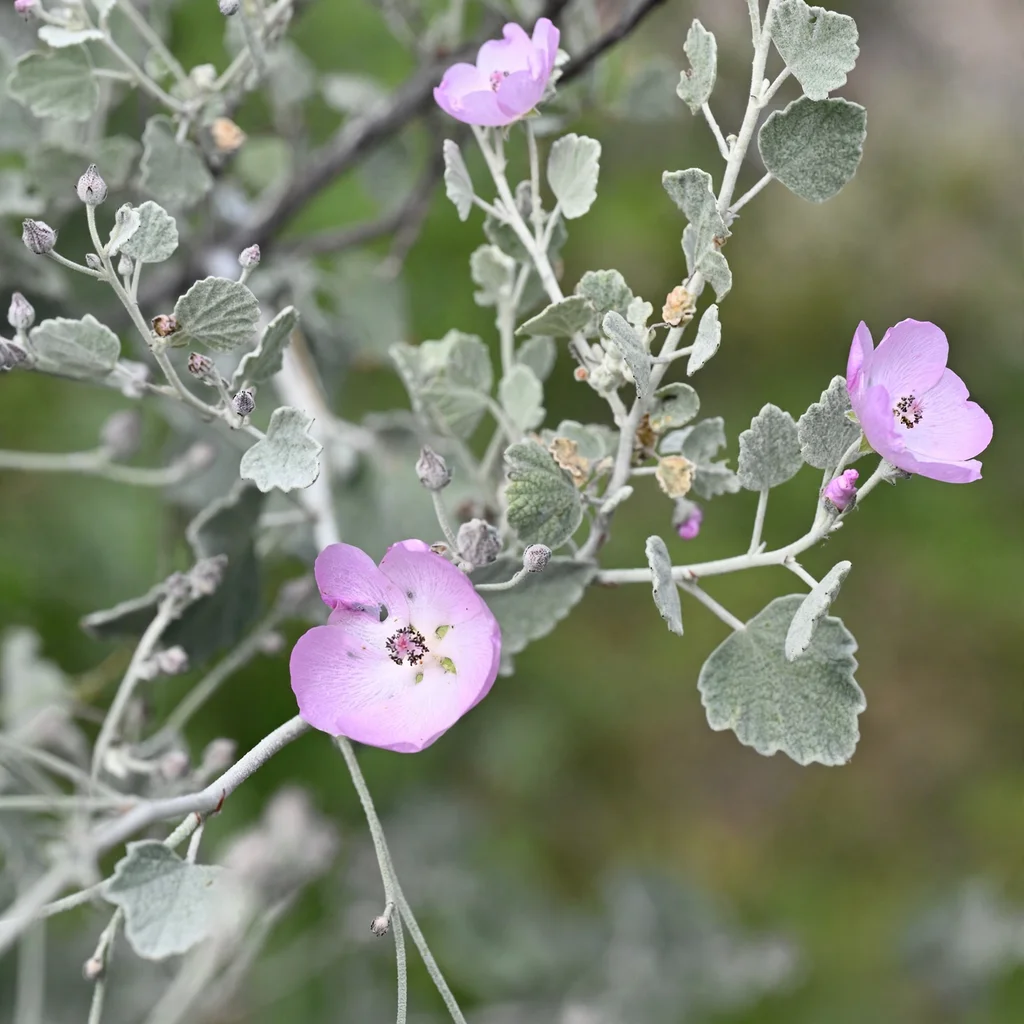
Jones's Bushmallow
Malacothamnus jonesii
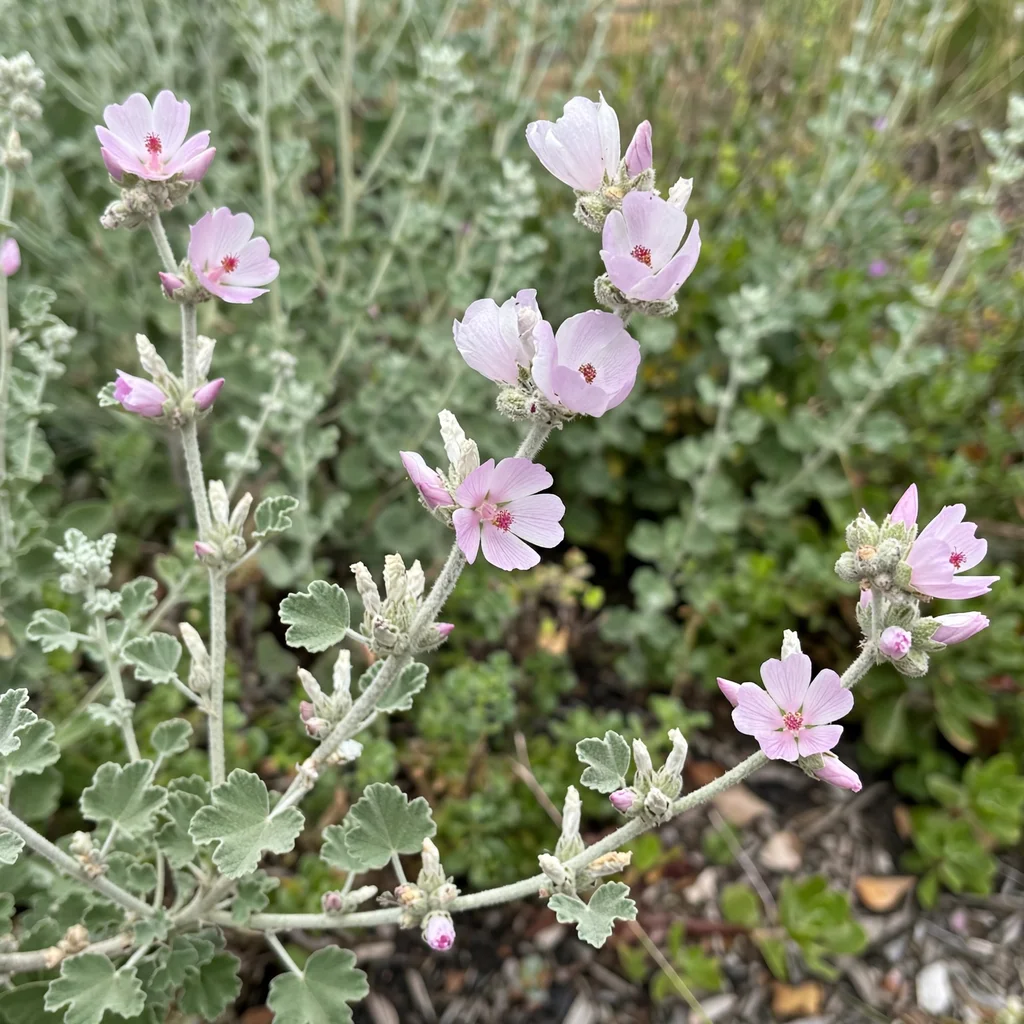
Arcuate Bushmallow
Malacothamnus arcuatus
Keep exploring
Explore the genus
Hardy in your zone?
Grow Davidson's Bushmallow with confidence
See it in a design of your actual yard, get zone-matched care reminders, and track it season by season in your garden journal.