The Story
Plant Bio
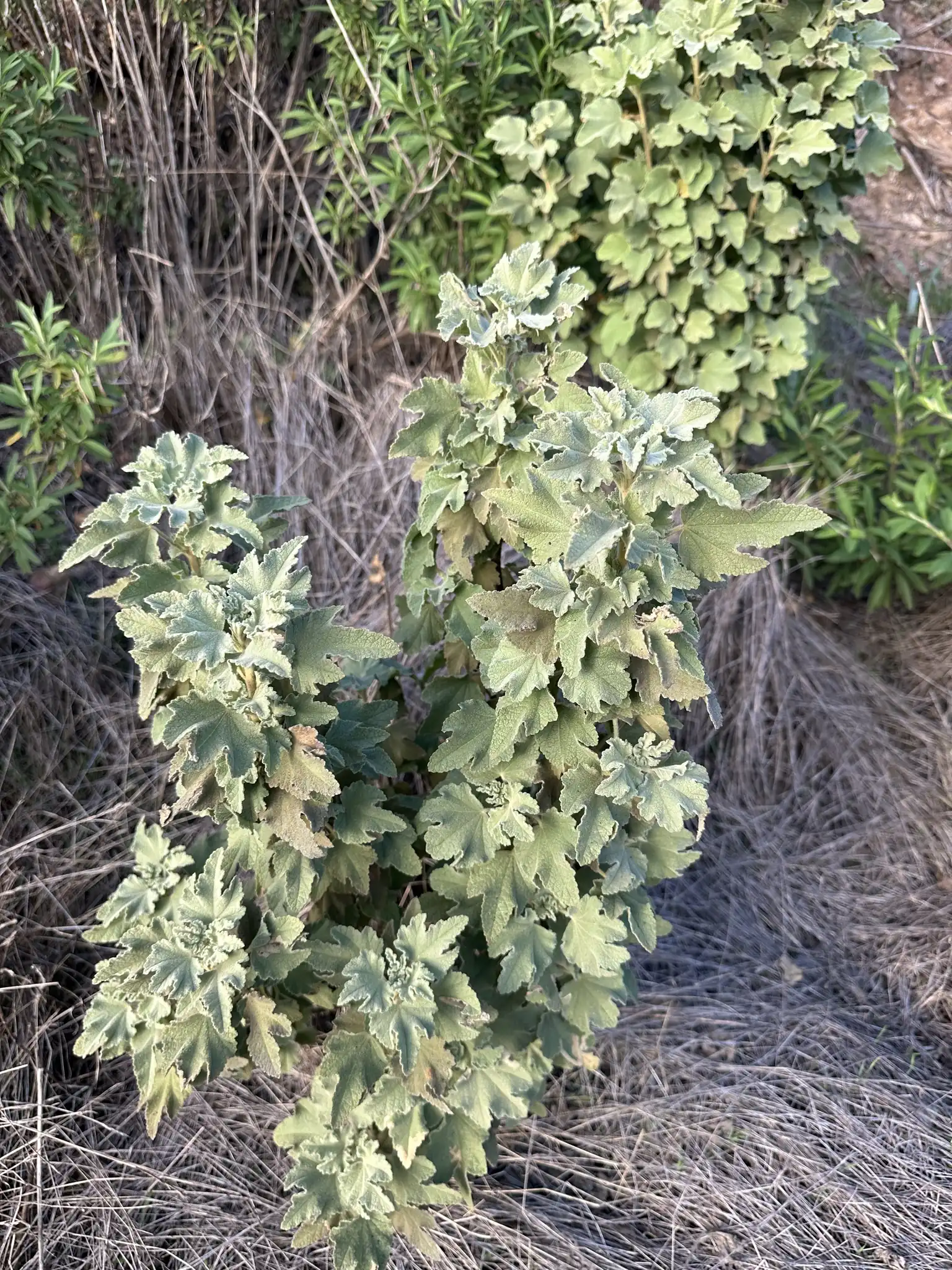
Malacothamnus palmeri is a deciduous to semi-evergreen upright shrub reaching 4 to 10 feet tall, forming a fuzzy thicket from spreading underground stems. The light green leaves are soft-hairy to the touch, and cup-shaped pink to magenta-rose flowers about an inch across cluster at the slender branch tips.
This is the true Santa Lucia Mountains endemic from San Luis Obispo and Monterey counties, where it grows in chaparral and woodland on well-drained slopes. Nursery plants sold under this name as 'Hanging Valley' or 'Jolon' are now separated as Malacothamnus lucianus, with denser, more compact fuzzy growth.
Uses & Benefits:
Essentials
At a Glance
Plant Type
Shrub
Height
96"
Width
72"
Light
Full Sun, Partial Sun
Zones
8, 9, 10
Water
Very low
Humidity
Low - tolerates dry air
Lifespan
Long-lived deciduous shrub
Native To
California - Santa Lucia Mountains
Toxicity
Unknown - no record
Bloom period
Late spring – Summer
In flower about 4 months of the year
Planting
How to Grow
- Plant in fall in full sun with 6 or more hours of direct sun.
- Dig a hole no deeper than the pot and twice as wide in gritty, well-drained soil.
- Set the crown level with the soil and backfill without added fertilizer.
- Water deeply once to settle, then water sparingly through first winter and spring only.
- Top with gravel mulch kept back from stems and withhold all summer water after year one.
Pro Tip
Keep it summer-dry once established; summer water rots the crown.
Keep It Thriving
Care Guide
Do
- Plant in full sun in sharply drained, low-nutrient soil
- Water only in winter and spring during the first year
- Allow room for the suckering colony to widen
Don't
- Do not water in summer once established
- Do not plant in heavy wet soil or low spots that hold water
- Do not fertilize or enrich the soil
Seasonal Care Calendar
| Task | Jan | Feb | Mar | Apr | May | Jun | Jul | Aug | Sep | Oct | Nov | Dec |
|---|---|---|---|---|---|---|---|---|---|---|---|---|
| Pest Check | ||||||||||||
| Plant | ||||||||||||
| Propagate | ||||||||||||
| Prune |
Watch Out For
Pests & Diseases
Common Pests
Common Diseases
In the Garden
Landscape Uses & Companions
Landscape Uses
Multiply
Propagation Methods
Good to Know
Common Questions
Palmer's Bushmallow questions
What zones can Palmer's Bushmallow grow in?
Palmer's Bushmallow is hardy in USDA Zones 8–10: in that range it survives winter in the ground. Colder than Zone 8, grow it in a container you can move to shelter for the winter.
When does Palmer's Bushmallow bloom?
Palmer's Bushmallow typically blooms from late spring to late summer. Exact timing shifts a week or two with your zone — Sow's bloom calendar maps it to your garden.
Does Palmer's Bushmallow need full sun?
Palmer's Bushmallow does best in full sun to part shade. In hot climates, afternoon shade keeps blooms fresher longer.
Is Palmer's Bushmallow drought tolerant?
Yes — once established (usually after the first full season), Palmer's Bushmallow handles dry spells with minimal watering. Water deeply its first year to build the root system that makes that possible.
More Malacothamnus to compare
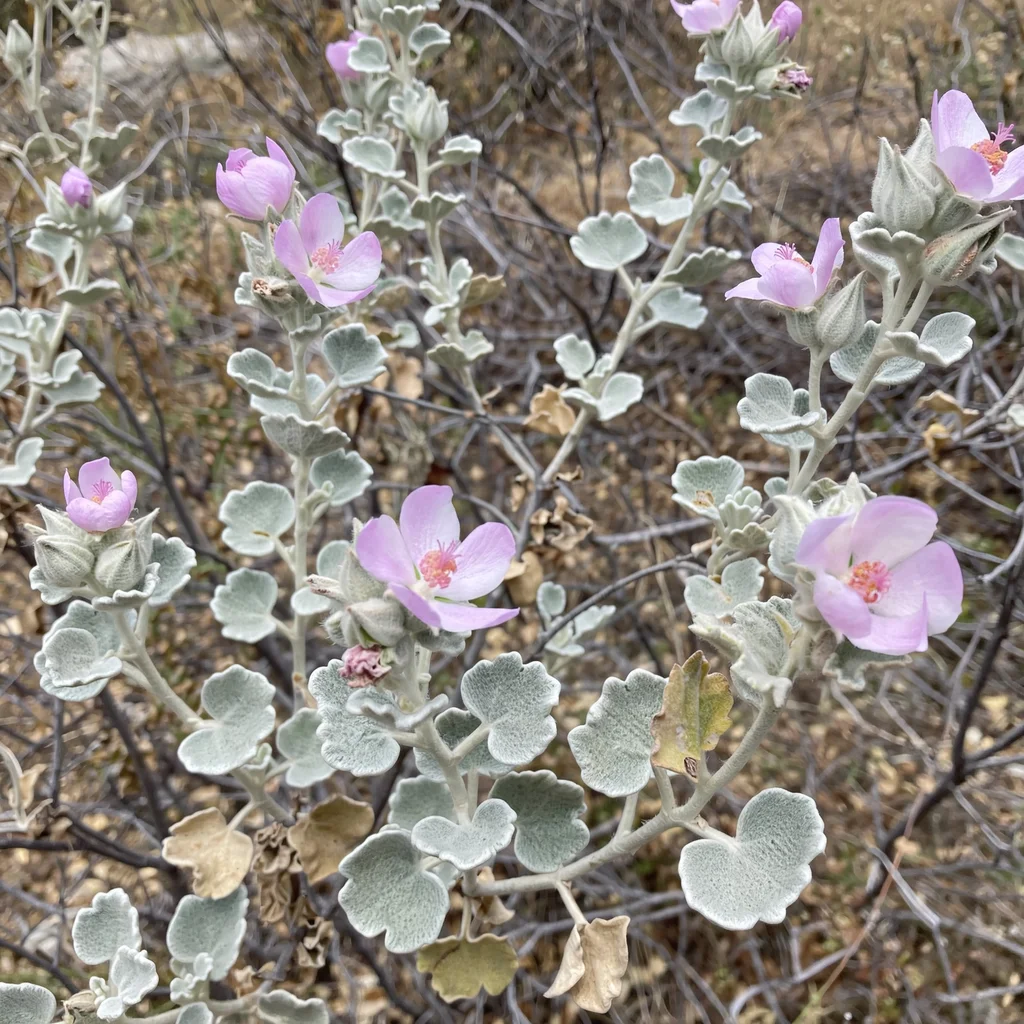
Santa Clarita Bushmallow
Malacothamnus marrubioides
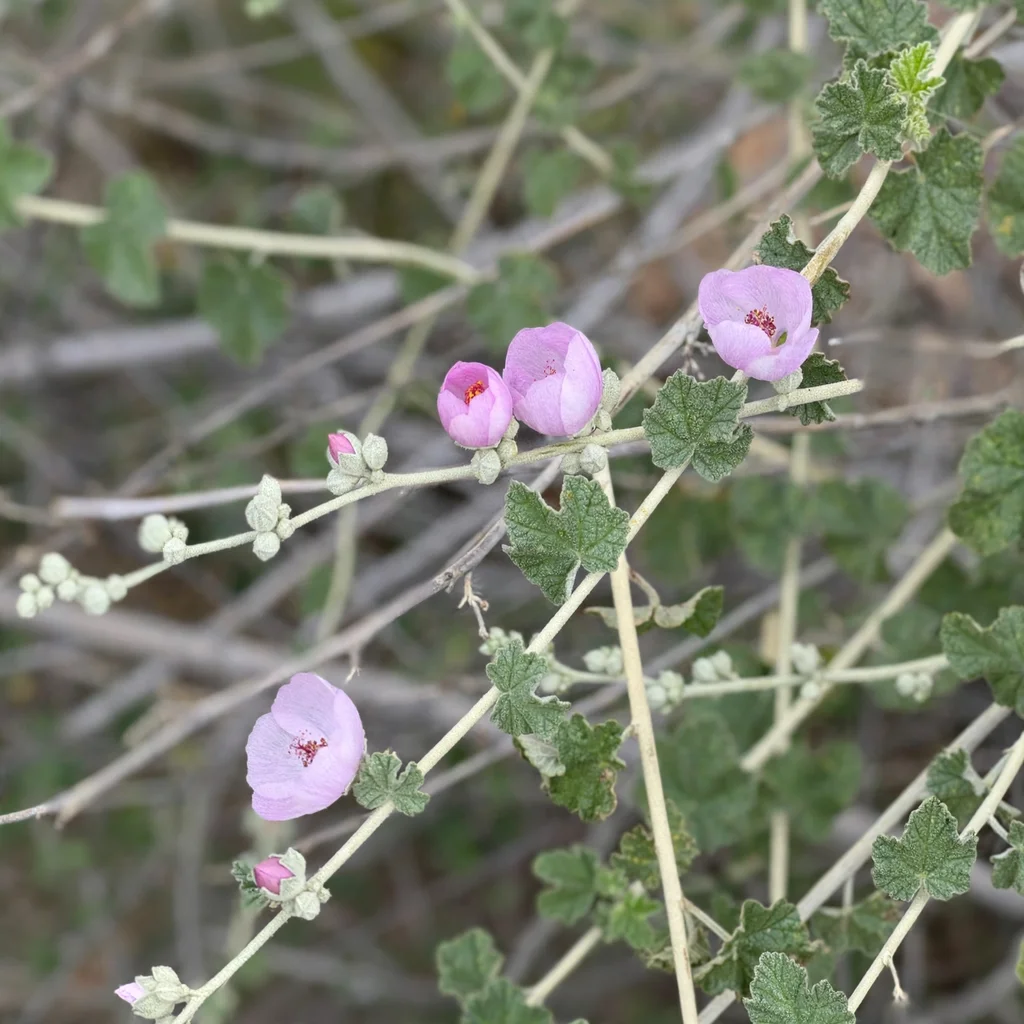
Chaparral Mallow
Malacothamnus fasciculatus
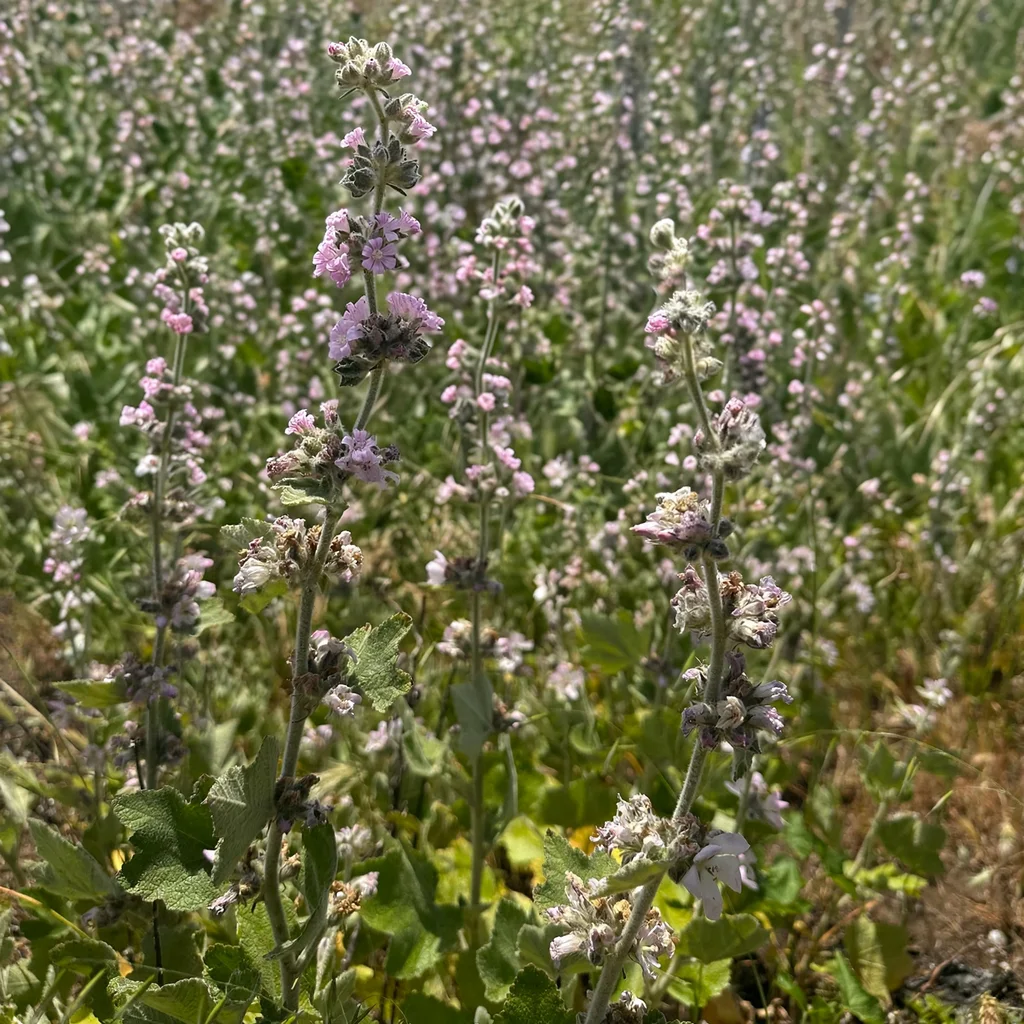
San Clemente Island Bushmallow
Malacothamnus clementinus
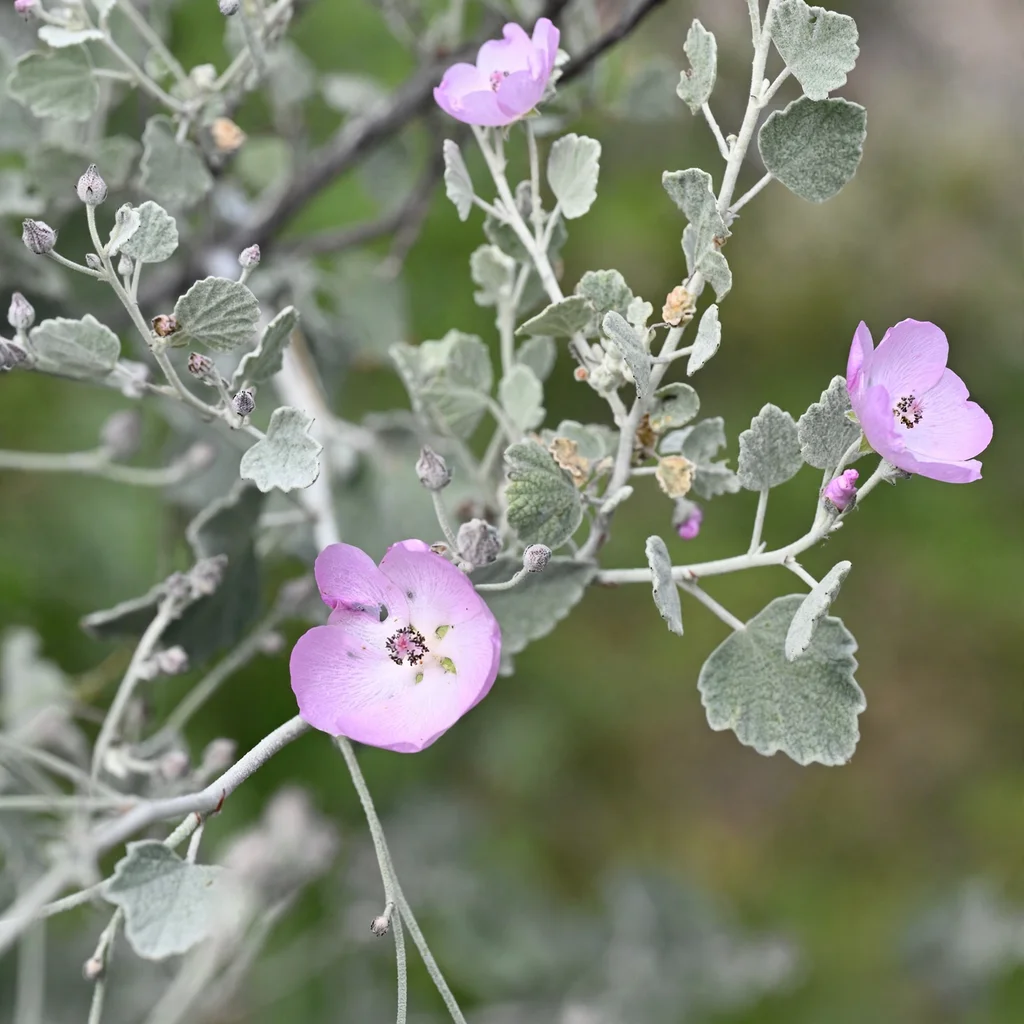
Jones's Bushmallow
Malacothamnus jonesii
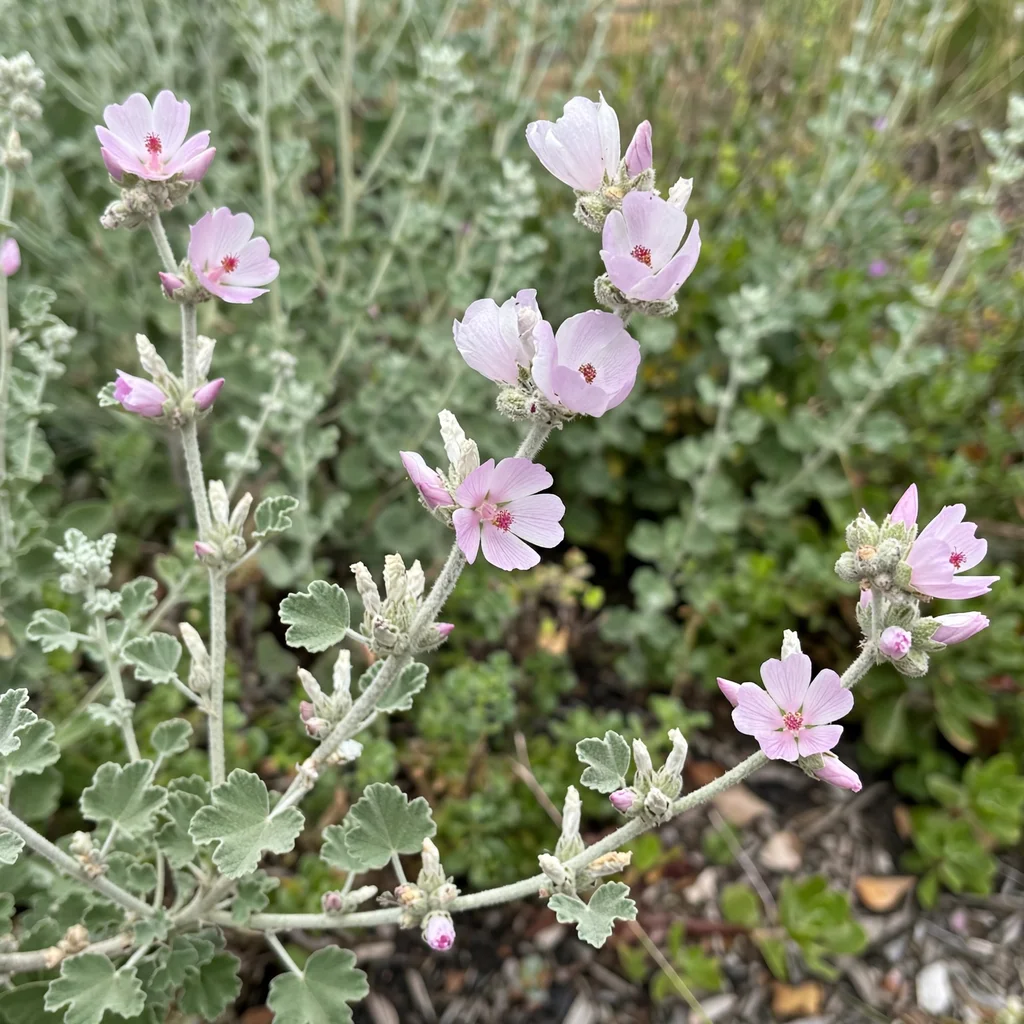
Arcuate Bushmallow
Malacothamnus arcuatus
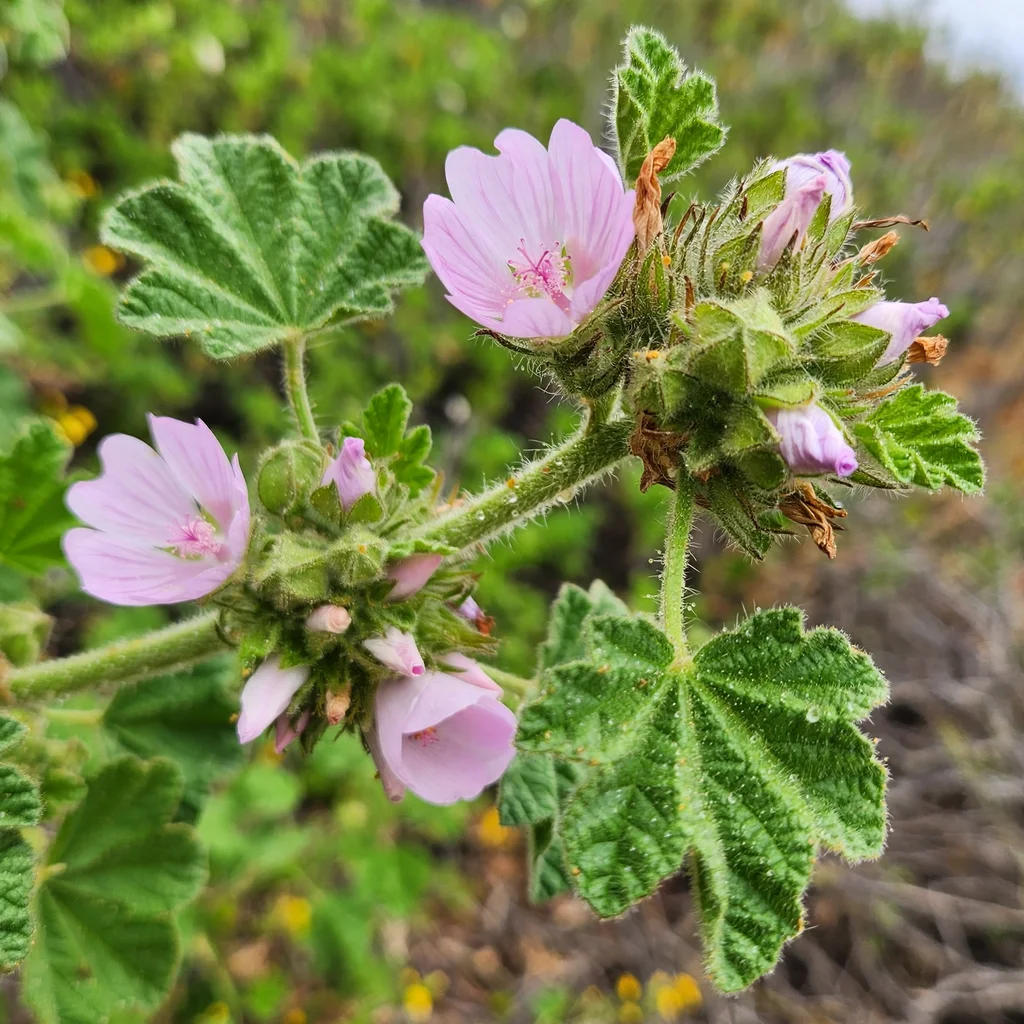
Santa Lucia Bushmallow
Malacothamnus lucianus
Keep exploring
Explore the genus
Hardy in your zone?
Grow Palmer's Bushmallow with confidence
See it in a design of your actual yard, get zone-matched care reminders, and track it season by season in your garden journal.