The Story
Plant Bio
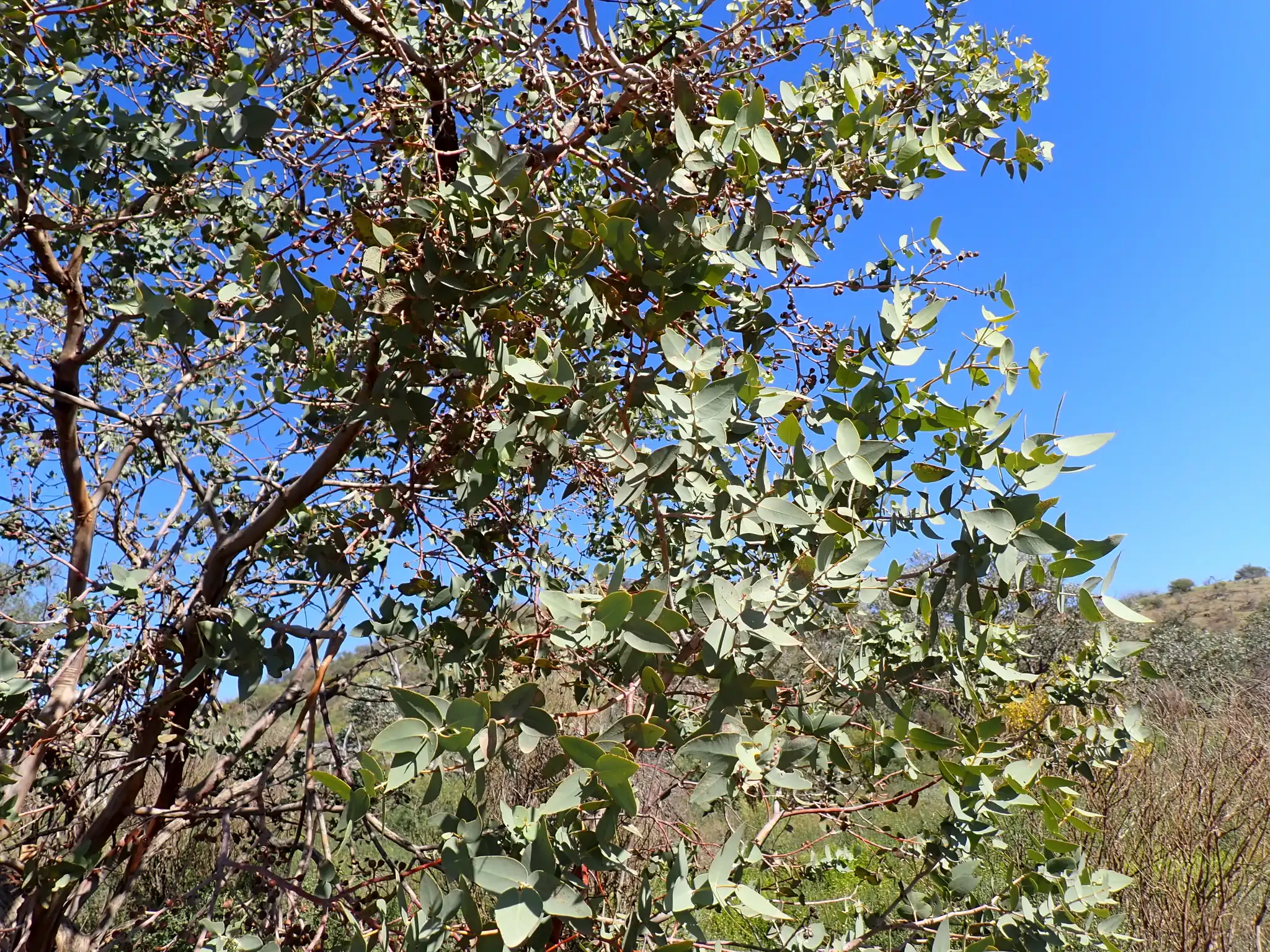
Eucalyptus gillii is a multi-stemmed mallee native to the arid interior of southern Australia, forming an open, picturesque framework up to twenty-five feet tall. Its smooth upper bark sheds in long ribbons to reveal cream, pink, and grey tones above a persistent, flaky grey-brown base.
Unlike most eucalypts, this species permanently retains its silver-blue, heart-shaped juvenile foliage throughout its mature crown. Clusters of pale yellow to deep cream flowers bloom among the glaucous leaves from winter into spring.
Uses & Benefits:
Essentials
At a Glance
Plant Type
Tree
Height
315"
Width
315"
Light
Full Sun
Zones
8, 9, 10
Water
Low
Humidity
Low
Lifespan
Long-lived
Native To
Australia
Toxicity
Non-toxic
Bloom period
Winter – Spring
In flower about 6 months of the year
Planting
How to Grow
- Select a site in full sun with gritty, free-draining soil that receives no lingering standing water.
- Dig a planting hole twice as wide as the root ball but equal in depth to prevent trunk burial.
- Gently position the plant without disturbing the root core, backfill with unamended native soil, and firm lightly.
- Water thoroughly at planting, then water sparingly during the first summer until roots establish.
Pro Tip
Avoid planting in heavy clay or summer-irrigated beds; sharp mineral drainage and unimpeded sun are mandatory to prevent root rot.
Keep It Thriving
Care Guide
Do
- Plant in light, sharply draining soils with full sun exposure.
- Provide minimal supplemental water once established.
- Coppice near ground level if rejuvenation of dense juvenile stems is desired.
Don't
- Do not amend the planting hole with rich organic composts.
- Do not apply heavy phosphorus fertilizers.
- Do not overwater during hot summer months.
Seasonal Care Calendar
| Task | Jan | Feb | Mar | Apr | May | Jun | Jul | Aug | Sep | Oct | Nov | Dec |
|---|---|---|---|---|---|---|---|---|---|---|---|---|
| Fertilize | ||||||||||||
| Pest Check | ||||||||||||
| Prune | ||||||||||||
| Winter Prep |
Watch Out For
Pests & Diseases
Common Pests
Common Diseases
In the Garden
Landscape Uses & Companions
Landscape Uses
Multiply
Propagation Methods
Good to Know
Common Questions
Curly Mallee questions
What zones can Curly Mallee grow in?
Curly Mallee is hardy in USDA Zones 8–10: in that range it survives winter in the ground. Colder than Zone 8, winters are too cold for it to survive outdoors.
Is Curly Mallee deer resistant?
Not reliably. Deer may browse Curly Mallee, especially tender spring growth — plan on repellents or fencing where pressure is high.
When does Curly Mallee bloom?
Curly Mallee typically blooms from winter to spring. Exact timing shifts a week or two with your zone — Sow's bloom calendar maps it to your garden.
Does Curly Mallee need full sun?
Curly Mallee does best in full sun (6+ hours).
Is Curly Mallee drought tolerant?
Yes — once established (usually after the first full season), Curly Mallee handles dry spells with minimal watering. Water deeply its first year to build the root system that makes that possible.
More Eucalyptus to compare
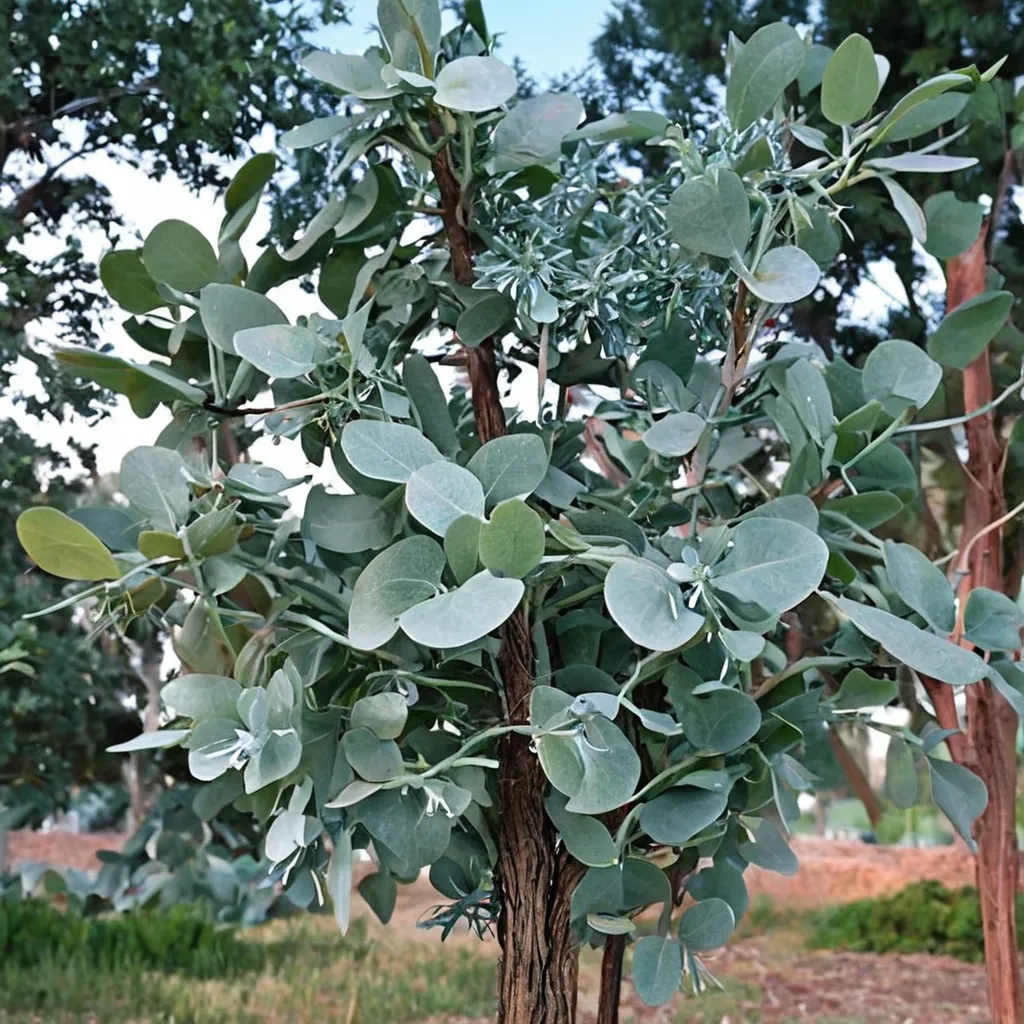
Silver Dollar Eucalyptus
Eucalyptus cinerea
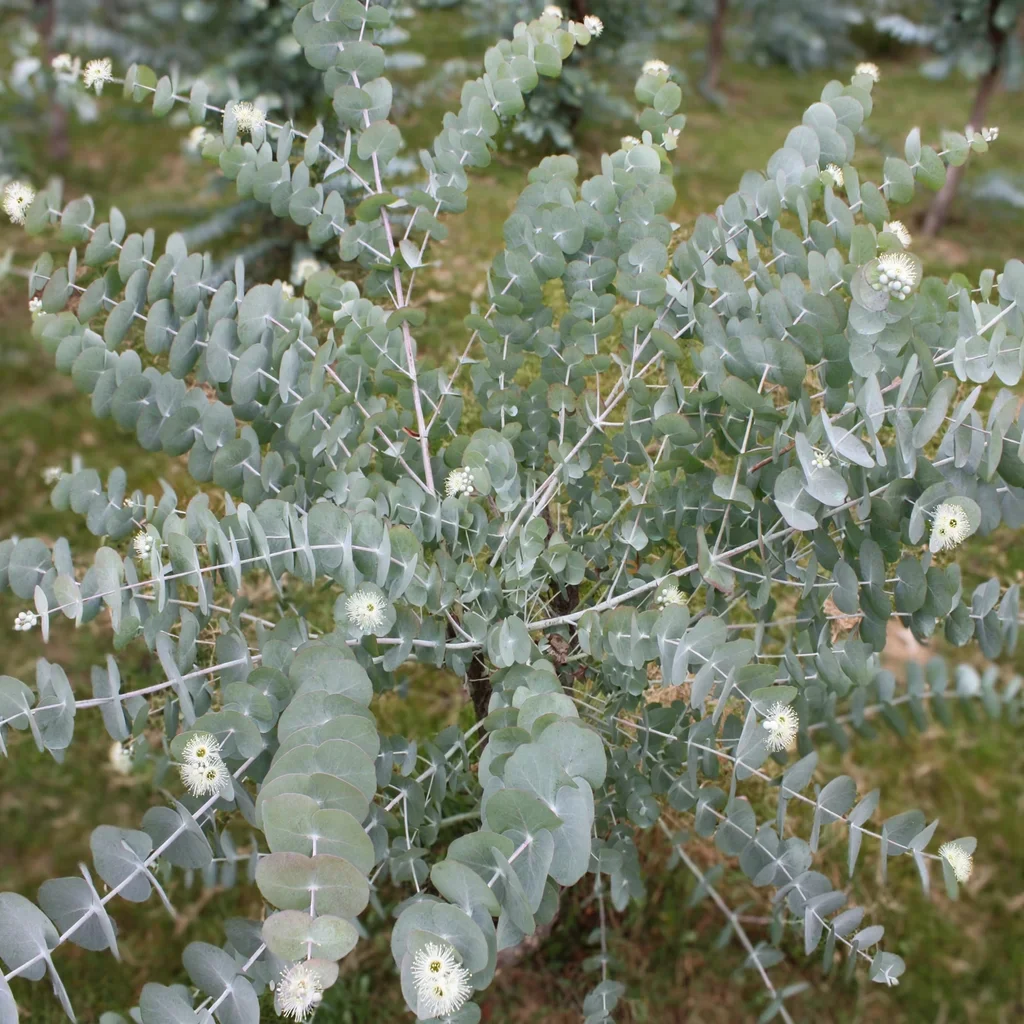
Silver Dollar Tree
Eucalyptus cinerea 'Silver Dollar Tree'
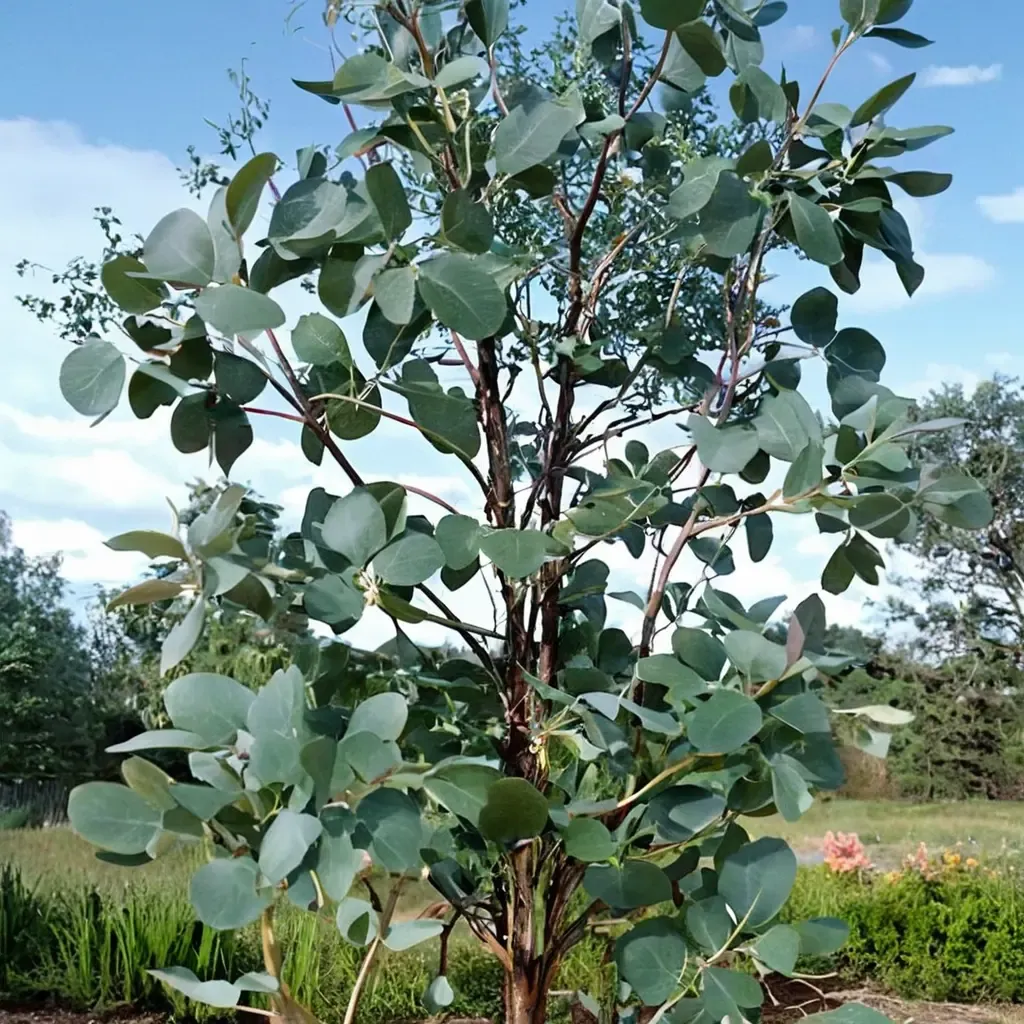
Omeo Gum
Eucalyptus neglecta
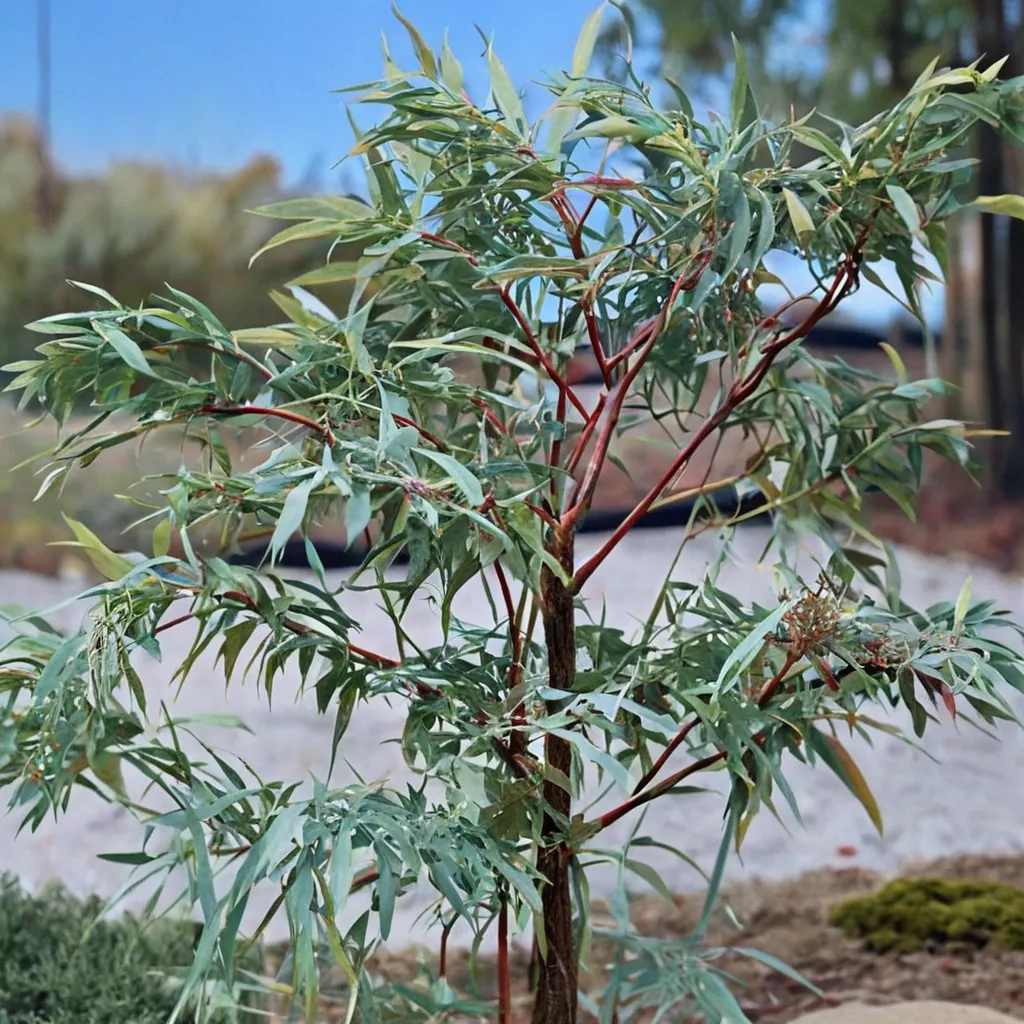
Narrow-leaved Peppermint Eucalyptus
Eucalyptus nicholii
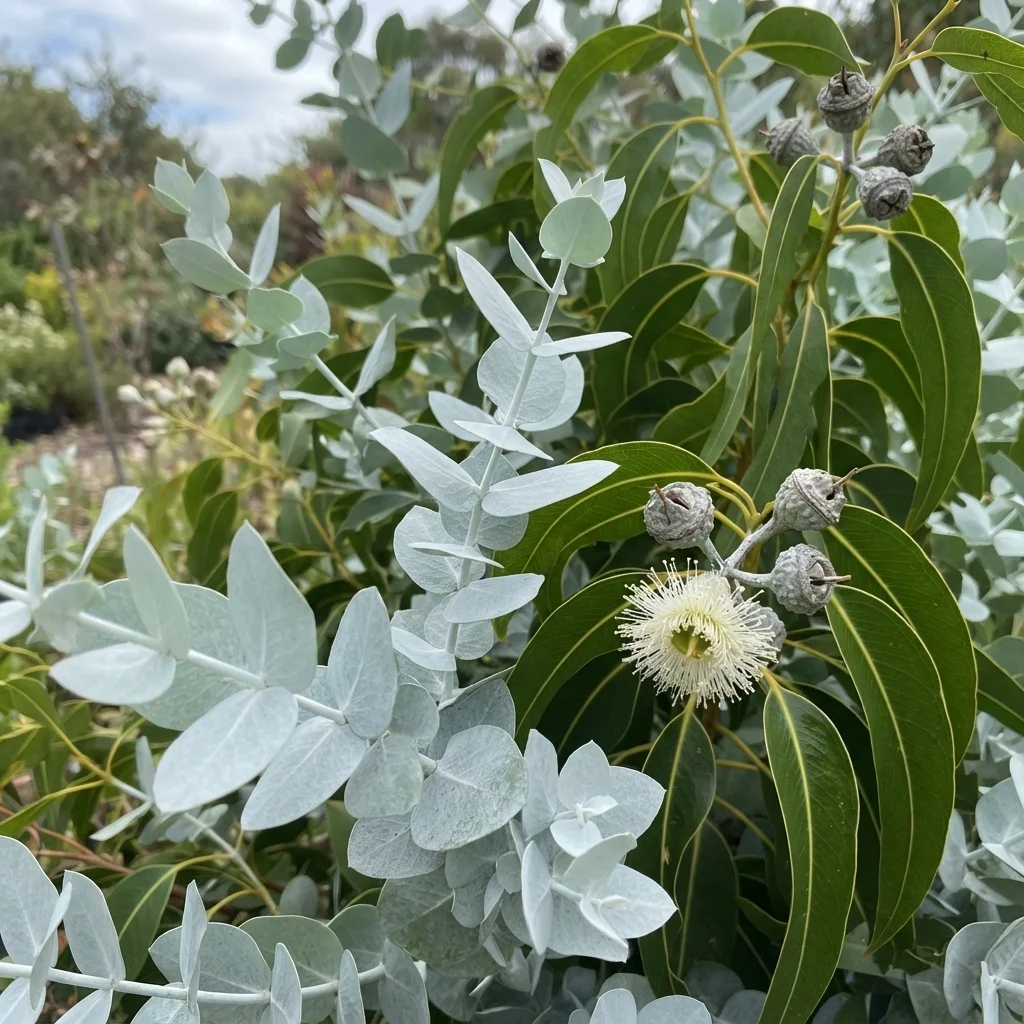
Tasmanian Blue Gum
Eucalyptus globulus
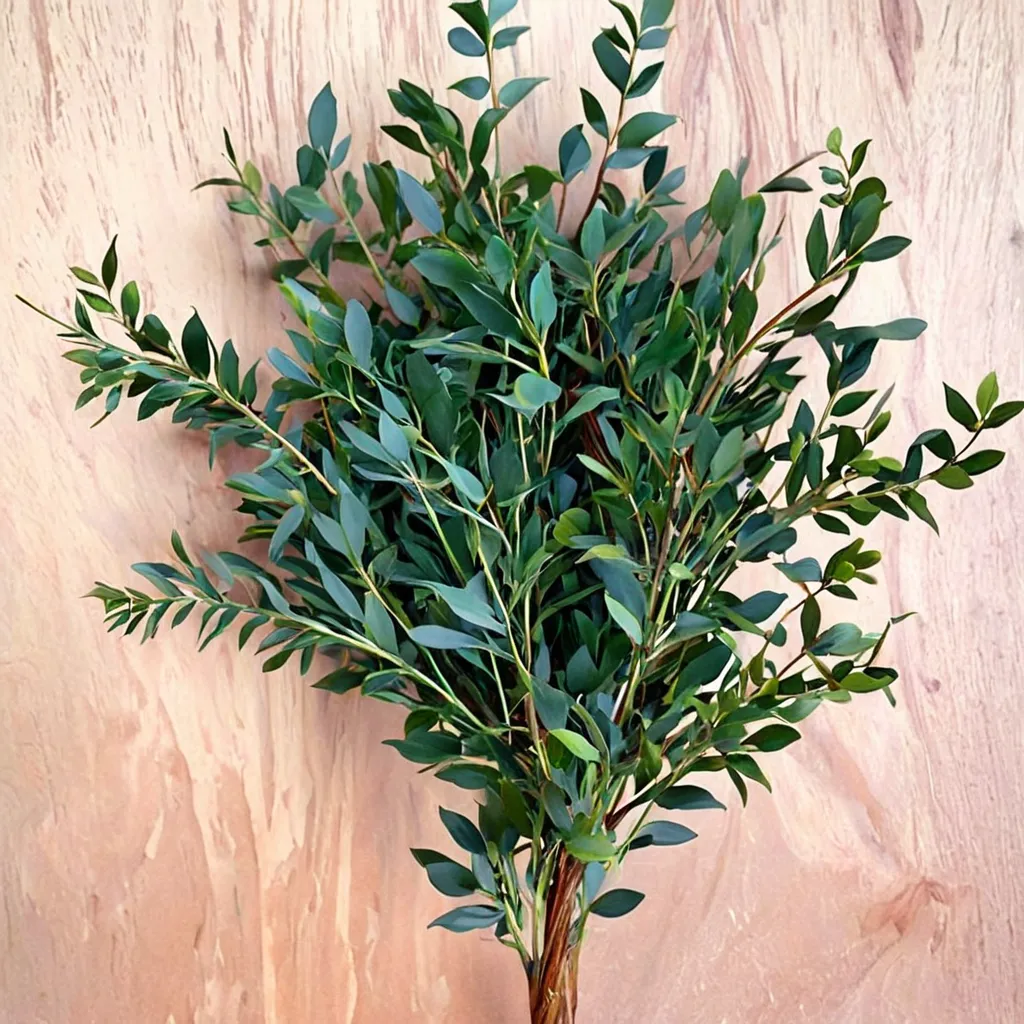
Small-leaved Gum
Eucalyptus parvula
Keep exploring
Explore the genus
Hardy in your zone?
Grow Curly Mallee with confidence
See it in a design of your actual yard, get zone-matched care reminders, and track it season by season in your garden journal.