The Story
Plant Bio
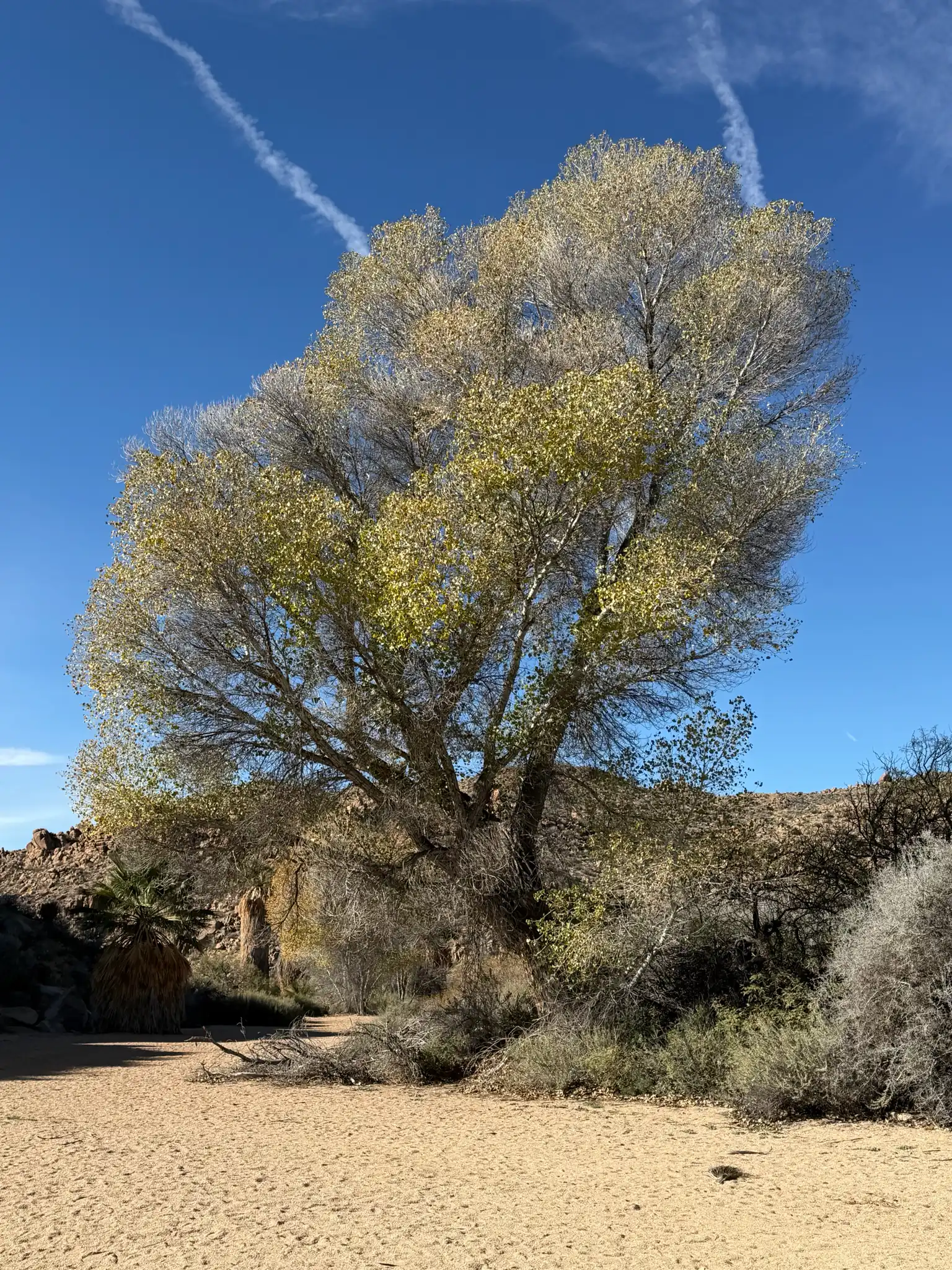
Populus fremontii is a large, fast-growing deciduous tree native to the riparian zones of the Southwestern United States and Mexico. It develops a broad, open, spreading crown supported by a trunk with thick, deeply furrowed grey-white bark.
The broadly triangular, bright green leaves feature laterally flattened petioles that cause the foliage to shimmer and rustle in the slightest breeze before turning vibrant yellow in the fall. In early spring, separate male and female trees produce inconspicuous greenish-white catkins, with female specimens later releasing wind-borne seeds enveloped in cottony fluff.
Uses & Benefits:
Essentials
At a Glance
Plant Type
Tree
Height
1181"
Width
590"
Light
Full Sun
Zones
4, 5, 6, 7, 8, 9
Water
High
Humidity
Low to moderate
Lifespan
Moderate
Native To
North America
Toxicity
Non-toxic
Bloom period
Spring
In flower about 3 months of the year
Planting
How to Grow
- Select a planting site in full sun with deep, moist, alluvial soil or a high water table.
- Dig a hole twice the width of the root ball and set the tree at its original growing depth.
- Water deeply and regularly during the first two growing seasons to establish a deep root system.
- Install physical wire cages around young trunks to prevent damage from browsing mammals.
Pro Tip
Prune strictly during winter dormancy and avoid cutting back into old, leafless wood without active buds, as this results in weak, patchy regrowth.
Keep It Thriving
Care Guide
Do
- Provide deep, supplemental irrigation during extended dry spells to prevent crown dieback.
- Protect young tree trunks with wire cages to deter rabbits, deer, and livestock.
- Site the tree at least 50 feet away from sewer lines, septic fields, and foundations.
Don't
- Do not apply heavy nitrogen fertilizers, which stimulate weak, pest-prone structural growth.
- Do not use overhead sprinklers, as wet foliage encourages foliar rusts and powdery mildew.
- Do not prune the tree during the active spring and summer growing seasons.
Seasonal Care Calendar
| Task | Jan | Feb | Mar | Apr | May | Jun | Jul | Aug | Sep | Oct | Nov | Dec |
|---|---|---|---|---|---|---|---|---|---|---|---|---|
| Mulch | ||||||||||||
| Pest Check | ||||||||||||
| Propagate | ||||||||||||
| Prune |
Watch Out For
Pests & Diseases
Common Pests
Common Diseases
In the Garden
Landscape Uses & Companions
Landscape Uses
Companion Plants
Multiply
Propagation Methods
Good to Know
Common Questions
Fremont Cottonwood questions
What zones can Fremont Cottonwood grow in?
Fremont Cottonwood is hardy in USDA Zones 4–9. Inside that range it survives winter in the ground; outside it, grow it as an annual or a container plant you protect.
Is Fremont Cottonwood deer resistant?
Not reliably. Deer may browse Fremont Cottonwood, especially tender spring growth — plan on repellents or fencing where pressure is high.
When does Fremont Cottonwood bloom?
Fremont Cottonwood typically blooms in spring through spring. Exact timing shifts a week or two with your zone — Sow's bloom calendar maps it to your garden.
Does Fremont Cottonwood need full sun?
Fremont Cottonwood does best in full sun (6+ hours).
More Populus to compare
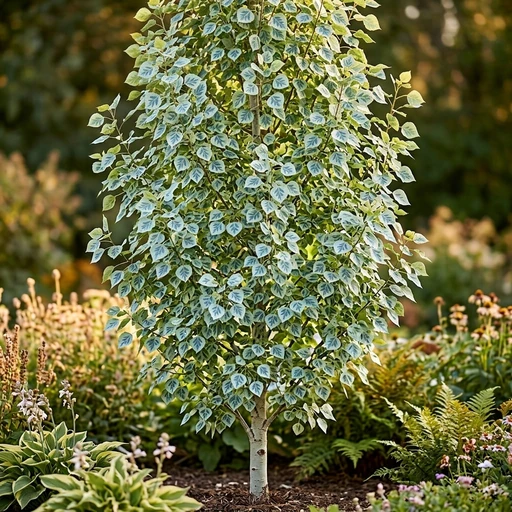
Summer Shimmer Aspen
Populus tremuloides 'Klaus Select'
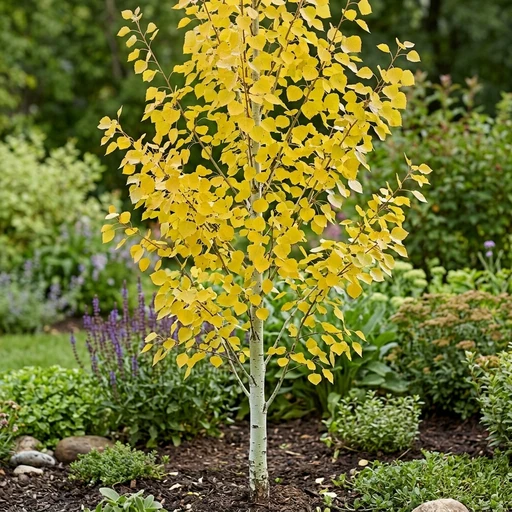
Prairie Gold Quaking Aspen
Populus tremuloides 'Prairie Gold'
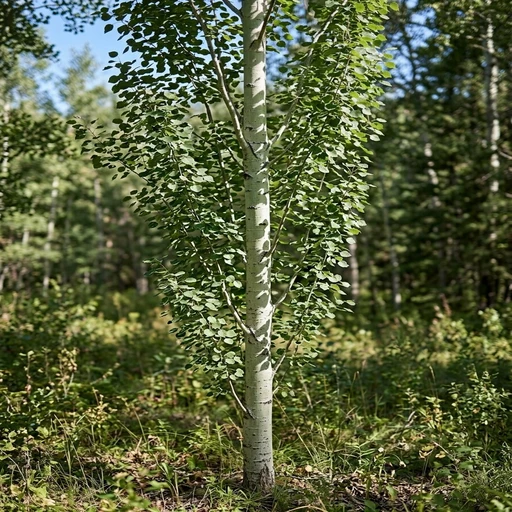
Mountain Sentinel Aspen
Populus tremuloides 'Mountain Sentinel'
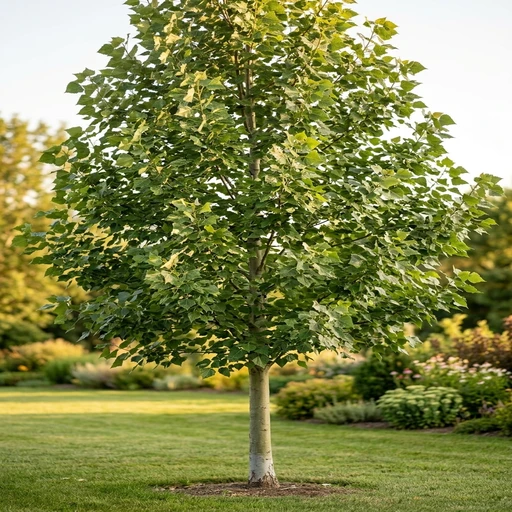
Siouxland Cottonless Poplar
Populus deltoides 'Siouxland'
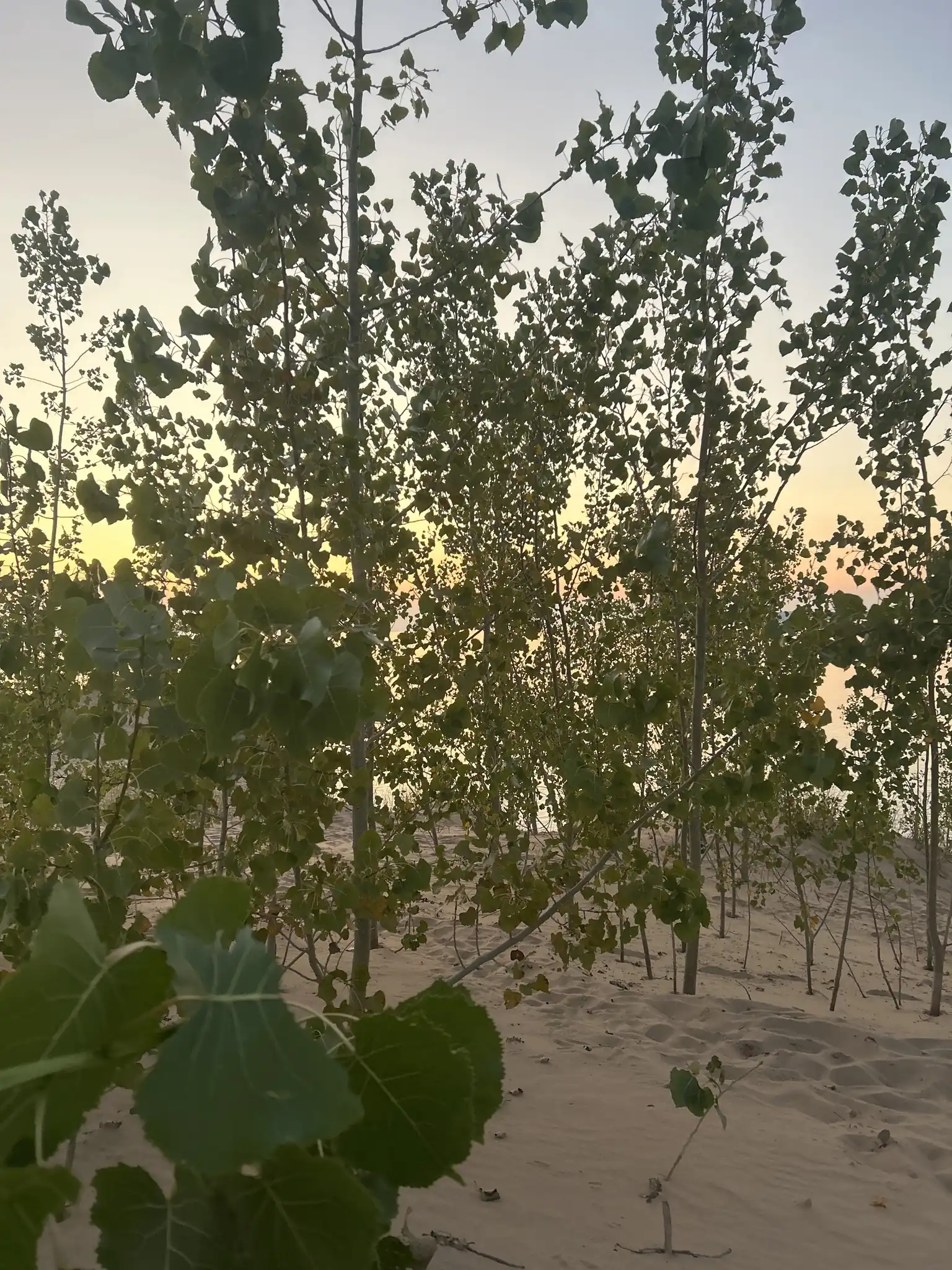
Eastern Cottonwood
Populus deltoides
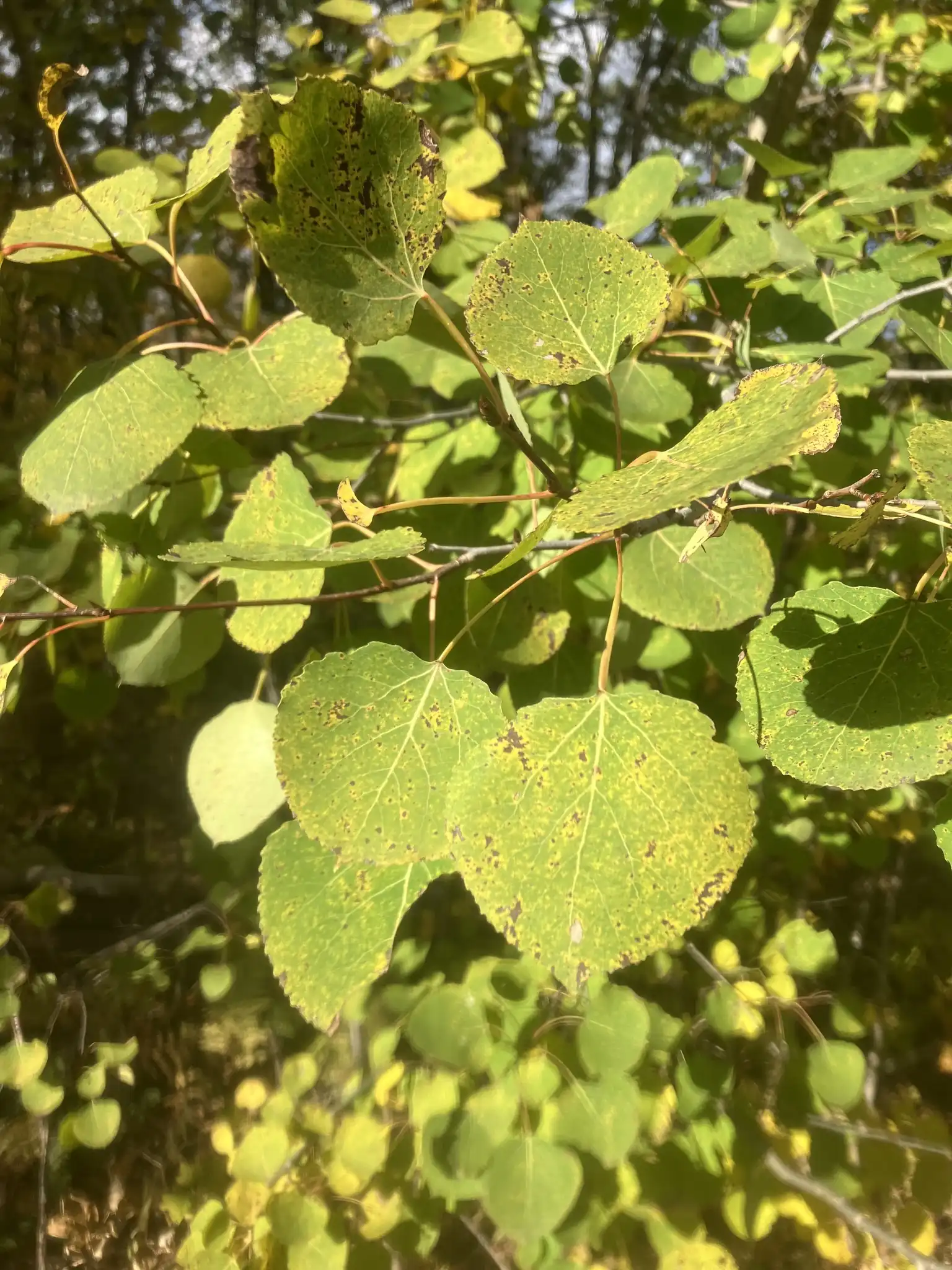
Quaking Aspen
Populus tremuloides
Keep exploring
Explore the genus
Grow Fremont Cottonwood with confidence
See it in a design of your actual yard, get zone-matched care reminders, and track it season by season in your garden journal.