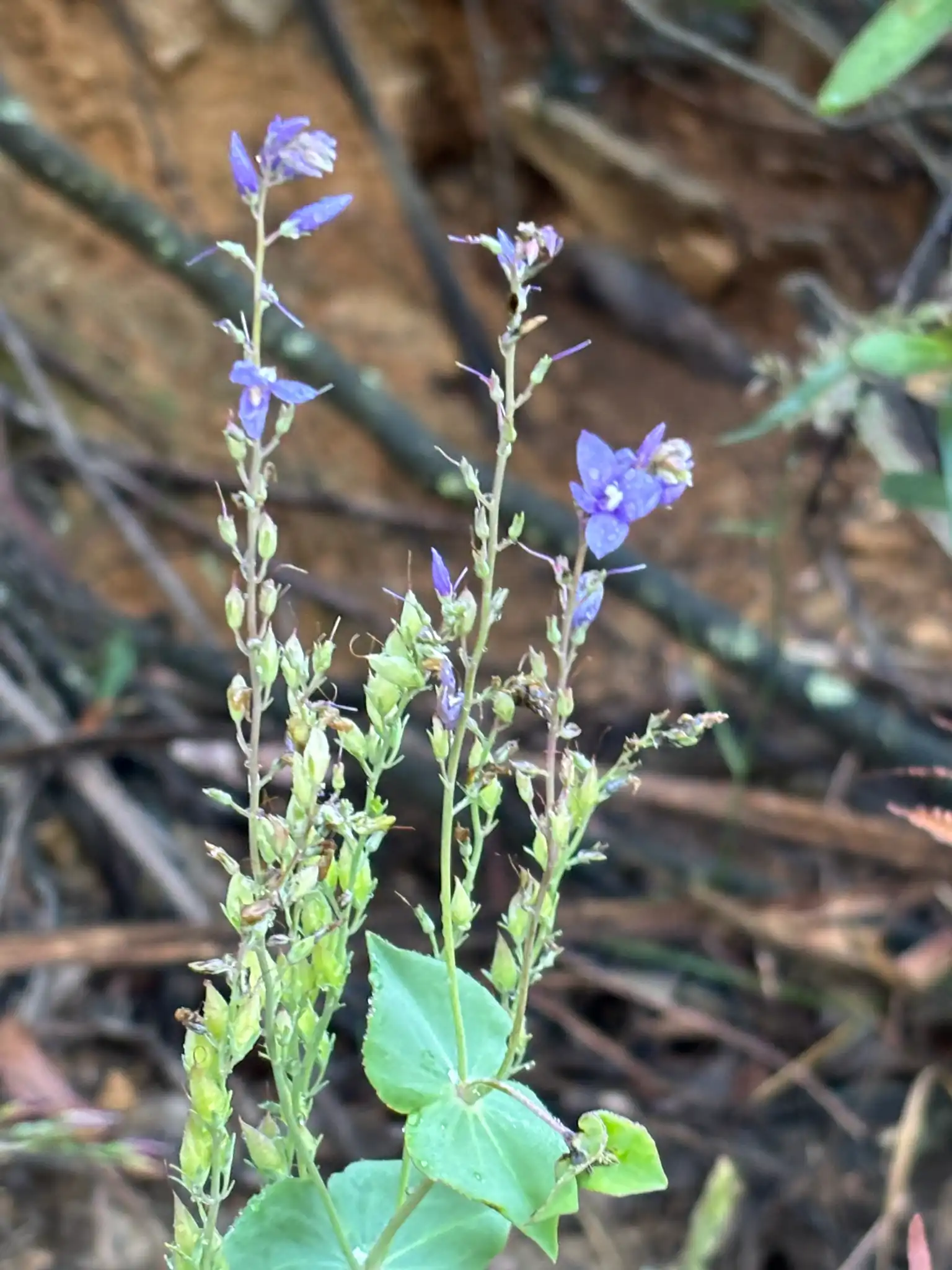
The Story
Plant Bio
Veronica perfoliata, commonly known as digger's speedwell, is an evergreen subshrub featuring arching stems clad in glaucous, blue-grey leaves that completely clasp the stems at their base. In late spring and summer, terminal racemes up to eighteen inches long emerge, packed with small, four-petaled flowers ranging from bright blue to violet-blue.
The perfoliate foliage gives stems a disk-pierced appearance, creating a eucalyptus-like leaf texture on a low perennial frame. Unlike standard herbaceous speedwells, this species grows from a persistent woody rootstock and requires loose, sharply drained soil to endure.
Uses & Benefits:
Essentials
At a Glance
Plant Type
Perennial
Height
47"
Width
39"
Light
Full Sun, Partial Sun
Zones
6, 7, 8, 9, 10
Water
Low
Humidity
Low
Lifespan
Perennial
Native To
Southeastern Australia
Toxicity
Non-toxic
Bloom period
Late spring – Summer
In flower about 4 months of the year
Planting
How to Grow
- Select a planting location in full sun to partial shade with well-drained loamy, sandy, or gravelly soil.
- Dig a planting hole twice as wide as the root ball and work fine gravel into the soil if drainage is slow.
- Place the plant so the top of the root ball sits flush with the surrounding soil level, then firm soil around the base.
- Water thoroughly at planting, allowing the upper soil layer to dry completely between subsequent waterings.
- Apply a thin layer of gravel or stone mulch around the crown to keep soil moisture away from basal leaves.
Pro Tip
Cut spent flowering stems back close to the rootstock rather than pruning into old, leafless woody stems that lack active dormant buds.
Keep It Thriving
Care Guide
Do
- Plant in sharply drained, sandy, or rocky soil with direct sun exposure.
- Prune flowering stems back to near ground level after blooms fade.
- Maintain high light and good air circulation around the crown.
Don't
- Do not plant in heavy, waterlogged, or clay soils.
- Do not cut hard into bare, old woody stems without active buds.
- Do not subject plants to high, prolonged summer humidity.
Seasonal Care Calendar
| Task | Jan | Feb | Mar | Apr | May | Jun | Jul | Aug | Sep | Oct | Nov | Dec |
|---|---|---|---|---|---|---|---|---|---|---|---|---|
| Pest Check | ||||||||||||
| Plant | ||||||||||||
| Propagate | ||||||||||||
| Prune |
Watch Out For
Pests & Diseases
Common Pests
Common Diseases
In the Garden
Landscape Uses & Companions
Landscape Uses
Multiply
Propagation Methods
Good to Know
Common Questions
Digger's Speedwell questions
What zones can Digger's Speedwell grow in?
Digger's Speedwell is hardy in USDA Zones 6–10: in that range it survives winter in the ground. Colder than Zone 6, grow it in a container you can move to shelter for the winter, or as an annual.
When does Digger's Speedwell bloom?
Digger's Speedwell typically blooms from late spring to late summer. Exact timing shifts a week or two with your zone — Sow's bloom calendar maps it to your garden.
Does Digger's Speedwell need full sun?
Digger's Speedwell does best in full sun to part shade. In hot climates, afternoon shade keeps blooms fresher longer.
Is Digger's Speedwell drought tolerant?
Yes — once established (usually after the first full season), Digger's Speedwell handles dry spells with minimal watering. Water deeply its first year to build the root system that makes that possible.
More Veronica to compare
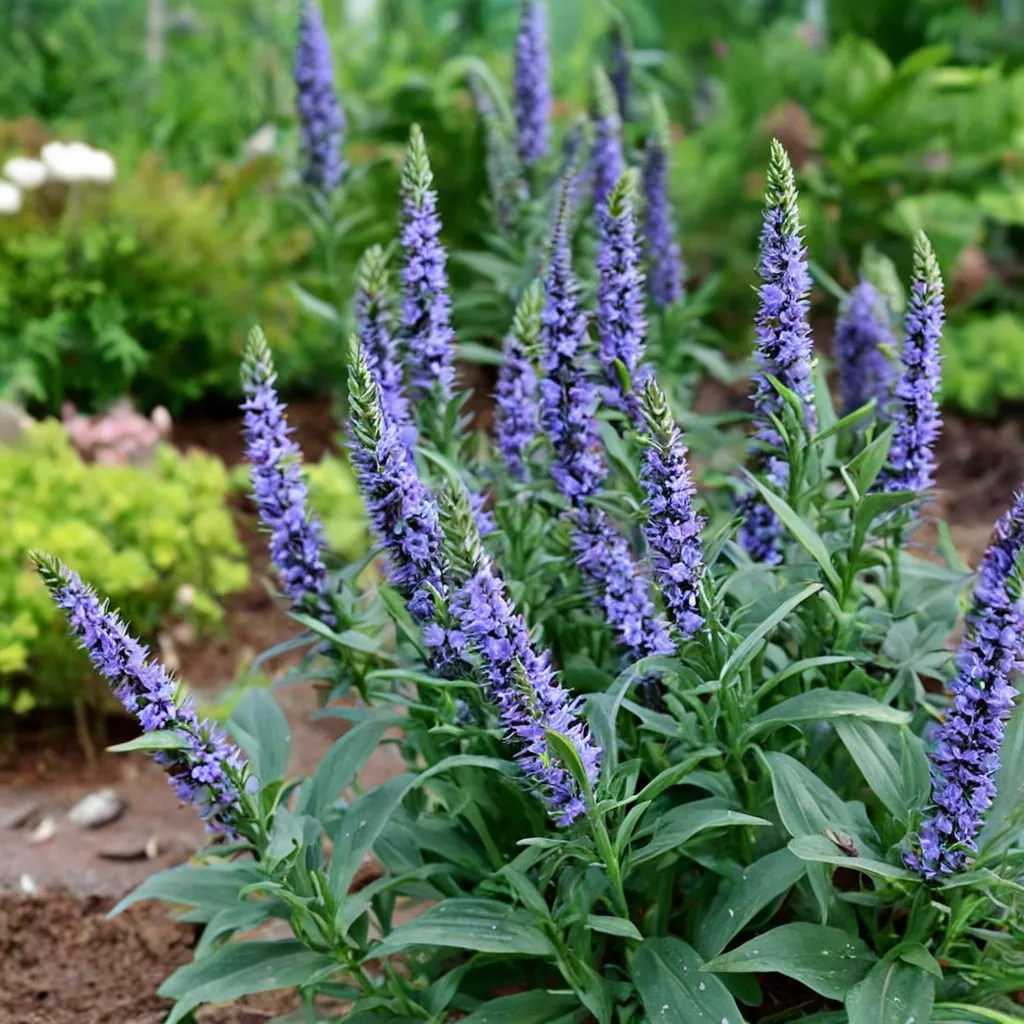
Moody Blues Sky Blue Veronica
Veronica spicata 'Moody Blues Sky Blue'
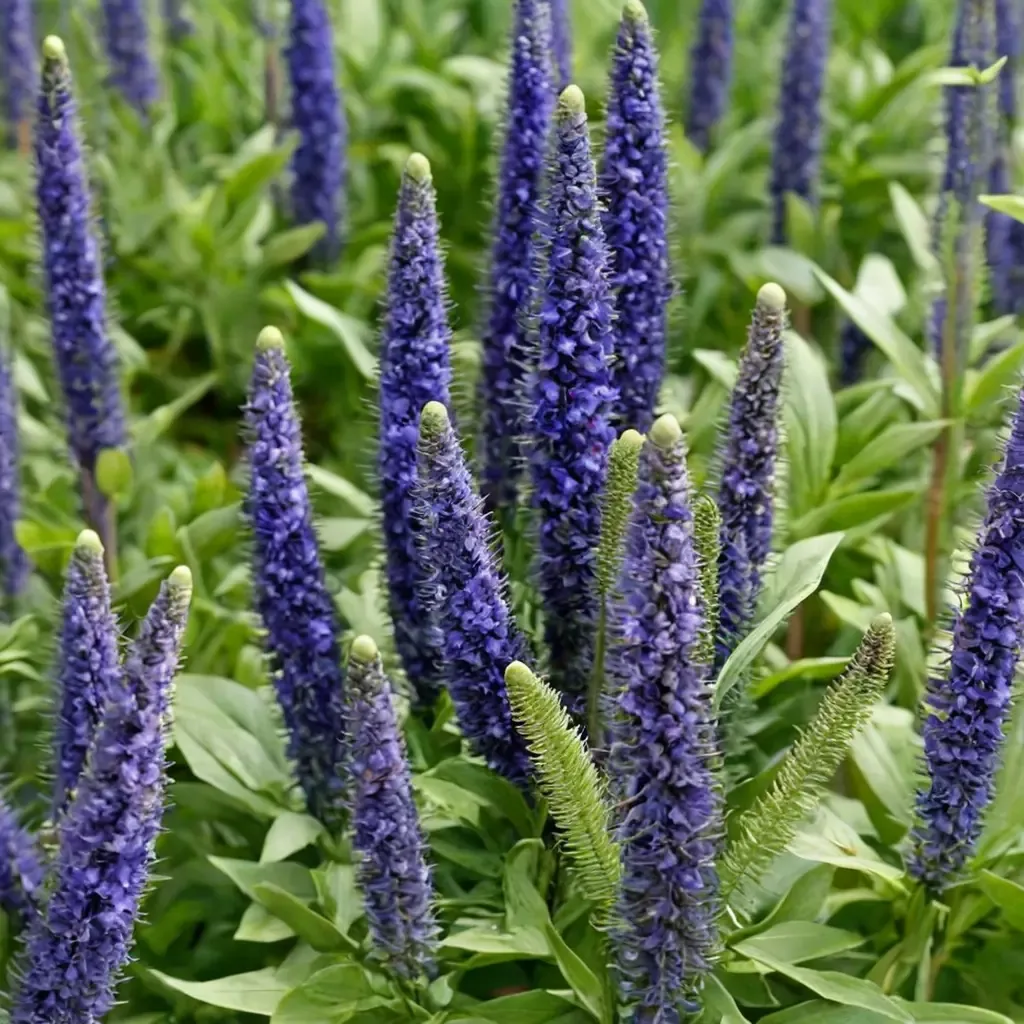
Royal Candles Speedwell
Veronica spicata 'Royal Candles'
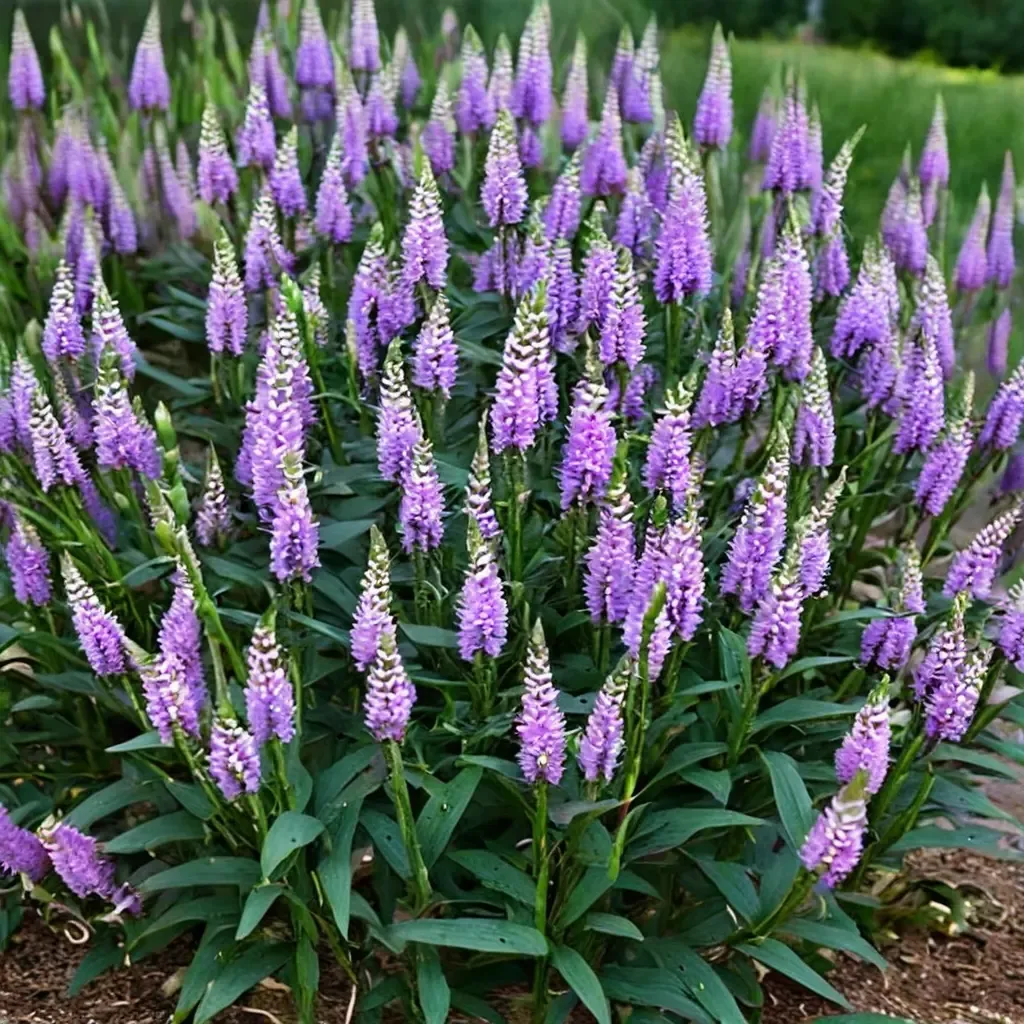
Lavender Lightsaber Speedwell
Veronica spicata 'Lavender Lightsaber'
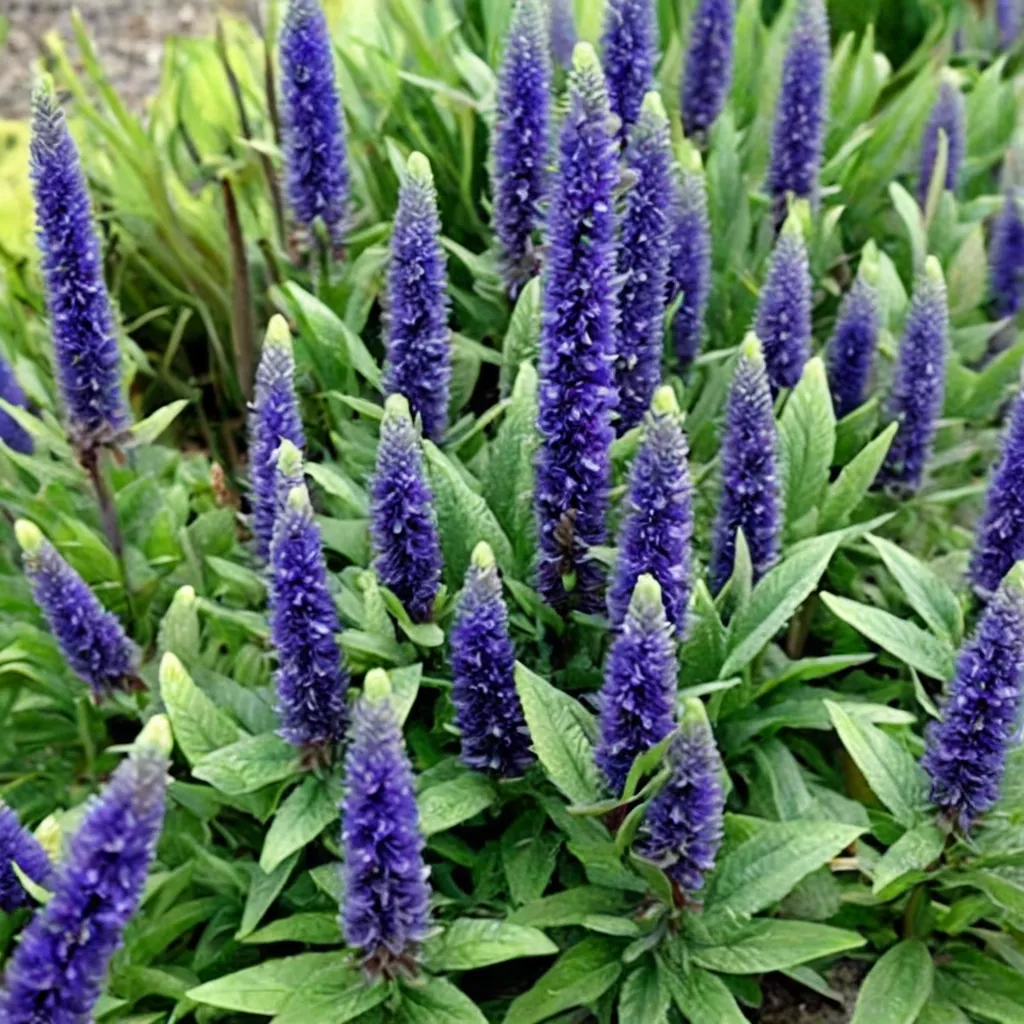
Royal Candles Spike Speedwell
Veronica spicata 'Glory'
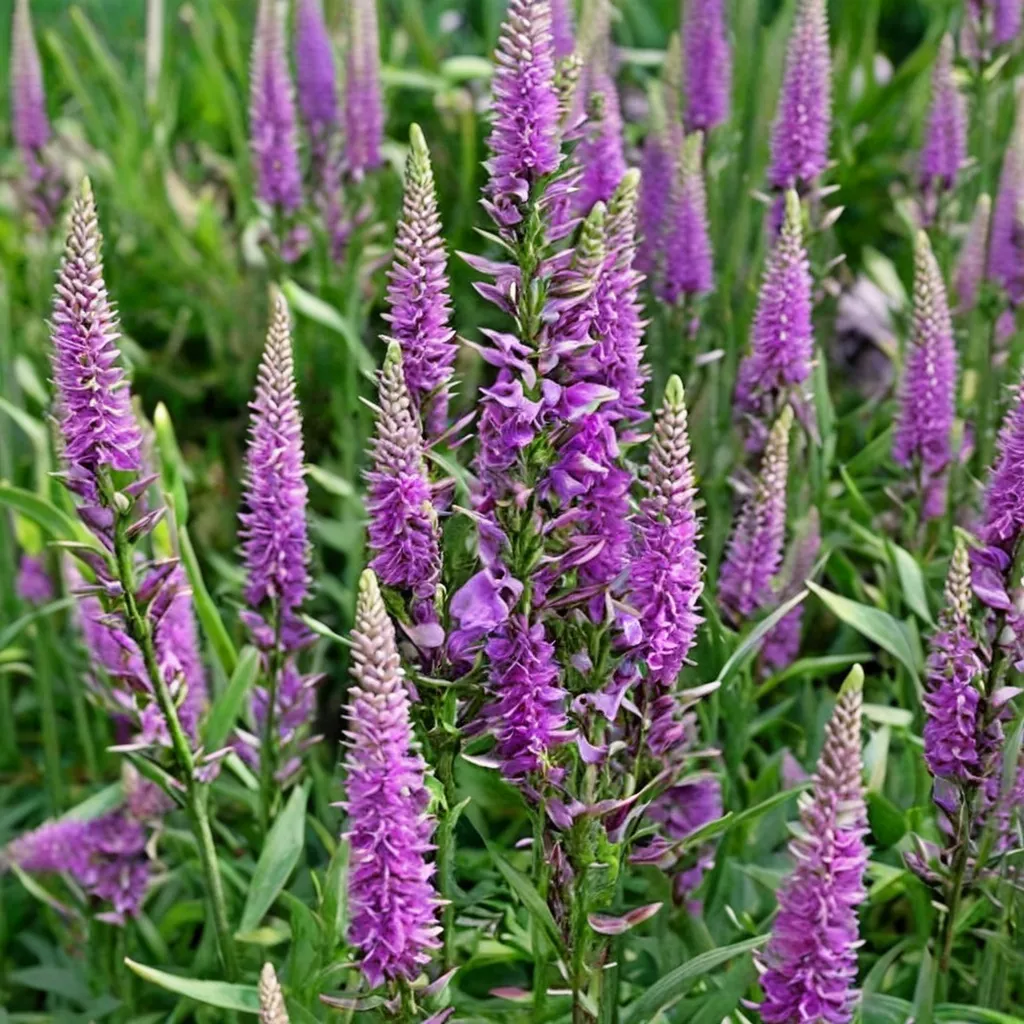
Longifolia Veronica Eveline
Veronica longifolia 'Eveline'
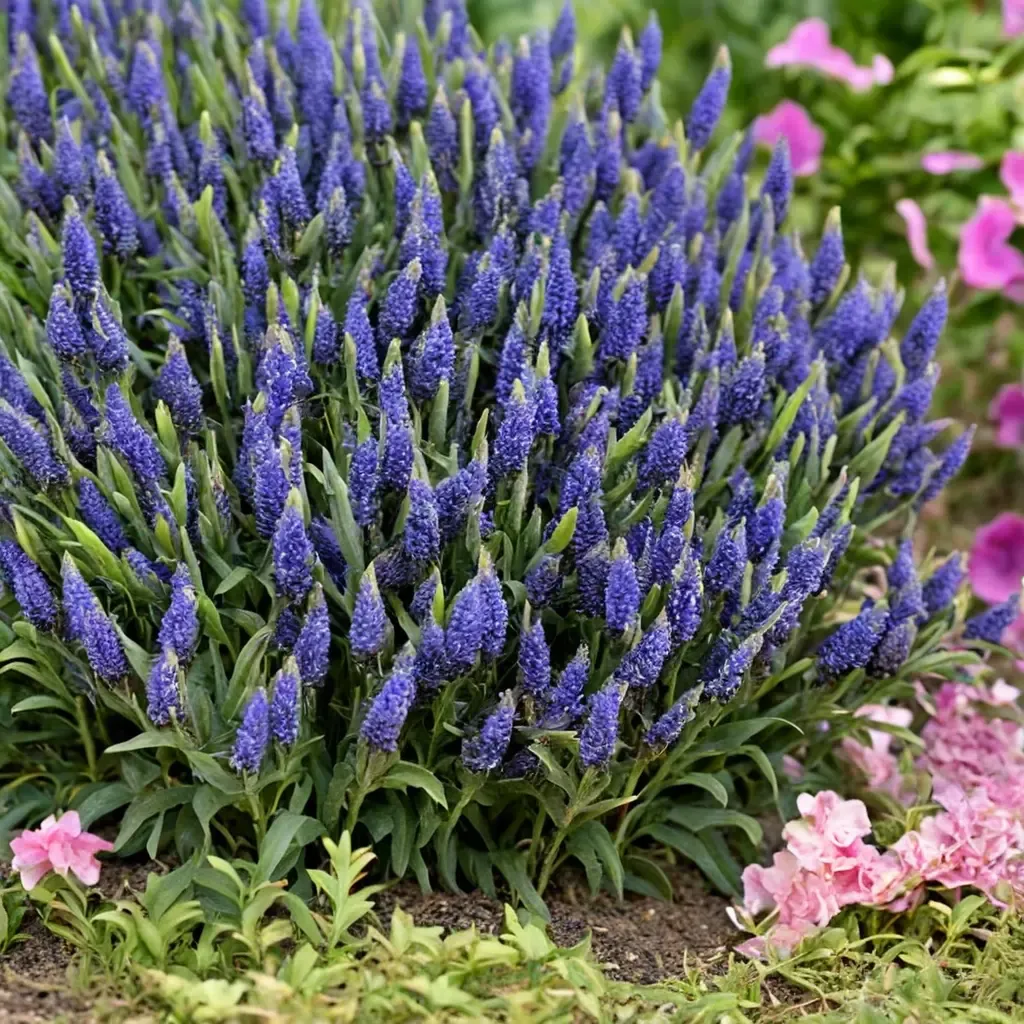
Wizard of Ahhs Speedwell
Veronica spicata 'Wizard Of Ahhs'
Keep exploring
Hardy in your zone?
Grow Digger's Speedwell with confidence
See it in a design of your actual yard, get zone-matched care reminders, and track it season by season in your garden journal.