The Story
Plant Bio
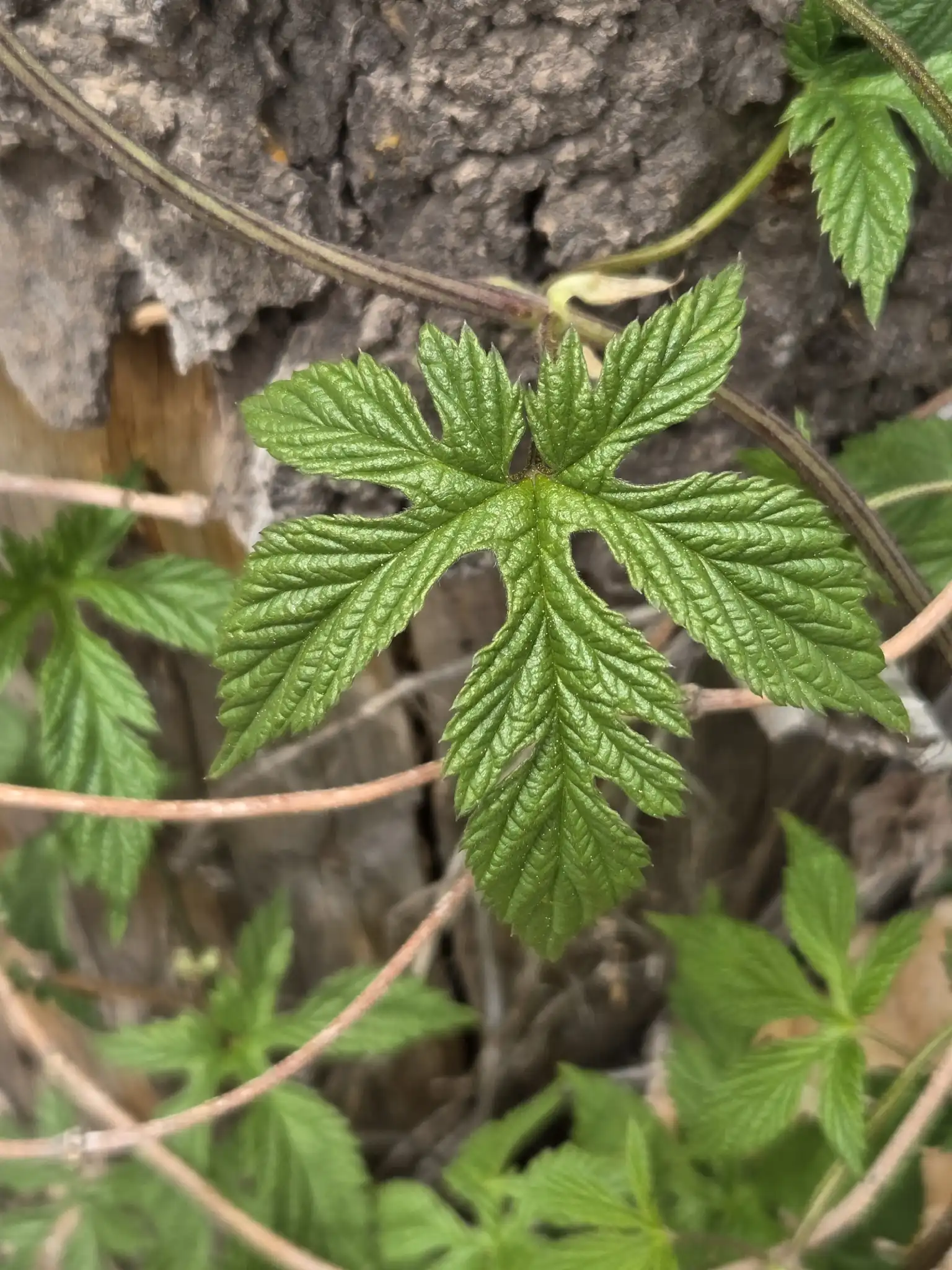
Humulus neomexicanus is a dioecious, herbaceous perennial vine native to western North America, climbing up to twenty-five feet in a single season using rough, hooked stem hairs rather than true tendrils. The foliage consists of deep green, heart-shaped leaves with three to five deeply serrated lobes and yellow glandular hairs on the undersides.
Distinguished from European hops by its adaptation to arid southwestern soils, this vine thrives with lower moisture and fertility inputs once established. Female plants produce aromatic, cone-shaped strobiles packed with yellow lupulin glands from early summer into late August.
Uses & Benefits:
Essentials
At a Glance
Plant Type
Vine
Height
300"
Width
79"
Light
Full Sun, Partial Sun
Zones
4, 5, 6, 7, 8, 9
Water
Low to Moderate
Humidity
Low to Moderate
Lifespan
Perennial
Native To
Western North America
Toxicity
Toxic if ingested in large quantities; skin irritant
Bloom period
Spring – Late summer
In flower about 6 months of the year
Planting
How to Grow
- Select a planting site in full sun to partial shade with sharply draining soil.
- Erect a sturdy trellis, arbor, or cable support capable of supporting dense vine weight.
- Plant rhizomes horizontally two to three inches deep or set potted stock level with the soil surface.
- Water regularly during the first season to establish a deep, drought-tolerant root system.
Pro Tip
Cut all bines hard to ground level in late winter; flower-bearing stems are produced entirely on fresh annual growth and old stems quickly become woody and unproductive.
Keep It Thriving
Care Guide
Do
- Provide heavy-duty vertical support for twining stems.
- Ensure high soil drainage to prevent root crown rot.
- Wear protective gloves when handling bines to prevent skin scratches from stiff stem hairs.
Don't
- Do not overwater or allow standing water around the root crown.
- Do not over-fertilize, which leads to excess vegetative growth at the expense of cone quality.
- Do not prune into active woody stems during the middle of the growing season.
Seasonal Care Calendar
| Task | Jan | Feb | Mar | Apr | May | Jun | Jul | Aug | Sep | Oct | Nov | Dec |
|---|---|---|---|---|---|---|---|---|---|---|---|---|
| Harvest | ||||||||||||
| Pest Check | ||||||||||||
| Plant | ||||||||||||
| Prune |
Watch Out For
Pests & Diseases
Common Pests
Common Diseases
In the Garden
Landscape Uses & Companions
Landscape Uses
Multiply
Propagation Methods
Good to Know
Common Questions
New Mexico Hop questions
What zones can New Mexico Hop grow in?
New Mexico Hop is hardy in USDA Zones 4–9: in that range it survives winter in the ground. Warmer than Zone 9, winter isn't the problem: it prefers colder winters, and summer heat can shorten its life.
Is New Mexico Hop deer resistant?
Not reliably. Deer may browse New Mexico Hop, especially tender spring growth — plan on repellents or fencing where pressure is high.
When does New Mexico Hop bloom?
New Mexico Hop typically blooms from spring to summer. Exact timing shifts a week or two with your zone — Sow's bloom calendar maps it to your garden.
Does New Mexico Hop need full sun?
New Mexico Hop does best in full sun to part shade. In hot climates, afternoon shade keeps blooms fresher longer.
Is New Mexico Hop drought tolerant?
Yes — once established (usually after the first full season), New Mexico Hop handles dry spells with minimal watering. Water deeply its first year to build the root system that makes that possible.
More Humulus to compare
Keep exploring
Explore the genus
Grow New Mexico Hop with confidence
See it in a design of your actual yard, get zone-matched care reminders, and track it season by season in your garden journal.