The Story
Plant Bio
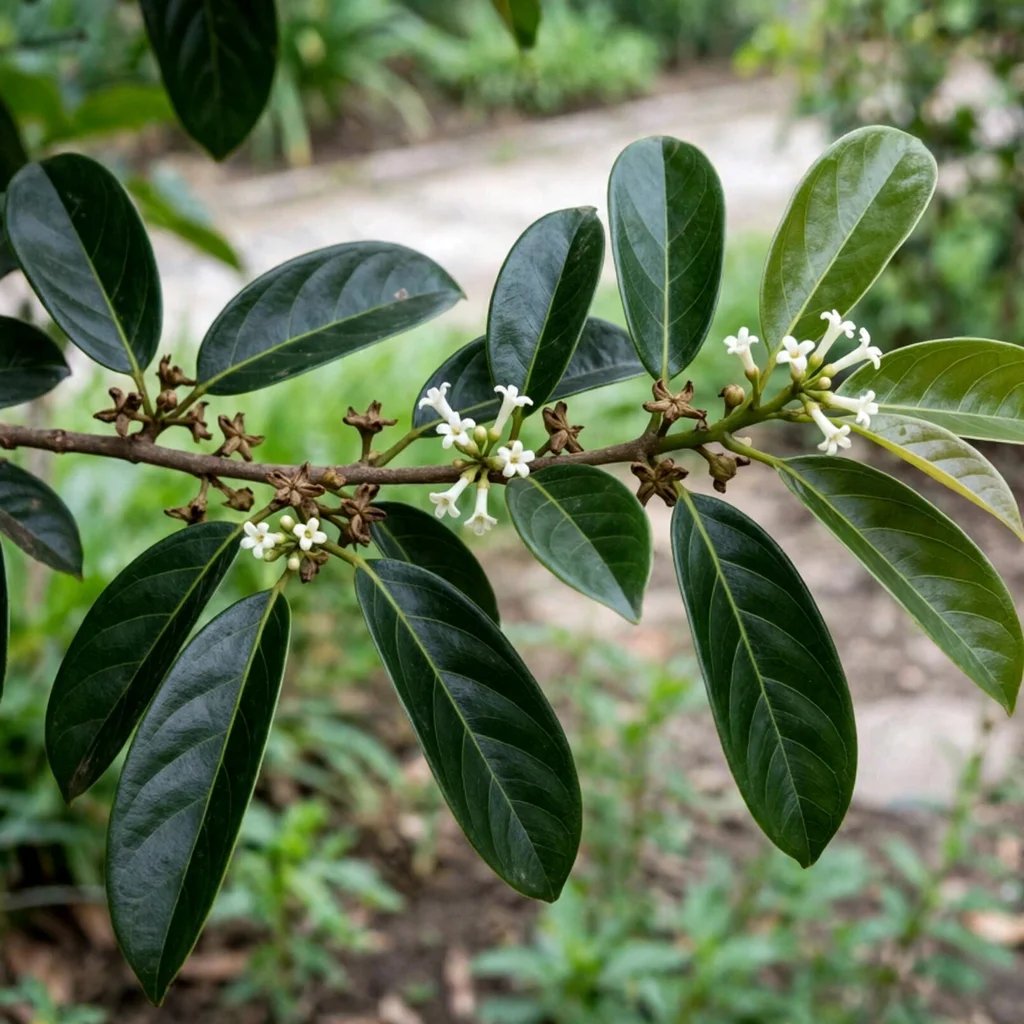
Diospyros nigra, sold as Diospyros digyna, is a slow-growing evergreen tree with a broad dense crown and black furrowed bark, reaching 15 to 40 feet in gardens where hardy. The leaves are glossy dark green, leathery and oblong-elliptic to about 12 inches long, and the small white tubular flowers open singly or in clusters of three to seven in the leaf axils.
It is grown for the large green fruit that softens indoors to a dark custard-like pulp eaten soft-ripe. Nursery stock sold as D. digyna is the same plant as D. nigra, and grafted selections fruit in two to three years while seedlings take five to six years and grow much larger.
Uses & Benefits:
Essentials
At a Glance
Plant Type
Tree
Height
472"
Width
354"
Light
Full Sun
Zones
9, 10
Water
Moderate
Humidity
Moderate to high
Lifespan
Long-lived tree
Native To
Mexico to Central America
Toxicity
Unknown; fruit edible soft-ripe
Bloom period
Spring – Early summer
In flower about 4 months of the year
Planting
How to Grow
- Plant in full sun in spring after frost danger has passed, in any well-drained soil with room for a broad crown.
- Water deeply and regularly through the first two seasons to establish steady moisture, then irrigate in dry spells.
- Fertilize in spring and again in late summer to support evergreen growth and fruiting.
- Prune to maintain a 12 to 15 foot framework and remove crossing limbs; pick mature green fruit and soften indoors.
Pro Tip
Keep turf clear under the canopy and hold the tree at 12 to 15 feet to keep fruit within reach.
Keep It Thriving
Care Guide
Do
- Give full sun and steady moisture with irrigation in dry areas.
- Mulch and keep turf clear under the canopy.
- Protect young trees from frost below 30F.
Don't
- Do not let young trees experience hard frost.
- Do not allow the root zone to dry out for long periods.
- Do not eat the fruit hard and unripe; let it soften fully.
Seasonal Care Calendar
| Task | Jan | Feb | Mar | Apr | May | Jun | Jul | Aug | Sep | Oct | Nov | Dec |
|---|---|---|---|---|---|---|---|---|---|---|---|---|
| Fertilize | ||||||||||||
| Harvest | ||||||||||||
| Pest Check | ||||||||||||
| Plant | ||||||||||||
| Prune |
Watch Out For
Pests & Diseases
Common Pests
Common Diseases
In the Garden
Landscape Uses & Companions
Landscape Uses
Multiply
Propagation Methods
Good to Know
Common Questions
Black Sapote questions
What zones can Black Sapote grow in?
Black Sapote is hardy in USDA Zones 9–10: in that range it survives winter in the ground. Colder than Zone 9, winters are too cold for it to survive outdoors.
When does Black Sapote bloom?
Black Sapote typically blooms from early spring to early summer. Exact timing shifts a week or two with your zone — Sow's bloom calendar maps it to your garden.
Does Black Sapote need full sun?
Black Sapote does best in full sun (6+ hours).
More Diospyros to compare
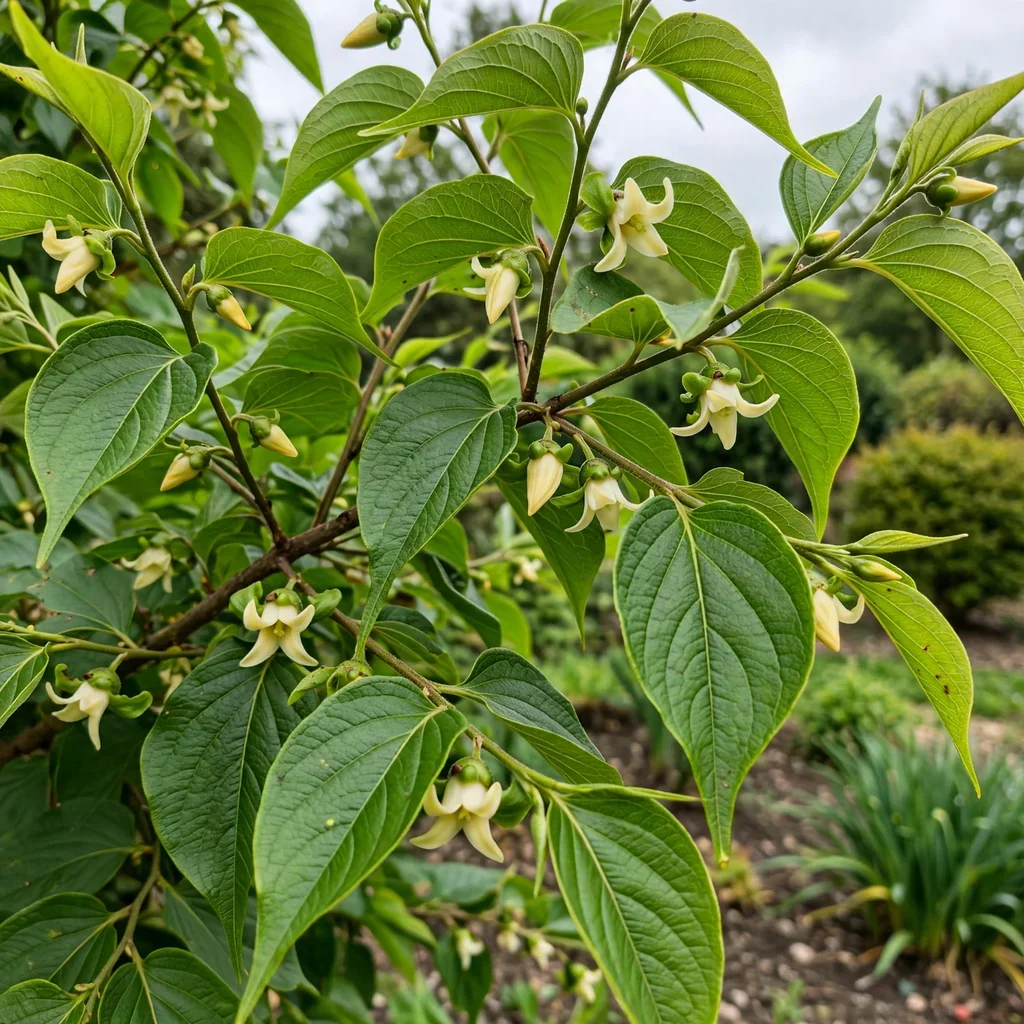
Japanese Persimmon
Diospyros kaki
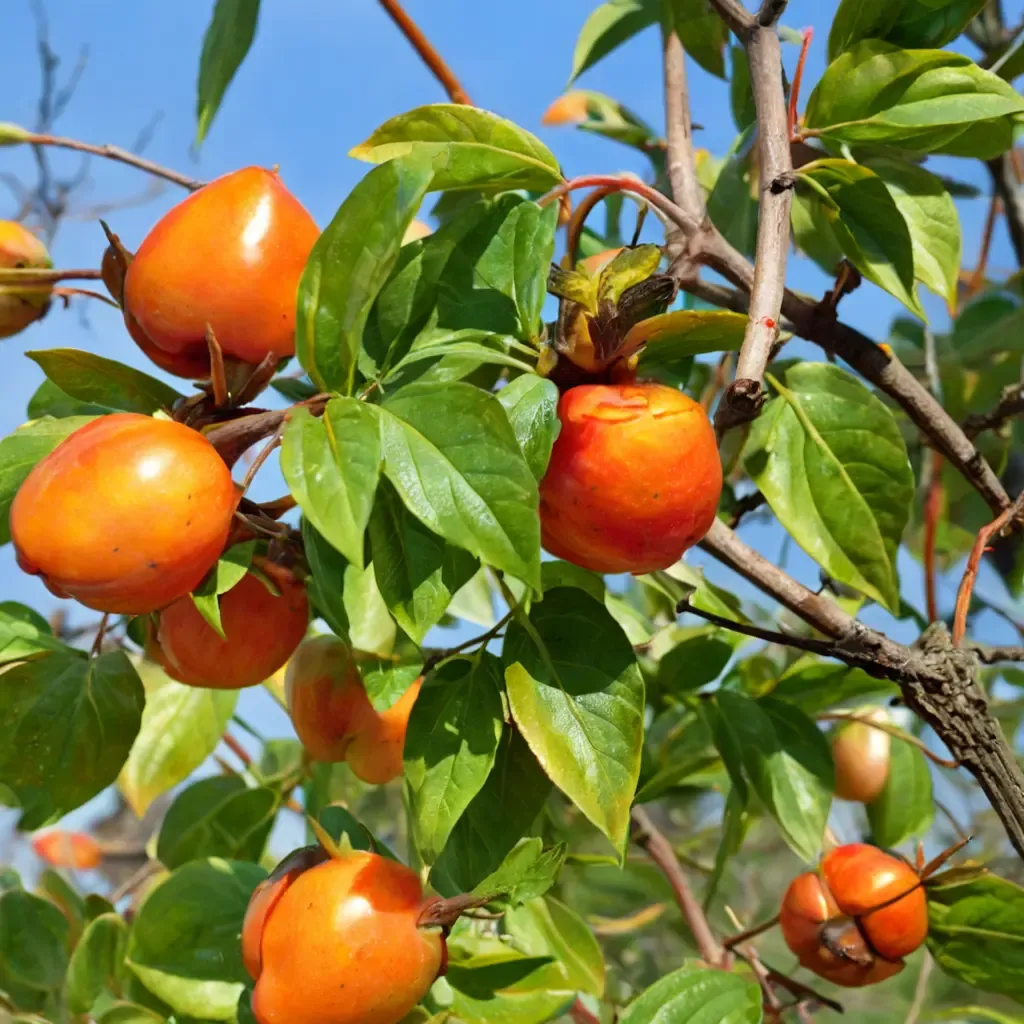
Fuyu Persimmon
Diospyros kaki 'Fuyu Imoto'
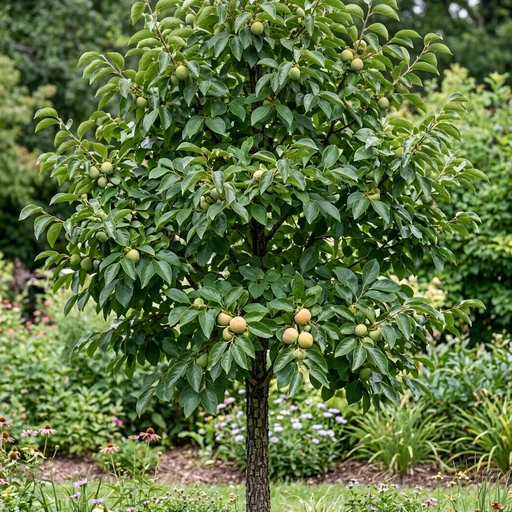
American Persimmon
Diospyros virginiana
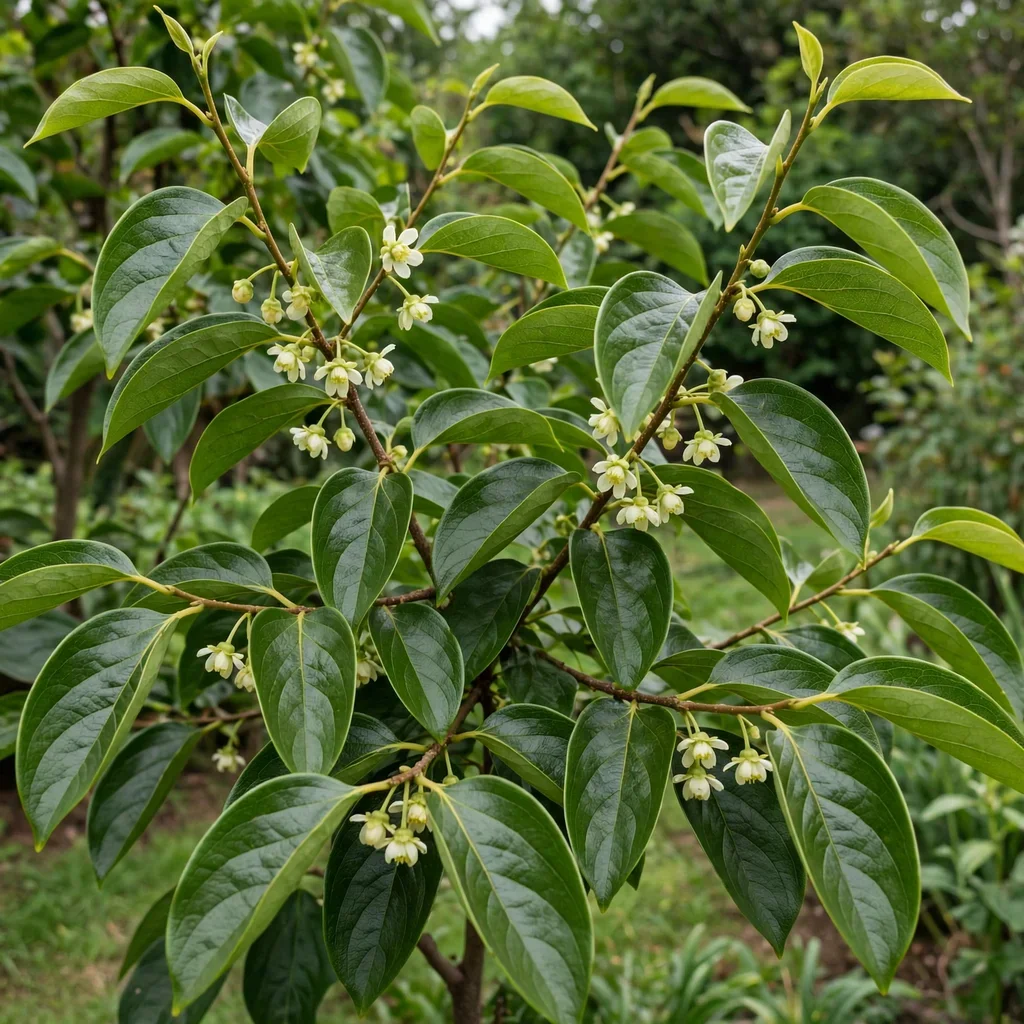
Izu Persimmon
Diospyros kaki 'Izu'
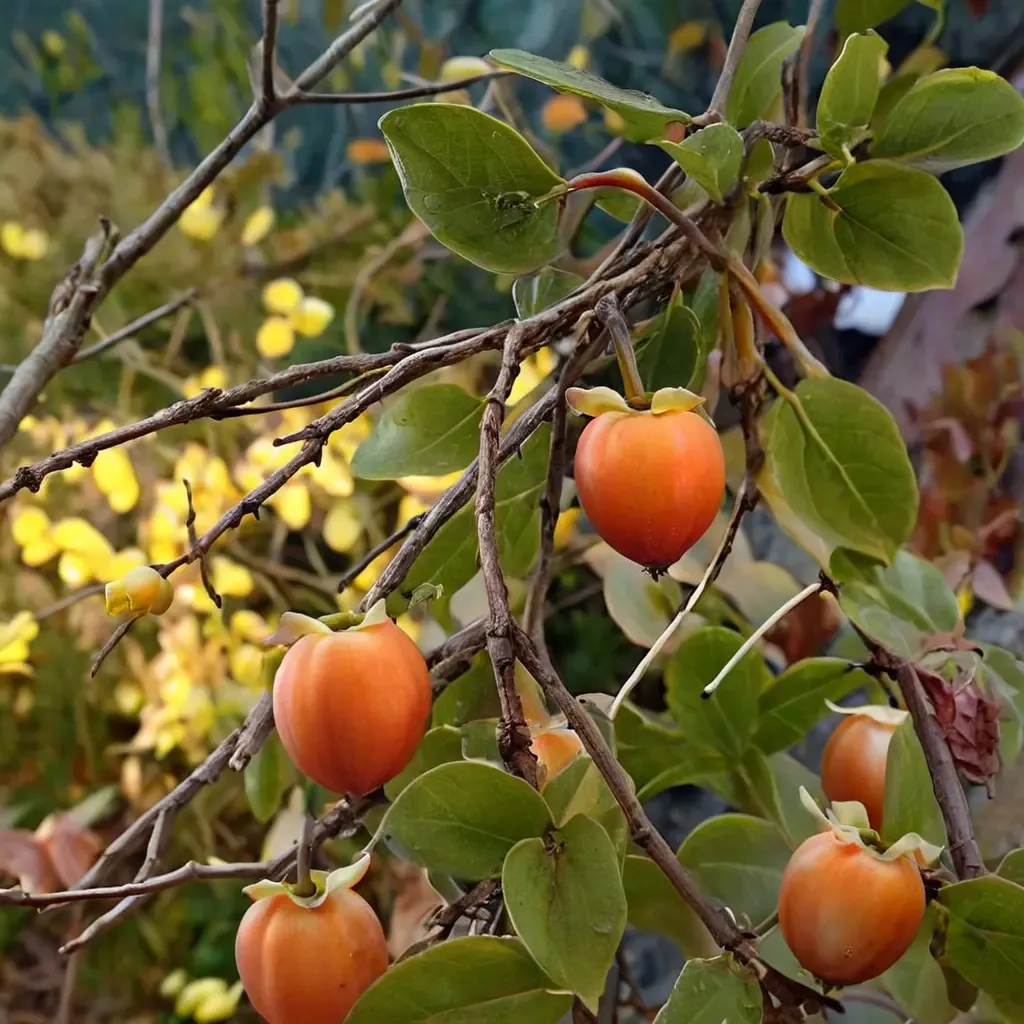
Hachiya Persimmon
Diospyros kaki 'Hachiya'
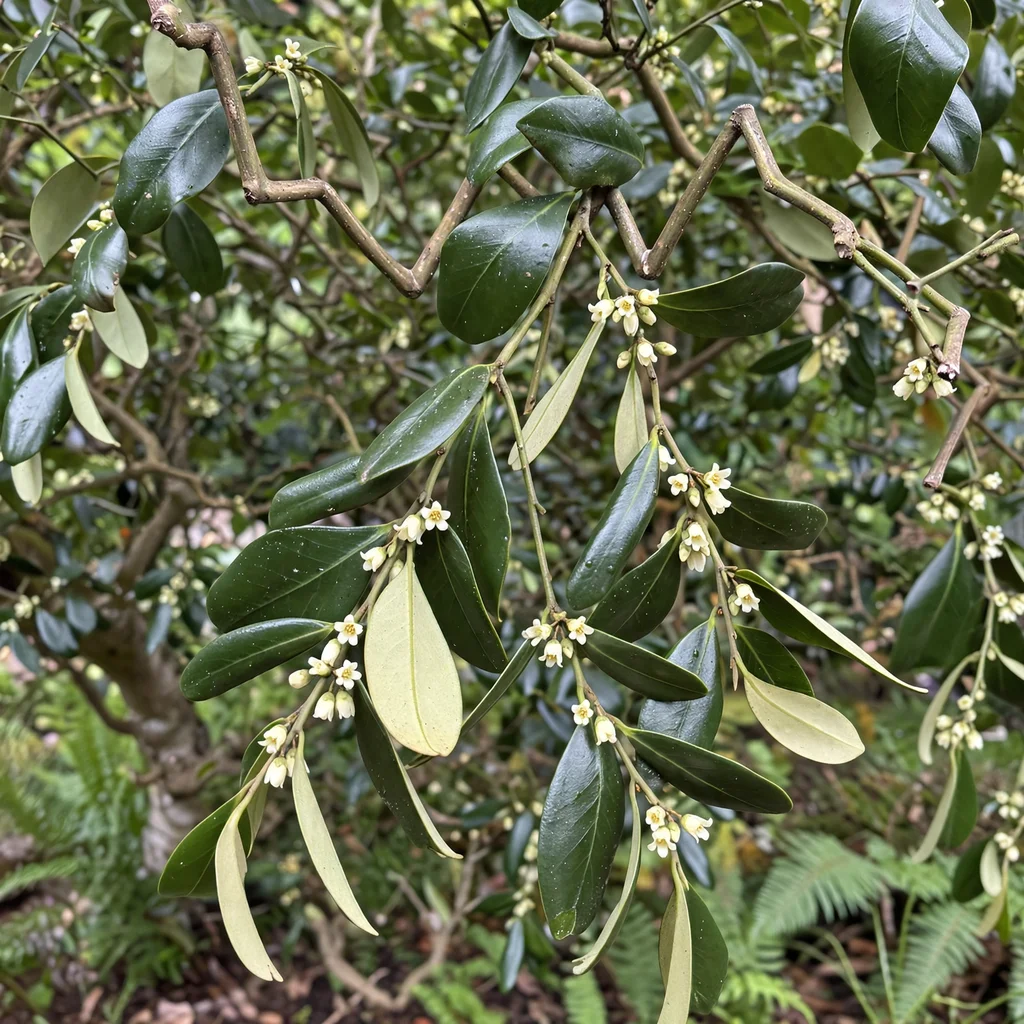
Black Plum
Diospyros australis
Keep exploring
Explore the genus
Hardy in your zone?
Grow Black Sapote with confidence
See it in a design of your actual yard, get zone-matched care reminders, and track it season by season in your garden journal.