The Story
Plant Bio
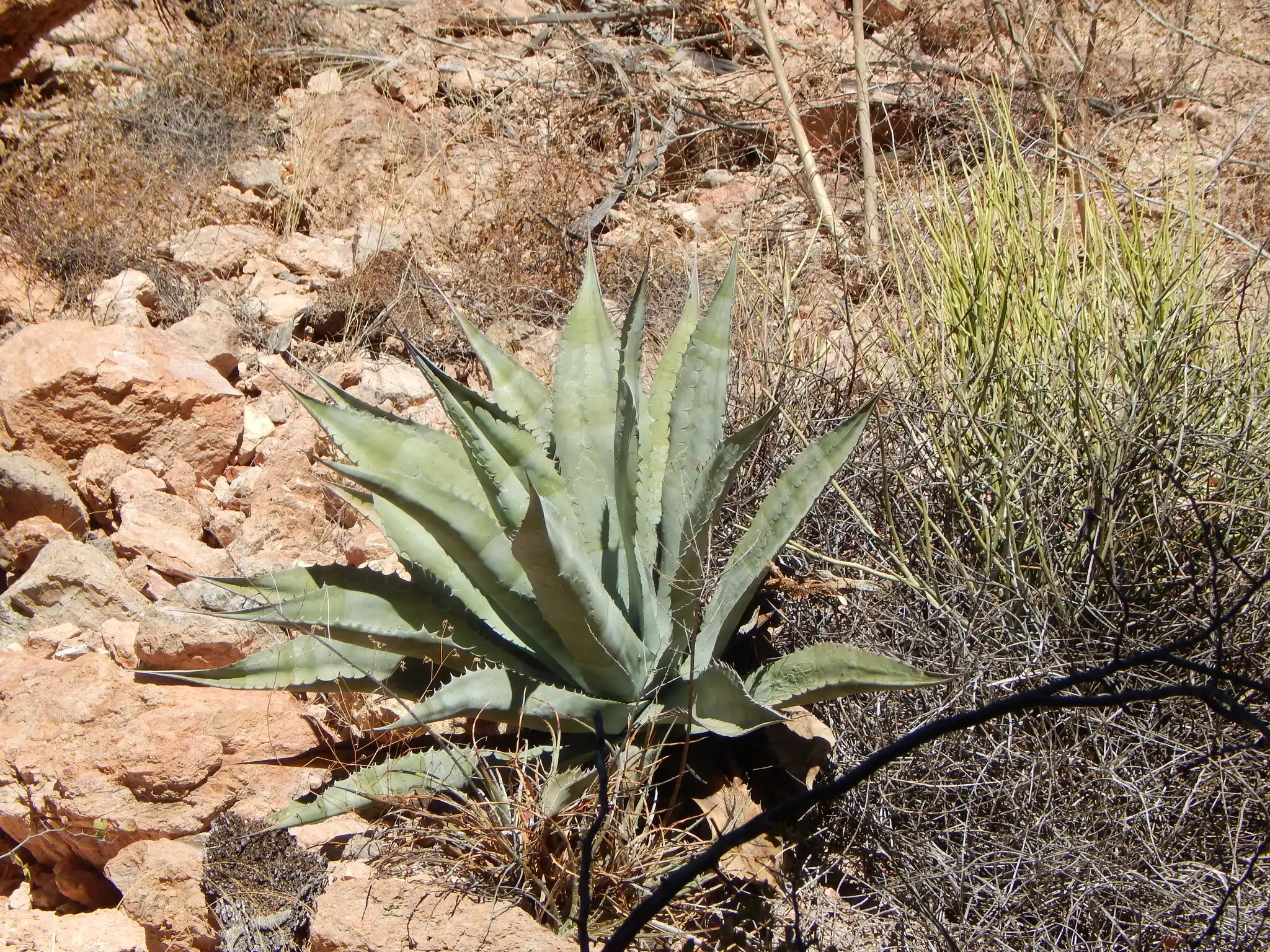
Agave colorata is a slow-growing succulent perennial that forms a compact, usually solitary rosette 2 to 4 feet tall and wide. The rosette is monocarpic, growing for 15 to 25 years before sending up a single tall panicle and then dying.
Leaves reach about 24 inches long by 7 inches wide, blue-gray and rough-textured, with undulating toothed margins, a sharp terminal spine and pale blue to purplish cross-banding. Red buds open yellow to orange-yellow on a 6- to 10-foot stalk, and offsets from runners replace the spent mother rosette.
Uses & Benefits:
Essentials
At a Glance
Plant Type
Cactus Succulent
Height
36"
Width
48"
Light
Full Sun
Zones
8, 9, 10
Water
Low
Humidity
Low
Lifespan
15-25 years, monocarpic
Native To
Northwest Mexico
Toxicity
Spines injurious; toxicity unknown
Bloom period
Spring – Summer
In flower about 6 months of the year
Planting
How to Grow
- Plant in full sun in sharply drained sandy or rocky soil, mounded so the crown sits above grade.
- Space 3 to 4 feet apart to accommodate the mature rosette and allow air around the crown.
- Water deeply at planting, then sparingly; let soil dry between waterings and keep water out of the leaf cup.
- Leave the solitary rosette undisturbed; remove the dead mother rosette after flowering and retain pups to continue the clump.
Pro Tip
Give full sun and sharp drainage and keep water out of the crown; remove the spent rosette after flowering and let nearby pups fill in.
Keep It Thriving
Care Guide
Do
- Plant in full sun with gritty, fast-draining soil
- Allow soil to dry between waterings
- Wear heavy gloves and eye protection when handling
Don't
- Do not overwater or plant in heavy clay that holds winter wet
- Do not shade the crown or crowd with thirsty companions
- Do not cut live leaves for shape; remove only the fully spent rosette
Seasonal Care Calendar
| Task | Jan | Feb | Mar | Apr | May | Jun | Jul | Aug | Sep | Oct | Nov | Dec |
|---|---|---|---|---|---|---|---|---|---|---|---|---|
| Pest Check | ||||||||||||
| Plant | ||||||||||||
| Propagate | ||||||||||||
| Winter Prep |
Watch Out For
Pests & Diseases
Common Pests
Common Diseases
In the Garden
Landscape Uses & Companions
Landscape Uses
Multiply
Propagation Methods
Good to Know
Common Questions
Ash Agave questions
What zones can Ash Agave grow in?
Ash Agave is hardy in USDA Zones 8–10: in that range it survives winter in the ground. Colder than Zone 8, grow it in a container you can move to shelter for the winter, or as an annual.
When does Ash Agave bloom?
Ash Agave typically blooms from spring to summer. Exact timing shifts a week or two with your zone — Sow's bloom calendar maps it to your garden.
Does Ash Agave need full sun?
Ash Agave does best in full sun (6+ hours).
Is Ash Agave drought tolerant?
Yes — once established (usually after the first full season), Ash Agave handles dry spells with minimal watering. Water deeply its first year to build the root system that makes that possible.
More Agave to compare
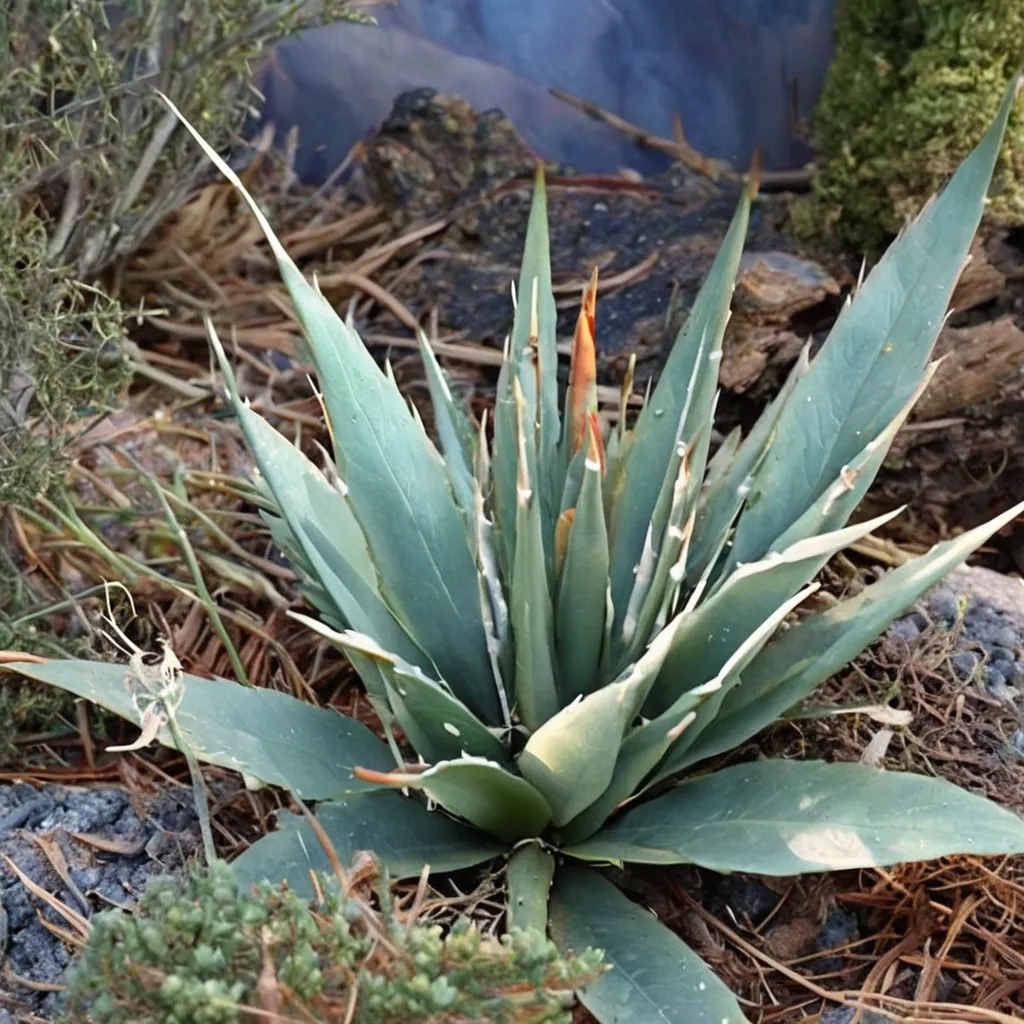
Utah Agave Kaibabensis
Agave utahensis 'kaibabensis'
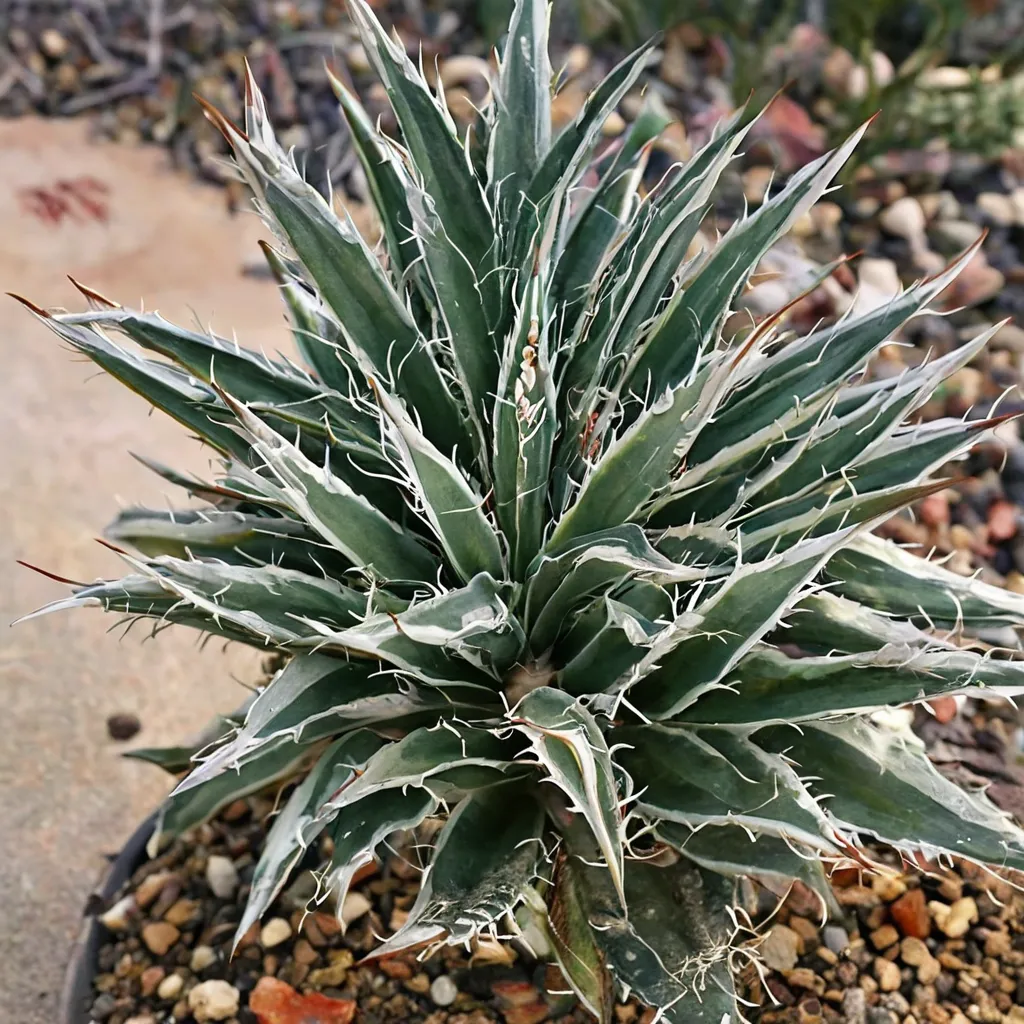
Toumey's Agave
Agave toumeyana
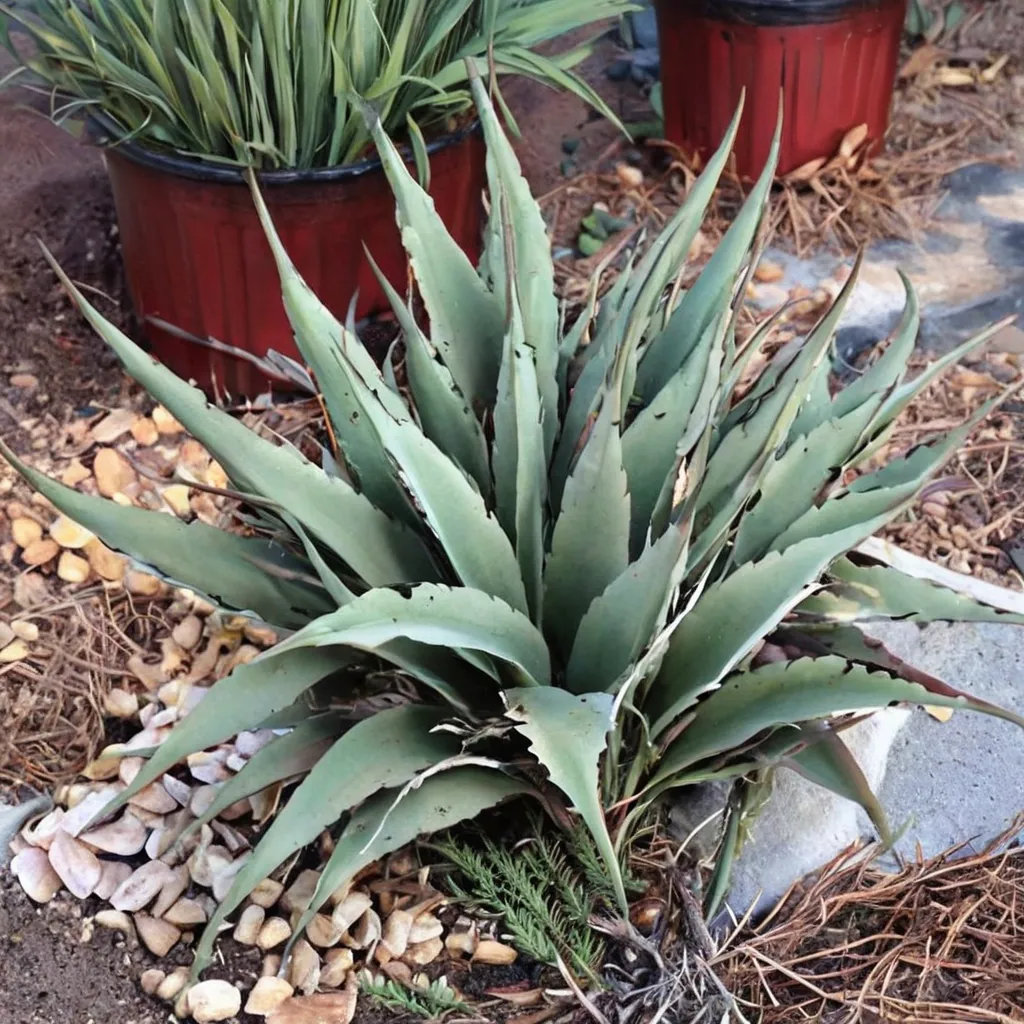
Slimfoot Century Plant
Agave gracilipes
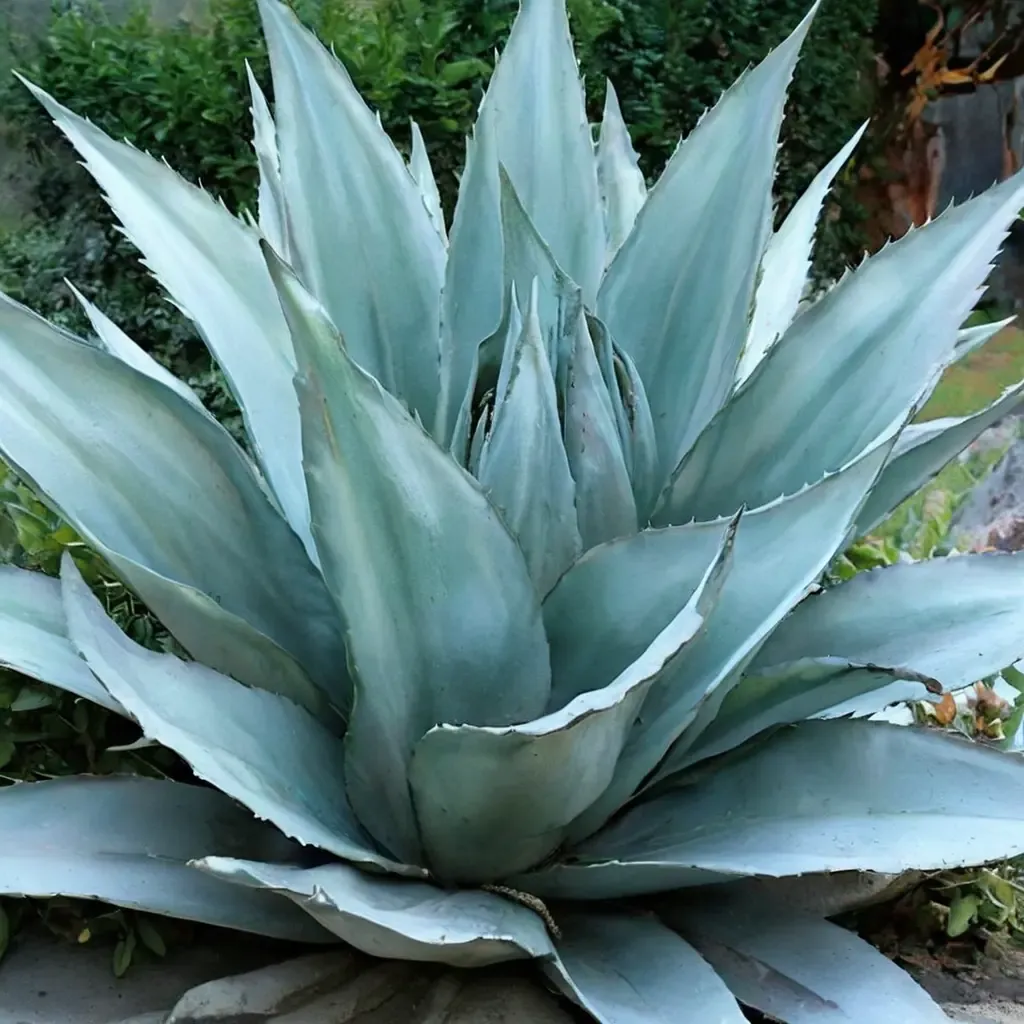
Vanzie Whale's Tongue Agave
Agave ovatifolia 'Vanzie'
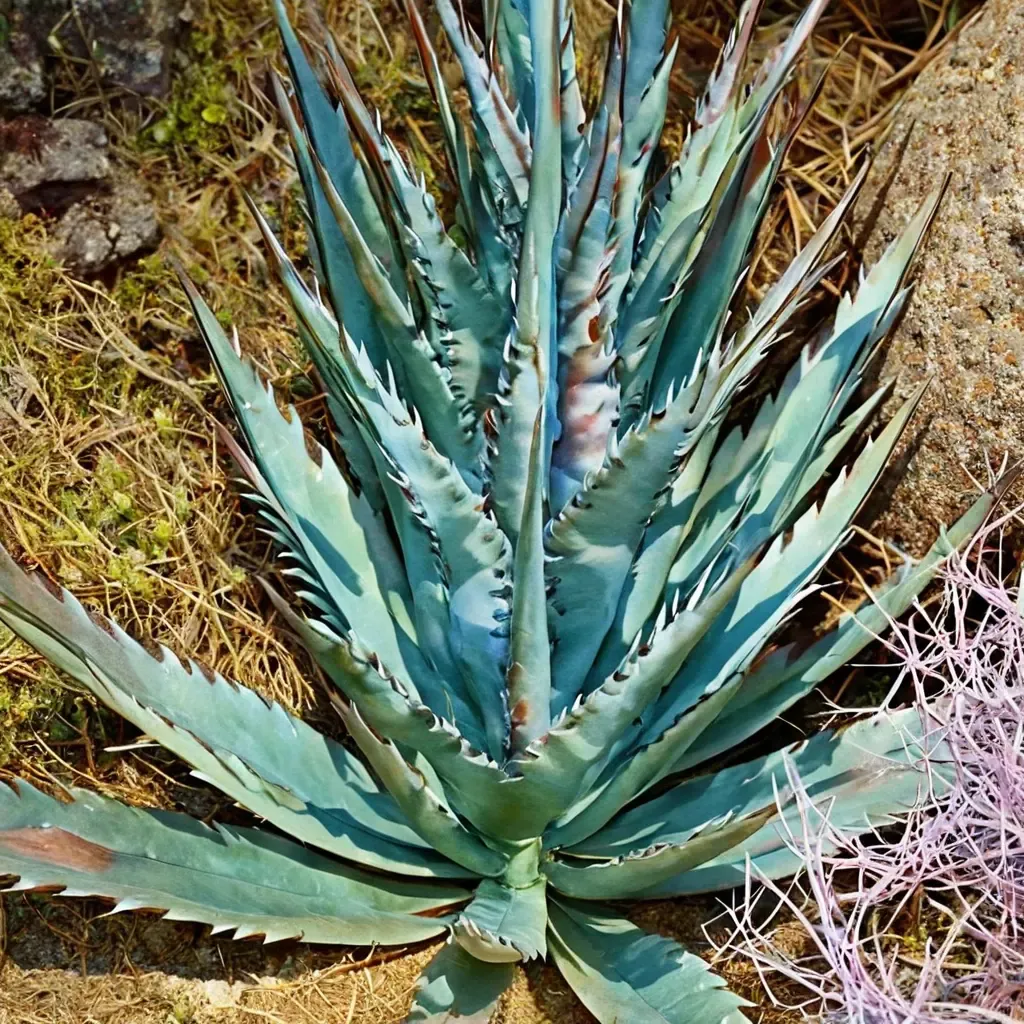
McKelvey's Agave
Agave mckelveyana
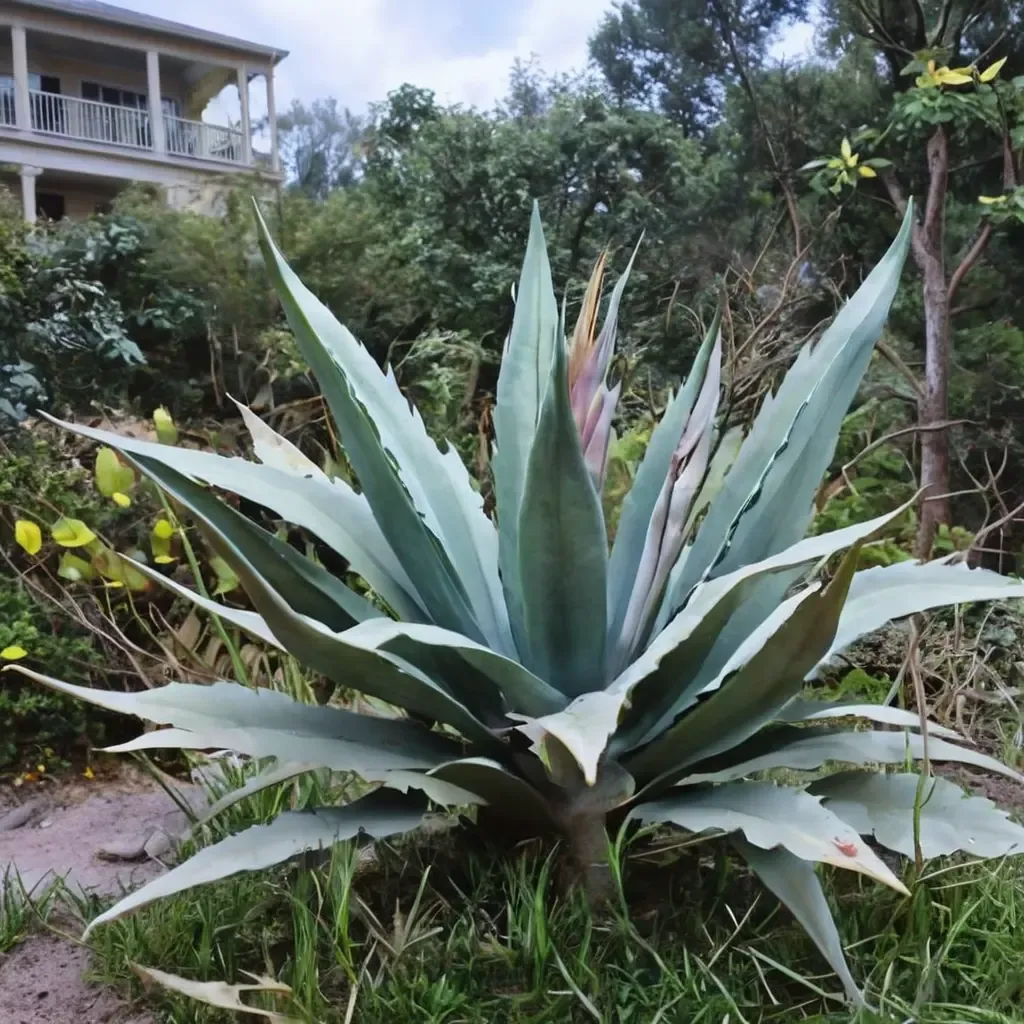
Grey Gator Agave
Agave x hybrida 'Grey Gator'
Keep exploring
Explore the genus
Hardy in your zone?
Grow Ash Agave with confidence
See it in a design of your actual yard, get zone-matched care reminders, and track it season by season in your garden journal.