The Story
Plant Bio
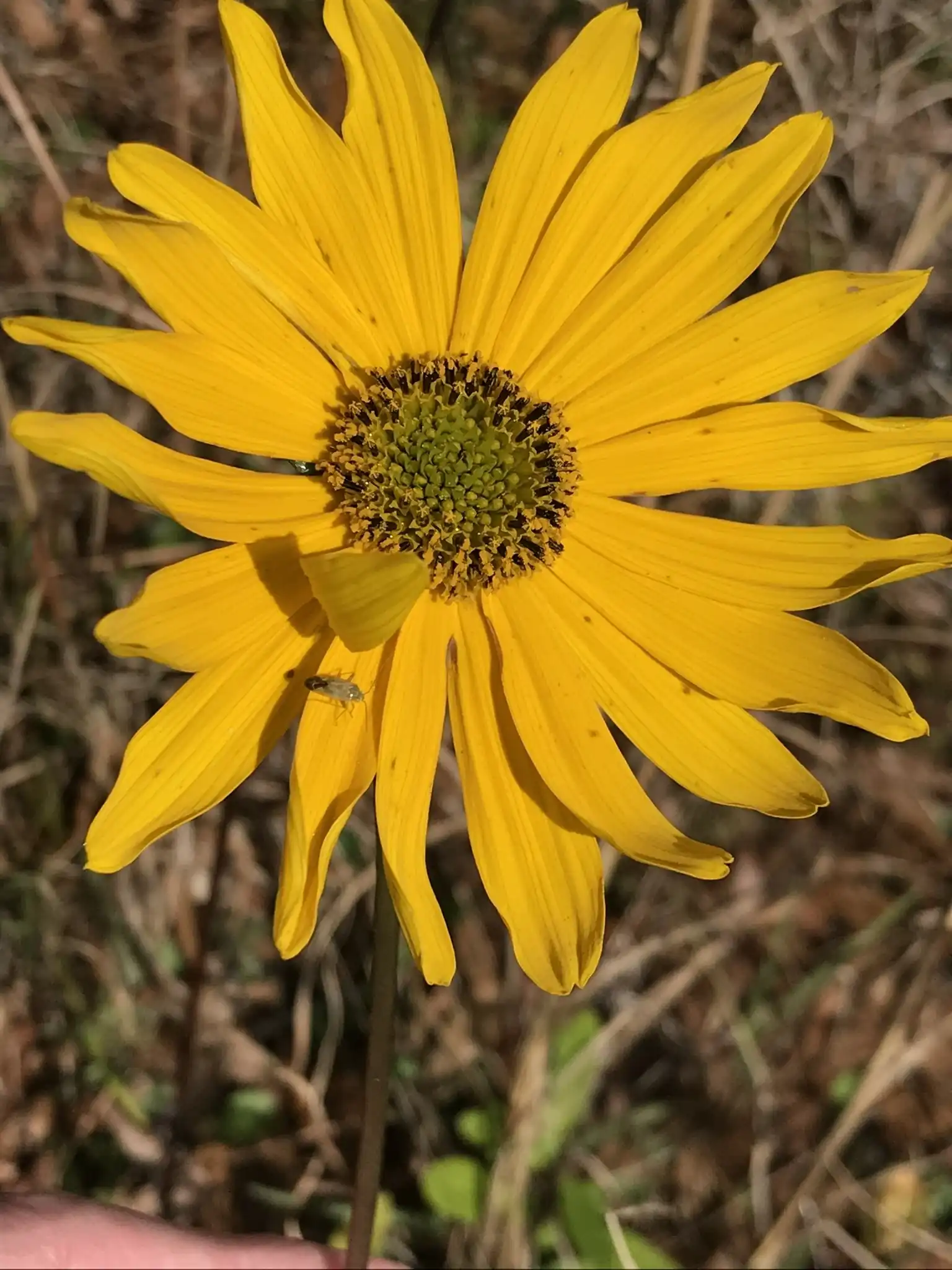
Helianthus carnosus is a perennial sunflower that grows from crown buds as one to two erect, unbranched, hairless stems above a basal rosette. The leaves are mostly basal, narrow lance-shaped to linear and four to ten inches long, thick and fleshy to almost succulent with smooth entire margins.
Unlike common tall sunflowers, it stays two to three feet tall in gardens and bears only one to three heads per stem, each two to four inches across with twelve to seventeen yellow rays around more than one hundred yellow disk florets. It is a wet-soil obligate of open lake and marsh edges and wet pine flatwoods in a few northeast Florida counties, where it is state endangered and of conservation concern.
Uses & Benefits:
Essentials
At a Glance
Plant Type
Perennial
Height
36"
Width
18"
Light
Full Sun
Water
High
Humidity
Unknown
Lifespan
Perennial
Native To
NE Florida, USA
Toxicity
Unknown
Bloom period
Summer – Fall
In flower about 6 months of the year
Planting
How to Grow
- Plant in full sun in an open, sunny low spot that stays seasonally wet to moist.
- Use sandy or limestone soil with little humus and only moderate drainage.
- Set the crown at soil level and water in deeply.
- Keep soil consistently moist through summer and fall; do not let it dry out.
- Leave the basal rosette in place over winter and add water during dry spells.
Pro Tip
Site it low where water collects in full sun and keep the root zone moist through summer and fall; raised, fast-draining or dry soil starves it.
Keep It Thriving
Care Guide
Do
- Do grow in full sun with constant moisture.
- Do use sandy, low-humus soil that holds seasonal moisture.
- Do buy nursery-propagated plants from Florida-native sources.
Don't
- Do not plant in dry, raised, or heavily composted beds.
- Do not collect plants or seed from wild populations.
- Do not cut back the basal rosette during the growing season.
Seasonal Care Calendar
| Task | Jan | Feb | Mar | Apr | May | Jun | Jul | Aug | Sep | Oct | Nov | Dec |
|---|---|---|---|---|---|---|---|---|---|---|---|---|
| Deadhead | ||||||||||||
| Mulch | ||||||||||||
| Pest Check | ||||||||||||
| Plant | ||||||||||||
| Winter Prep |
Watch Out For
Pests & Diseases
Common Pests
Common Diseases
In the Garden
Landscape Uses & Companions
Landscape Uses
Multiply
Propagation Methods
Good to Know
Common Questions
Lakeside Sunflower questions
When does Lakeside Sunflower bloom?
Lakeside Sunflower typically blooms from summer to fall. Exact timing shifts a week or two with your zone — Sow's bloom calendar maps it to your garden.
Does Lakeside Sunflower need full sun?
Lakeside Sunflower does best in full sun (6+ hours).
More Helianthus to compare
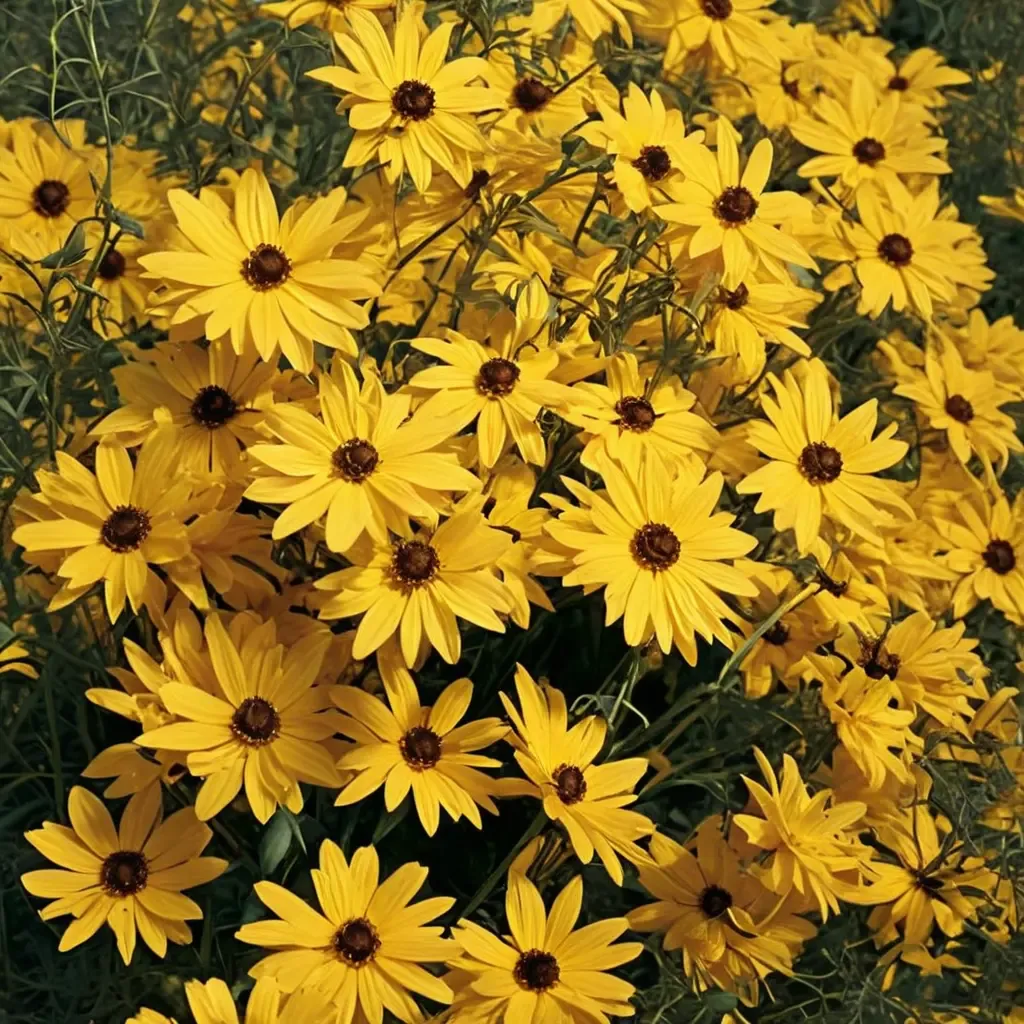
First Light Swamp Sunflower
Helianthus angustifolius 'First Light'
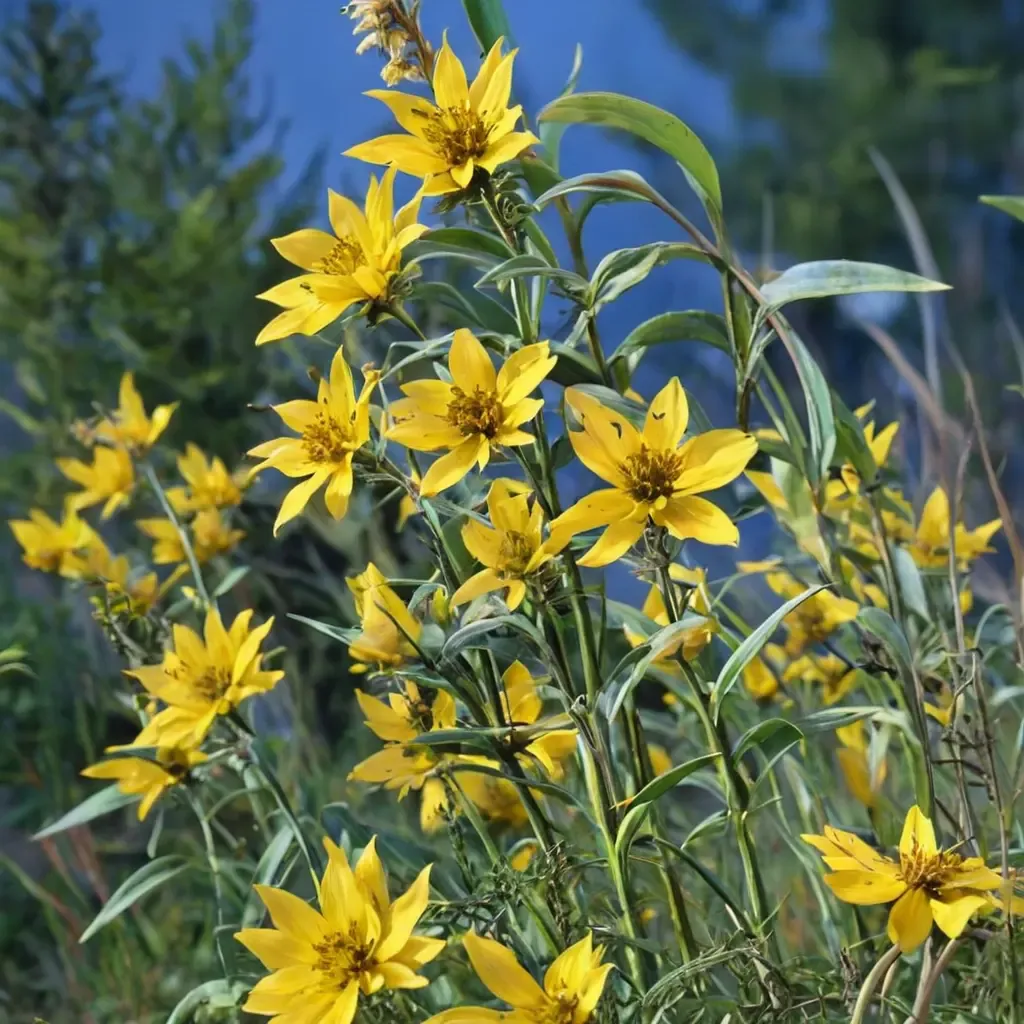
Maximilian sunflower
Helianthus maximiliani
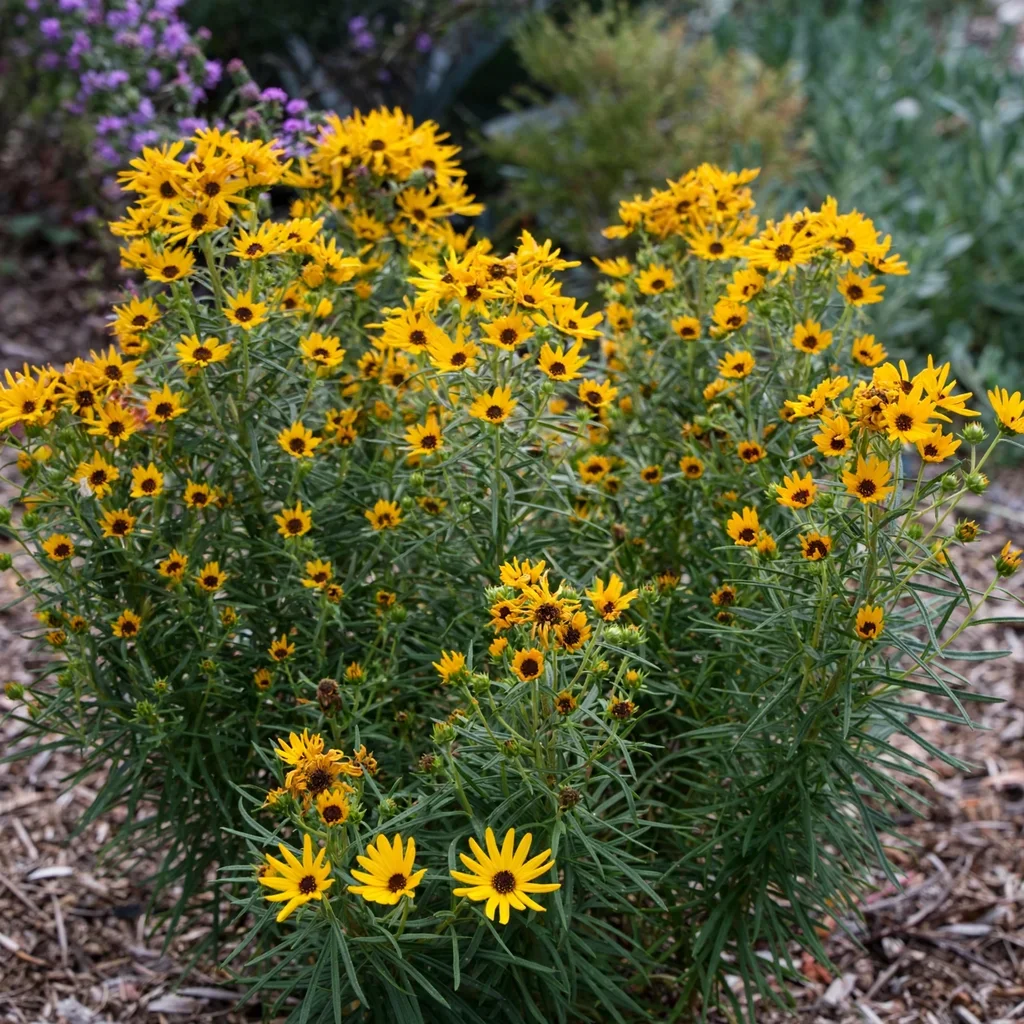
Narrow-Leaf Sunflower Low Down
Helianthus angustifolius 'Low Down'
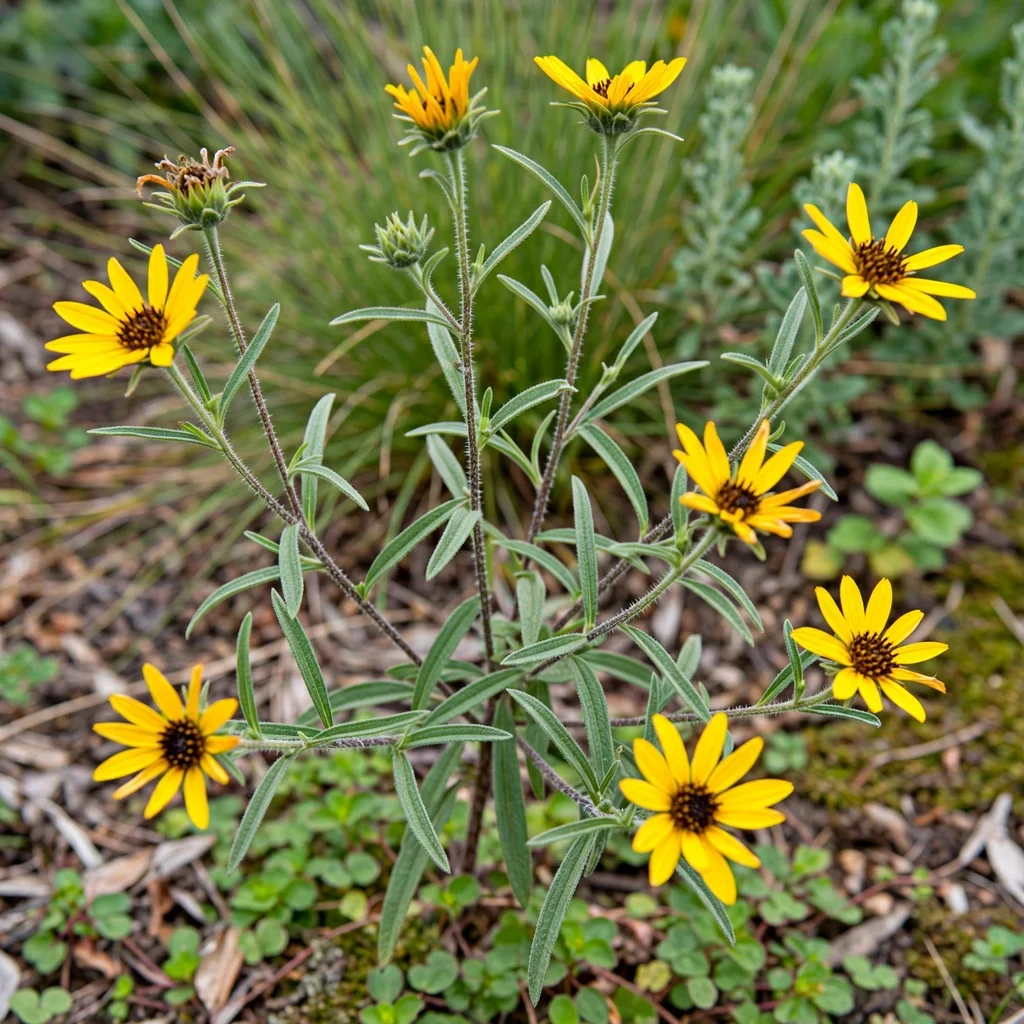
Bolander's Sunflower
Helianthus bolanderi
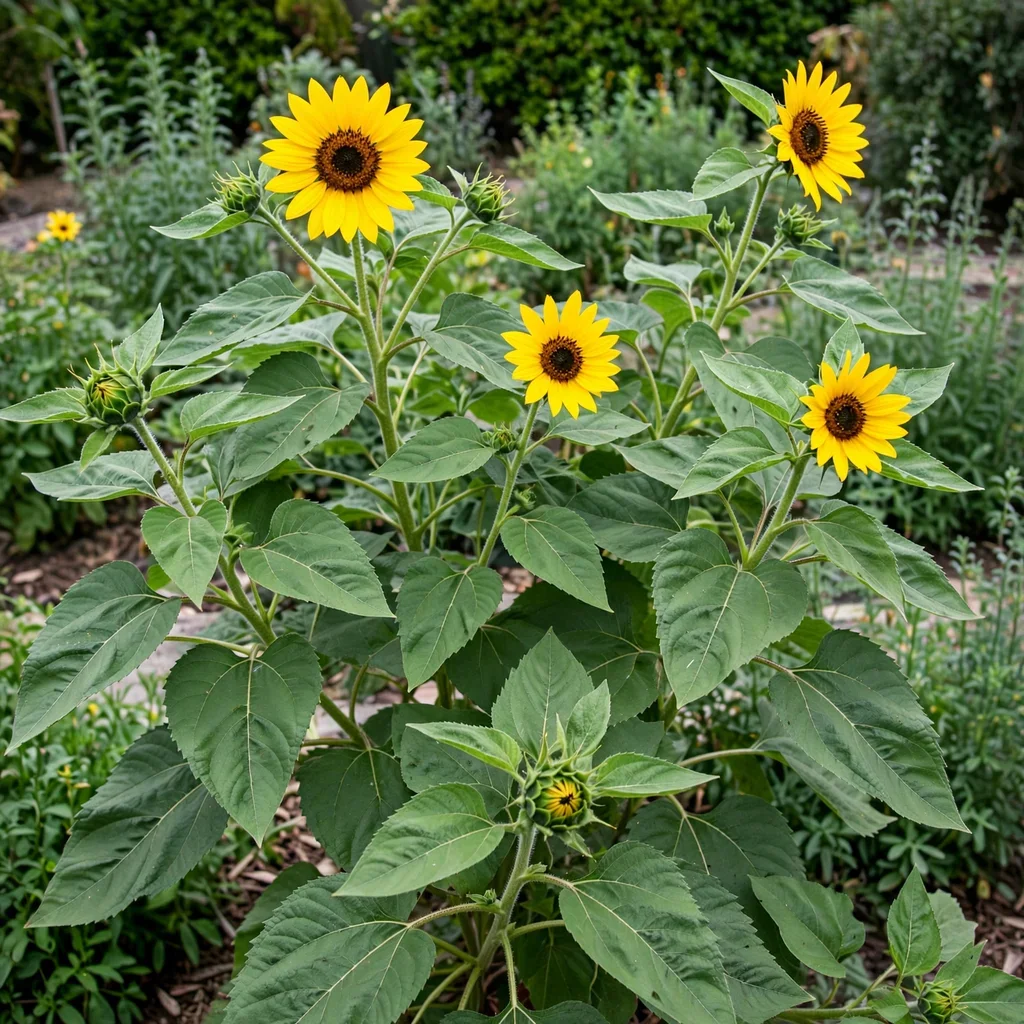
Table Mountain Sunflower
Helianthus annuus 'Table Mountain'
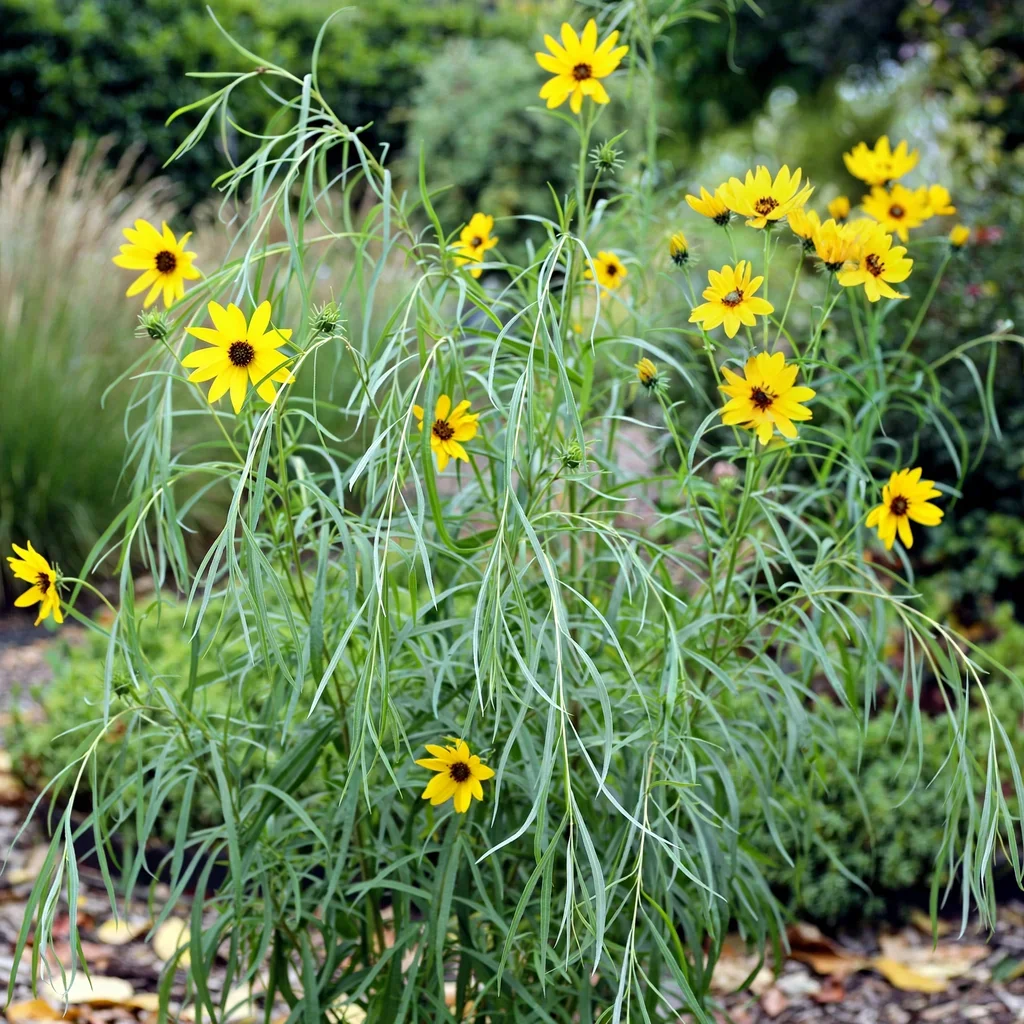
Salicifolius Sunflower Willowleaf Sunflower
Helianthus salicifolius
Keep exploring
Explore the genus
Grow Lakeside Sunflower with confidence
See it in a design of your actual yard, get zone-matched care reminders, and track it season by season in your garden journal.