The Story
Plant Bio
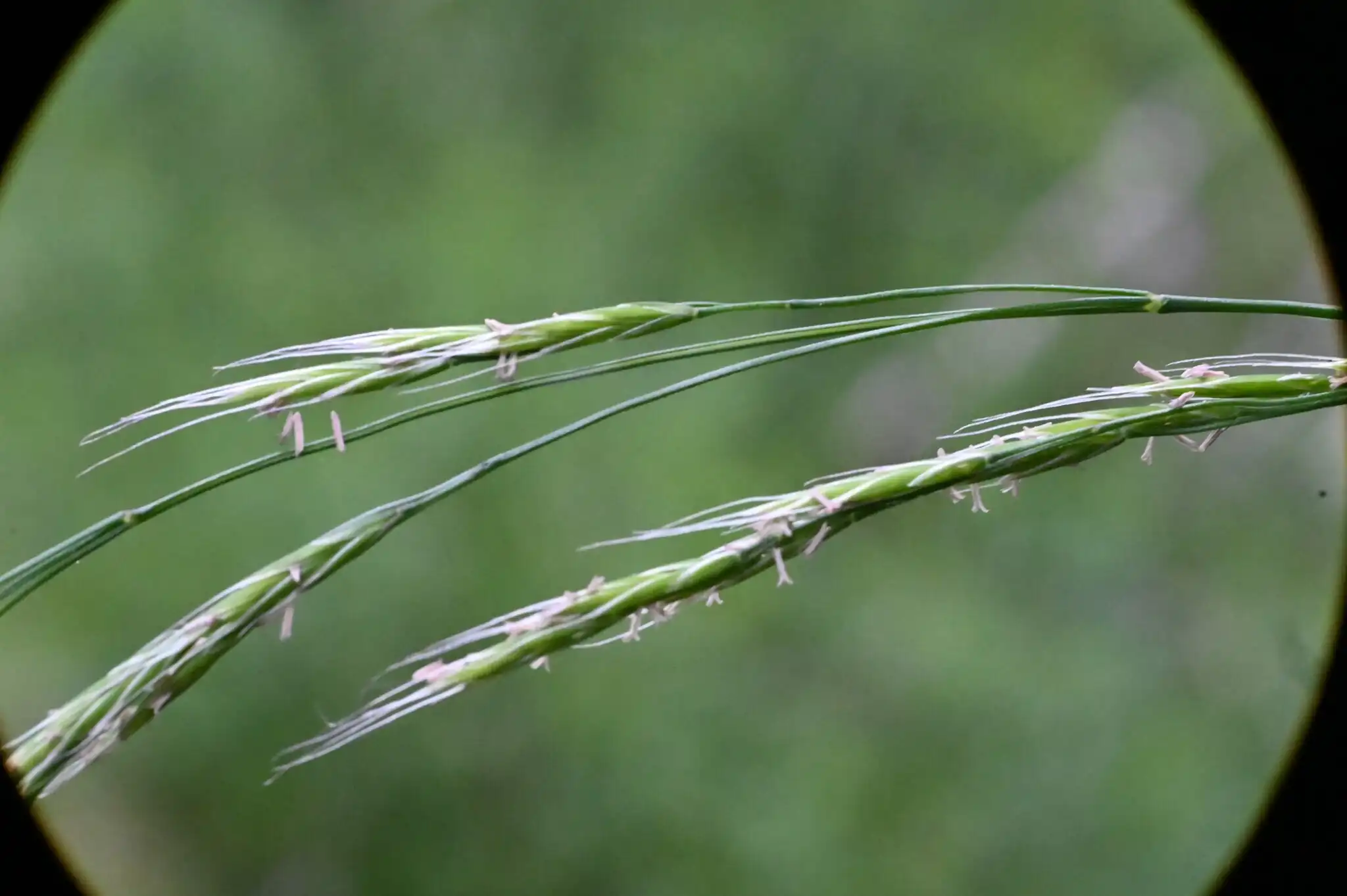
Festuca occidentalis, the western fescue, is a densely tufted cool-season bunchgrass from western North America, forming a tight clump of fine narrow evergreen blades from fibrous roots. Smooth culms rise well above the foliage in spring, carrying open delicate panicles of yellow florets with lemma awns 3 to 12 mm long.
Unlike lawn fescues it never spreads by rhizomes, staying as a slow-establishing non-spreading clump for dry shade and nitrogen-poor ground. It holds up in light shade on fast-draining sand or rocky loam where clay-loving turf grasses fail, and persists once established on low summer water.
Uses & Benefits:
Essentials
At a Glance
Plant Type
Grass
Height
30"
Width
18"
Light
Partial Sun, Shade
Zones
4, 5, 6, 7, 8, 9
Water
Low
Humidity
Unknown
Lifespan
Perennial
Native To
Western North America
Toxicity
Unknown
Bloom period
Spring – Summer
In flower about 6 months of the year
Planting
How to Grow
- Plant in part shade in well-drained sandy loam or rocky soil, spacing clumps 12 to 18 inches apart.
- Sow seed 1/4 inch deep in late fall or early spring; expect germination in 14 to 30 days.
- Water regularly through the first season for establishment, then reduce to low summer water.
- Keep mulch back from the crown and avoid overhead watering to keep foliage dry.
Pro Tip
Give it fast drainage and dry shade from the start and avoid overhead watering; slow-establishing clumps spot and stall in wet soil rather than thriving on extra water.
Keep It Thriving
Care Guide
Do
- Plant in fast-draining sand or loam with light shade.
- Water for establishment, then keep summer water low.
- Improve air circulation around clumps to prevent leaf spot.
Don't
- Do not plant in heavy clay or soggy ground.
- Do not overhead water or overwater slow young clumps.
- Do not cut down into the old leafless base.
Seasonal Care Calendar
| Task | Jan | Feb | Mar | Apr | May | Jun | Jul | Aug | Sep | Oct | Nov | Dec |
|---|---|---|---|---|---|---|---|---|---|---|---|---|
| Pest Check | ||||||||||||
| Plant | ||||||||||||
| Propagate | ||||||||||||
| Spring Cleanup |
Watch Out For
Pests & Diseases
Common Pests
Common Diseases
In the Garden
Landscape Uses & Companions
Landscape Uses
Companion Plants
Multiply
Propagation Methods
Good to Know
Common Questions
Western Fescue questions
What zones can Western Fescue grow in?
Western Fescue is hardy in USDA Zones 4–9: in that range it survives winter in the ground. Warmer than Zone 9, winter isn't the problem: it prefers colder winters, and summer heat can shorten its life.
Is Western Fescue deer resistant?
Yes — Western Fescue is rated deer-resistant. Deer typically pass it over, though extreme hunger can override any plant's defenses.
When does Western Fescue bloom?
Western Fescue typically blooms from spring to summer. Exact timing shifts a week or two with your zone — Sow's bloom calendar maps it to your garden.
Does Western Fescue need full sun?
Western Fescue does best in part shade.
Is Western Fescue drought tolerant?
Yes — once established (usually after the first full season), Western Fescue handles dry spells with minimal watering. Water deeply its first year to build the root system that makes that possible.
More Festuca to compare
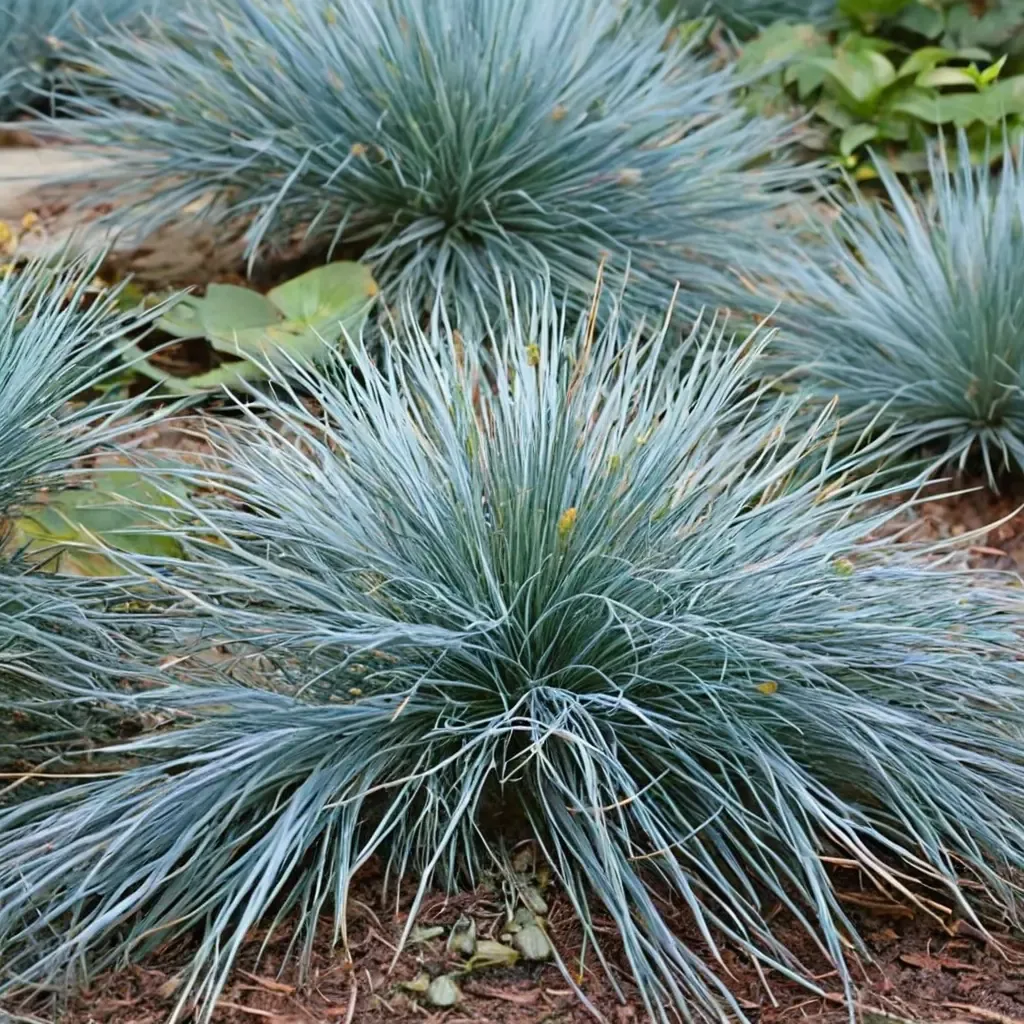
Elijah Blue Fescue
Festuca glauca 'Elijah Blue'
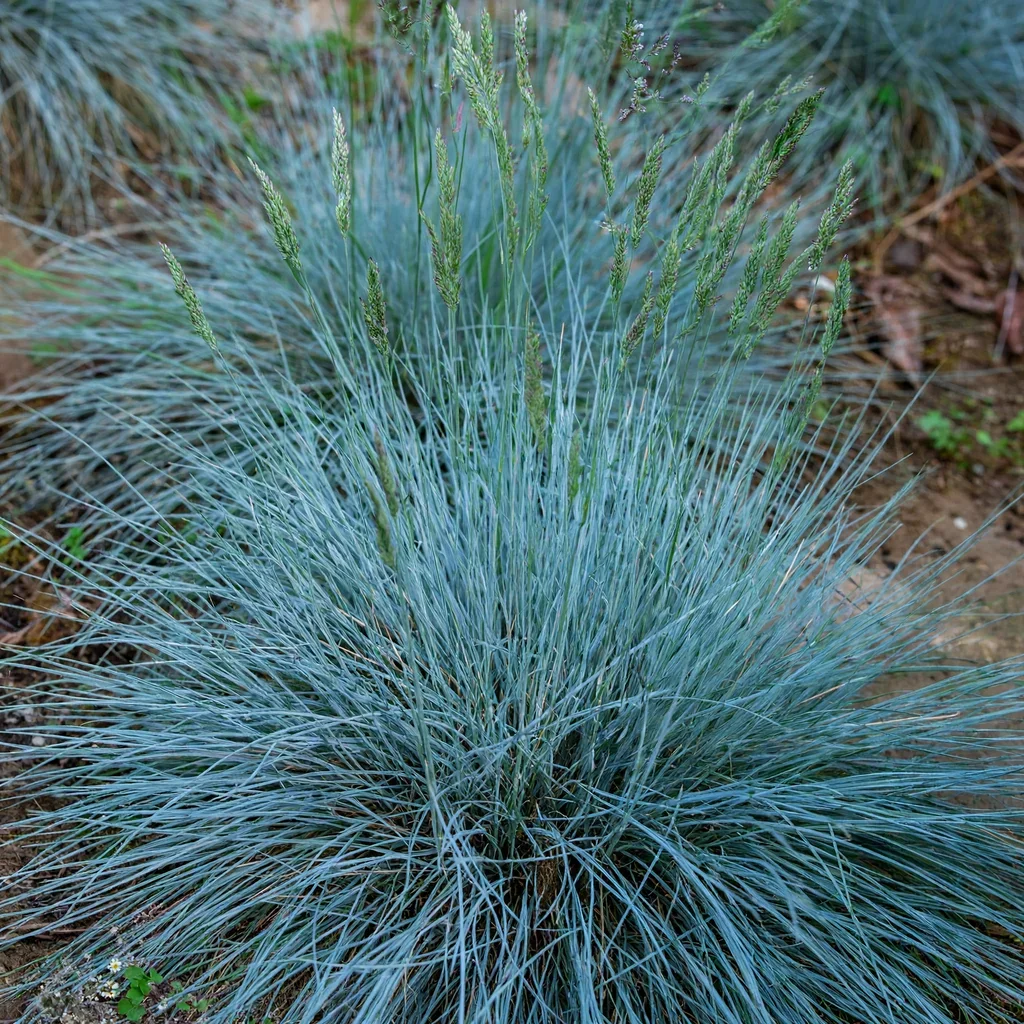
Blue Fescue
Festuca glauca
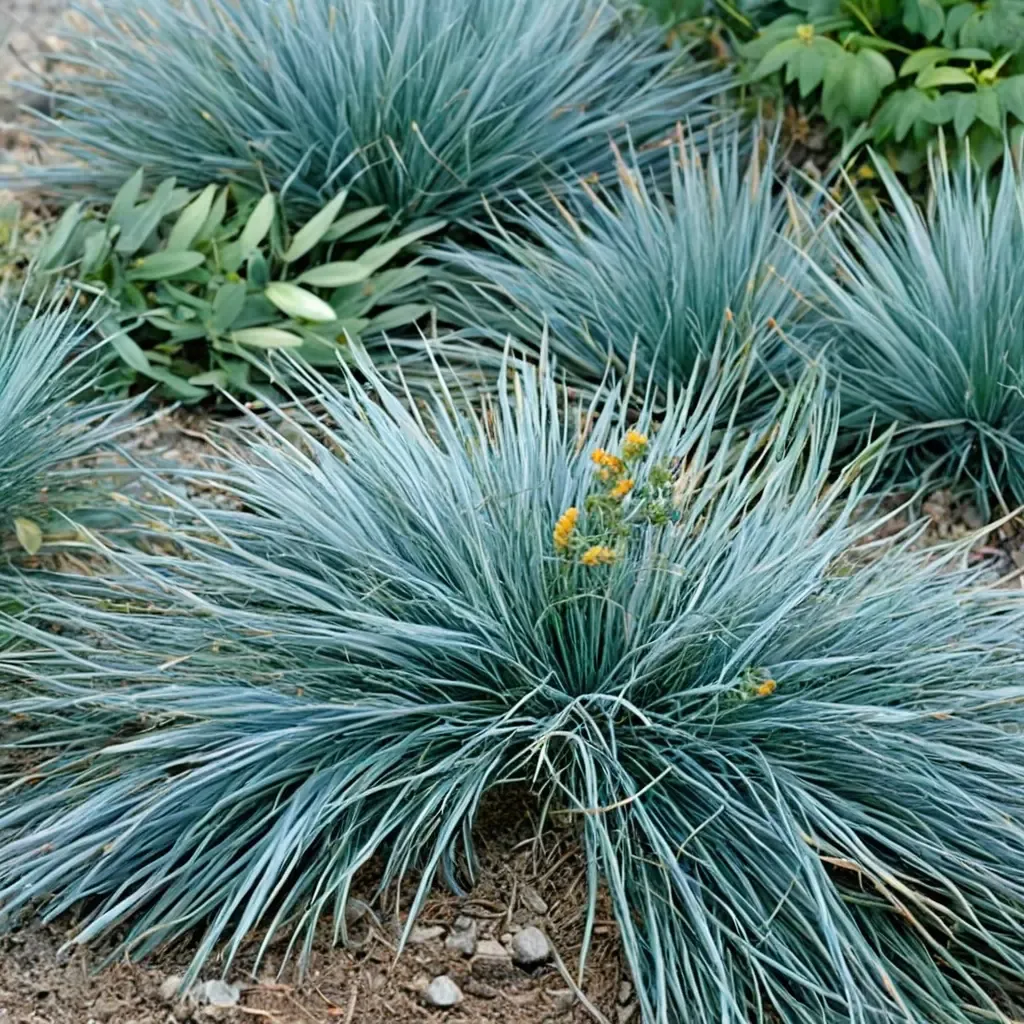
Blue Fox Fescue
Festuca glauca 'Blaufuchs'
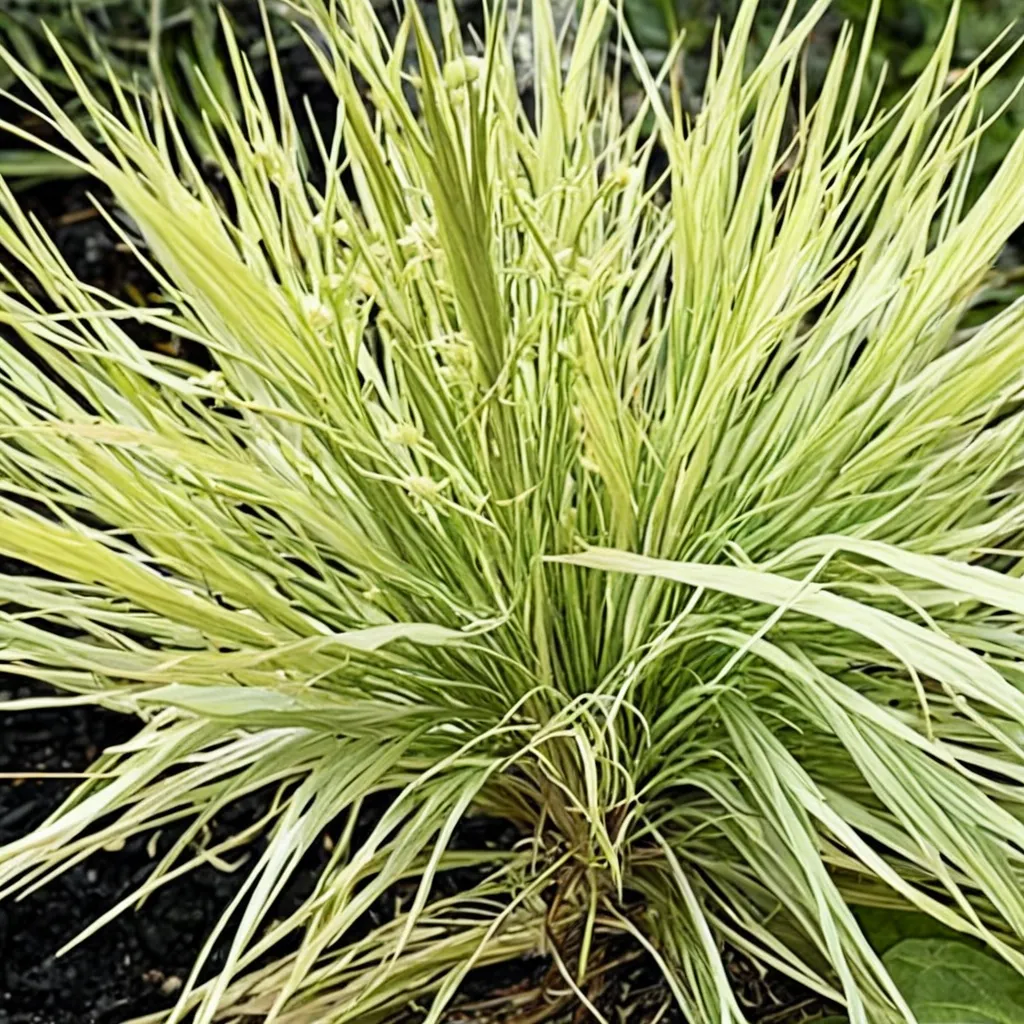
Golden Toupee Fescue
Festuca glauca 'Golden Toupee'
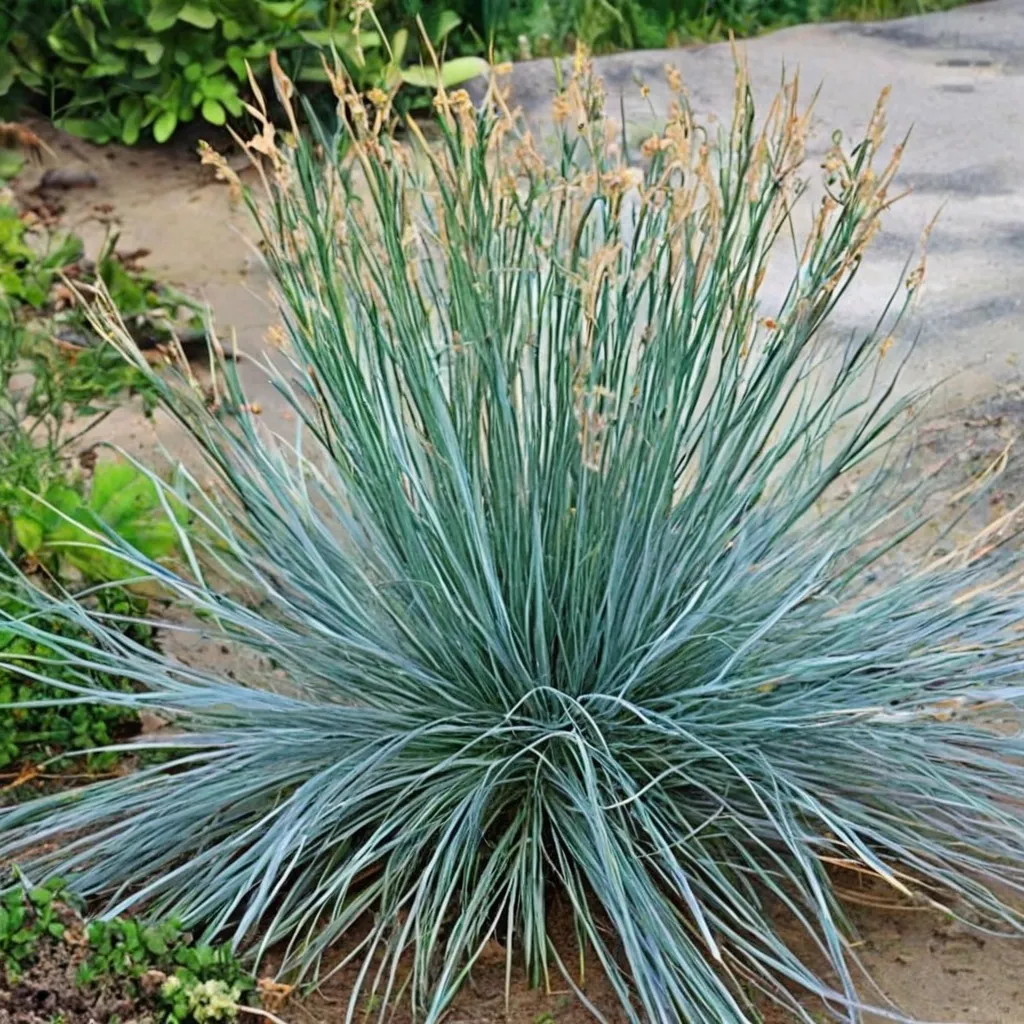
Festuca Mix
Festuca x hybrida 'Mix'
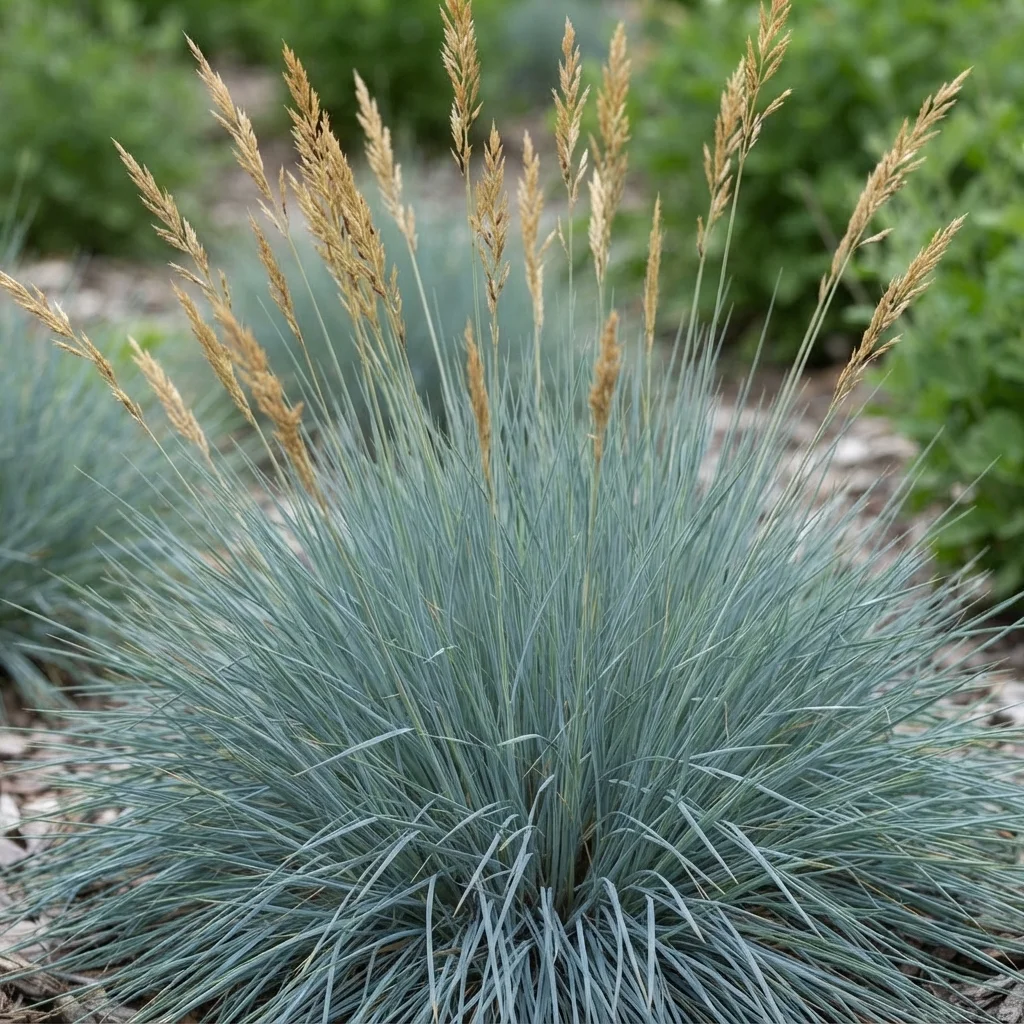
Cool as Ice Blue Fescue
Festuca glauca 'Cool as Ice'
Keep exploring
Explore the genus
Grow Western Fescue with confidence
See it in a design of your actual yard, get zone-matched care reminders, and track it season by season in your garden journal.