The Story
Plant Bio
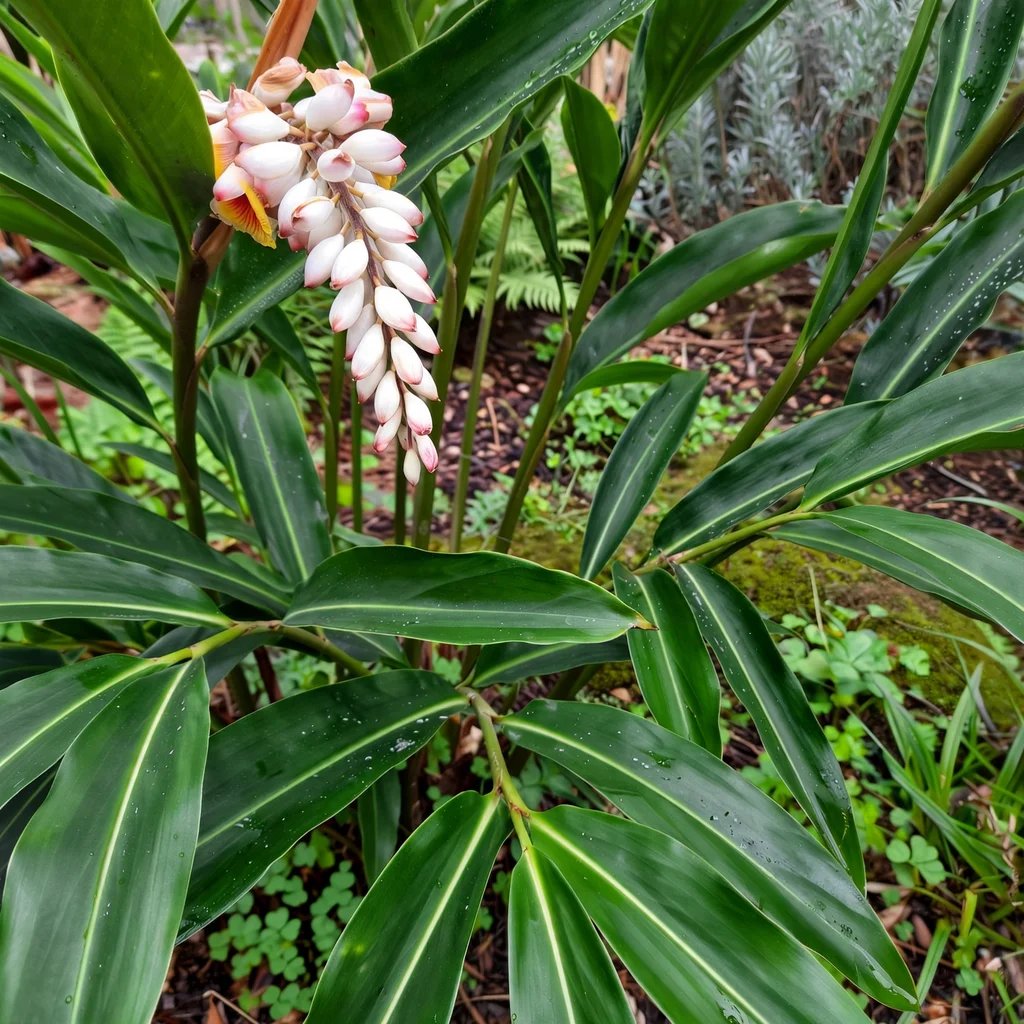
Alpinia nutans is a rhizomatous ginger forming an upright clump of cane-like stems clothed in lance-shaped dark green leaves. The foliage is glossy and releases a cardamom scent when bruised, and plants spread slowly by thick underground rhizomes.
Sold as dwarf cardamom, it stays near three feet tall in gardens with a matching spread, flowering rarely with short spikes of creamy-white shell-like blooms held just above the foliage. True wild plants from the Maluku Islands bear large red bracts and red-lipped flowers, so much nursery stock sold under this name is misapplied and should be checked in flower before purchase as cardamom.
Uses & Benefits:
Essentials
At a Glance
Plant Type
Perennial
Height
36"
Width
36"
Light
Partial Sun, Shade
Zones
7, 8, 9, 10
Water
Medium
Humidity
High
Lifespan
Perennial
Native To
Maluku Islands, Indonesia
Toxicity
Seeds not edible as cardamom
Bloom period
Spring – Late spring
In flower about 3 months of the year
Planting
How to Grow
- Plant divisions in spring after frost in partial to full shade with protection from wind.
- Set rhizomes just below the soil surface in humus-rich soil and water in to settle.
- Water to keep soil evenly moist through the first summer, then mulch roots before first freeze in Zone 7.
- Cut freeze-damaged tops to the ground in early spring as new shoots emerge.
Pro Tip
Grow it for fragrant shade foliage and leave the rhizomes undisturbed; tops freeze near 20F and resprout from the roots in spring.
Keep It Thriving
Care Guide
Do
- Plant in sheltered shade and let the clump fill out by rhizomes.
- Mulch the crown in Zone 7 to protect roots through winter.
- Divide congested clumps in spring to renew vigor.
Don't
- Do not use the seeds as true cardamom; they are not edible like culinary cardamom.
- Do not cut back healthy green foliage hard each year.
- Do not buy without checking flowers or bracts if you want the true Maluku species.
Seasonal Care Calendar
| Task | Jan | Feb | Mar | Apr | May | Jun | Jul | Aug | Sep | Oct | Nov | Dec |
|---|---|---|---|---|---|---|---|---|---|---|---|---|
| Divide | ||||||||||||
| Mulch | ||||||||||||
| Pest Check | ||||||||||||
| Plant | ||||||||||||
| Spring Cleanup |
Watch Out For
Pests & Diseases
Common Pests
Common Diseases
In the Garden
Landscape Uses & Companions
Landscape Uses
Companion Plants
Multiply
Propagation Methods
Good to Know
Common Questions
Dwarf Cardamom questions
What zones can Dwarf Cardamom grow in?
Dwarf Cardamom is hardy in USDA Zones 7–10: in that range it survives winter in the ground. Colder than Zone 7, grow it in a container you can move to shelter for the winter, or as an annual.
When does Dwarf Cardamom bloom?
Dwarf Cardamom typically blooms in spring. Exact timing shifts a week or two with your zone — Sow's bloom calendar maps it to your garden.
Does Dwarf Cardamom need full sun?
Dwarf Cardamom does best in part shade.
More Alpinia to compare
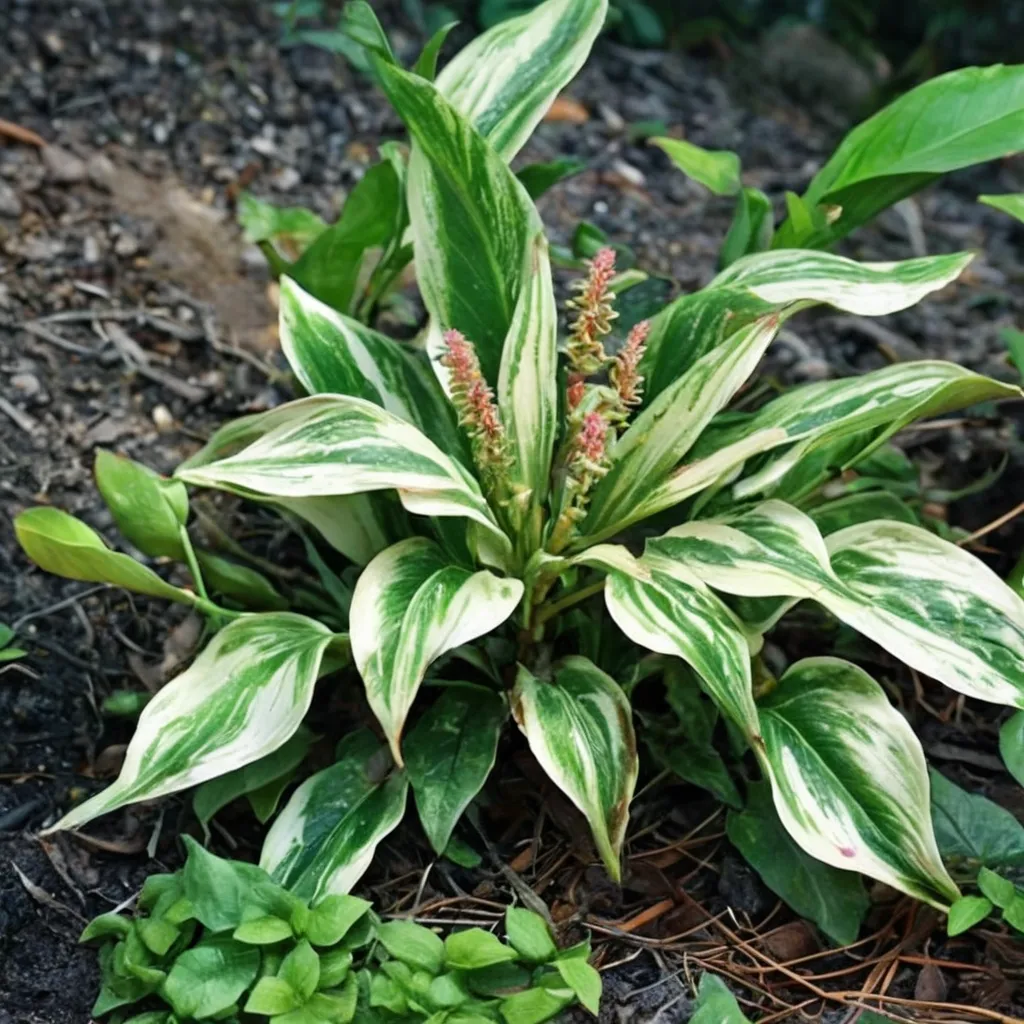
Extra Spicy Japanese Ginger
Alpinia japonica 'Extra Spicy'
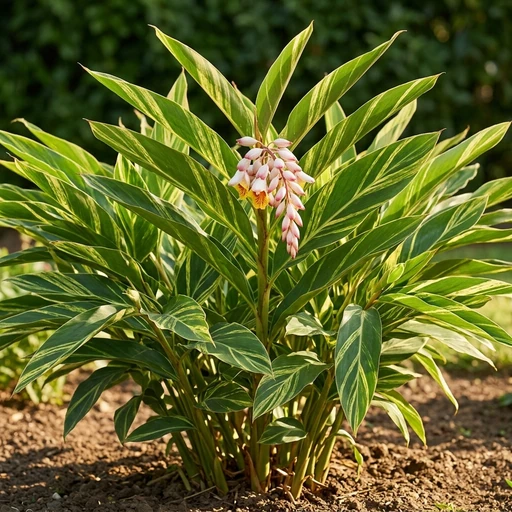
Variegated Shell Ginger
Alpinia zerumbet 'Variegata'
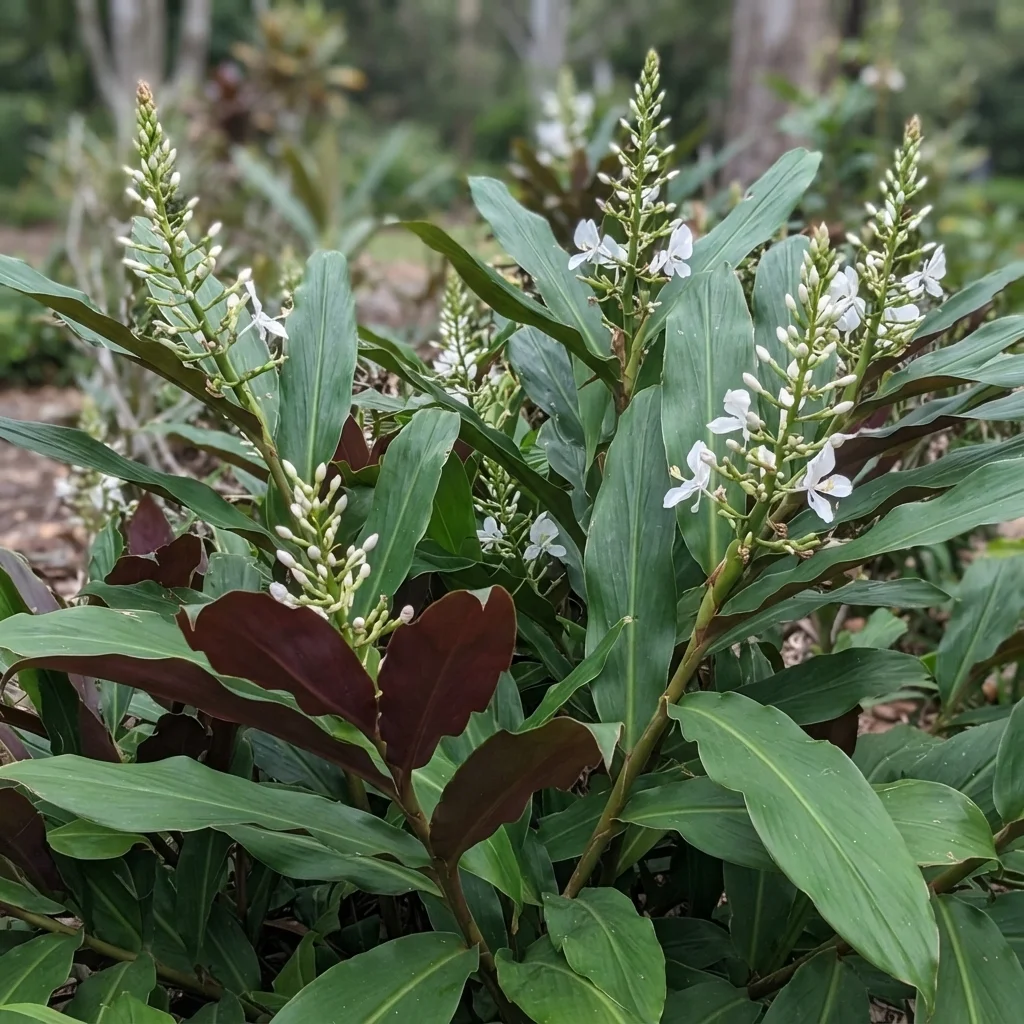
Native Ginger
Alpinia caerulea
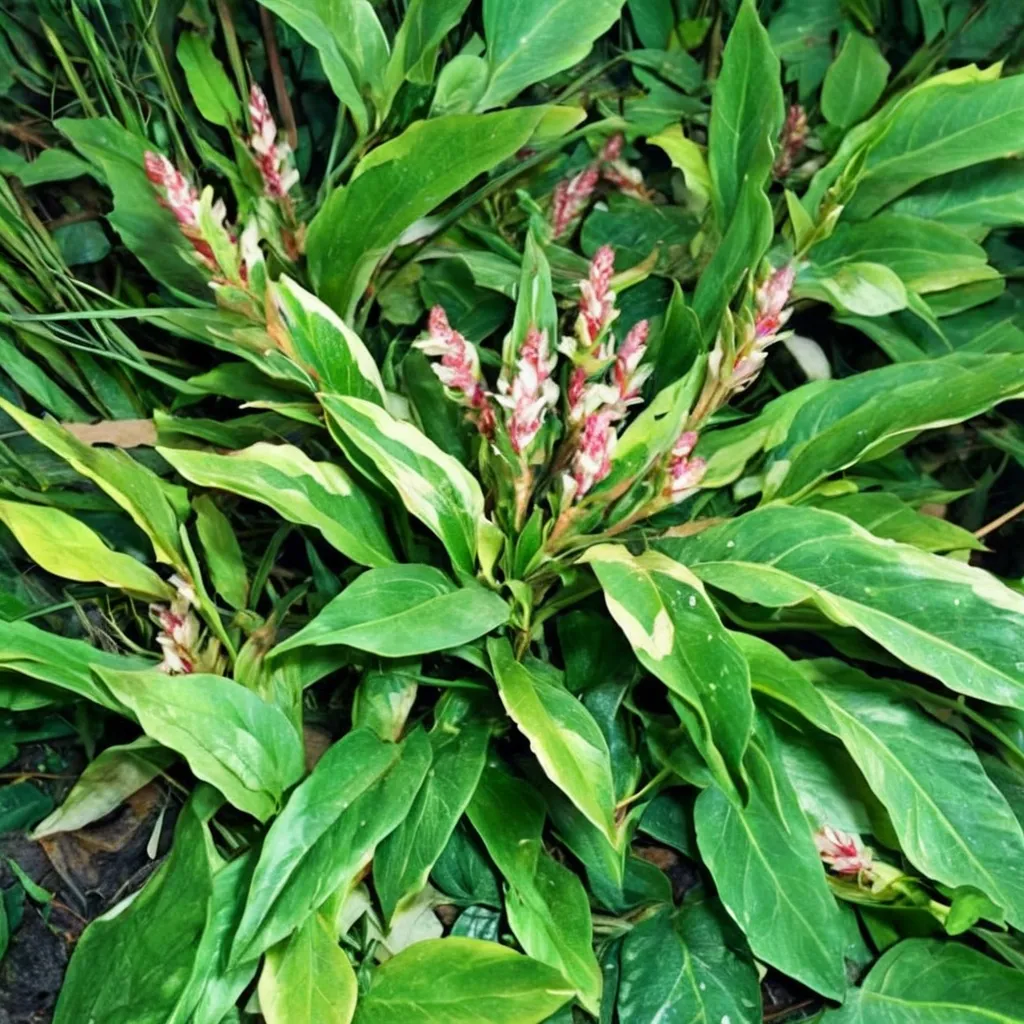
Japanese Ginger
Alpinia japonica
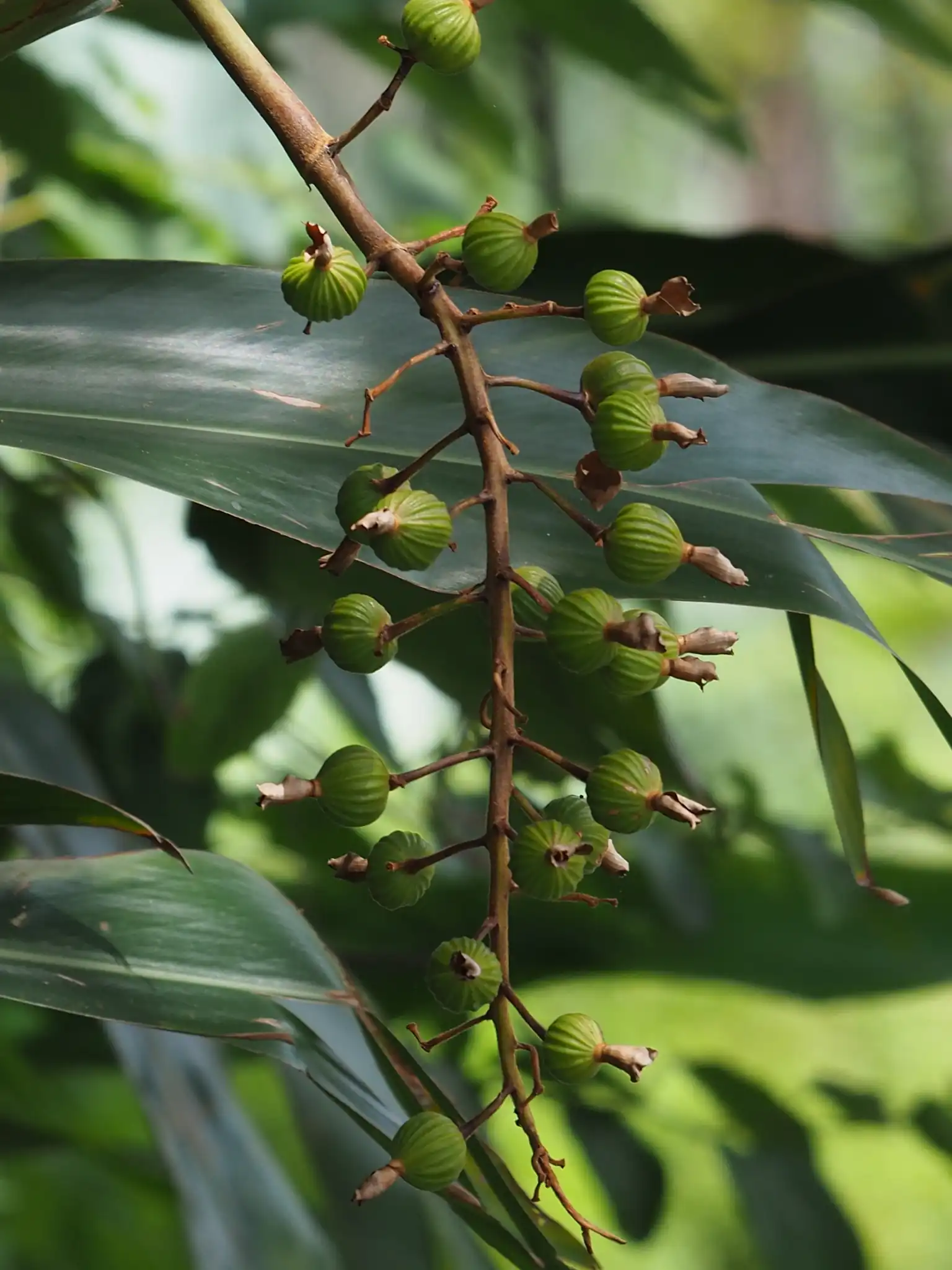
Shell Ginger
Alpinia zerumbet
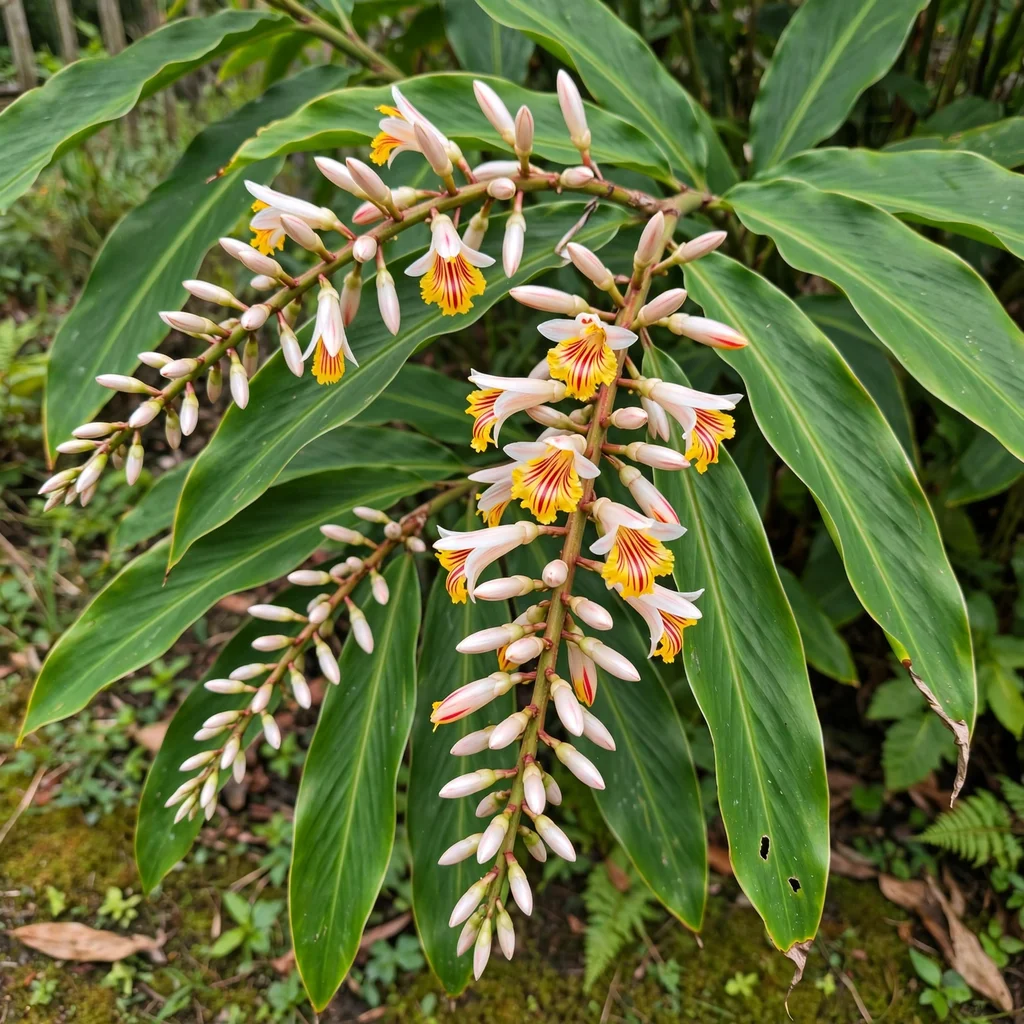
Pinstripe Ginger
Alpinia formosana
Keep exploring
Explore the genus
Hardy in your zone?
Grow Dwarf Cardamom with confidence
See it in a design of your actual yard, get zone-matched care reminders, and track it season by season in your garden journal.