The Story
Plant Bio
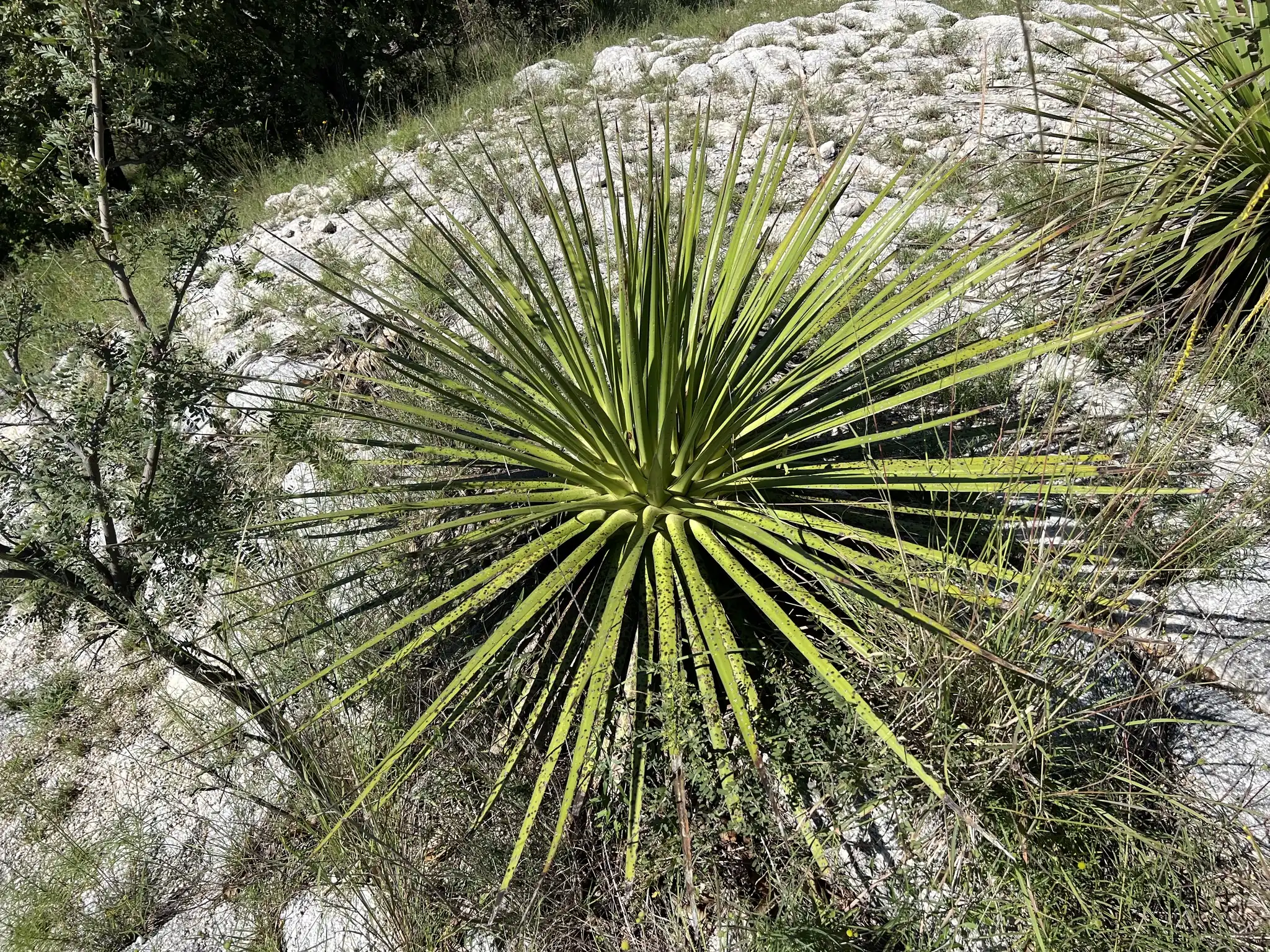
Agave ocahui is a slow-growing evergreen succulent perennial from rocky slopes in Sonora, forming a mostly solitary symmetrical rosette. It is monocarpic, growing for ten to twenty years before sending up a single tall flower spike and then dying.
It stays compact at about eighteen inches tall and two to three feet wide, with numerous narrow stiff dark green leaves held upwardly inclined. The leaf margins are smooth and toothless edged reddish-brown with a sharp terminal spine, and mature rosettes produce a tall unbranched spike to ten feet crowded with golden-yellow flowers.
Uses & Benefits:
Essentials
At a Glance
Plant Type
Cactus Succulent
Height
18"
Width
36"
Light
Full Sun, Partial Sun
Zones
8, 9, 10
Water
Low
Humidity
Low - unknown tolerance
Lifespan
10-20 years, monocarpic
Native To
Sonora, Mexico
Toxicity
Irritant sap and sharp spines
Bloom period
Spring – Summer
In flower about 6 months of the year
Planting
How to Grow
- Plant in spring in full sun to light shade in sharply drained rocky or sandy soil with the crown above soil level.
- Space back from paths and handling areas for the sharp terminal spines and irritant sap; wear gloves when handling.
- Water sparingly until established, then withhold water; keep winter moisture off the crown.
- Do not feed routinely and do not cut into the solitary crown; remove only dead lower leaves and the spent flower stalk.
Pro Tip
Give it full sun and sharply drained soil with winter dryness rather than fertilizer or extra water; it never offsets and dies after flowering, so plan on seed-grown replacement.
Keep It Thriving
Care Guide
Do
- Plant in excellent drainage with winter dryness
- Give full sun with room for harsh reflected sun
- Wear gloves and space away from paths, children and pets
Don't
- Do not overwater or leave in wet winter soil
- Do not expect offsets or bulbils for replanting
- Do not cut into the solitary crown
Seasonal Care Calendar
| Task | Jan | Feb | Mar | Apr | May | Jun | Jul | Aug | Sep | Oct | Nov | Dec |
|---|---|---|---|---|---|---|---|---|---|---|---|---|
| Pest Check | ||||||||||||
| Plant | ||||||||||||
| Propagate | ||||||||||||
| Spring Cleanup | ||||||||||||
| Winter Prep |
Watch Out For
Pests & Diseases
Common Pests
Common Diseases
In the Garden
Landscape Uses & Companions
Landscape Uses
Multiply
Propagation Methods
Good to Know
Common Questions
Ocahui Agave questions
What zones can Ocahui Agave grow in?
Ocahui Agave is hardy in USDA Zones 8–10: in that range it survives winter in the ground. Colder than Zone 8, grow it in a container you can move to shelter for the winter, or as an annual.
When does Ocahui Agave bloom?
Ocahui Agave typically blooms from spring to summer. Exact timing shifts a week or two with your zone — Sow's bloom calendar maps it to your garden.
Does Ocahui Agave need full sun?
Ocahui Agave does best in full sun to part shade. In hot climates, afternoon shade keeps blooms fresher longer.
Is Ocahui Agave drought tolerant?
Yes — once established (usually after the first full season), Ocahui Agave handles dry spells with minimal watering. Water deeply its first year to build the root system that makes that possible.
More Agave to compare
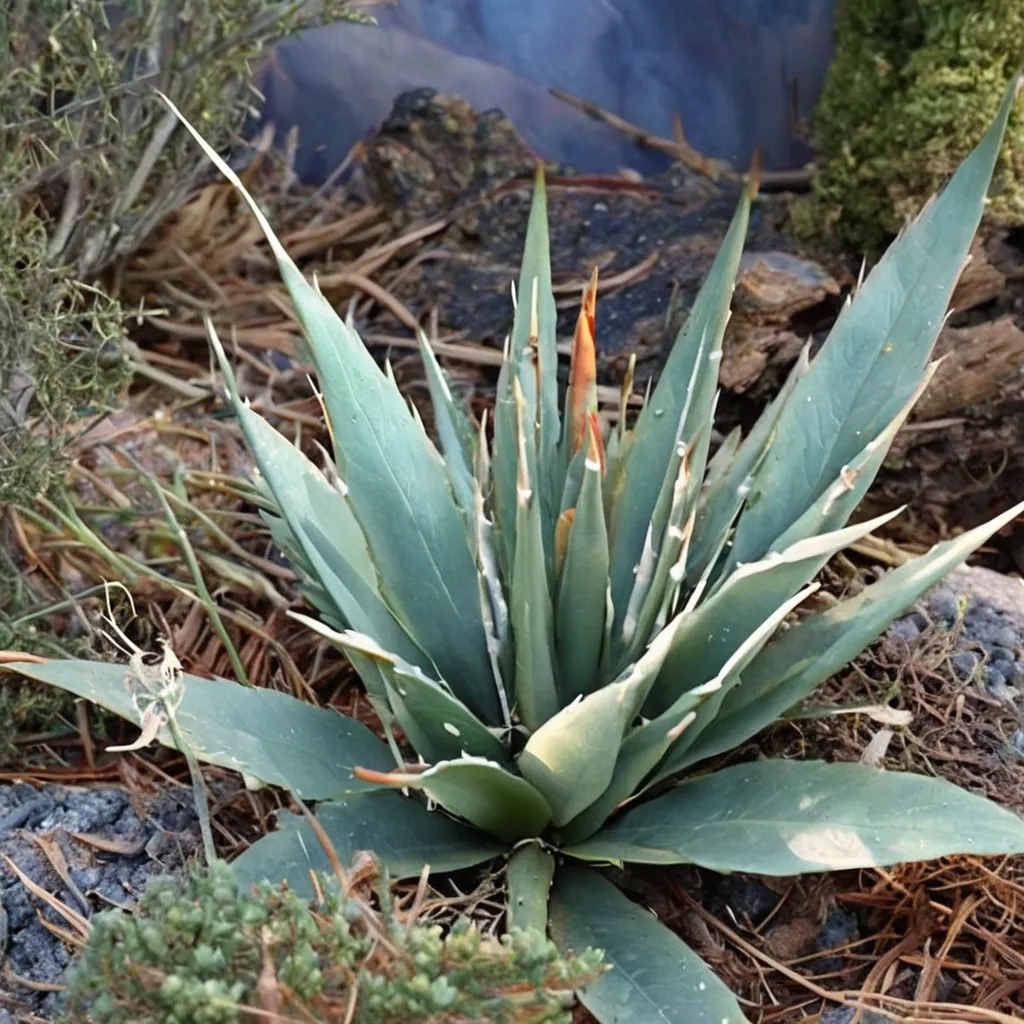
Utah Agave Kaibabensis
Agave utahensis 'kaibabensis'
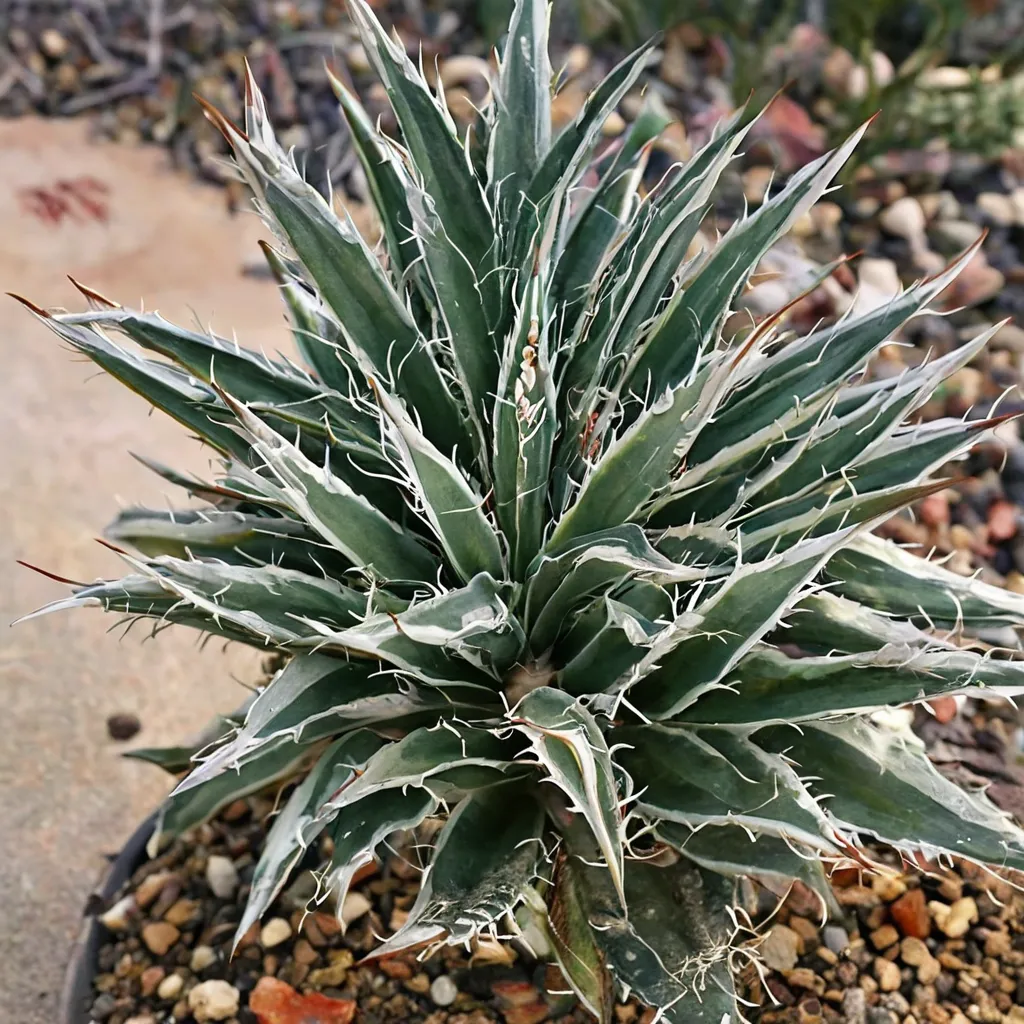
Toumey's Agave
Agave toumeyana
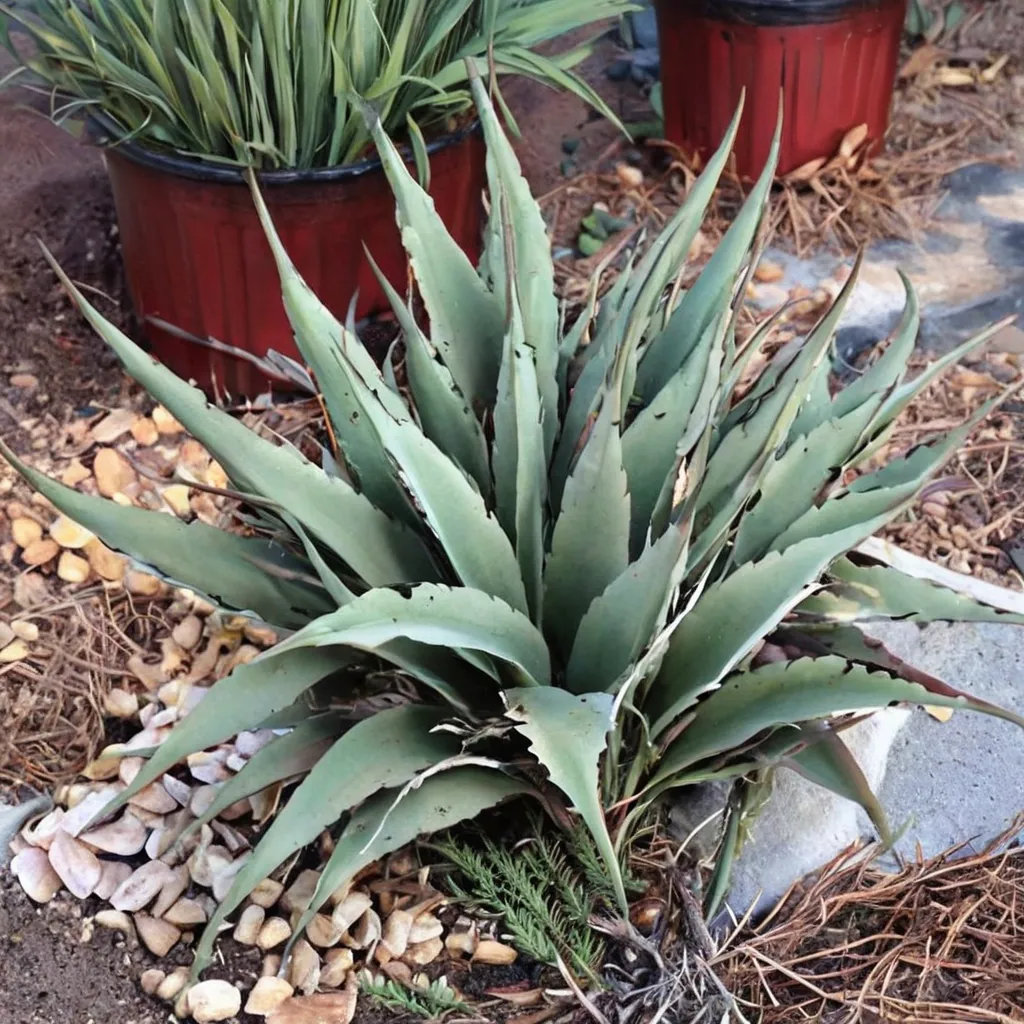
Slimfoot Century Plant
Agave gracilipes
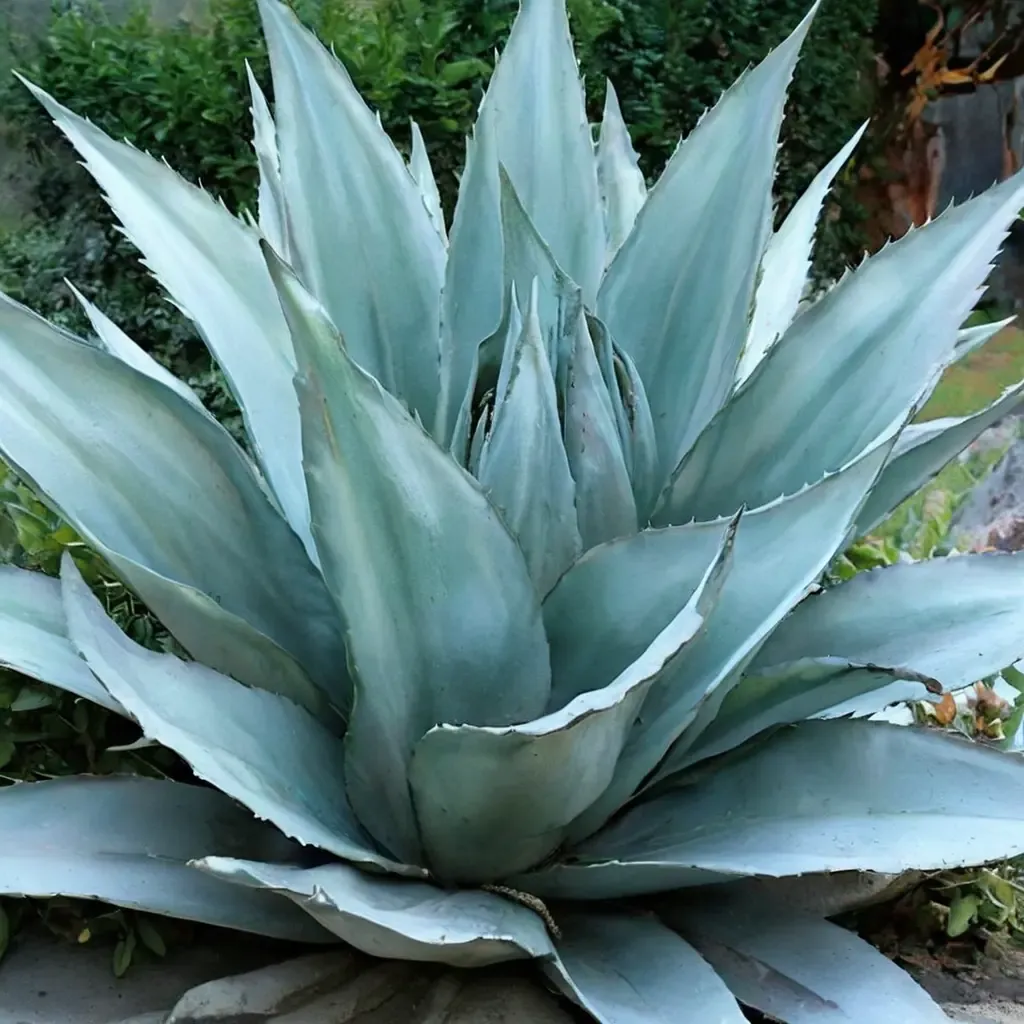
Vanzie Whale's Tongue Agave
Agave ovatifolia 'Vanzie'
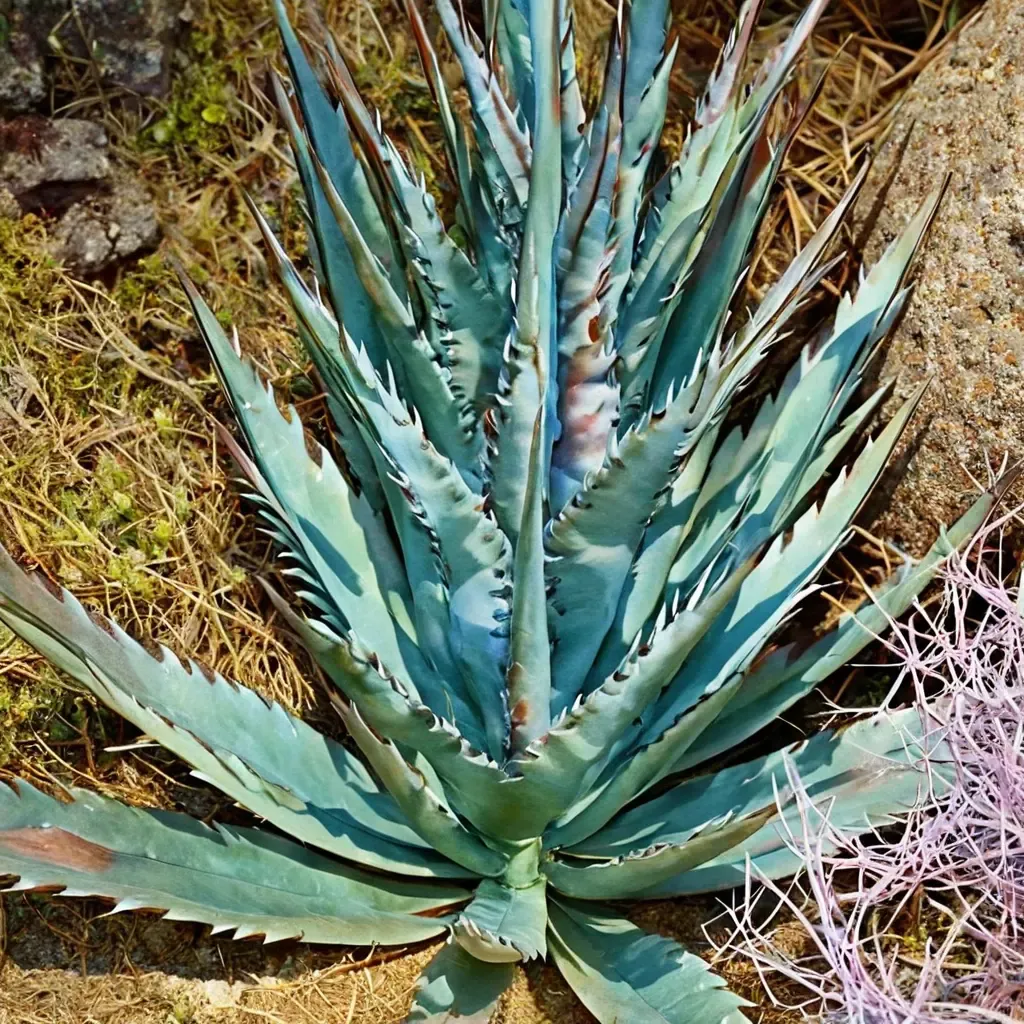
McKelvey's Agave
Agave mckelveyana
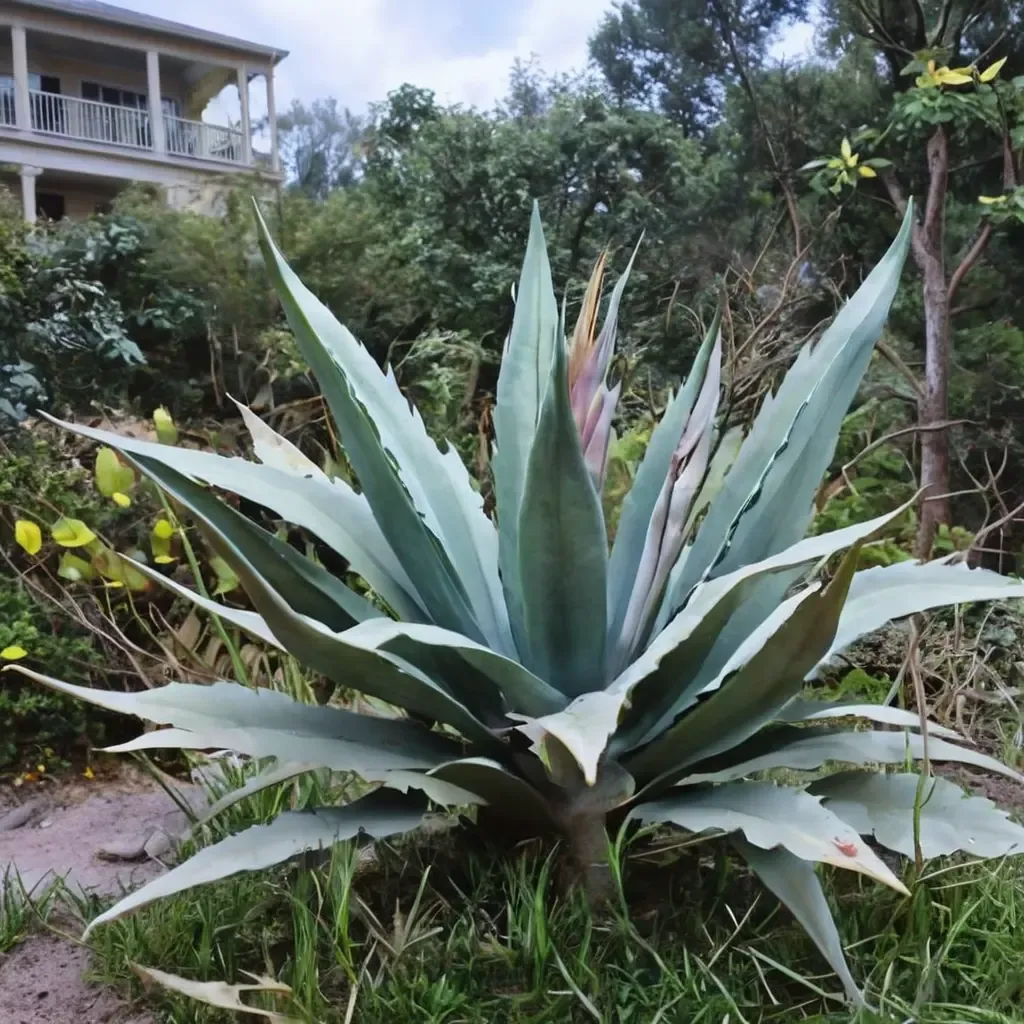
Grey Gator Agave
Agave x hybrida 'Grey Gator'
Keep exploring
Explore the genus
Hardy in your zone?
Grow Ocahui Agave with confidence
See it in a design of your actual yard, get zone-matched care reminders, and track it season by season in your garden journal.