The Story
Plant Bio
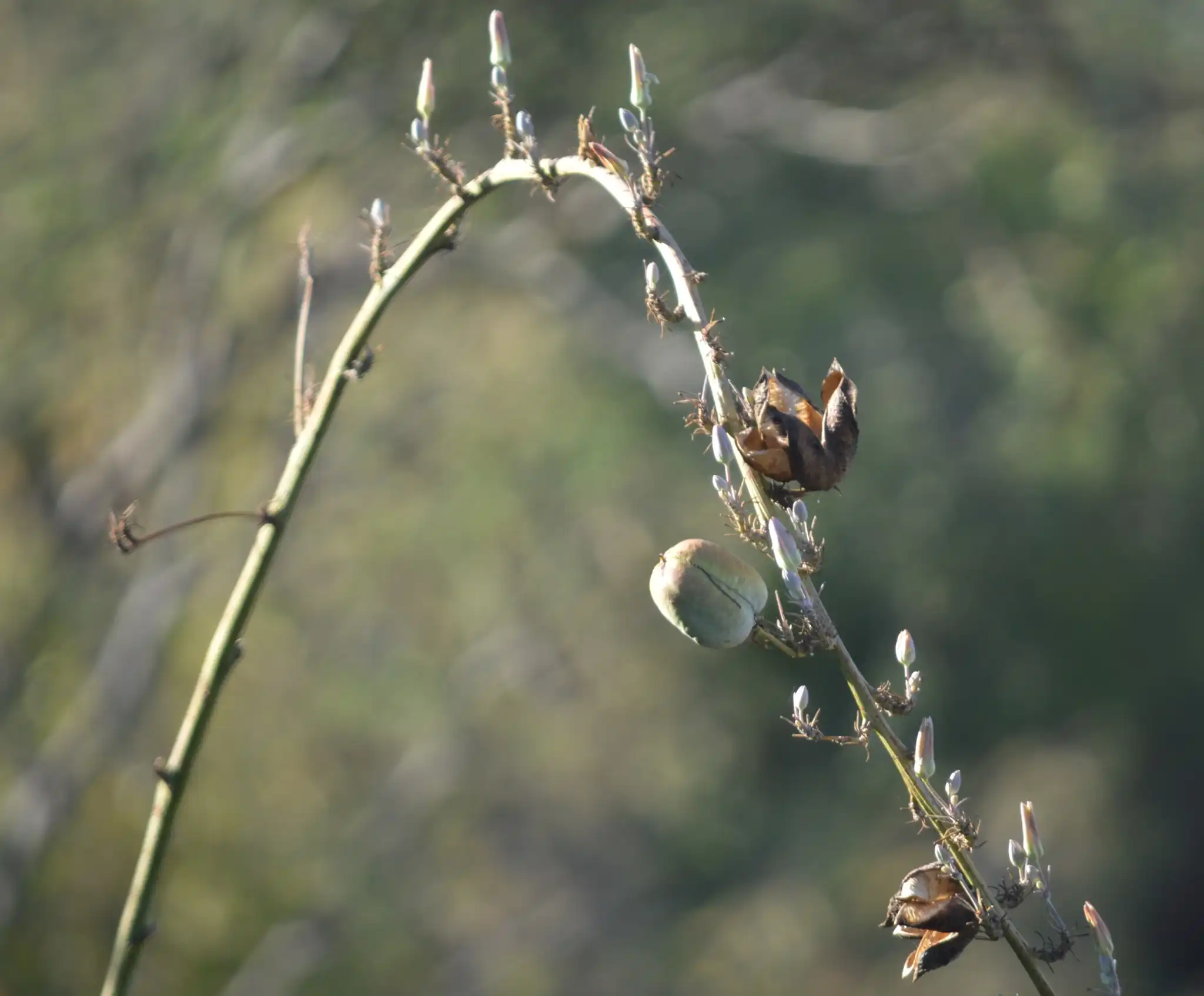
Hesperaloe nocturna is a stemless evergreen succulent from the Sonoran Desert, forming a dense fountain of narrow channeled light-green leaves to four feet long. The leaves carry a narrow brown margin that shreds into fine white filaments and ends in a sharp tip.
It is the night-blooming hesperaloe, sending up an eight- to twelve-foot stalk in summer that bears fragrant greenish-white flowers opening after dark and persisting into the next day. It is larger and white-flowered where red yucca (Hesperaloe parviflora) is smaller with day-blooming red-pink flowers, and it is neither a true yucca nor agave despite the family.
Uses & Benefits:
Essentials
At a Glance
Plant Type
Cactus Succulent
Height
60"
Width
72"
Light
Full Sun, Partial Sun
Zones
7, 8, 9, 10
Water
Low
Humidity
Unknown
Lifespan
Perennial
Native To
Sonora, Mexico
Toxicity
Unknown
Bloom period
Spring – Fall
In flower about 9 months of the year
Planting
How to Grow
- Choose full sun with light afternoon shade tolerated in hot inland sites.
- Dig into sandy or rocky soil and plant the crown level or slightly high for drainage.
- Space 5 to 6 feet apart to allow the mature fountain rosette to expand.
- Water deeply after planting, then water sparingly and let soil dry between waterings.
- Topdress with gravel, not organic mulch, to keep the crown dry.
Pro Tip
Plant it high in gritty fast-draining soil in full sun and cut the finished stalk at the base; the rosette needs no other cutting and rots in soggy winter soil.
Keep It Thriving
Care Guide
Do
- Grow in full sun in sharply drained sandy or rocky soil
- Water deeply then allow soil to dry completely between waterings
- Cut the spent flower stalk at the base after bloom in fall
Don't
- Do not overwater or plant in heavy clay that holds winter wet
- Do not shear or trim the leaves; the rosette needs no pruning
- Do not crowd or overhead-water where air flow stays damp
Seasonal Care Calendar
| Task | Jan | Feb | Mar | Apr | May | Jun | Jul | Aug | Sep | Oct | Nov | Dec |
|---|---|---|---|---|---|---|---|---|---|---|---|---|
| Pest Check | ||||||||||||
| Plant | ||||||||||||
| Propagate | ||||||||||||
| Prune |
Watch Out For
Pests & Diseases
Common Pests
Common Diseases
In the Garden
Landscape Uses & Companions
Landscape Uses
Multiply
Propagation Methods
Good to Know
Common Questions
Night-Blooming Hesperaloe questions
What zones can Night-Blooming Hesperaloe grow in?
Night-Blooming Hesperaloe is hardy in USDA Zones 7–10: in that range it survives winter in the ground. Colder than Zone 7, grow it in a container you can move to shelter for the winter, or as an annual.
When does Night-Blooming Hesperaloe bloom?
Night-Blooming Hesperaloe typically blooms from spring to fall. Exact timing shifts a week or two with your zone — Sow's bloom calendar maps it to your garden.
Does Night-Blooming Hesperaloe need full sun?
Night-Blooming Hesperaloe does best in full sun to part shade. In hot climates, afternoon shade keeps blooms fresher longer.
Is Night-Blooming Hesperaloe drought tolerant?
Yes — once established (usually after the first full season), Night-Blooming Hesperaloe handles dry spells with minimal watering. Water deeply its first year to build the root system that makes that possible.
More Hesperaloe to compare
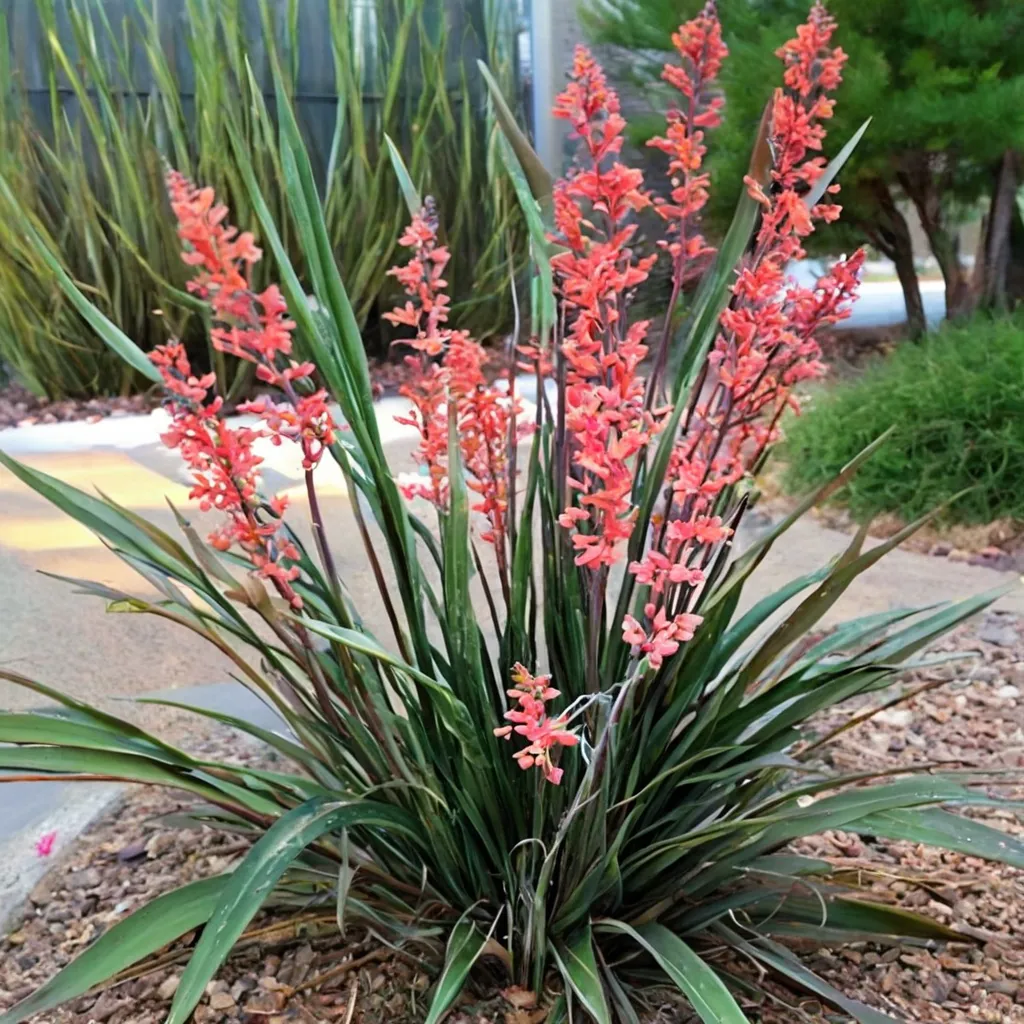
Red Yucca
Hesperaloe parviflora
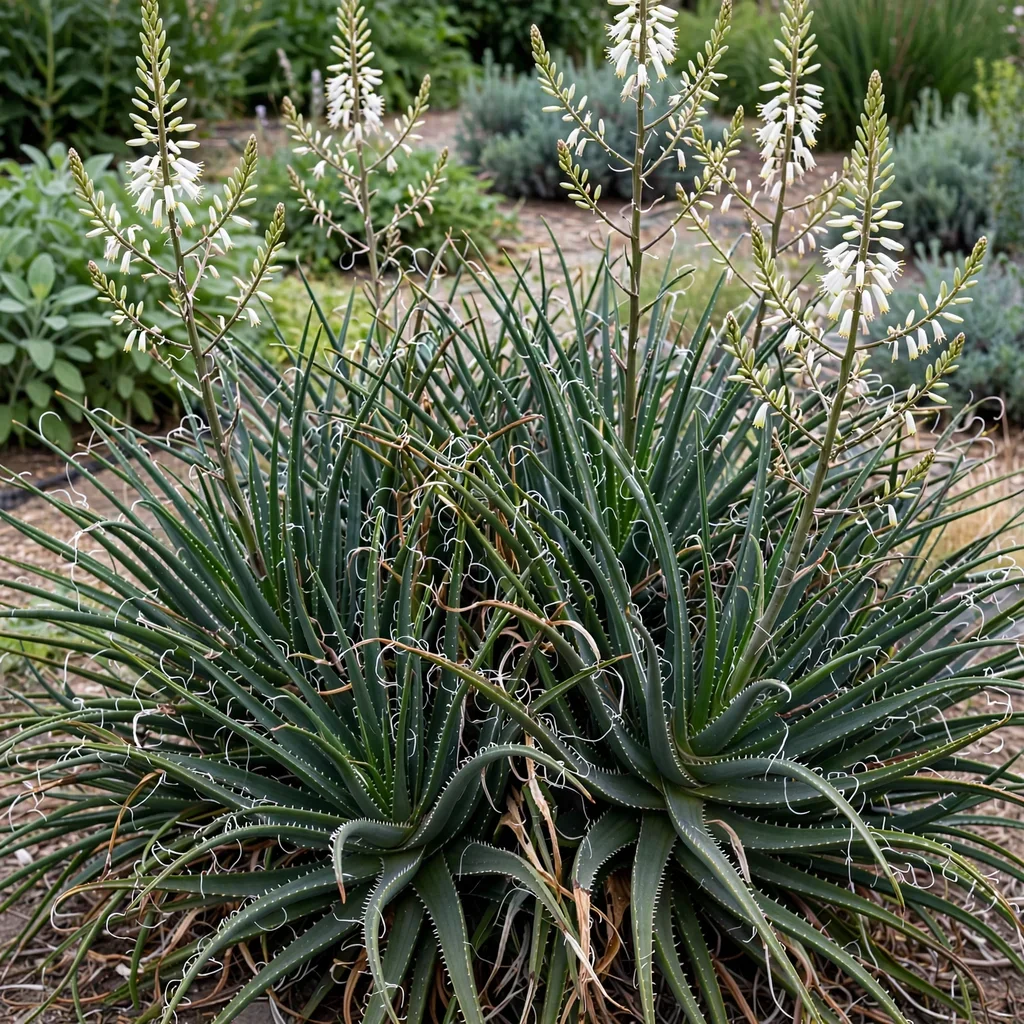
White Flowers Giant Hesperaloe
Hesperaloe funifera 'White Flowers'
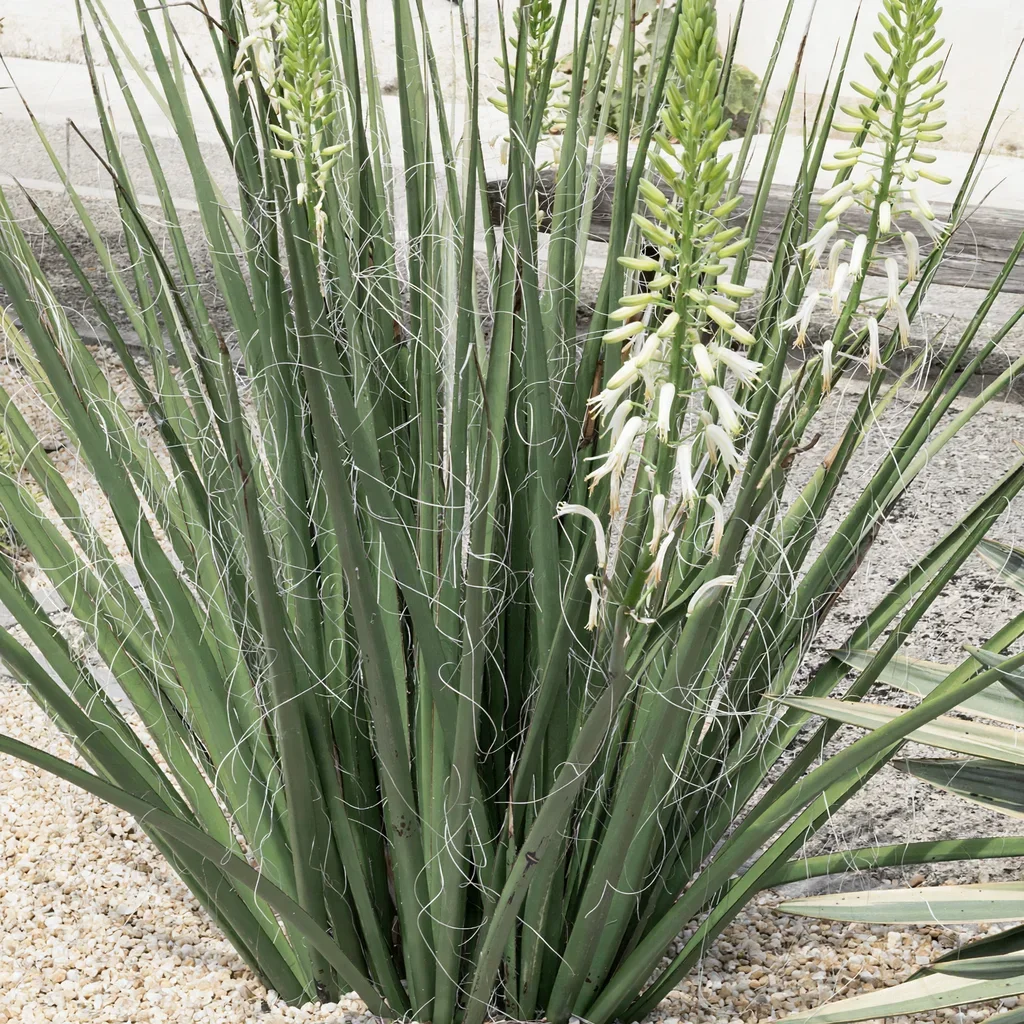
Giant Hesperaloe
Hesperaloe funifera
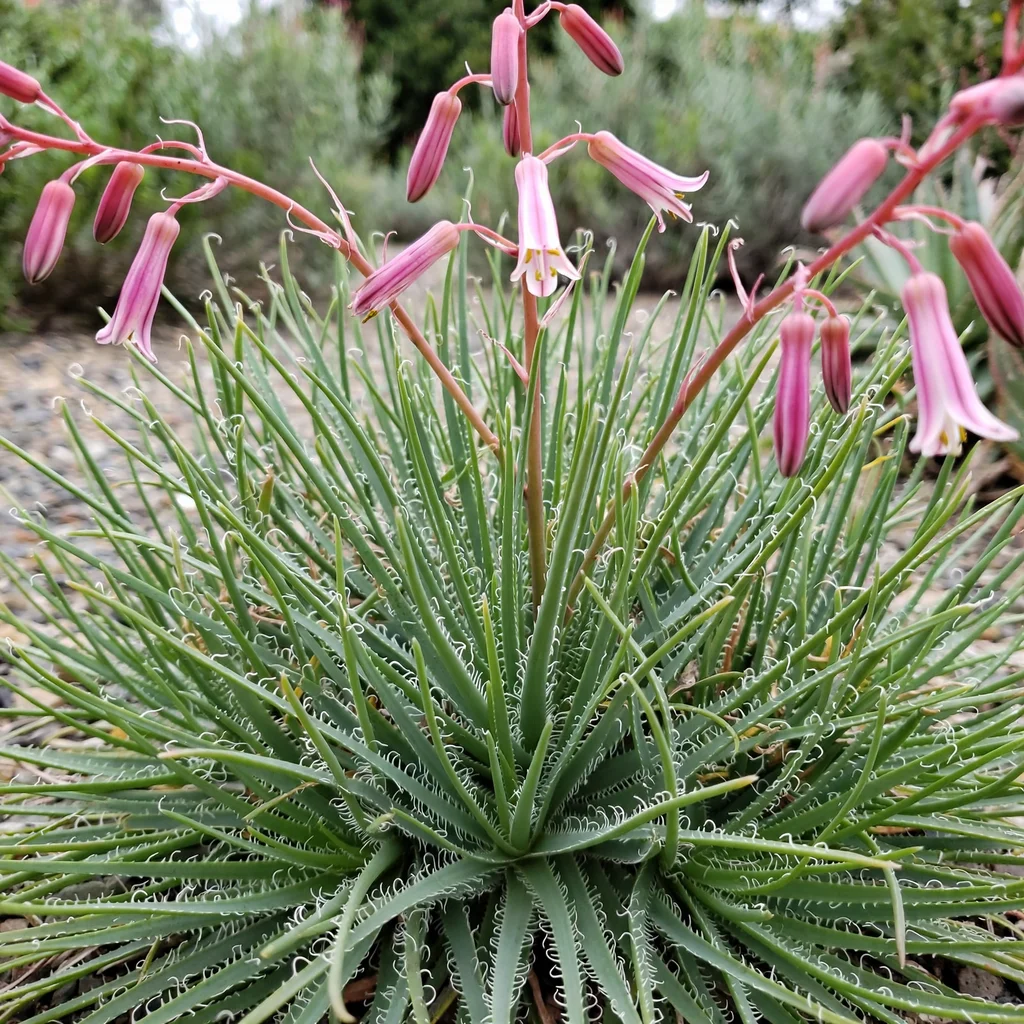
Bell Flower Hesperaloe
Hesperaloe campanulata
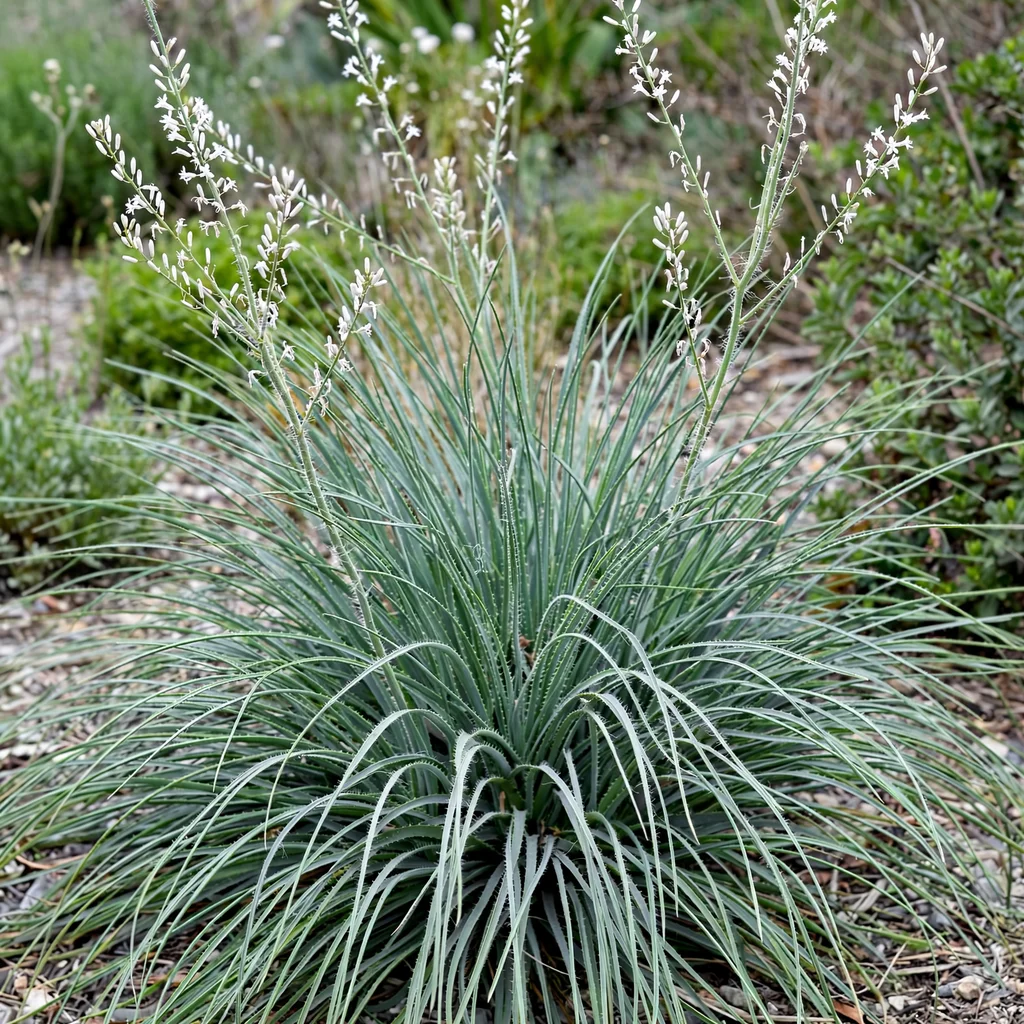
Grassy Hesperaloe
Hesperaloe tenuifolia
Keep exploring
Explore the genus
Hardy in your zone?
Grow Night-Blooming Hesperaloe with confidence
See it in a design of your actual yard, get zone-matched care reminders, and track it season by season in your garden journal.