The Story
Plant Bio
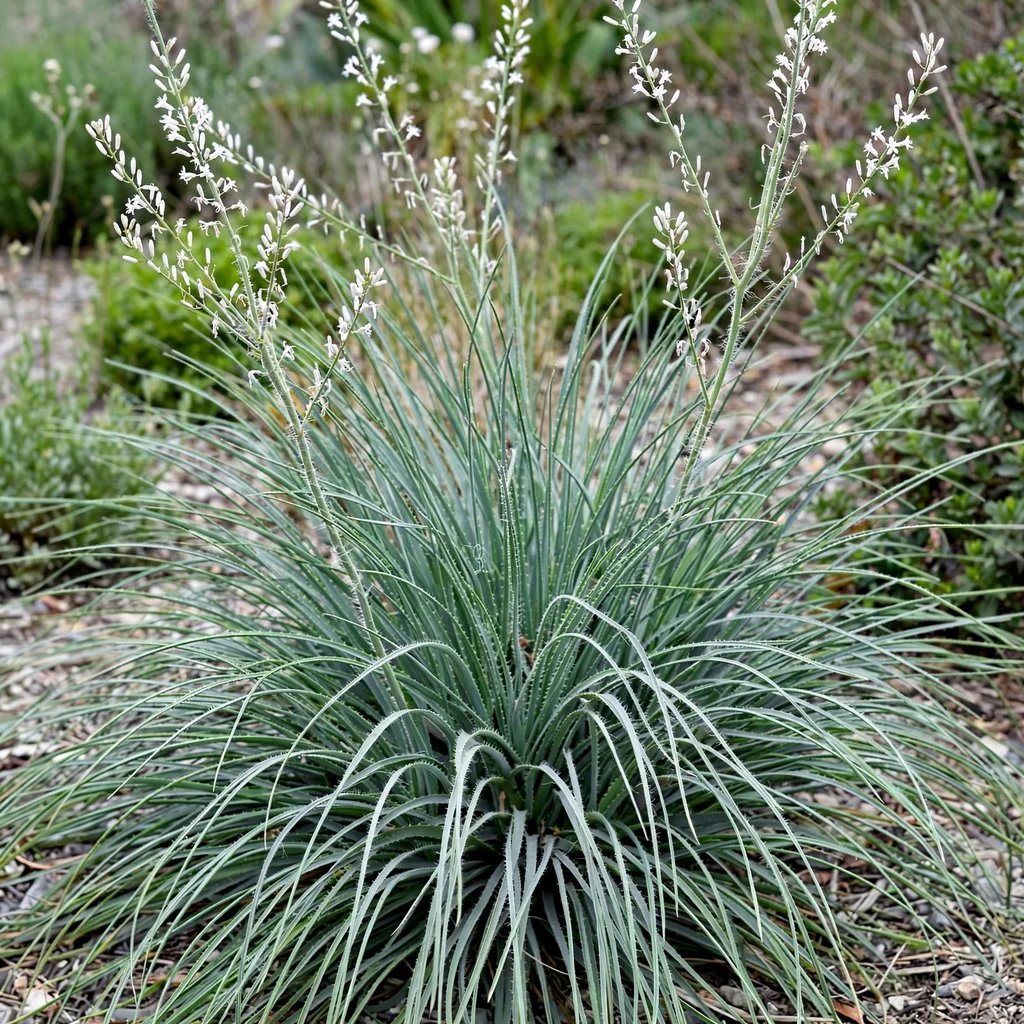
Hesperaloe tenuifolia is an evergreen rosette perennial from Sonora, forming a dense tuft of narrow arching blue-green leaves to three feet tall and wide. In spring a slender stalk rises to six feet with few short branches, carrying pink buds that open white at night.
Unlike the red-flowered Hesperaloe parviflora, this species flowers white with a pink tinge in bud and keeps a finer grass-like habit. The leaves are soft with fibrous margins and no spines, so the clump reads as an ornamental grass until the tall night-opening stalk appears.
Uses & Benefits:
Essentials
At a Glance
Plant Type
Cactus Succulent
Height
35"
Width
35"
Light
Full Sun, Partial Sun
Zones
8, 9, 10
Water
Low
Humidity
Low, heat tolerant
Lifespan
Long-lived perennial
Native To
Sonora, Mexico
Toxicity
Conflicting reports - use caution
Bloom period
Spring – Summer
In flower about 6 months of the year
Planting
How to Grow
- Plant in spring after hard frost in full sun where air moves and water never ponds.
- Dig a shallow wide hole in rocky or sandy soil, set the crown level with the surface and backfill with gritty mix.
- Water deeply once to settle, then water sparingly until new arching leaves emerge.
- Top-dress with gravel to keep the crown dry and hold the tuft upright.
- Leave established clumps dry between drinks, one to two deep soakings per month in heat.
Pro Tip
Cut the spent flower stalk to the base after bloom and leave the leaf tuft uncut; shearing the crown ruins its form and winter wet in heavy soil kills the roots.
Keep It Thriving
Care Guide
Do
- Give full sun and sharp drainage on a slope or raised mound.
- Water low once established and let soil dry between drinks.
- Remove the spent flower stalk at the base after flowering.
Don't
- Do not plant in heavy clay or low spots that stay wet in winter.
- Do not shear the leaf tuft or cut into the crown.
- Do not overwater or fertilize heavily to force growth.
Seasonal Care Calendar
| Task | Jan | Feb | Mar | Apr | May | Jun | Jul | Aug | Sep | Oct | Nov | Dec |
|---|---|---|---|---|---|---|---|---|---|---|---|---|
| Deadhead | ||||||||||||
| Divide | ||||||||||||
| Pest Check | ||||||||||||
| Plant | ||||||||||||
| Winter Prep |
Watch Out For
Pests & Diseases
Common Pests
Common Diseases
In the Garden
Landscape Uses & Companions
Landscape Uses
Multiply
Propagation Methods
Good to Know
Common Questions
Grassy Hesperaloe questions
What zones can Grassy Hesperaloe grow in?
Grassy Hesperaloe is hardy in USDA Zones 8–10: in that range it survives winter in the ground. Colder than Zone 8, grow it in a container you can move to shelter for the winter, or as an annual.
Is Grassy Hesperaloe deer resistant?
Not reliably. Deer may browse Grassy Hesperaloe, especially tender spring growth — plan on repellents or fencing where pressure is high.
When does Grassy Hesperaloe bloom?
Grassy Hesperaloe typically blooms from spring to summer. Exact timing shifts a week or two with your zone — Sow's bloom calendar maps it to your garden.
Does Grassy Hesperaloe need full sun?
Grassy Hesperaloe does best in full sun to part shade. In hot climates, afternoon shade keeps blooms fresher longer.
Is Grassy Hesperaloe drought tolerant?
Yes — once established (usually after the first full season), Grassy Hesperaloe handles dry spells with minimal watering. Water deeply its first year to build the root system that makes that possible.
More Hesperaloe to compare
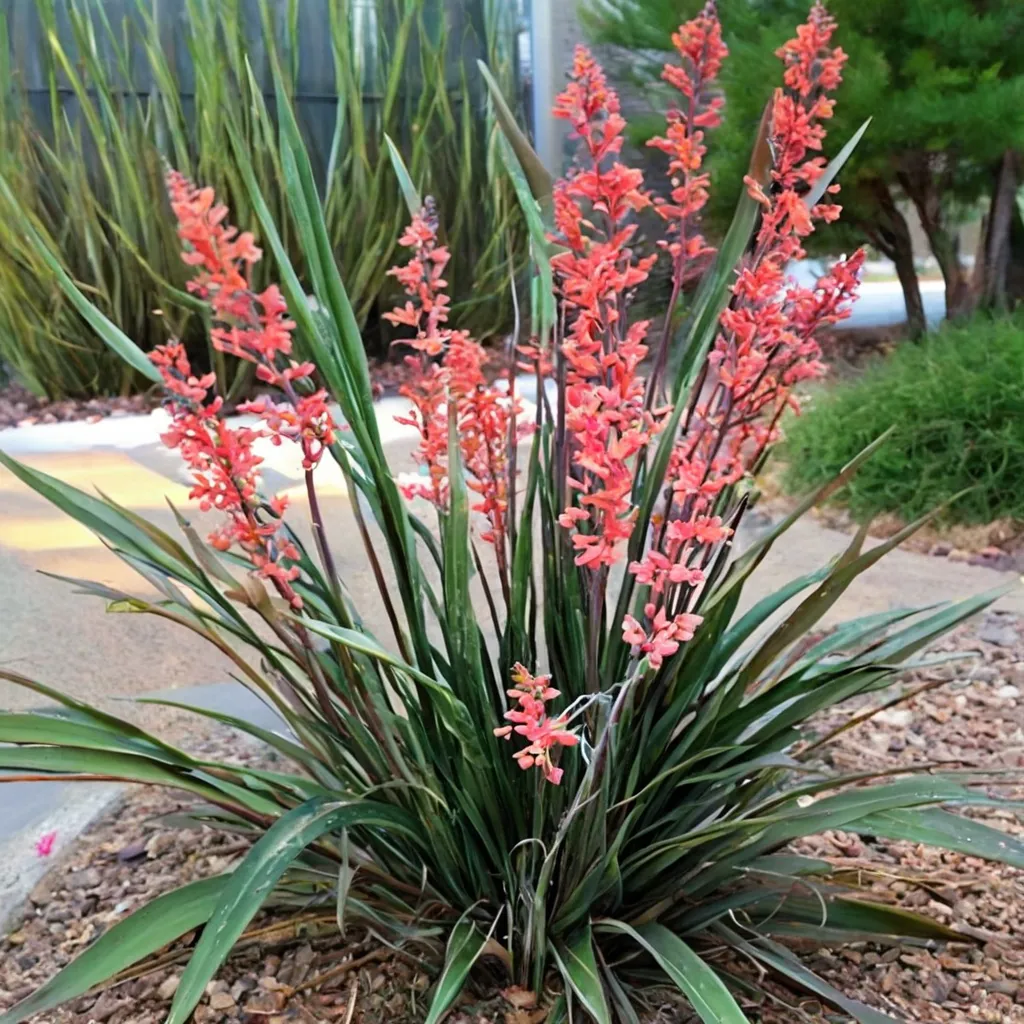
Red Yucca
Hesperaloe parviflora
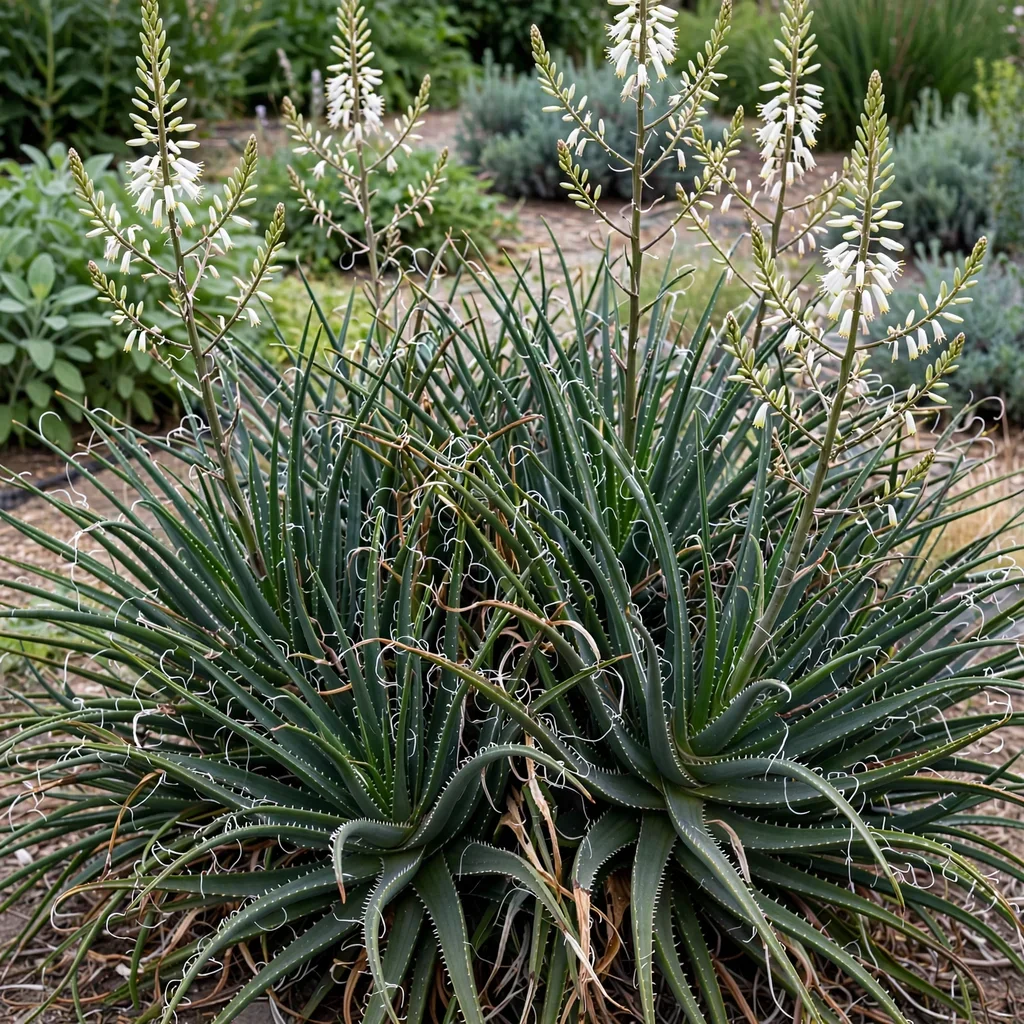
White Flowers Giant Hesperaloe
Hesperaloe funifera 'White Flowers'
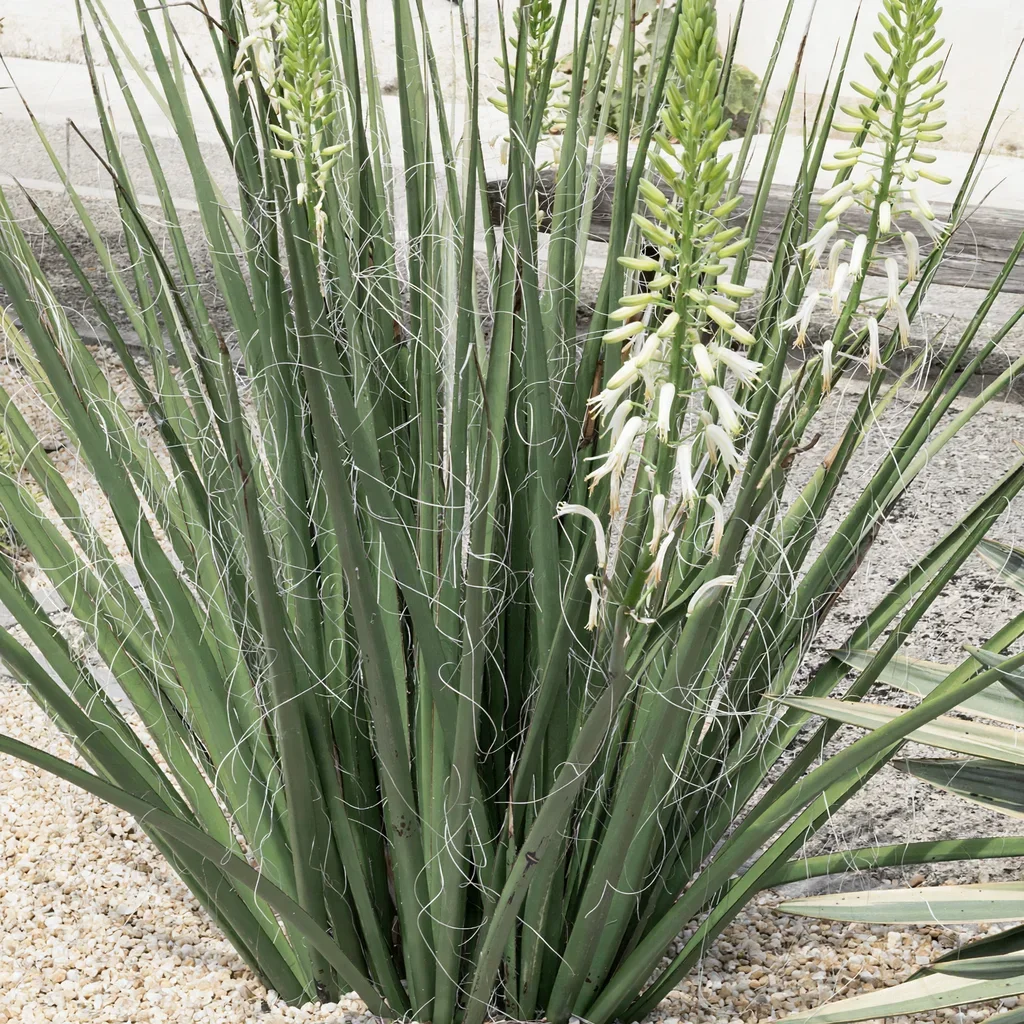
Giant Hesperaloe
Hesperaloe funifera
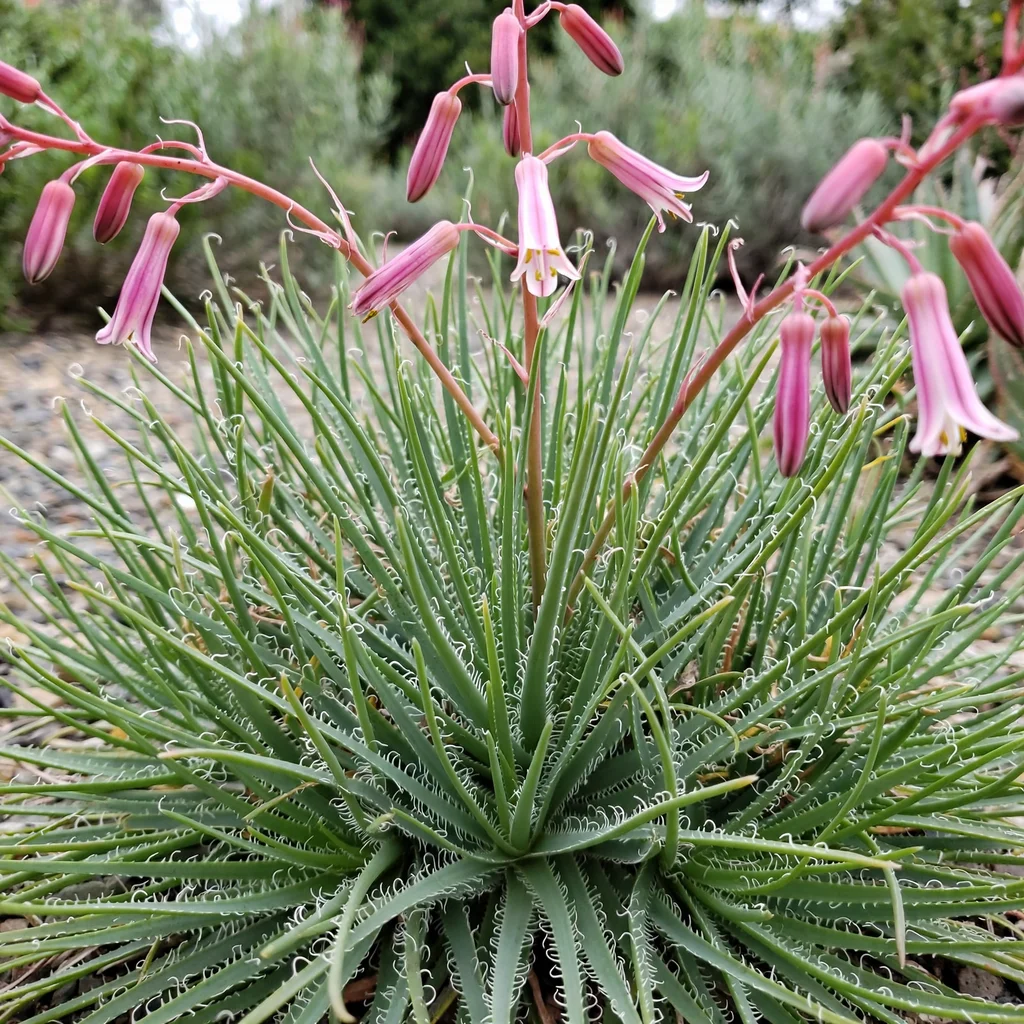
Bell Flower Hesperaloe
Hesperaloe campanulata
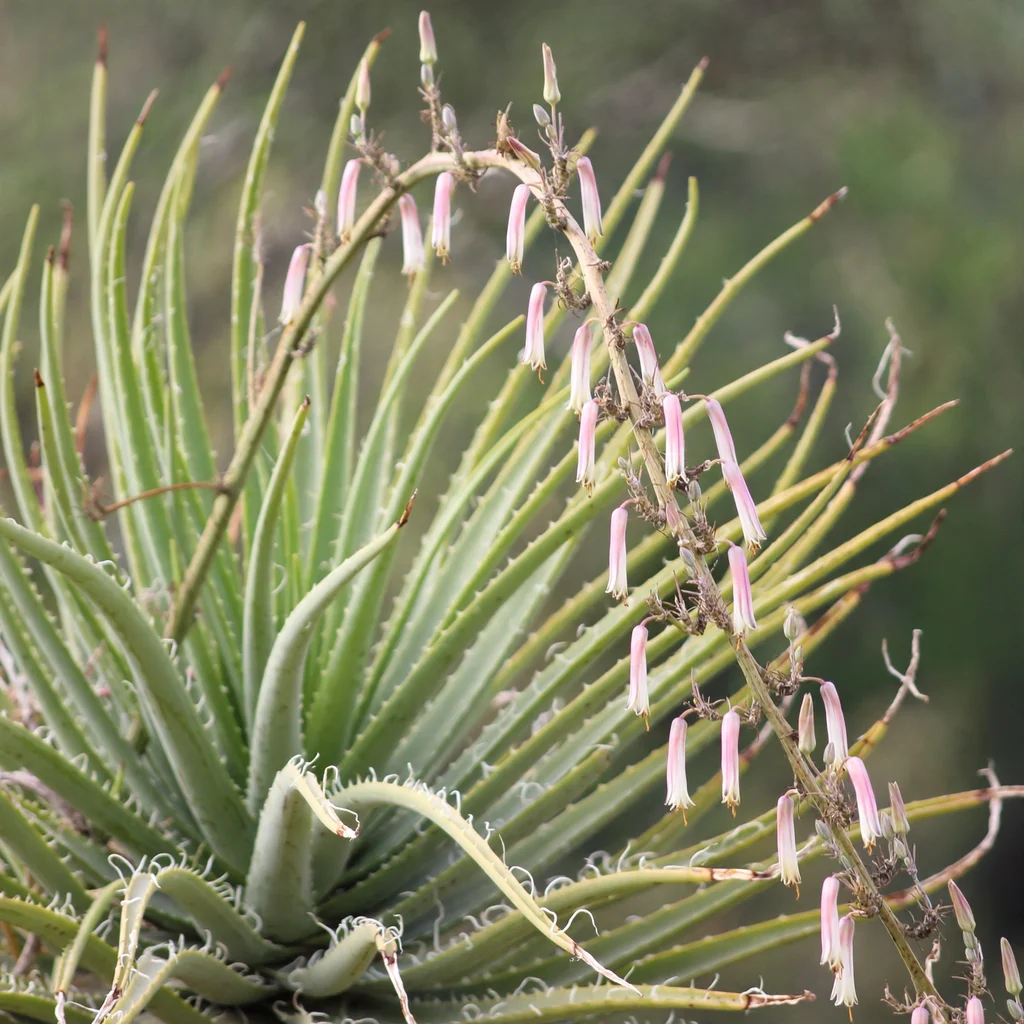
Night-Blooming Hesperaloe
Hesperaloe nocturna
Keep exploring
Explore the genus
Hardy in your zone?
Grow Grassy Hesperaloe with confidence
See it in a design of your actual yard, get zone-matched care reminders, and track it season by season in your garden journal.