The Story
Plant Bio
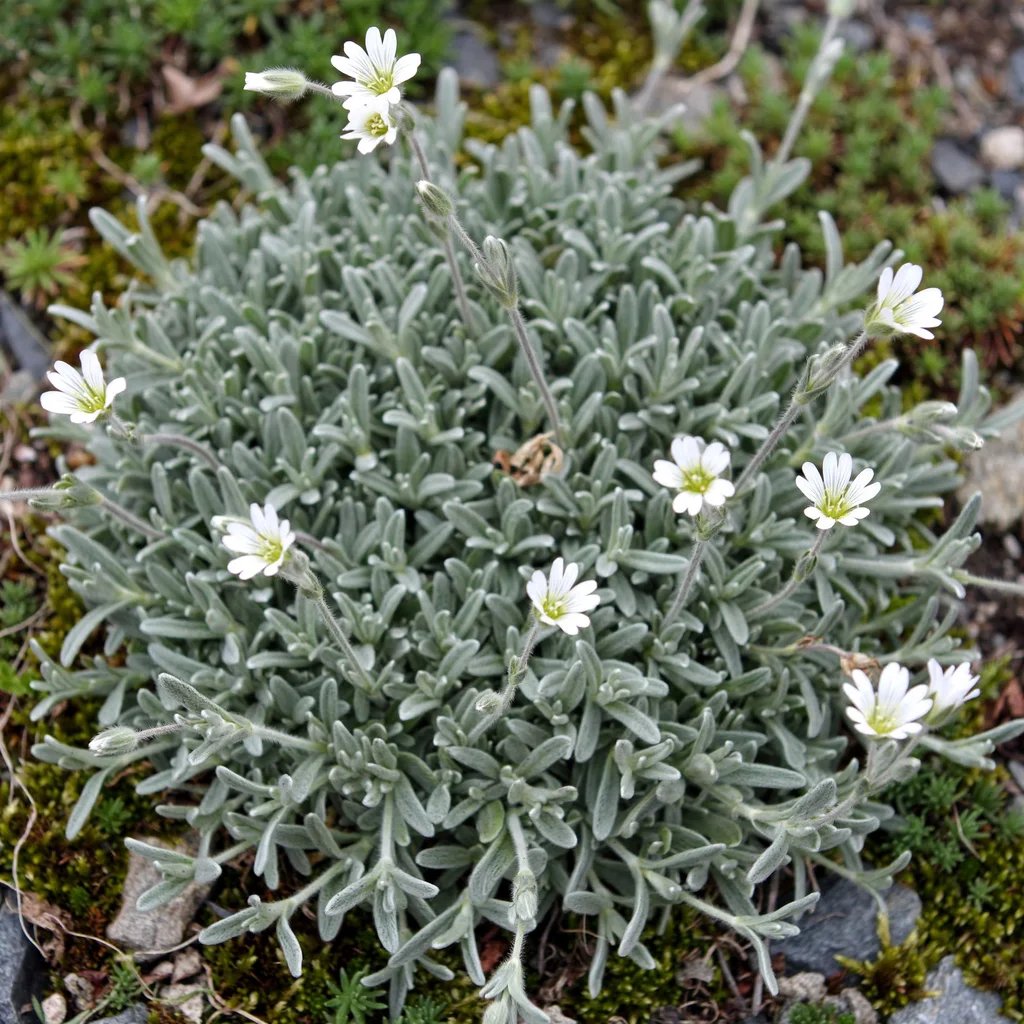
Cerastium alpinum is a mat-forming arctic-alpine perennial growing four to six inches tall and spreading to eighteen inches as a low cushion of soft hairy rounded leaves. Short erect stems rise from the mat to carry one to three star-shaped white flowers with notched petals about three-quarters of an inch across.
Unlike the aggressive spreading snow-in-summer, this species stays as a tight non-running cushion for scree, rock crevices and troughs. Foliage runs green to woolly gray, and the lanatum form grows only one to two inches tall in a denser silver mat fifteen to thirty inches wide.
Uses & Benefits:
Essentials
At a Glance
Plant Type
Perennial
Height
6"
Width
18"
Light
Full Sun, Partial Sun
Zones
4, 5, 6, 7, 8
Water
Dry to average
Humidity
Low
Lifespan
Perennial
Native To
Arctic Europe, Greenland, Canada
Toxicity
Unknown - no verified data
Bloom period
Late spring – Early summer
In flower about 2 months of the year
Planting
How to Grow
- Plant in full sun in poor, rocky or gravelly scree that drains instantly.
- Space divisions twelve to fifteen inches apart to knit into a mat.
- Water to settle, then keep dry to average and never leave standing water.
- Clip spent flower stalks after bloom and leave the leafy cushion intact.
Pro Tip
Set the crown slightly high in sharp grit and keep summer water lean; soggy soil rots the crown faster than forty-below cold harms it.
Keep It Thriving
Care Guide
Do
- Plant high in a raised bed, scree or trough for sharp drainage
- Give full sun with afternoon shade only in hot summers
- Allow soil to dry between waterings once established
Don't
- Do not plant in rich, moisture-holding loam or clay
- Do not overwater or leave the crown wet in winter
- Do not shear the mat each year or cut while it is in flower
Seasonal Care Calendar
| Task | Jan | Feb | Mar | Apr | May | Jun | Jul | Aug | Sep | Oct | Nov | Dec |
|---|---|---|---|---|---|---|---|---|---|---|---|---|
| Divide | ||||||||||||
| Pest Check | ||||||||||||
| Plant | ||||||||||||
| Prune |
Watch Out For
Pests & Diseases
Common Pests
Common Diseases
In the Garden
Landscape Uses & Companions
Landscape Uses
Companion Plants
Multiply
Propagation Methods
Good to Know
Common Questions
Alpine Mouse-Ear questions
What zones can Alpine Mouse-Ear grow in?
Alpine Mouse-Ear is hardy in USDA Zones 4–8: in that range it survives winter in the ground. Warmer than Zone 8, winter isn't the problem: it prefers colder winters, and summer heat can shorten its life.
Is Alpine Mouse-Ear deer resistant?
Yes — Alpine Mouse-Ear is rated deer-resistant. Deer typically pass it over, though extreme hunger can override any plant's defenses.
When does Alpine Mouse-Ear bloom?
Alpine Mouse-Ear typically blooms from late spring to early summer. Exact timing shifts a week or two with your zone — Sow's bloom calendar maps it to your garden.
Does Alpine Mouse-Ear need full sun?
Alpine Mouse-Ear does best in full sun to part shade. In hot climates, afternoon shade keeps blooms fresher longer.
Is Alpine Mouse-Ear drought tolerant?
Yes — once established (usually after the first full season), Alpine Mouse-Ear handles dry spells with minimal watering. Water deeply its first year to build the root system that makes that possible.
More Cerastium to compare
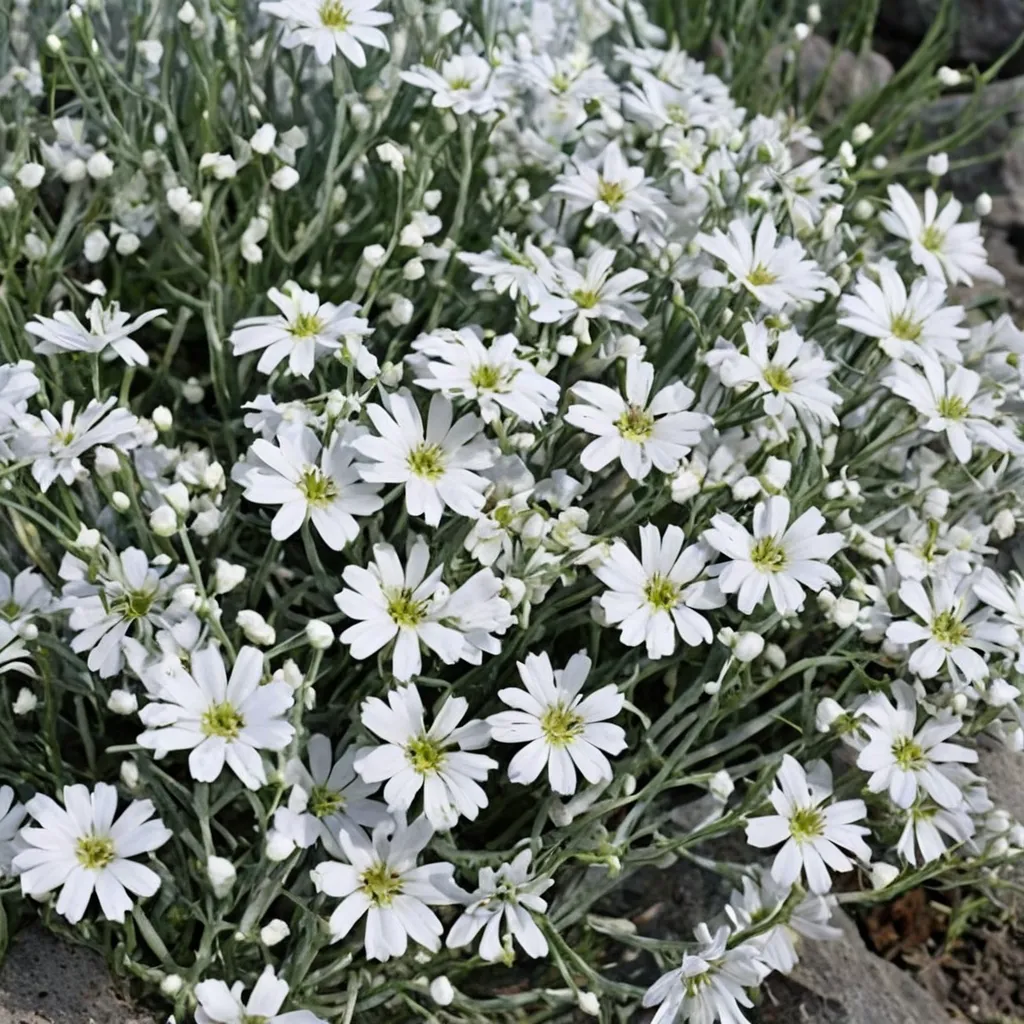
Silver Carpet Snow-in-Summer
Cerastium tomentosum 'Silver Carpet'
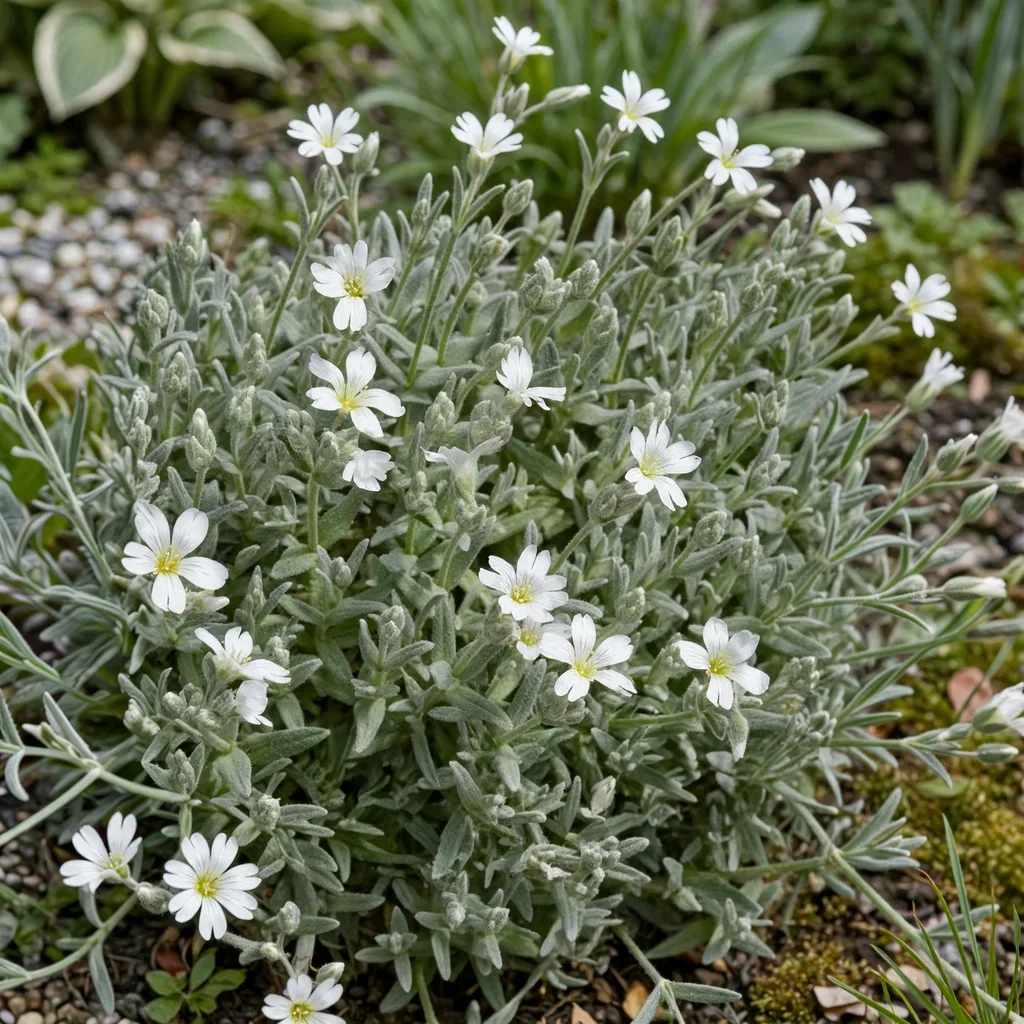
Snow-in-summer
Cerastium tomentosum
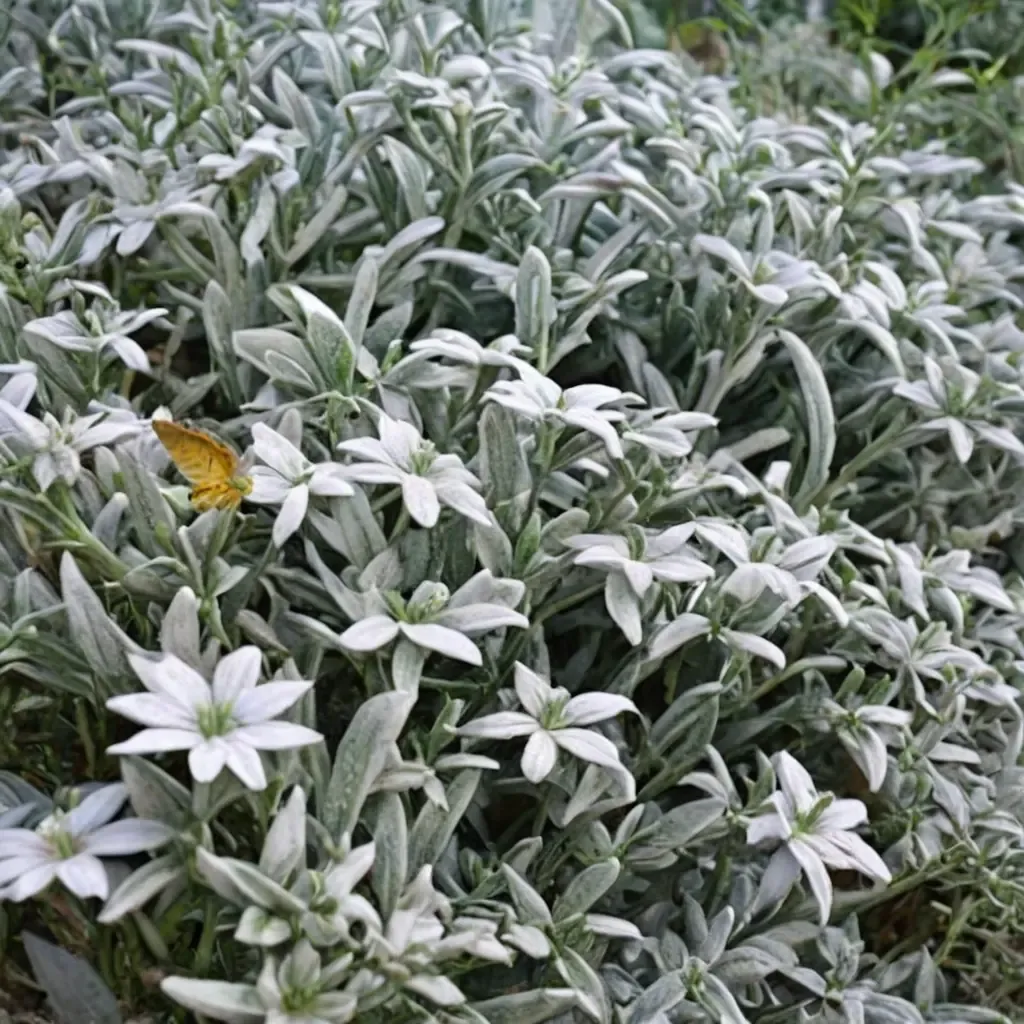
Greek Snow-in-Summer
Cerastium candidissimum
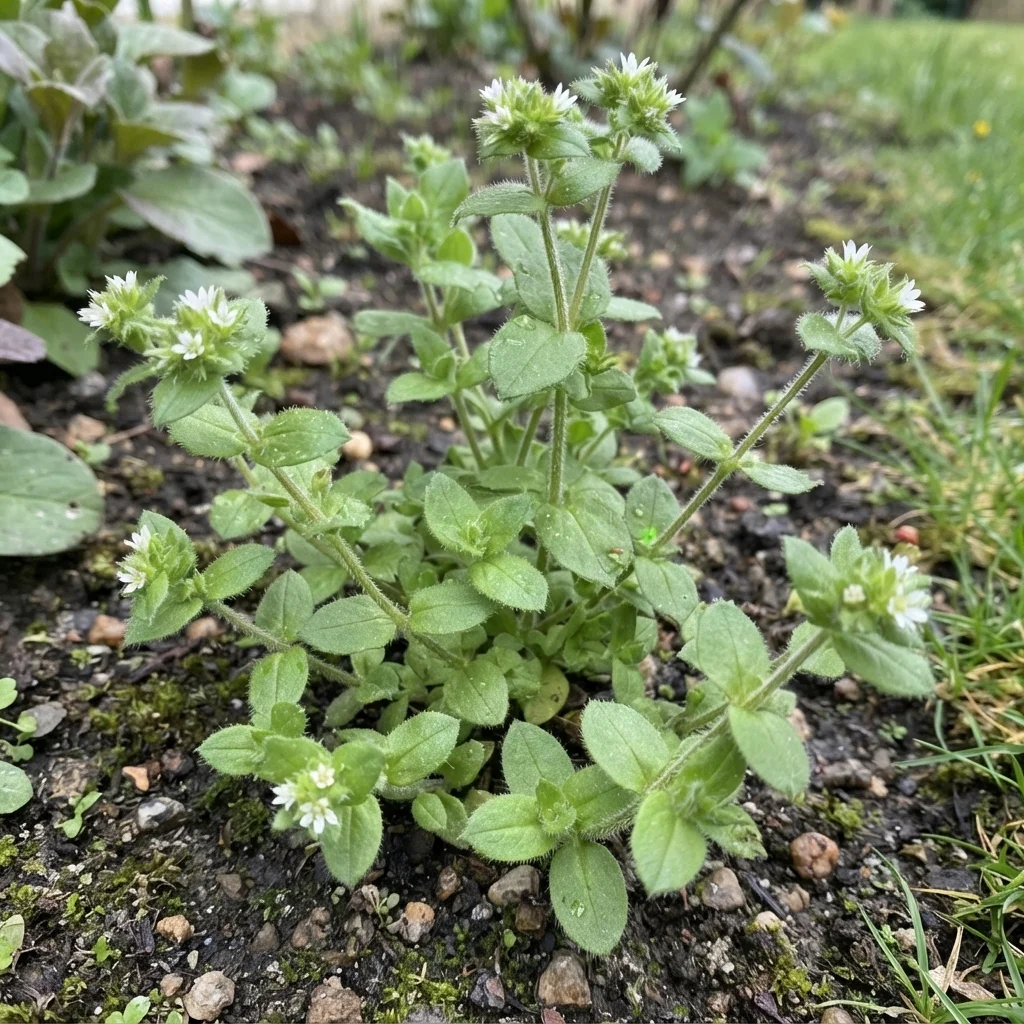
Sticky Chickweed
Cerastium glomeratum
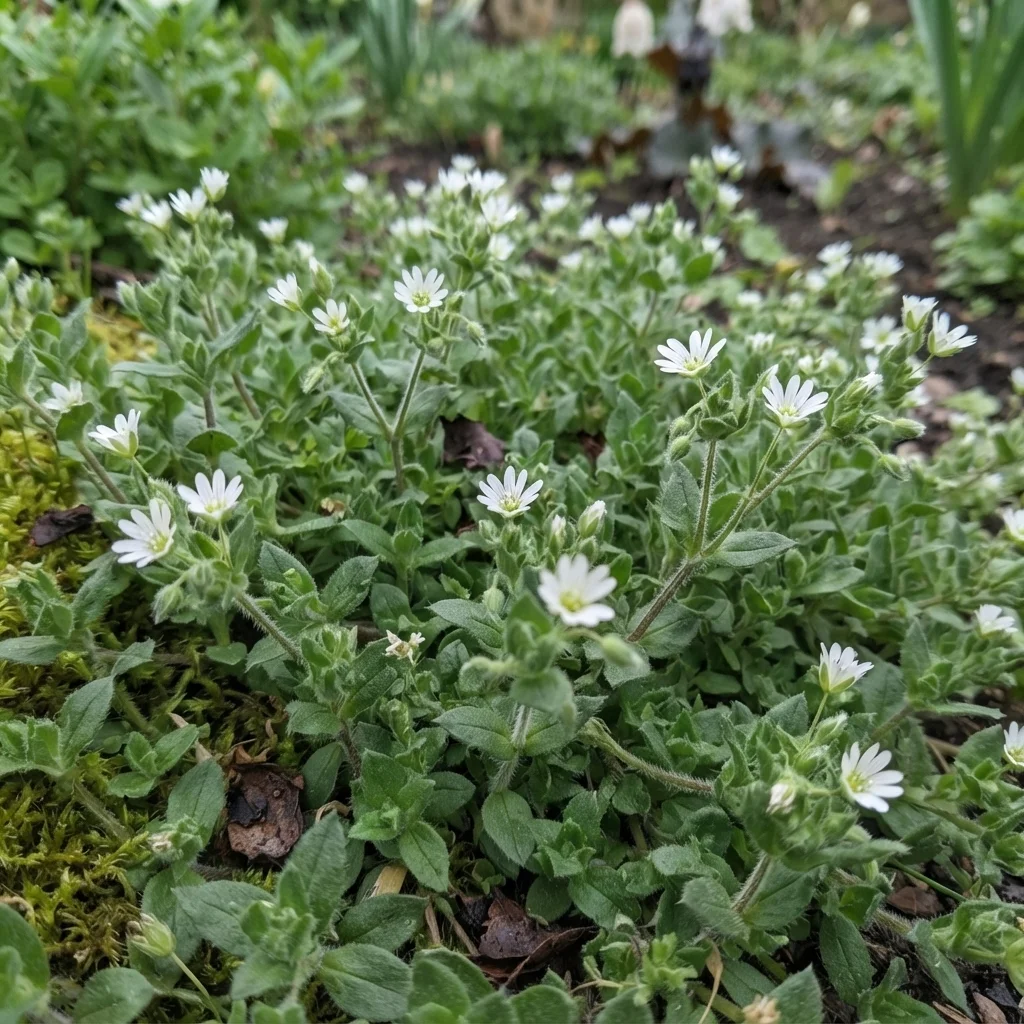
Common Mouse-Ear Chickweed
Cerastium fontanum
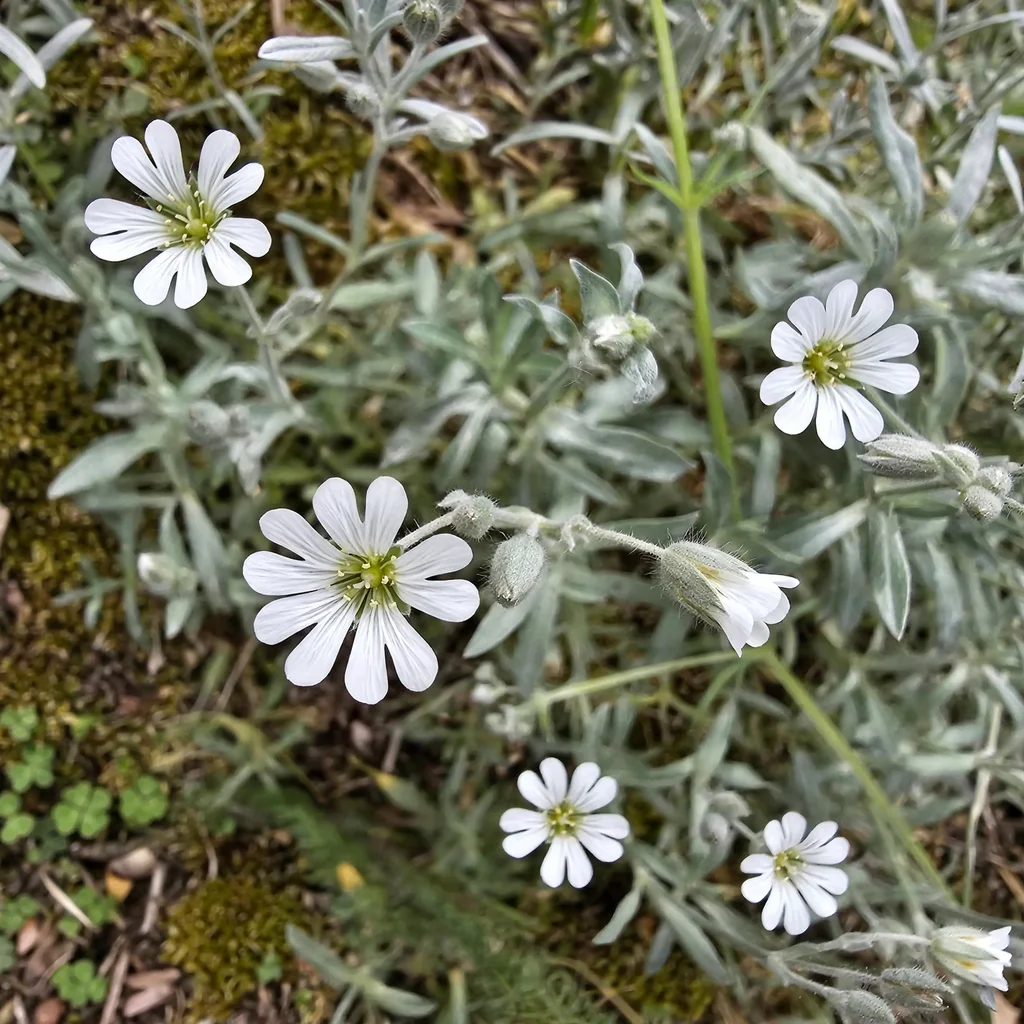
Field Chickweed
Cerastium arvense
Keep exploring
Explore the genus
Hardy in your zone?
Grow Alpine Mouse-Ear with confidence
See it in a design of your actual yard, get zone-matched care reminders, and track it season by season in your garden journal.