The Story
Plant Bio
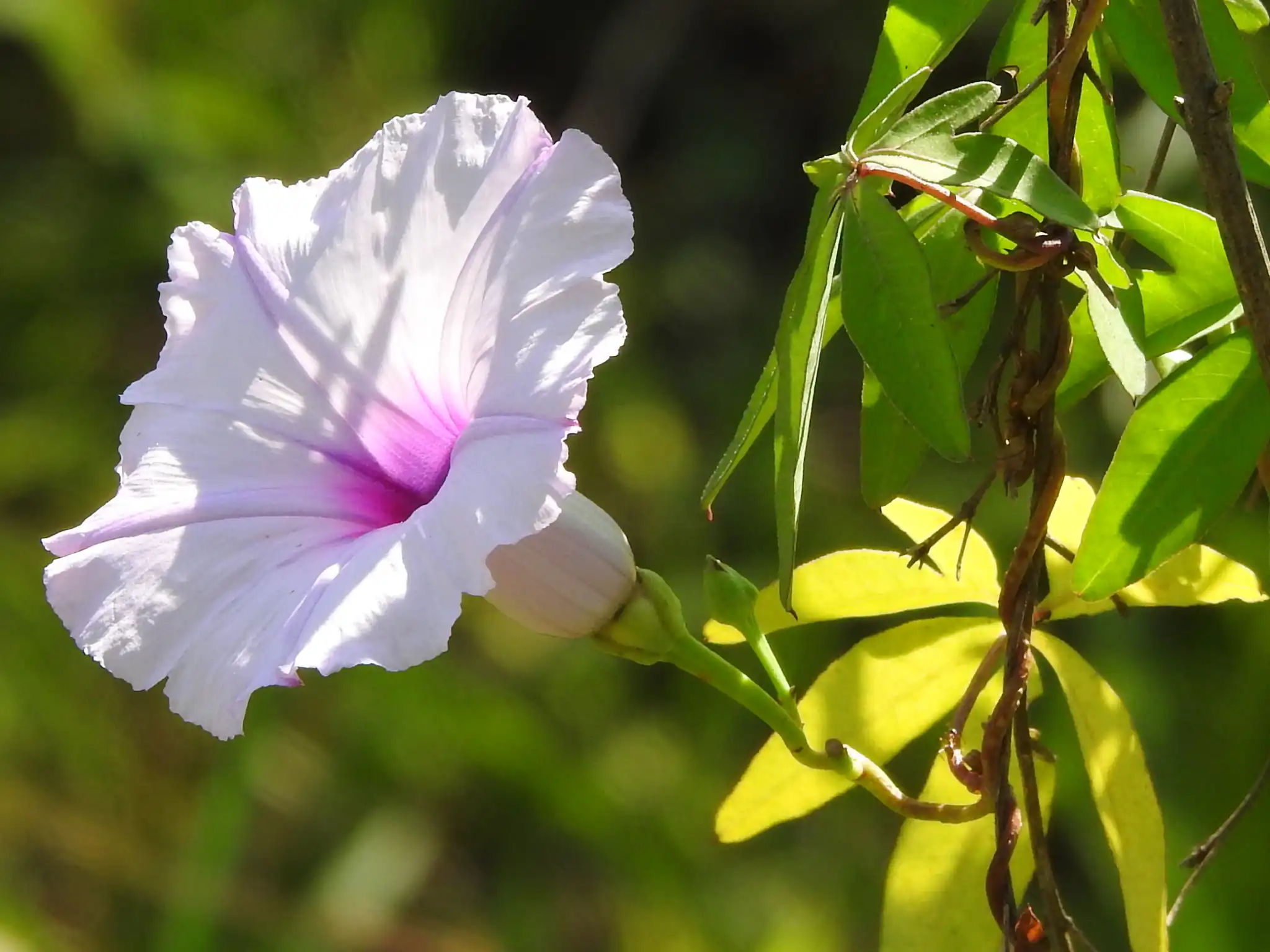
Ipomoea platensis is a deciduous summer-growing vine from southeastern South America that climbs or trails twelve to sixteen feet from a massive water-storing caudex. The leaves are deeply palmate with five to nine narrow lobes, and the funnel-shaped pink to lavender-purple flowers open in loose clusters of two to six.
Unlike annual morning glories grown for quick cover, this species is grown for its swollen caudex, which thickens to about two feet across and darkens to plum during winter dormancy. The vines die back in the cold season and resprout from the caudex, so it is kept as a potted caudiciform or trained on a small trellis.
Uses & Benefits:
Essentials
At a Glance
Plant Type
Vine
Height
180"
Width
24"
Light
Partial Sun
Zones
9, 10
Water
Moderate
Humidity
Unknown
Lifespan
Perennial vine, long-lived caudex
Native To
Argentina, Brazil South, Paraguay, Uruguay
Toxicity
Toxic if ingested
Bloom period
Late summer – Early fall
In flower about 2 months of the year
Planting
How to Grow
- Plant in spring after frost in a gritty, fast-draining cactus mix with the upper caudex exposed above the mix.
- Site in semi-shade or filtered sun and shield from intense hot afternoon sun.
- Water regularly in growth, letting the top inch dry; keep water off the caudex and withhold water when leafless in winter.
- Train vines on a small trellis and trim to shape as needed without cutting into the caudex.
- Move pots indoors to a bright frost-free room before temperatures near 30F and keep dry until spring.
Pro Tip
Grow in semi-shade with the crown of the caudex exposed and dry; winter leaf drop and darkening to plum is dormancy, not death, so keep it almost dry until growth resumes.
Keep It Thriving
Care Guide
Do
- Let the top of the mix dry between waterings in summer
- Provide semi-shade, warmth and good airflow
- Overwinter pots bright, frost-free and almost dry
Don't
- Never let the caudex sit moist or it rots
- Do not cut into the swollen caudex when pruning
- Do not leave outdoors through frost
Seasonal Care Calendar
| Task | Jan | Feb | Mar | Apr | May | Jun | Jul | Aug | Sep | Oct | Nov | Dec |
|---|---|---|---|---|---|---|---|---|---|---|---|---|
| Pest Check | ||||||||||||
| Plant | ||||||||||||
| Propagate | ||||||||||||
| Prune | ||||||||||||
| Winter Prep |
Watch Out For
Pests & Diseases
Common Pests
Common Diseases
In the Garden
Landscape Uses & Companions
Landscape Uses
Companion Plants
Multiply
Propagation Methods
Good to Know
Common Questions
Plata Ipomoea questions
What zones can Plata Ipomoea grow in?
Plata Ipomoea is hardy in USDA Zones 9–10: in that range it survives winter in the ground. Colder than Zone 9, grow it in a container you can move to shelter for the winter, or as an annual.
When does Plata Ipomoea bloom?
Plata Ipomoea typically blooms from late summer to early fall. Exact timing shifts a week or two with your zone — Sow's bloom calendar maps it to your garden.
Does Plata Ipomoea need full sun?
Plata Ipomoea does best in part shade.
Is Plata Ipomoea drought tolerant?
Yes — once established (usually after the first full season), Plata Ipomoea handles dry spells with minimal watering. Water deeply its first year to build the root system that makes that possible.
More Ipomoea to compare
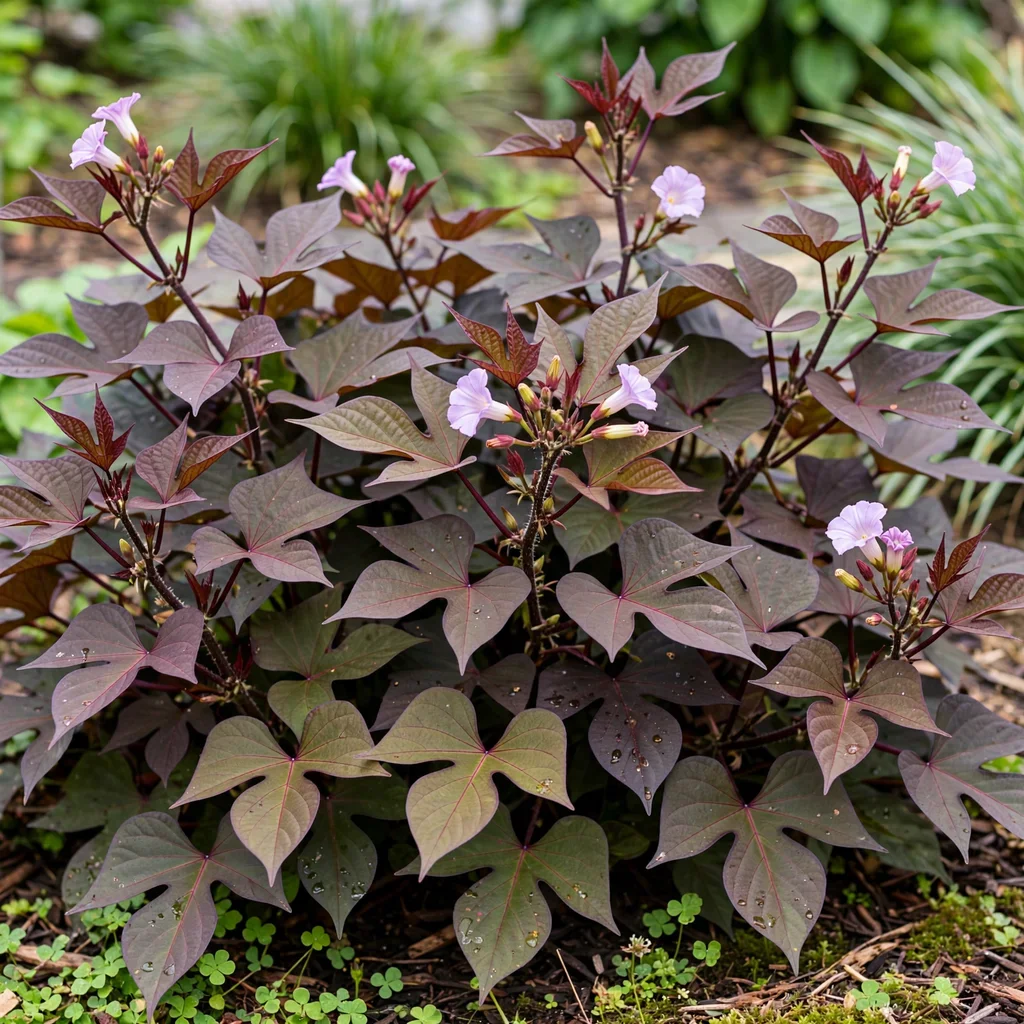
Sweet Potato
Ipomoea batatas 'Sweet Georgia Bronze'
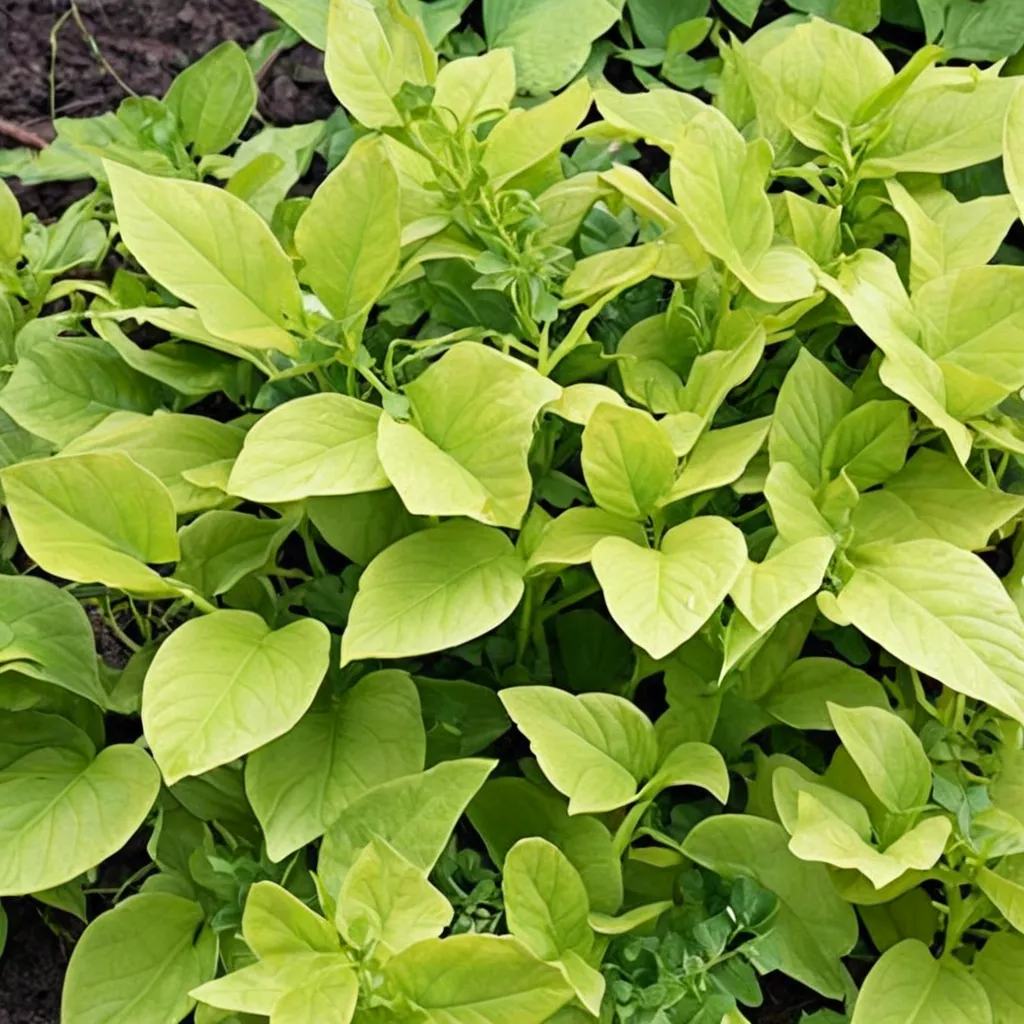
Margarita Sweet Potato Vine
Ipomoea batatas 'Margarita'
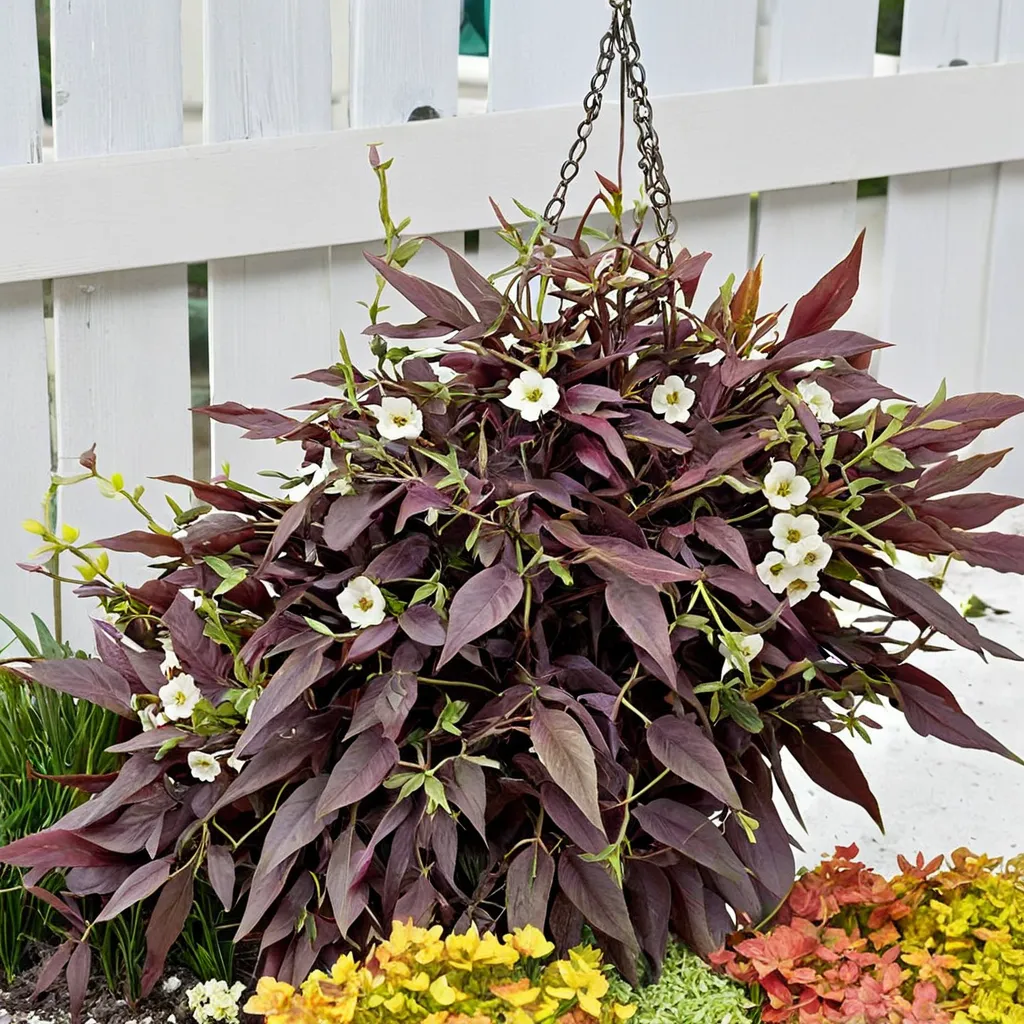
Sweet Caroline Upside Black Coffee Sweet Potato Vine
Ipomoea batatas 'Sweet Caroline Upside Black Coffee'
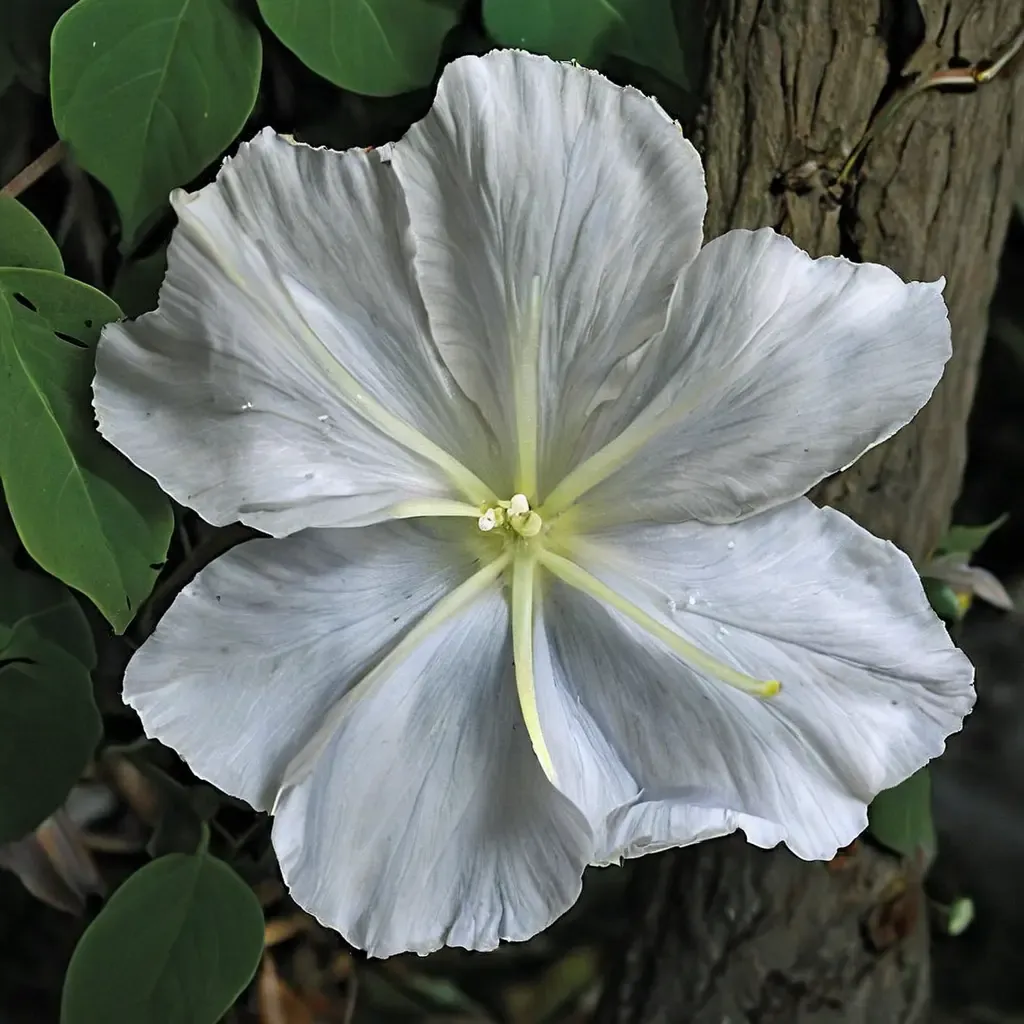
Moonflower
Ipomoea alba
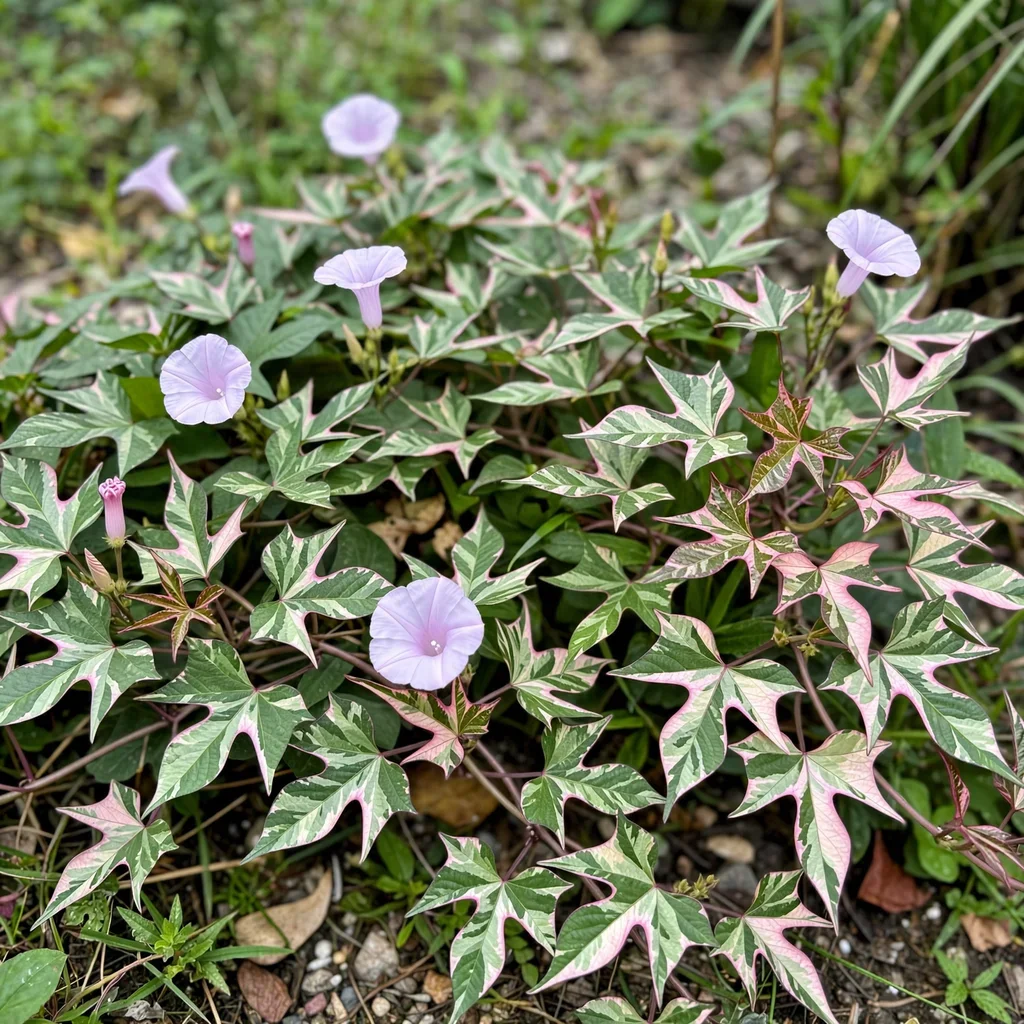
Tricolor Sweet Potato Vine
Ipomoea batatas 'Tricolor'
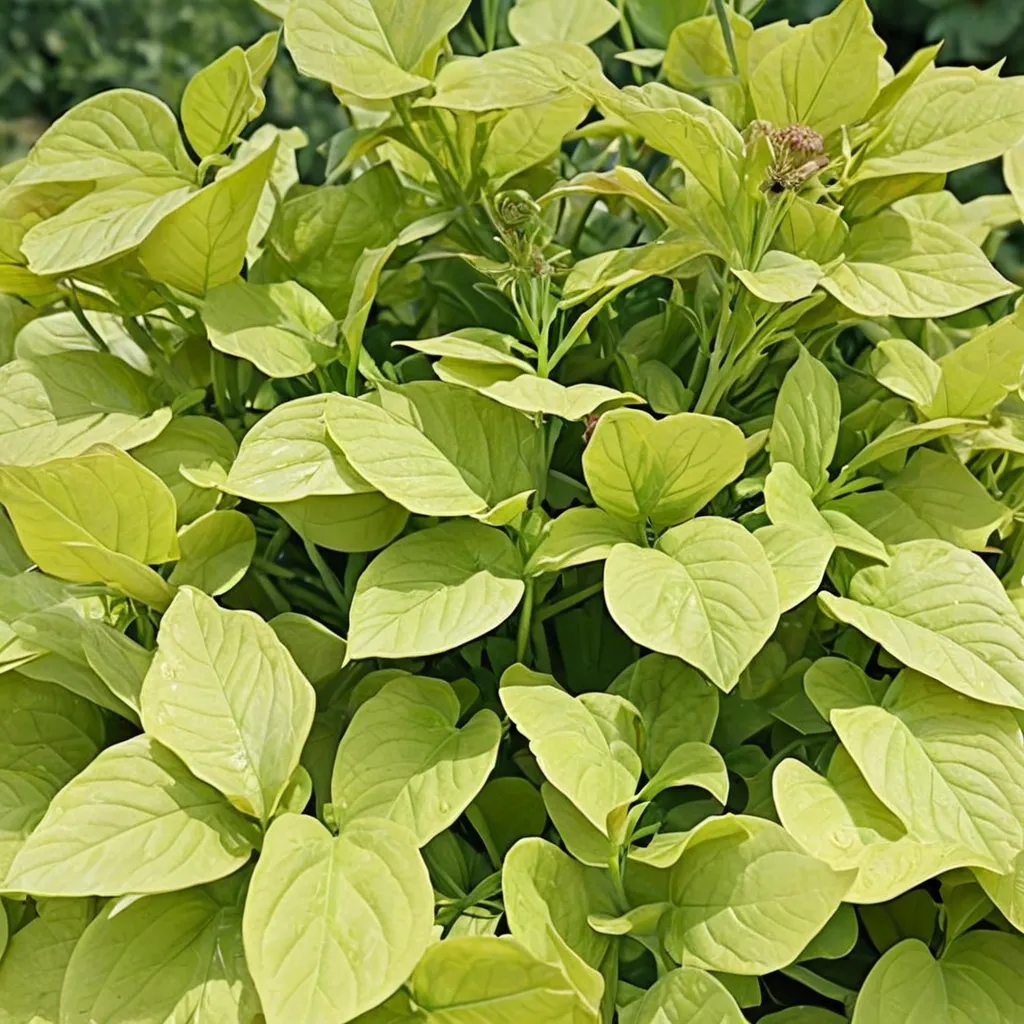
Sweet Potato Vine 'Sweet Caroline Sweetheart Lime'
Ipomoea batatas 'Sweet Caroline Sweetheart Lime'
Keep exploring
Explore the genus
Hardy in your zone?
Grow Plata Ipomoea with confidence
See it in a design of your actual yard, get zone-matched care reminders, and track it season by season in your garden journal.