The Story
Plant Bio
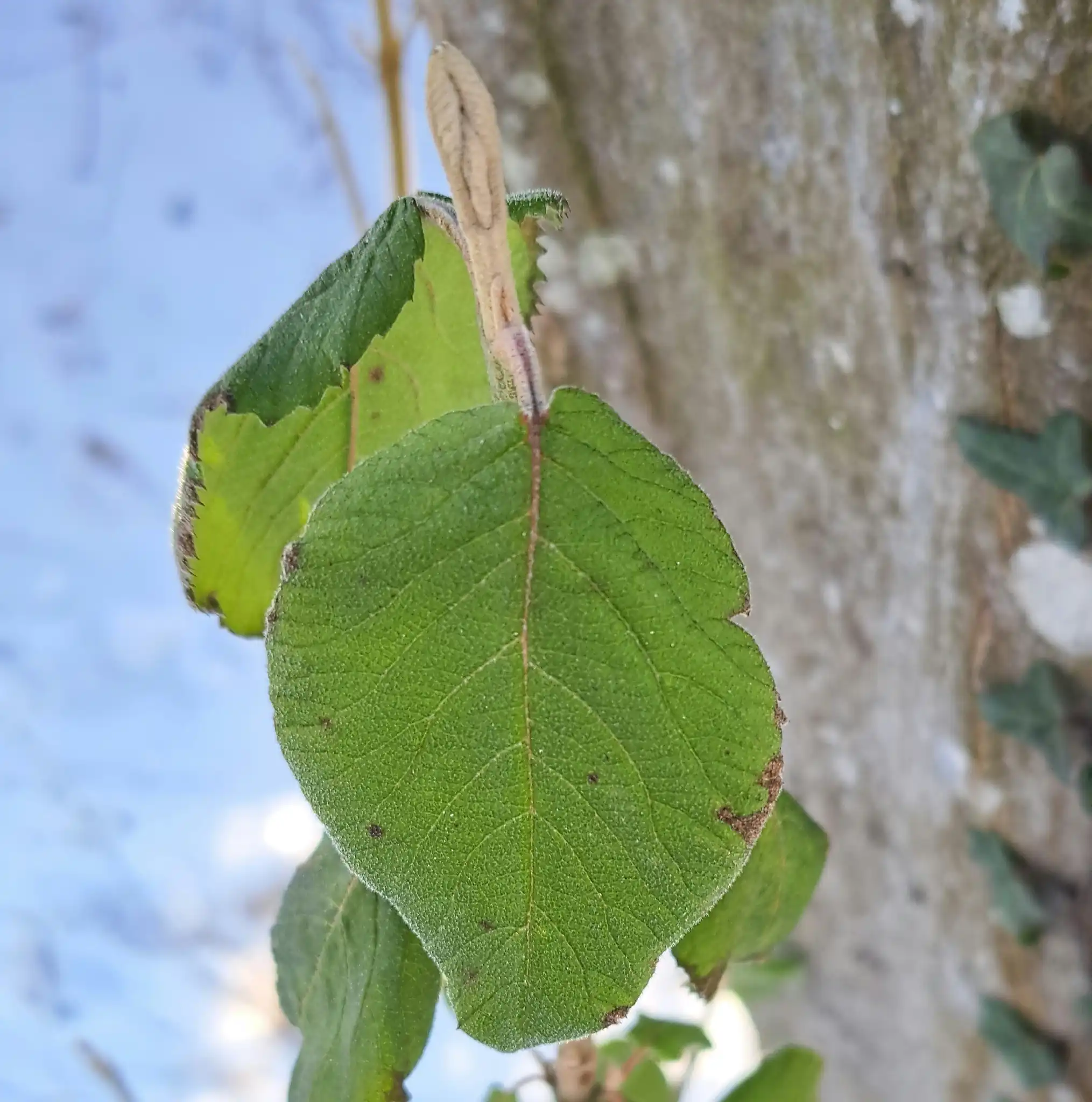
Viburnum lantana is a large, dense, multi-stemmed deciduous shrub reaching ten to fifteen feet tall and wide with a rounded habit. Its thick, leathery, dark green leaves have densely felted, silvery-gray undersides, and it bears flat clusters of creamy-white spring flowers.
This species stands out for its exceptional tolerance of dry, highly alkaline, and calcareous soils where other viburnums fail. Its new shoots emerge silver-gray, and its late spring blooms transition into ornamental berries that soften after autumn freezes.
Uses & Benefits:
Essentials
At a Glance
Plant Type
Shrub
Height
144"
Width
144"
Light
Full Sun, Partial Sun
Zones
4, 5, 6, 7, 8
Water
Low to medium
Humidity
Moderate
Lifespan
Perennial
Native To
Europe, western Asia, northwestern Africa
Toxicity
Low severity toxicity if ingested; leaves may cause skin irritation
Bloom period
Late spring
In flower about 1 month of the year
Planting
How to Grow
- Select a planting location in full sun to partial shade with well-drained soil, especially on chalky or high-pH sites.
- Dig a hole twice as wide as the root ball and set the plant so the soil line matches its container depth.
- Water deeply at planting and maintain steady moisture through the first growing season until established.
- Apply a light top-dressing of organic mulch around the base annually to suppress weeds and conserve soil moisture.
Pro Tip
Prune immediately after flowering in late spring, as cutting the shrub in winter or early spring removes the flower buds formed during the previous summer.
Keep It Thriving
Care Guide
Do
- Prune immediately after late spring bloom to preserve the upcoming season's flower buds.
- Plant in pairs or small groups of distinct clones to maximize cross-pollination and fruit set.
- Provide well-drained soil to prevent root rot conditions.
Don't
- Do not prune during winter or early spring, which lops off developed flower buds.
- Do not plant in soggy or poorly drained sites prone to standing water.
- Do not formally shear into old, leafless interior wood.
Seasonal Care Calendar
| Task | Jan | Feb | Mar | Apr | May | Jun | Jul | Aug | Sep | Oct | Nov | Dec |
|---|---|---|---|---|---|---|---|---|---|---|---|---|
| Mulch | ||||||||||||
| Pest Check | ||||||||||||
| Prune | ||||||||||||
| Winter Prep |
Watch Out For
Pests & Diseases
Common Pests
Common Diseases
In the Garden
Landscape Uses & Companions
Landscape Uses
Companion Plants
Multiply
Propagation Methods
Good to Know
Common Questions
Wayfaring Tree questions
What zones can Wayfaring Tree grow in?
Wayfaring Tree is hardy in USDA Zones 4–8: in that range it survives winter in the ground. Warmer than Zone 8, winter isn't the problem: it prefers colder winters, and summer heat can shorten its life.
Is Wayfaring Tree deer resistant?
Not reliably. Deer may browse Wayfaring Tree, especially tender spring growth — plan on repellents or fencing where pressure is high.
When does Wayfaring Tree bloom?
Wayfaring Tree typically blooms in late spring. Exact timing shifts a week or two with your zone — Sow's bloom calendar maps it to your garden.
Does Wayfaring Tree need full sun?
Wayfaring Tree does best in full sun to part shade. In hot climates, afternoon shade keeps blooms fresher longer.
Is Wayfaring Tree drought tolerant?
Yes — once established (usually after the first full season), Wayfaring Tree handles dry spells with minimal watering. Water deeply its first year to build the root system that makes that possible.
More Viburnum to compare
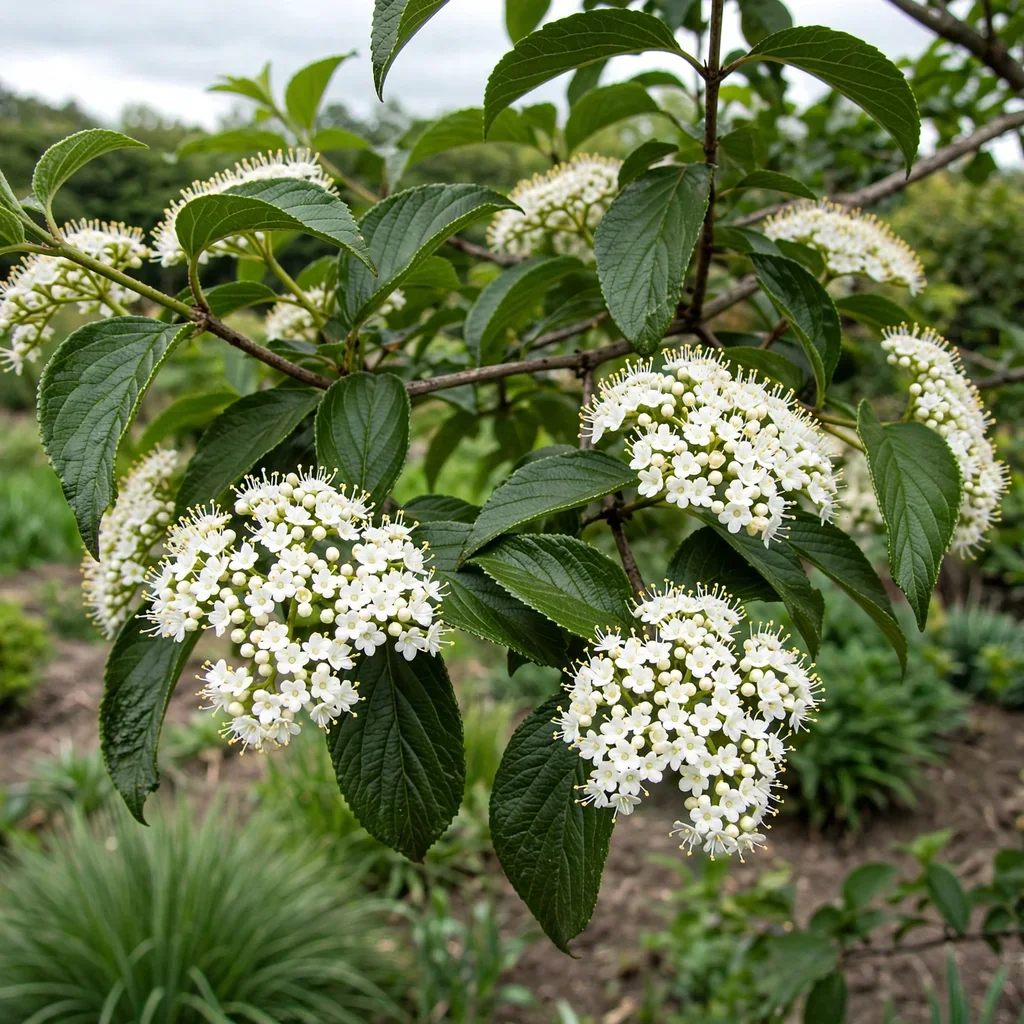
Nannyberry
Viburnum lentago
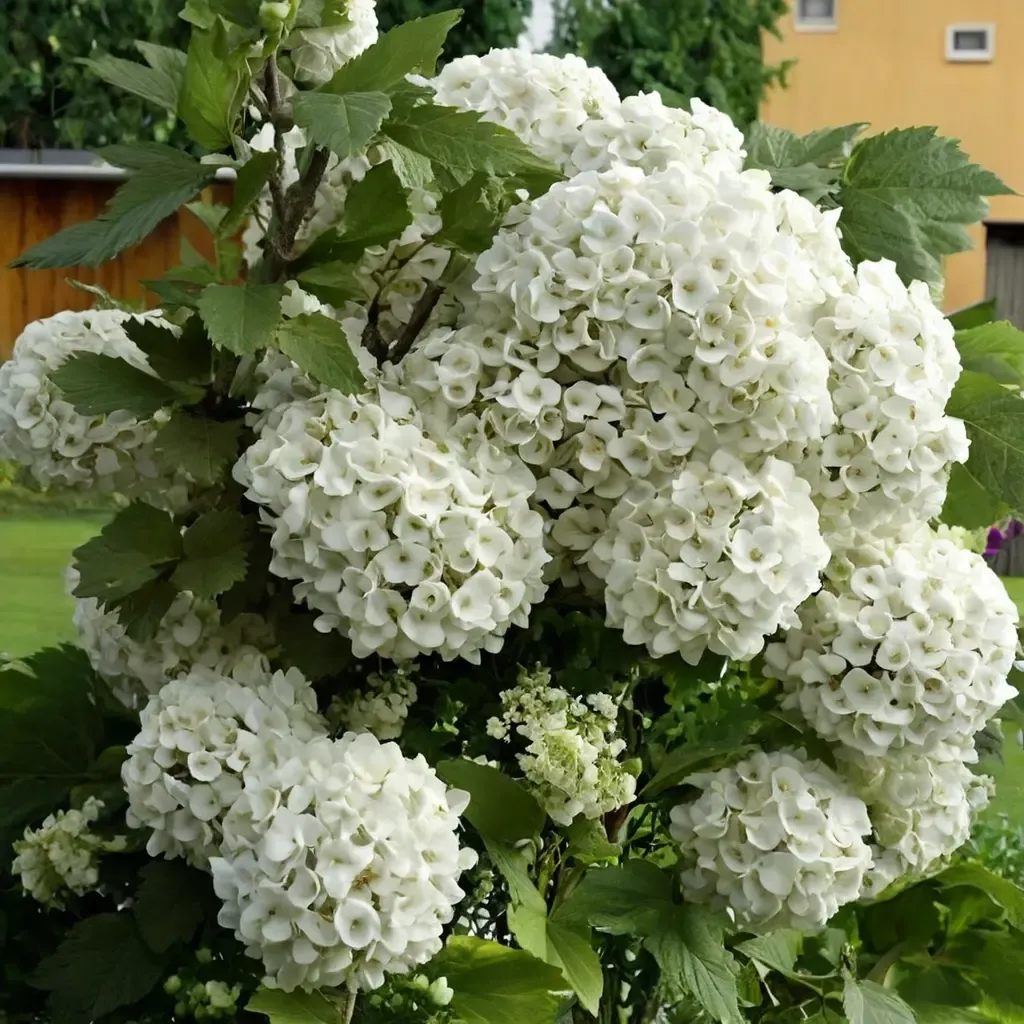
Snowball Viburnum
Viburnum opulus 'Sterile'
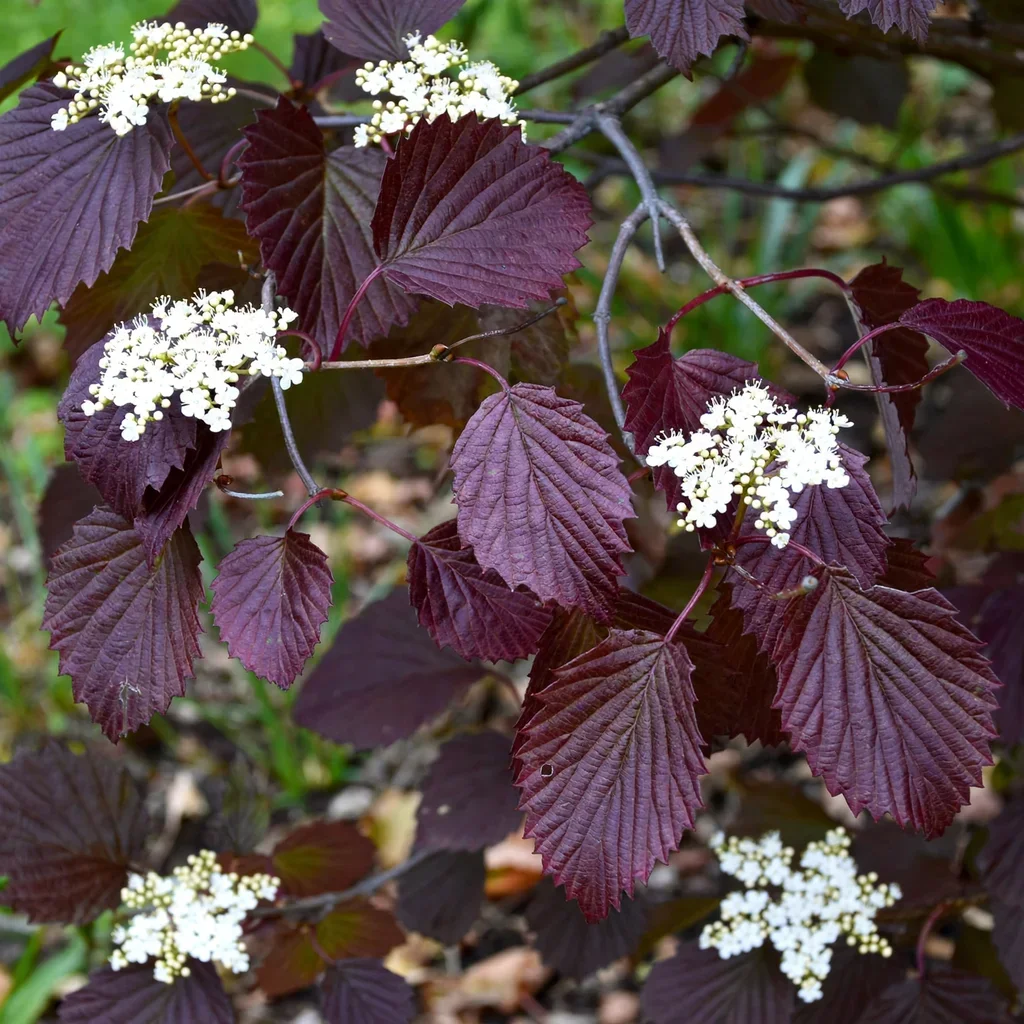
Autumn Jazz Arrowwood
Viburnum dentatum 'Autumn Jazz'
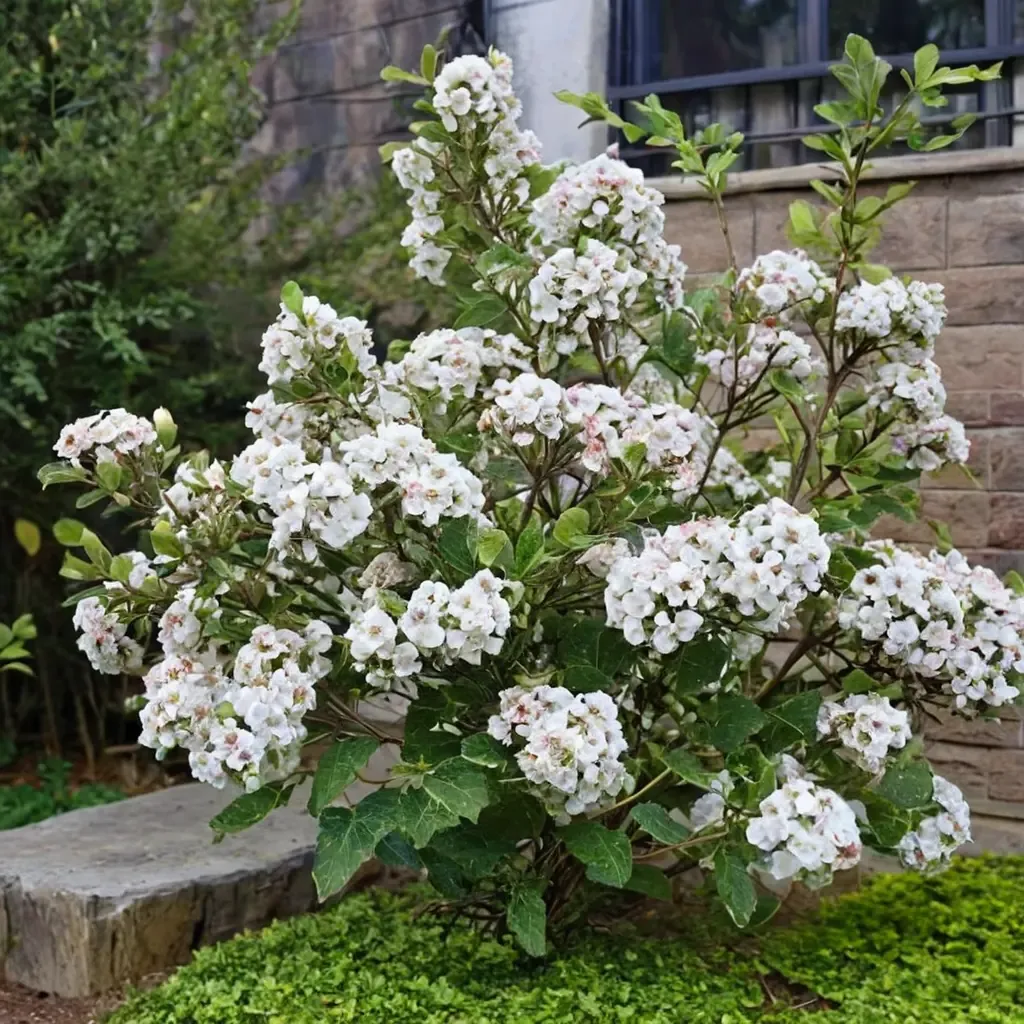
Korean spice viburnum
Viburnum carlesii
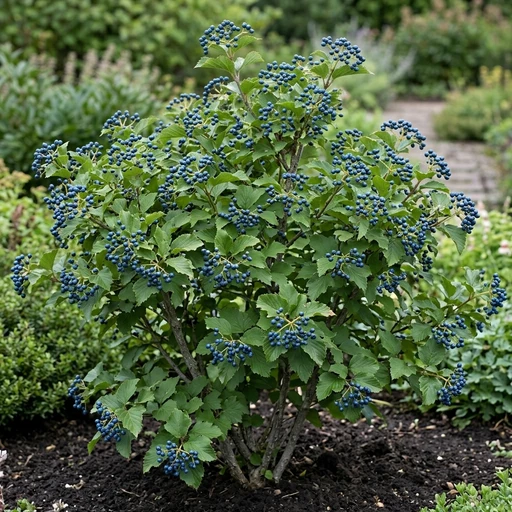
Blue Muffin Viburnum
Viburnum dentatum 'Christom'
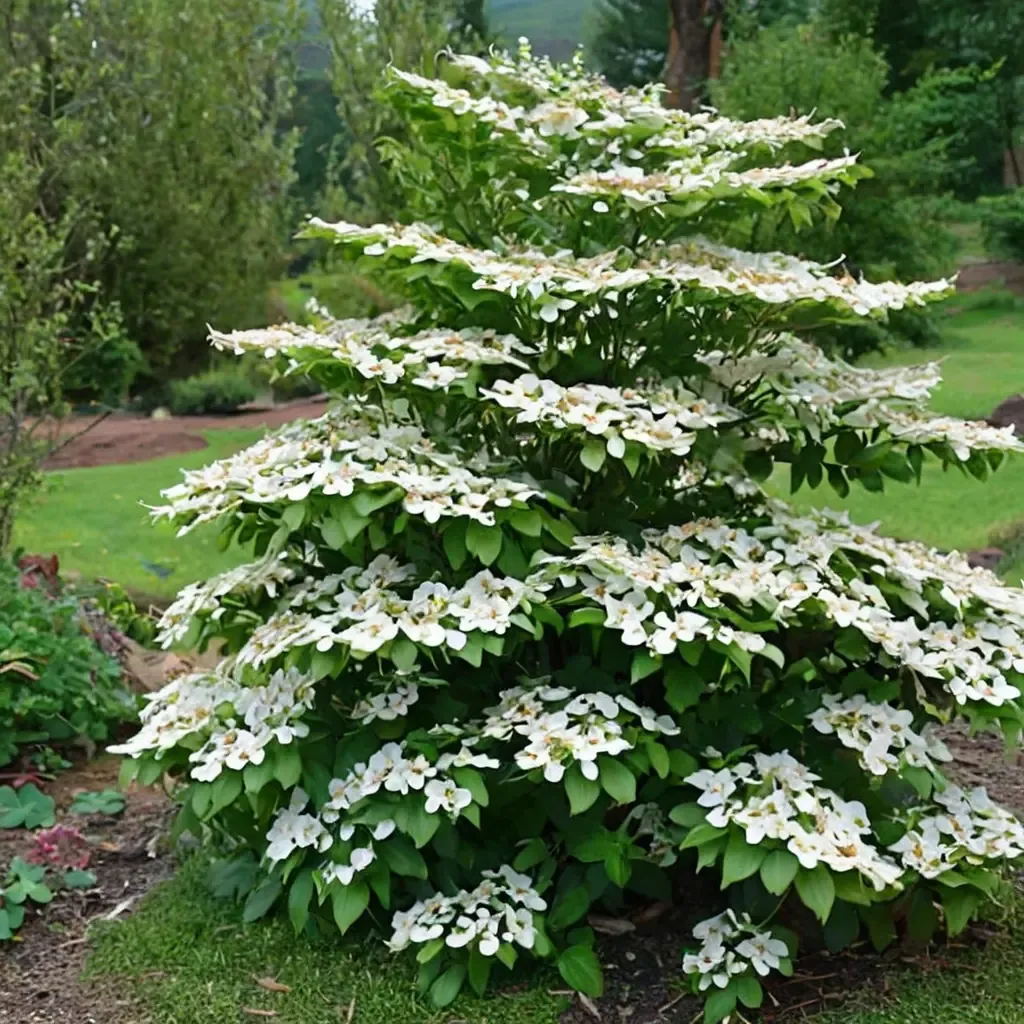
Mariesii Japanese Snowball
Viburnum plicatum 'Mariesii'
Keep exploring
Explore the genus
Hardy in your zone?
Grow Wayfaring Tree with confidence
See it in a design of your actual yard, get zone-matched care reminders, and track it season by season in your garden journal.