The Story
Plant Bio
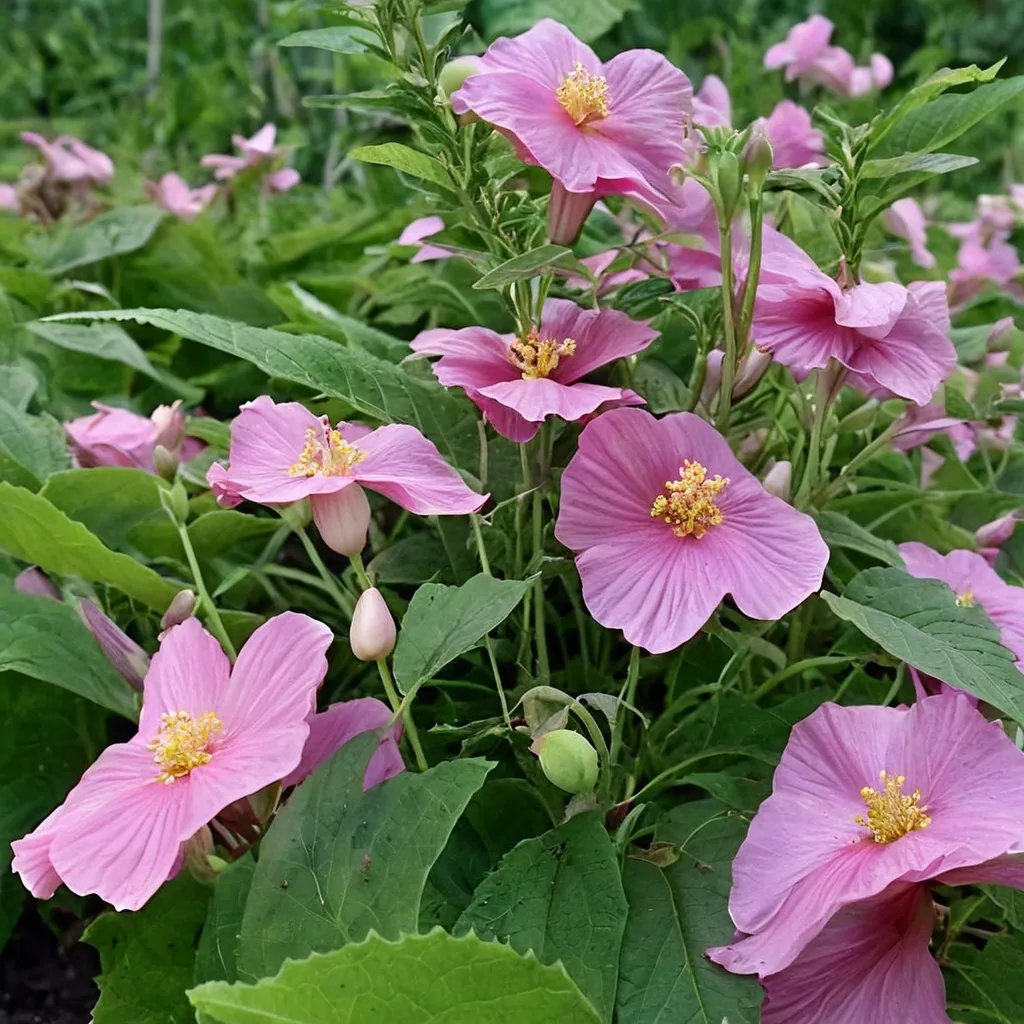
Hibiscus palustris, commonly known as Swamp Hibiscus, is a perennial aquatic or semi-aquatic shrub distinguished by its large, showy, pink to red flowers and broad, lance-shaped green foliage. It typically grows in wetlands and marshy areas.
This species is notable for its ability to thrive in wet, swampy conditions, making it an excellent choice for naturalized pond edges and water gardens, with striking flowers that attract pollinators.
Uses & Benefits:
Essentials
At a Glance
Plant Type
Perennial
Height
60"
Width
36"
Light
Full Sun, Partial Sun
Zones
5, 6, 7, 8, 9
Water
Medium to wet
Humidity
High
Lifespan
Perennial
Native To
Eastern and Southern United States
Toxicity
Non-toxic to humans and pets
Bloom period
Mid-summer – Late summer
In flower about 2 months of the year
Planting
How to Grow
- Tuck seeds or cuttings into moist soil in early spring.
- Water regularly to keep soil consistently moist during growing season.
- Mulch around the base to retain moisture and suppress weeds.
- Prune lightly after flowering to maintain shape.
- Fertilize with a balanced, acid-loving plant fertilizer in spring.
- Divide in early spring or fall every 3–4 years for vigorous growth.
Pro Tip
Ensure moist, acidic soil and partial shade for best flowering.
Keep It Thriving
Care Guide
Do
- Water consistently to keep soil moist 🌱
- Mulch to retain soil moisture and regulate temperature
- Prune lightly after flowering to shape the plant
- Fertilize with an acid-loving fertilizer in spring
Don't
- Allow soil to dry out completely ❌
- Over-fertilize, which can cause weak growth
- Expose to full, hot sun in the afternoon
- Neglect pruning after flowering
Seasonal Care Calendar
| Task | Jan | Feb | Mar | Apr | May | Jun | Jul | Aug | Sep | Oct | Nov | Dec |
|---|---|---|---|---|---|---|---|---|---|---|---|---|
| Deadhead | ||||||||||||
| Divide | ||||||||||||
| Fertilize | ||||||||||||
| Spring Cleanup |
Watch Out For
Pests & Diseases
Common Pests
Common Diseases
In the Garden
Landscape Uses & Companions
Landscape Uses
Companion Plants
Multiply
Propagation Methods
Good to Know
Common Questions
Swamp Hibiscus questions
What zones can Swamp Hibiscus grow in?
Swamp Hibiscus is hardy in USDA Zones 5–9. Inside that range it survives winter in the ground; outside it, grow it as an annual or a container plant you protect.
Is Swamp Hibiscus deer resistant?
Not reliably. Deer may browse Swamp Hibiscus, especially tender spring growth — plan on repellents or fencing where pressure is high.
When does Swamp Hibiscus bloom?
Swamp Hibiscus typically blooms in mid-summer through late summer. Exact timing shifts a week or two with your zone — Sow's bloom calendar maps it to your garden.
Does Swamp Hibiscus need full sun?
Swamp Hibiscus does best in full sun to part shade. In hot climates, afternoon shade keeps blooms fresher longer.
More Hibiscus to compare
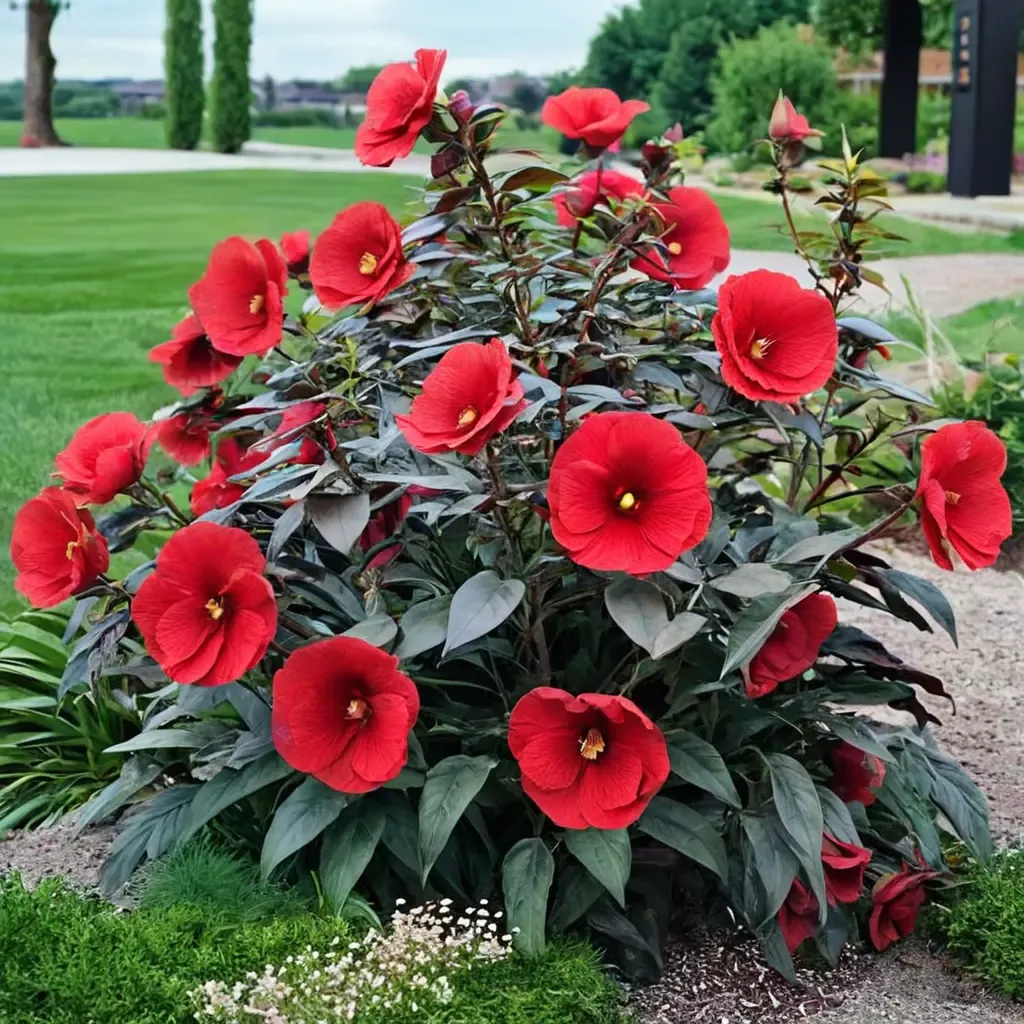
Midnight Marvel Swamp Hibiscus
Hibiscus moscheutos 'Midnight Marvel'
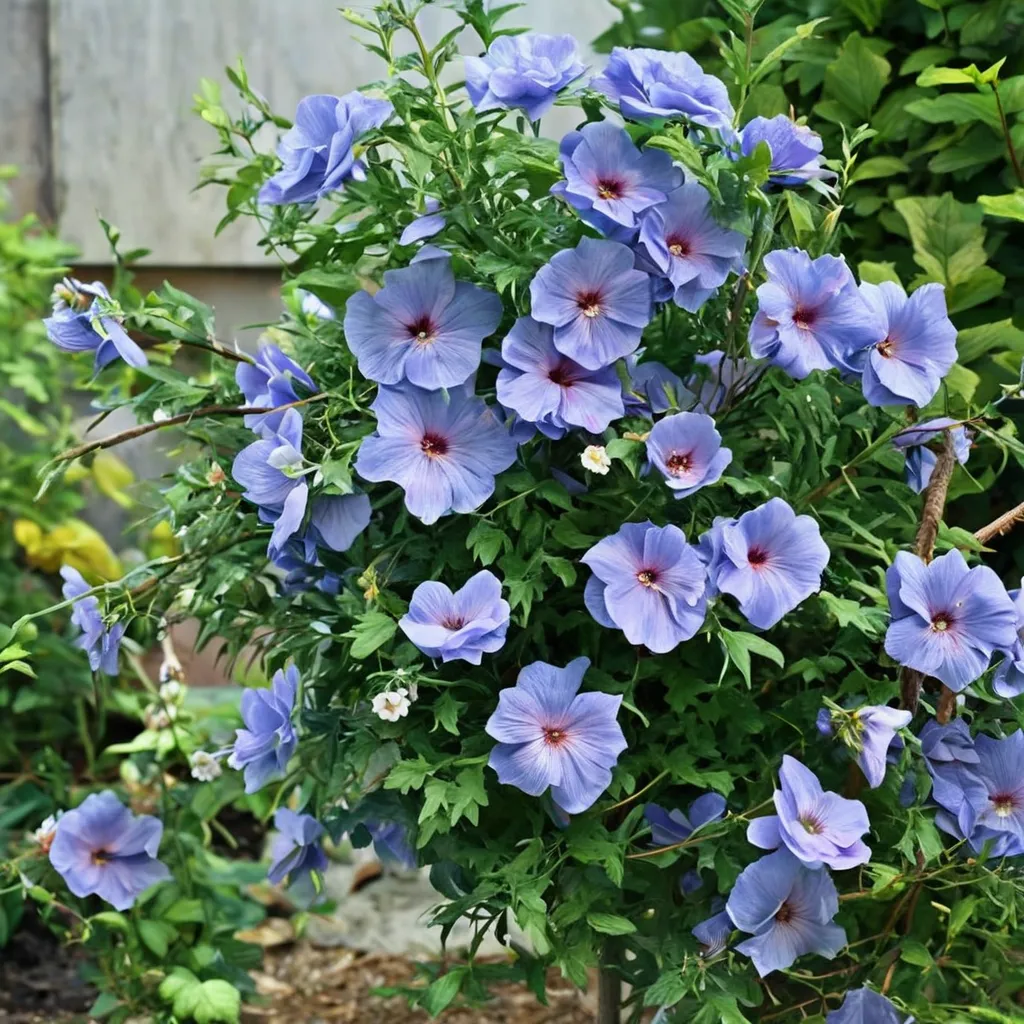
Rose of Sharon Hibiscus
Hibiscus syriacus 'Azurri Blue Satin'
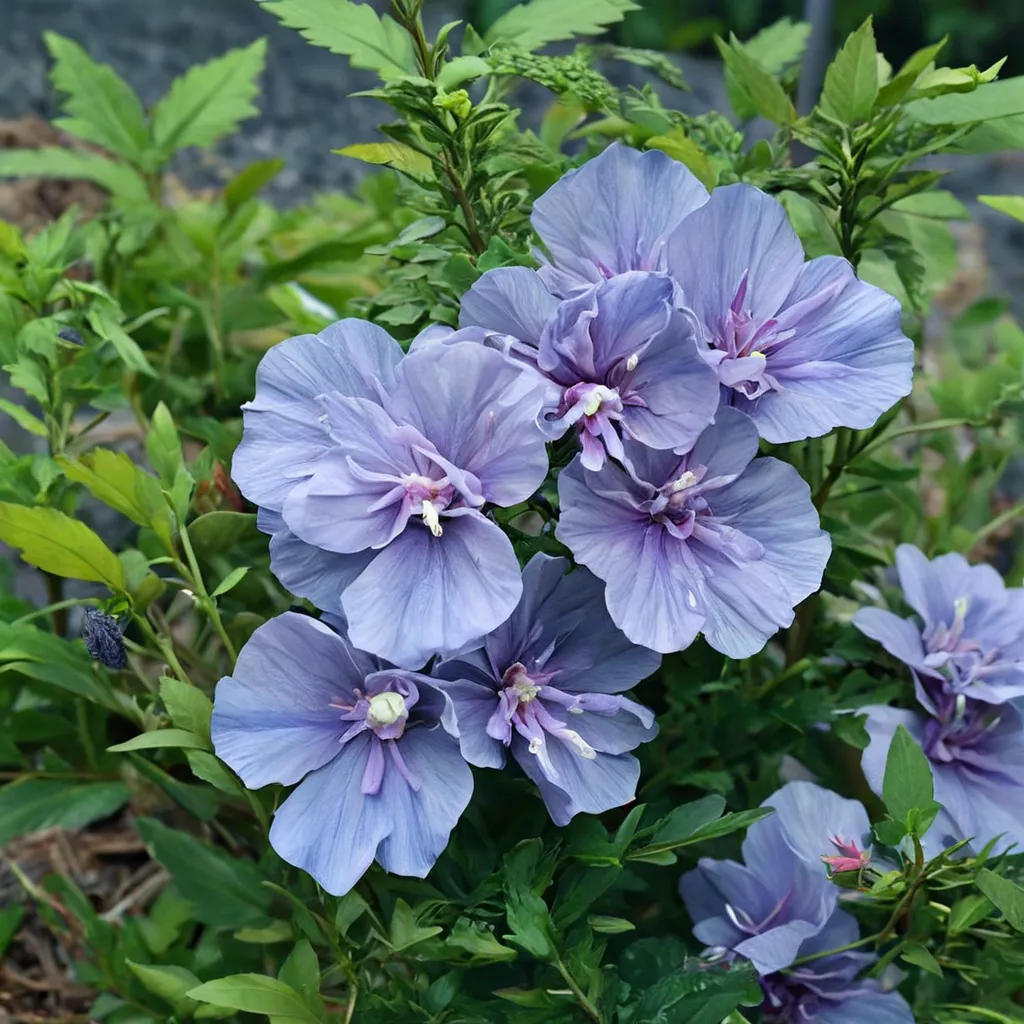
Blue Chiffon Rose of Sharon
Hibiscus syriacus 'Blue Chiffon'
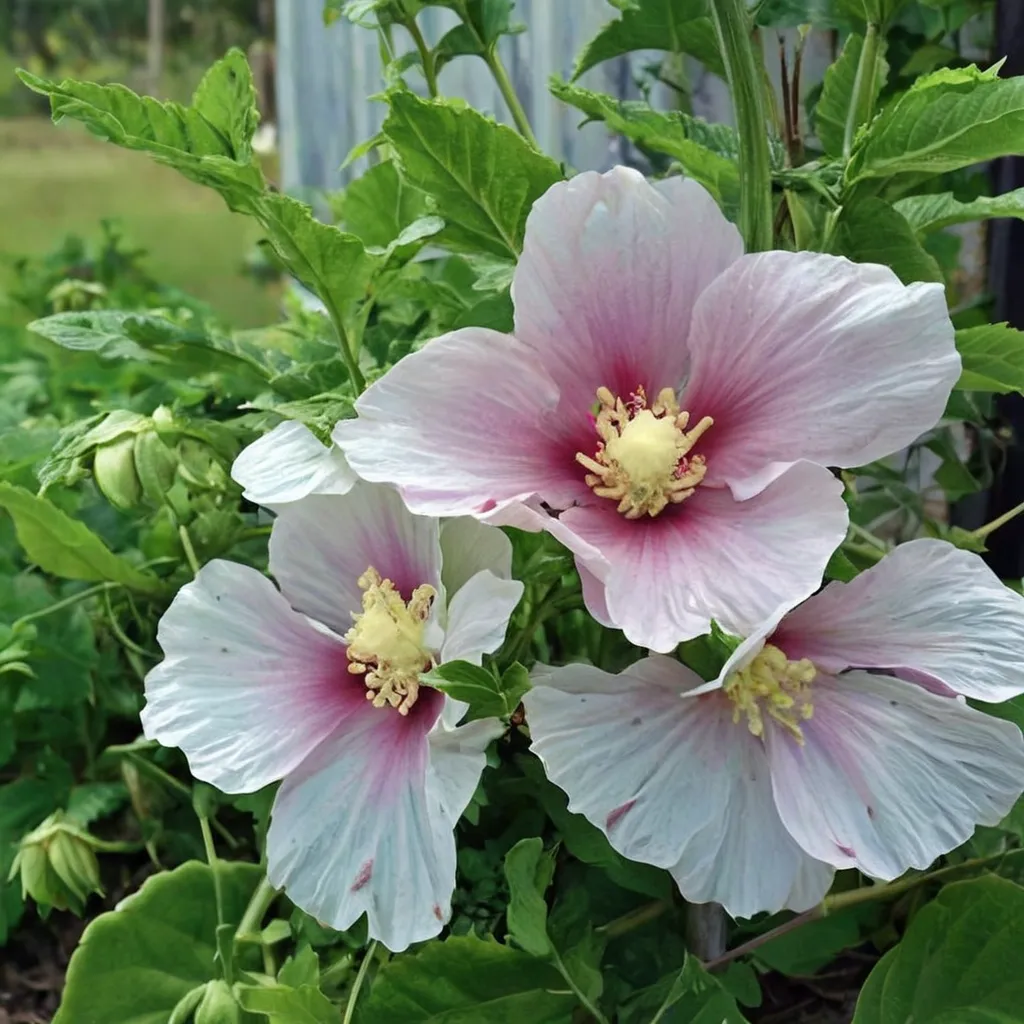
Confederate Rose
Hibiscus paramutabilis
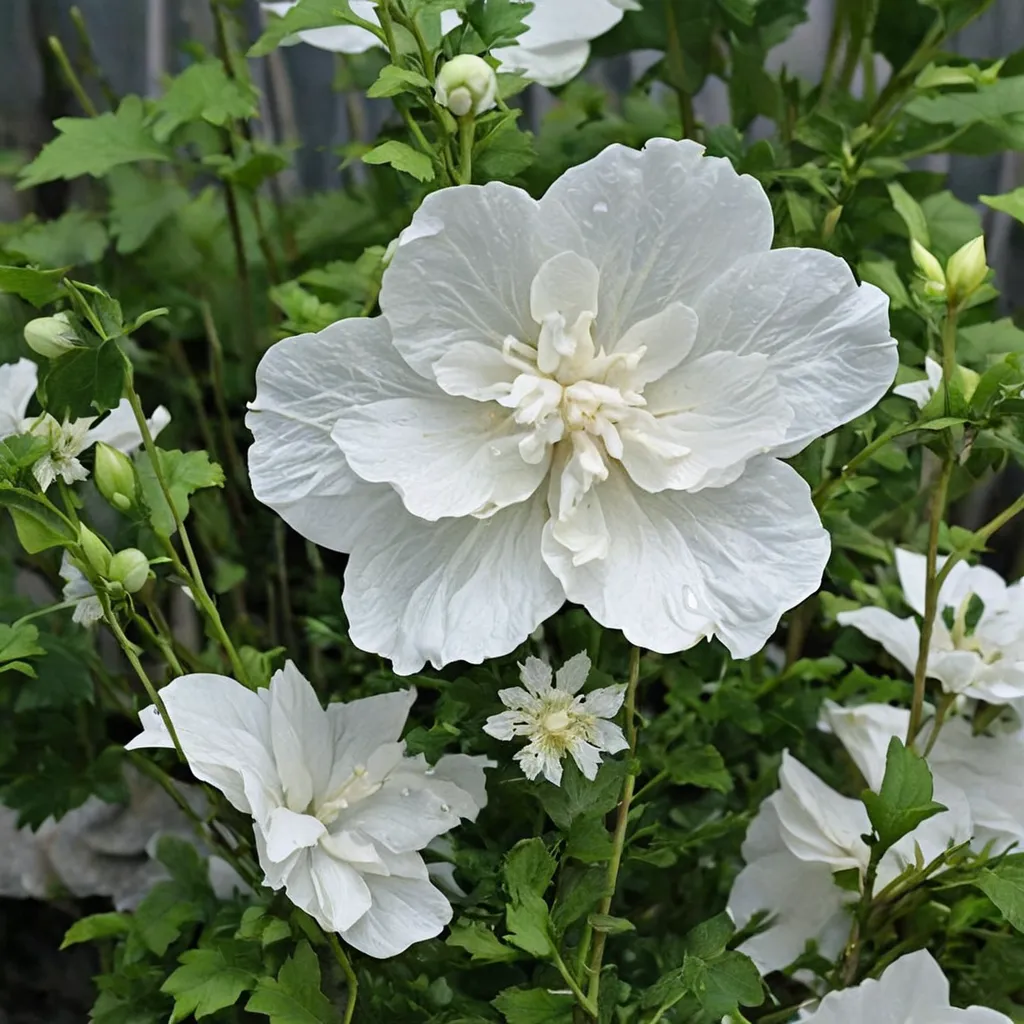
White Chiffon Hibiscus
Hibiscus syriacus 'White Chiffon'
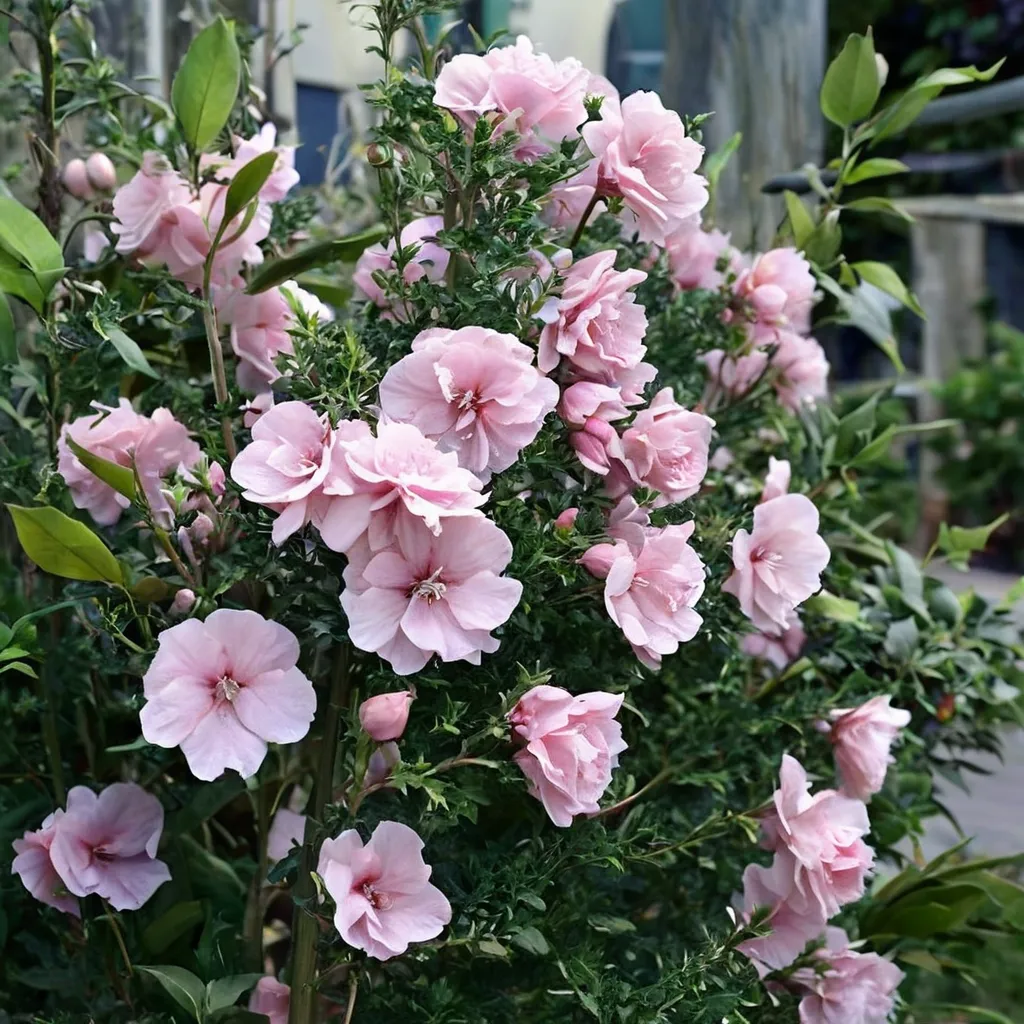
Pink Chiffon Rose of Sharon
Hibiscus syriacus 'Pink Chiffon'
Keep exploring
Explore the genus
Hardy in your zone?
Grow Swamp Hibiscus with confidence
See it in a design of your actual yard, get zone-matched care reminders, and track it season by season in your garden journal.