The Story
Plant Bio
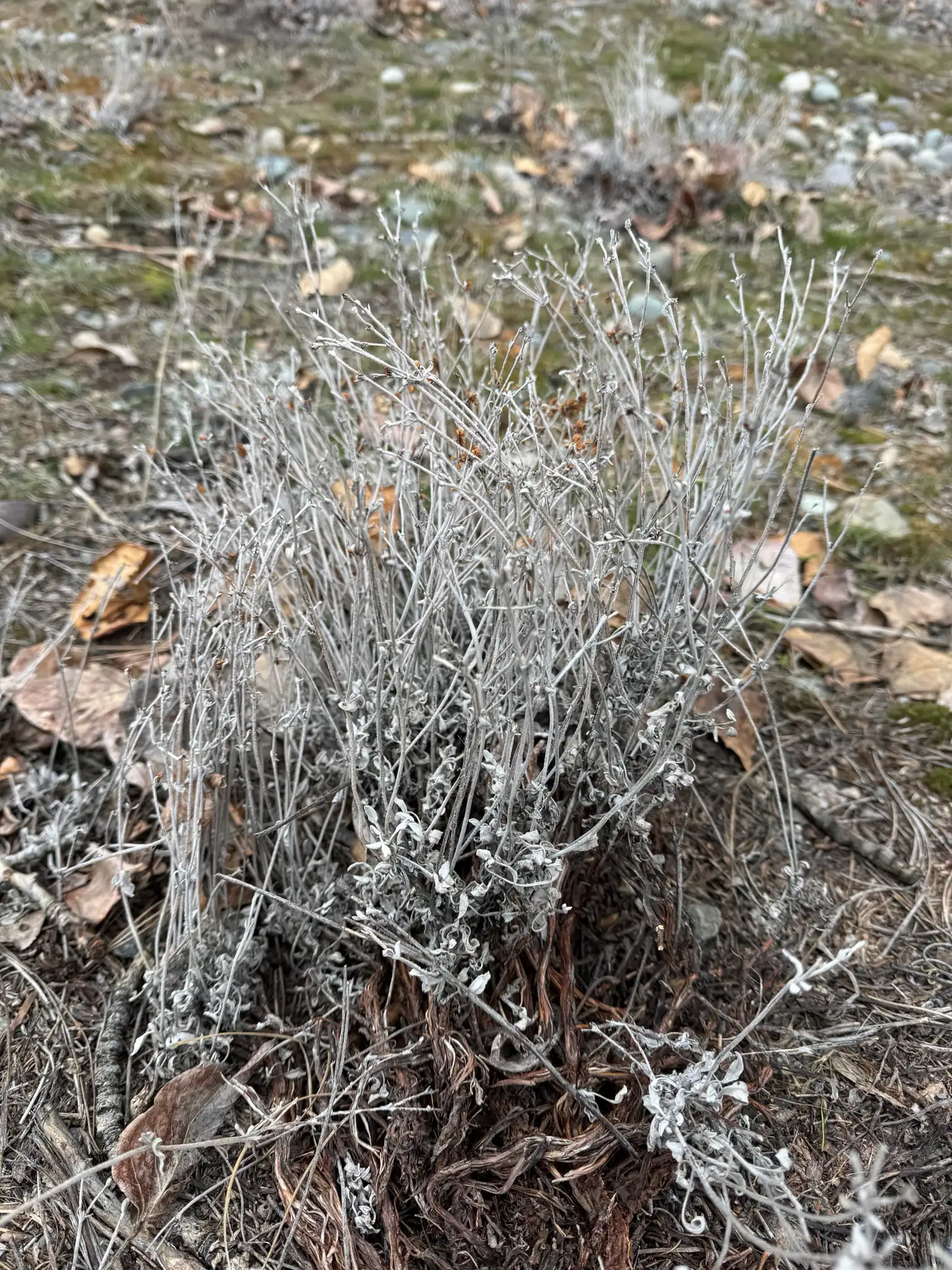
Eriogonum niveum is a woody-based subshrub from the dry interior Pacific Northwest, forming a low mound of gray woolly leaves with an open branched canopy held well above the foliage. The flowers are tiny six-parted cups borne in repeatedly three-forked sprays that open white to cream and age pinkish then brown.
Unlike true heathers suggested by the name canyon heather, it is a buckwheat with dry seed and persistent woody stems, not a heather and not grain buckwheat. Mature plants hold leaves one to two feet high while the airy flowering canopy spreads to three feet wide, blooming from summer into fall while the basal mound stays compact.
Uses & Benefits:
Essentials
At a Glance
Plant Type
Shrub
Height
24"
Width
24"
Light
Full Sun, Partial Sun
Zones
5, 6, 7
Water
Low
Humidity
Unknown
Lifespan
Perennial
Native To
Interior Pacific Northwest
Toxicity
Non-toxic
Bloom period
Summer – Fall
In flower about 6 months of the year
Planting
How to Grow
- Plant in full sun with at least six hours of direct sun and room for a three-foot flowering canopy.
- Dig into sandy, gravelly or rocky soil that drains freely and set the crown level with the soil surface.
- Water deeply at planting and through the first summer, then taper to occasional deep soakings once rooted.
- Keep the base clear of mulch and weeds and keep runoff from pooling around the woody crown.
- Leave spent stalks through seed set, then clip them off above the leaves in late fall.
Pro Tip
Allow three feet for the flowering canopy to spread and never cut into the woody base; remove only spent stalks and tip-trim lightly.
Keep It Thriving
Care Guide
Do
- Plant high in fast-draining sandy or gravelly soil in full sun
- Water to establish then reduce to low water
- Leave the woody base intact and tip-trim lightly
- Weed out cheatgrass and competitors while young
Don't
- Do not cut to the ground or cut hard into woody stems
- Do not overwater or plant in wet basins or runoff channels
- Do not expect deer resistance - protect where browsing is heavy
Seasonal Care Calendar
| Task | Jan | Feb | Mar | Apr | May | Jun | Jul | Aug | Sep | Oct | Nov | Dec |
|---|---|---|---|---|---|---|---|---|---|---|---|---|
| Deadhead | ||||||||||||
| Pest Check | ||||||||||||
| Plant | ||||||||||||
| Propagate | ||||||||||||
| Prune |
Watch Out For
Pests & Diseases
Common Pests
Common Diseases
In the Garden
Landscape Uses & Companions
Landscape Uses
Multiply
Propagation Methods
Good to Know
Common Questions
Snow Buckwheat questions
What zones can Snow Buckwheat grow in?
Snow Buckwheat is hardy in USDA Zones 5–7: in that range it survives winter in the ground. Colder than Zone 5, grow it in a container you can move to shelter for the winter. Warmer than Zone 7, winter isn't the problem: it prefers colder winters, and summer heat can shorten its life.
Is Snow Buckwheat deer resistant?
Not reliably. Deer may browse Snow Buckwheat, especially tender spring growth — plan on repellents or fencing where pressure is high.
When does Snow Buckwheat bloom?
Snow Buckwheat typically blooms from summer to fall. Exact timing shifts a week or two with your zone — Sow's bloom calendar maps it to your garden.
Does Snow Buckwheat need full sun?
Snow Buckwheat does best in full sun to part shade. In hot climates, afternoon shade keeps blooms fresher longer.
Is Snow Buckwheat drought tolerant?
Yes — once established (usually after the first full season), Snow Buckwheat handles dry spells with minimal watering. Water deeply its first year to build the root system that makes that possible.
More Eriogonum to compare
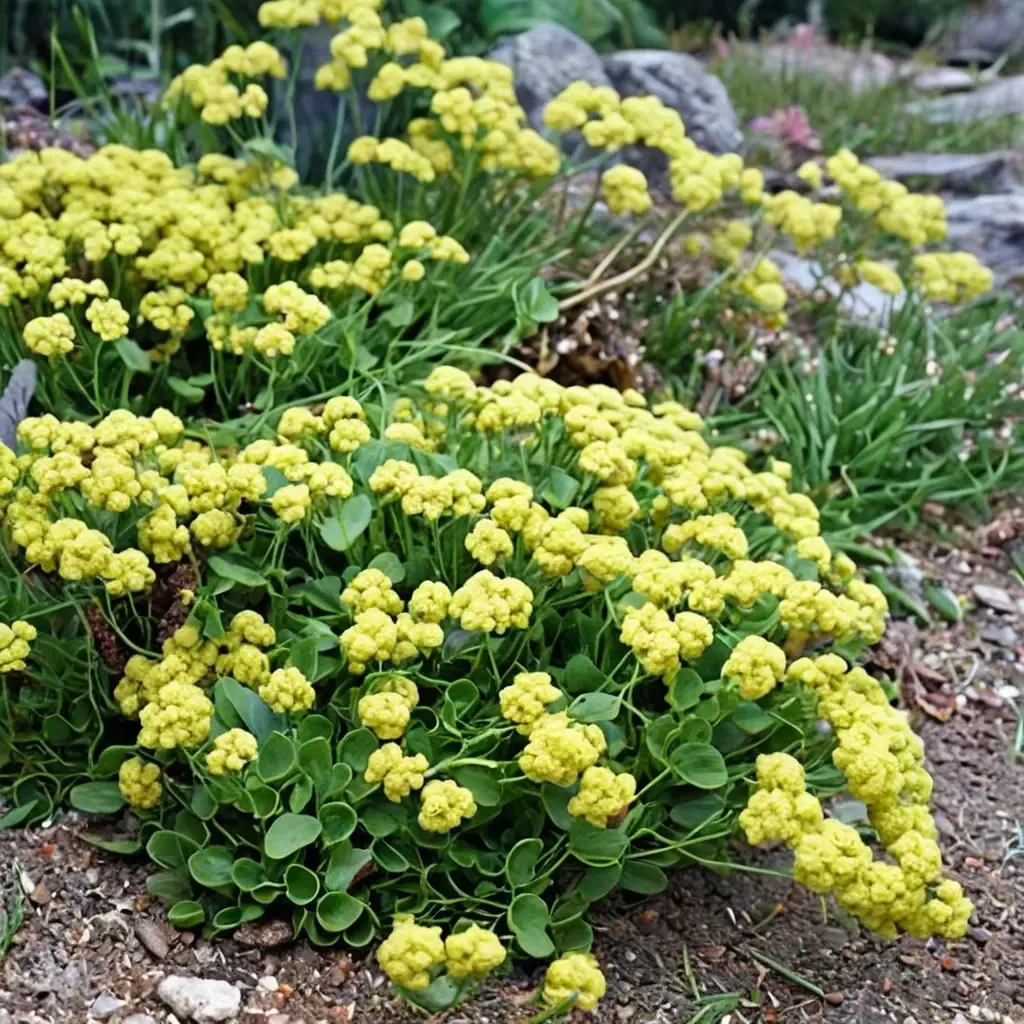
Golden Buckwheat
Eriogonum umbellatum 'aureum'
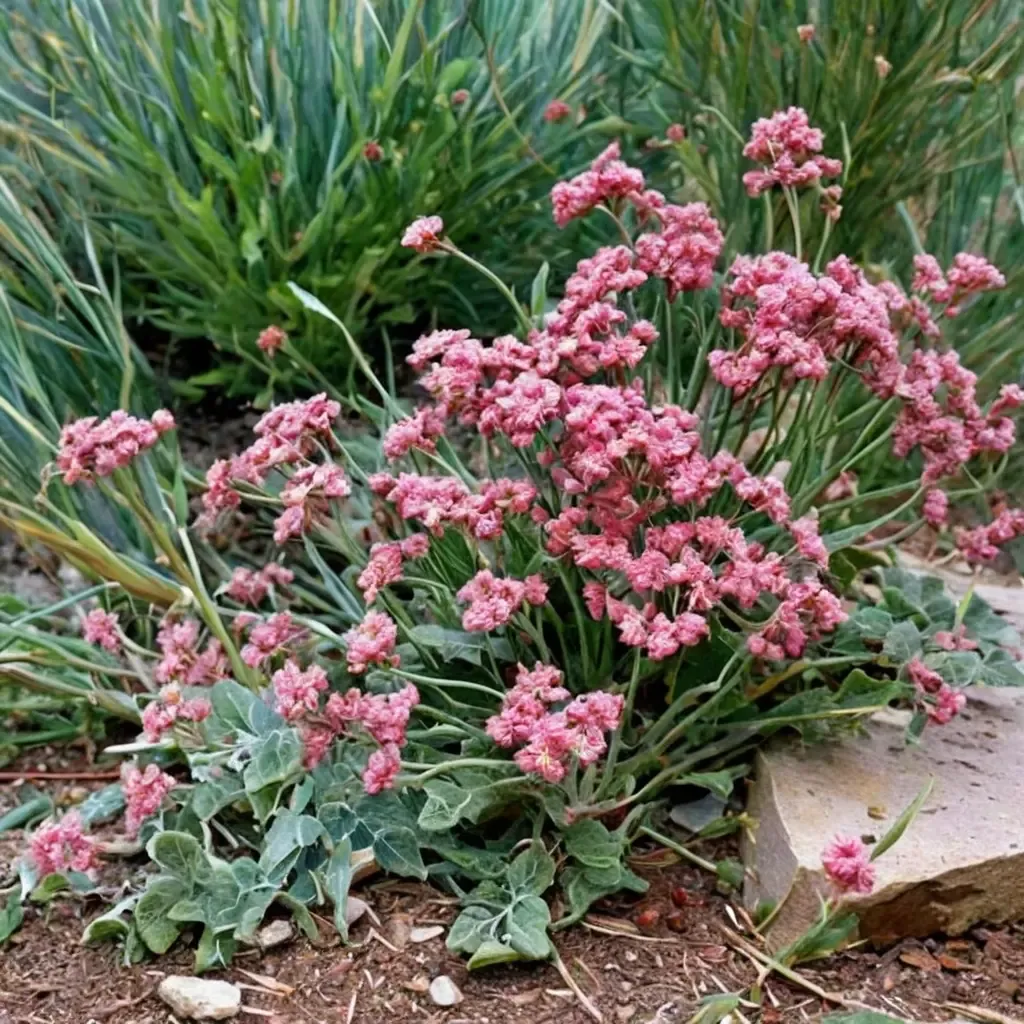
Red Buckwheat
Eriogonum grande 'rubescens'
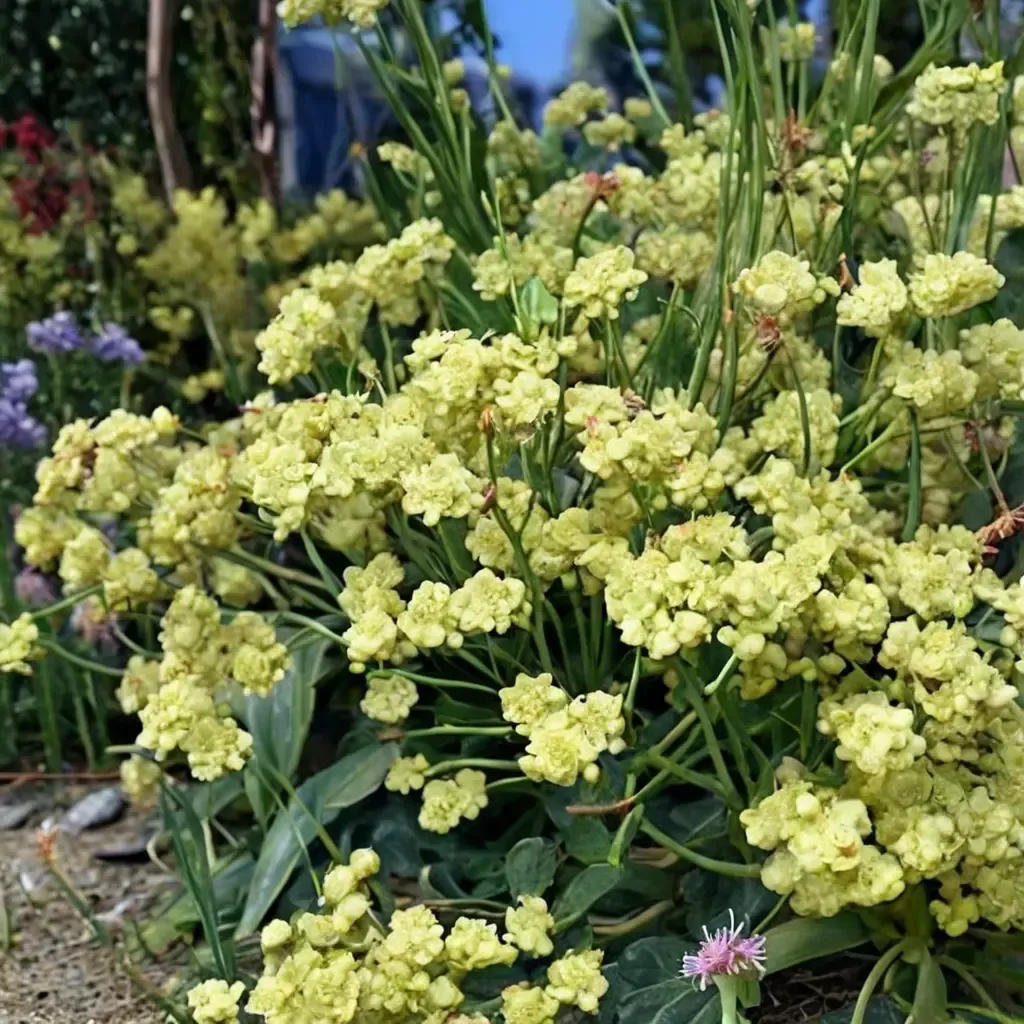
Ella Nelson's Yellow Buckwheat
Eriogonum nudum 'Ella Nelson's Yellow'
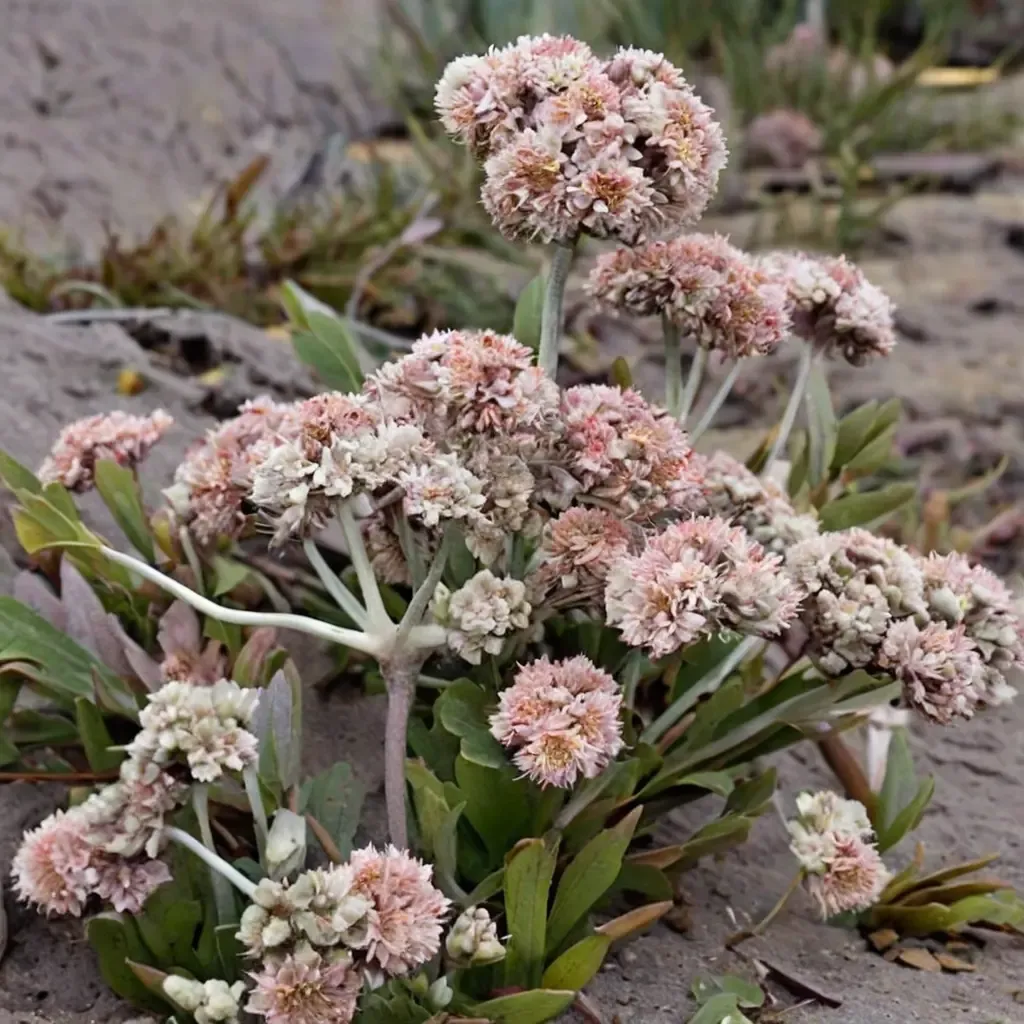
Broadleaf Buckwheat
Eriogonum latifolium
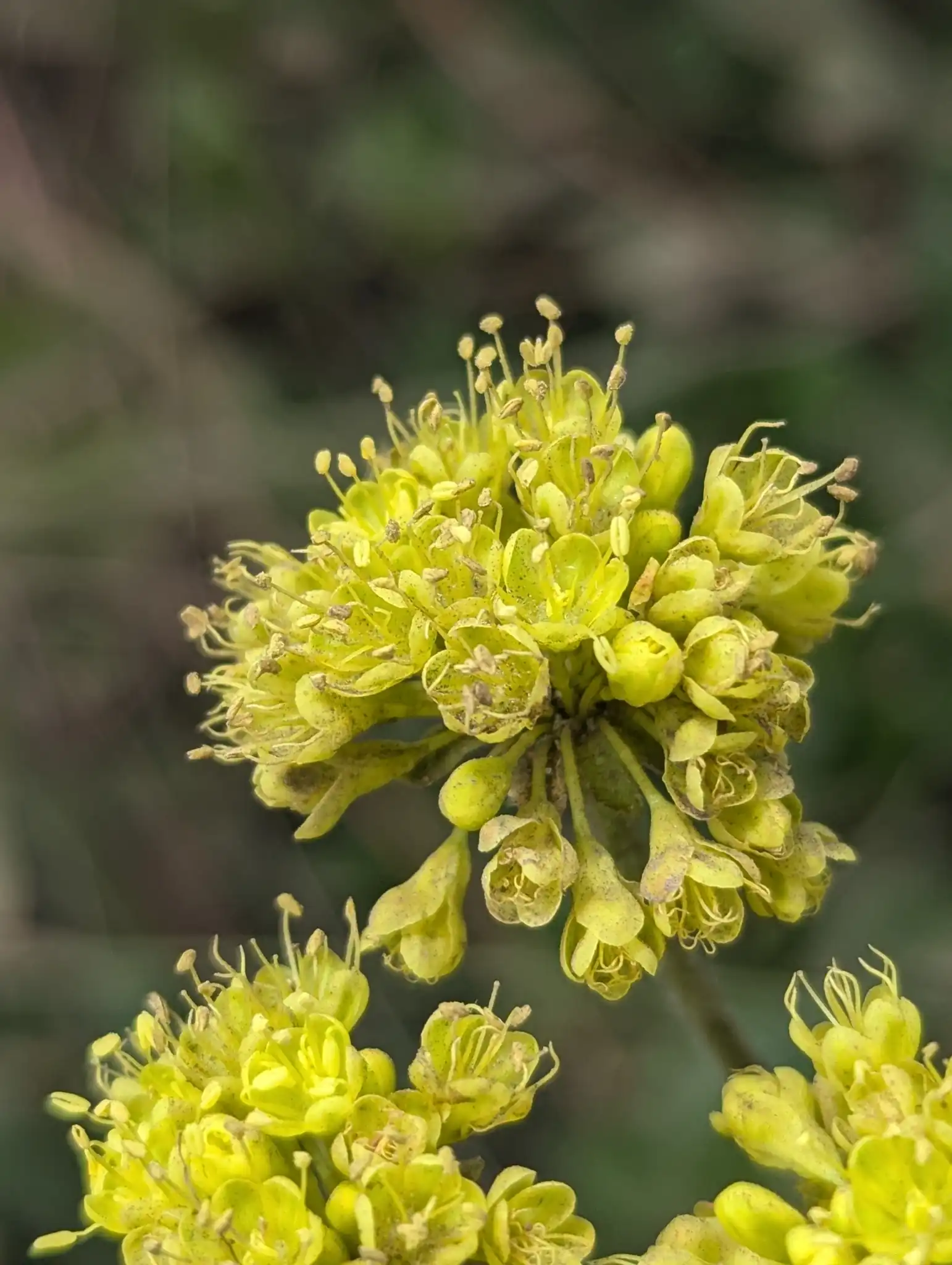
Sulphur Buckwheat
Eriogonum umbellatum
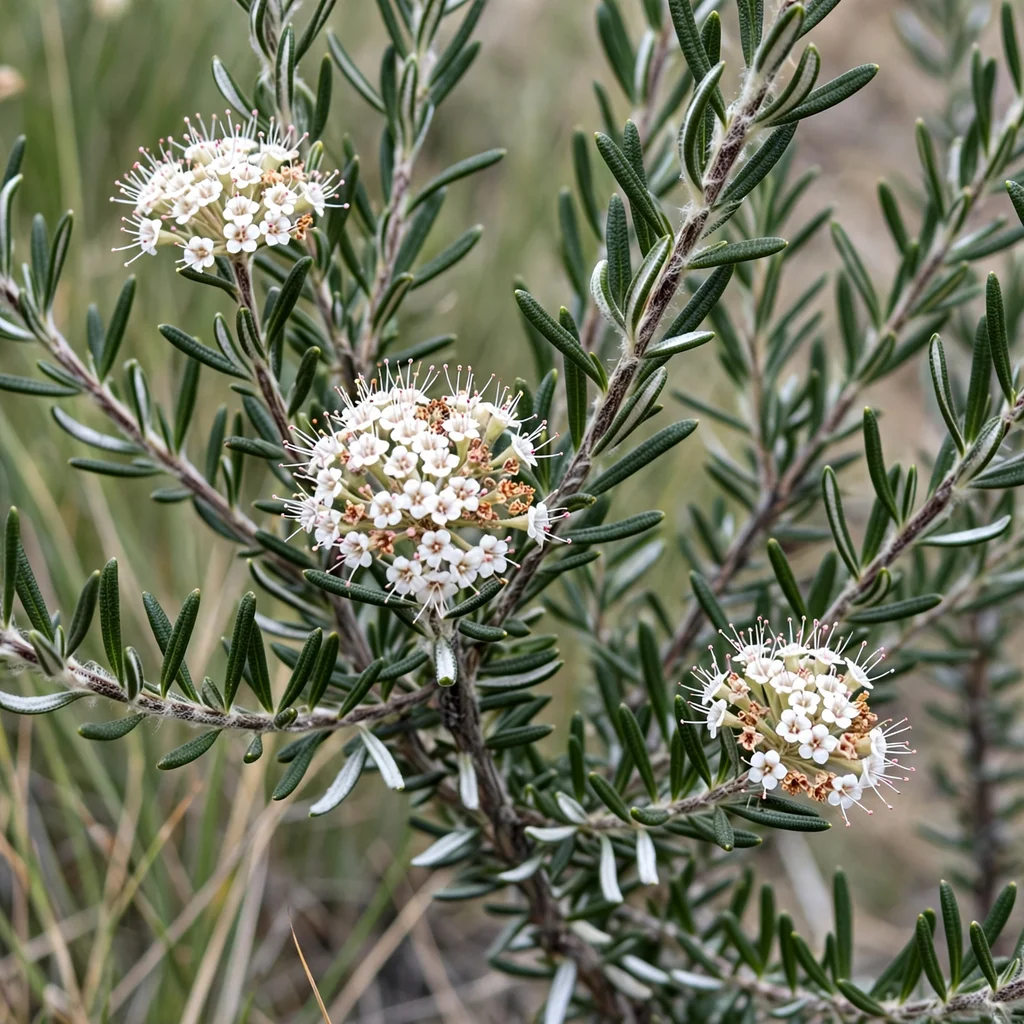
California Buckwheat
Eriogonum fasciculatum
Keep exploring
Explore the genus
Hardy in your zone?
Grow Snow Buckwheat with confidence
See it in a design of your actual yard, get zone-matched care reminders, and track it season by season in your garden journal.