The Story
Plant Bio
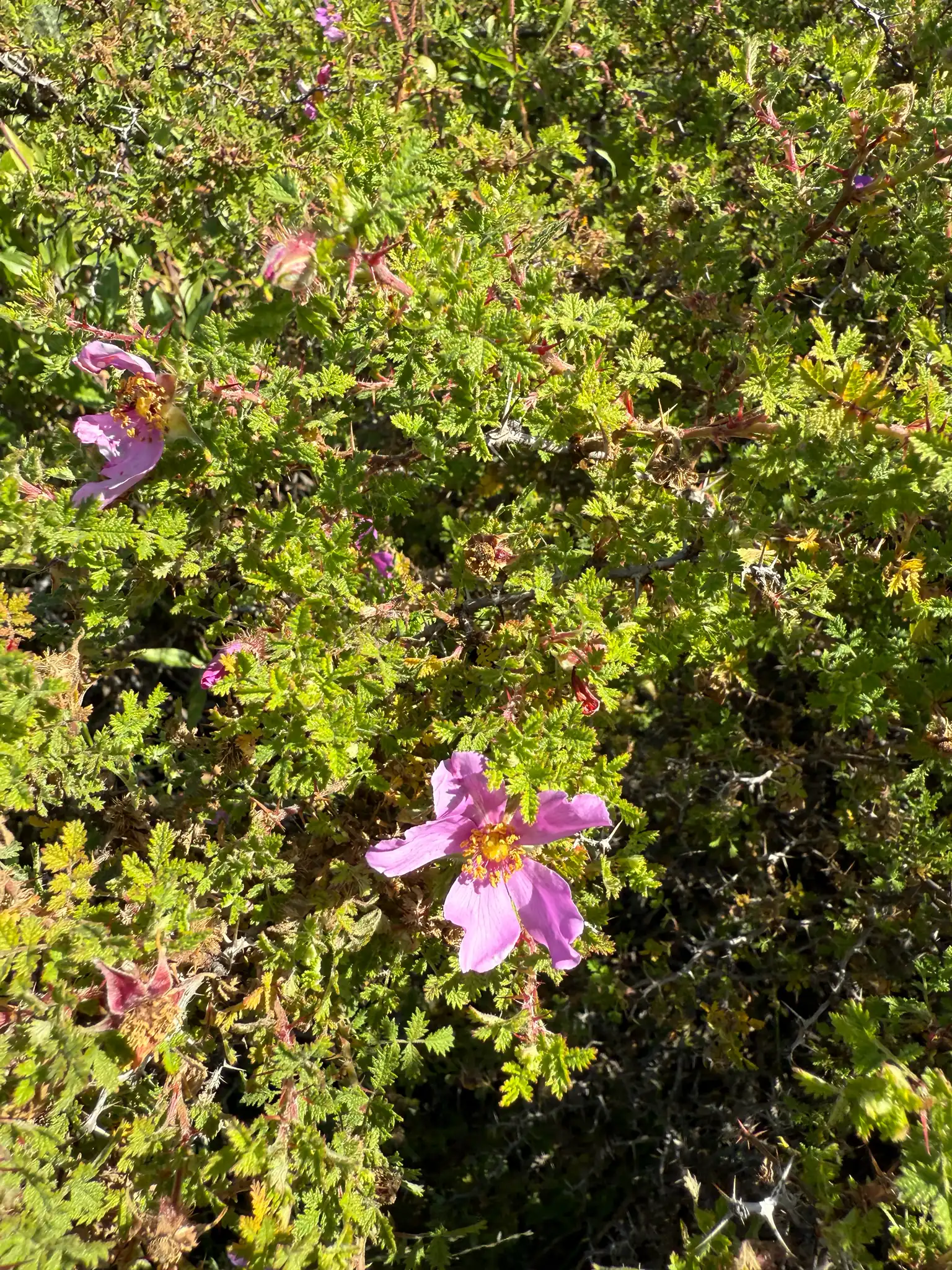
Rosa minutifolia, the small-leaved rose, is a low, dense, arching shrub native to coastal sage scrub in southern California and Baja California. It bears tiny, leathery, toothed leaves featuring the smallest leaflets in the rose genus on stems heavily lined with straight prickles.
This xerophytic rose produces solitary pink blossoms with yellow stamens in late winter and spring, followed by small red hips. Unlike standard garden roses, it responds to summer heat and drought by dropping its foliage and entering complete drought dormancy.
Uses & Benefits:
Essentials
At a Glance
Plant Type
Shrub
Height
39"
Width
39"
Light
Full Sun
Zones
9, 10
Water
Low
Humidity
Low to Moderate
Lifespan
Perennial
Native To
North America (California, Baja California)
Toxicity
Non-toxic to pets
Bloom period
Late winter – Late spring
In flower about 4 months of the year
Planting
How to Grow
- Plant in full sun using lean, sharply draining sandy or rocky soil.
- Water lightly through the first winter and spring to establish roots.
- Withhold summer irrigation entirely after the first year to allow natural dormancy.
- Prune minimally in late fall to clear away dead wood.
Pro Tip
Do not water during hot summer months once established; warm, wet soil induces fatal fungal root rot.
Keep It Thriving
Care Guide
Do
- Provide fast soil drainage on mounds or rock garden slopes.
- Allow foliage to drop naturally during dry summer weather.
- Wear thick leather gloves when working around spiny stems.
Don't
- Do not apply heavy synthetic fertilizers or rich organic matter.
- Do not irrigate during warm summer months.
- Do not shear heavily into old leafless stems lacking active buds.
Seasonal Care Calendar
| Task | Jan | Feb | Mar | Apr | May | Jun | Jul | Aug | Sep | Oct | Nov | Dec |
|---|---|---|---|---|---|---|---|---|---|---|---|---|
| Pest Check | ||||||||||||
| Propagate | ||||||||||||
| Prune | ||||||||||||
| Spring Cleanup |
Watch Out For
Pests & Diseases
Common Pests
Common Diseases
In the Garden
Landscape Uses & Companions
Landscape Uses
Multiply
Propagation Methods
Good to Know
Common Questions
Small-Leaved Rose questions
What zones can Small-Leaved Rose grow in?
Small-Leaved Rose is hardy in USDA Zones 9–10: in that range it survives winter in the ground. Colder than Zone 9, grow it in a container you can move to shelter for the winter.
Is Small-Leaved Rose deer resistant?
Not reliably. Deer may browse Small-Leaved Rose, especially tender spring growth — plan on repellents or fencing where pressure is high.
When does Small-Leaved Rose bloom?
Small-Leaved Rose typically blooms from late winter to late spring. Exact timing shifts a week or two with your zone — Sow's bloom calendar maps it to your garden.
Does Small-Leaved Rose need full sun?
Small-Leaved Rose does best in full sun (6+ hours).
Is Small-Leaved Rose drought tolerant?
Yes — once established (usually after the first full season), Small-Leaved Rose handles dry spells with minimal watering. Water deeply its first year to build the root system that makes that possible.
More Rosa to compare
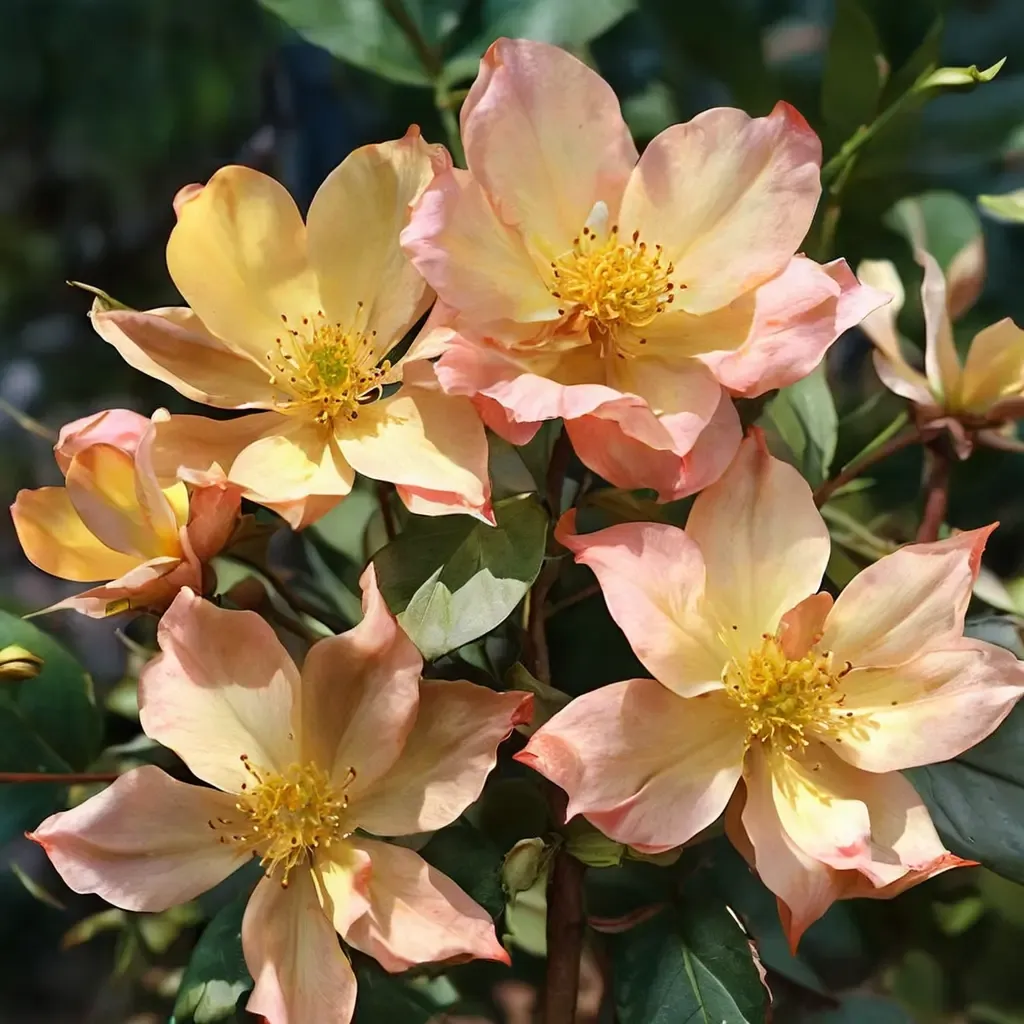
Flutterbye Rose
Rosa x hybrida 'Flutterbye'
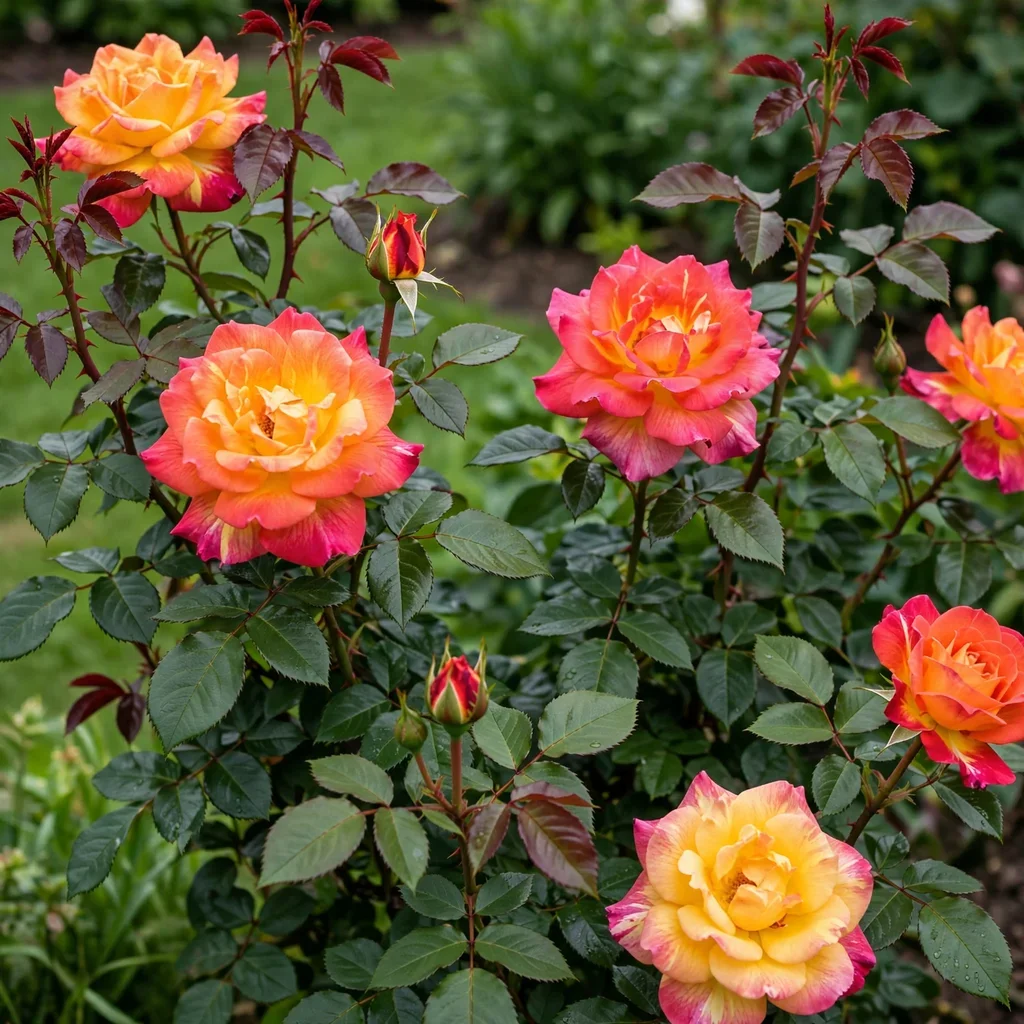
Joseph's Coat Rose
Rosa x hybrida 'Joseph's Coat'
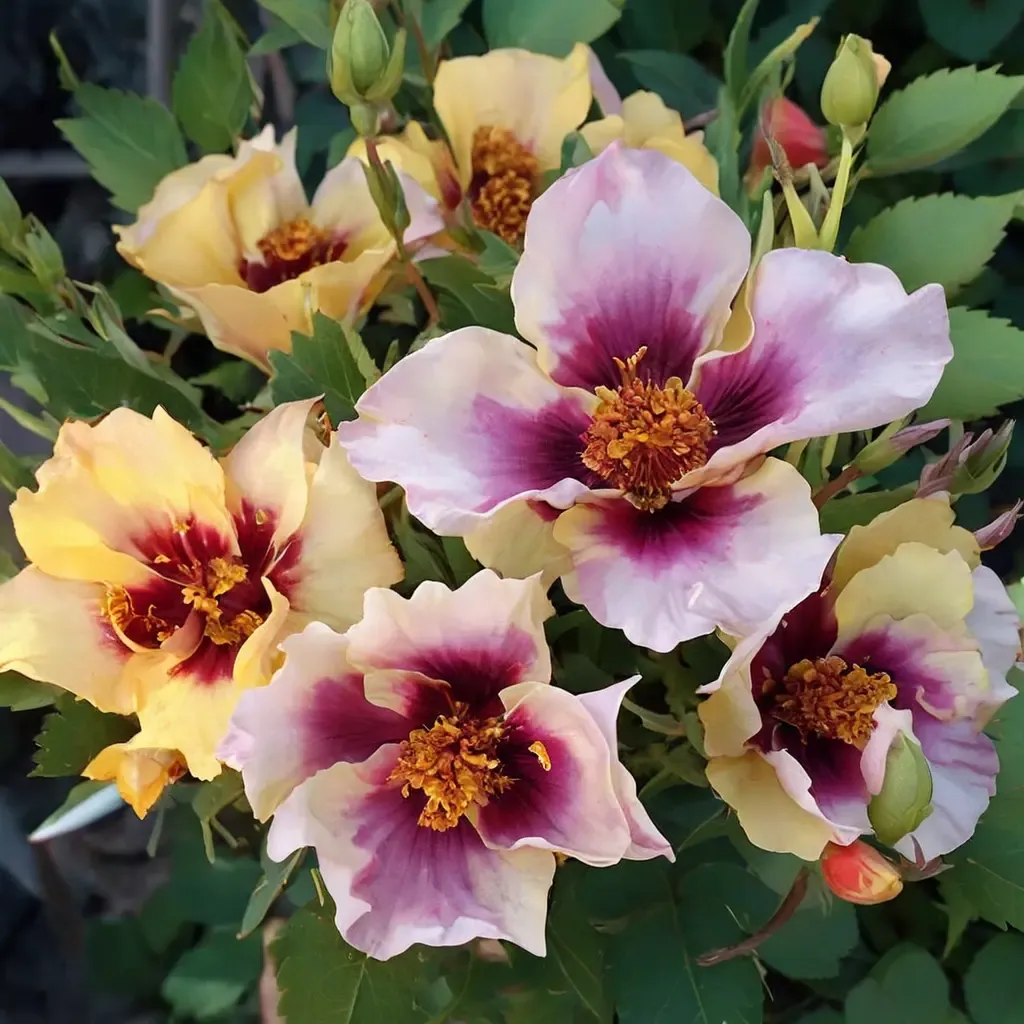
In Your Eyes Rose
Rosa x hybrida 'In Your Eyes'
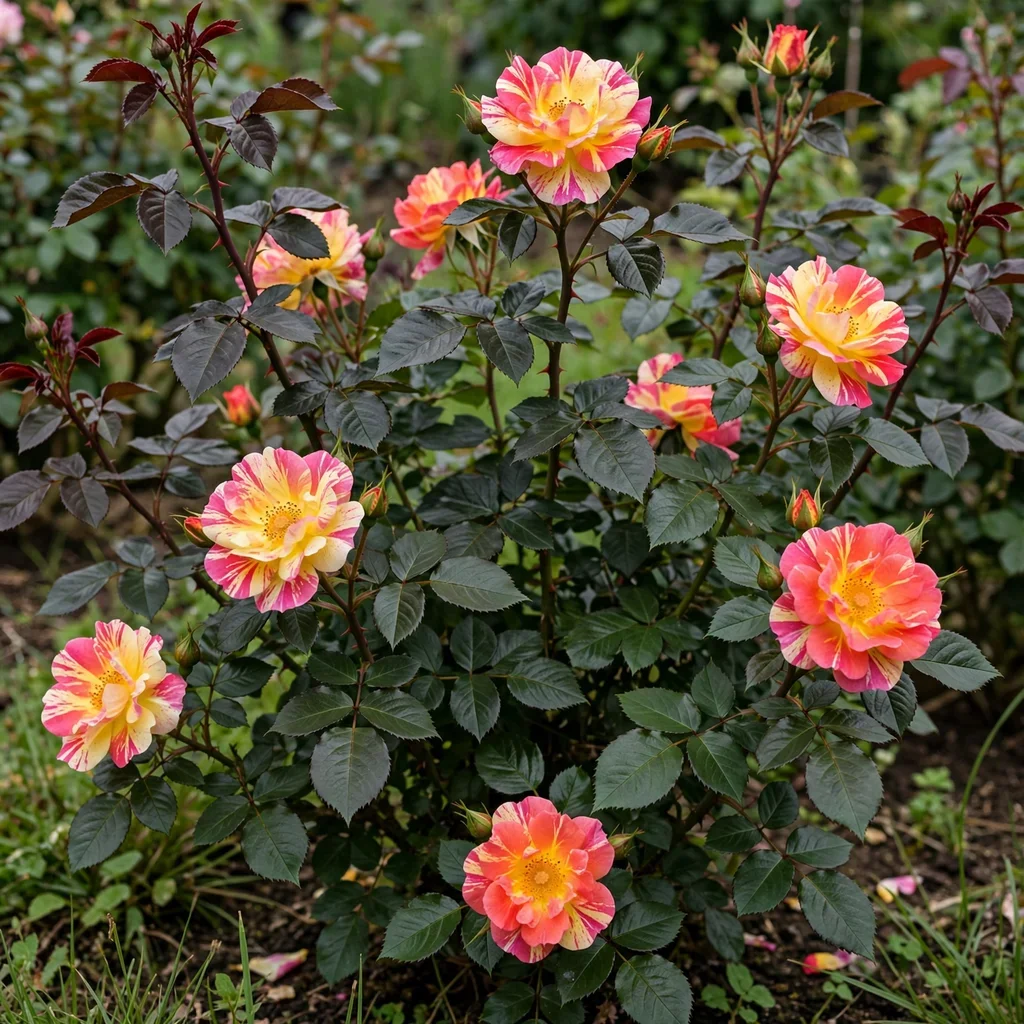
Rainbow Rose
Rosa x hybrida 'Rainbow'
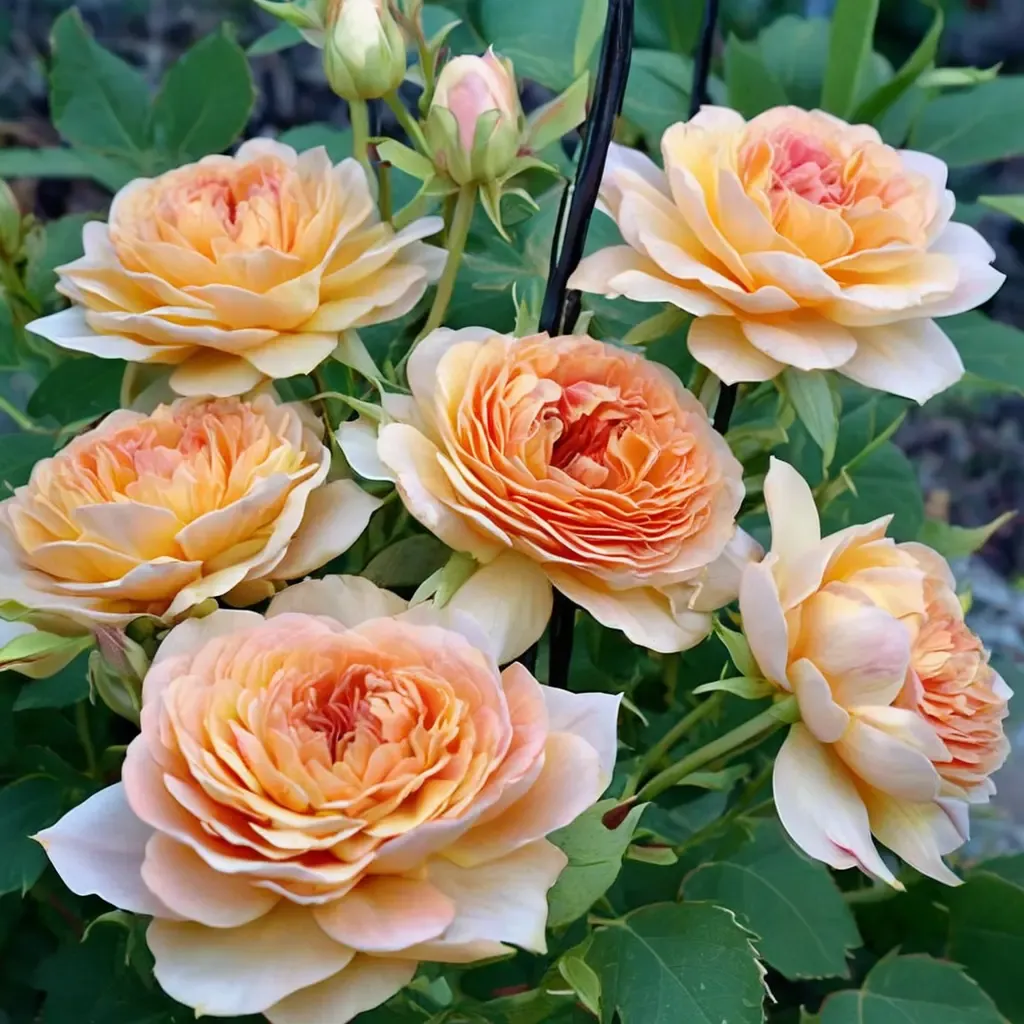
Fun in the Sun Rose
Rosa x hybrida 'Fun in the Sun'
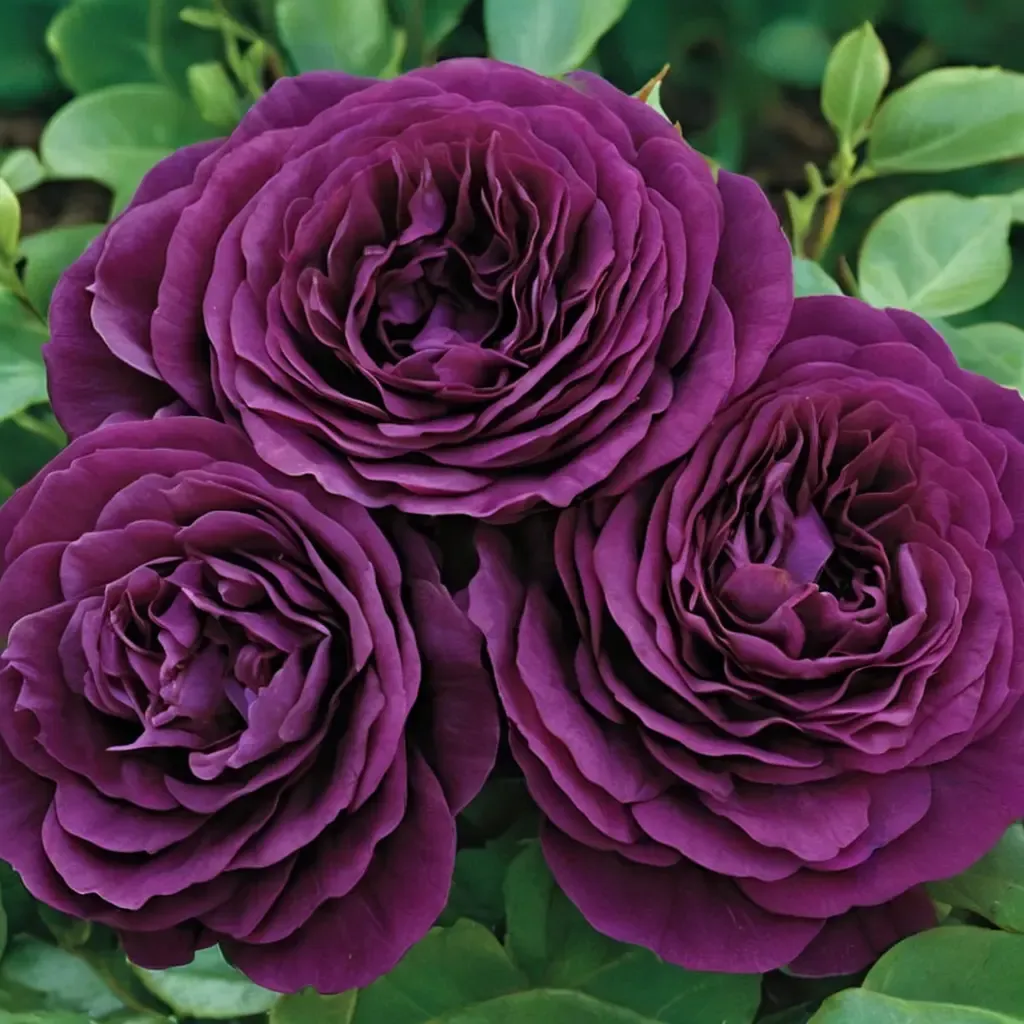
Twilight Zone Rose
Rosa x hybrida 'Twilight Zone'
Keep exploring
Explore the genus
Guides
Hardy in your zone?
Grow Small-Leaved Rose with confidence
See it in a design of your actual yard, get zone-matched care reminders, and track it season by season in your garden journal.