The Story
Plant Bio
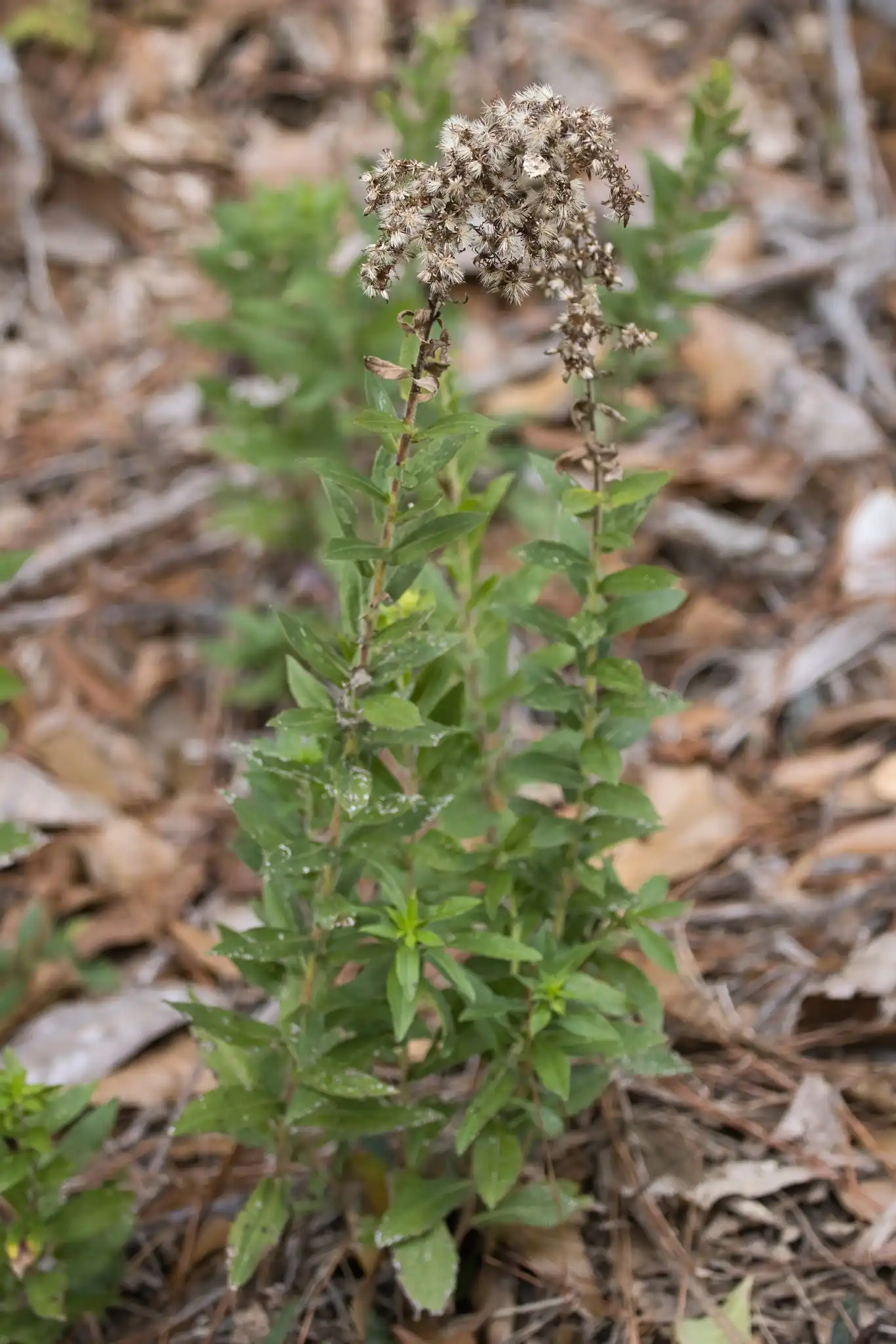
Solidago fistulosa, the pinebarren goldenrod, is a rhizomatous perennial of the aster family that colonizes low wet sand, bog margins and ditch edges along the eastern coastal plain. It forms upright leafy stems from creeping elongated rhizomes, carrying dark green oblanceolate leaves and ending in large open panicles of small bright yellow heads.
What sets it apart from dryland goldenrods is its demand for seepage and boggy sand and its tolerance of standing wet through summer bloom. Stems reach five feet in garden soil and spread steadily by rhizome, so a clump widens into a colony unless divided.
Uses & Benefits:
Essentials
At a Glance
Plant Type
Perennial
Height
60"
Width
36"
Light
Full Sun, Partial Sun, Shade
Zones
5, 6, 7, 8, 9, 10
Water
High
Humidity
High
Lifespan
Perennial
Native To
Eastern U.S. Coastal Plain
Toxicity
Unknown
Bloom period
Summer – Fall
In flower about 6 months of the year
Planting
How to Grow
- Set plants in full sun to light shade in low, wet sandy soil at the edge of a swale, rain garden or pond margin.
- Space 24 to 36 inches apart, planting rhizomes 1 inch deep with the crown at soil level.
- Water deeply at planting and keep soil consistently moist through the first summer; do not let the root zone dry out.
- Mulch with 2 inches of pine straw or shredded leaves to hold moisture and keep sand from crusting.
- Cut spent panicles after seed ripens and divide the rhizome mat every 2 to 3 years to contain spread.
Pro Tip
Give it wet sand and room to run; pots labeled fitulosa are fistulosa misspelled, and sneezing during fall bloom is ragweed pollen, not this plant.
Keep It Thriving
Care Guide
Do
- Keep soil wet; site it where water collects after rain.
- Divide congested rhizomes in early spring to renew vigor.
- Deadhead spent panicles if you want to limit self-sowing.
Don't
- Do not plant it in a dry perennial bed; drought stalls growth and shortens bloom.
- Do not fertilize heavily; rich feeding pushes floppy stems.
- Do not cut back into bare crowns in winter; leave basal foliage to protect buds.
Seasonal Care Calendar
| Task | Jan | Feb | Mar | Apr | May | Jun | Jul | Aug | Sep | Oct | Nov | Dec |
|---|---|---|---|---|---|---|---|---|---|---|---|---|
| Deadhead | ||||||||||||
| Divide | ||||||||||||
| Mulch | ||||||||||||
| Pest Check | ||||||||||||
| Plant |
Watch Out For
Pests & Diseases
Common Pests
Common Diseases
In the Garden
Landscape Uses & Companions
Landscape Uses
Multiply
Propagation Methods
Good to Know
Common Questions
Pinebarren Goldenrod questions
What zones can Pinebarren Goldenrod grow in?
Pinebarren Goldenrod is hardy in USDA Zones 5–10: in that range it survives winter in the ground. Colder than Zone 5, grow it in a container you can move to shelter for the winter, or as an annual.
When does Pinebarren Goldenrod bloom?
Pinebarren Goldenrod typically blooms from summer to fall. Exact timing shifts a week or two with your zone — Sow's bloom calendar maps it to your garden.
Does Pinebarren Goldenrod need full sun?
Pinebarren Goldenrod does best in full sun to part shade. In hot climates, afternoon shade keeps blooms fresher longer.
More Solidago to compare
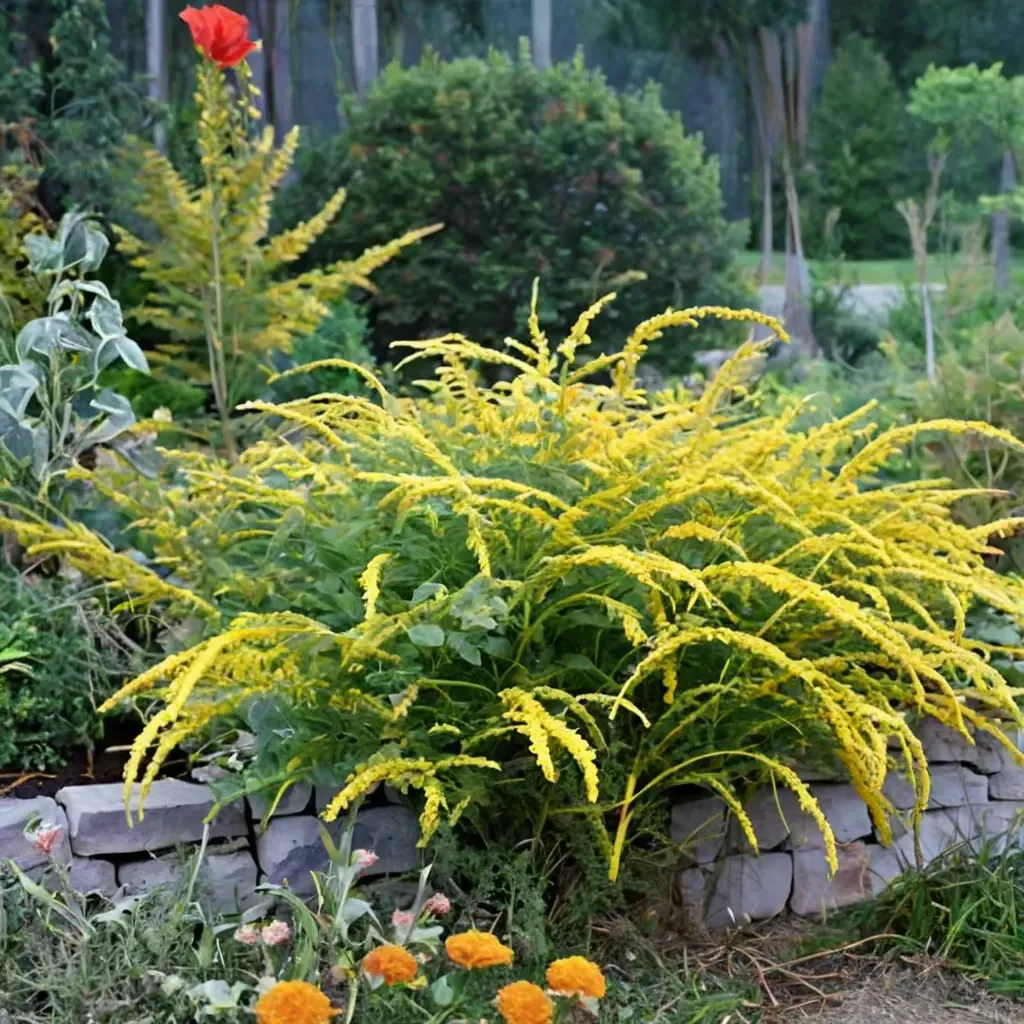
Fireworks Goldenrod
Solidago rugosa 'Fireworks'
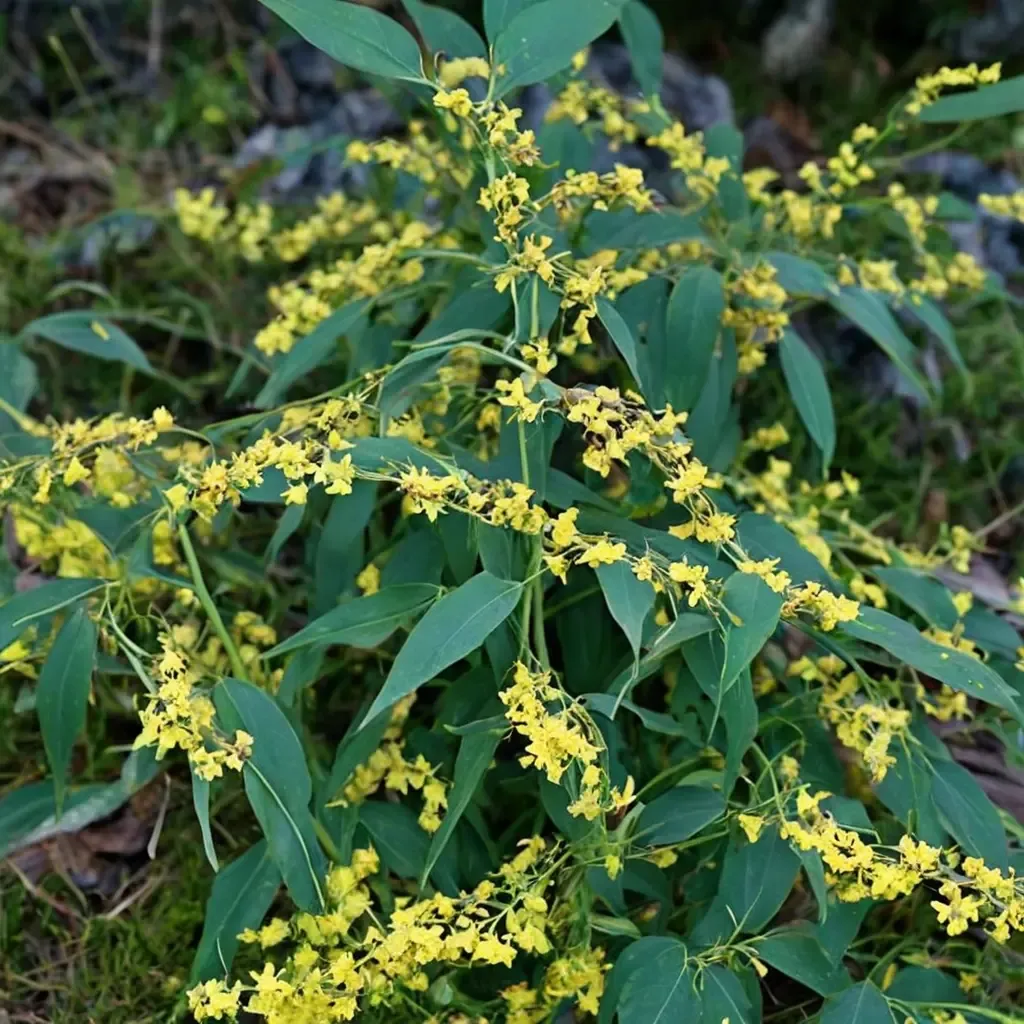
Bluestem Goldenrod
Solidago caesia
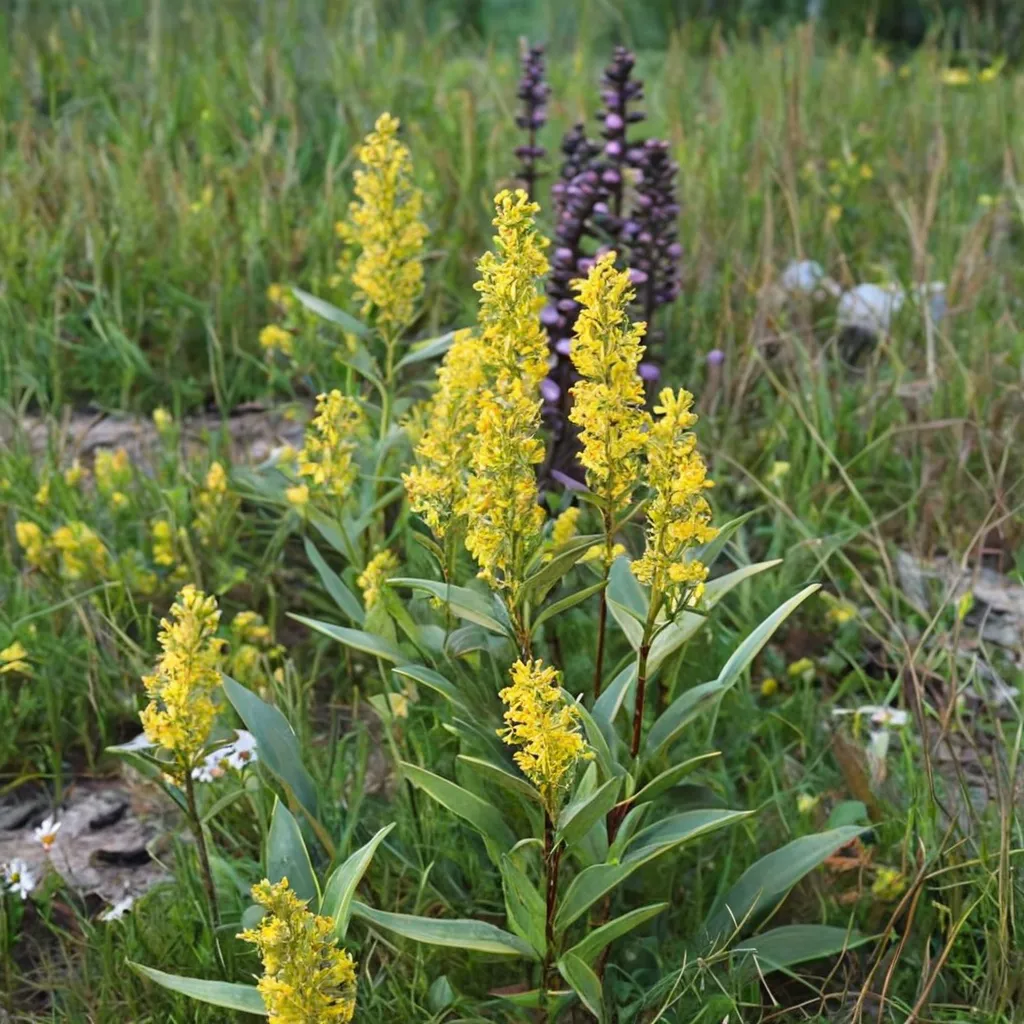
Showy Goldenrod
Solidago speciosa
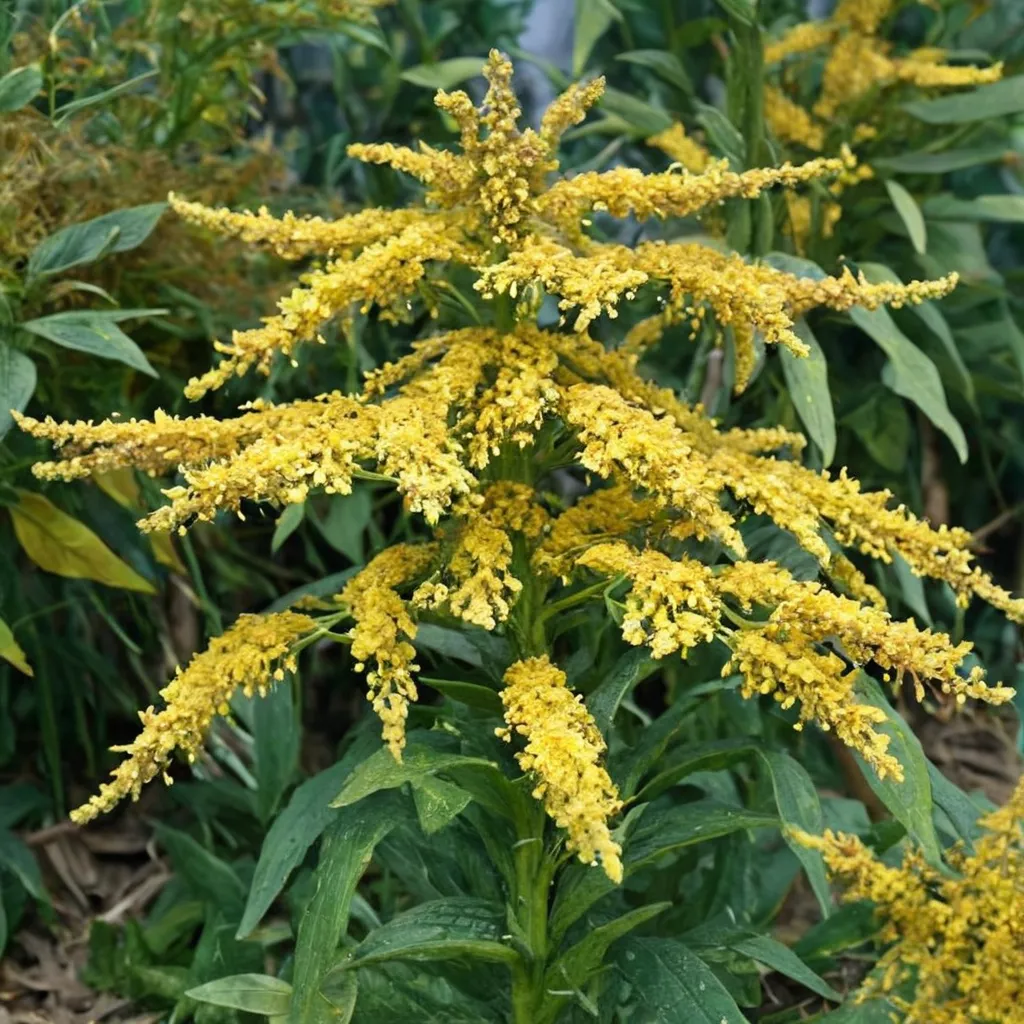
Goldenrod Peter Pan
Solidago x hybrida 'Peter Pan'
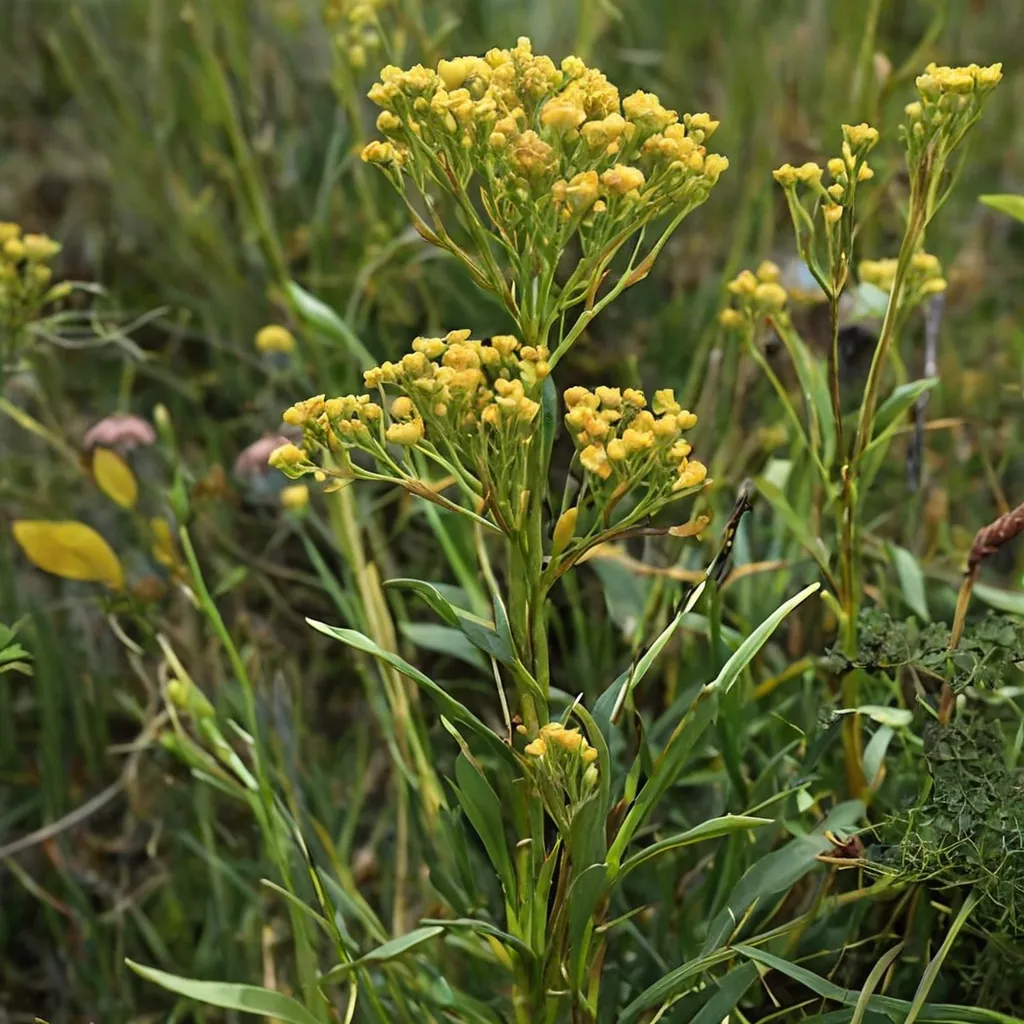
Ohio Goldenrod
Solidago ohioensis
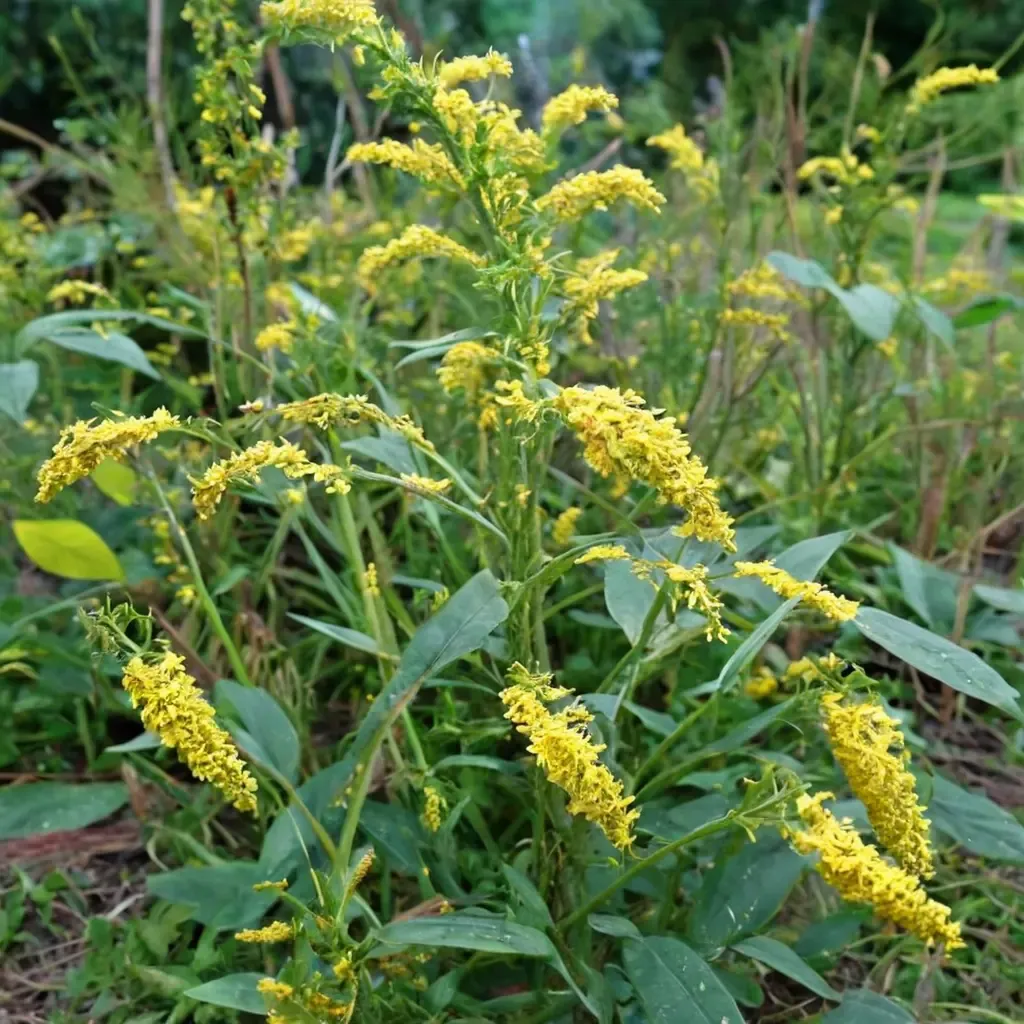
Wrinkleleaf Goldenrod
Solidago rugosa
Keep exploring
Explore the genus
Grow Pinebarren Goldenrod with confidence
See it in a design of your actual yard, get zone-matched care reminders, and track it season by season in your garden journal.