The Story
Plant Bio
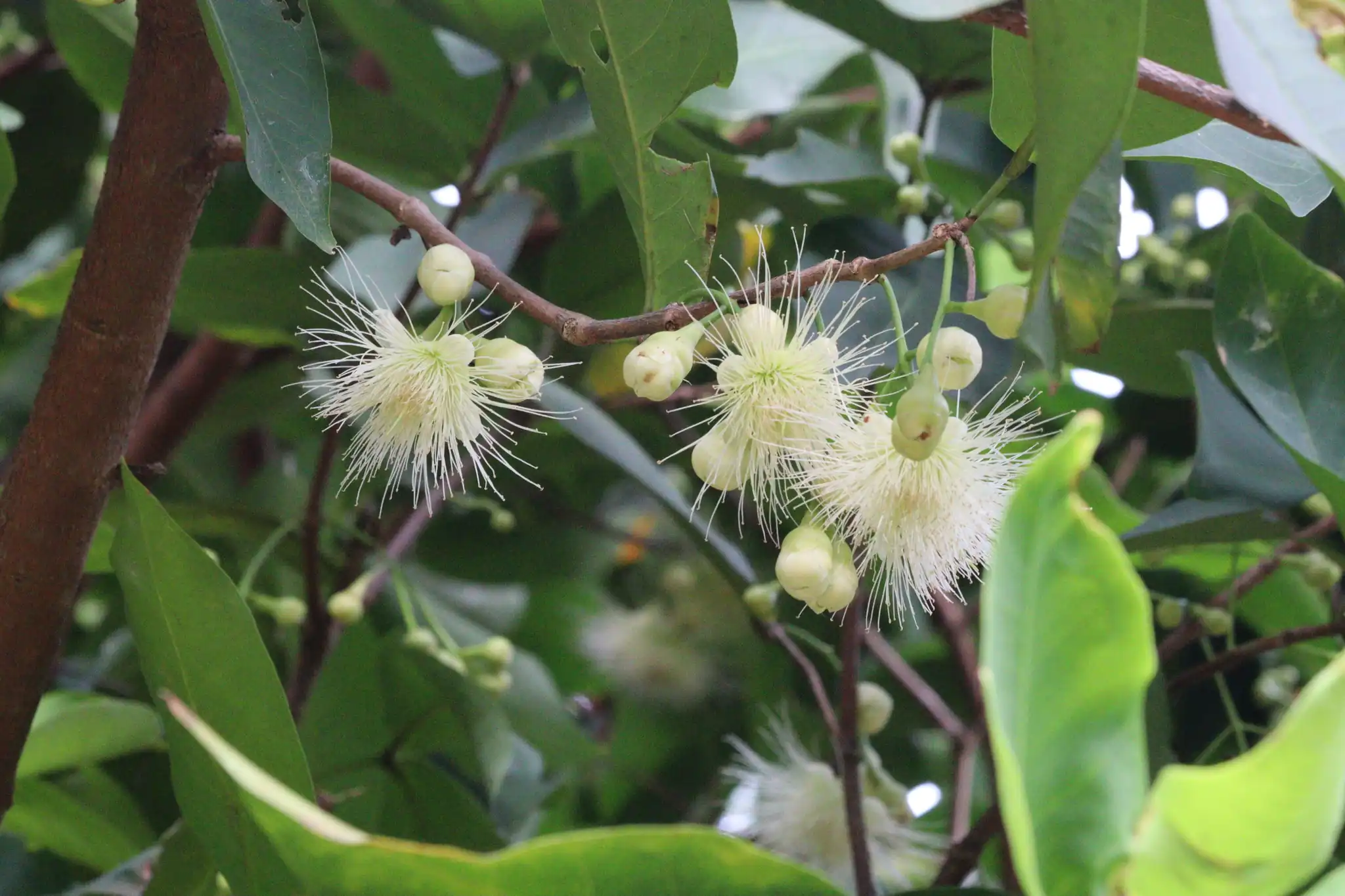
Syzygium samarangense, the wax apple, is a short evergreen tree reaching 20 to 40 feet in gardens, with a short crooked trunk, wide irregular canopy and drooping branches. It holds opposite glossy leaves 4 to 10 inches long that release aroma when crushed and flush red when young, and bears fragrant white to cream flowers with four petals and more than 50 long stamens in drooping clusters of 3 to 25.
The fruit sets it apart: bell-shaped waxy berries in green, yellow, pink, red and near-black by clone, with white spongy juicy flesh that eats mildly sweet-tart. Flowering follows a brief dry period in warm weather, with fruit ripening three to four months later, so cropping depends on heat, humidity and that dry trigger.
Uses & Benefits:
Essentials
At a Glance
Plant Type
Tree
Height
472"
Width
300"
Light
Full Sun, Partial Sun
Zones
9, 10
Water
Medium-high
Humidity
High
Lifespan
Long-lived tree
Native To
Greater Sunda Islands and Malay Peninsula
Toxicity
Fruit non-toxic
Bloom period
Summer – Autumn
In flower about 6 months of the year
Planting
How to Grow
- Plant in full sun in deep fertile well-drained soil with added organic matter, pH 5.5 to 6.5.
- Set the rootball level with the soil surface and water deeply to settle, then keep soil evenly moist through establishment.
- Mulch 2 to 3 inches deep in a wide ring, keeping mulch clear of the trunk.
- Feed lightly through the warm growing season and withhold excess water briefly to help trigger flowering.
- Thin fruitlets at marble size to improve size and sweetness, and pick before full maturity where fruit fly is active.
Pro Tip
Taste the fruit before you commit; plant only a named sweet clone, since seedling fruit can be bland and astringent, and give the tree full heat plus a brief dry spell to initiate bloom.
Keep It Thriving
Care Guide
Do
- Give full sun, shelter from frost and strong wind, and steady moisture with high humidity.
- Prune lightly after fruiting to shape the canopy and open airflow.
- Thin crowded fruitlets to improve size and flavor.
Don't
- Do not plant where frost settles or where soil stays waterlogged.
- Do not cut back into old bare wood or shear the canopy hard.
- Do not let fallen fruit accumulate under the tree.
Seasonal Care Calendar
| Task | Jan | Feb | Mar | Apr | May | Jun | Jul | Aug | Sep | Oct | Nov | Dec |
|---|---|---|---|---|---|---|---|---|---|---|---|---|
| Fertilize | ||||||||||||
| Harvest | ||||||||||||
| Mulch | ||||||||||||
| Pest Check | ||||||||||||
| Prune |
Watch Out For
Pests & Diseases
Common Pests
Common Diseases
In the Garden
Landscape Uses & Companions
Landscape Uses
Multiply
Propagation Methods
Good to Know
Common Questions
Wax Apple questions
What zones can Wax Apple grow in?
Wax Apple is hardy in USDA Zones 9–10: in that range it survives winter in the ground. Colder than Zone 9, winters are too cold for it to survive outdoors.
When does Wax Apple bloom?
Wax Apple typically blooms from summer to fall. Exact timing shifts a week or two with your zone — Sow's bloom calendar maps it to your garden.
Does Wax Apple need full sun?
Wax Apple does best in full sun to part shade. In hot climates, afternoon shade keeps blooms fresher longer.
More Syzygium to compare
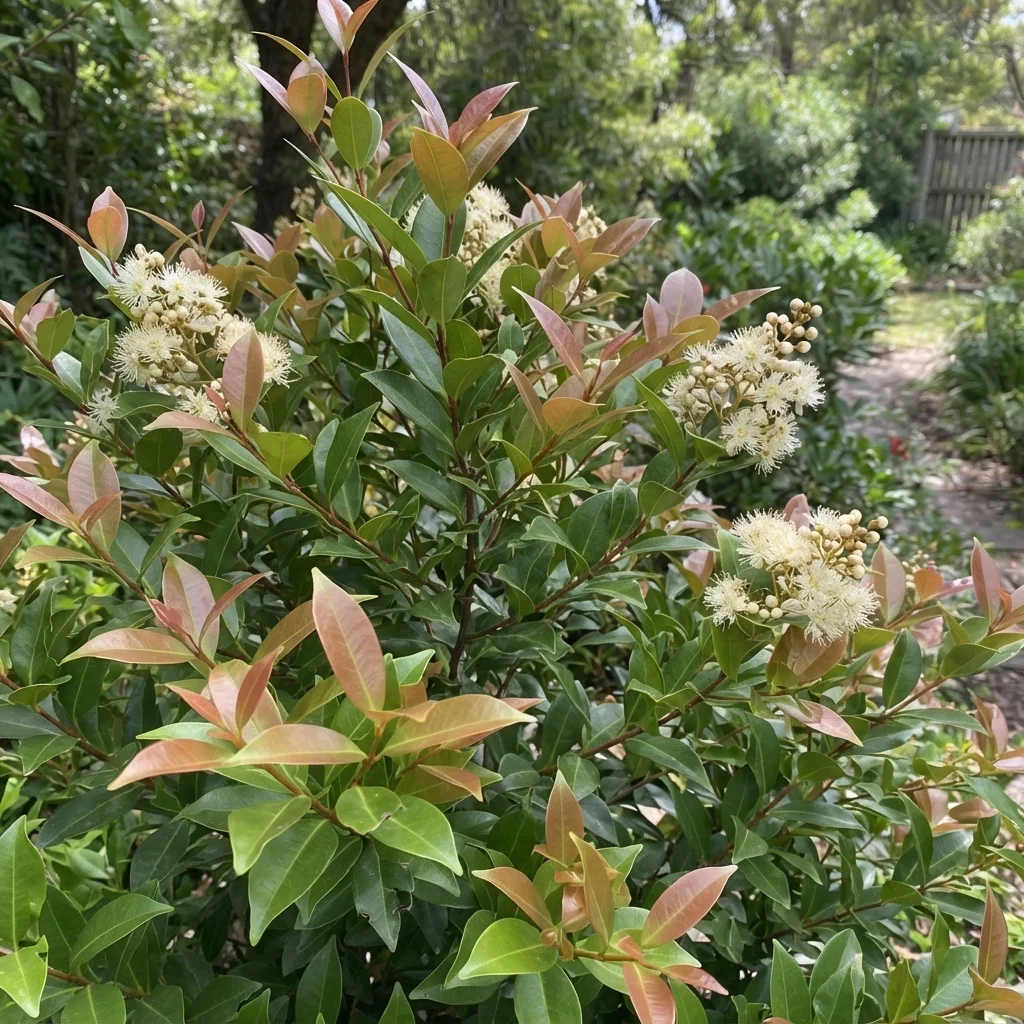
Backyard Bliss Lilly Pilly
Syzygium paniculatum 'Backyard Bliss'
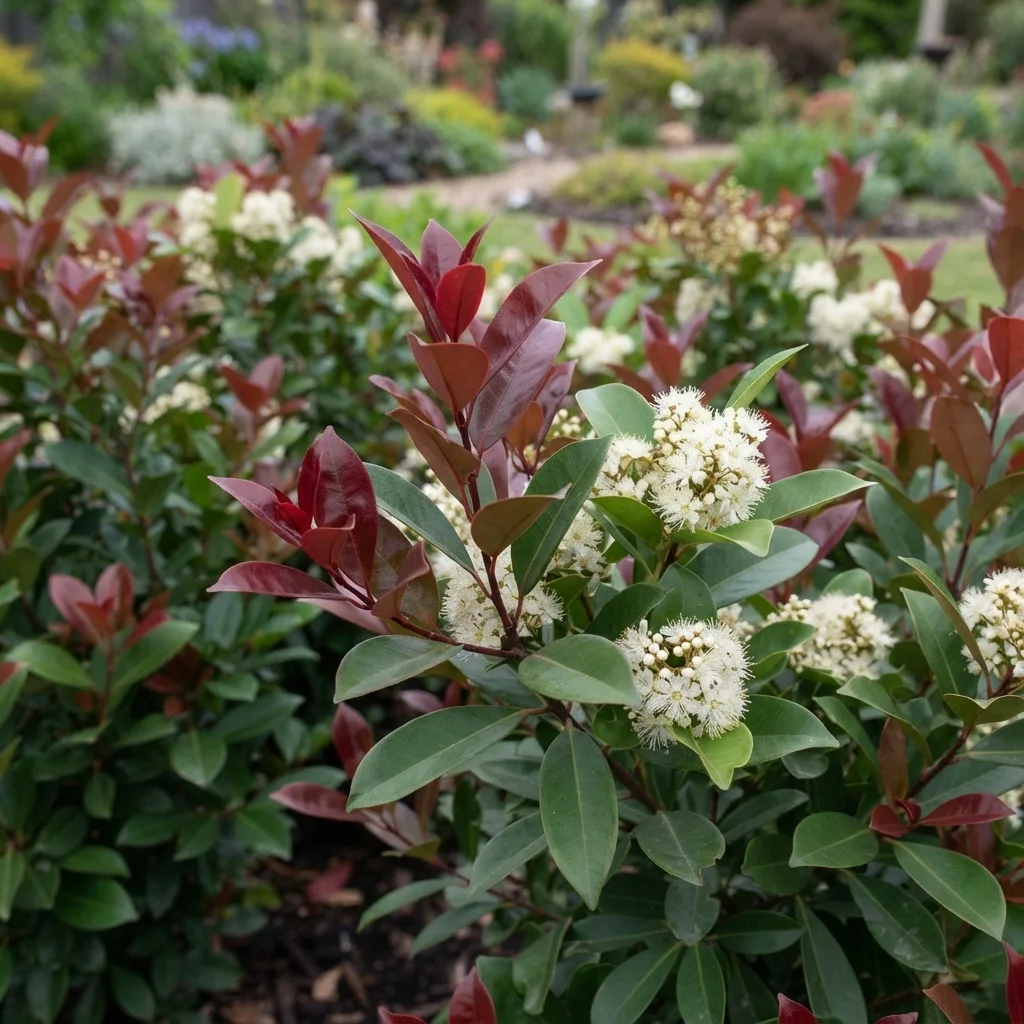
Big Red Lilly Pilly
Syzygium australe 'Big Red'
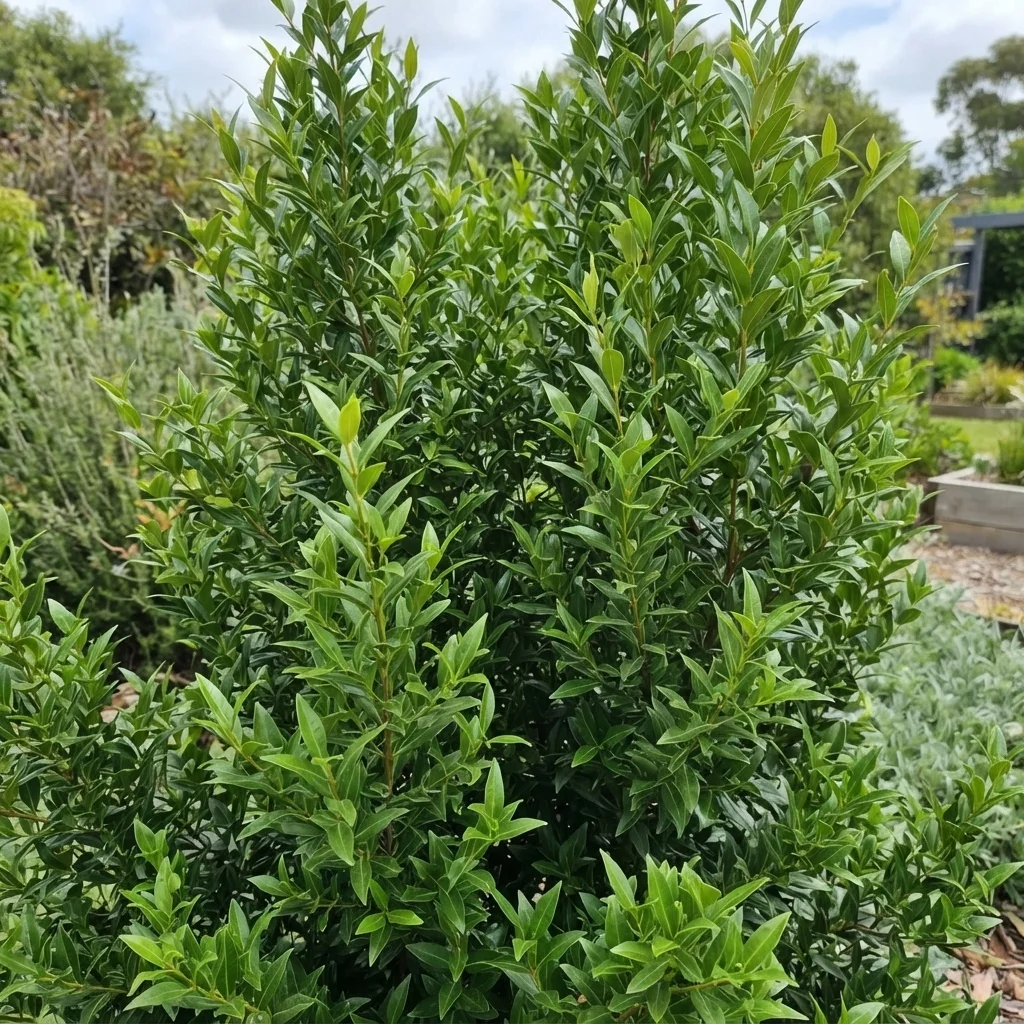
Straight and Narrow Lilly Pilly
Syzygium australe 'Straight and Narrow'
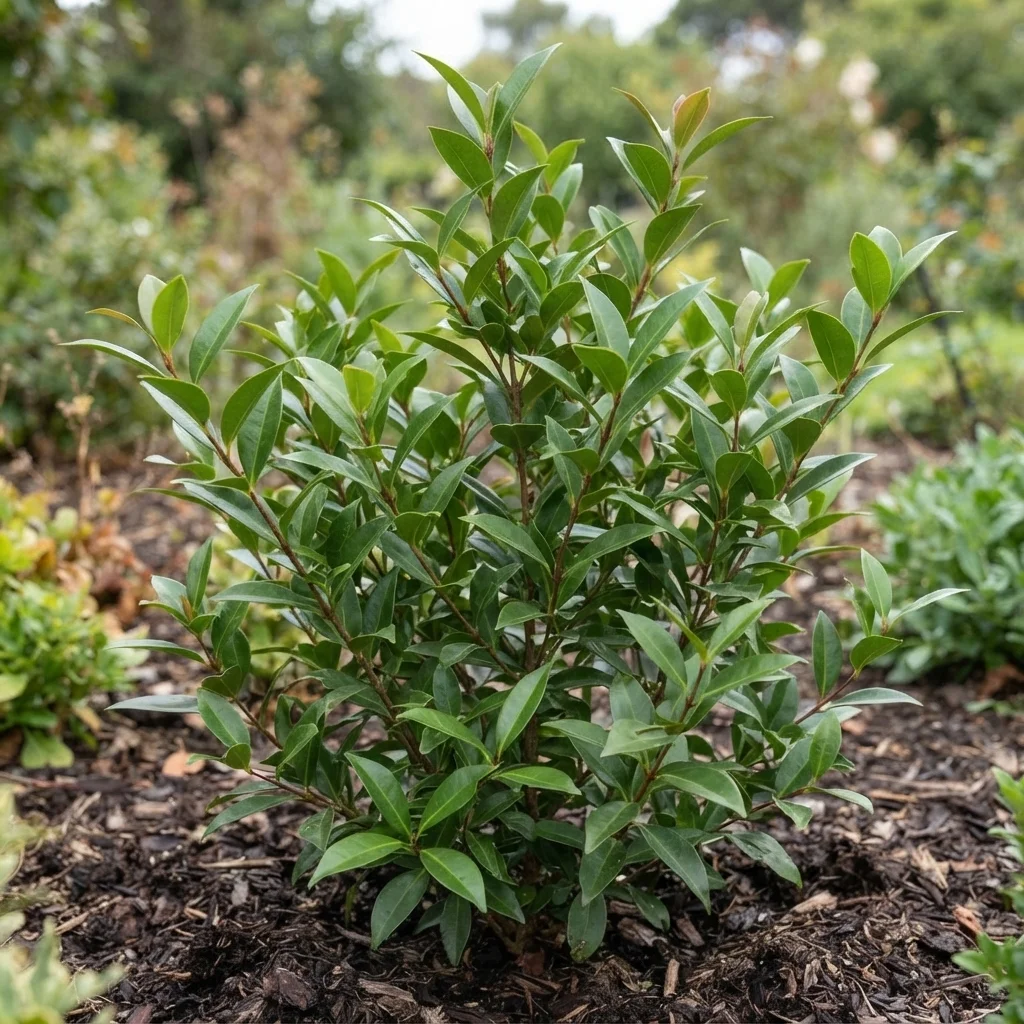
Baby Boomer Brush Cherry
Syzygium australe 'Baby Boomer'
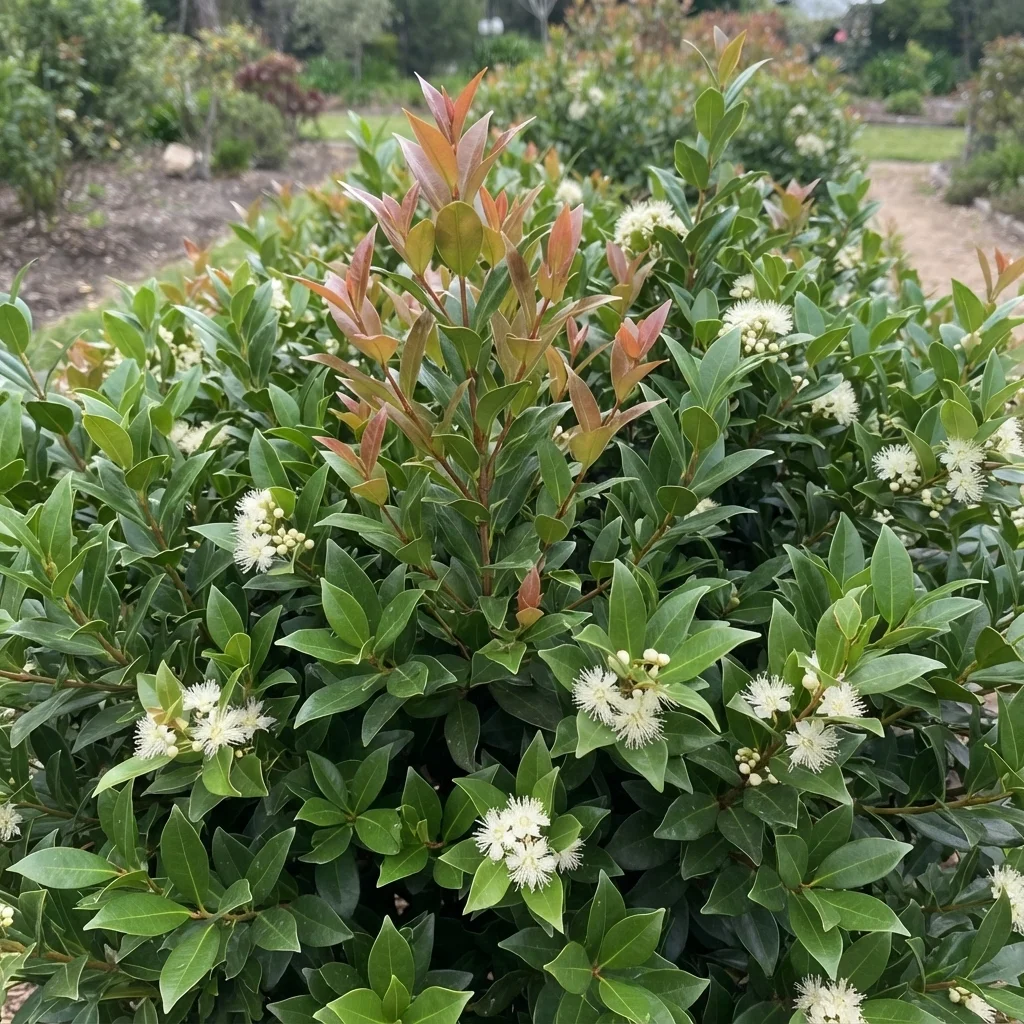
Select Lilly Pilly
Syzygium australe 'Select'
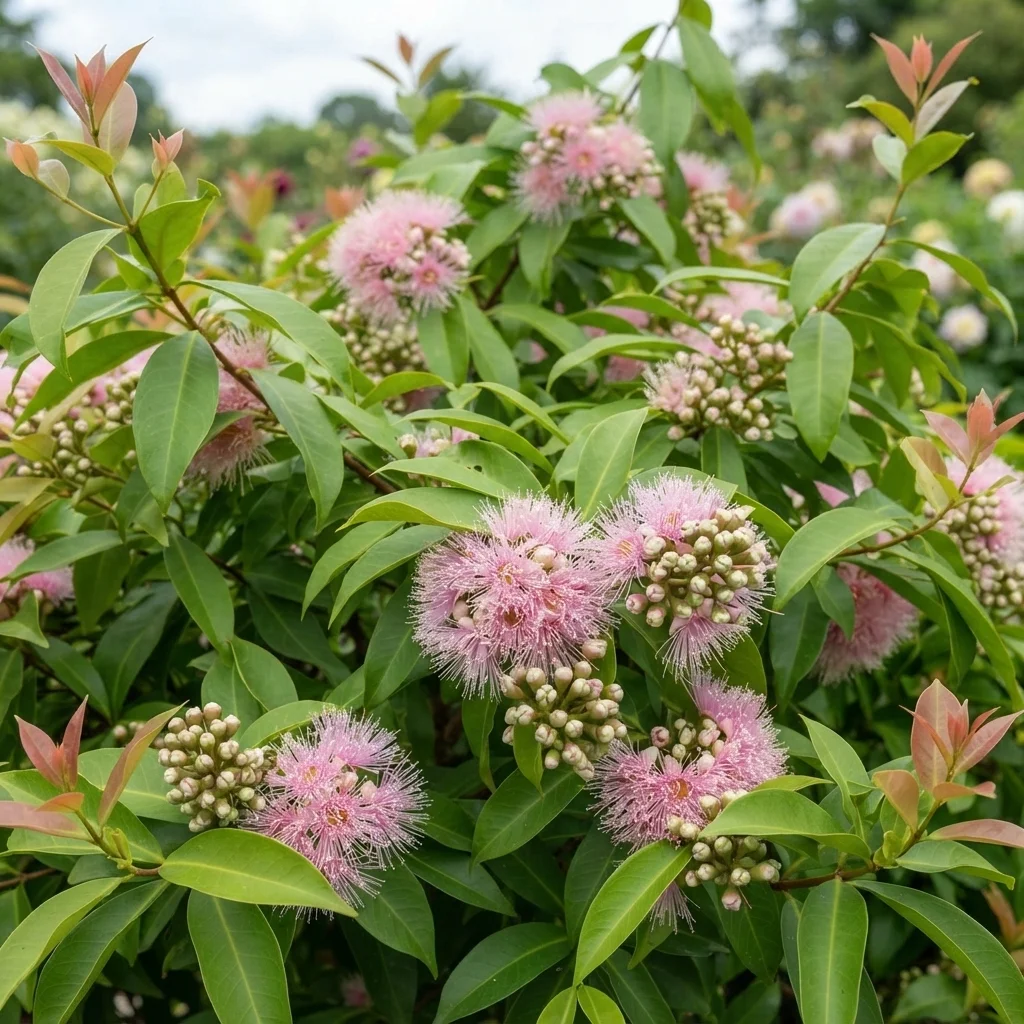
Cascade Lilly Pilly
Syzygium x hybrida 'Cascade'
Keep exploring
Explore the genus
Hardy in your zone?
Grow Wax Apple with confidence
See it in a design of your actual yard, get zone-matched care reminders, and track it season by season in your garden journal.