
The Story
Plant Bio
Salvia tingitana is a woody-based perennial sage forming an upright mound of square, freely branching stems to about three feet high and two feet wide. The pale lime-green leaves reach six inches long, are heavily wrinkled, and release a strong rose-leaf scent when crushed.
It carries tall spikes packed with one-inch two-lipped flowers, the falcate upper lip very pale lavender against a very pale yellow lower lip, variable toward white or pale blue. Despite the epithet tingitana for Tangier, no wild plants occur there; the only confirmed wild locality is in western Saudi Arabia after long cultivation without known origin.
Uses & Benefits:
Essentials
At a Glance
Plant Type
Perennial
Height
36"
Width
24"
Light
Full Sun
Zones
7, 8, 9
Water
Low
Humidity
Unknown
Lifespan
Perennial
Native To
Saudi Arabia
Toxicity
Unknown
Bloom period
Spring
In flower about 3 months of the year
Planting
How to Grow
- Plant in full sun with at least 5 hours of direct sun in lean, well-drained soil.
- Space 24 inches apart to allow the freely branching mound to fill without crowding.
- Water regularly to establish, then reduce; established plants get by on little water.
- Remove spent flower spikes after the spring flush to keep the mound compact.
Pro Tip
Site in full sun in lean, well-drained soil and hold back water once established; rich soil and excess irrigation produce soft growth that flops.
Keep It Thriving
Care Guide
Do
- Give full sun and sharp drainage.
- Water to establish, then ease off in heat.
- Keep air circulation open around the leafy mound.
Don't
- Don't plant in rich, moisture-holding soil.
- Don't overwater or leave the crown wet in winter.
- Don't cut back into old leafless wood.
Seasonal Care Calendar
| Task | Jan | Feb | Mar | Apr | May | Jun | Jul | Aug | Sep | Oct | Nov | Dec |
|---|---|---|---|---|---|---|---|---|---|---|---|---|
| Deadhead | ||||||||||||
| Pest Check | ||||||||||||
| Plant | ||||||||||||
| Winter Prep |
Watch Out For
Pests & Diseases
Common Pests
Common Diseases
In the Garden
Landscape Uses & Companions
Landscape Uses
Companion Plants
Multiply
Propagation Methods
Good to Know
Common Questions
Lost Clary questions
What zones can Lost Clary grow in?
Lost Clary is hardy in USDA Zones 7–9: in that range it survives winter in the ground. Colder than Zone 7, grow it in a container you can move to shelter for the winter, or as an annual. Warmer than Zone 9, winter isn't the problem: it prefers colder winters, and summer heat can shorten its life.
When does Lost Clary bloom?
Lost Clary typically blooms in spring. Exact timing shifts a week or two with your zone — Sow's bloom calendar maps it to your garden.
Does Lost Clary need full sun?
Lost Clary does best in full sun (6+ hours).
Is Lost Clary drought tolerant?
Yes — once established (usually after the first full season), Lost Clary handles dry spells with minimal watering. Water deeply its first year to build the root system that makes that possible.
More Salvia to compare
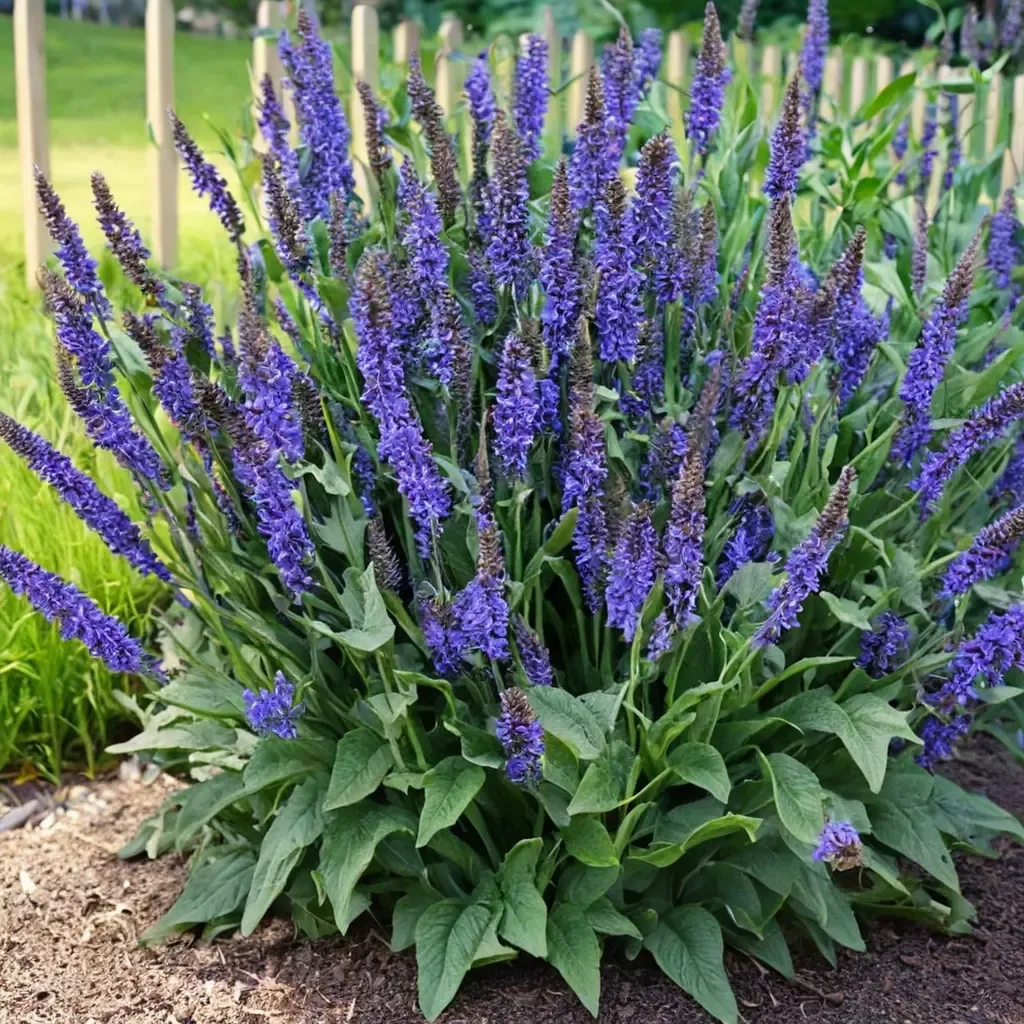
May Night Sage
Salvia nemorosa 'May Night'
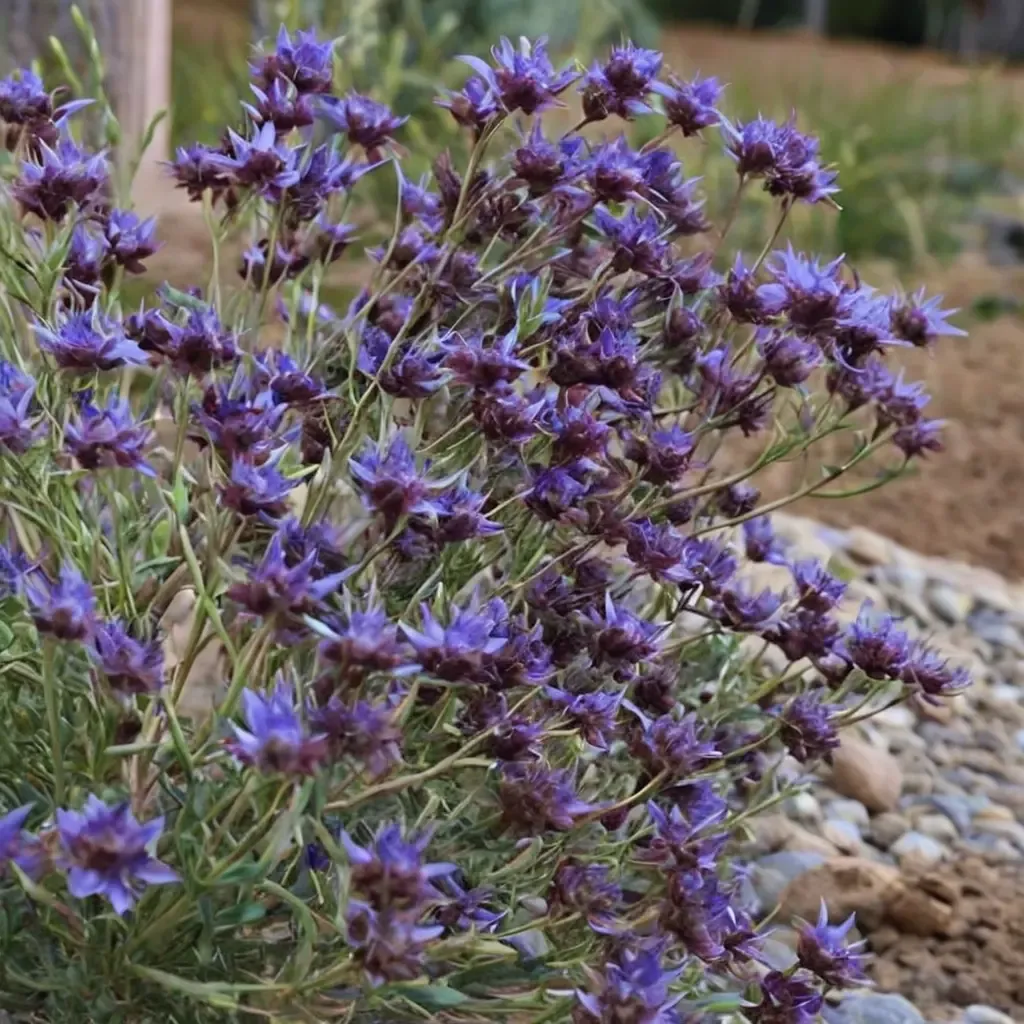
Celestial Blue Sage Wood Sage
Salvia nemorosa 'Celestial Blue'
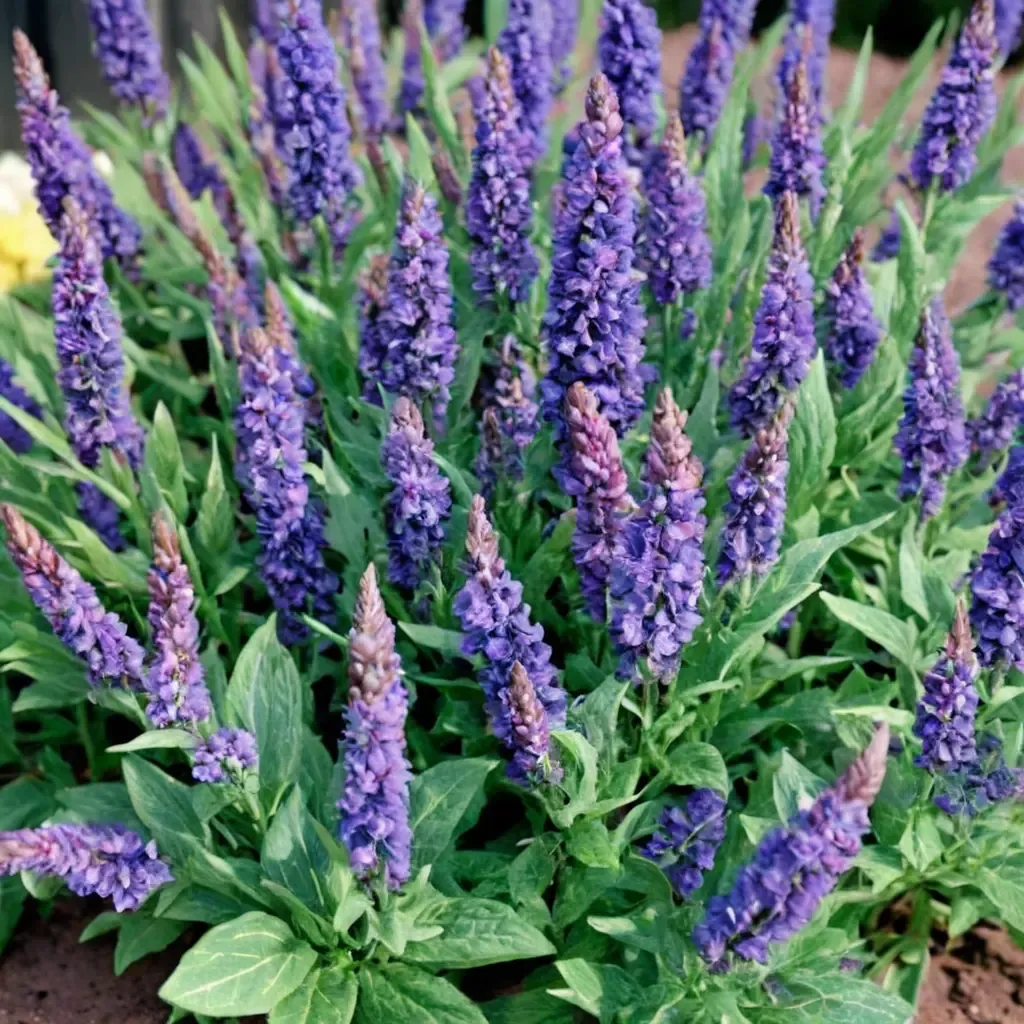
Marcus Woodland Sage
Salvia nemorosa 'Marcus'
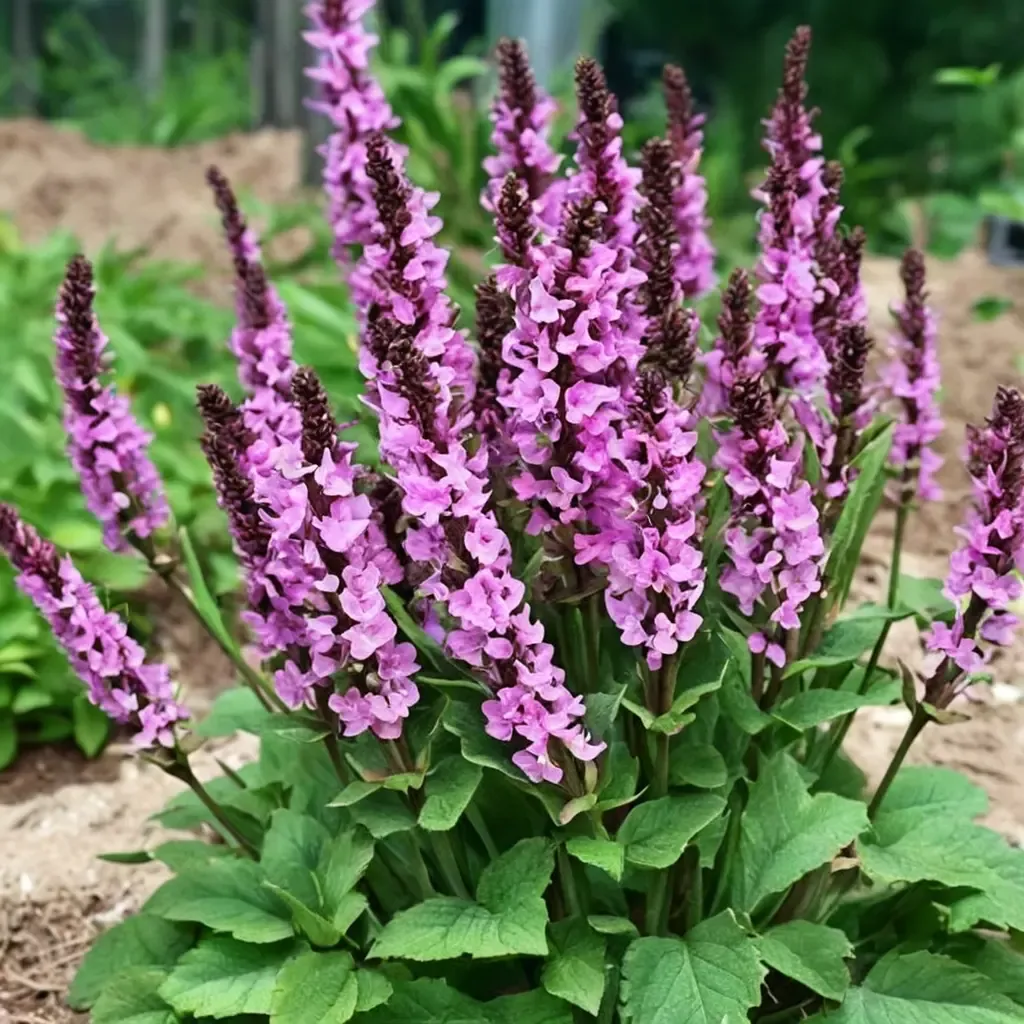
Rose Marvel Sage
Salvia nemorosa 'Rose Marvel'
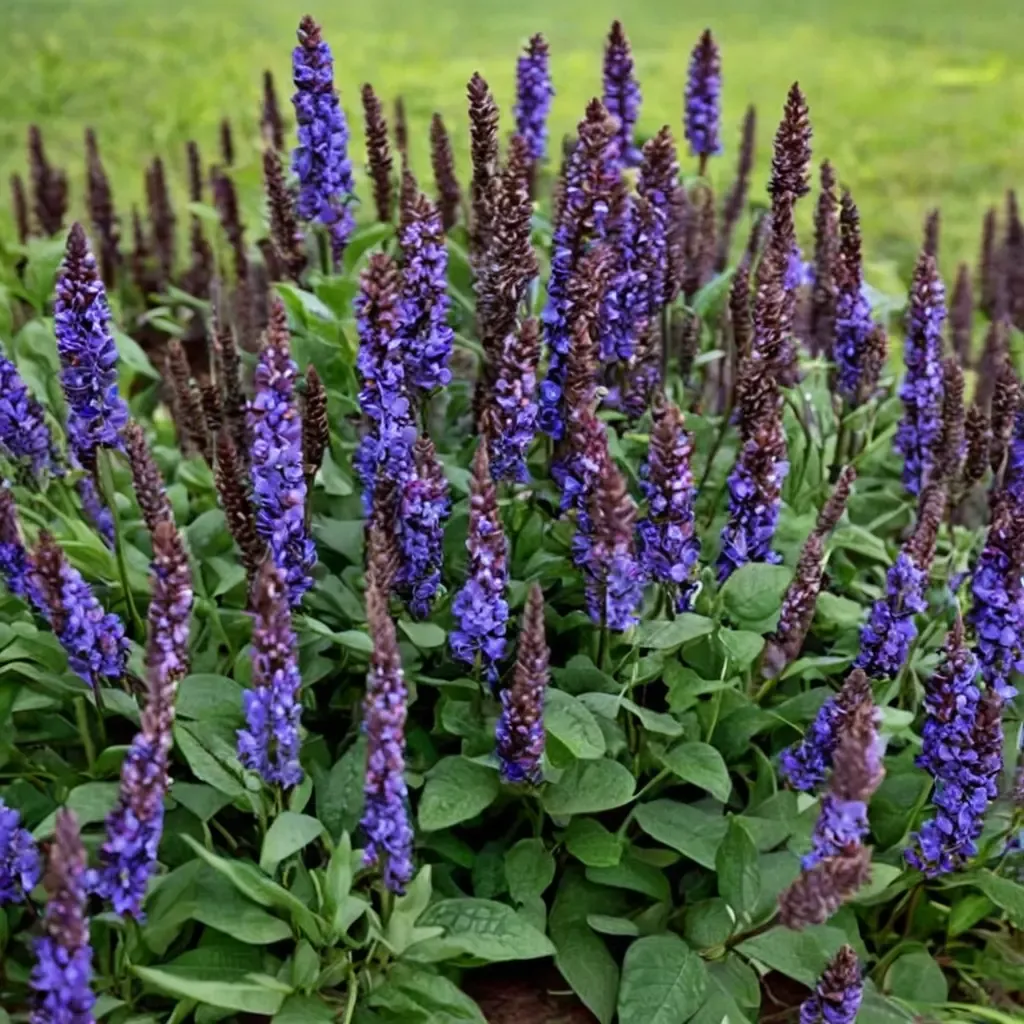
Bumbleblue Sage
Salvia nemorosa 'Bumbleblue'
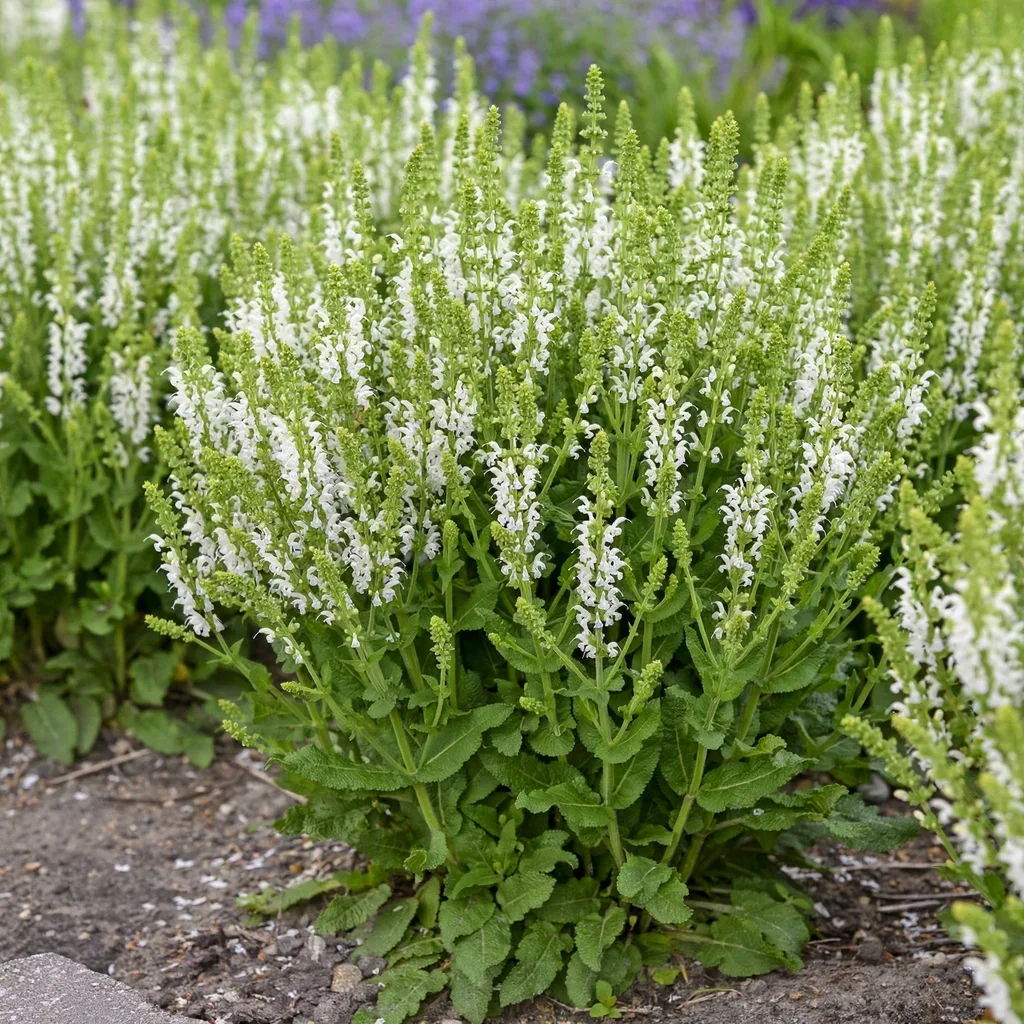
White Profusion Salvia
Salvia x hybrida 'White Profusion'
Keep exploring
Explore the genus
Hardy in your zone?
Grow Lost Clary with confidence
See it in a design of your actual yard, get zone-matched care reminders, and track it season by season in your garden journal.