The Story
Plant Bio
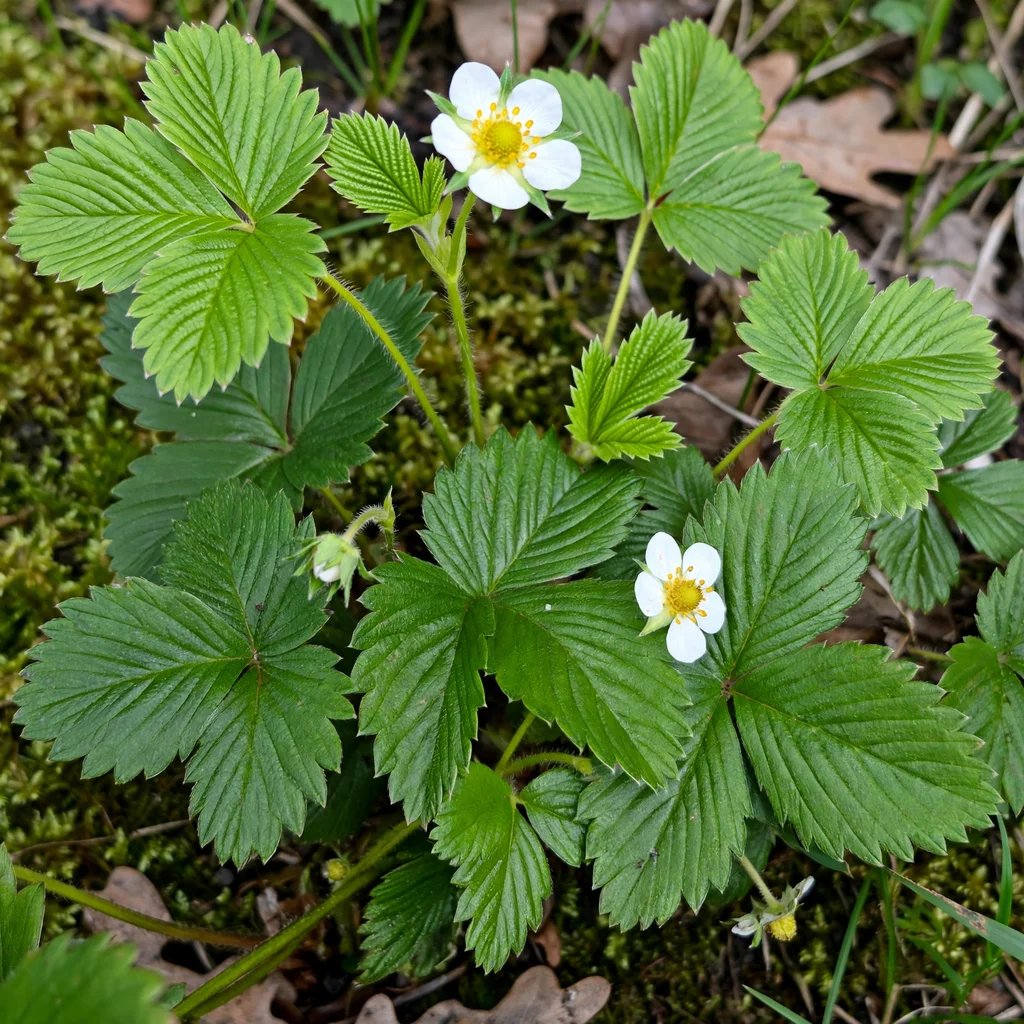
Fragaria vesca, the woodland strawberry, is a low stoloniferous perennial that forms a compact mat of trifoliate, sharply toothed leaves on slender petioles. It blooms in small white five-petaled flowers with yellow centers, followed by small soft aggregate fruits dotted with surface achenes that detach readily when ripe.
Subspecies californica, sold as Fragaria californica, is the western North American form with darker, non-glaucous green leaflets and spreading hairs on the petioles, the terminal tooth as large as its neighbors. It spreads by runners into a 4- to 6-inch mat about 12 inches wide, bearing small sweet berries adapted to winter-moist coastal woods, clearings and open forests.
Uses & Benefits:
Essentials
At a Glance
Plant Type
Groundcover
Height
10"
Width
12"
Light
Full Sun, Partial Sun, Shade
Zones
4, 5, 6, 7, 8, 9
Water
Medium
Humidity
Average
Lifespan
Perennial
Native To
Western North America
Toxicity
Non-toxic
Bloom period
Spring – Summer
In flower about 6 months of the year
Planting
How to Grow
- Plant in early spring or fall in humusy, fertile loam or sand that stays moist but drains freely.
- Set crowns at soil level with roots spread, spacing 12 inches to close into a mat.
- Water to keep soil evenly moist through bloom and fruiting; do not let plants dry hard.
- Mulch lightly with leaf mold to hold moisture and keep berries off soil.
- Allow runners to root where cover is wanted and remove spent leaves and rotted fruit.
Pro Tip
Let runners root where they touch and keep soil evenly moist through bloom and fruit; heavy nitrogen and dry heat invite mildew and spider mites without sizing up the berries.
Keep It Thriving
Care Guide
Do
- Grow in full sun for best fruit or part shade in woodland, with steady moisture.
- Fertilize lightly once in spring and keep nitrogen low.
- Monitor leaf undersides for mites and aphids in summer.
Don't
- Do not plant in hot dry full sun without irrigation.
- Do not over-fertilize or cut back hard into old crowns.
- Do not leave rotted fruit on the mat where gray mold spreads.
Seasonal Care Calendar
| Task | Jan | Feb | Mar | Apr | May | Jun | Jul | Aug | Sep | Oct | Nov | Dec |
|---|---|---|---|---|---|---|---|---|---|---|---|---|
| Divide | ||||||||||||
| Fertilize | ||||||||||||
| Pest Check | ||||||||||||
| Plant | ||||||||||||
| Spring Cleanup |
Watch Out For
Pests & Diseases
Common Pests
Common Diseases
In the Garden
Landscape Uses & Companions
Landscape Uses
Companion Plants
Multiply
Propagation Methods
Good to Know
Common Questions
California Strawberry questions
What zones can California Strawberry grow in?
California Strawberry is hardy in USDA Zones 4–9: in that range it survives winter in the ground. Warmer than Zone 9, winter isn't the problem: it prefers colder winters, and summer heat can shorten its life.
When does California Strawberry bloom?
California Strawberry typically blooms from spring to summer. Exact timing shifts a week or two with your zone — Sow's bloom calendar maps it to your garden.
Does California Strawberry need full sun?
California Strawberry does best in full sun to part shade. In hot climates, afternoon shade keeps blooms fresher longer.
More Fragaria to compare
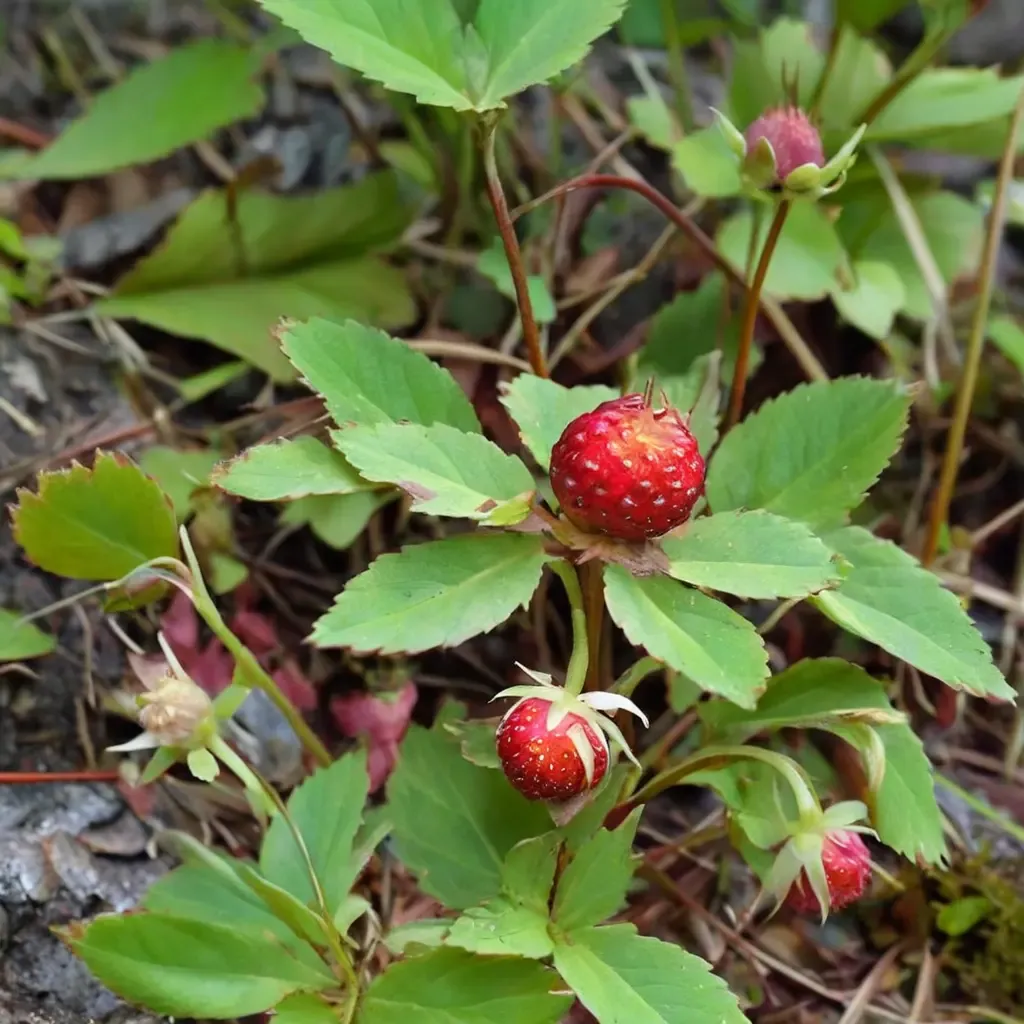
Wild Strawberry
Fragaria virginiana
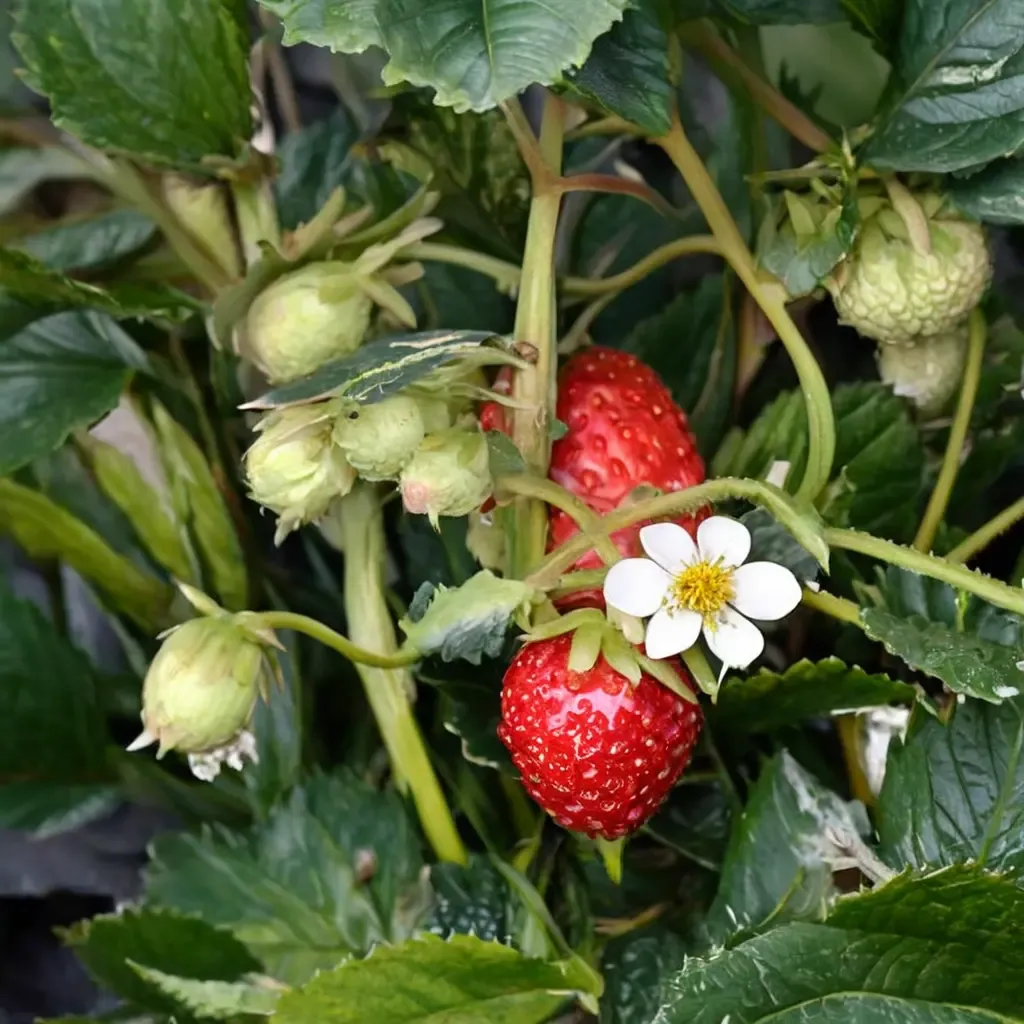
Delizz Strawberry
Fragaria x ananassa 'Delizz'
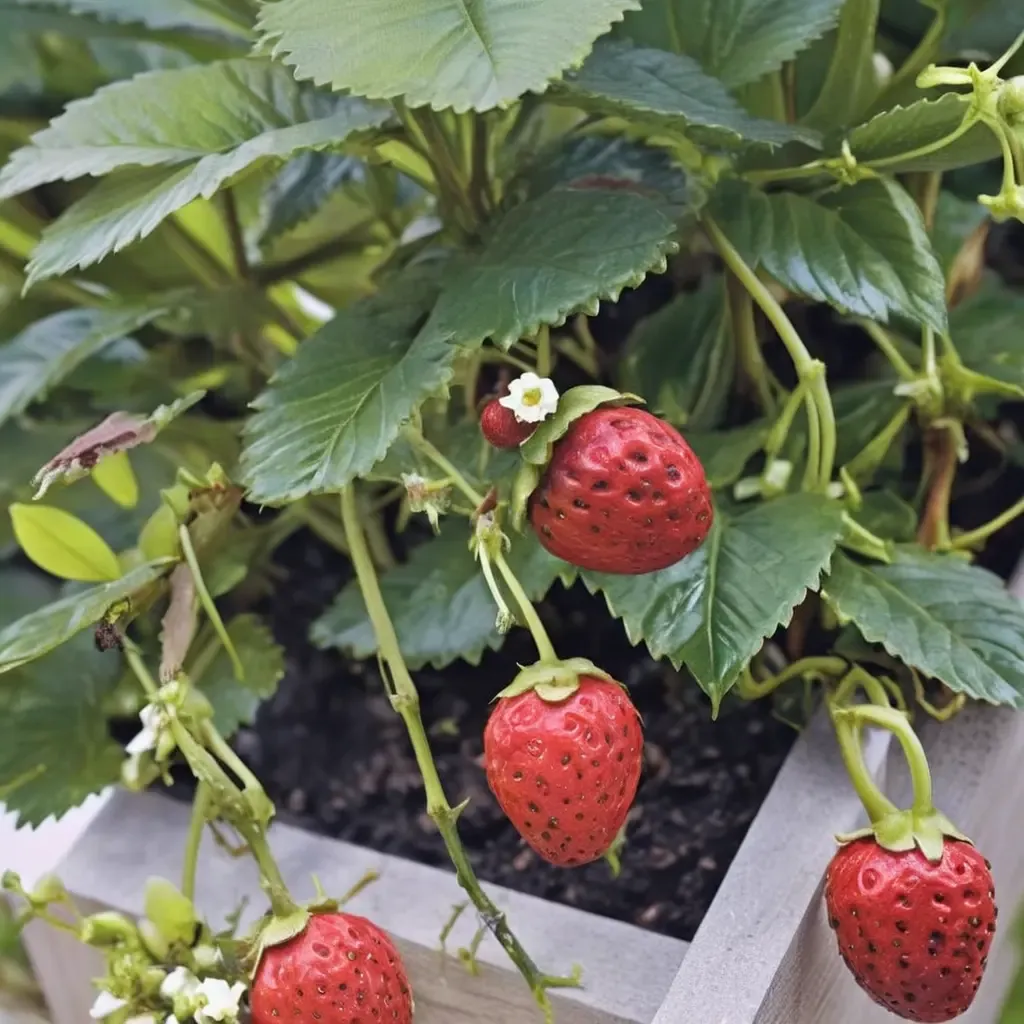
Elan Strawberry
Fragaria x ananassa 'Elan'
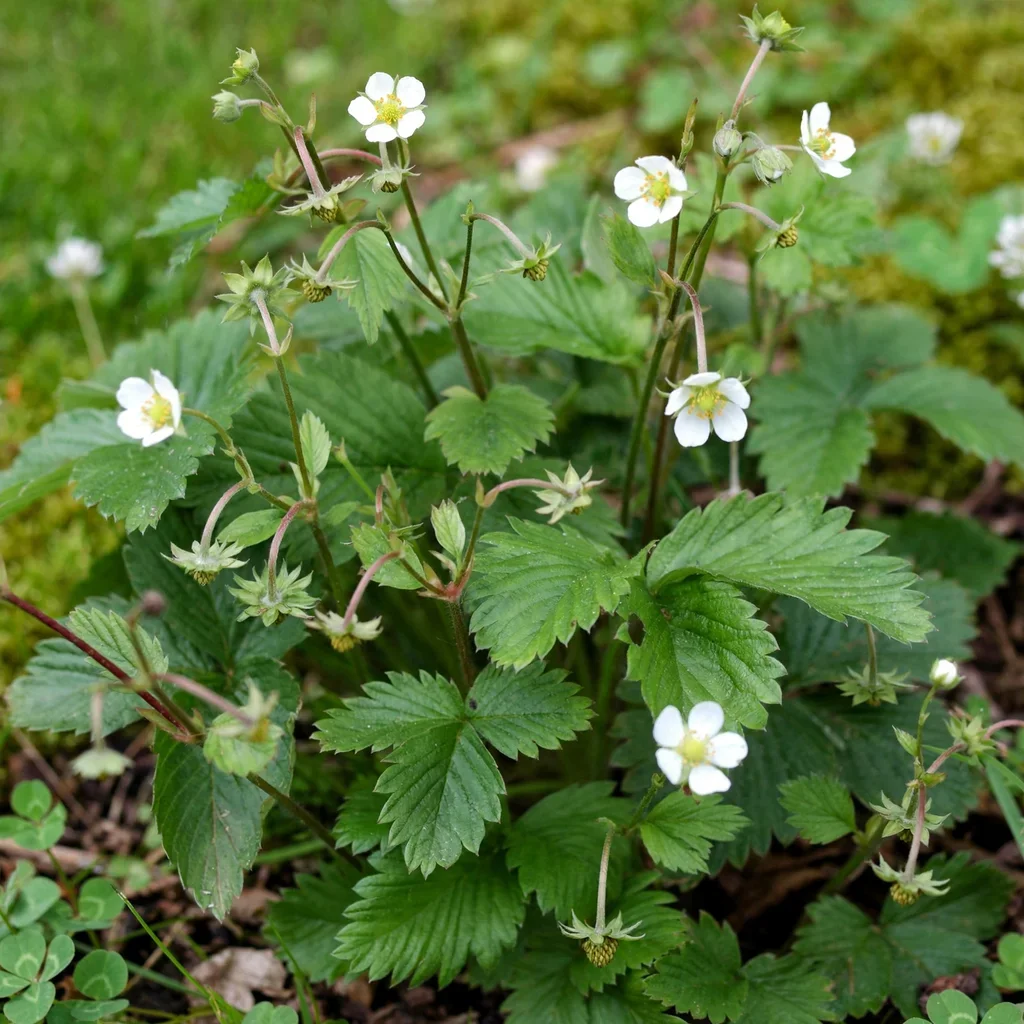
Improved Rugen Strawberry
Fragaria vesca 'Improved Rugen'
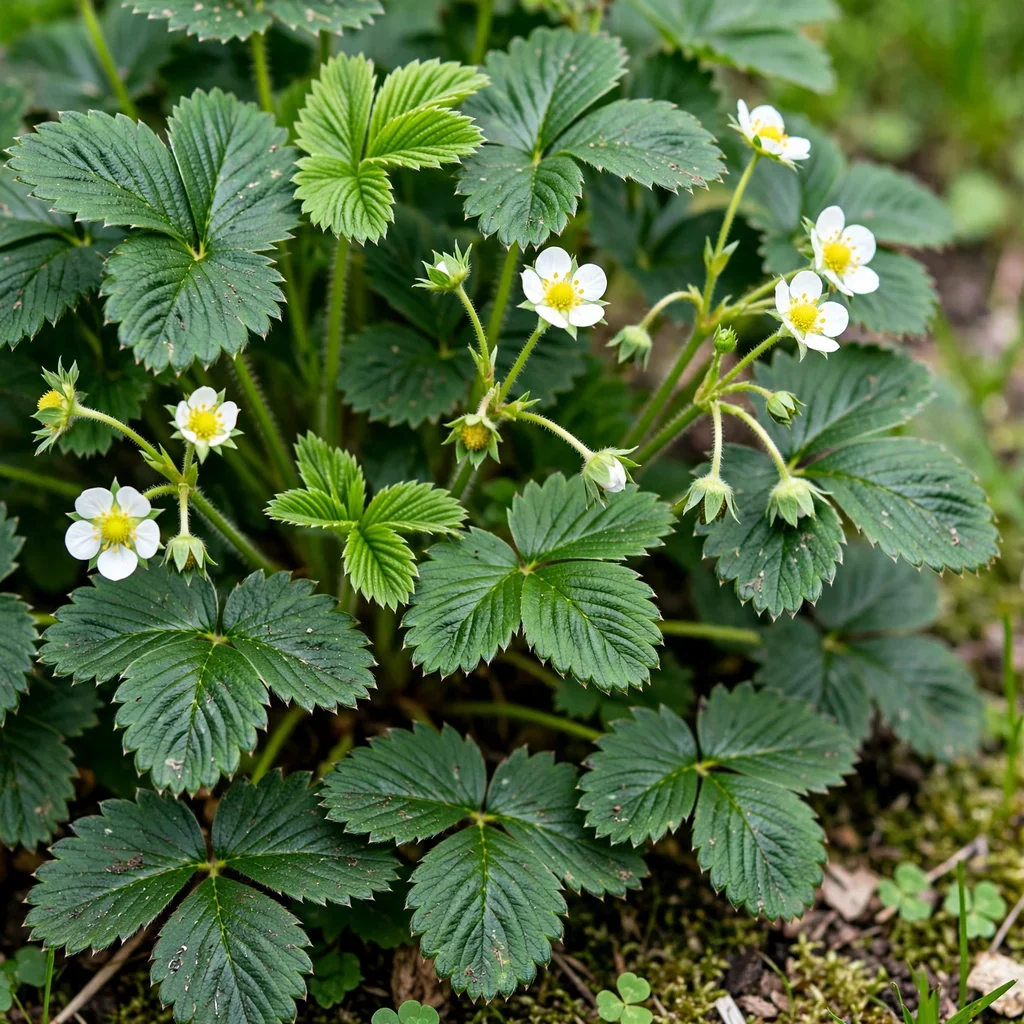
Mara des Bois Strawberry
Fragaria x ananassa 'Mara des Bois'
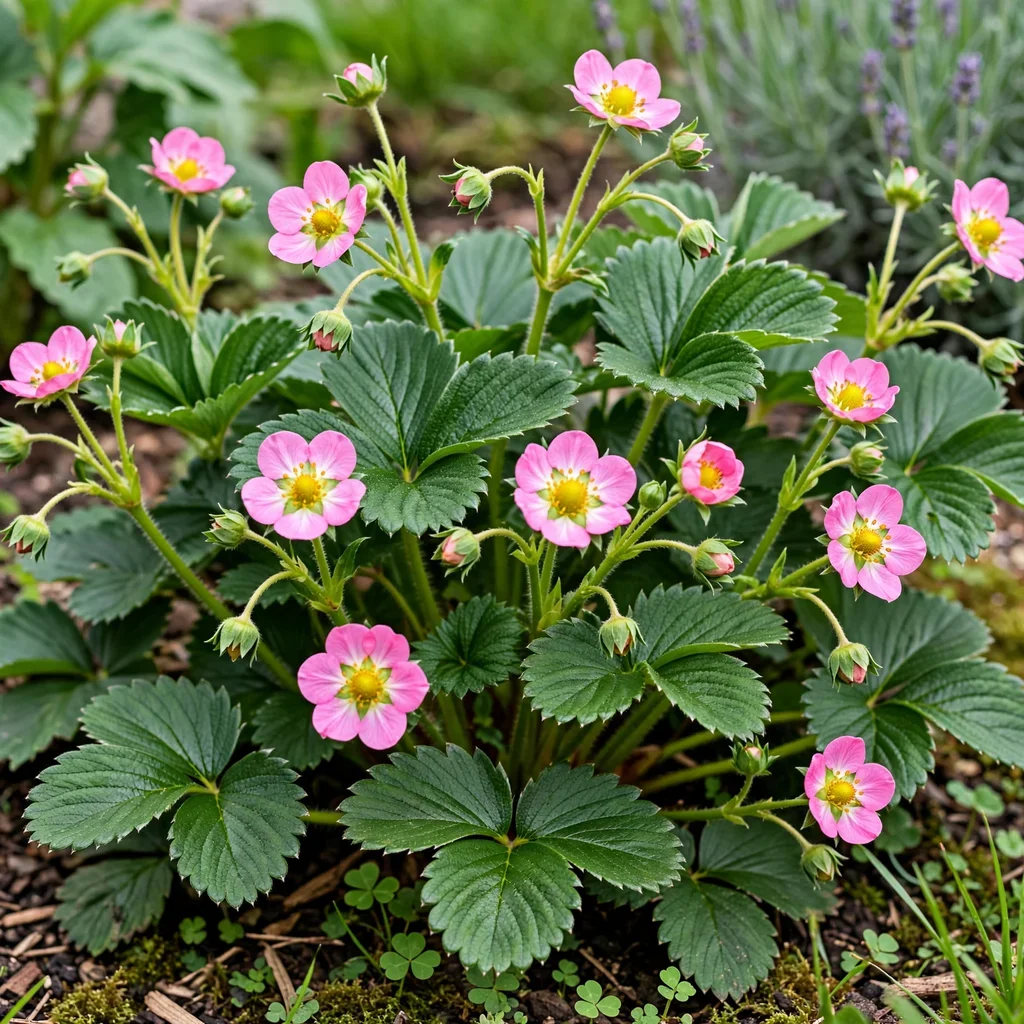
Gasana Everbearing Strawberry
Fragaria x ananassa 'Gasana Everbearing'
Keep exploring
Explore the genus
Grow California Strawberry with confidence
See it in a design of your actual yard, get zone-matched care reminders, and track it season by season in your garden journal.