The Story
Plant Bio
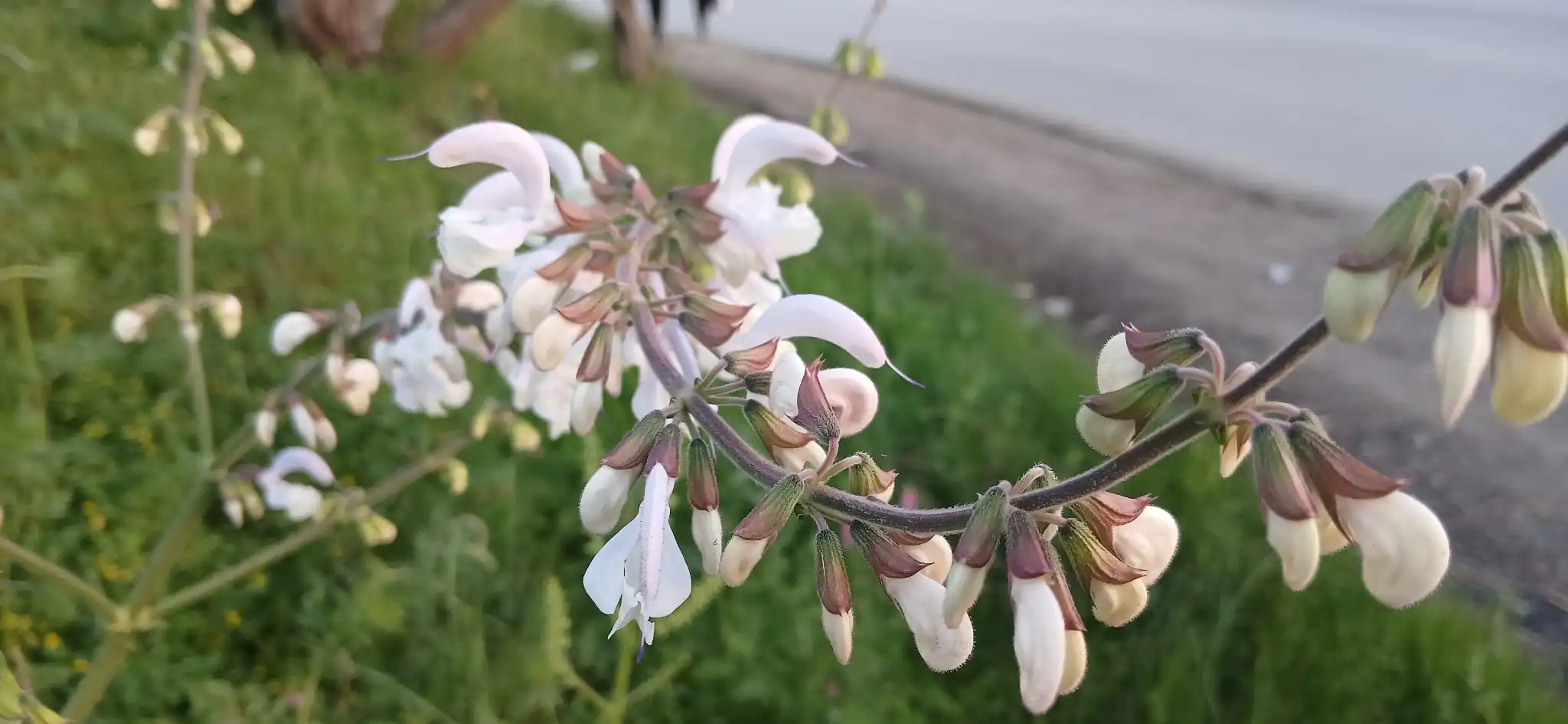
Salvia barrelieri is an erect herbaceous perennial from the southwestern Mediterranean, forming a large clump of wavy gray-green leaves with pale velvety undersides. From early summer it sends up tall branched panicles of verticillasters where each falcate flower opens pale blue with an almost white lower lip from a green ribbed hairy calyx.
Foliage stays knee-high while the central flowering spike rises to three or four feet, so the plant reads twice as tall in bloom as out of it. It is the Etlinger species with sky-blue flowers and broad lobed basal leaves, not the Bentham name of the same spelling that belongs to Salvia virgata.
Uses & Benefits:
Essentials
At a Glance
Plant Type
Perennial
Height
48"
Width
24"
Light
Full Sun
Zones
7, 8, 9, 10
Water
Average
Humidity
Unknown
Lifespan
Perennial
Native To
Southwestern Mediterranean
Toxicity
Unknown
Bloom period
Early summer – Fall
In flower about 6 months of the year
Planting
How to Grow
- Plant in full sun with shelter from strong wind in sharply drained loam or sand.
- Space 24 inches apart to hold air around the gray-green clump.
- Water regularly to establish, then water average and never leave standing wet over winter.
- After the first flush cut spent spikes, tidy leaves, feed lightly and mulch to keep roots cool.
Pro Tip
Give it sun and sharp winter drainage with shelter from wind; wet clay over winter kills the crown faster than cold does.
Keep It Thriving
Care Guide
Do
- Do plant in full sun with sharp winter drainage.
- Do remove spent spikes after first flowering to extend bloom.
- Do mulch to keep roots cool in summer and insulated in winter.
Don't
- Don't plant in wet winter clay where the crown rots.
- Don't judge mature size by the foliage rosette — the flower spike rises far above it.
- Don't confuse this Etlinger species with the Bentham name now treated as Salvia virgata.
Seasonal Care Calendar
| Task | Jan | Feb | Mar | Apr | May | Jun | Jul | Aug | Sep | Oct | Nov | Dec |
|---|---|---|---|---|---|---|---|---|---|---|---|---|
| Deadhead | ||||||||||||
| Fertilize | ||||||||||||
| Mulch | ||||||||||||
| Plant | ||||||||||||
| Propagate |
Watch Out For
Pests & Diseases
Common Pests
Common Diseases
In the Garden
Landscape Uses & Companions
Landscape Uses
Companion Plants
Multiply
Propagation Methods
Good to Know
Common Questions
North African Sage questions
What zones can North African Sage grow in?
North African Sage is hardy in USDA Zones 7–10: in that range it survives winter in the ground. Colder than Zone 7, grow it in a container you can move to shelter for the winter, or as an annual.
When does North African Sage bloom?
North African Sage typically blooms from summer to fall. Exact timing shifts a week or two with your zone — Sow's bloom calendar maps it to your garden.
Does North African Sage need full sun?
North African Sage does best in full sun (6+ hours).
More Salvia to compare
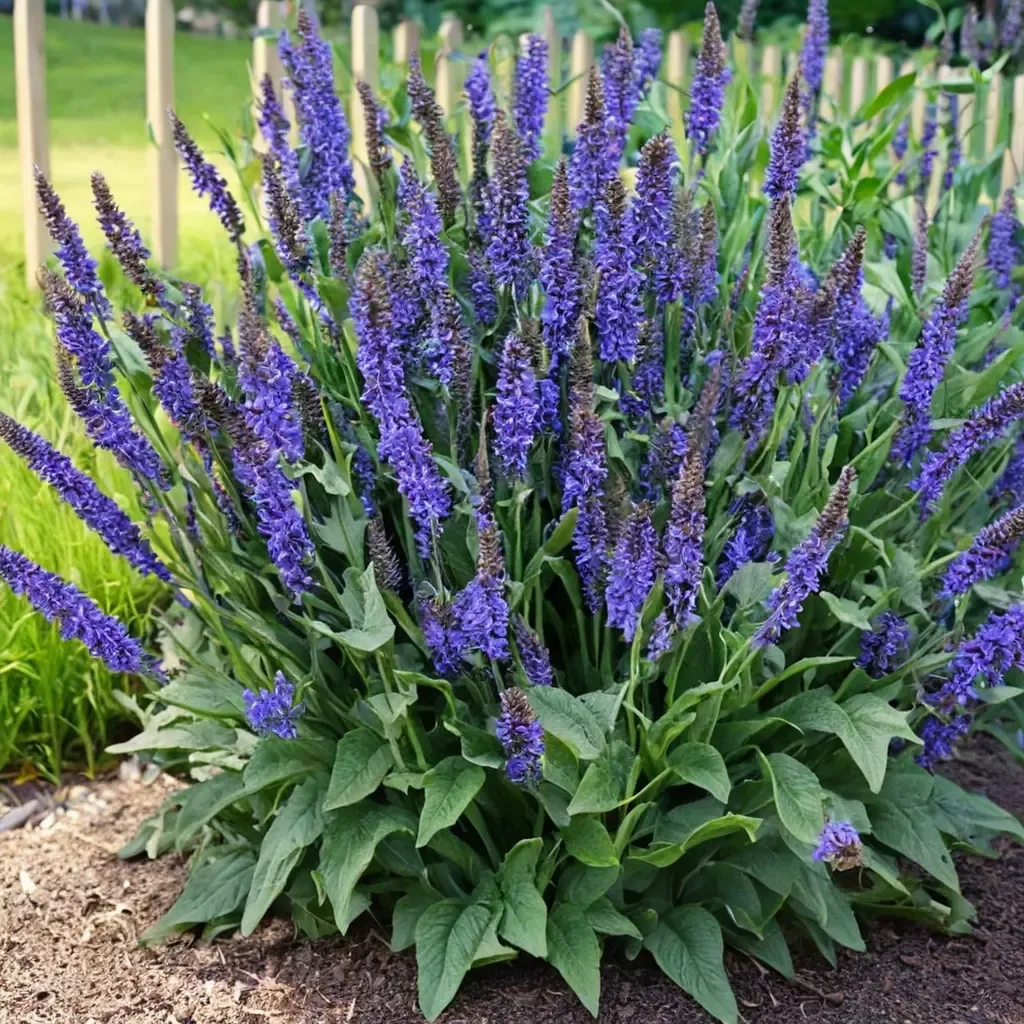
May Night Sage
Salvia nemorosa 'May Night'
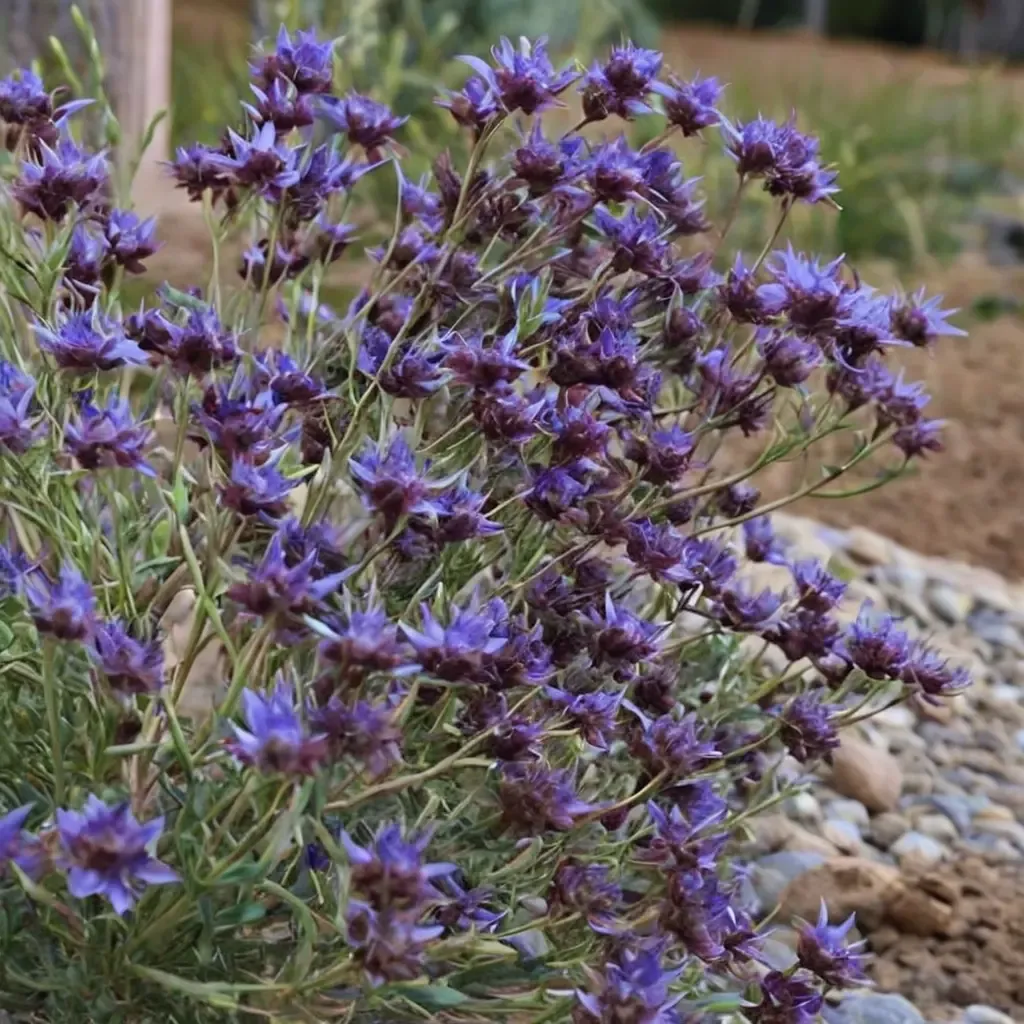
Celestial Blue Sage Wood Sage
Salvia nemorosa 'Celestial Blue'
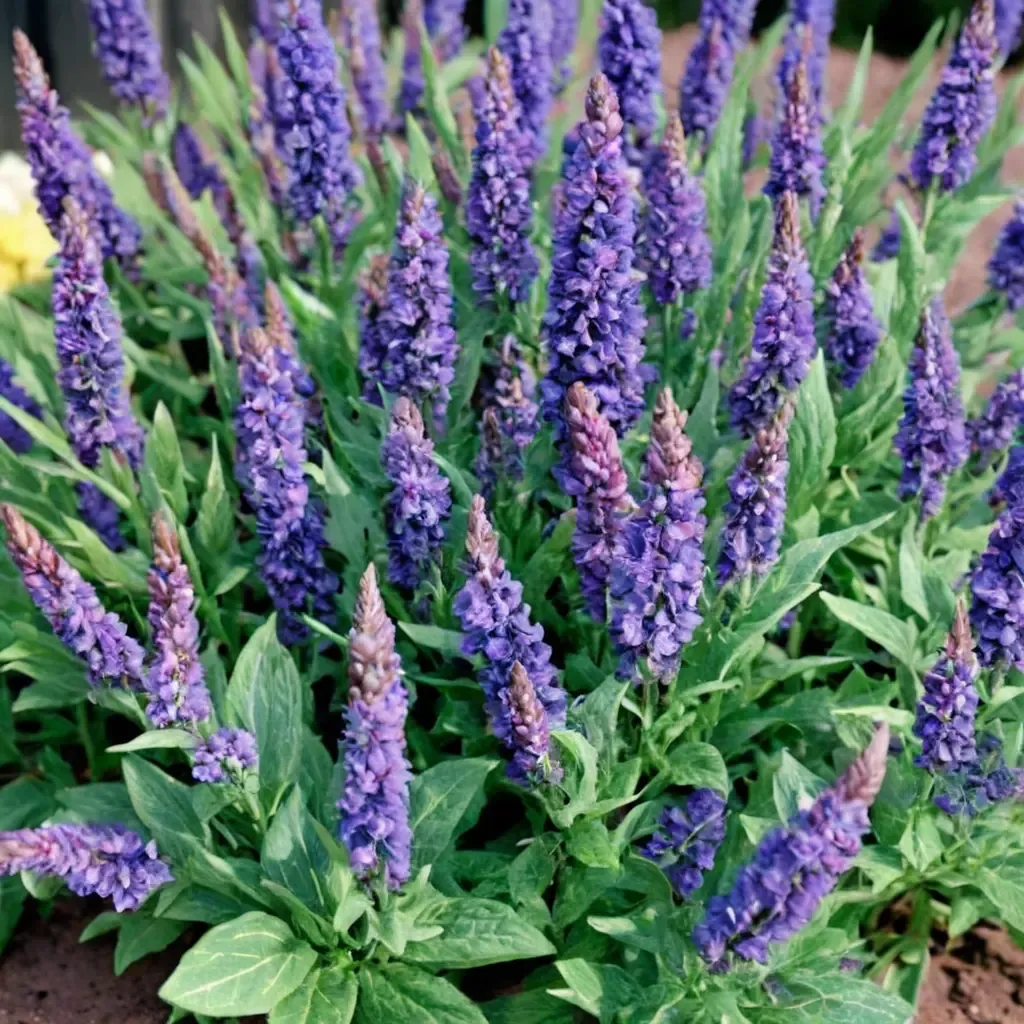
Marcus Woodland Sage
Salvia nemorosa 'Marcus'
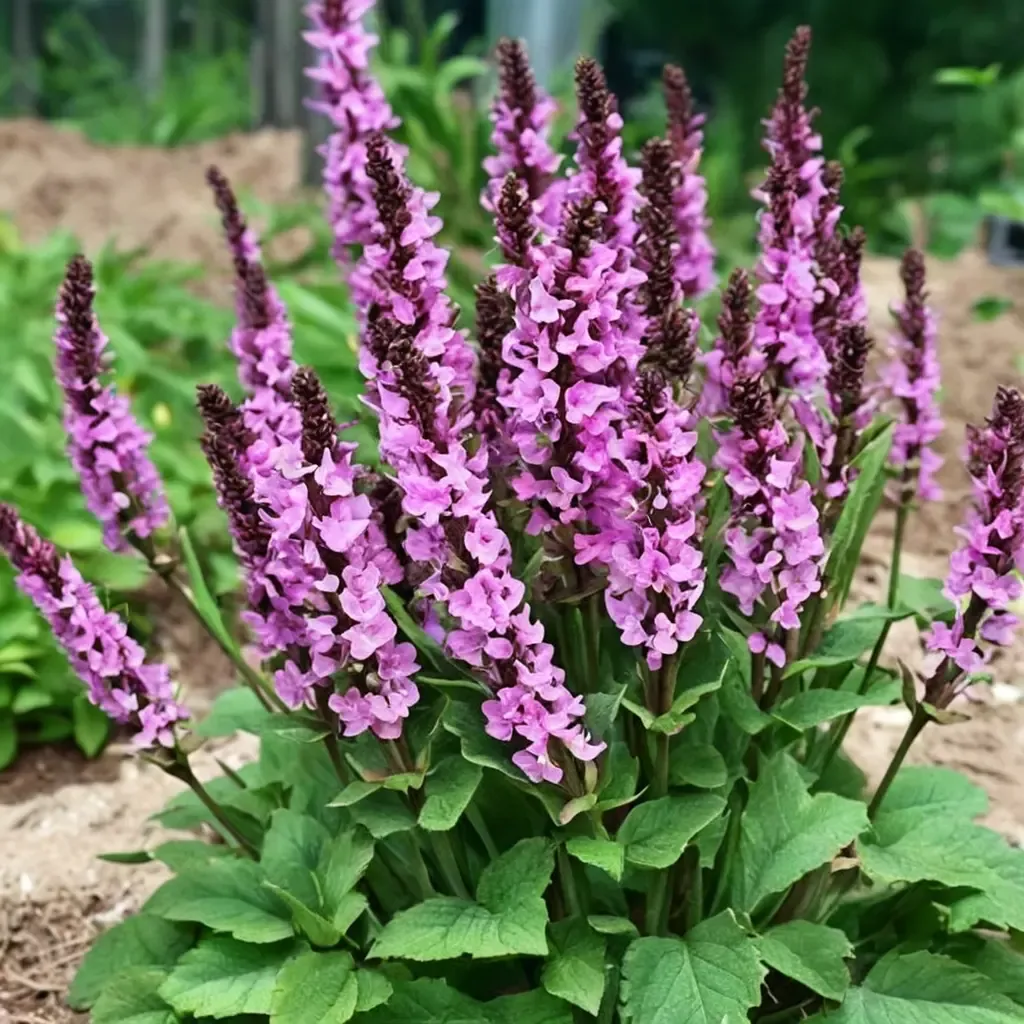
Rose Marvel Sage
Salvia nemorosa 'Rose Marvel'
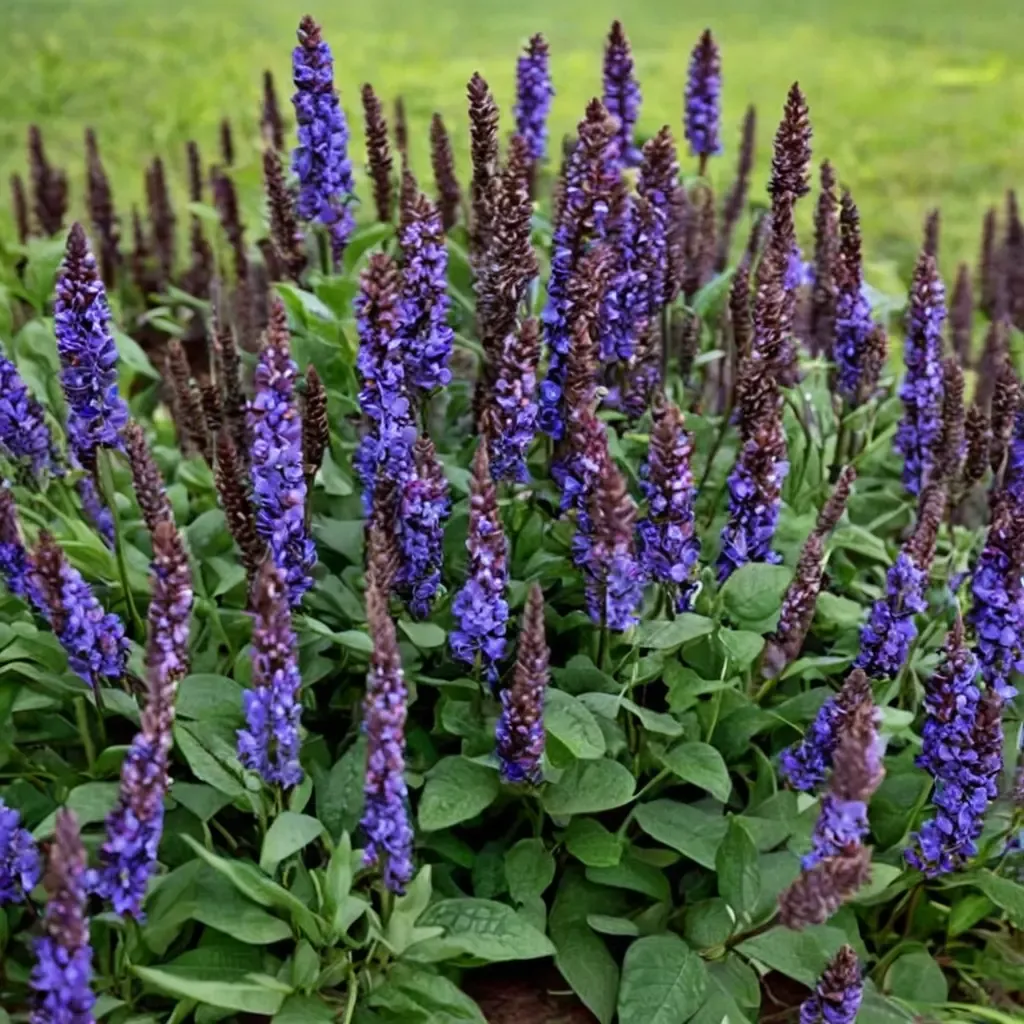
Bumbleblue Sage
Salvia nemorosa 'Bumbleblue'
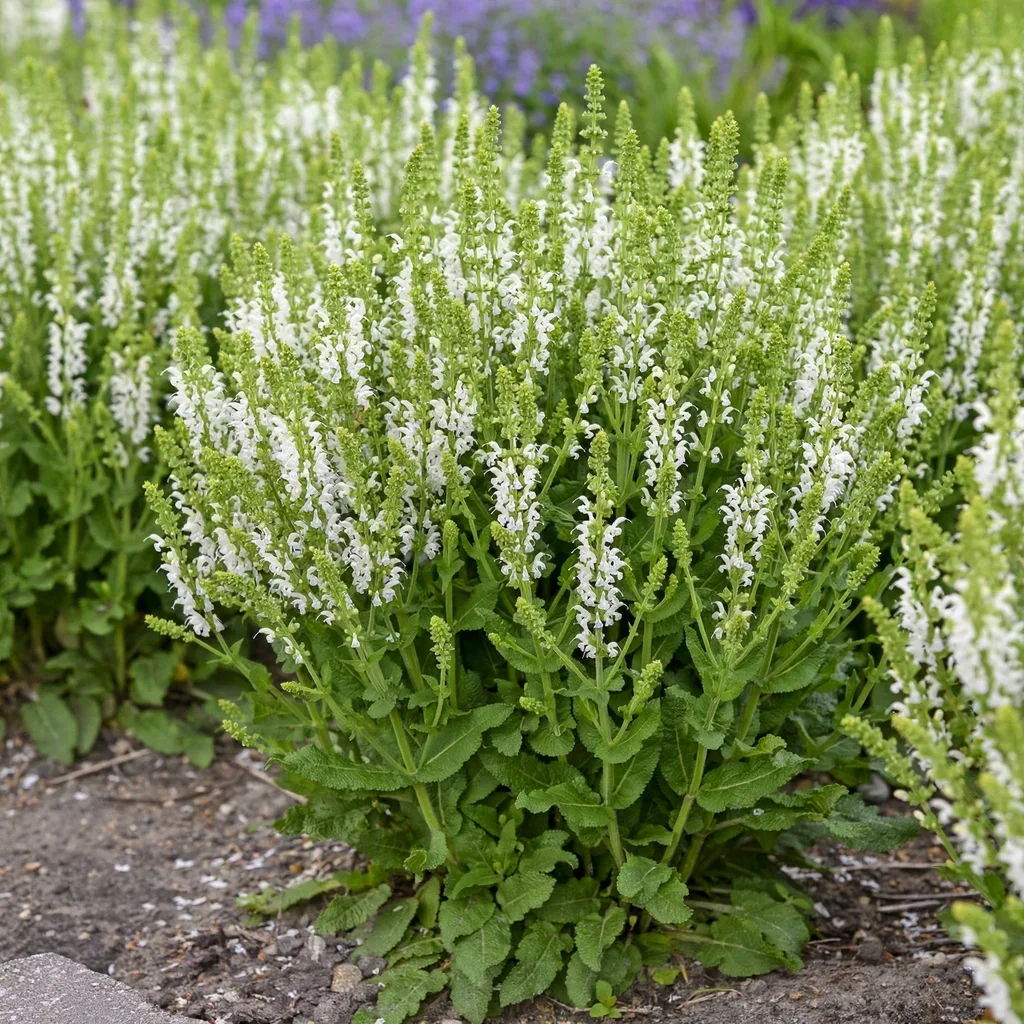
White Profusion Salvia
Salvia x hybrida 'White Profusion'
Keep exploring
Explore the genus
Hardy in your zone?
Grow North African Sage with confidence
See it in a design of your actual yard, get zone-matched care reminders, and track it season by season in your garden journal.